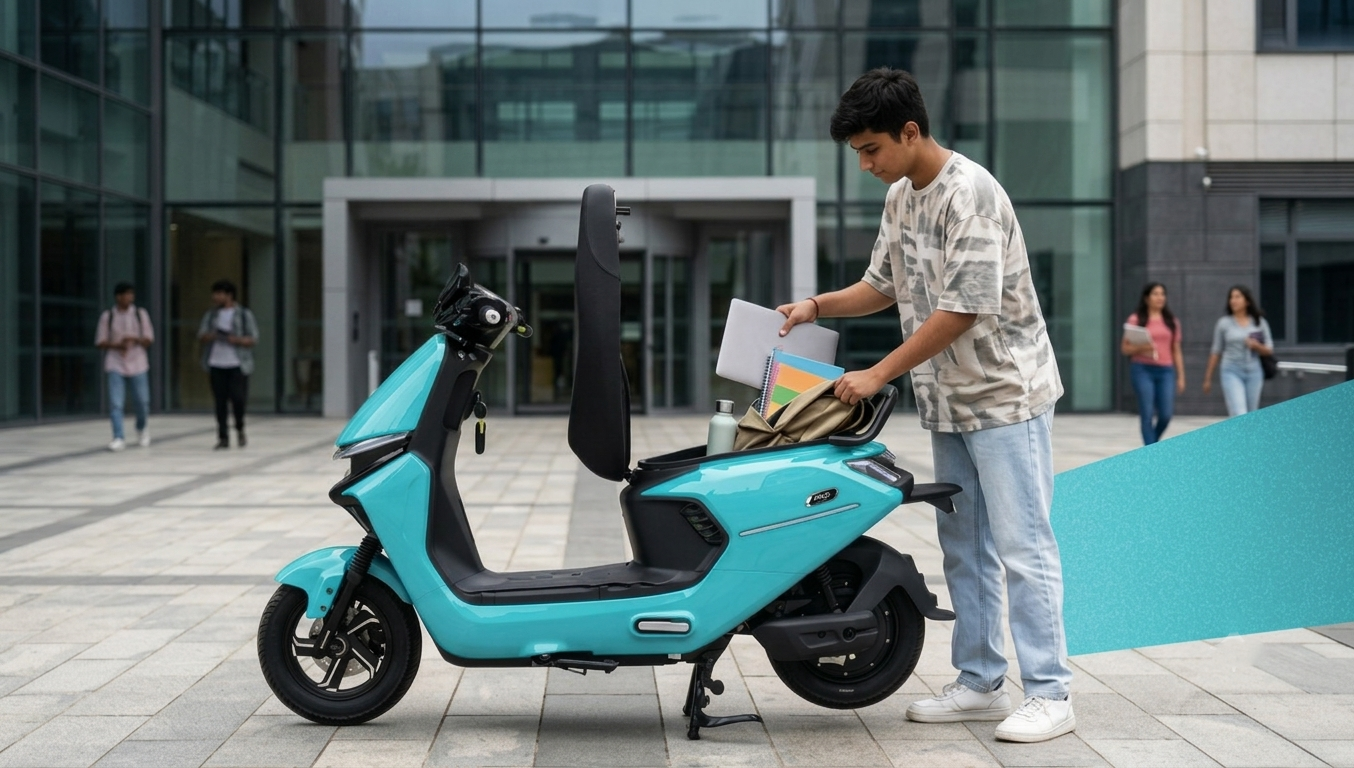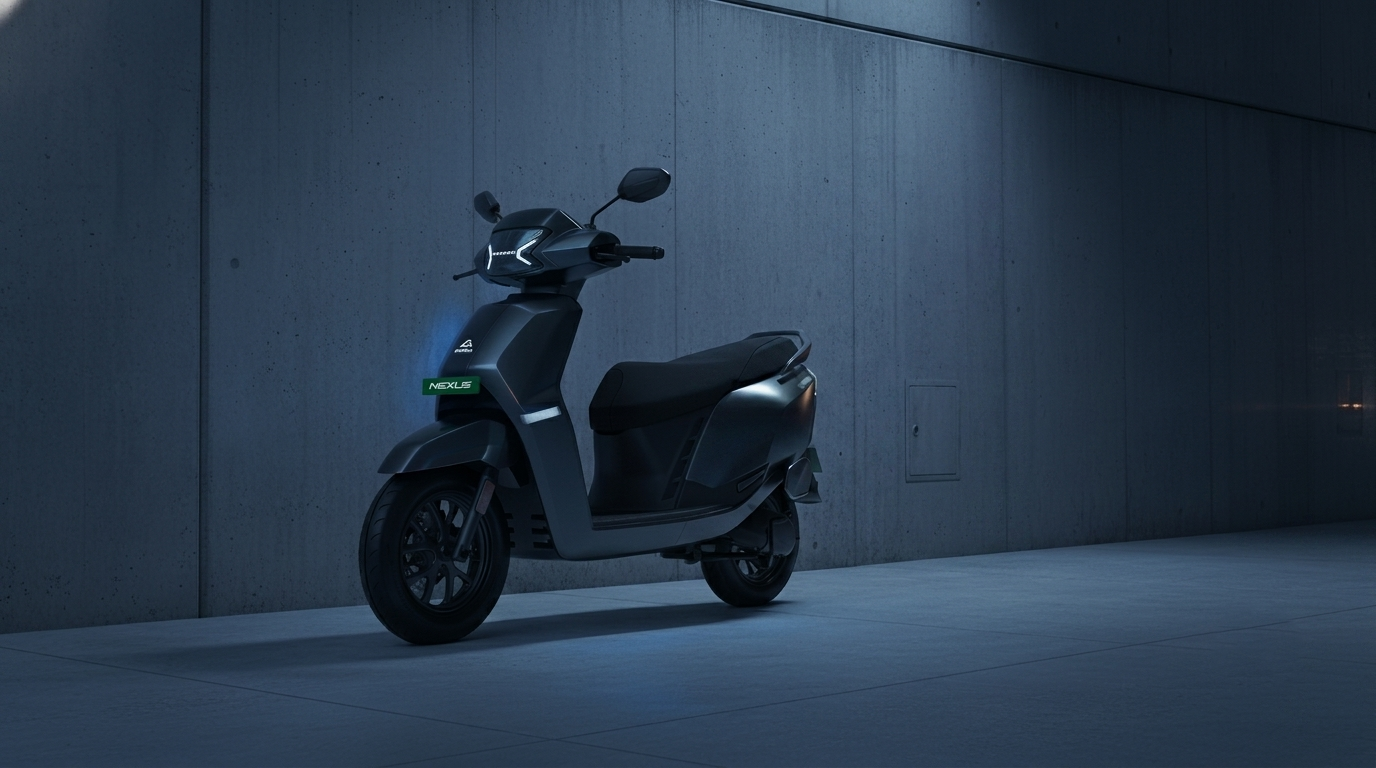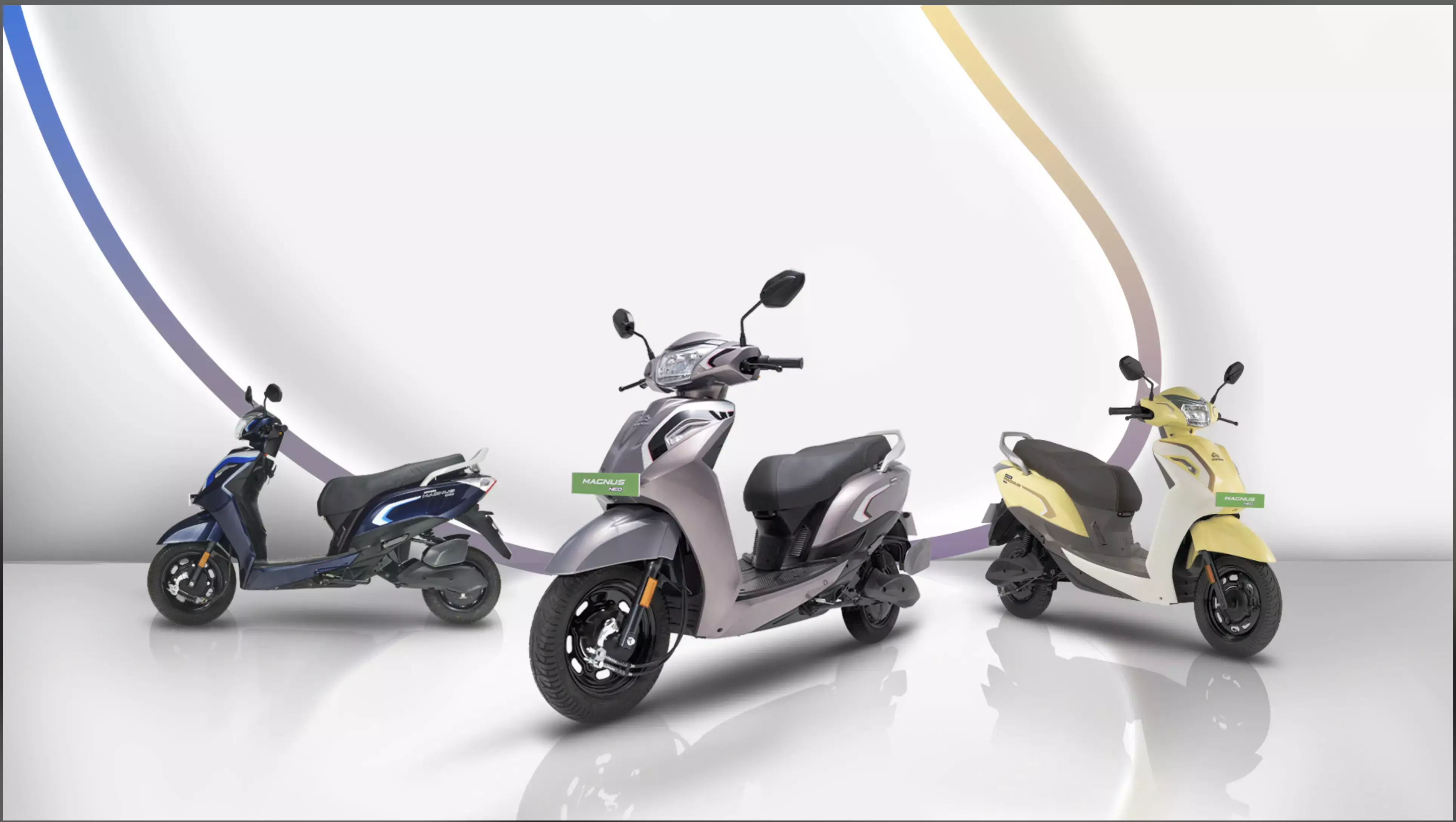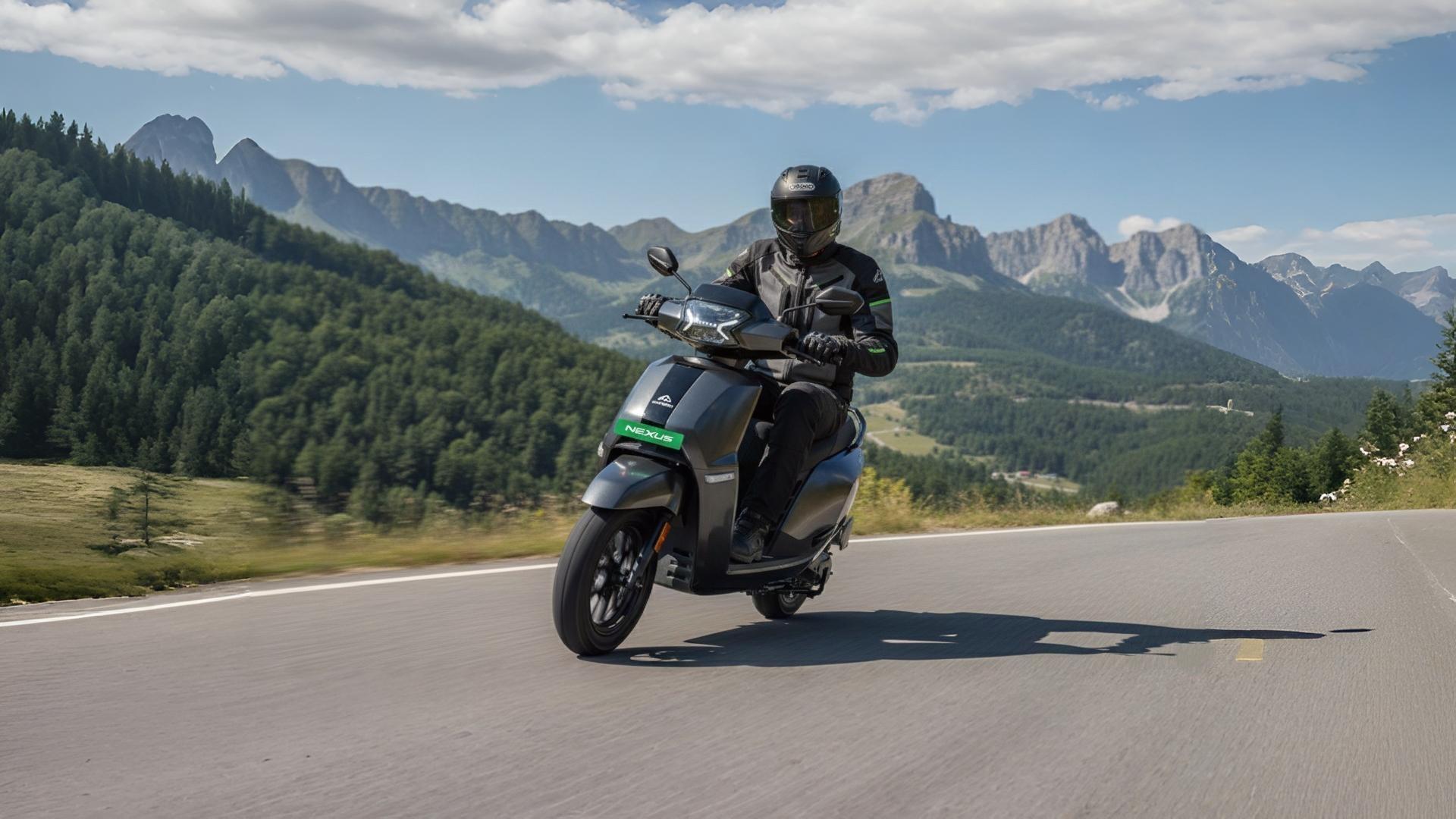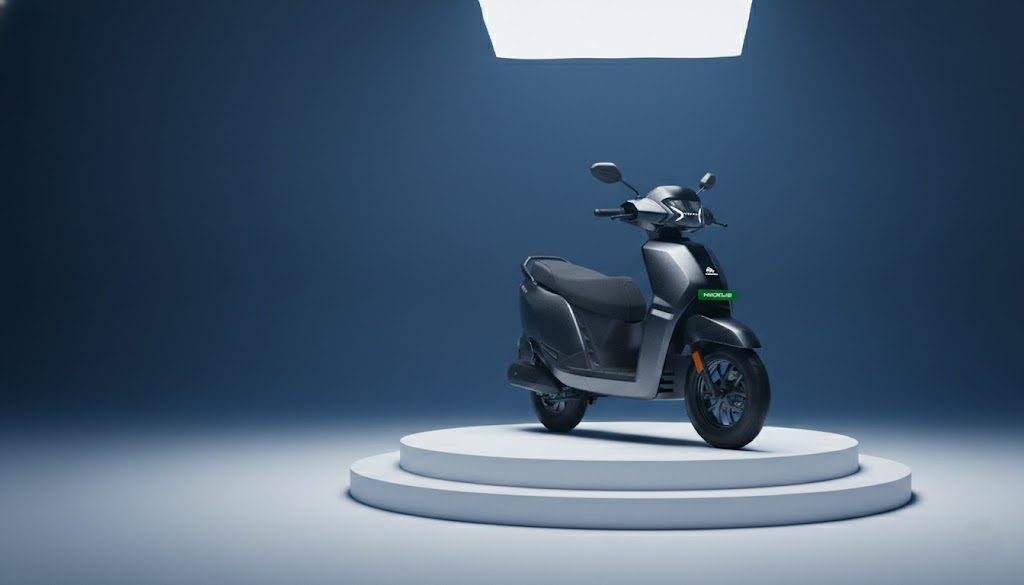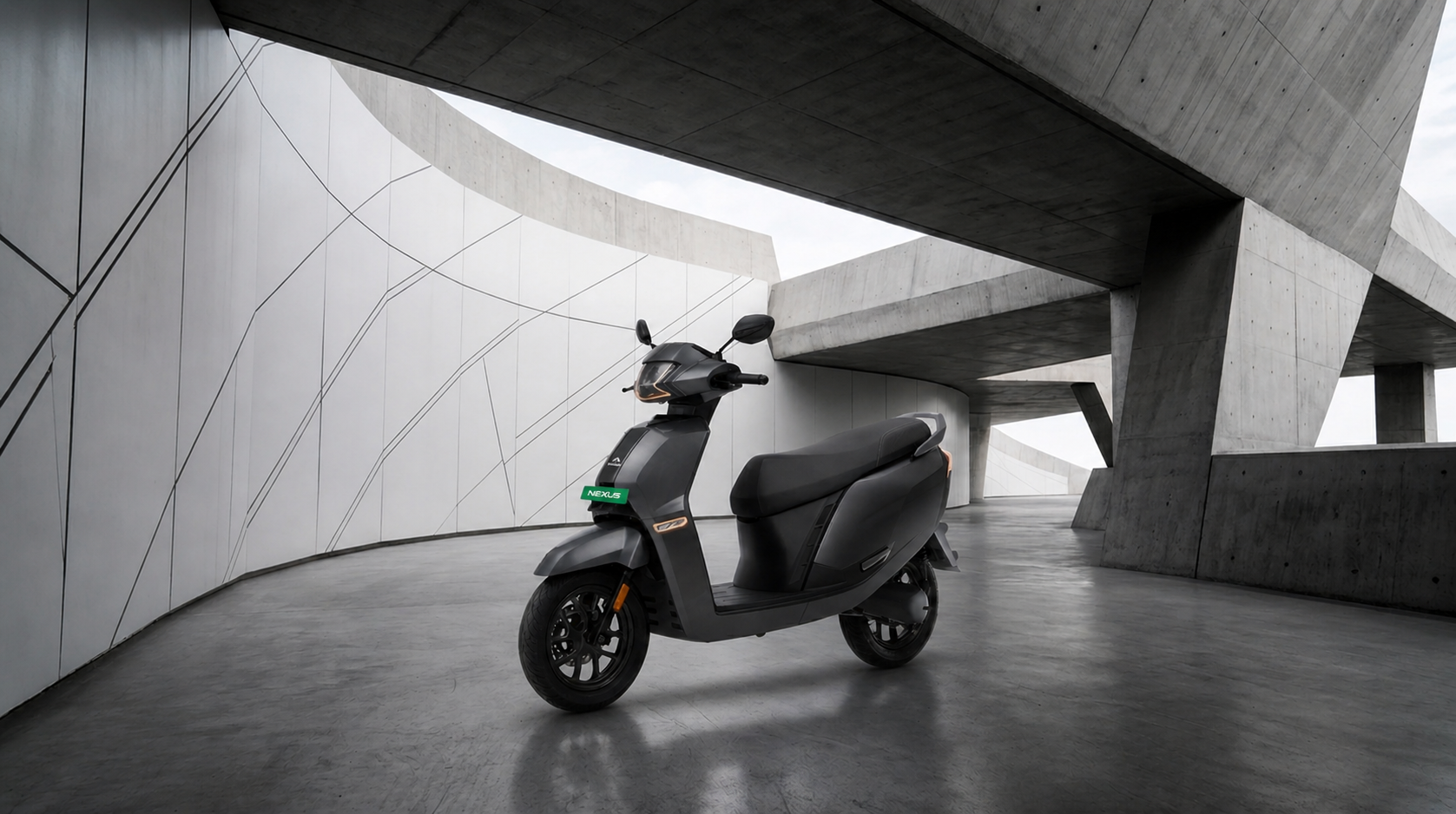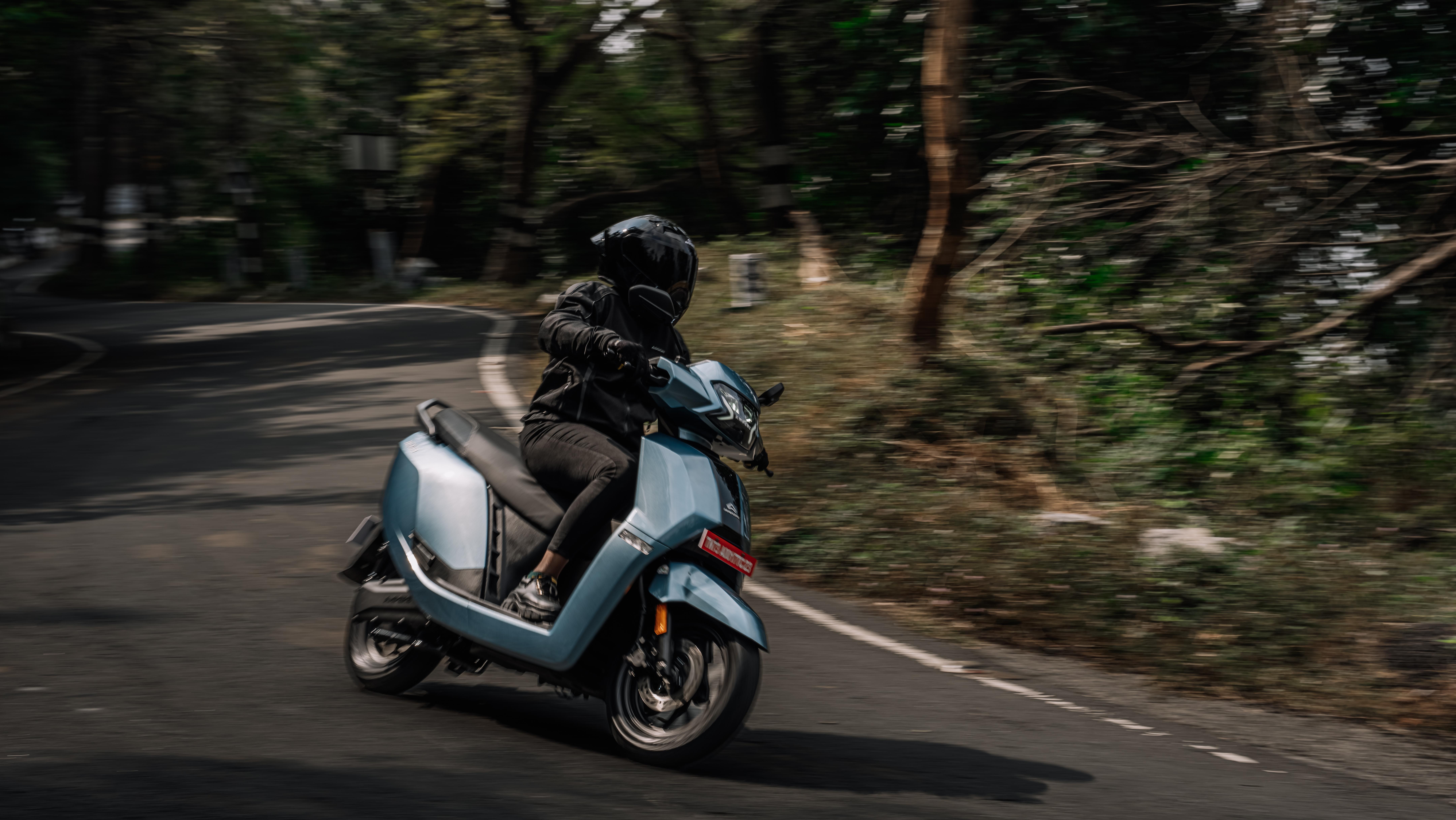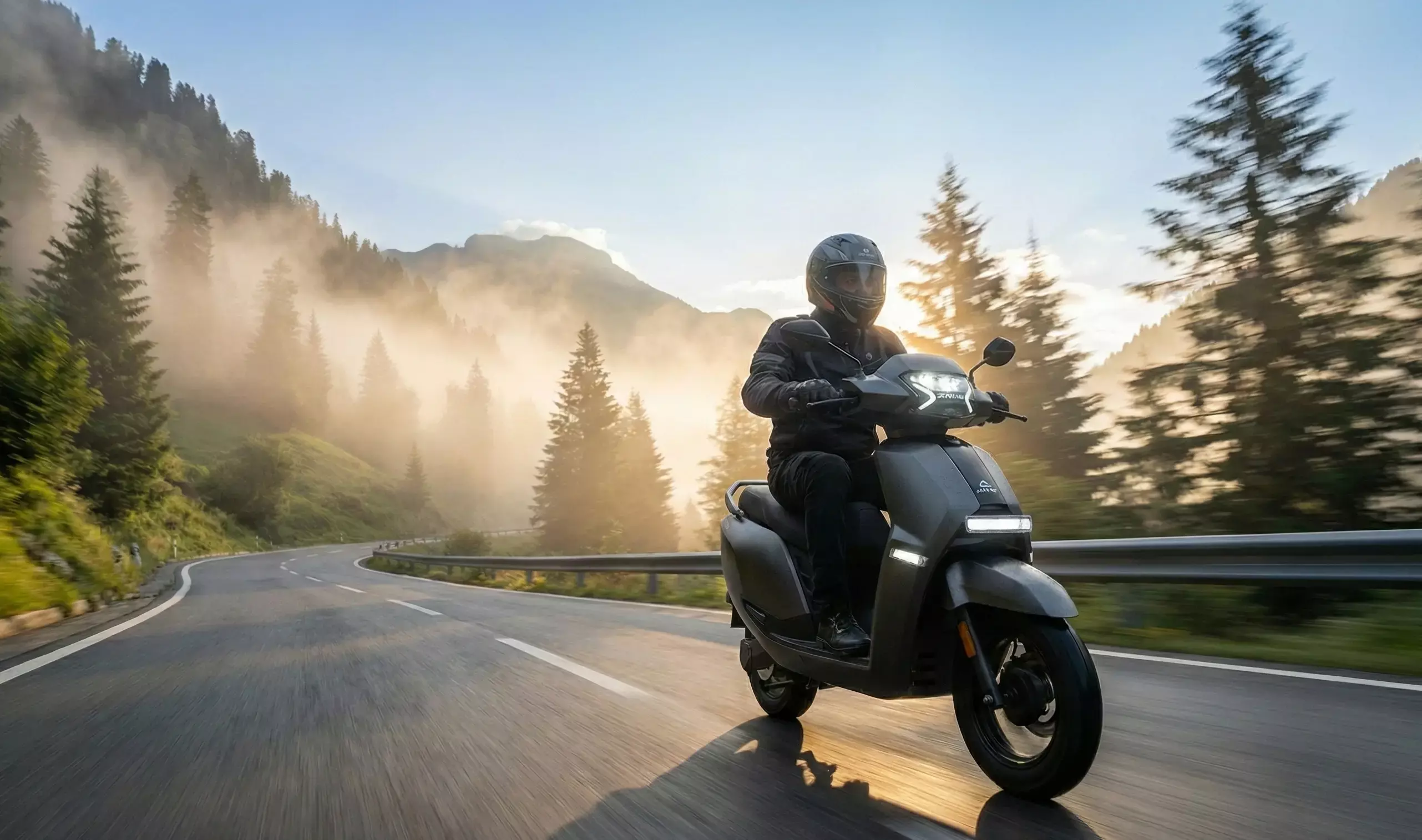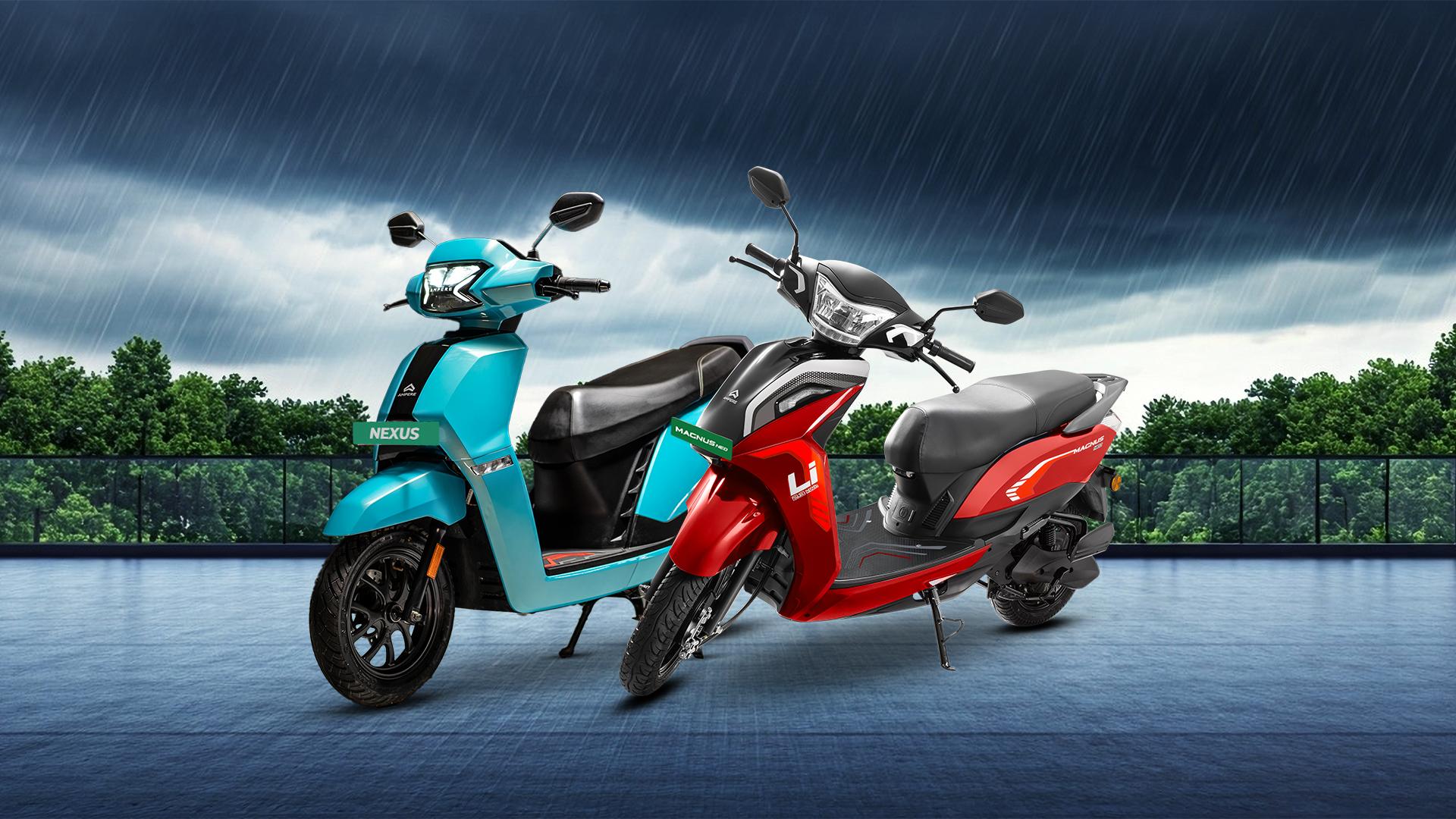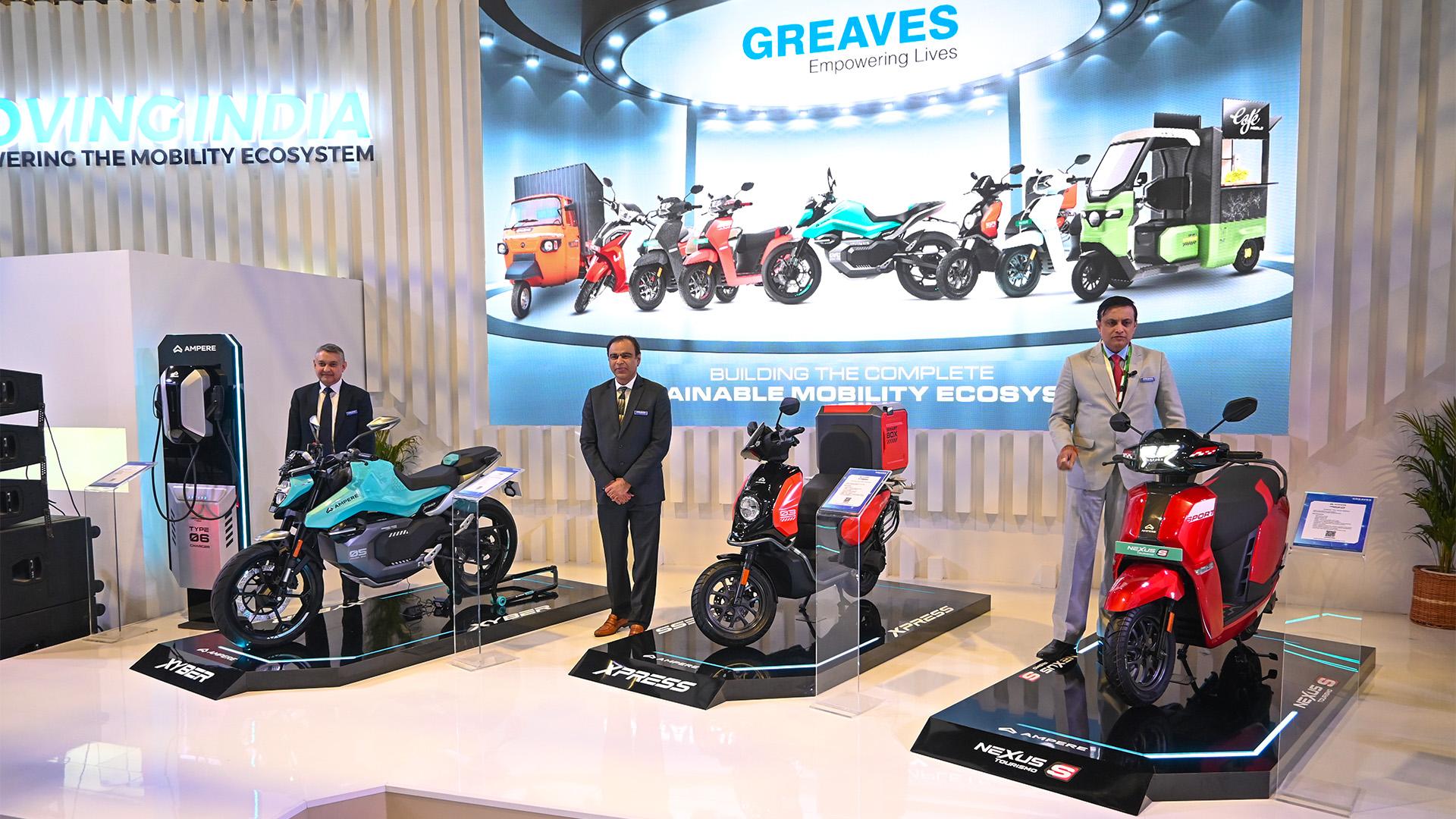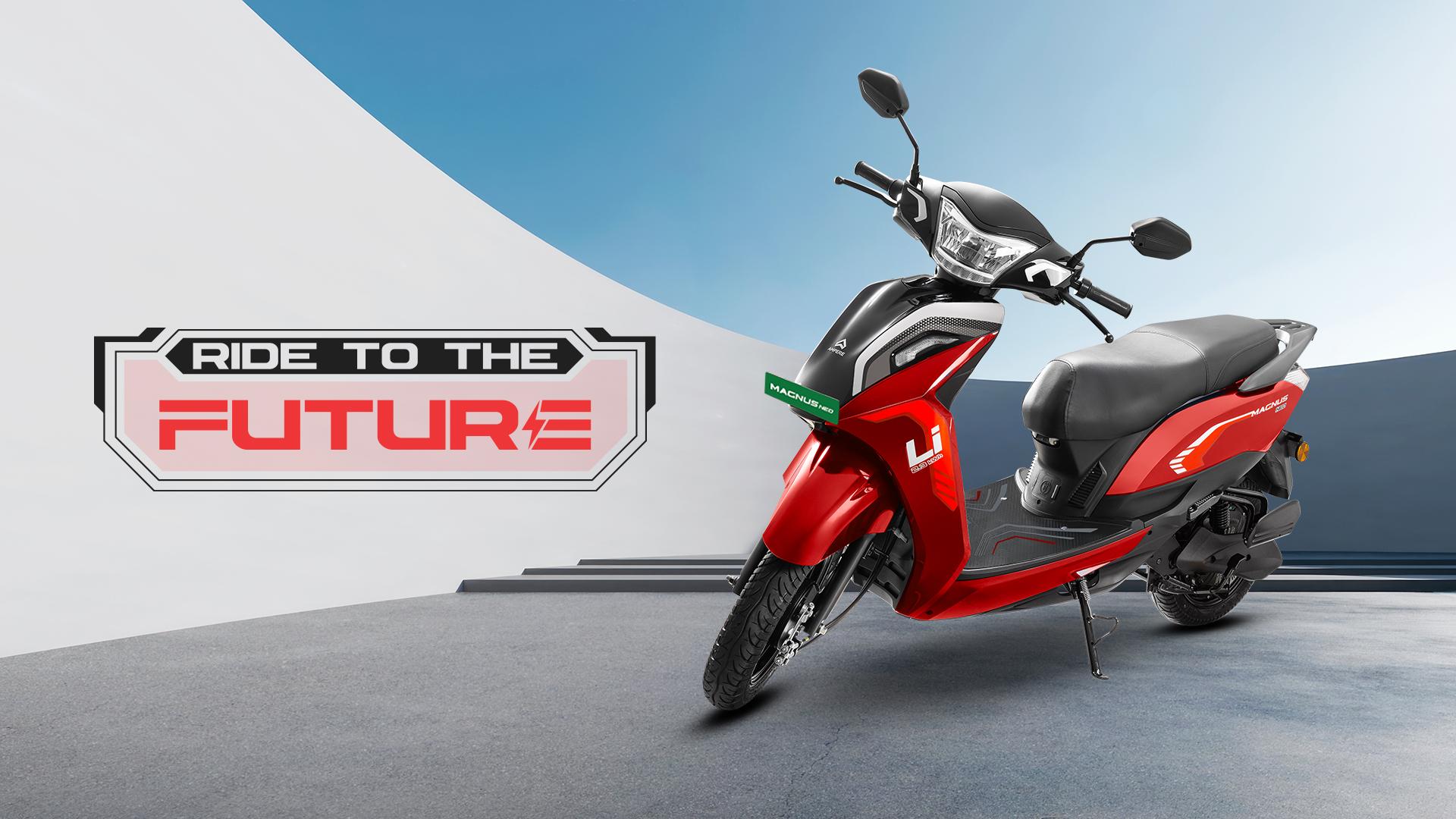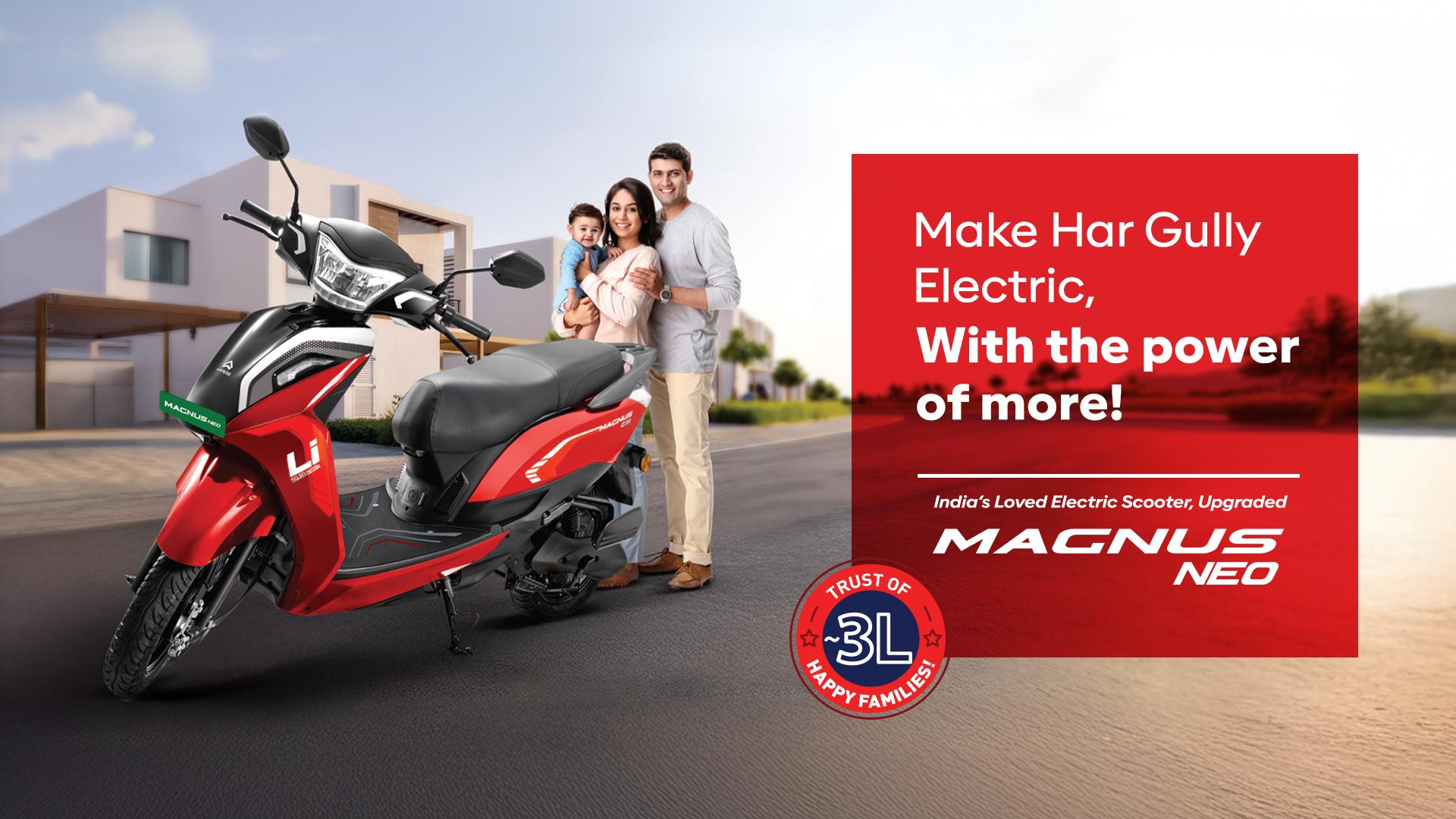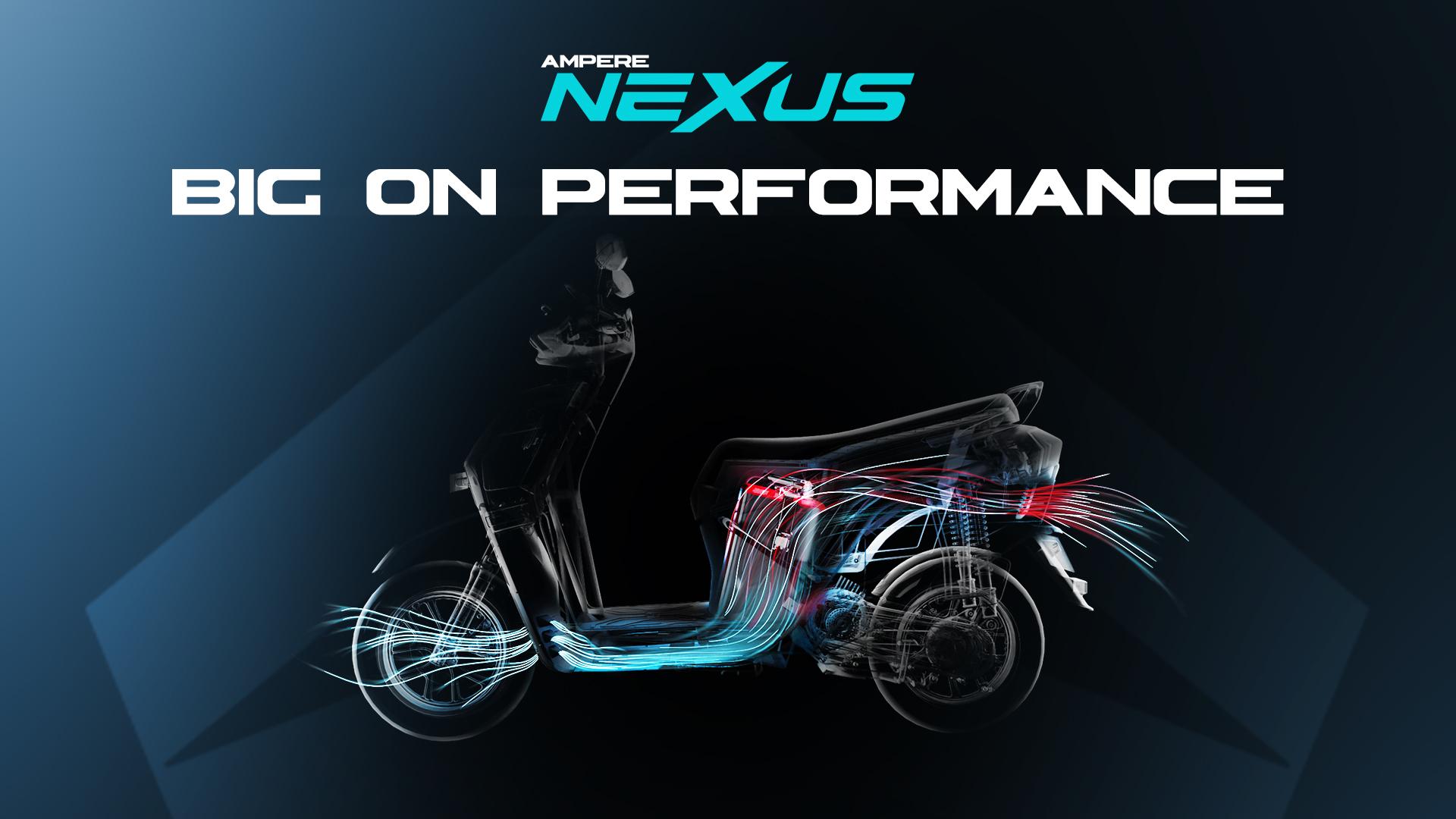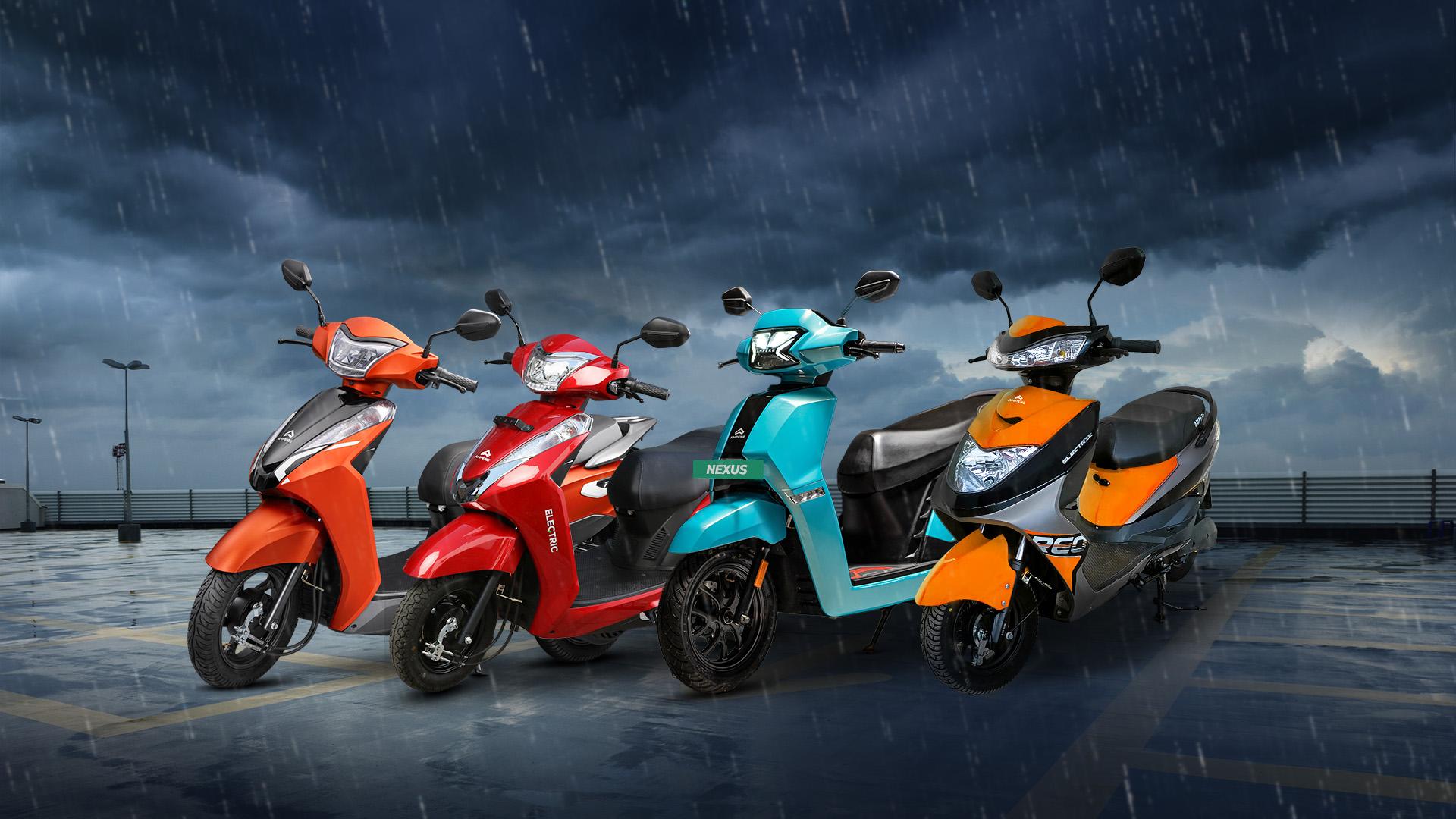
Indian cities like Delhi, Bengaluru, and Mumbai face bad air pollution, and petrol prices are also very high. Many commuters now look at electric scooters for daily travel, since these vehicles offer a cleaner choice for short city trips.
Most city trips in India are under 15 kilometres. In heavy stop-and-go traffic, petrol engines burn fuel while waiting at signals, while electric models use no energy during these idle times. They release zero tailpipe gases during use — a change that helps cut local pollution and can ease city smog.
Studies on electric scooter vs petrol scooter emissions show clear gains. The carbon savings of switching to an EV scooter depend on how the electricity is generated. In many Indian states, more power now comes from solar and wind, and as the grid adds more green energy, charging an e-scooter gets cleaner — often meaning lower lifecycle emissions than petrol models.
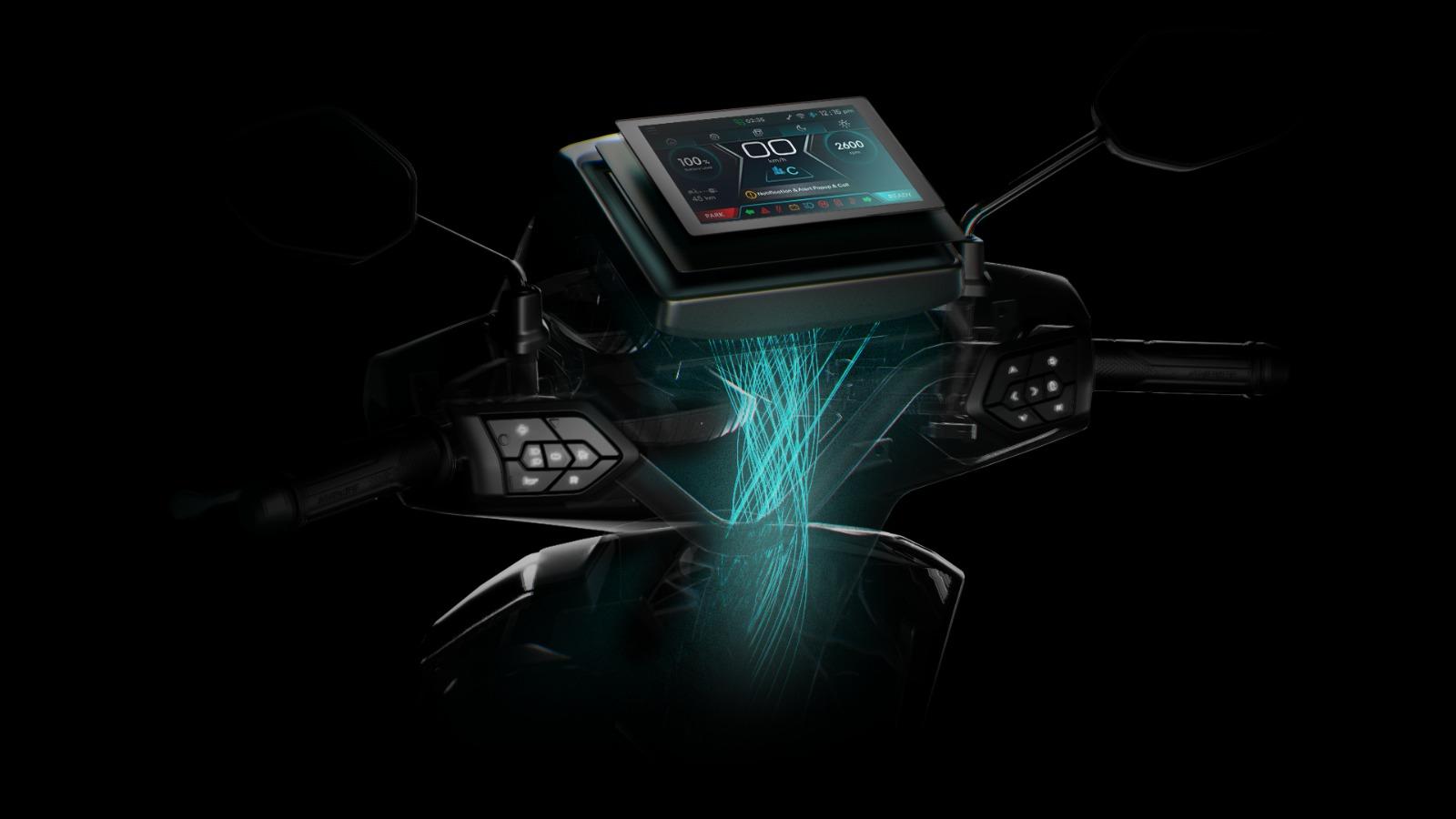
Families can also use rooftop solar panels to charge their rides, turning daily sunlight into low-carbon fuel and further improving the environmental impact of electric scooters. Many Indian electric scooter makers now focus on light, efficient designs; some highlight smart dashboards and app links, while others focus on simple, tough parts and low running costs. Together, they help make green travel easier to reach.
Research shows that shifting short trips to light electric vehicles cuts emissions — savings that matter during busy festive seasons like Diwali and Pongal, when frequent family visits and shopping trips add up fast. An efficient electric ride helps keep festive travel cleaner and cheaper.
Are Electric Scooters Eco-Friendly Throughout Their Lifecycle?
Often yes, but the full picture matters. Electric scooters release zero tailpipe emissions in daily use, but the electric scooter carbon footprint must be viewed from start to finish — separating manufacturing from daily use. Replacing short trips currently made on petrol scooters can meaningfully cut city traffic emissions.
How Do Manufacturing and Battery Production Impact the Environment?
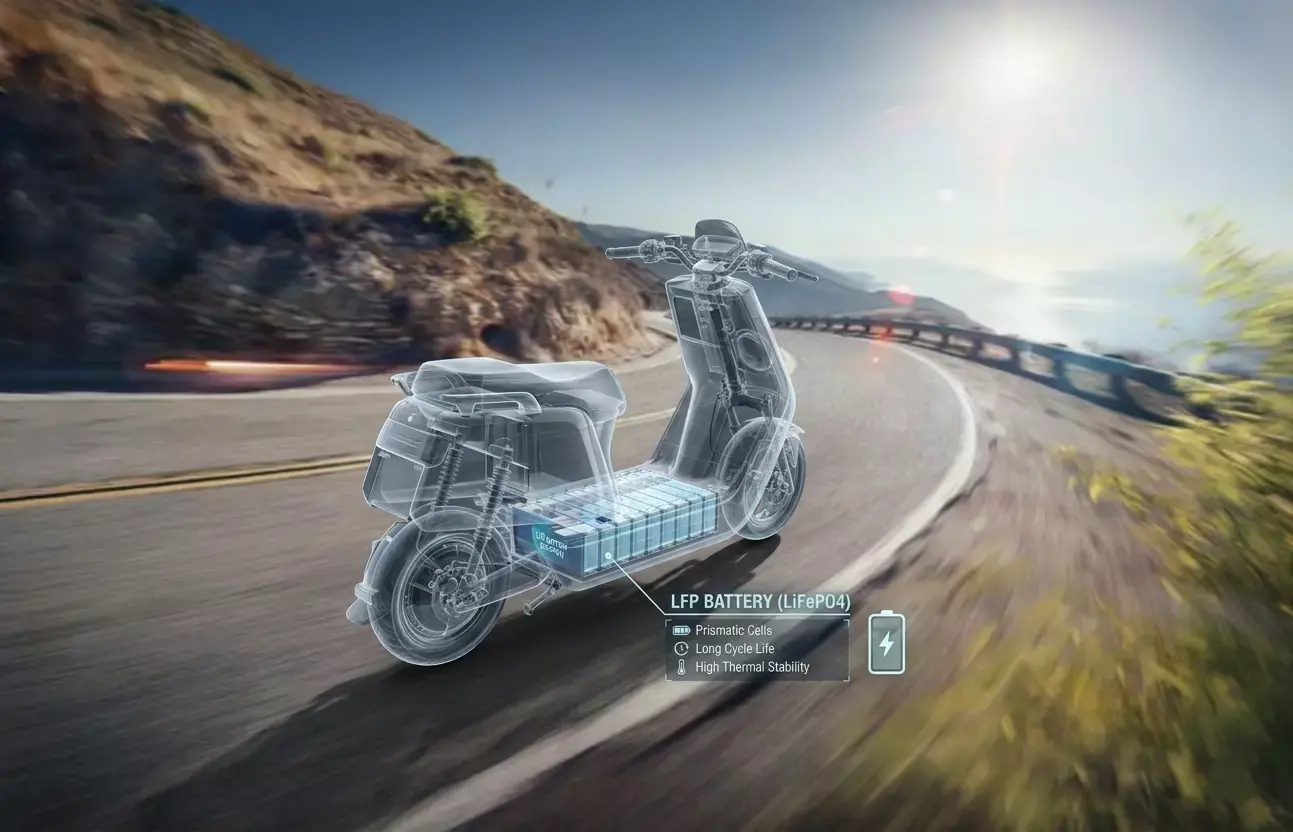
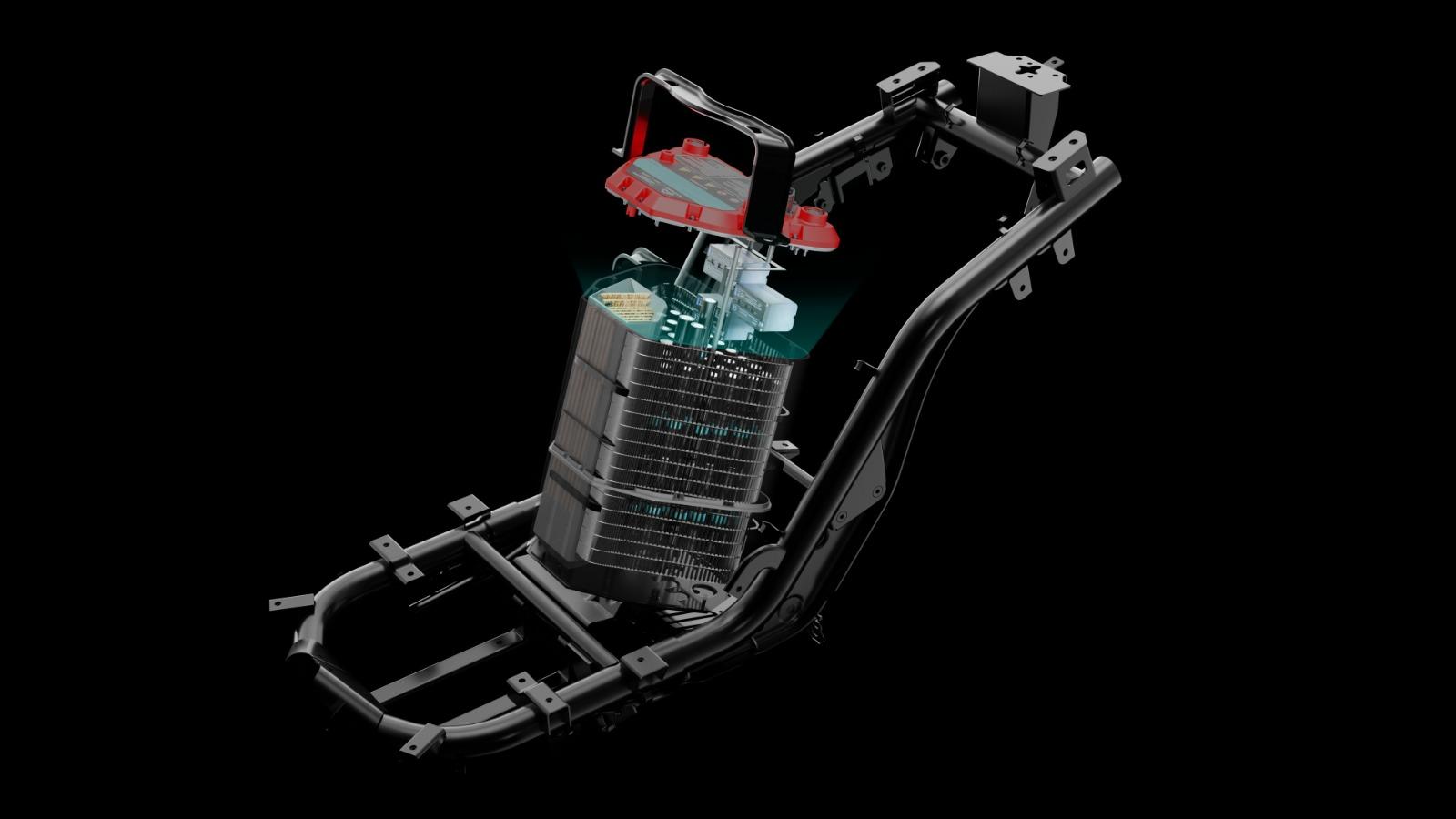
Making the battery and frame creates most of the early emissions. Battery packs need metals like lithium and other mined materials, and mining and cell-making both use energy and can affect local land and water.
Key production impacts include:
- Lithium and other metal sourcing
- Battery cell and pack assembly
- Frame and motor manufacturing
These steps decide much of the total footprint before the scooter is even sold.
What Is the Role of India's Electricity Grid in Charging Emissions?
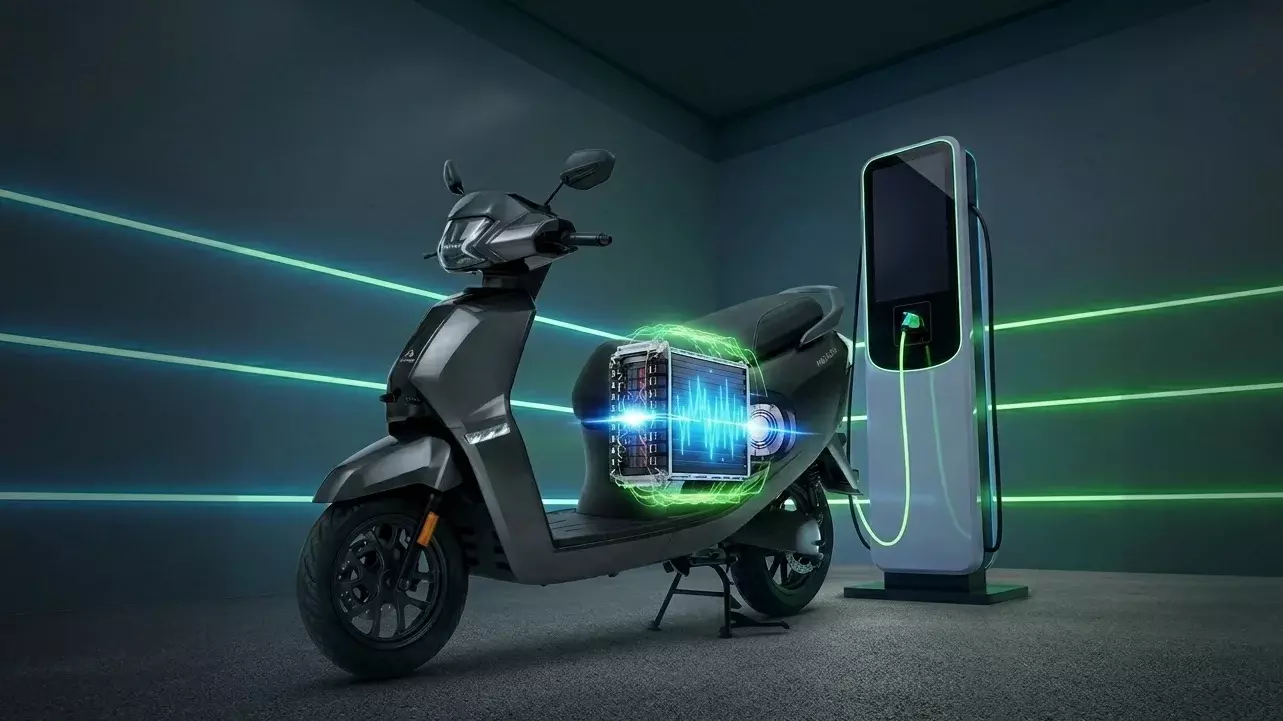
Charging emissions depend on how the local grid makes power. When the grid uses more green power, charging gets cleaner; when coal and fossil fuels dominate, emissions rise. Using rooftop solar can lower charging emissions even further. Over the scooter's life, this brings large carbon savings from switching to an EV scooter. In most cases, electric scooters still beat petrol scooters on emissions — especially for frequent short trips.
Electric Scooter vs Petrol Scooter Emissions: What Does the Data Show?
Real-world data shows a wide gap between electric and petrol scooter emissions. Petrol vehicles release harmful tailpipe gases continuously, while switching to electric models removes these direct emissions entirely — shrinking your daily carbon footprint, cleaning city air, and cutting greenhouse gases.
How Much CO2 Does an Electric Scooter Save Per Kilometre in Indian Traffic?
European data shows electric two-wheelers can emit up to 90% less CO2 than petrol scooters, and shifting city trips to light electric rides can cut global emissions by roughly 7%. On a typical daily Indian commute, a ten-kilometre ride saves over 200 grams of CO2 — adding up to about 70 kilograms of carbon emissions saved every year.
How Do Stop-and-Go City Commutes Affect Petrol vs EV Efficiency?
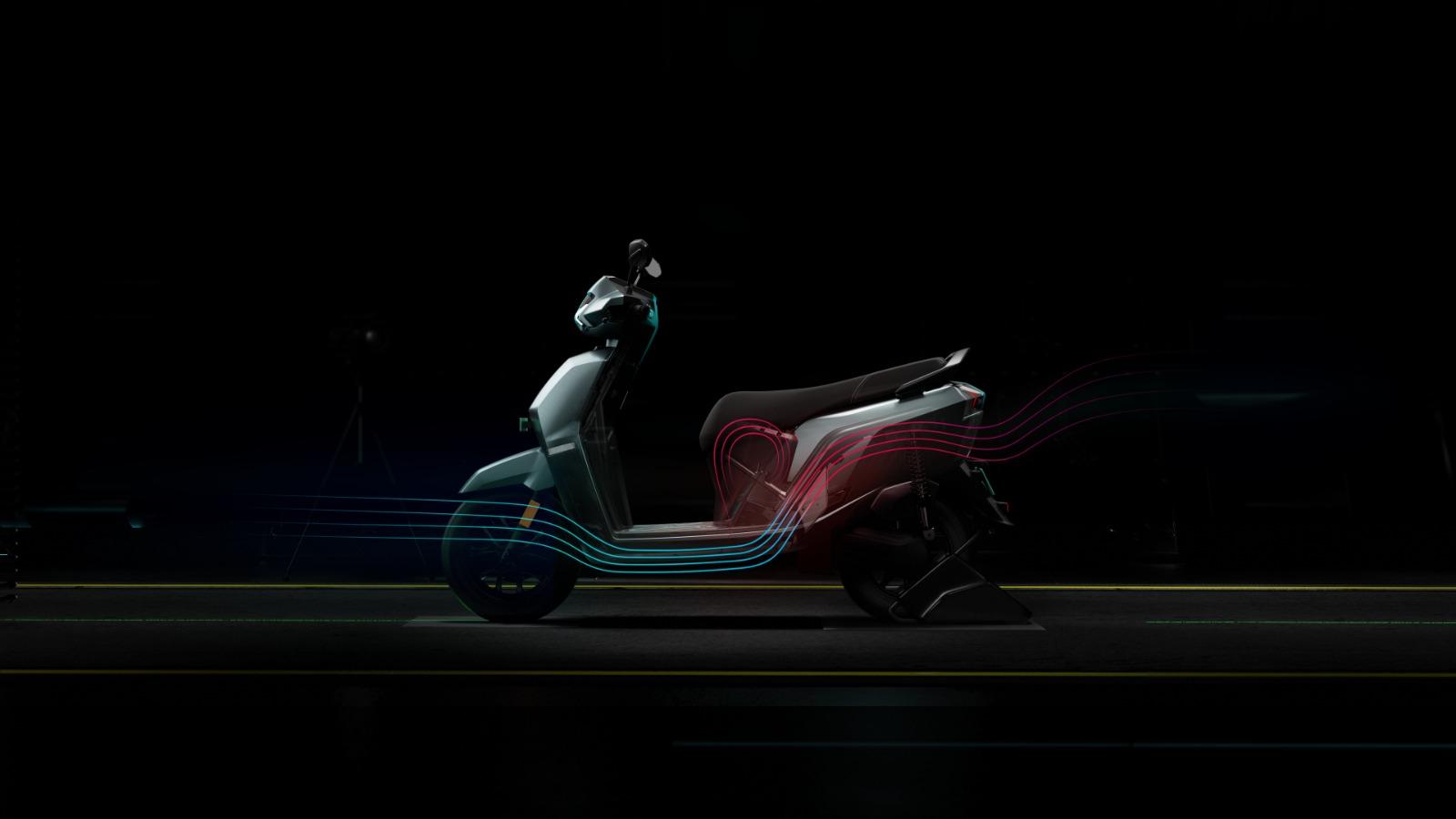
Crowded cities force petrol scooters to idle at signals, which wastes fuel and raises emissions. EV scooters, by contrast, use zero energy when stopped, and regenerative braking recaptures energy during frequent stop-and-go traffic. This widens the efficiency gap and secures long-term carbon savings — making electric riding especially practical for Indian commuters.
How Can You Maximise Your Carbon Savings With an Ampere EV Scooter?

To reduce your electric scooter carbon footprint, choose a ride built for efficiency. Ampere focuses on practical, efficient scooters made for everyday Indian riders, supporting greater carbon savings when switching to an EV scooter. By avoiding heavy designs and keeping features simple, these scooters use less energy per kilometre — which matters most in slow, stop-start city traffic. Over time, this lowers the environmental impact of electric scooters in daily use.
Why Does Mass-Market, Frugal Engineering Beat High-Performance Alternatives?
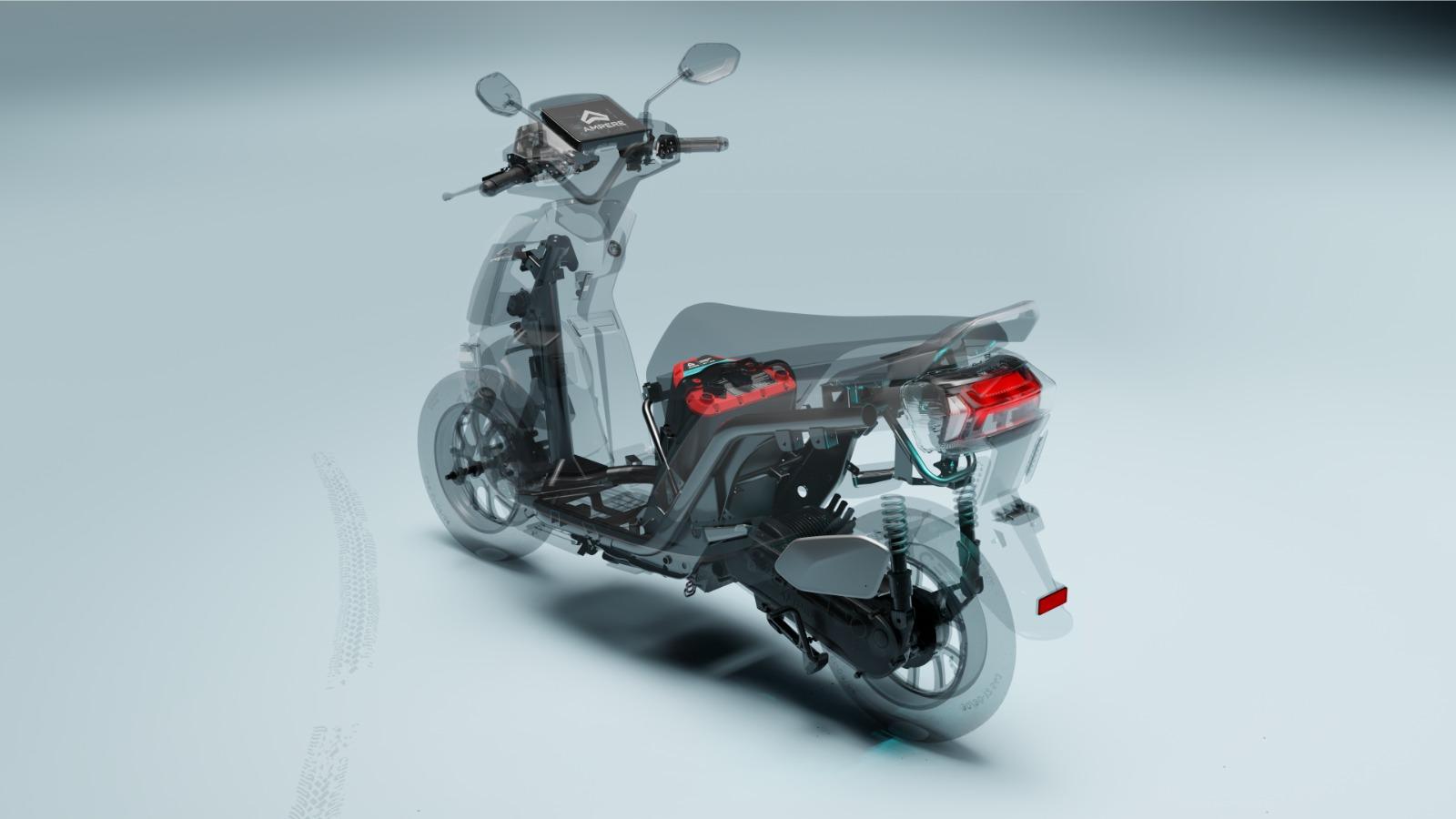
High-performance scooters often need larger batteries and more powerful parts, which can increase material use and manufacturing impact. Ampere instead focuses on light frames, efficient motors, and simple engineering — aiming to deliver more kilometres per kilowatt-hour in real city riding. Better efficiency cuts grid charging needs and power plant emissions, giving efficient EVs a clear edge in any electric-vs-petrol emissions comparison, and making every unit of electricity go further on the road.
Can Charging With Rooftop Solar Make Your Daily Commute Near Zero Emission?
In solar-rich states like Gujarat, Rajasthan, and Telangana, many homes are adding rooftop solar. A three-kilowatt home solar system can easily support daily scooter charging, turning sunlight into clean, low-cost fuel for your Ampere scooter. This can greatly cut the electric scooter carbon footprint tied to grid power — with solar, the environmental impact of electric scooters can approach near zero for daily commutes.
How Can You Calculate Your Personal Carbon Savings in 2026?
Tracking your electric scooter carbon footprint is now a useful exercise for green Indian homes. You can estimate the carbon savings of switching to an EV scooter using a simple formula.
| Factor | Typical Value |
|---|---|
| Daily commute distance | 15 km (about 5,400 km annually) |
| Petrol scooter emissions | ~60 g CO2 per km |
| Electric scooter grid emissions | ~15 g CO2 per km |
| Estimated annual CO2 savings | 300–400 kg |
To find your annual impact, the formula is straightforward: annual kilometres multiplied by petrol emissions per km, minus annual kilometres multiplied by electric vehicle emissions per km.
How Do Regional Grid Factors Change Your Calculation?
Your local state power grid strongly affects your total emissions. A rider in Bengaluru, for example, draws on Karnataka's cleaner, renewable-heavy grid — this charging method emits less than half the CO2 of a petrol scooter. Even on a coal-heavy grid in other states, electric models still beat petrol. Ampere's lightweight, highly efficient scooters use less energy overall, which helps keep your carbon footprint low nationwide, regardless of your state's grid mix.
Frequently Asked Questions
Are electric scooters eco-friendly?
Yes. Electric scooters are highly efficient, and even on a coal-heavy grid, they emit far less CO2 per kilometre than petrol models. Power plants convert fuel to energy much more efficiently than small, idling petrol engines.
How much CO2 is saved?
A typical commuter riding 15 km daily saves roughly 300 to 450 kg of CO2 per year by switching from a petrol scooter to an EV. These savings directly lower your personal carbon footprint.
How does Ampere compare?
Ampere focuses on lightweight, efficient commuter designs. This simple engineering approach means lower manufacturing emissions and better energy use per kilometre than heavier, high-performance models from brands like Ola or Ather.
Can I use home solar?
Yes. In solar-rich states, a standard 3 kW home rooftop solar setup can easily generate enough clean energy to charge your electric scooter — making your daily travel virtually cost-free and zero-emission.
Switching to an electric scooter is a smart way to lower your carbon footprint. In busy Indian cities, these vehicles eliminate tailpipe emissions and don't waste energy while idling in traffic — a simple change that helps clean urban air and saves money on fuel. Brands like Ampere offer lightweight, highly efficient designs that make green travel easy and affordable for every home. Ready to make the switch? Visit your nearest Ampere showroom or book a test ride online today.