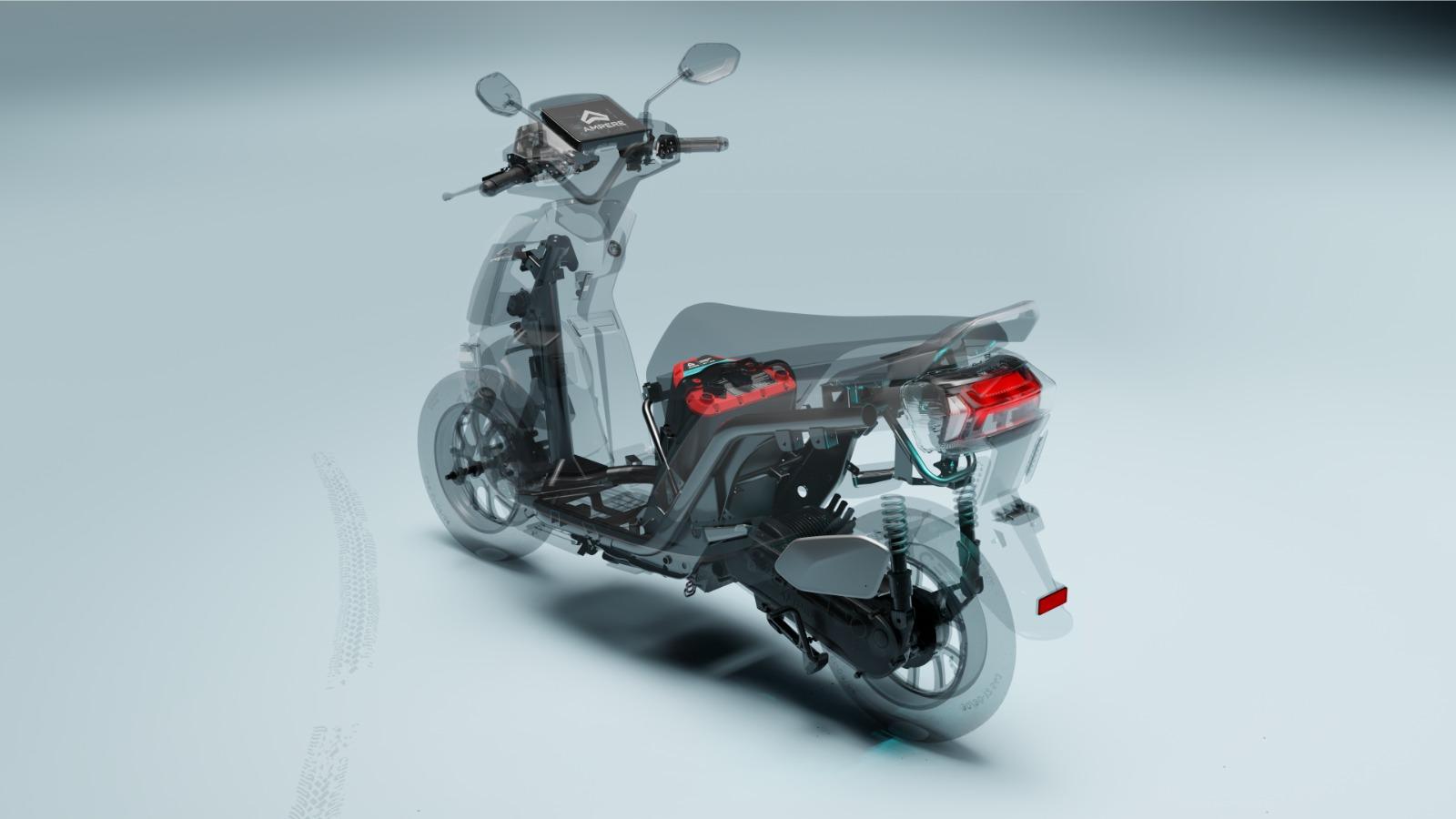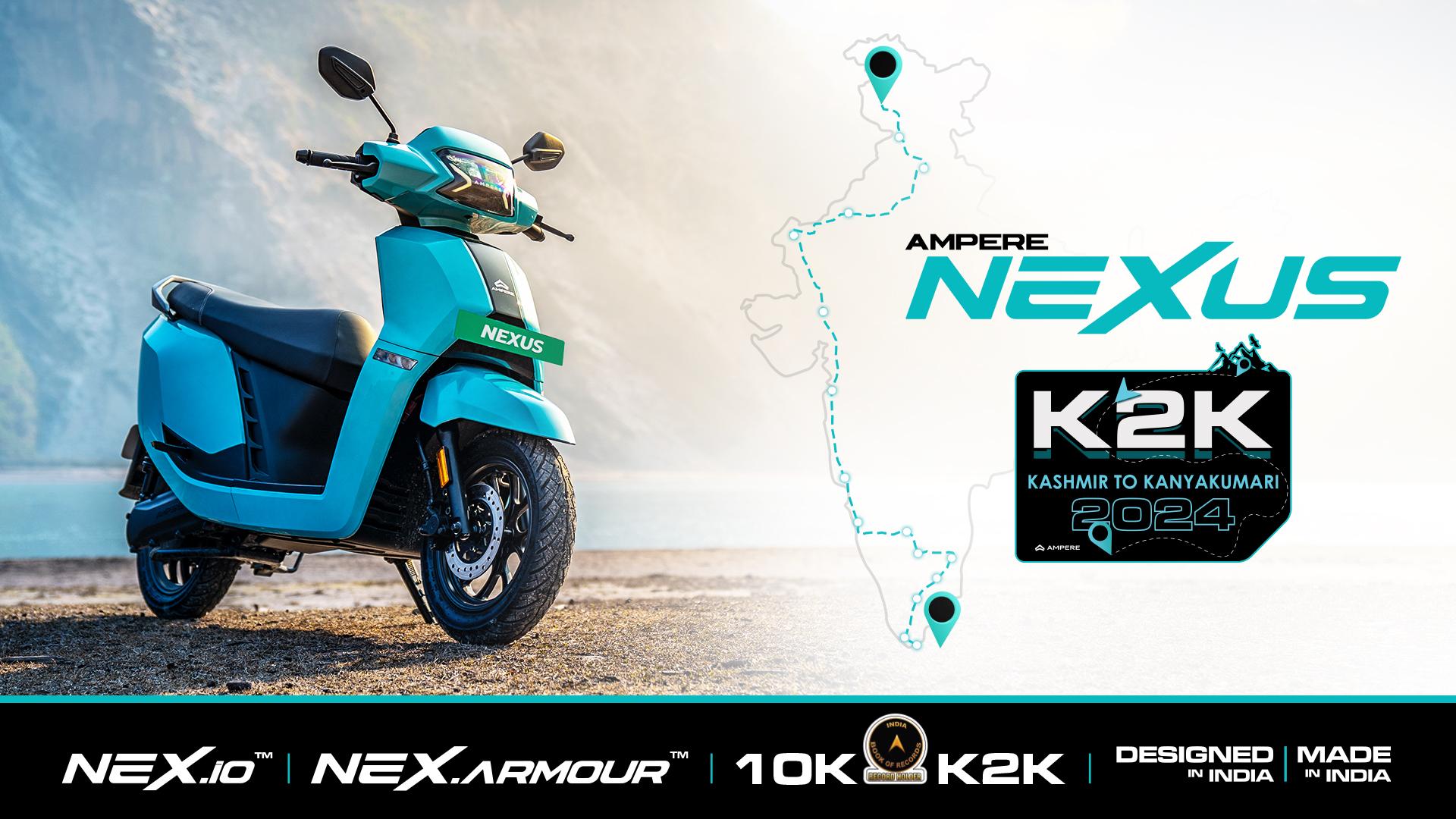
Electric scooters are substantially easier and cheaper to maintain than petrol scooters — but they are not maintenance-free. The absence of engine oil, spark plugs, carburettors, and air filters removes the most frequent service items. What remains is a focused set of tasks: battery care, brake maintenance, tyre management, software updates, and seasonal preparation. This guide covers everything Ampere Nexus and Magnus Grand owners need to know.
Why Electric Scooters Have a Lower Maintenance Burden
A petrol scooter engine contains 100+ moving parts, each requiring lubrication, adjustment, or replacement at regular intervals. An electric motor has a single moving part — the rotor. This fundamental difference eliminates oil changes, filter replacements, fuel system maintenance, valve adjustments, and exhaust servicing from the maintenance schedule entirely.
Ampere's service data suggests that EV owners typically spend 60–70% less on maintenance over five years than comparable petrol scooter owners. For a rider covering 15,000 km/year, this translates to approximately ₹15,000–20,000 in savings over five years — in addition to the ₹1,20,000+ fuel savings.
| Service Item | Petrol Scooter Interval | Ampere Electric Scooter |
|---|---|---|
| Engine oil change | Every 3,000–5,000 km | Not applicable |
| Spark plug replacement | Every 10,000–15,000 km | Not applicable |
| Air filter cleaning/replacement | Every 5,000–8,000 km | Not applicable |
| Coolant flush (if applicable) | Every 20,000 km | Not applicable |
| Brake pad inspection | Every 5,000–8,000 km | Every 5,000–8,000 km |
| Brake fluid replacement | Every 2 years | Every 2 years (Nexus disc variant) |
| Tyre pressure check | Monthly | Monthly |
| Tyre replacement | Every 25,000–35,000 km | Every 25,000–35,000 km |
| Software/firmware update | Not applicable | As released via Nex.IO (Nexus) |
| Battery health check | Not applicable | Annual dealer inspection |
Battery Care: The Most Impactful Maintenance Task
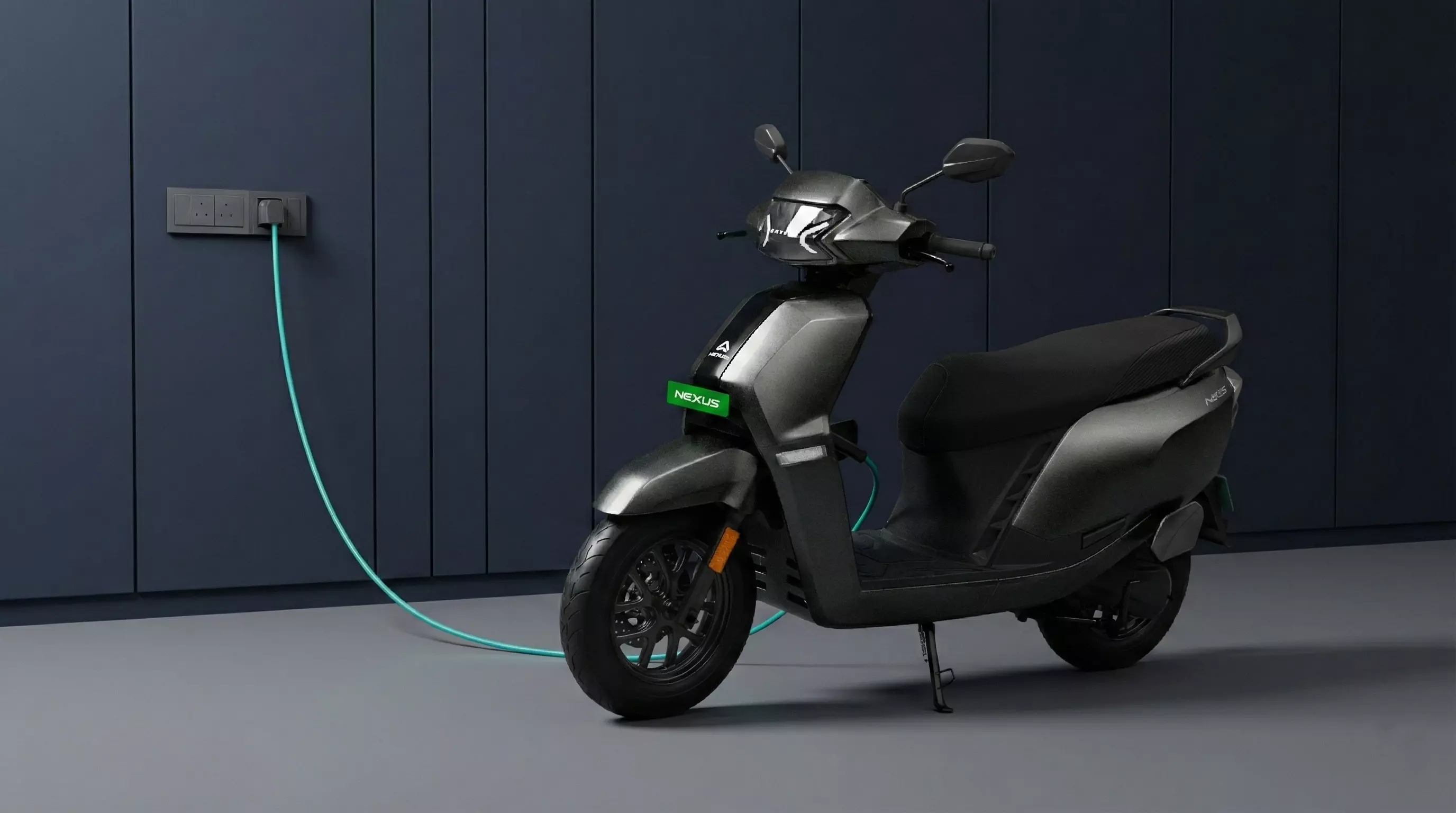
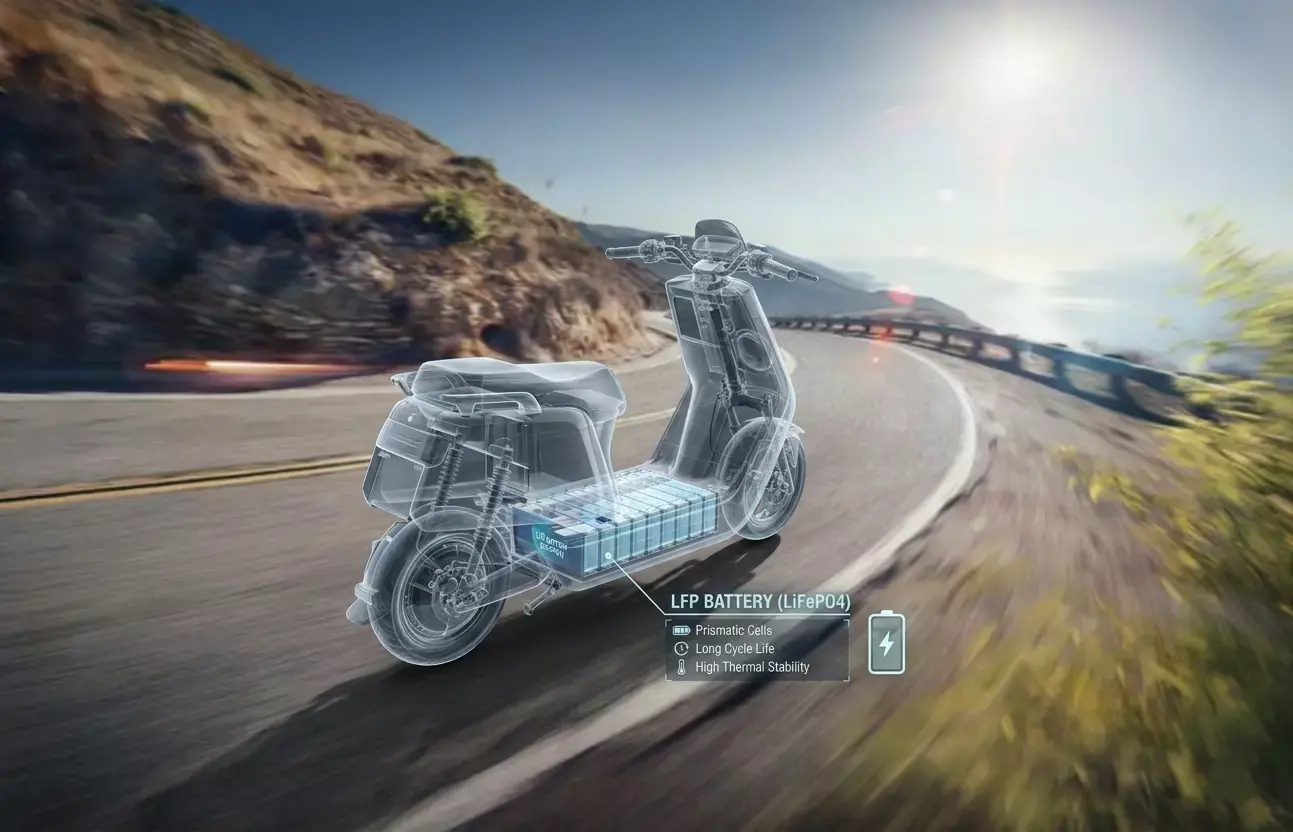
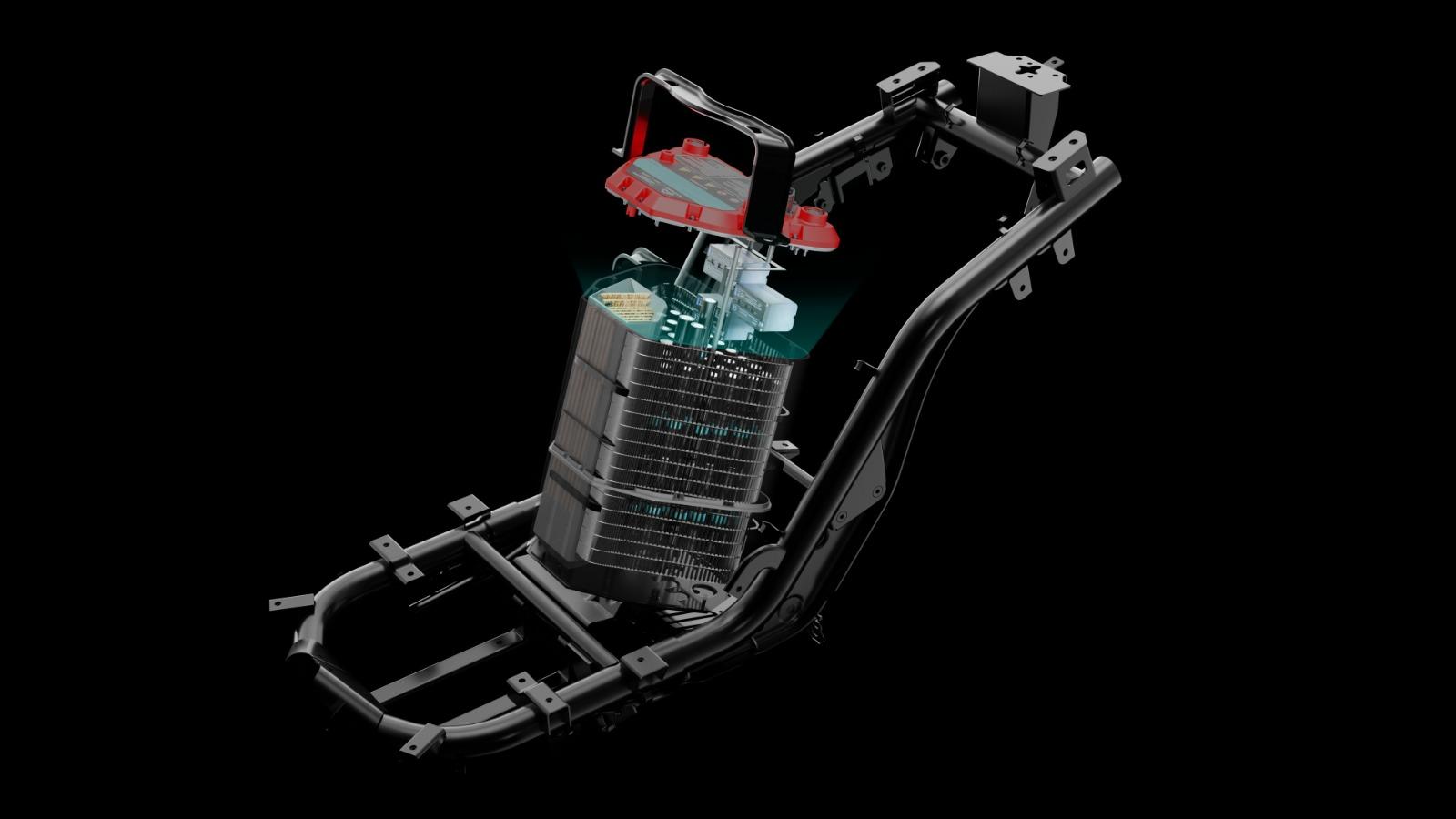
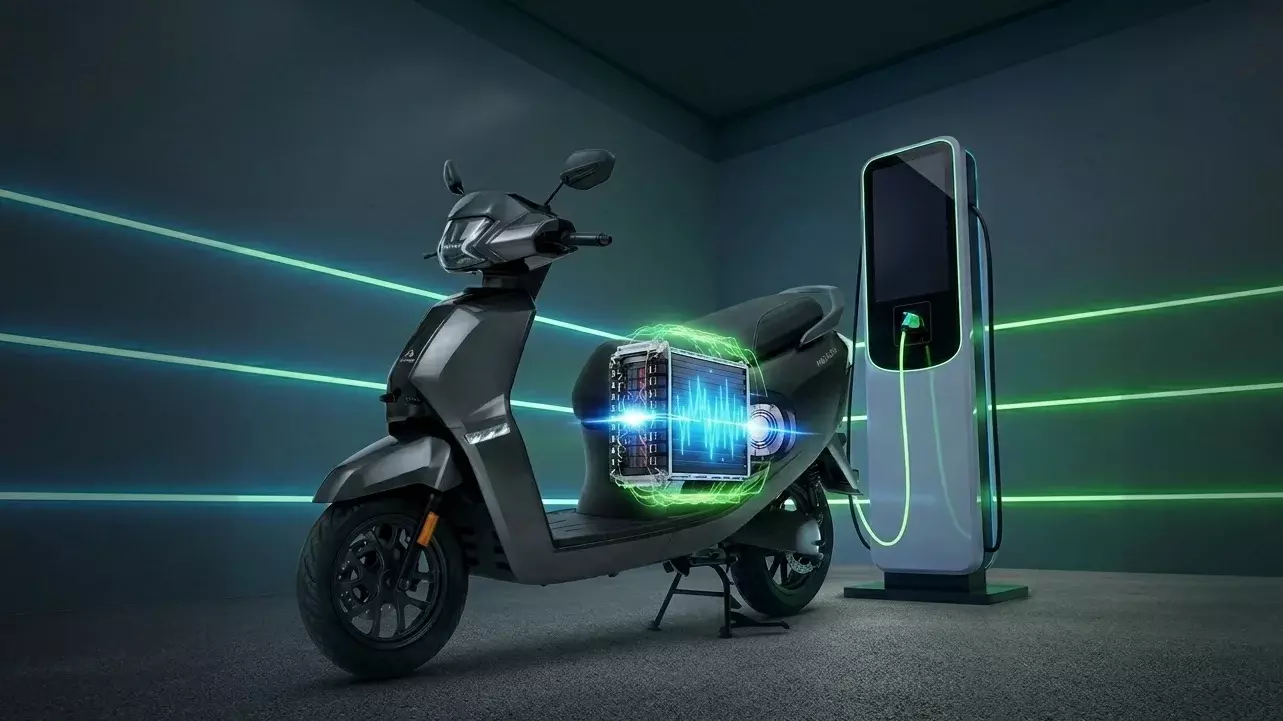
The Ampere Nexus and Magnus Grand both use LFP batteries, which are significantly more resilient than the NMC batteries found in many competitors. LFP batteries tolerate deeper discharge, tolerate high temperatures better, and maintain their capacity across more charge cycles. However, good charging habits extend battery life further and keep the warranty conditions satisfied.
Daily Charging Habits
- Charge to 80–90% for daily use — this reduces stress on the cells and adds negligible charging time
- Avoid letting the battery drop below 10–15% regularly — deep discharges accelerate degradation
- A full 100% charge the night before a long ride is fine; avoid leaving it at 100% for extended periods without use
- Charge at room temperature where possible — avoid charging in direct noon sunlight during peak summer
- Always use the manufacturer-provided or certified charger; third-party chargers may not communicate correctly with the BMS
Long-Term Battery Care
- If storing the scooter for more than 2 weeks, maintain charge between 40–60%
- Run a charge cycle (full charge + partial discharge) every 2–4 weeks if not in regular use
- Annual battery health diagnostic at an authorised Ampere service centre checks cell balance, BMS calibration, and capacity retention
Under normal use conditions, LFP batteries retain approximately 90–93% of original capacity by year 5. The Ampere battery warranty covers performance degradation beyond acceptable thresholds within the 5-year/75,000 km period.
Brakes: Non-Negotiable Safety Maintenance
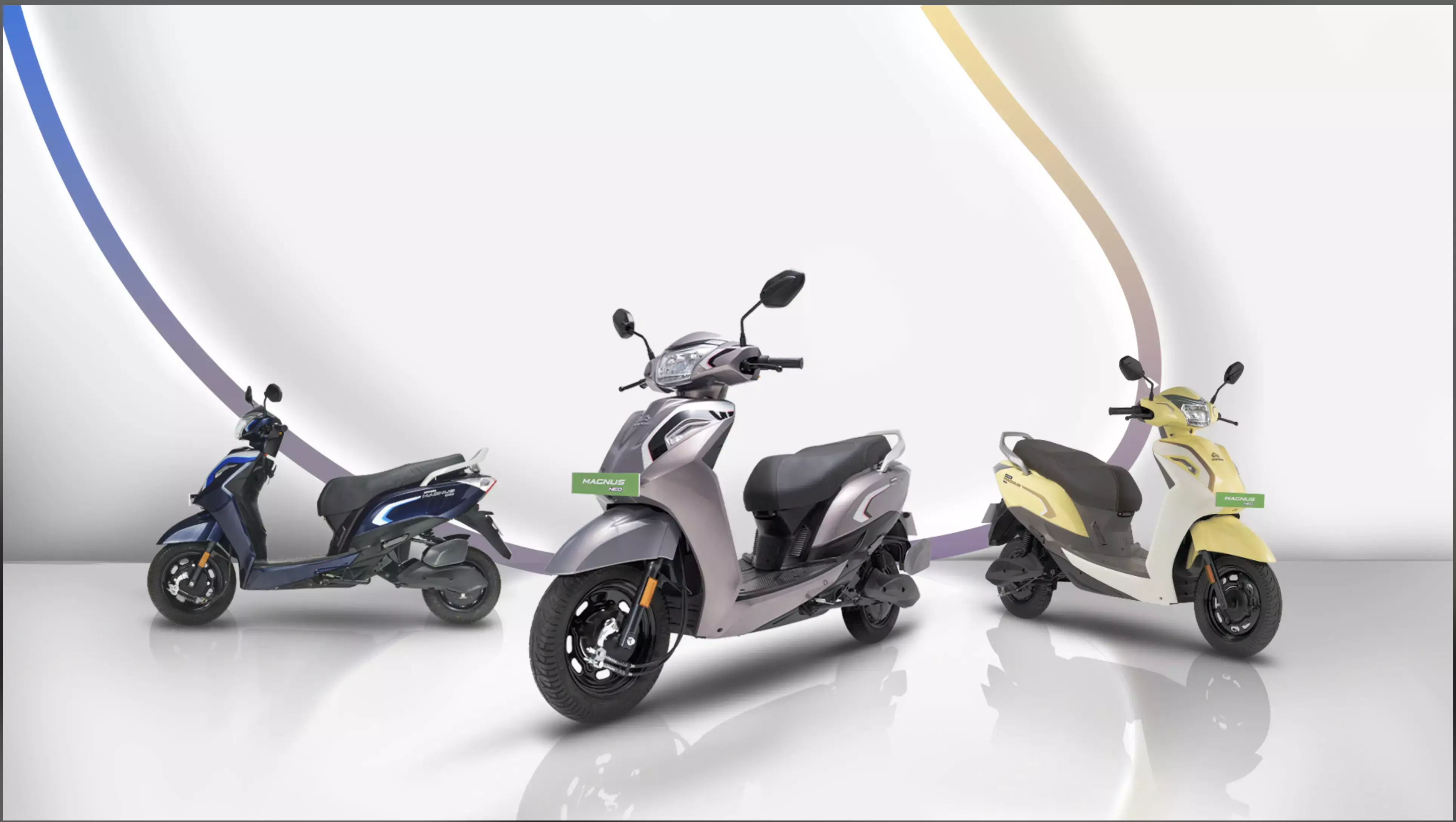
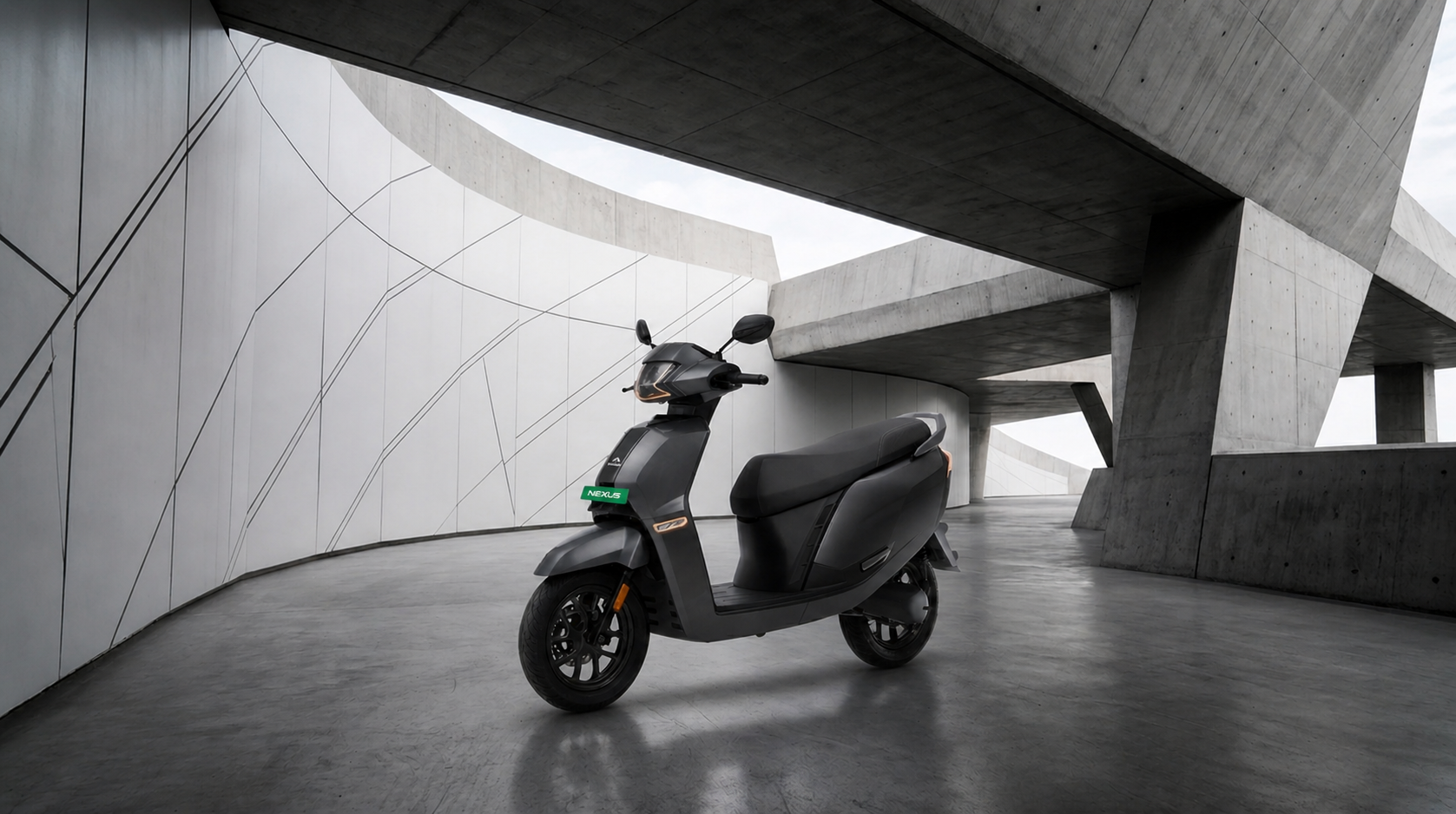

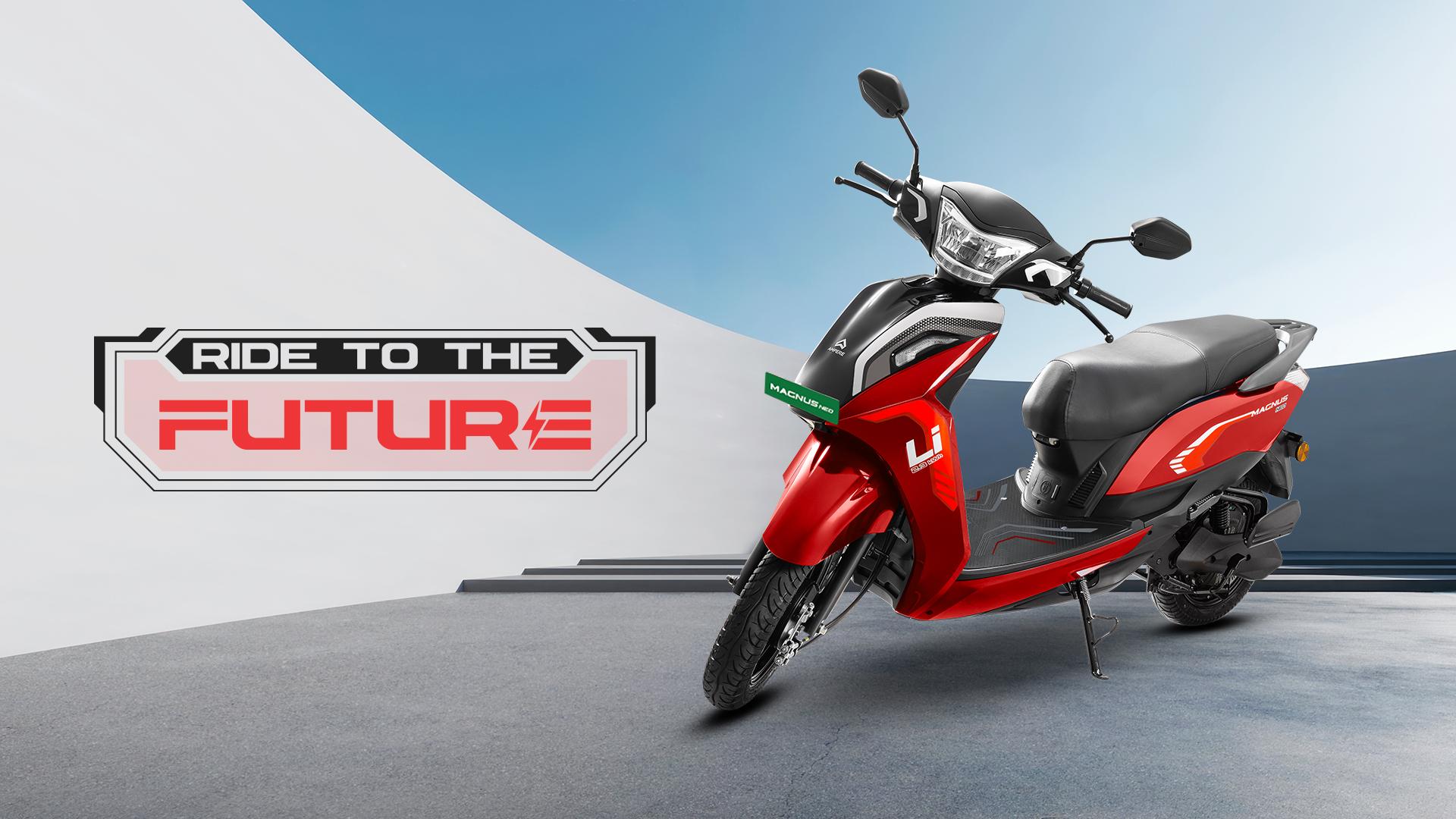
The Ampere Nexus features a front disc brake paired with a rear drum brake. The Magnus Grand uses drum brakes front and rear. Both models include CBS (Combined Braking System) for proportional, stable stopping.
Disc Brake Maintenance (Nexus)
- Inspect brake pad thickness every 5,000 km — replace when thickness drops below 2 mm
- Listen for high-pitched squealing during braking — an early indicator of pad wear
- Check brake fluid level and condition annually; replace if the fluid appears dark or contaminated
- Inspect the disc rotor for scoring, grooves, or warping at every 10,000 km service
Drum Brake Maintenance (Magnus Grand, Nexus rear)
- Adjust brake cable tension every 5,000 km if the lever travel increases noticeably
- Replace brake shoes if braking effectiveness reduces despite proper cable tension
- Clean drum internals during annual service to remove brake dust build-up
Tyre Care and Inspection
Tyres are the scooter's only contact with the road and directly affect both safety and range. Under-inflated tyres increase rolling resistance, reducing range by 5–10%. They also wear unevenly and handle poorly on wet roads.
- Check tyre pressure monthly — recommended pressure is listed on the scooter's tyre placard and user manual
- Inspect for cuts, embedded stones, or uneven wear every 2 months
- Replace tyres when tread depth drops below 2 mm or when damage affects the casing
- Ampere Nexus runs on 12-inch alloy wheels with tubeless tyres — punctures can often be repaired rather than requiring a full tube-swap
- After the first 5,000 km, check for any uneven wear patterns that might indicate a wheel alignment issue
Seasonal Maintenance: Monsoon Preparedness
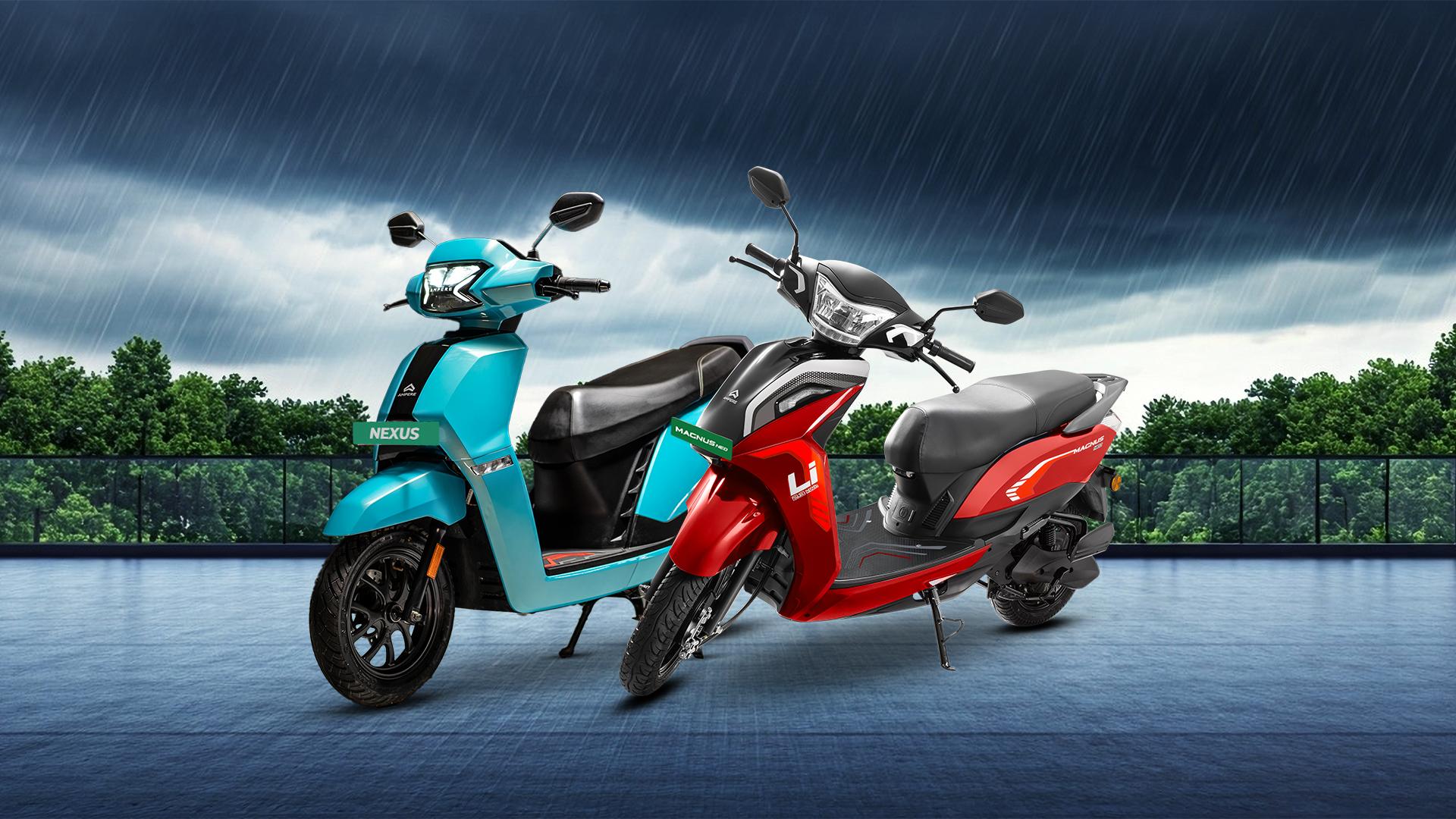
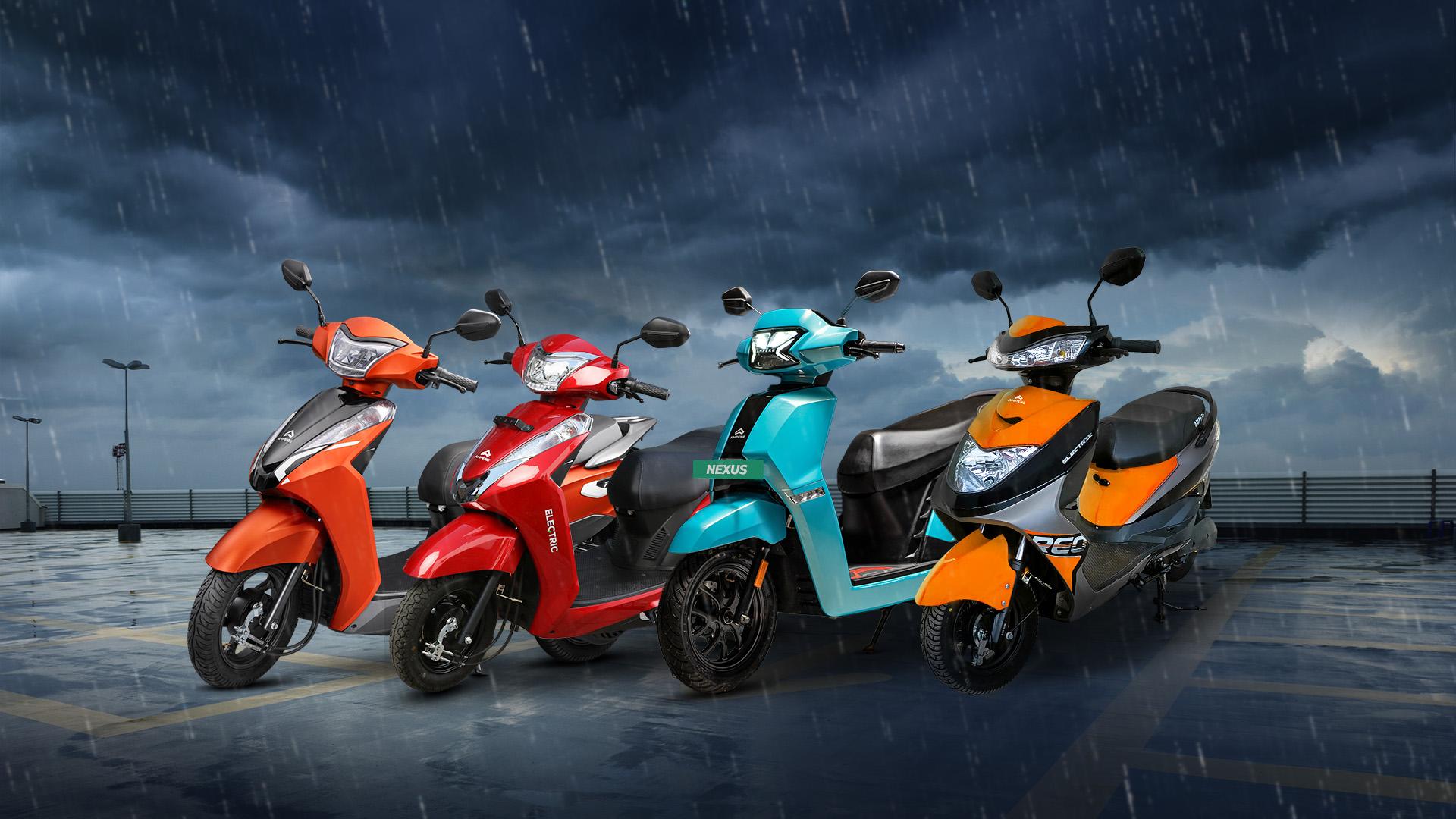
India's monsoon season — June to September — is the highest-risk period for electric scooter components. While the Ampere Nexus's IP67 rating and the Magnus Grand's IP-rated construction provide robust protection, proper seasonal maintenance ensures the scooter performs consistently through the monsoon and beyond.
- Before monsoon: inspect all rubber seals on the charging socket and battery compartment for cracks or deformation
- After monsoon rides: dry the charging socket completely before plugging in — use a dry cloth, not compressed air
- Clean the brake disc (Nexus) more frequently during monsoon — water on the disc temporarily reduces braking effectiveness
- Check tyre tread depth before monsoon — replace if below 3 mm, as the additional risk of wet roads requires better grip
- Do not pressure-wash the scooter; clean with a damp cloth and avoid directing water jets at electrical connectors or the battery vent area
- Post-monsoon service: include a full brake fluid check and suspension inspection
Software and Connectivity Maintenance (Ampere Nexus)
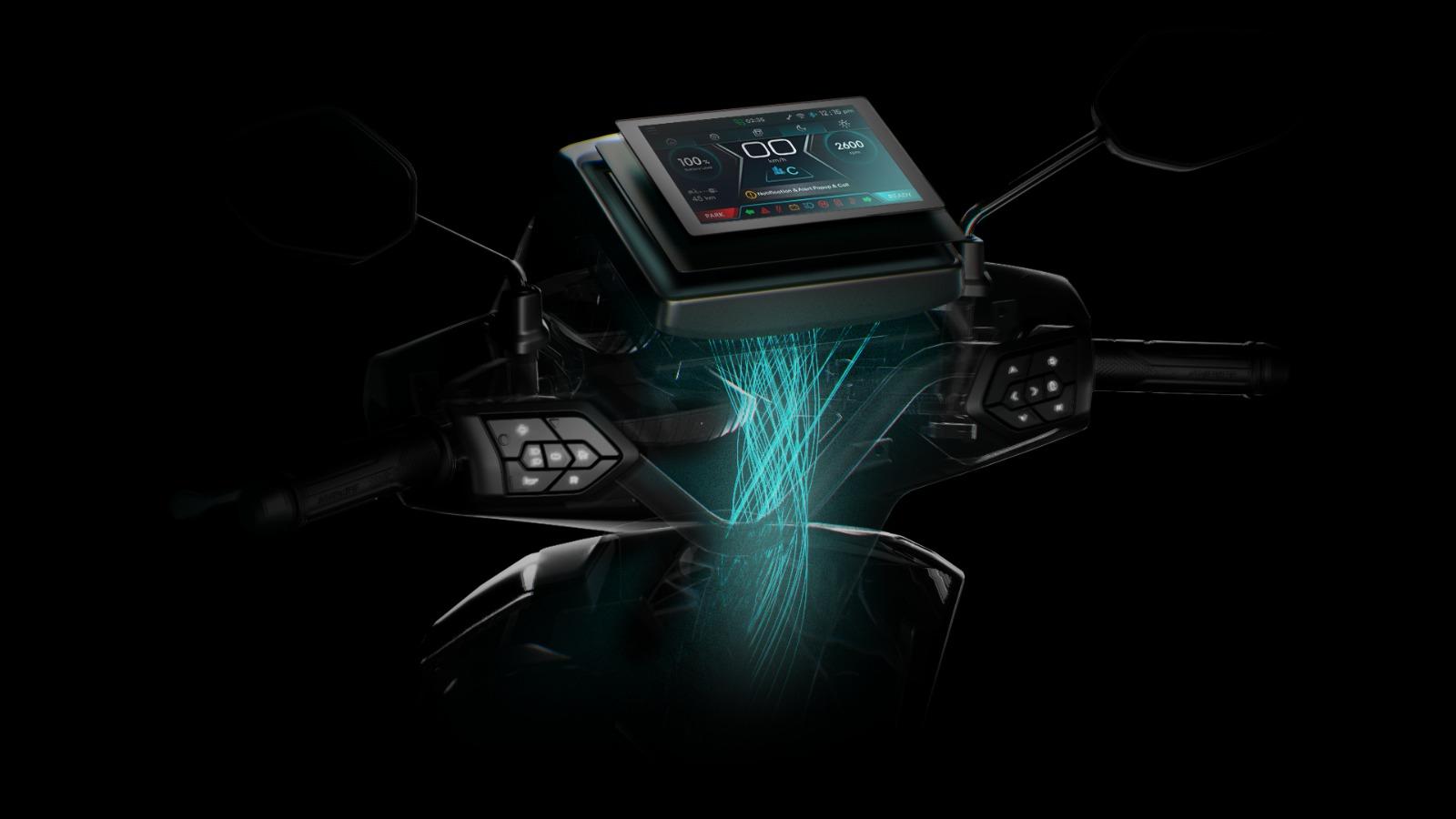
The Ampere Nexus's Nex.IO platform receives over-the-air software updates that improve battery management algorithms, navigation data, and diagnostic capabilities. These updates are pushed wirelessly to the 7-inch TFT cluster — no dealer visit required.
- Enable automatic updates in the Nex.IO settings to receive improvements as they are released
- After a software update, review any new riding mode parameters in the release notes
- The Nex.IO platform also monitors riding patterns and can alert you to changes in battery health between annual services
Ampere Authorised Service: What to Expect
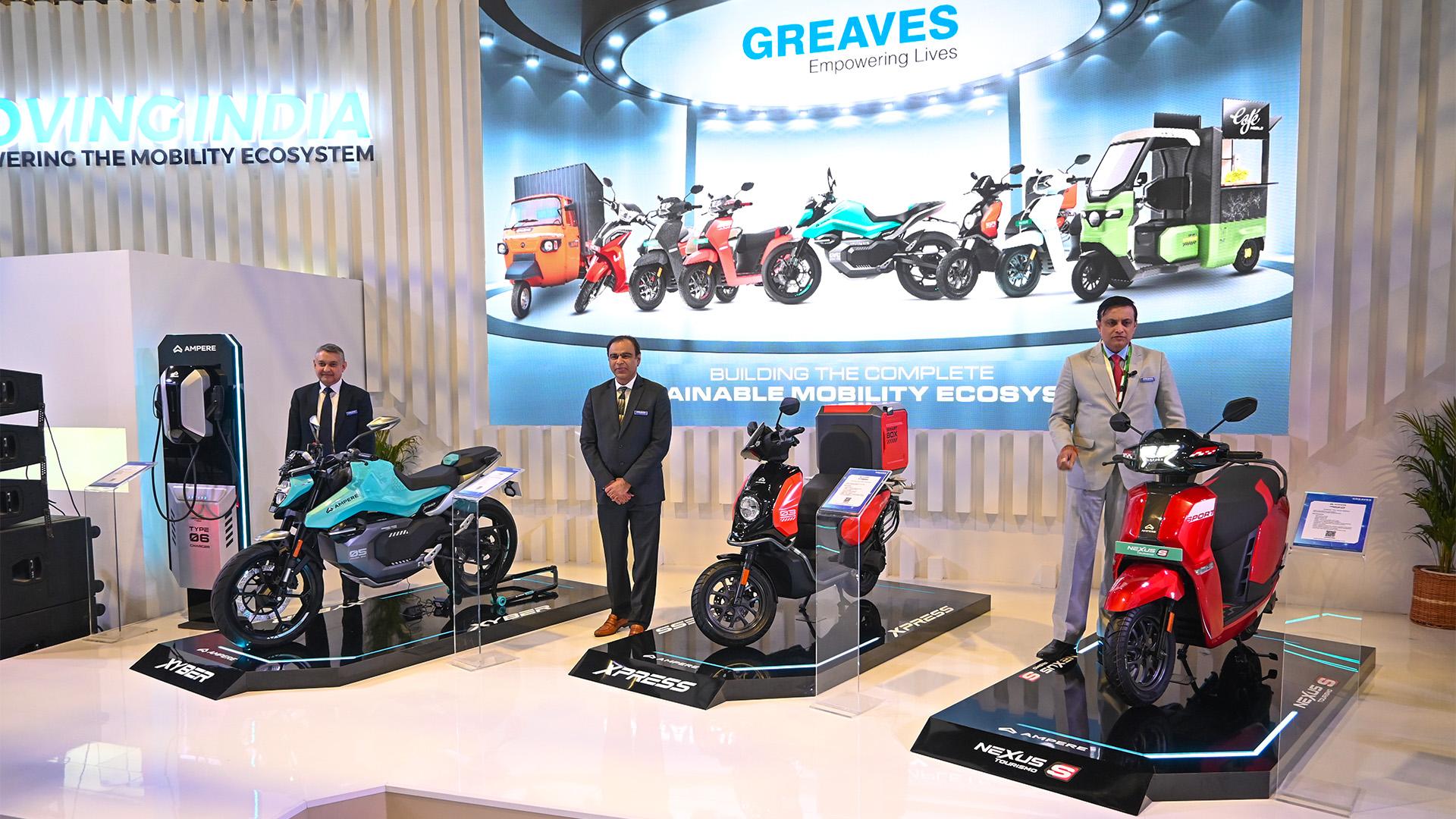
Ampere Care is Greaves Electric Mobility's after-sales service ecosystem, operating through 400+ dealerships and service touchpoints across India. Annual service visits for an Ampere scooter typically cover:
| Service Interval | Tasks Covered |
|---|---|
| First 500–1,000 km | Wheel alignment, brake bedding, cable tension, initial software update |
| Every 5,000 km | Brake pad inspection, tyre check, battery diagnostic, general inspection |
| Every 10,000 km / Annually | Brake fluid flush (Nexus), full battery health assessment, suspension check, all cables and connectors |
| As needed | Tyre replacement, brake pad/shoe replacement, software update if not OTA |
Frequently Asked Questions
How often does an Ampere electric scooter need servicing?
A brake and tyre inspection every 5,000 km and an annual comprehensive service every 10,000 km. Battery health checks are part of the annual visit. Software updates on the Nexus are delivered over-the-air by Nex.IO.
Do I need to change engine oil in my Ampere scooter?
No. Electric scooters have no engine and therefore require no oil changes, spark plug replacements, or air filter servicing. This is the primary reason electric scooter maintenance is 60–70% cheaper than petrol equivalents.
How long does an Ampere LFP battery last?
Under typical daily use, LFP batteries retain approximately 90–93% of original capacity by year 5. The Ampere Nexus and Magnus Grand batteries are warranted for 5 years or 75,000 km, whichever comes first.
Is it safe to charge an Ampere scooter in the rain?
Do not plug in while the charging socket is wet. Dry the socket and the surrounding area completely before connecting the charger. Riding in rain is safe for IP-rated Ampere models, but always charge in a dry, sheltered area.
What should I do if my Ampere Nexus shows a battery warning?
The Nex.IO system will display a fault code on the cluster. Note the code and visit the nearest authorised Ampere service centre. Many minor fault codes can be cleared via a software update without physical repair.