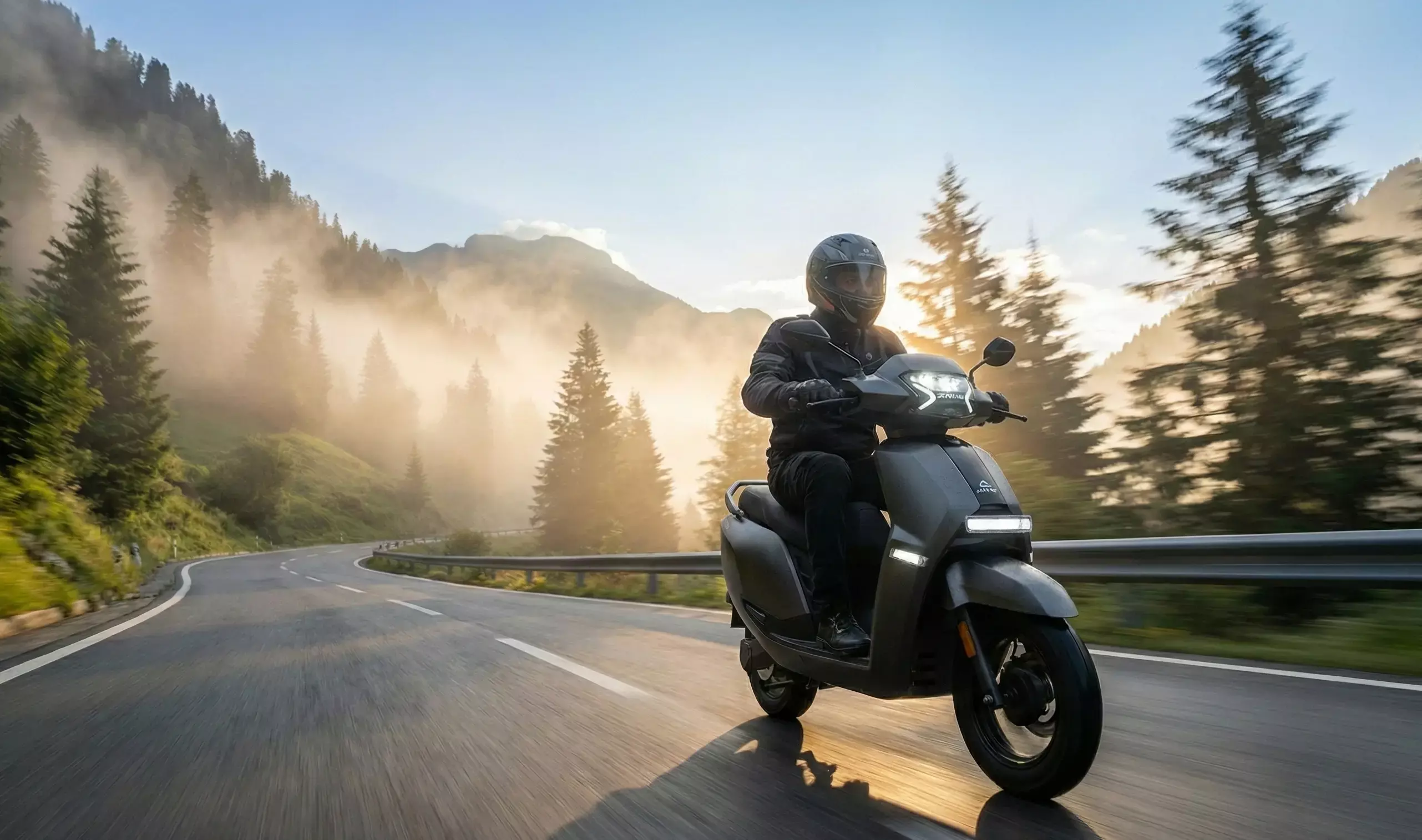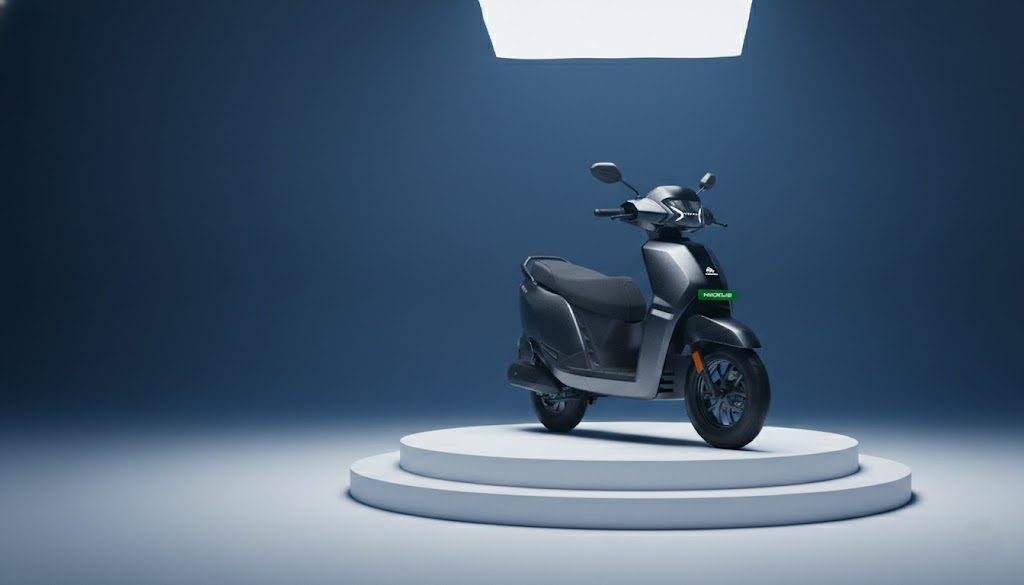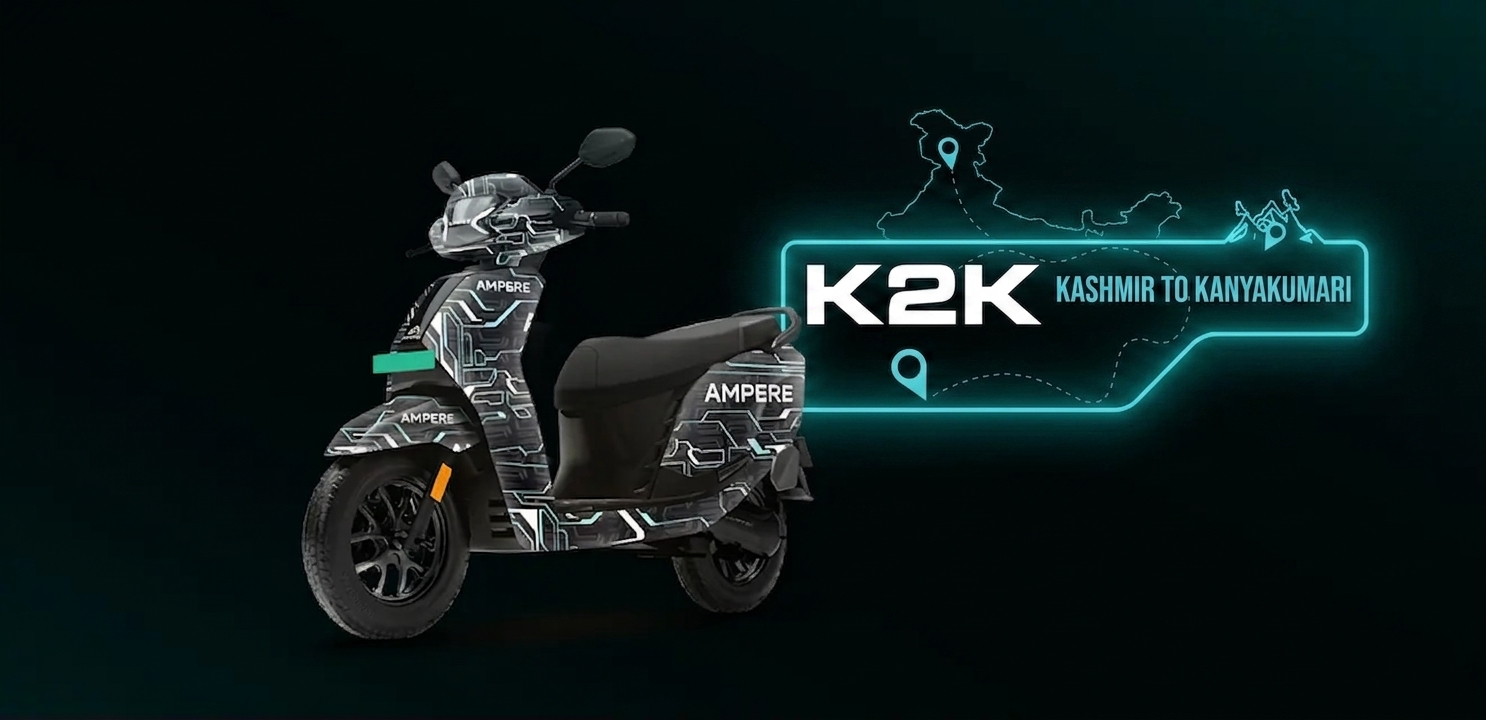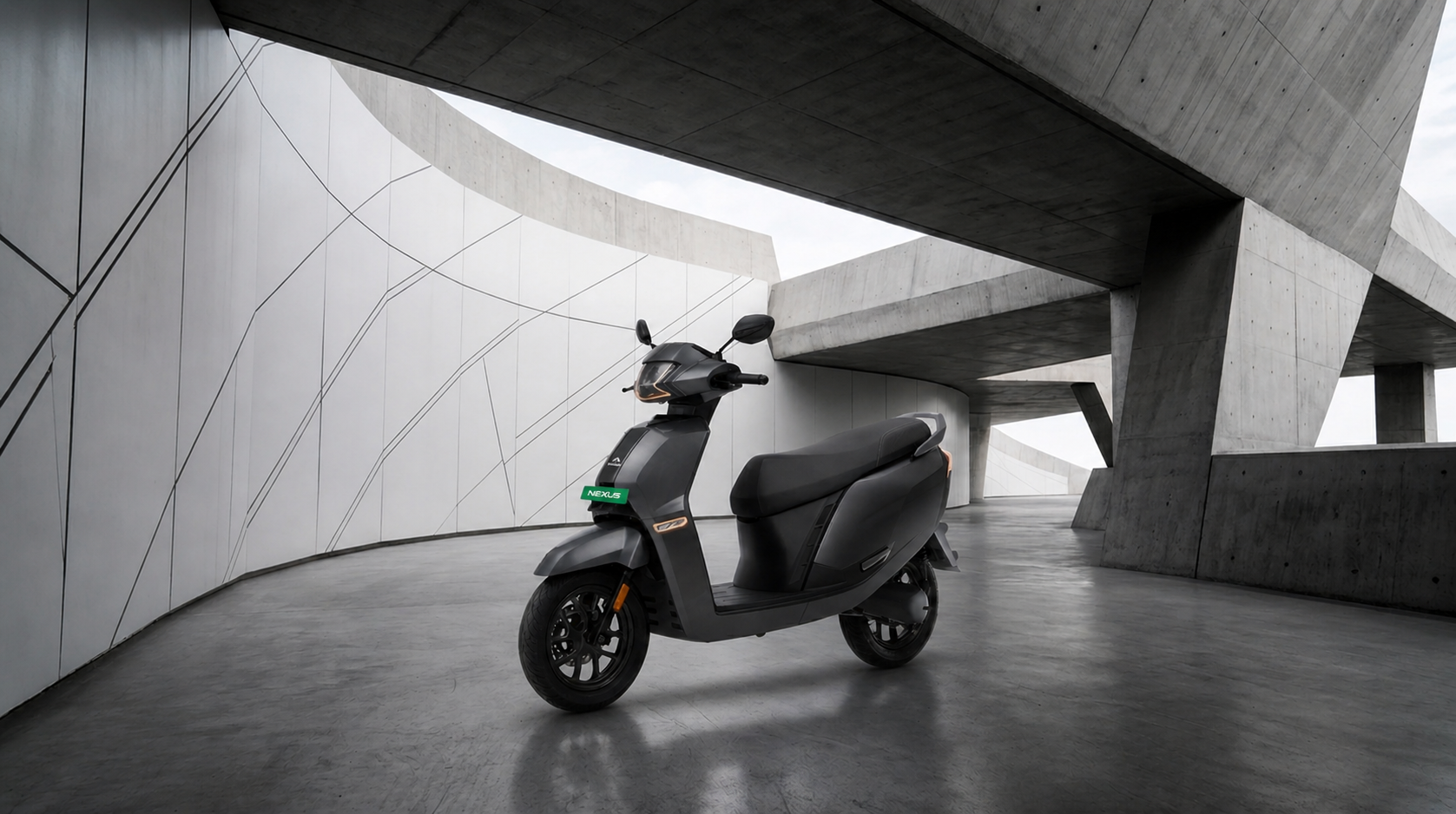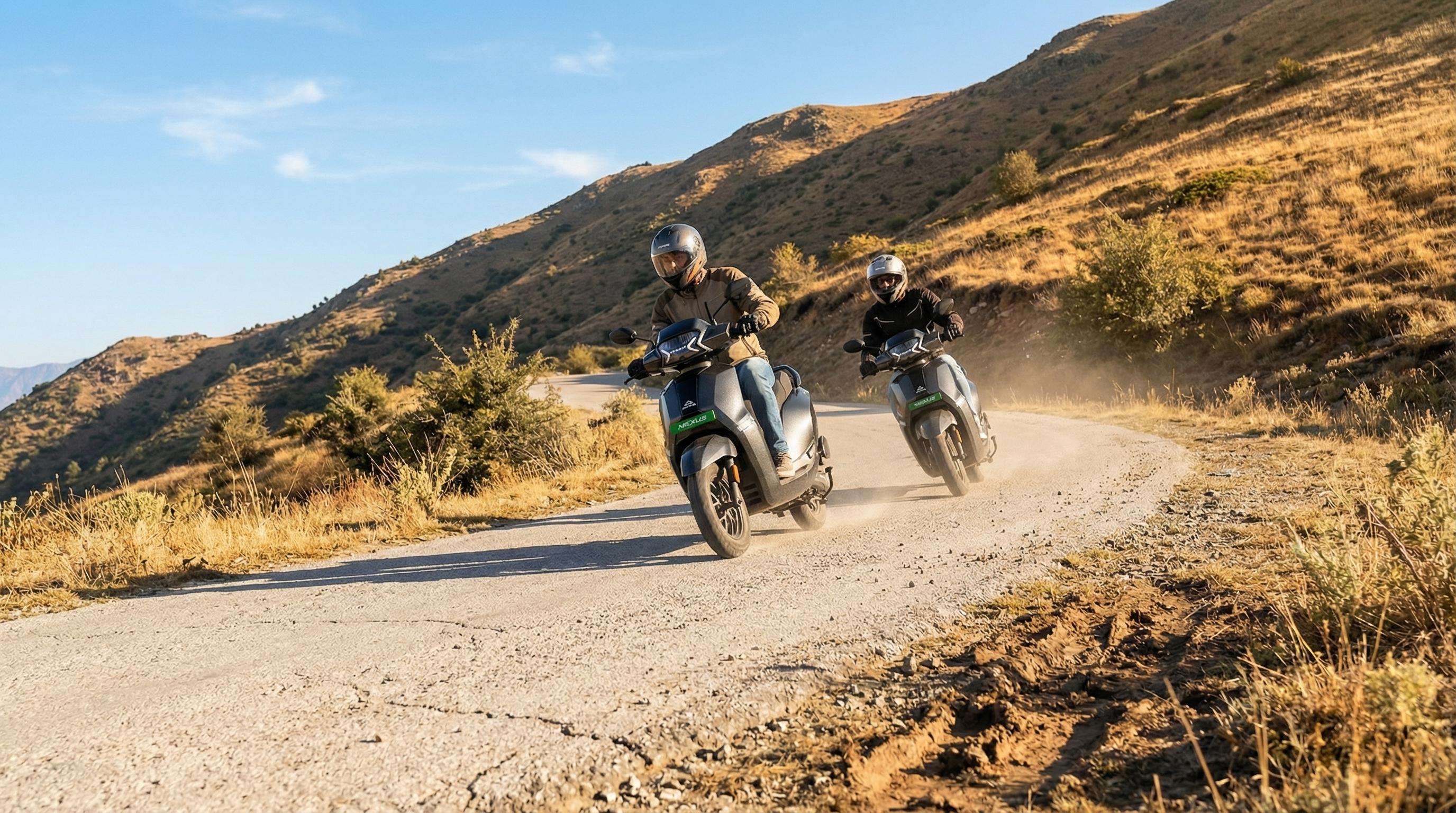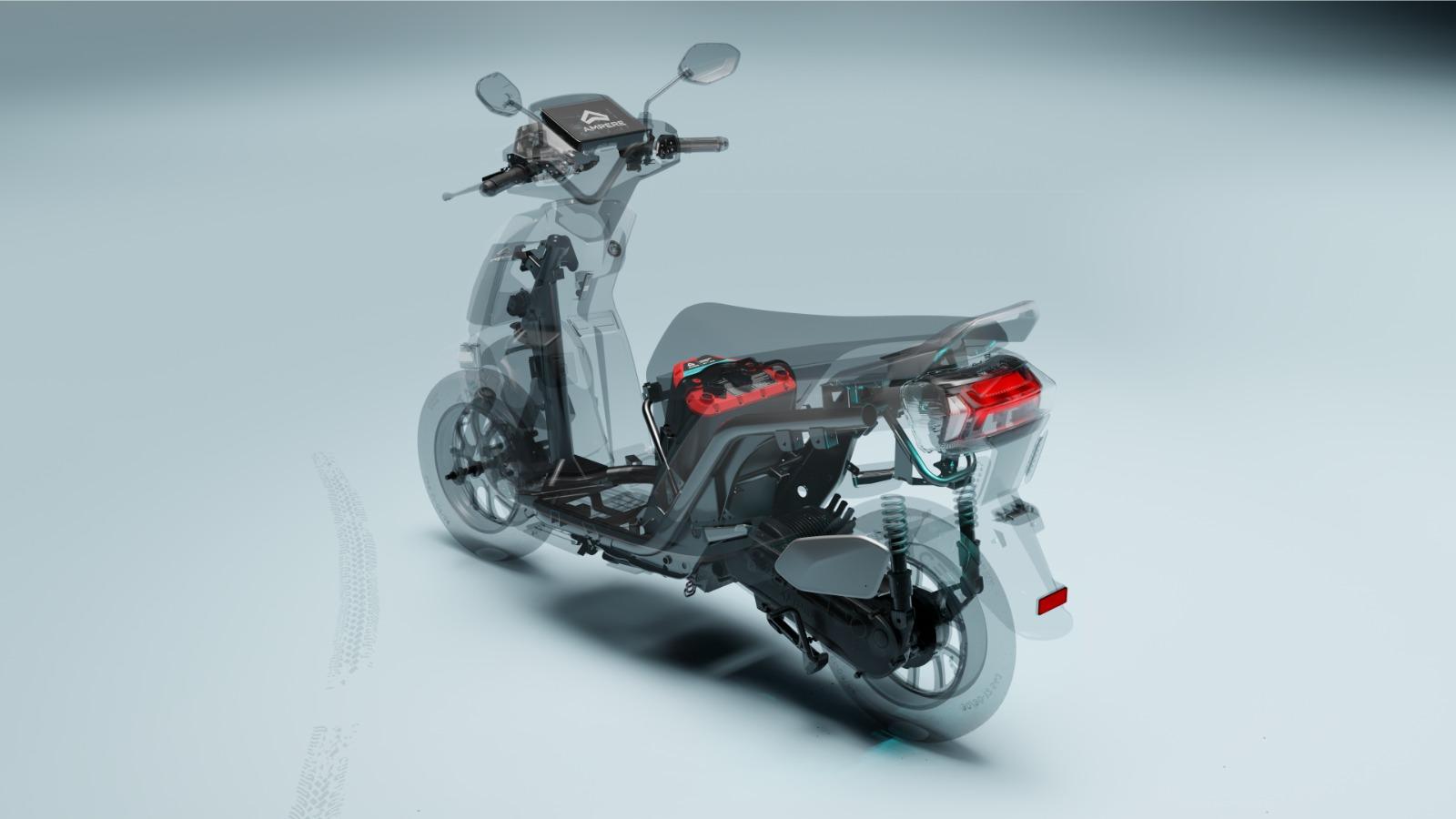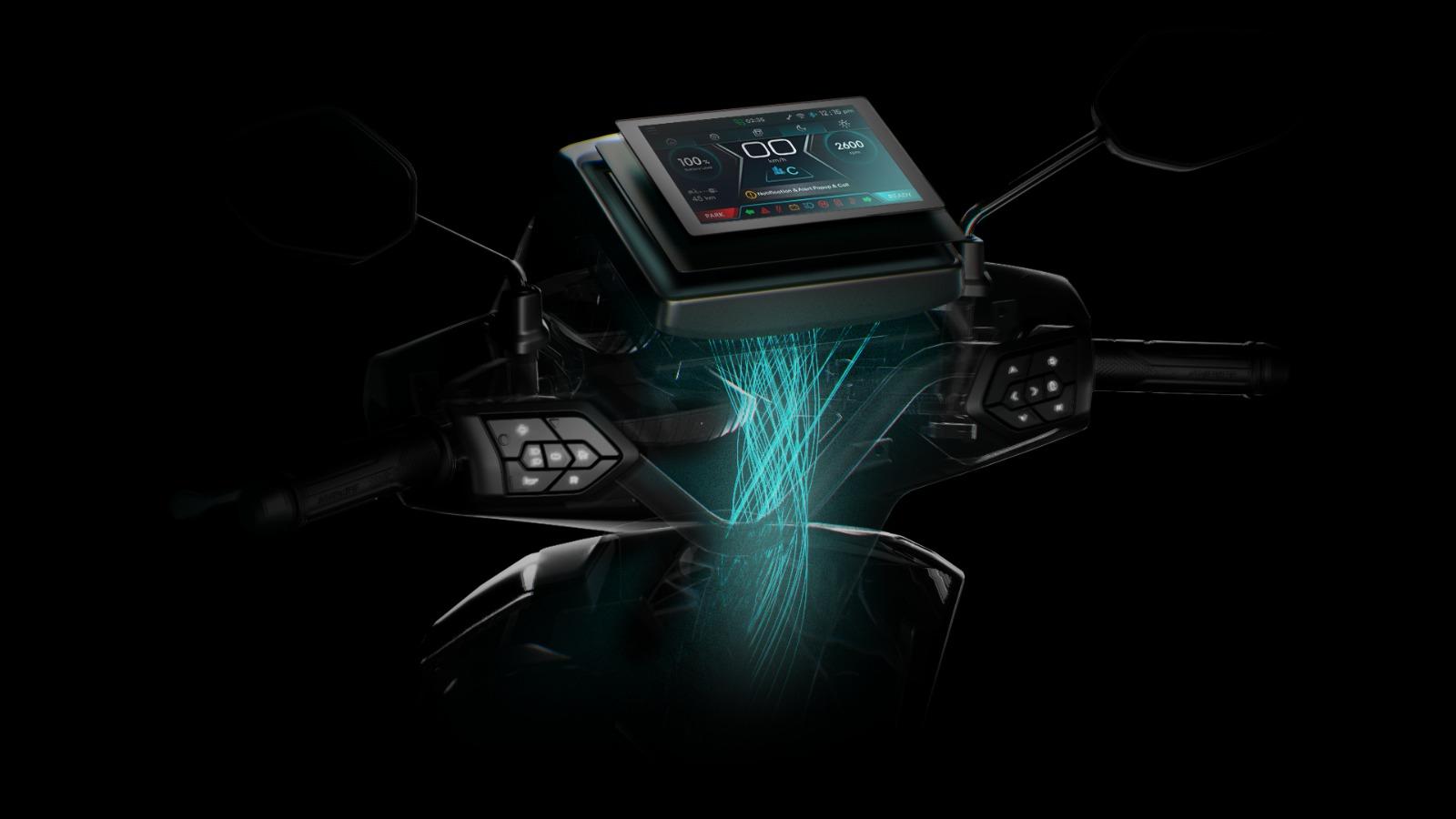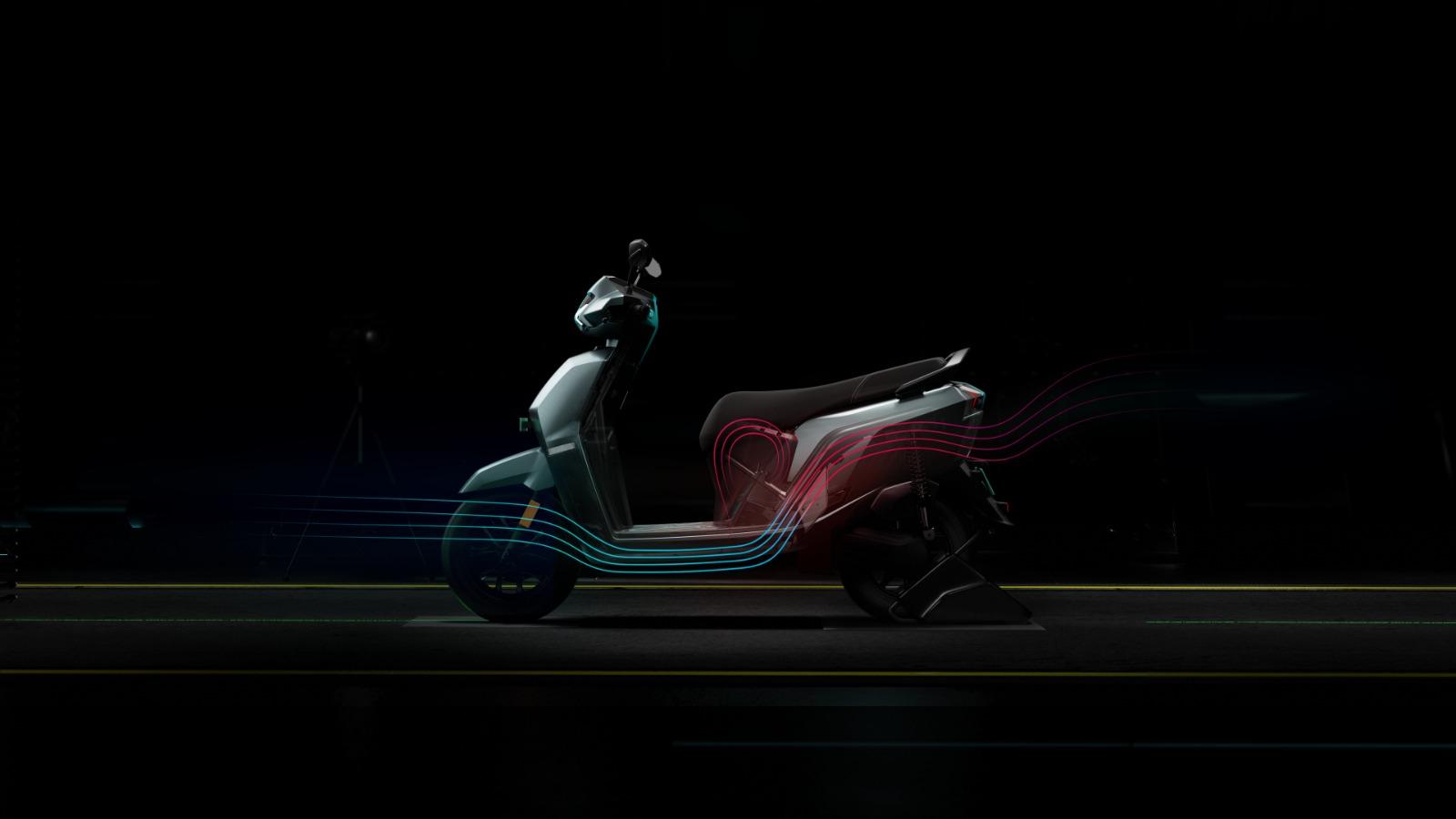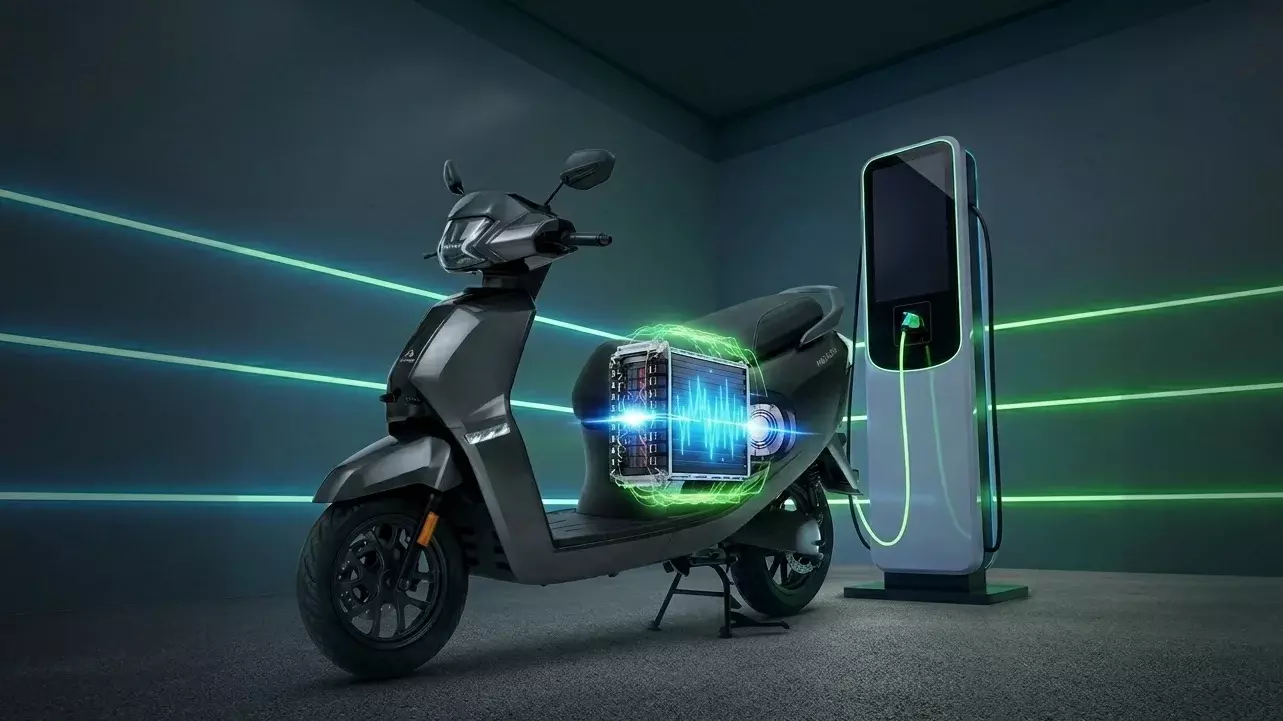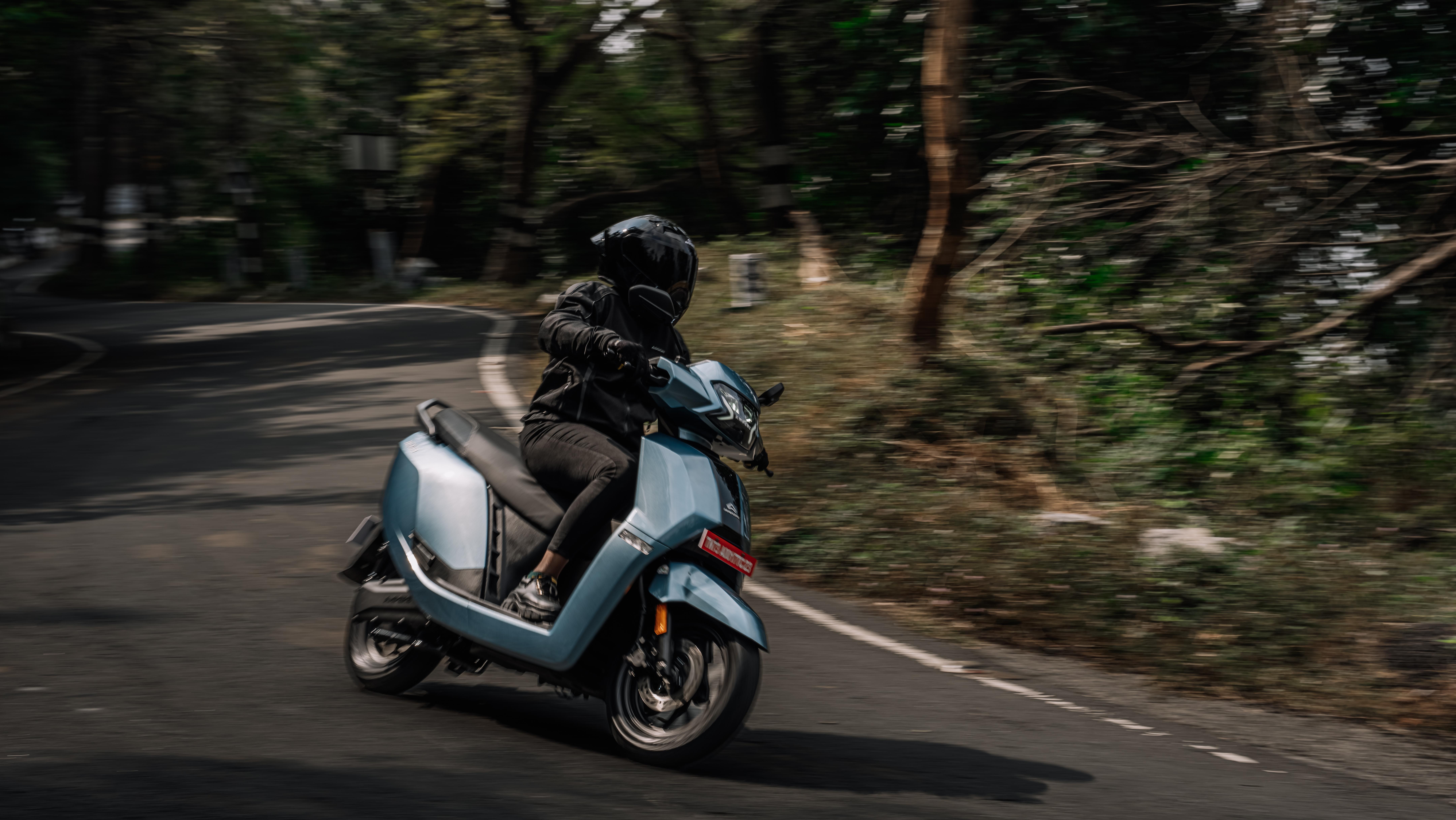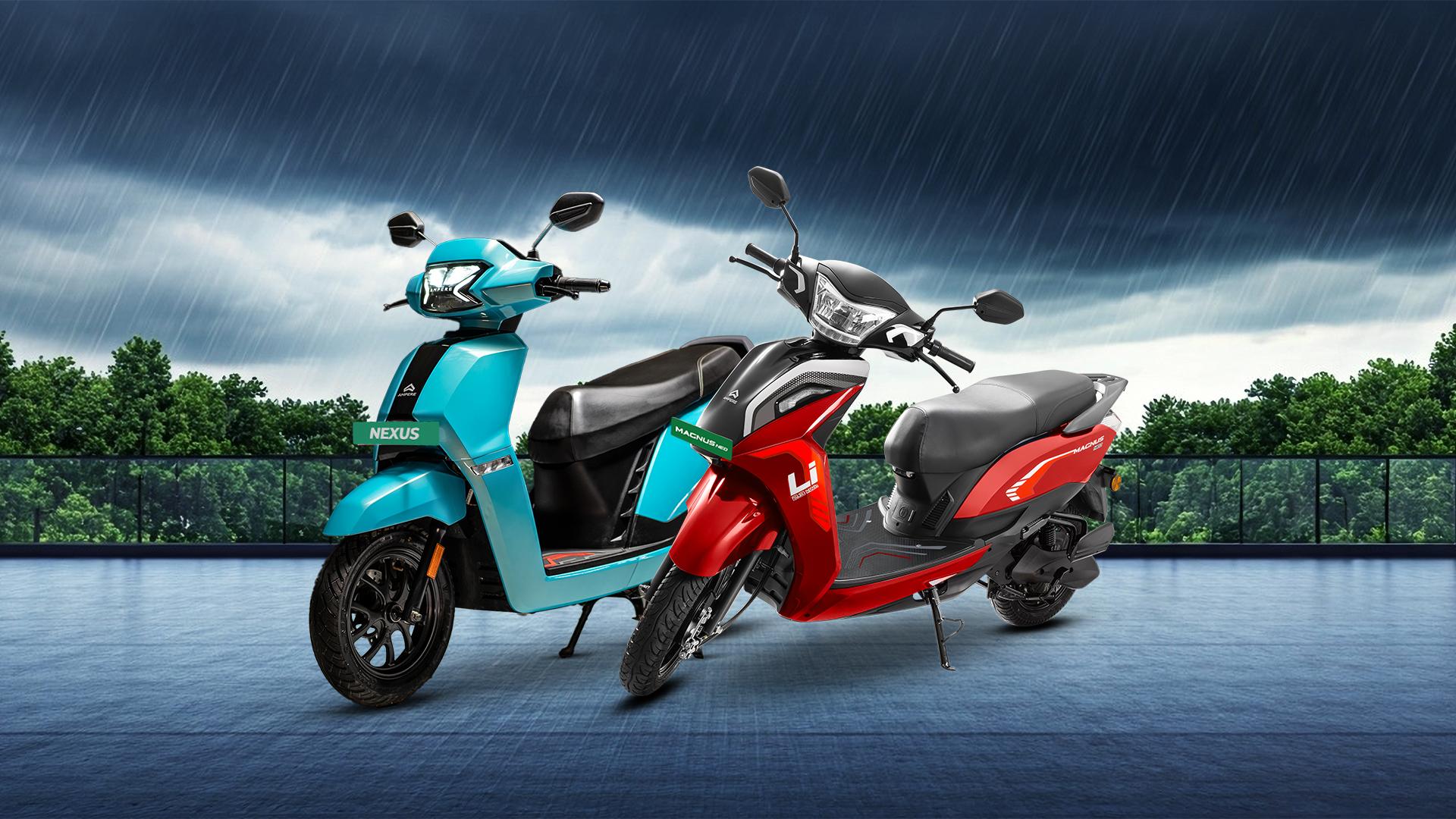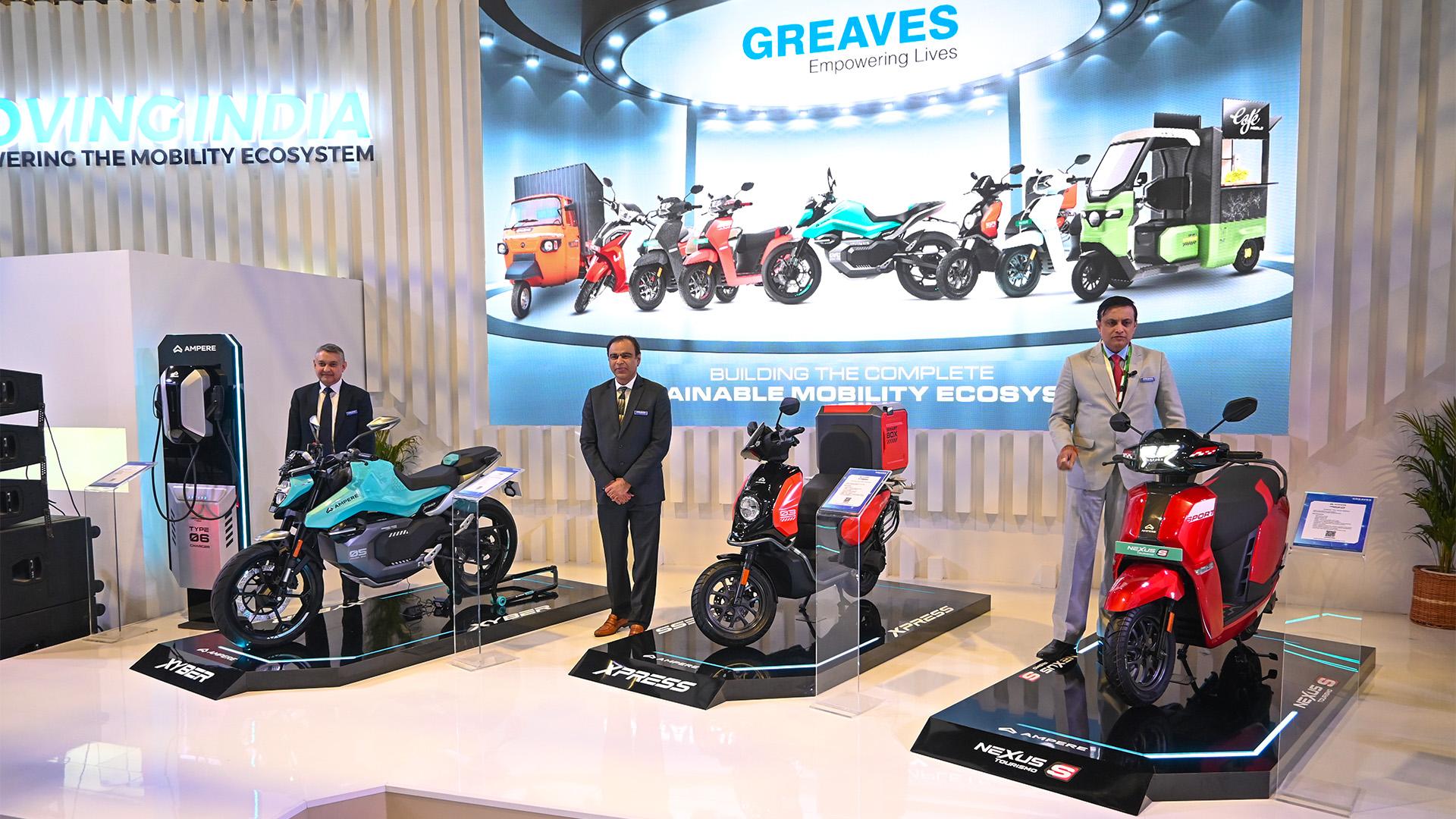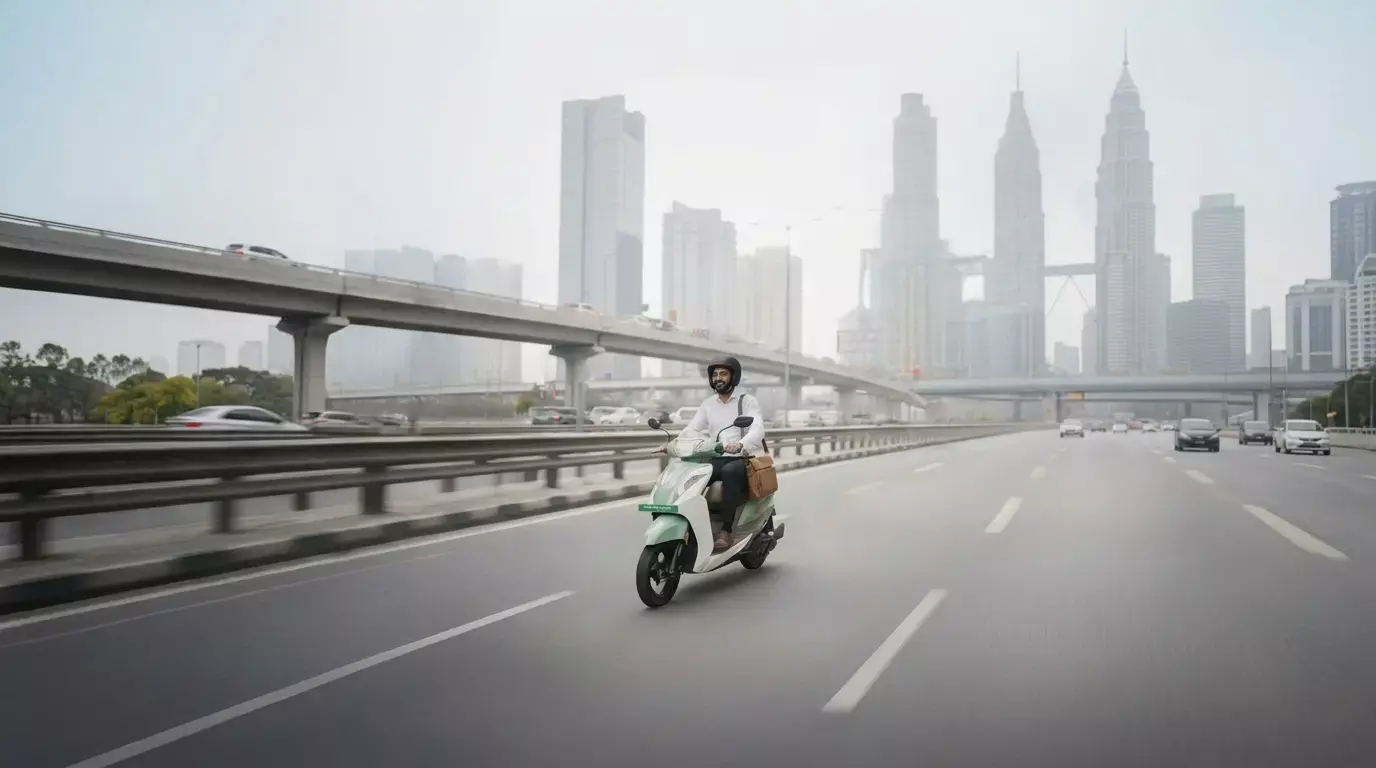
India's urban landscape is transforming as silent, emission-free rides replace petrol engines in 2026. This shift marks a major milestone for electric scooters India sustainability efforts. The green revolution is reshaping the nation's environmental footprint one ride at a time.

Beyond personal savings, the benefits of electric scooters for environment in India are pivotal. These vehicles eliminate tailpipe emissions, reduce urban noise pollution, and directly support the national goal of achieving net-zero status by 2070. Ampere plays a vital role in democratising this transition for everyday riders — by focusing on accessible, value-driven models, the brand helps diverse commuters join the movement, accelerating large-scale adoption across both metros and smaller towns.
Switching to electric power lowers greenhouse gas emissions intensity significantly. It also helps cities like Delhi and Bengaluru breathe easier every day. Families enjoy lower running costs while protecting the planet for future generations. This shift is essential for India's green mobility goals 2030. To understand this impact, let us examine the specific environmental advantages these vehicles offer.
Key Sustainability Benefits of Electric Scooters
| Sustainability Factor | Impact on India |
|---|---|
| Zero Tailpipe Emissions | Helps improve urban air quality |
| Lower Noise Pollution | Creates quieter residential areas |
| Reduced Fuel Dependency | Lowers crude oil imports |
| Energy Efficiency | Uses electricity more efficiently than petrol |
| Lower Running Costs | Reduces household transport expenses |
| Renewable Charging Potential | Supports solar-powered mobility |
| Cleaner Urban Mobility | Aligns with net-zero goals |
Aligning with India's 2030 Green Mobility Goals
Adopting electric scooters India sustainability initiatives supports India's wider climate agenda. Two-wheelers form a large share of road traffic today, and shifting this segment to electric helps cut oil use and emissions across the country. Global roadmaps like EV30@30 promote faster clean vehicle adoption. India's green mobility goals 2030 include higher electric vehicle sales and cleaner grids — and growing the share of electric scooters fits well within these aims.
Wider use of e-scooters can lower transport emissions meaningfully over time. Growth in Tier-2 and Tier-3 cities spreads these gains nationwide rather than concentrating them in metros. Better charging access and rider awareness will further accelerate this shift through the rest of the decade.
India's Green Mobility Targets and EV Role
| National Goal | How Electric Scooters Help |
|---|---|
| Net-zero emissions by 2070 | Reduces transport sector pollution |
| Cleaner urban air | Eliminates tailpipe exhaust |
| Reduced oil imports | Lowers petrol consumption |
| EV30@30 participation | Encourages faster EV adoption |
| Sustainable city mobility | Supports short-distance commuting |
| Renewable energy integration | Enables solar-based charging |
Decarbonising the Daily Commute
Switching to an e-scooter can sharply lower your daily carbon footprint. A 10 km commute on an electric model uses no tailpipe fuel — while traditional internal combustion vehicles release harmful exhaust with every kilometre. The benefits of electric scooters for environment in India include:
- Zero tailpipe emissions in hubs like Delhi and Bengaluru
- Lower greenhouse gas emissions intensity when powered by a cleaner grid
- Reduced noise pollution in densely populated residential zones
- Less heat radiation in already-warm Indian summers compared to combustion engines
Petrol Scooters vs Electric Scooters
| Factor | Petrol Scooter | Electric Scooter |
|---|---|---|
| Tailpipe Emissions | High | Zero |
| Noise Levels | Loud engine noise | Quiet operation |
| Fuel Type | Petrol | Electricity |
| Maintenance Complexity | Higher | Lower |
| Daily Running Cost | Higher | Lower |
| Environmental Impact | Greater pollution | Cleaner mobility |
The Shift to India's Green Mobility Goals 2030
India's policy support for electric mobility continues to evolve. Recent incentives encourage higher efficiency and local manufacturing, and Ampere designs products that aim to keep ownership costs low. Many brands highlight advanced features and high performance, but Ampere focuses on practical range, easy charging, and everyday comfort. This approach helps more riders join India's green mobility journey at an accessible price point.
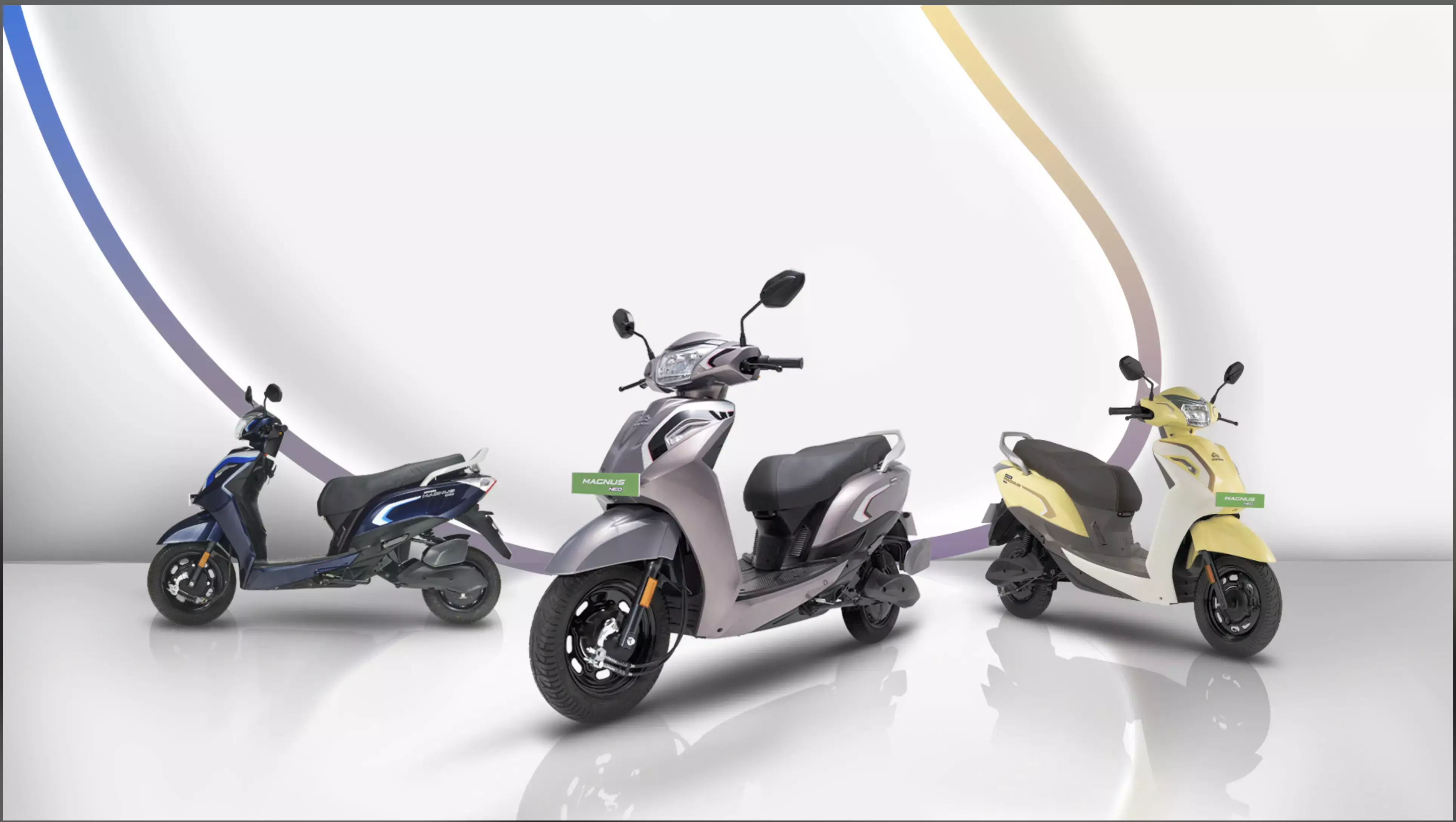
Ampere develops only electric two-wheelers as part of its core range. Each model is built around electric drivetrains and efficient batteries. By making green travel more accessible, more families can move away from fossil fuels — a gradual shift that supports cleaner air and quieter streets across the country.
Why More Indian Families Are Choosing Electric Scooters
| Reason | Benefit |
|---|---|
| Lower fuel expenses | Saves money every month |
| Easy home charging | Convenient for daily use |
| Reduced pollution | Cleaner neighbourhoods |
| Government EV incentives | Better affordability |
| Low maintenance | Fewer servicing requirements |
| Quiet operation | Less urban noise pollution |
Environmental Impact: Beyond Tailpipe Emissions
Adopting electric scooters for India sustainability goals supports cleaner urban air. Unlike petrol bikes, these vehicles produce zero tailpipe emissions — a shift that directly improves air quality in dense traffic zones where exposure is highest. Reducing noise pollution also helps crowded residential areas. Electric drivetrains are inherently quieter than traditional engines, which translates to calmer neighbourhoods, better sleep quality near busy roads, and a more pleasant urban soundscape.
Environmental Benefits at a Glance
| Environmental Area | Positive Impact |
|---|---|
| Air Quality | Reduced PM2.5 and exhaust pollution |
| Noise Pollution | Quieter roads and neighbourhoods |
| Fuel Consumption | Lower petrol dependency |
| Carbon Emissions | Reduced greenhouse gas intensity |
| Urban Living Conditions | Cleaner and healthier environments |
Lifecycle Emissions and Battery Technology
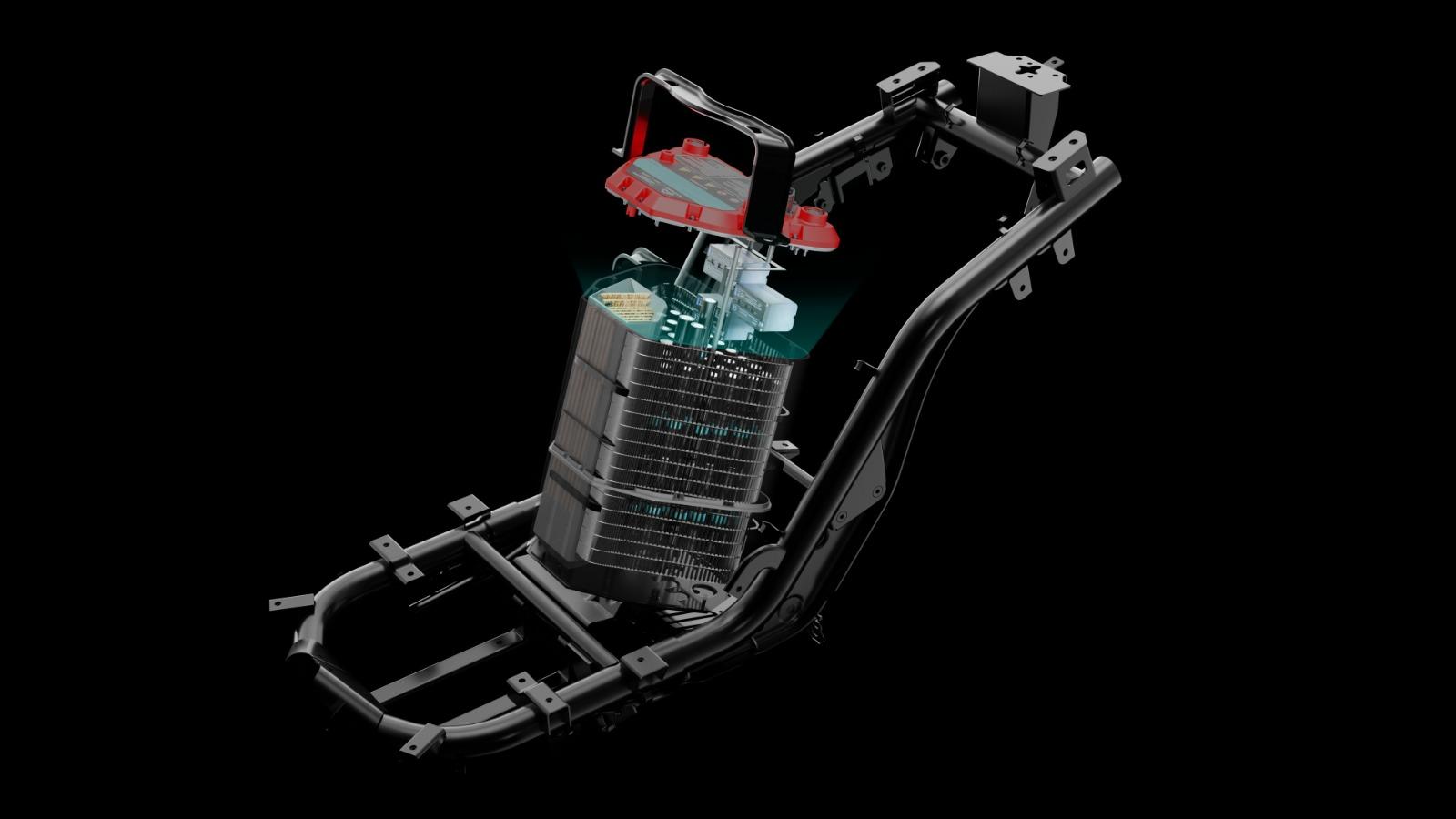
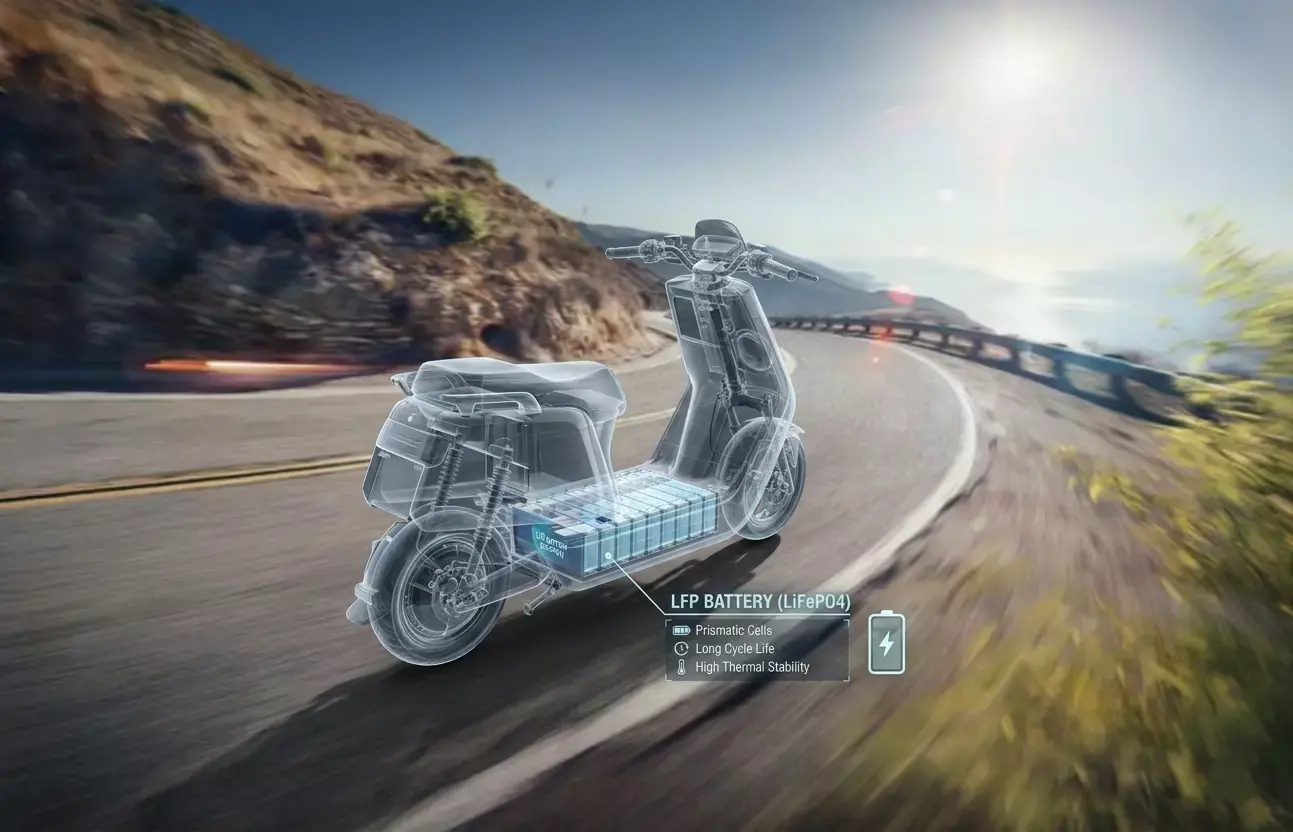
To understand the full sustainability picture, we must look at the entire e-scooter lifecycle — from manufacturing to recycling. Lithium-ion battery technology has advanced rapidly in recent years, and many modern batteries now use higher shares of recovered materials. Recycling programmes aim to recover key metals more efficiently, while growing local production lowers transport-related emissions.
Ampere focuses on simple, reliable designs for mass adoption — with the emphasis on practical efficiency over complex add-ons. Durable vehicle materials support long-term environmental gains by extending the useful life of each scooter, reducing the need for replacements.
Battery Sustainability Improvements
| Innovation | Sustainability Benefit |
|---|---|
| Lithium-ion batteries | Higher energy efficiency |
| Battery recycling | Reduces waste generation |
| Local manufacturing | Cuts transport emissions |
| Recovered raw materials | Lowers mining dependency |
| Durable battery systems | Longer vehicle lifespan |
Solar-Powered Rides
Every kilometre driven on electricity can be cleaner than the year before. This progress links directly to steady grid decarbonisation in India. Renewable electricity for EV charging is already used in several regions:
- Some housing societies in Karnataka use rooftop solar for community EV charging
- Pilot projects in Gujarat test solar-plus-EV community systems for shared mobility
- Public kiosks in select cities now offer green power for riders during the day
- Workplace charging powered by rooftop solar is growing in IT parks and campuses
Ampere scooters are designed to deliver strong value and low running costs. The focus is on energy-efficient powertrains that make the most of every charge. This supports India's green mobility goals 2030 and the broader net-zero 2070 vision — by choosing electric, riders directly support a healthier future for everyone.
Renewable Charging Sources for EV Riders
| Charging Source | Sustainability Advantage |
|---|---|
| Rooftop solar | Clean renewable energy |
| Community charging hubs | Shared infrastructure efficiency |
| Workplace charging | Convenient urban charging |
| Public EV kiosks | Expands green mobility access |
| Home charging | Encourages daily EV use |
Economic Sustainability for the Indian Household
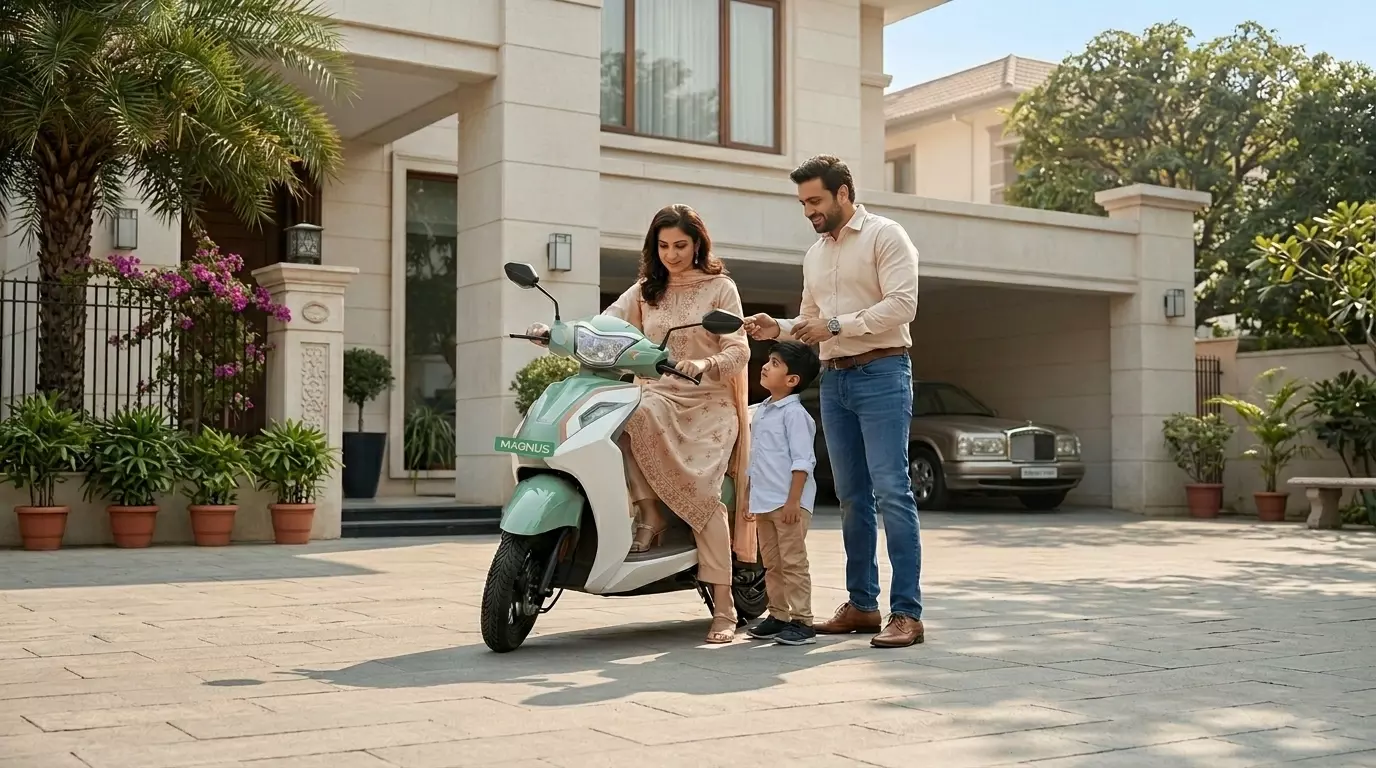
Electric scooters India sustainability efforts begin at the household level. Beyond environmental benefits, families see immediate cost reductions. Switching from petrol to electric cuts daily fuel spending for many riders — making sustainability a financially smart choice, not just an ethical one.
Cost Comparison: Petrol vs Electric Scooter
| Expense Type | Petrol Scooter | Electric Scooter |
|---|---|---|
| Fuel/Energy Cost | Higher | Lower |
| Engine Maintenance | Frequent | Minimal |
| Oil Changes | Required | Not needed |
| Daily Commute Cost | Higher | More economical |
| Long-Term Savings | Lower | Higher savings potential |
Democratising Green Tech
Ampere focuses on the mass market rather than niche tech enthusiasts. Some electric scooters in India target premium segments with higher prices, but Ampere instead highlights practicality and value for everyday Indian commuters. This focus on cost and ease of use supports much wider adoption.
A growing service footprint aims to support vehicles over many years, helping reduce the "disposable" gadget mindset that sometimes surrounds new technology. Simple, EV-focused designs also lower routine maintenance needs. Gig workers on food and quick-commerce platforms benefit equally — lower running costs increase their net earnings over time, and reliable electric mobility backs India's green mobility goals 2030 from the ground up.
How Electric Scooters Support Gig Workers
| Benefit | Impact |
|---|---|
| Lower running costs | Improves take-home income |
| Reduced maintenance | Less downtime |
| Quiet operation | Better urban riding comfort |
| Easy charging | Convenient for frequent riders |
| Lower fuel dependency | More predictable expenses |
Infrastructure Adaptability
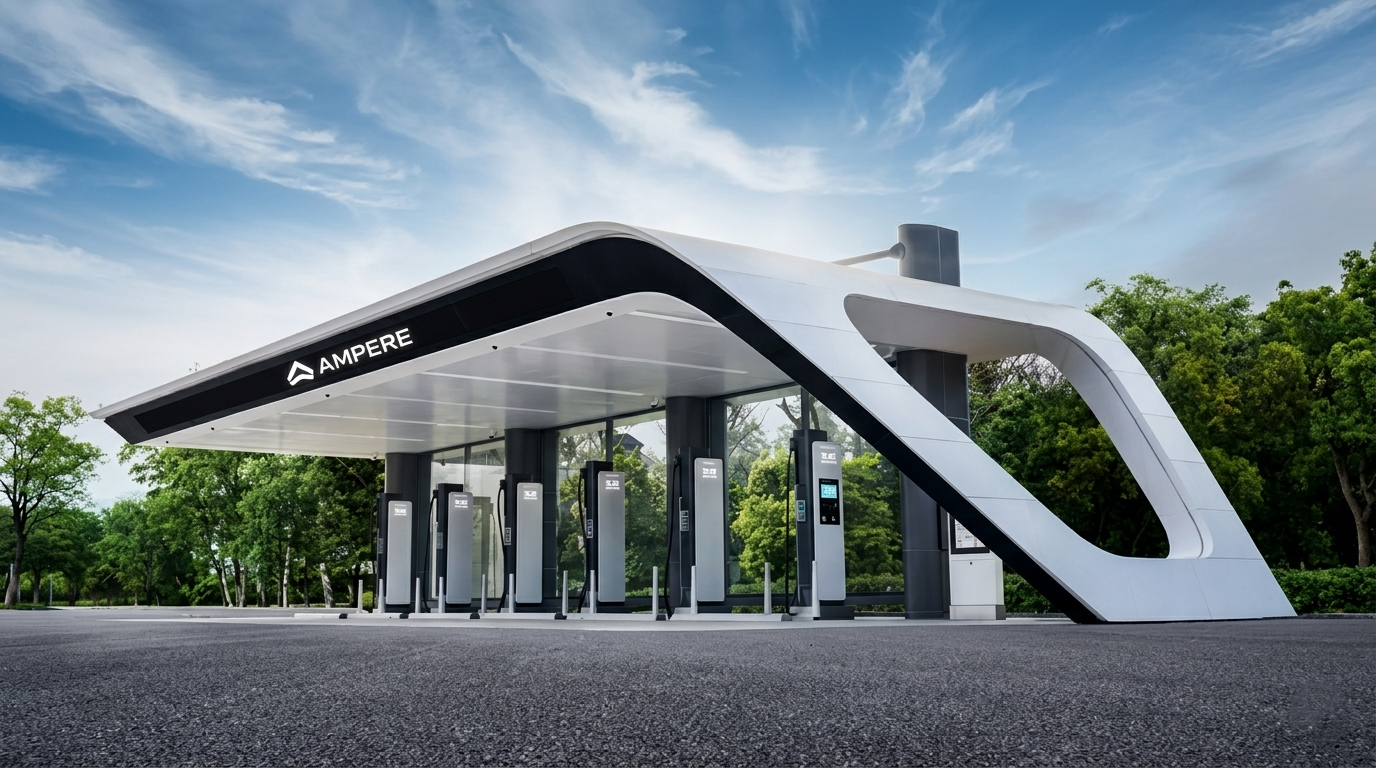
Range anxiety is easing as India-specific charging options expand. Many scooters now allow low-voltage home charging that fits common power setups. Riders also access community or workplace charging points in urban areas, and these shared solutions are becoming more visible in major cities every year.
The rising share of electric scooters in India shows steady, sustained interest — suggesting EVs are becoming more practical for daily travel rather than remaining a niche choice. Ampere and other brands have a strong presence in many Tier-2 and Tier-3 markets. This wider reach helps replace short petrol trips across regions, turning daily commutes into a small but steady climate action. This shift supports the EV30@30 target while saving families money — choosing electric is now a smart financial and environmental move.
Charging Accessibility in India
| Charging Type | Common Usage |
|---|---|
| Home charging | Daily overnight charging |
| Workplace charging | Office commuters |
| Community stations | Shared urban charging |
| Public charging kiosks | City travel support |
| Solar charging setups | Renewable energy charging |
Safety and Sustainable Vehicle Materials
In 2026, safety is a core pillar of electric scooters India sustainability. Advanced features like Combined Braking Systems (CBS) and anti-lock braking systems (ABS) help prevent accidents. Fewer crashes mean less repair waste and a longer life for each scooter — which supports cleaner cities and more careful use of resources. Modern safety technology includes:
- ABS and CBS that improve rider control on wet or uneven Indian roads
- Traction and stability systems that reduce wheel slip during sudden turns
- Proximity alerts and smart displays that warn riders about nearby hazards
- Reverse mode on select models for safer manoeuvring in tight spaces
Manufacturing processes this year focus increasingly on secondary materials and recycling. Many brands now test eco-friendly plastics and composites to cut emissions intensity. Lightweight frames are a growing industry trend — these designs need less material and less energy to move every day. Efficient electric powertrains differ significantly from older vehicle designs in three important ways:
- Legacy petrol scooters depend on complex engines with many moving parts that need regular service
- Heavy metal frames raise energy use and limit overall efficiency
- Limited service networks can shorten the real-world life of older vehicles
Using lightweight materials supports the India net-zero 2070 target. These choices show clear benefits of electric scooters for environment in India — by using fewer raw materials, makers align with India's green mobility goals 2030. Better design also makes recycling easier at the end of life, lowering the overall carbon footprint of urban transport and ensuring that every ride supports a cleaner future.
Sustainable Design Features in Modern EV Scooters
| Feature | Sustainability Benefit |
|---|---|
| ABS and safety systems | Longer vehicle lifespan |
| Lightweight frames | Better energy efficiency |
| Recyclable materials | Lower environmental impact |
| Durable components | Reduced waste generation |
| Efficient powertrains | Lower energy consumption |
Frequently Asked Questions
How do electric scooters help the environment in India?
Electric scooters eliminate tailpipe emissions entirely. This directly reduces PM2.5 levels in congested cities like Delhi and Bengaluru. These vehicles provide fuel-efficient urban mobility for daily commutes and help lower greenhouse gas emissions intensity across the country. Switching to electric two-wheelers actively supports India's green mobility goals for 2030.
Are electric scooters sustainable if the grid uses coal?
Even with a coal-dependent grid, electric scooters remain more efficient than petrol engines. Grid decarbonisation is also accelerating in 2026, and many riders now supplement charging with rooftop solar in states like Karnataka and Gujarat — turning every trip into a cleaner ride. EVs remain the most effective path toward the India net-zero 2070 target.
How does Ampere differ from premium brands in sustainability?
Ampere focuses on the mass market and everyday commuters, while premium brands often target smaller, niche segments. Accessible pricing helps more people replace petrol miles quickly, which creates a larger total reduction in urban air pollution. The emphasis is on practical designs that support inclusive green mobility for all Indian families.
Can I charge my electric scooter using solar power?
Yes — many households now charge electric scooters using rooftop solar systems. Standard home charging from a 5A or 15A socket works seamlessly with solar-powered home inverter setups. This combination effectively reduces a scooter's lifecycle emissions to near-zero, making it one of the cleanest urban transport options available today.
How much pollution does one electric scooter save?
An electric scooter replacing a petrol model can avoid roughly 1–1.5 tonnes of CO₂ emissions over a typical 5-year ownership period, based on average urban commuting patterns. The total impact scales significantly when millions of riders switch — making mass adoption central to India's climate goals.
Final Thoughts
India is moving steadily toward a cleaner future through electric scooters. These vehicles are vital for reaching India's green mobility goals 2030. By choosing electric, you help reduce urban air and noise pollution — and the benefits of electric scooters for environment in India include zero tailpipe emissions, quieter neighbourhoods, and lower oil dependency at a national level.
Ampere makes this transition easy with practical and affordable models. This shift supports the national target of net-zero status by 2070, while families enjoy lower fuel costs and safer daily rides at the same time. Switching to an e-scooter is a smart move for your wallet — and a meaningful win for the planet. Make the switch today to support electric scooters India sustainability efforts, and help build a greener nation for everyone.