Choosing the right electric scooter in India in 2026 means evaluating six core factors: real-world range, battery chemistry, charging convenience, safety equipment, after-sales support, and total cost of ownership. This guide walks through each factor with clear benchmarks to help you avoid the most common buying mistakes.
Factor 1: Real-World Range — Look Beyond the Claim
Every electric scooter manufacturer in India publishes an IDC-certified range figure. This is measured in laboratory conditions at a controlled speed, temperature, and load. Real-world performance is typically 20–30% lower. A scooter claiming 120 km IDC will generally deliver 85–95 km in a city with mixed traffic, an adult rider, and a partial pillion load.
The rule of thumb: your chosen scooter's real-world range should be at least 1.5 to 2 times your average daily distance. For a 30 km daily commute, a real-world range of 60–70 km is technically sufficient but offers no buffer. A real-world range of 80–100 km gives you two to three days of riding between charges — far more practical for people who sometimes forget to plug in.
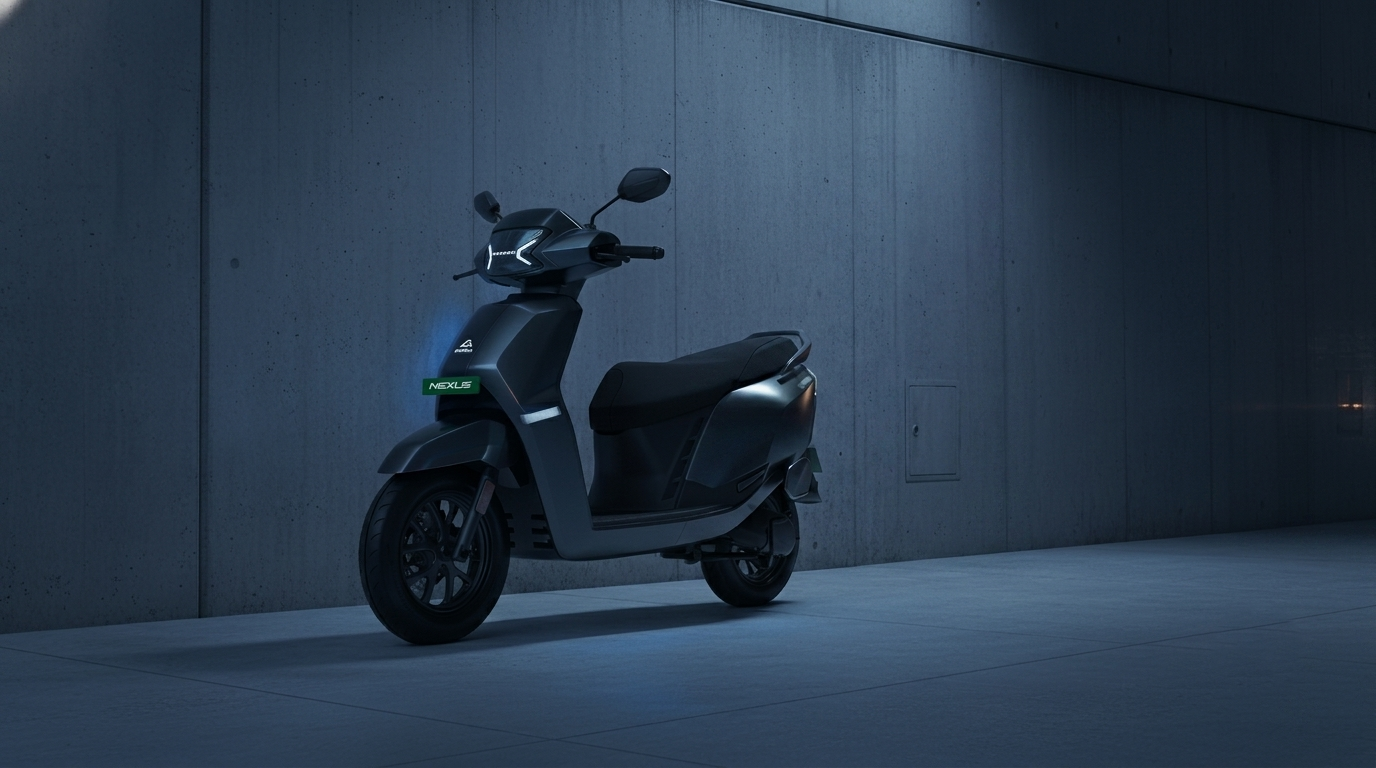
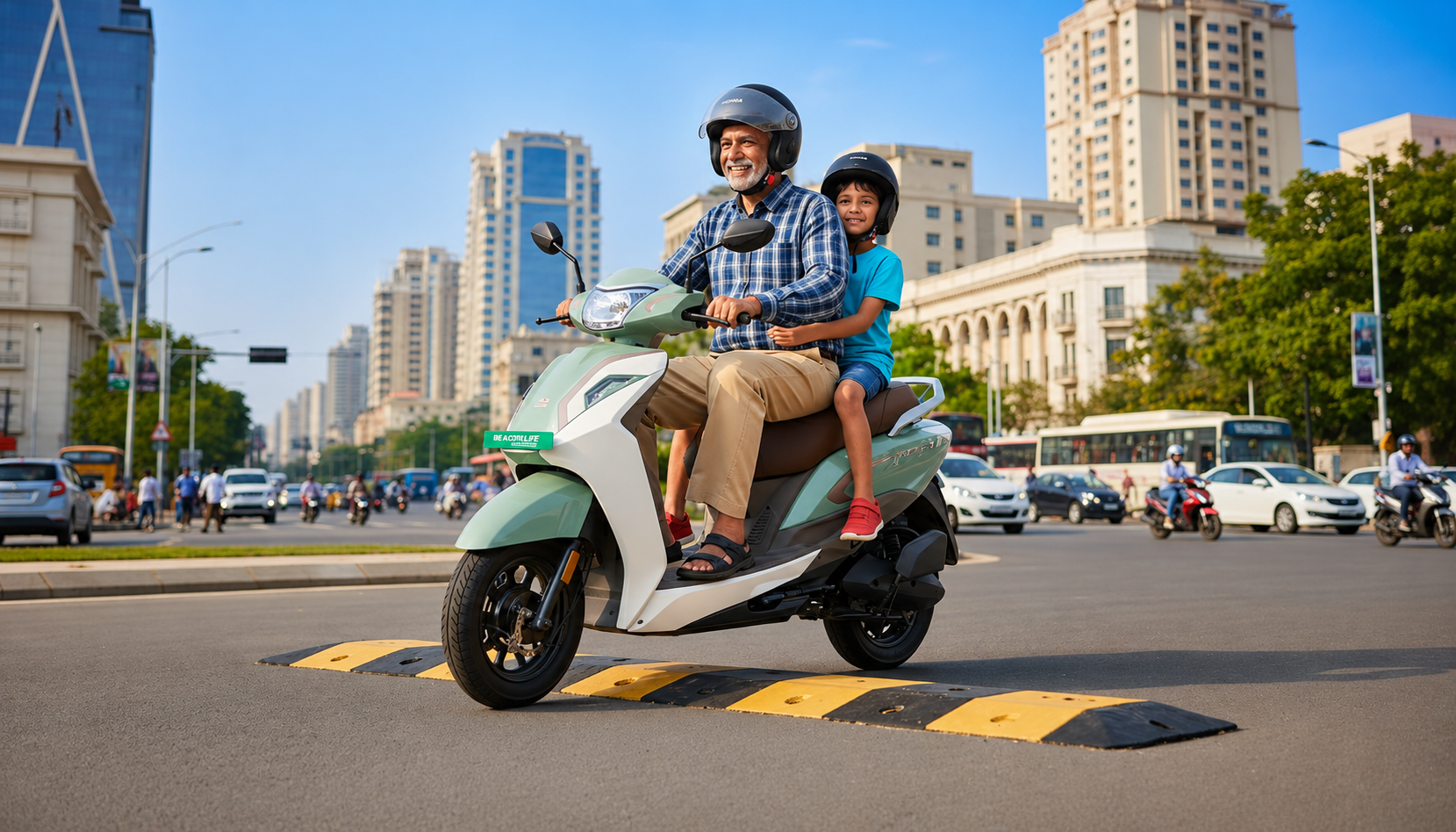
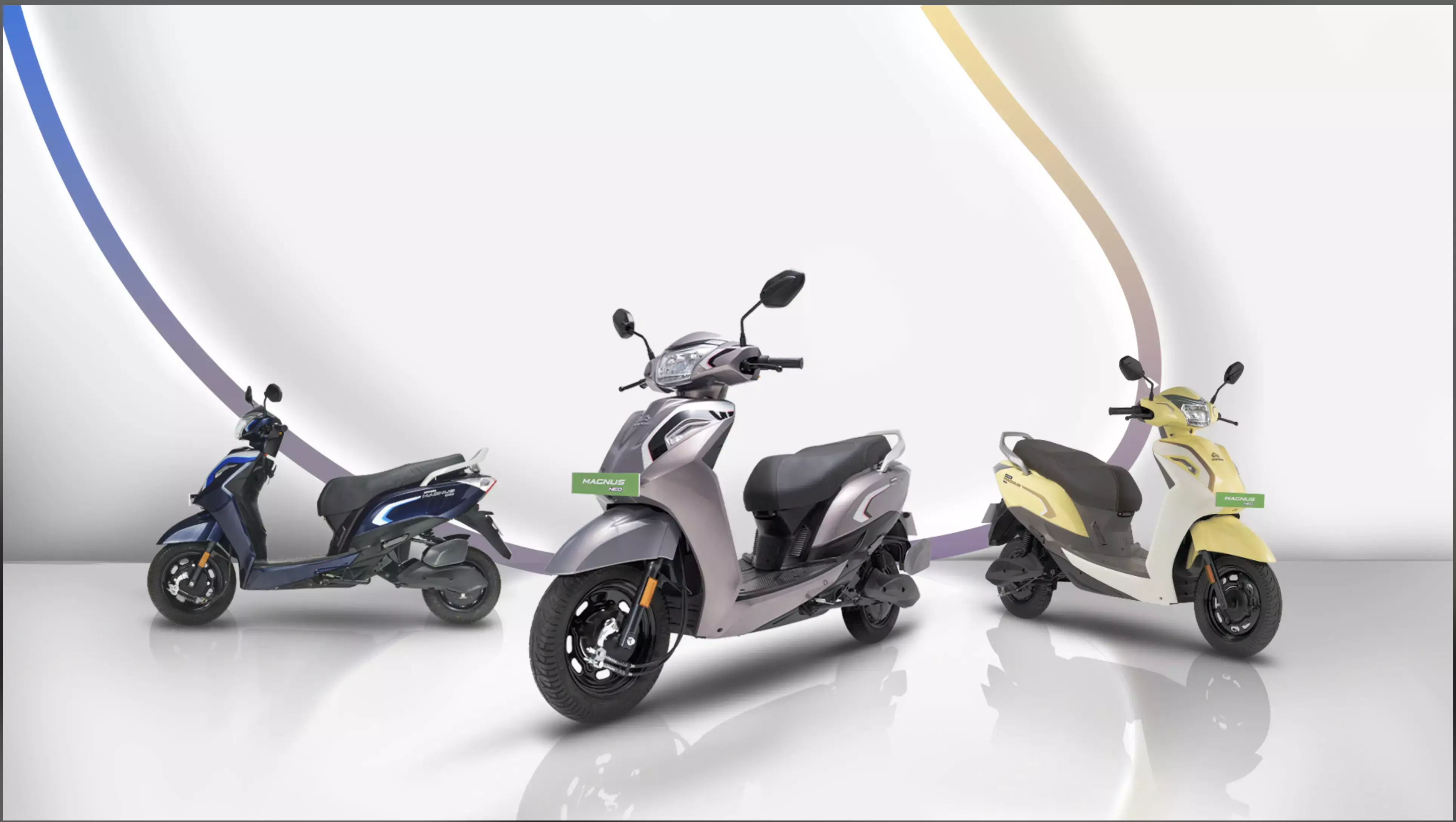
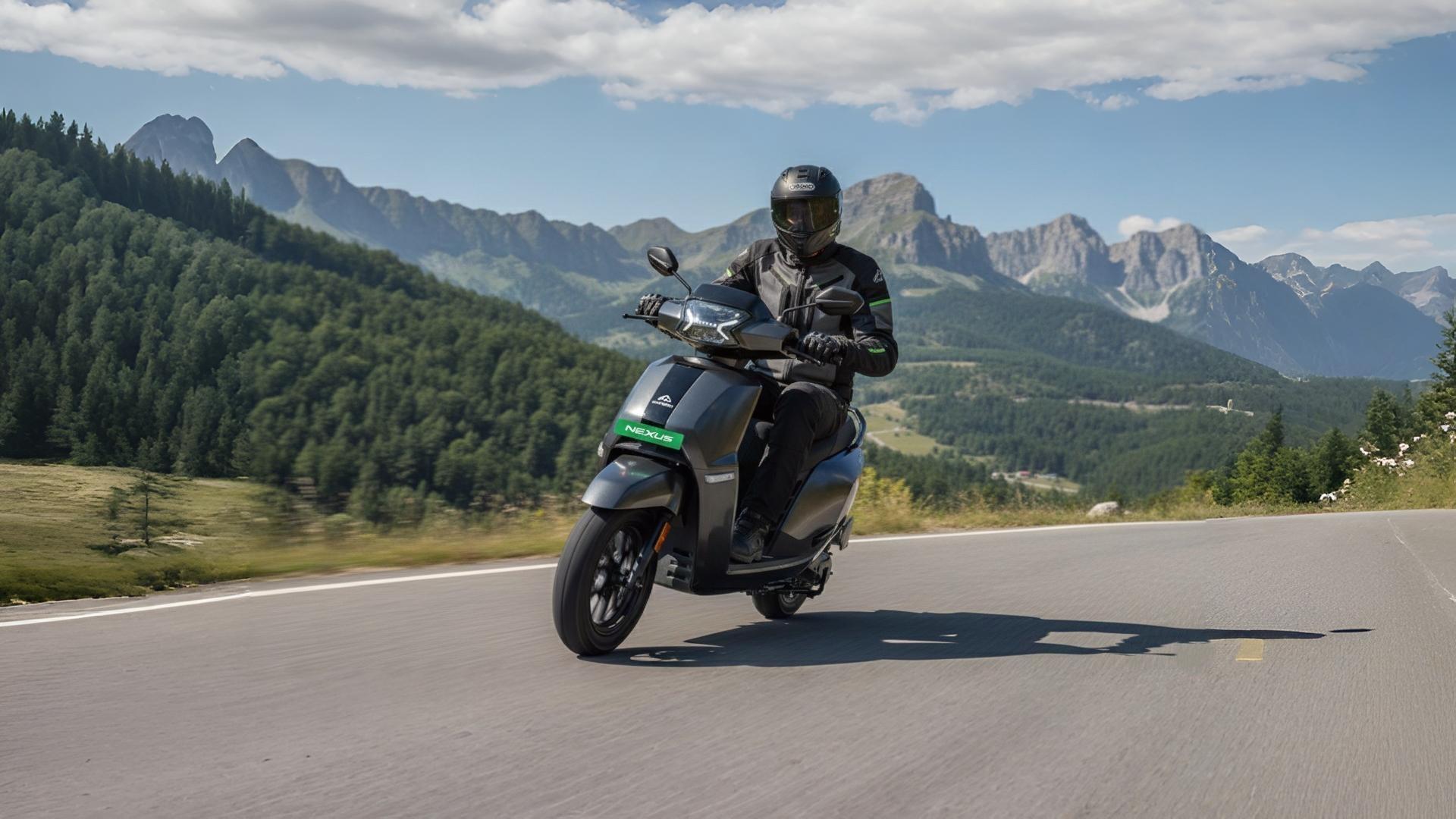
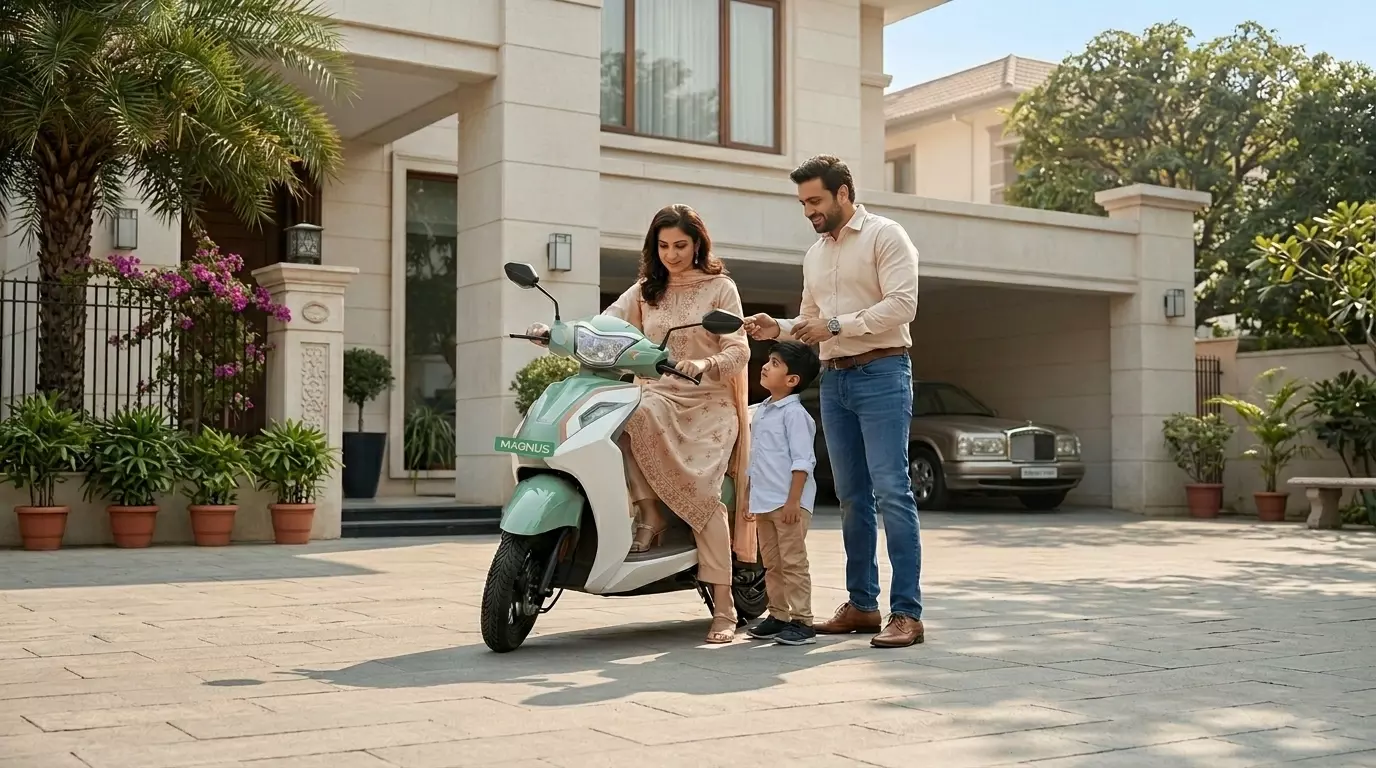
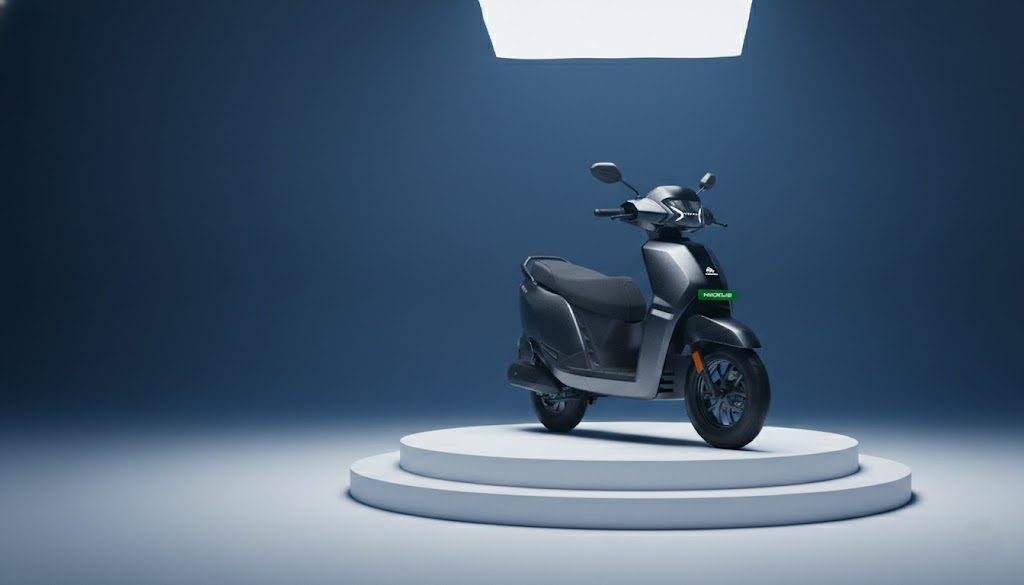
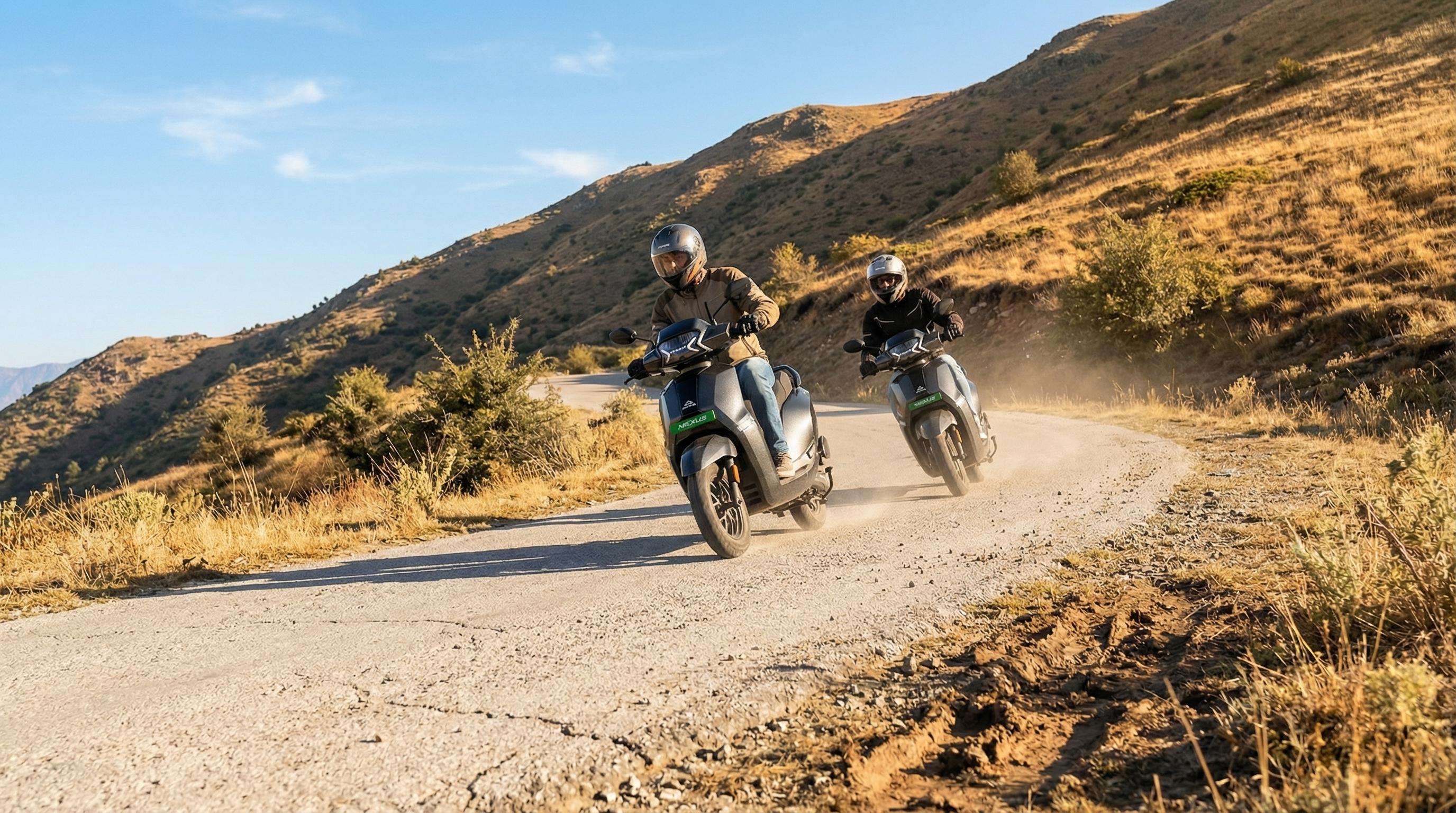
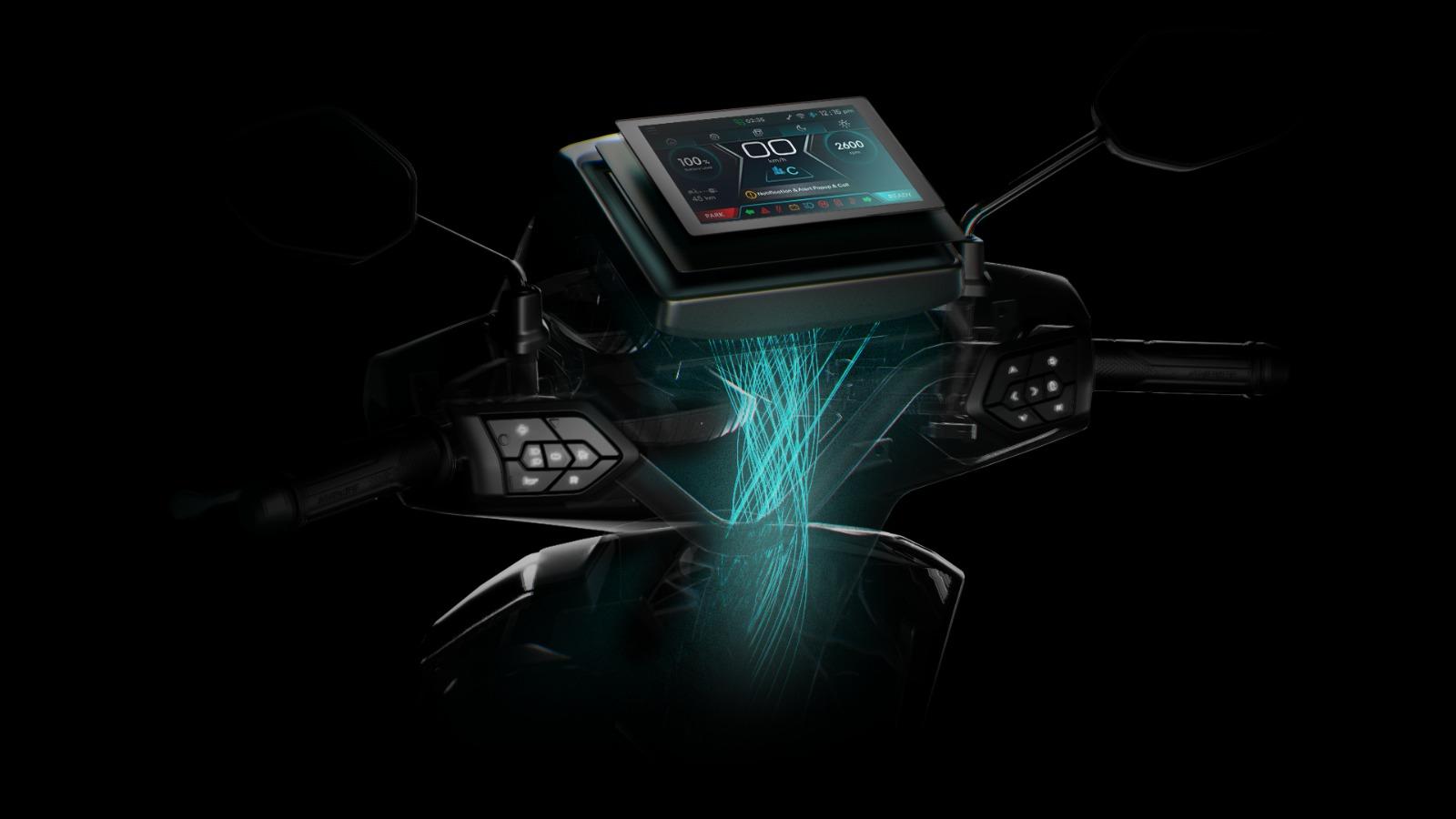
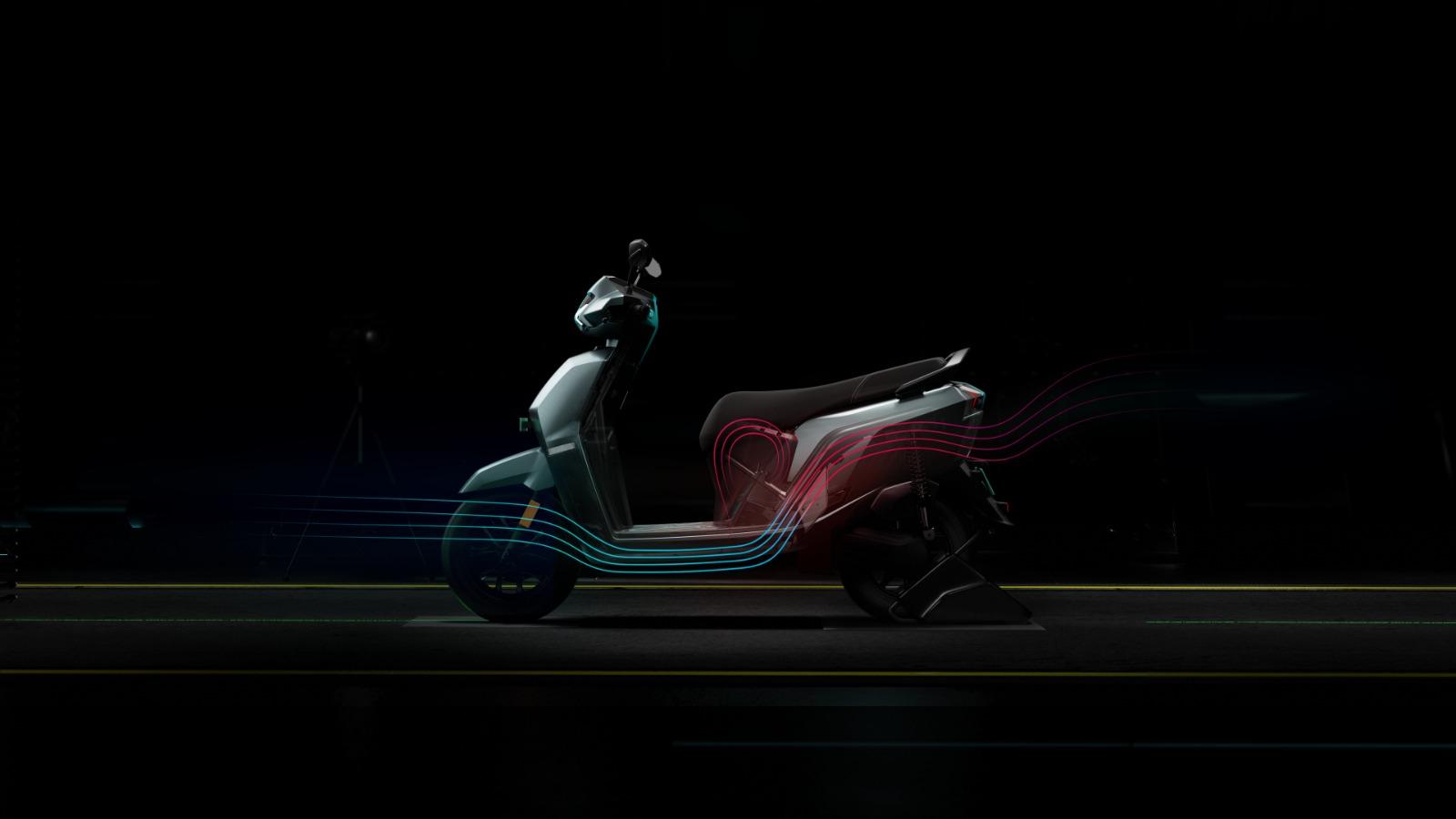
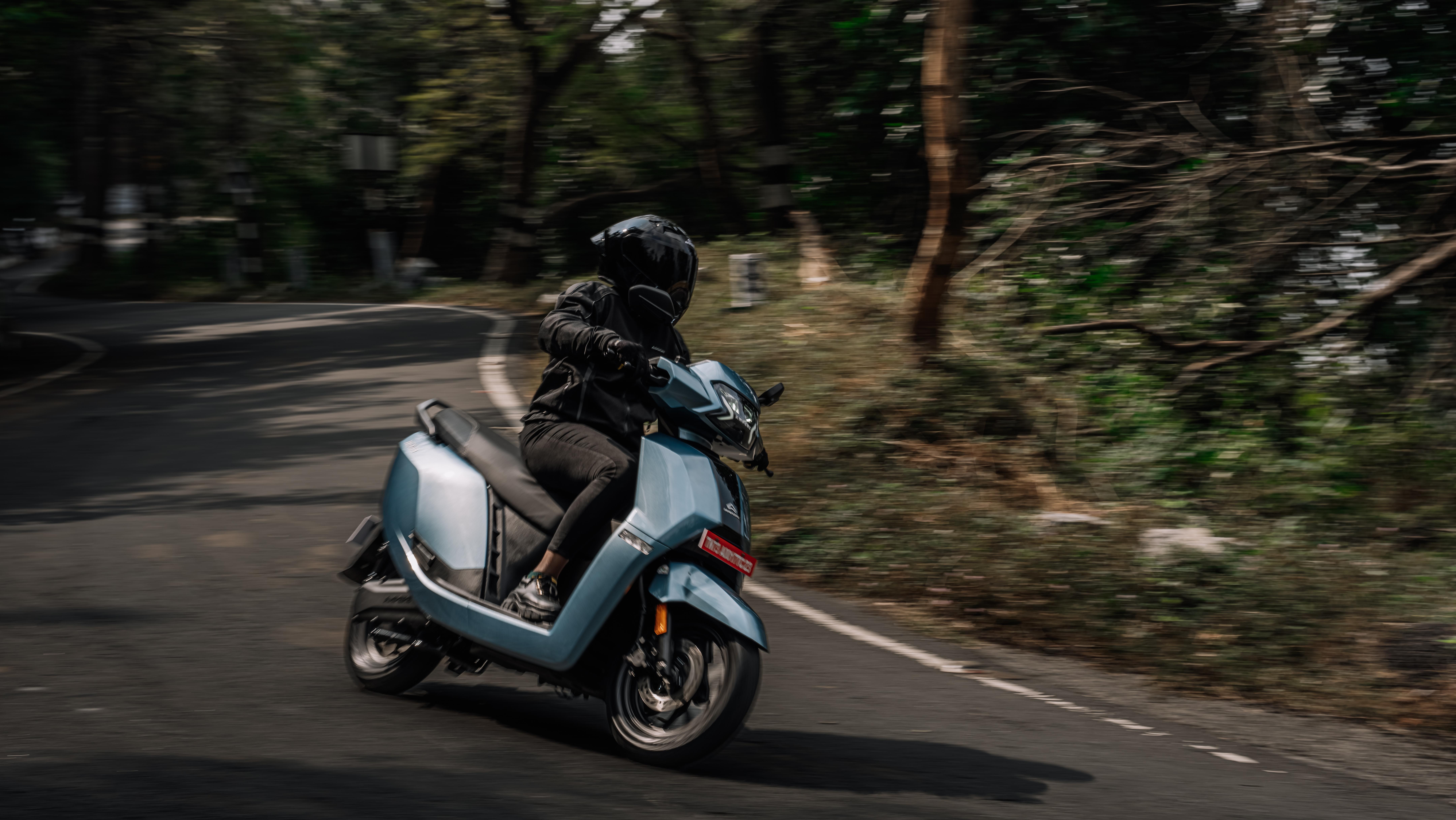

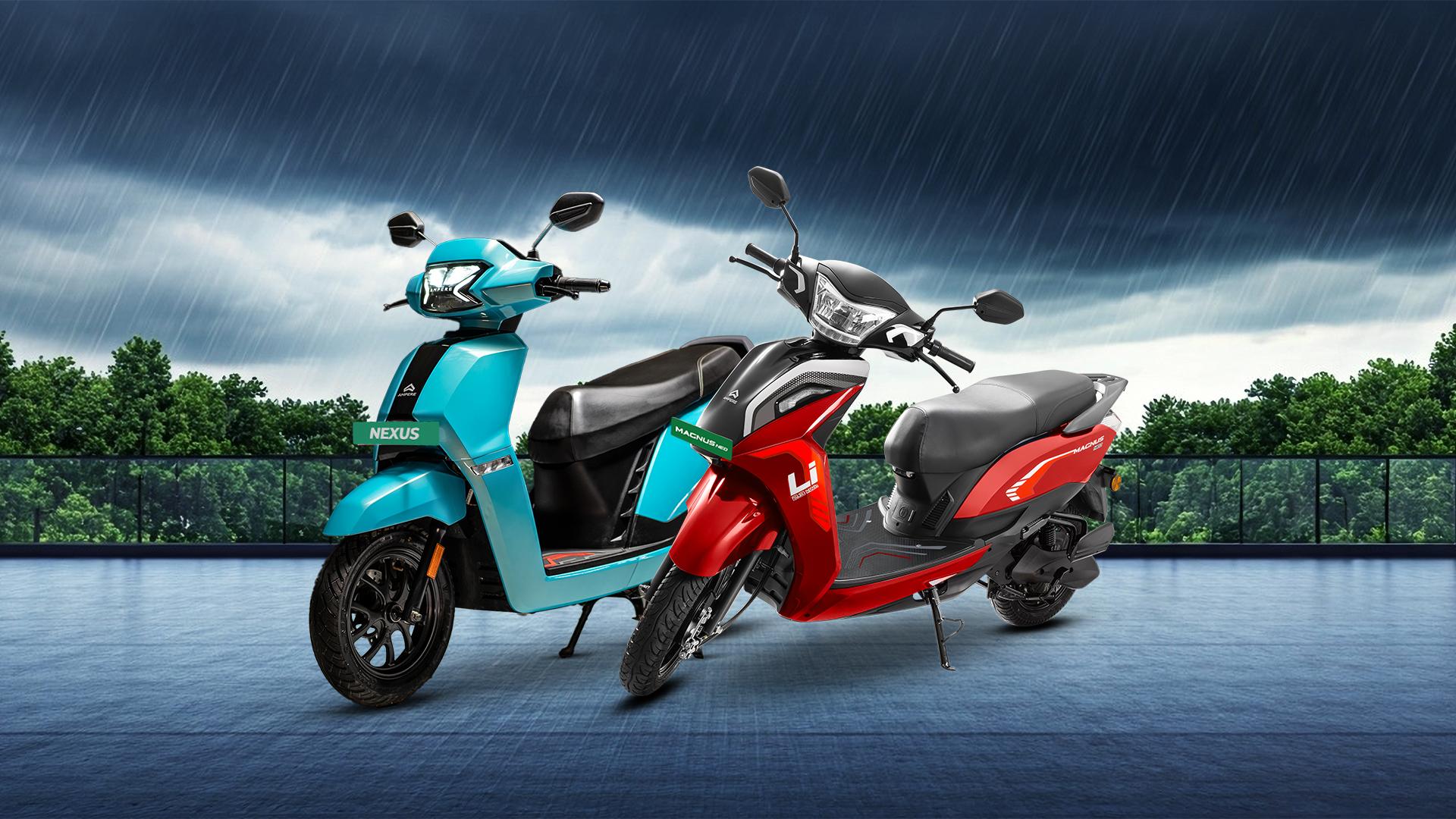
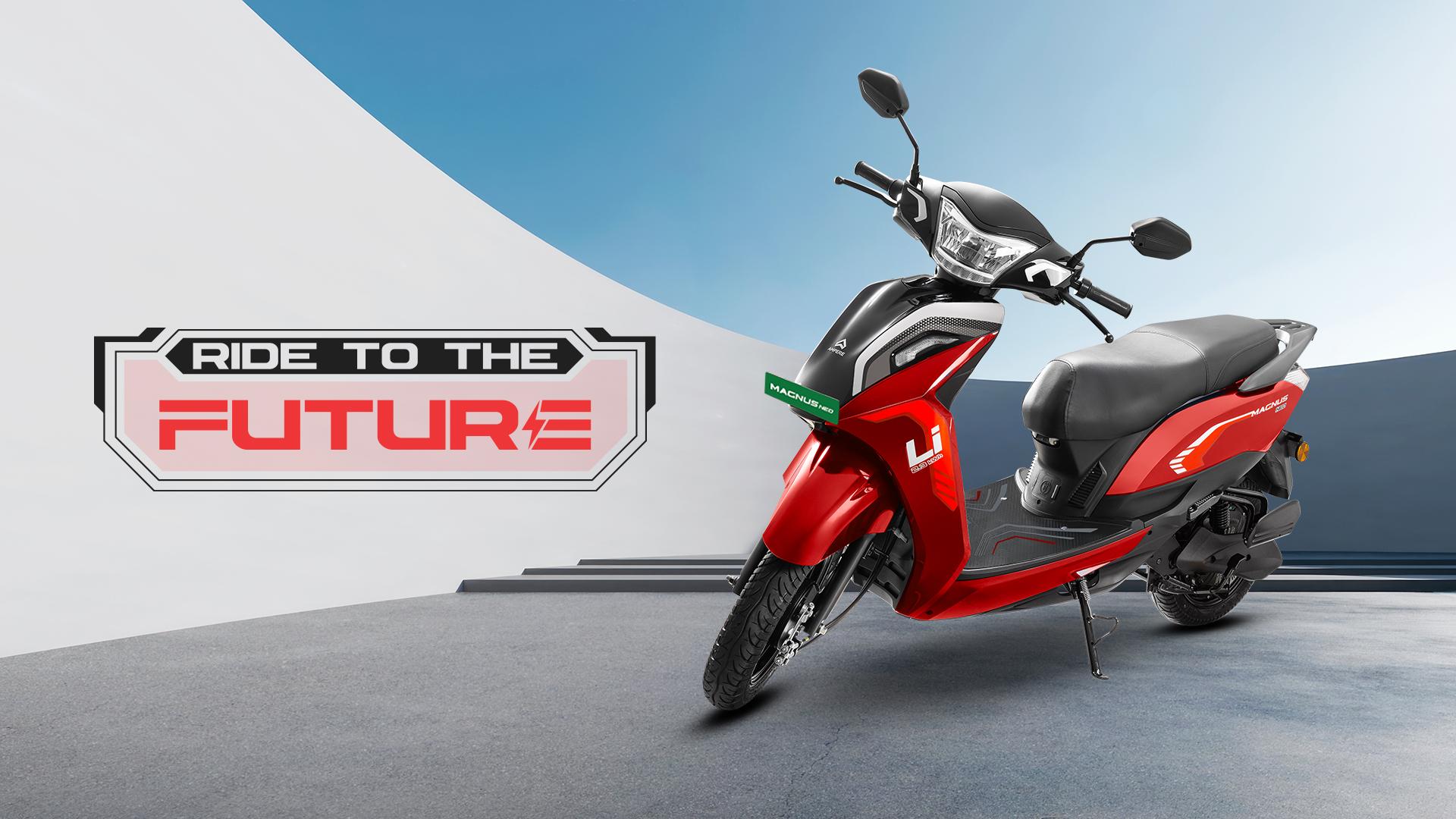
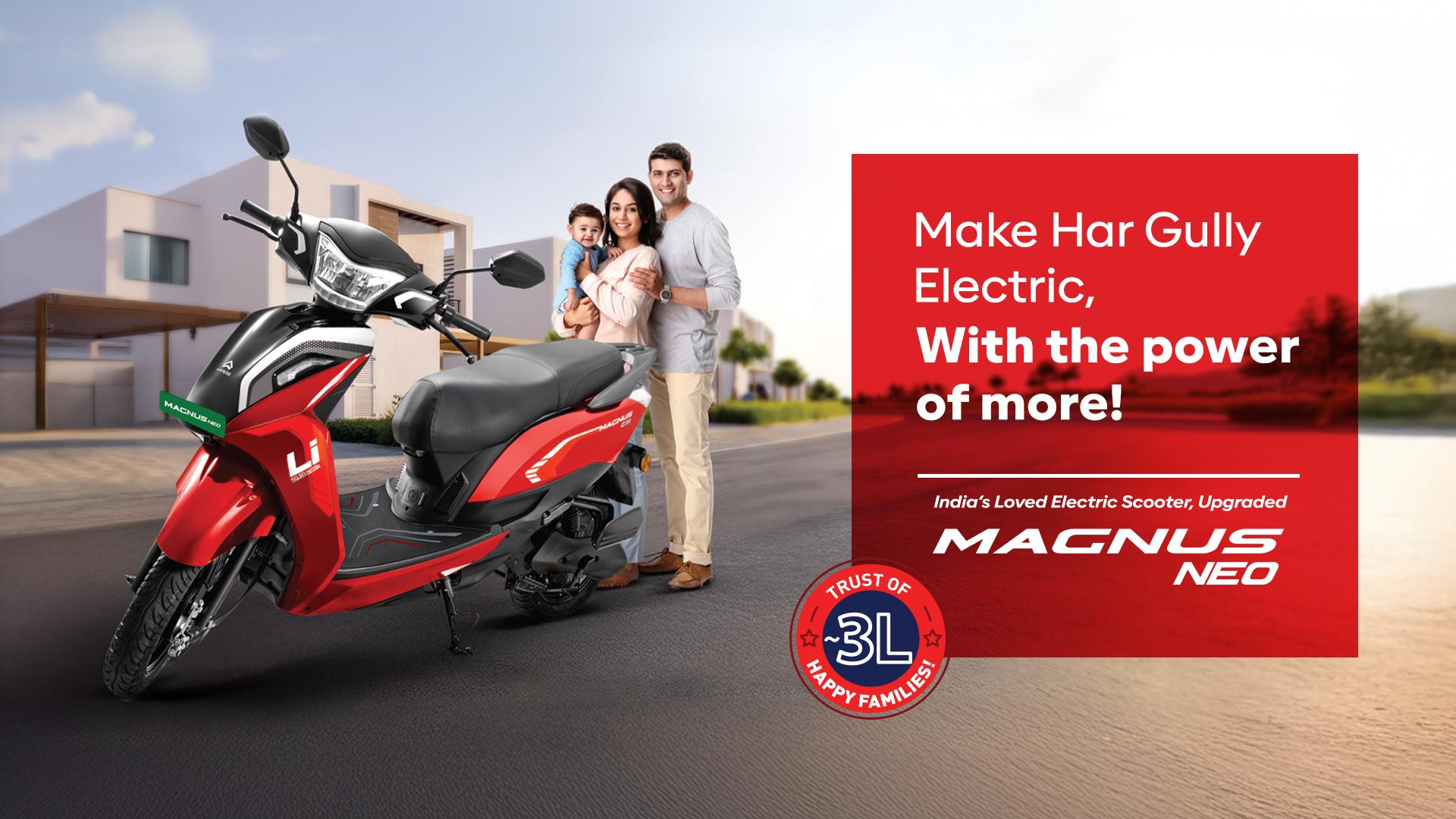
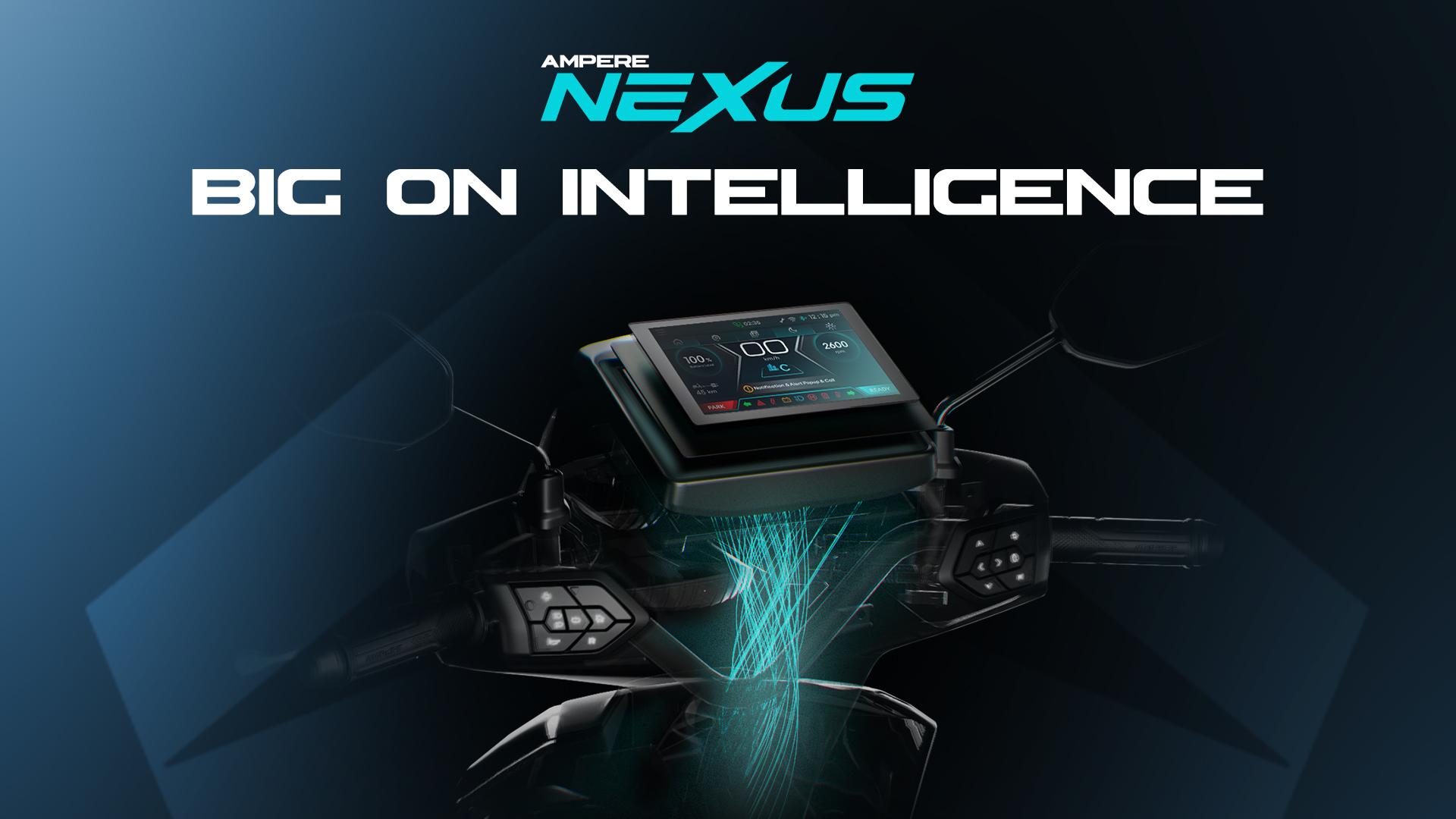
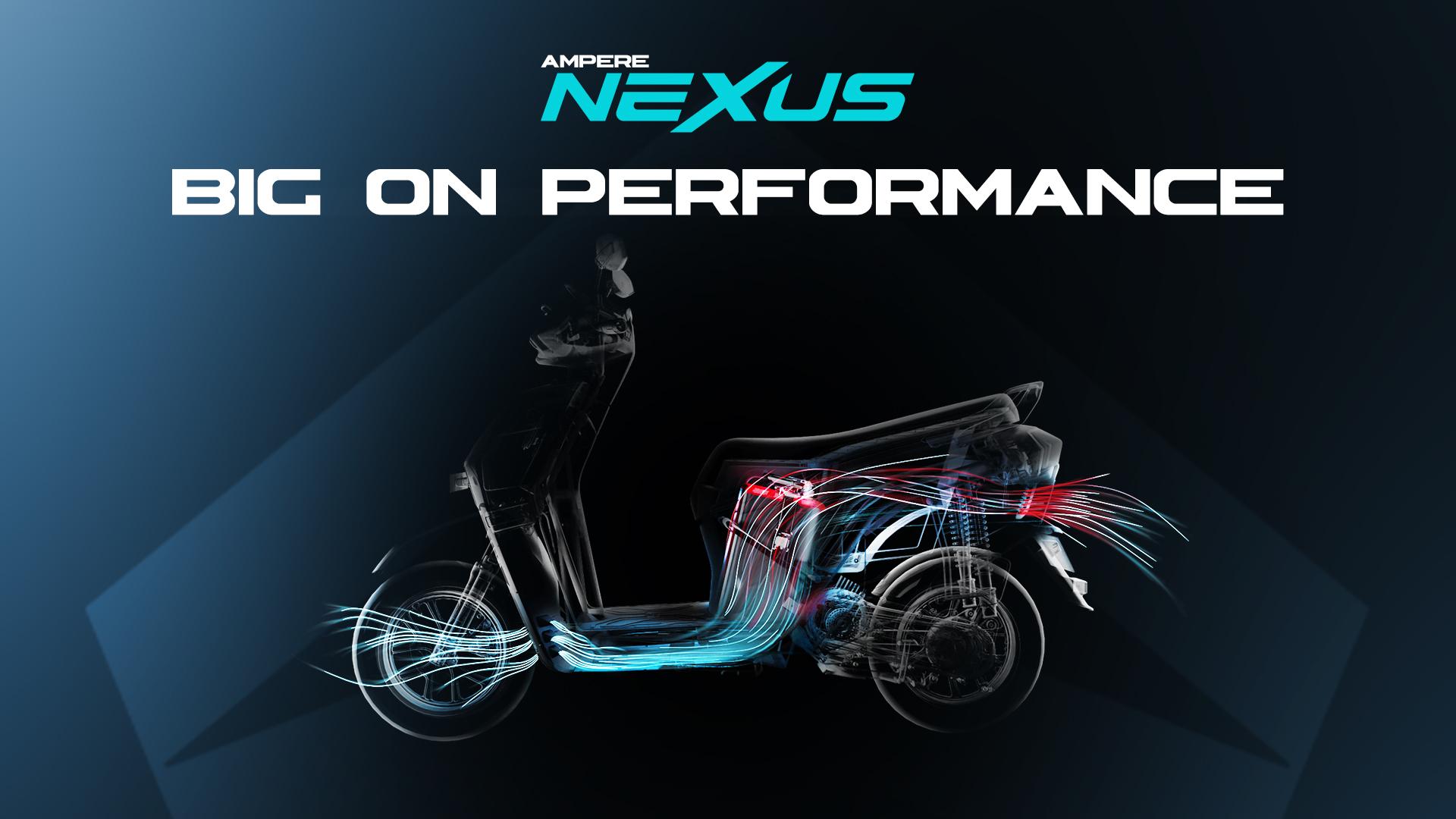
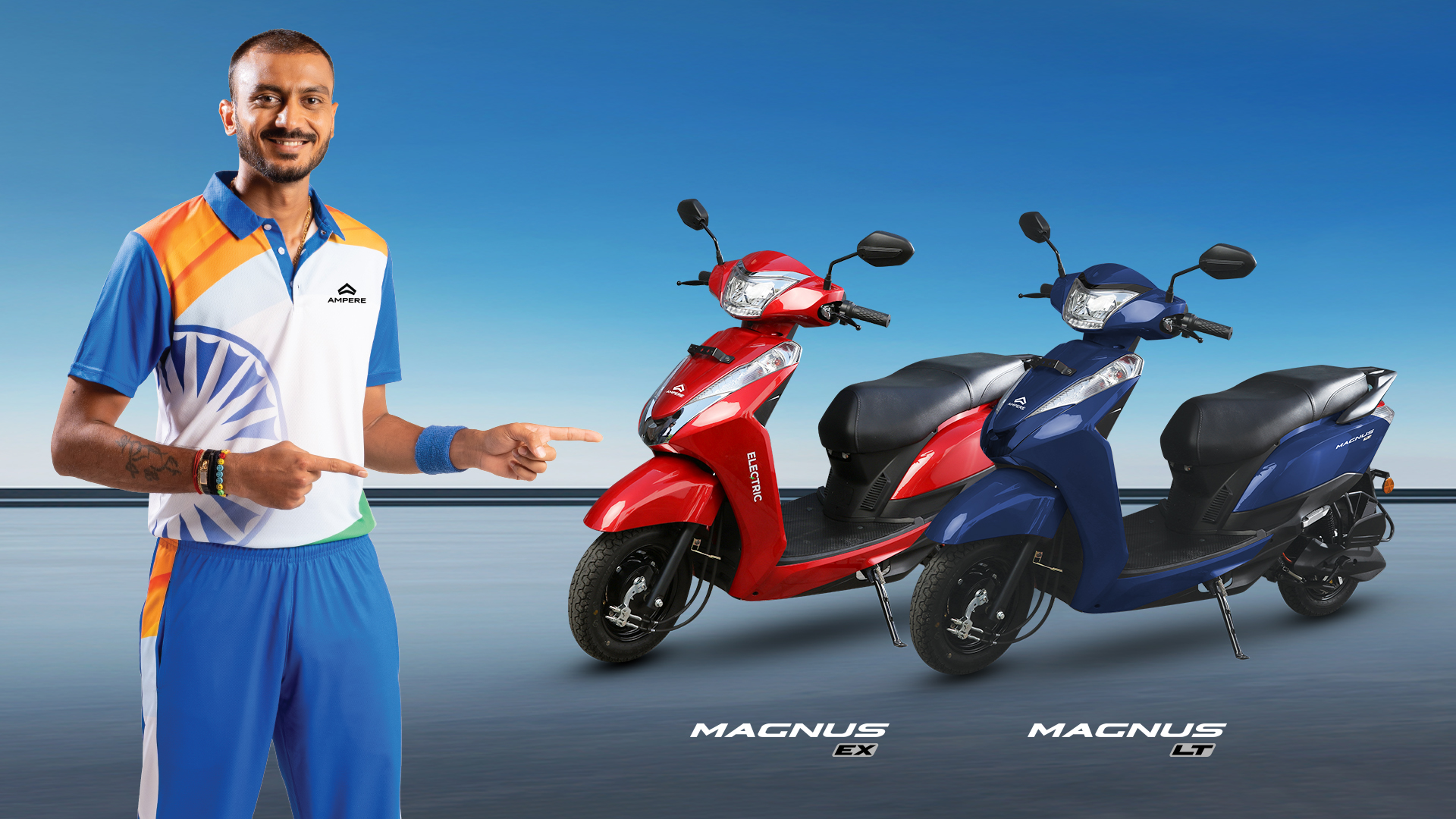
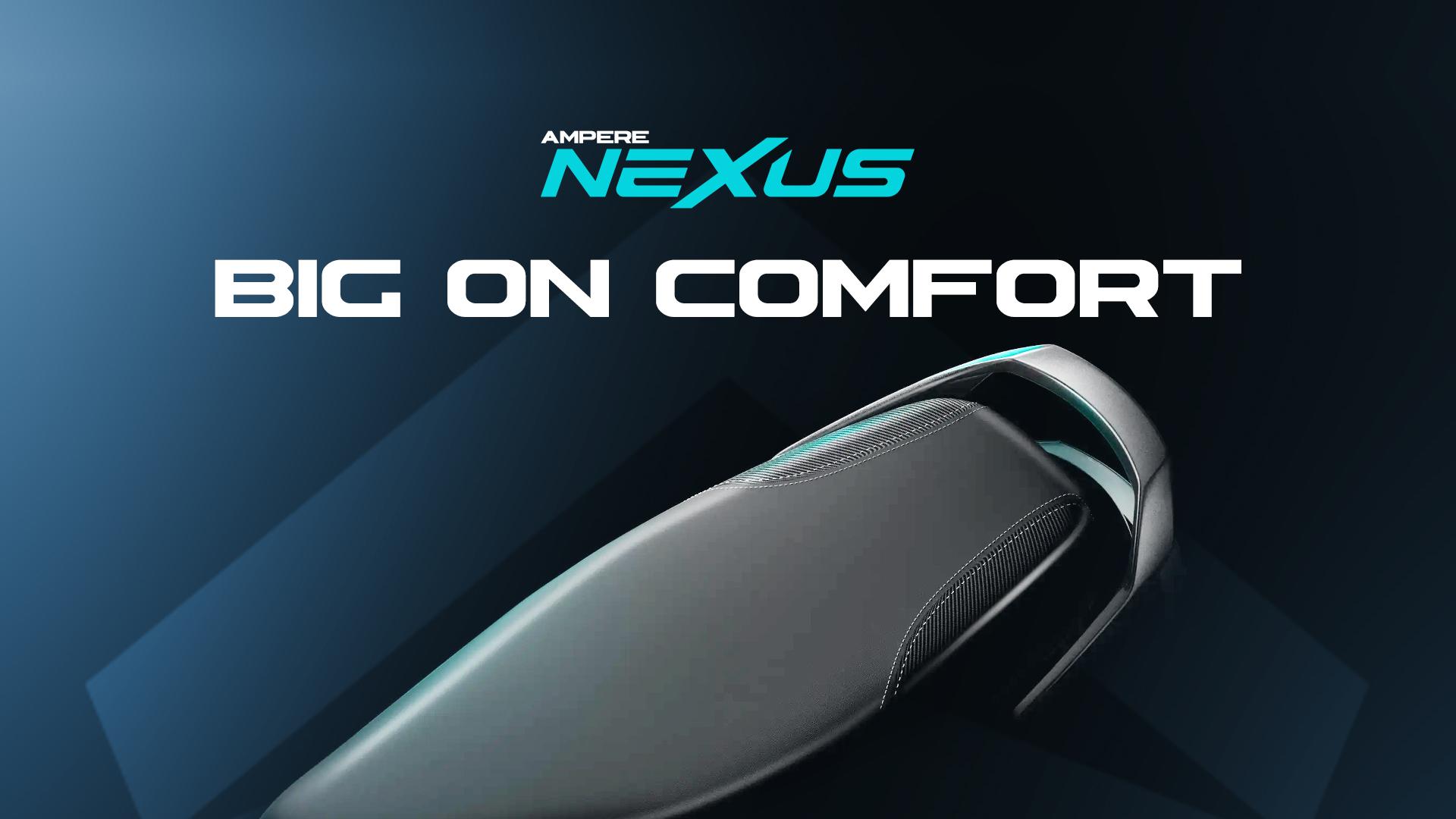
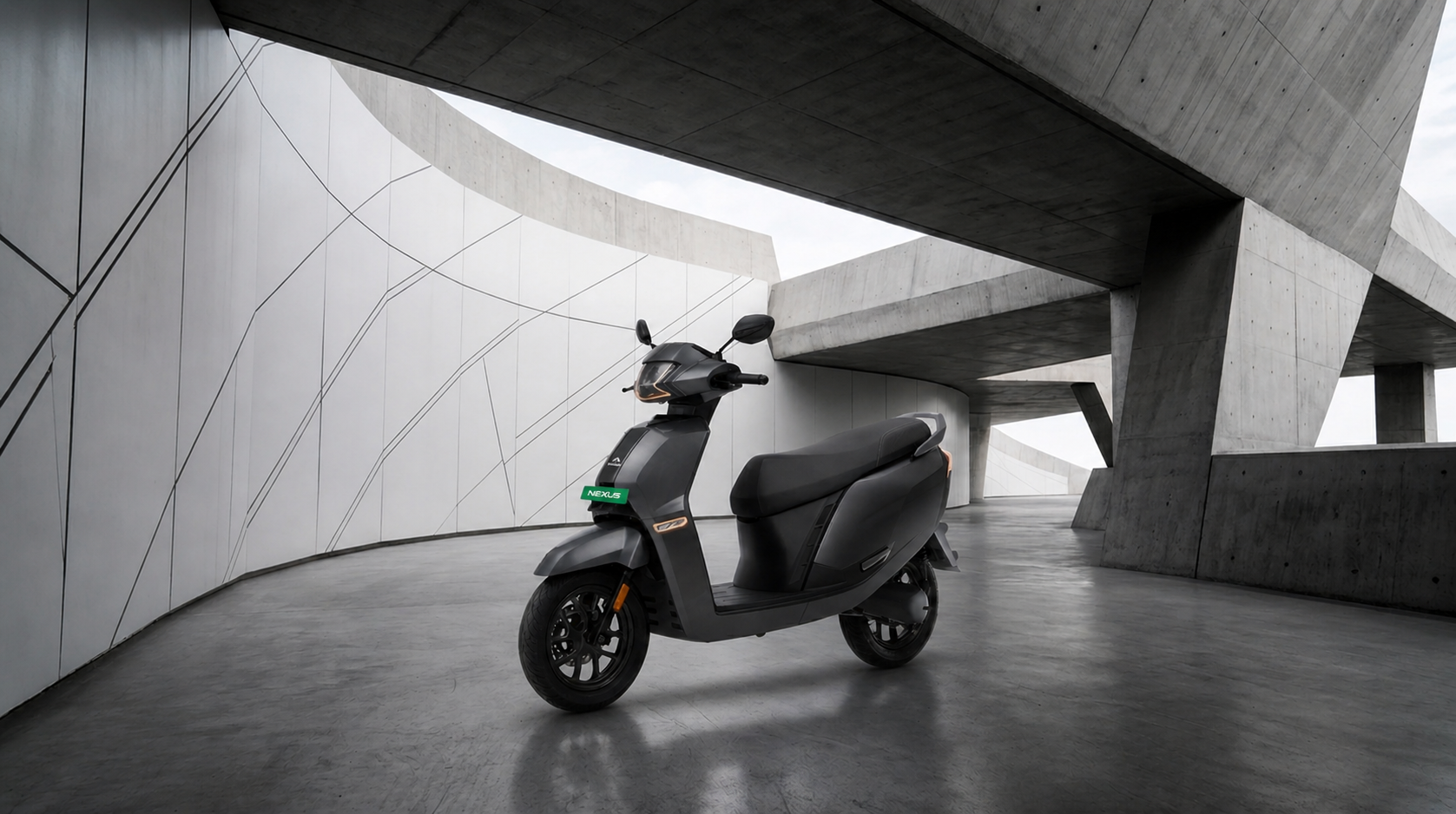
The Ampere Nexus delivers a certified IDC range of 136 km and consistently achieves 100–105 km in real-world conditions, thanks to its 3 kWh LFP battery and intelligent five-mode energy management. The Ampere Magnus Grand provides 80–95 km real-world range from its 2.88 kWh LFP battery at ₹89,999 — the most accessible long-range option in the market.
| Daily Commute | Minimum Real-World Range | Best Ampere Match |
|---|---|---|
| Under 25 km | 50–60 km | Magnus Grand |
| 25–45 km | 70–90 km | Magnus Grand |
| 45–65 km | 90–110 km | Nexus EX |
| 65–80 km | 120+ km | Nexus ST |
Factor 2: Battery Chemistry — Why LFP vs NMC Matters
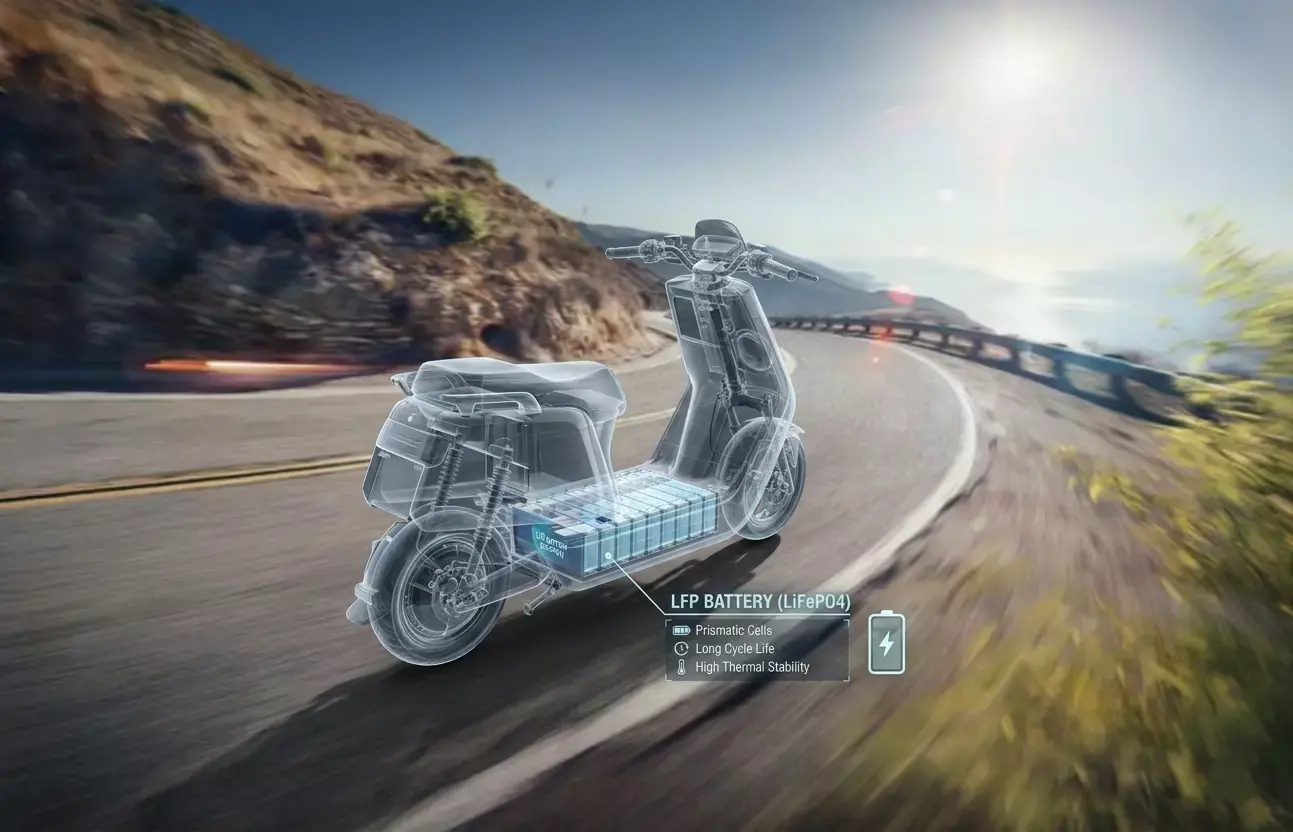
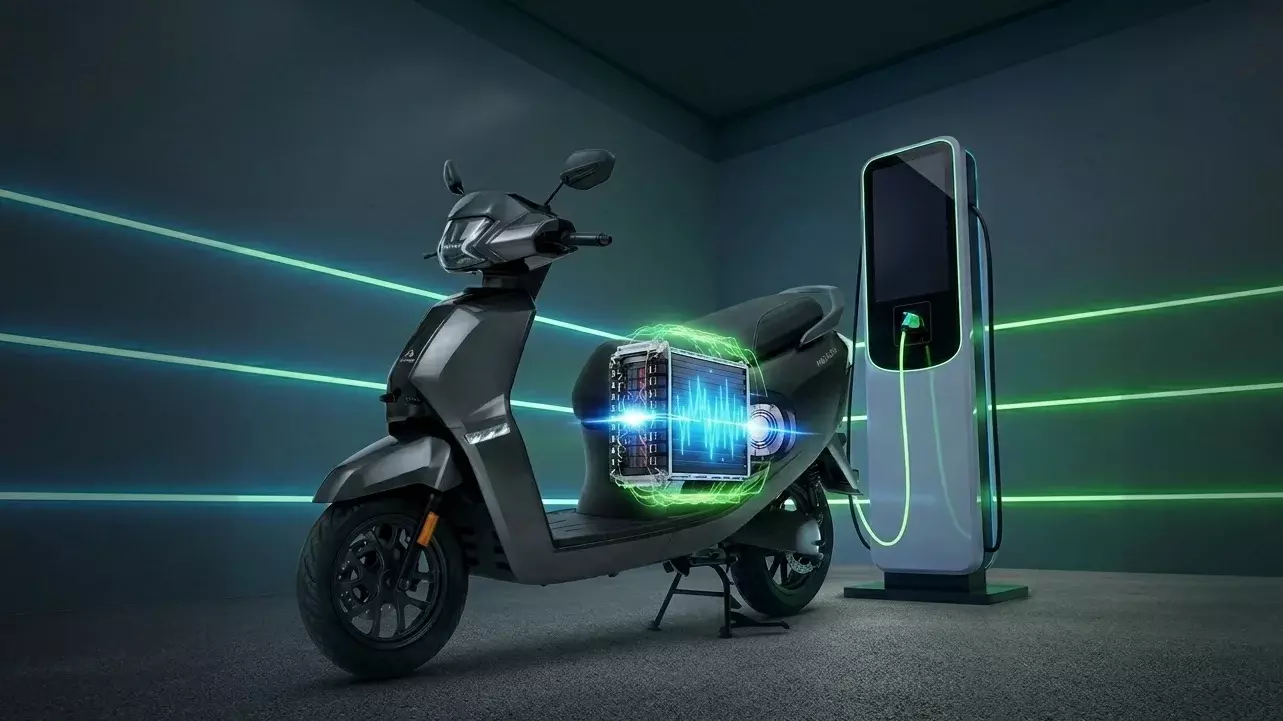
Battery chemistry is arguably the most important specification that most buyers overlook. India's electric scooter market currently features two dominant chemistries: LFP (Lithium Iron Phosphate) and NMC (Nickel Manganese Cobalt). The differences between them are significant and directly affect your ownership experience.
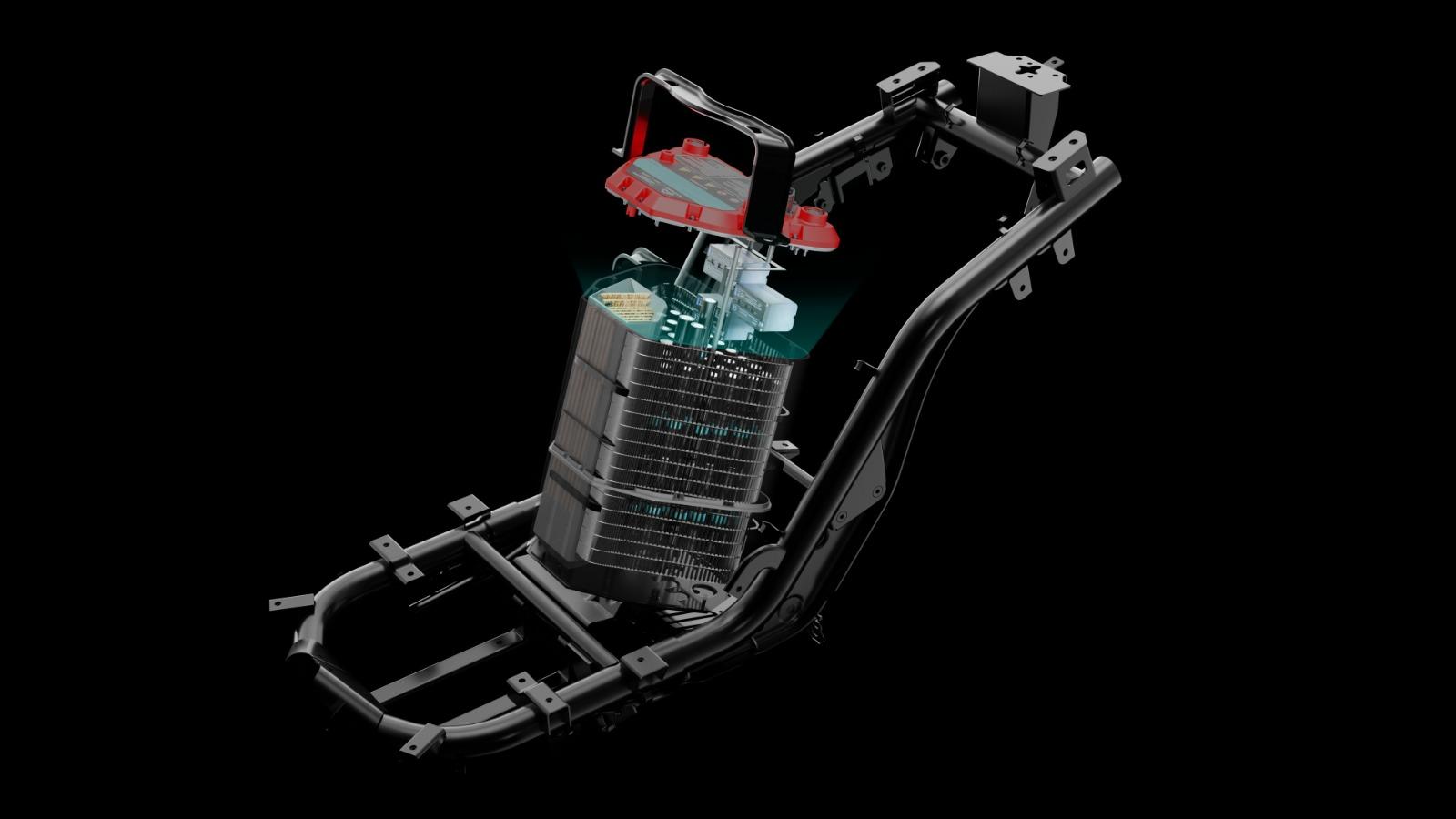
LFP batteries operate safely in temperatures from -40°C to 60°C. In contrast, NMC batteries start experiencing thermal stress above 40°C — a temperature regularly exceeded across much of India from March through June. The consequence of thermal stress is not just a safety risk; it accelerates capacity degradation, meaning your scooter's range shrinks faster with NMC batteries in Indian summer conditions.
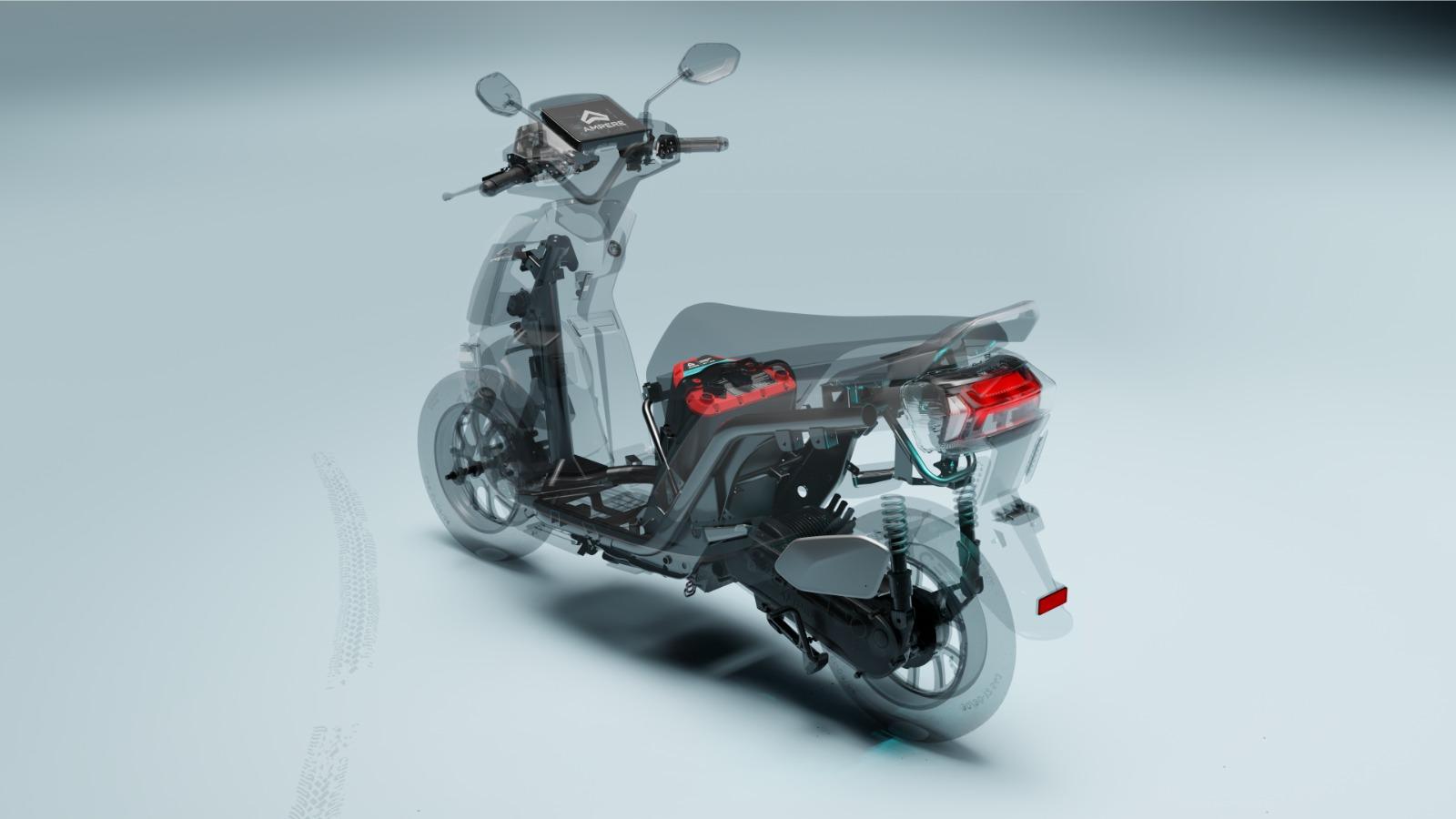
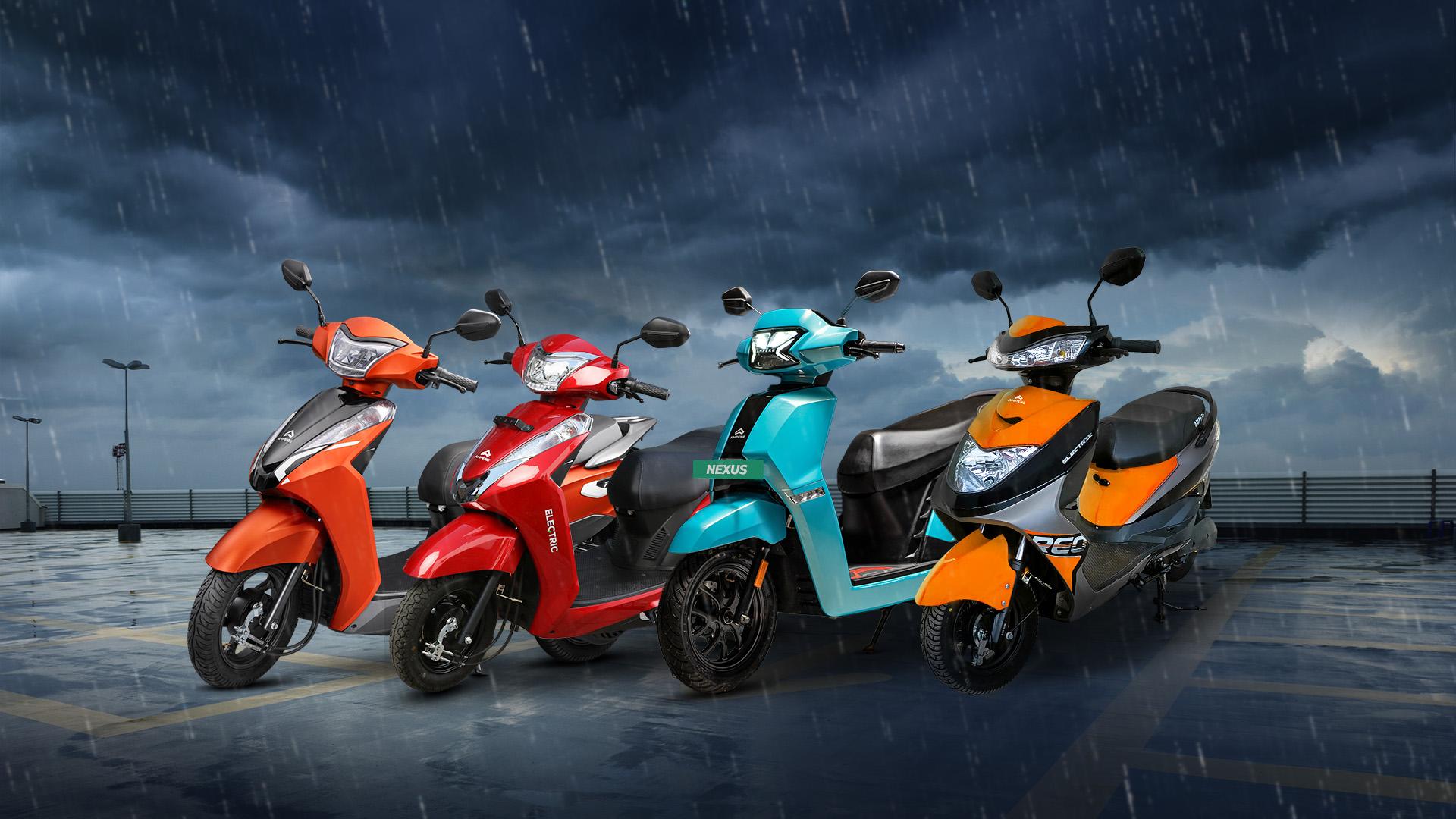
Ampere uses LFP across both the Nexus and Magnus Grand. The battery is IP67-rated, protecting it against water ingress at up to one metre depth — a real-world benefit for monsoon riding in cities like Mumbai, Chennai, and Kolkata, where floodwater is a seasonal reality.
| Property | LFP (Ampere Nexus/Magnus Grand) | NMC (Common in competitors) |
|---|---|---|
| Thermal Stability | Stable up to 60°C | Degrades risk above 40°C |
| Thermal Runaway Risk | Very low | Moderate to high |
| Cycle Life | 3,000+ charge cycles | 1,000–2,000 charge cycles |
| Performance in Indian Summer | Consistent | Can drop noticeably |
| Battery Warranty (Ampere) | 5 years / 75,000 km | Typically 3 years elsewhere |
| Best For | Indian climate, long ownership | Urban, moderate climate |
Factor 3: Charging Convenience — Home First, Public Second
For 90% of Indian electric scooter users, home charging is the primary method. Most plug in overnight and start each morning with a full battery. The questions to ask are: What socket does it require? How long does a full charge take? Is a fast charger available if needed?
The Ampere Magnus Grand charges via a standard 5A socket in 5–6 hours — compatible with any household point in India. The Ampere Nexus uses a 15A socket for its standard 3-hour-20-minute charge cycle, and supports an optional 25A fast charger for significantly quicker top-ups. Both scooters include a charger in the purchase price.
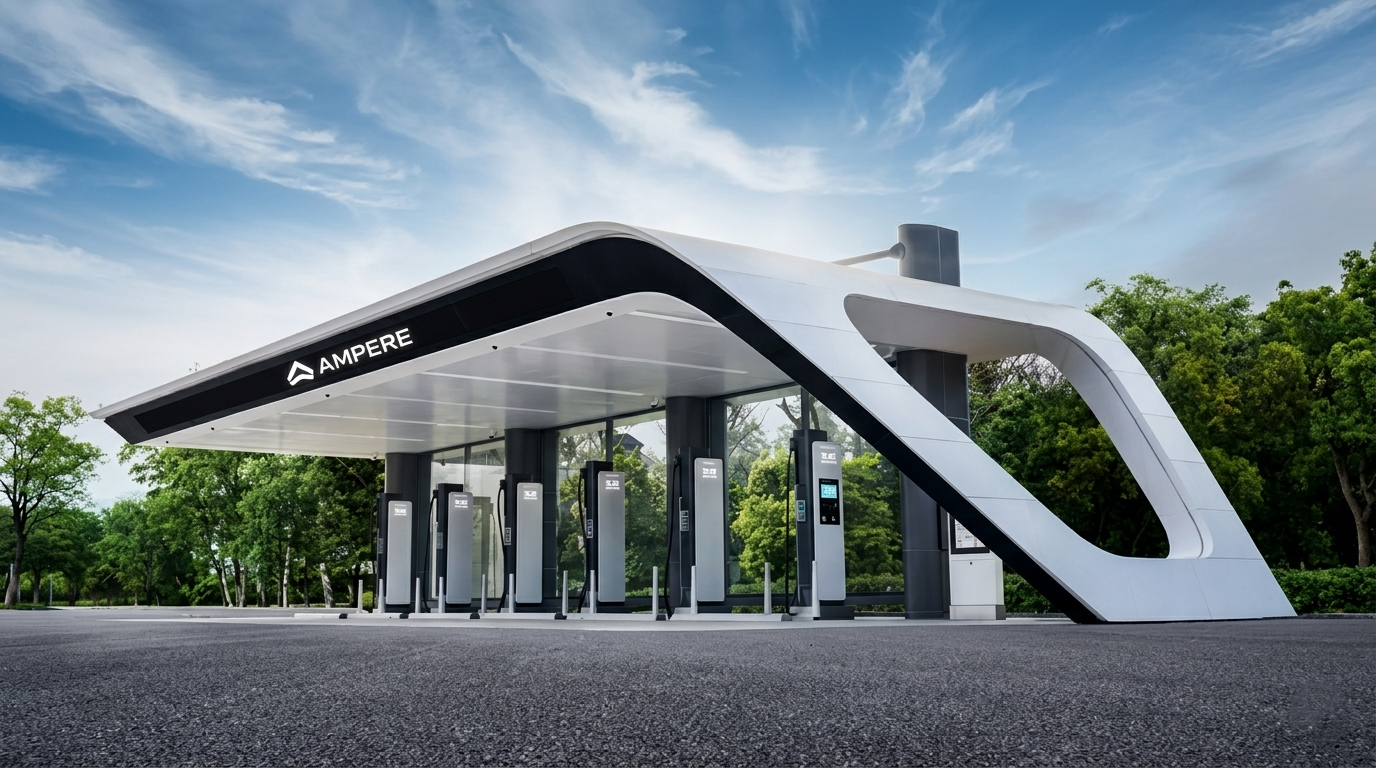
For riders who travel inter-city, India's public charging infrastructure has expanded significantly in 2025–2026. Networks like Tata Power EZ Charge (500+ stations across 120+ cities), EESL, BPCL-partnered outlets, and Ampere's own 400+ dealer touchpoints collectively cover most major routes. The Nex.IO navigation system on the Nexus displays nearby charging stations in real time.
| Charger Type | Socket | Full Charge Time | Best For |
|---|---|---|---|
| Magnus Grand Standard | 5A household | 5–6 hours | Overnight daily charging |
| Nexus Standard | 15A socket | ~3 hrs 20 min | Daily charging |
| Nexus Fast Charger (optional) | 25A dedicated | Significantly reduced | Long trips, quick top-up |
Factor 4: Safety Features Checklist
Electric scooter safety has improved substantially since 2022, following a period of high-profile battery fires in the industry. Key safety features to verify before buying:
- Front disc brake — standard on Ampere Nexus; significantly improves stopping distance over drum-only systems
- Combined Braking System (CBS) — ensures proportional front/rear braking, prevents wheel lock
- IP rating — look for IP65 or higher; Ampere Nexus carries IP67 (suitable for flood conditions)
- Traction control — essential for hilly cities and wet monsoon roads
- Reverse mode — critical for safe parking on inclines
- Speed-limited riding modes — Eco mode at 42 km/h benefits new riders and urban-only use
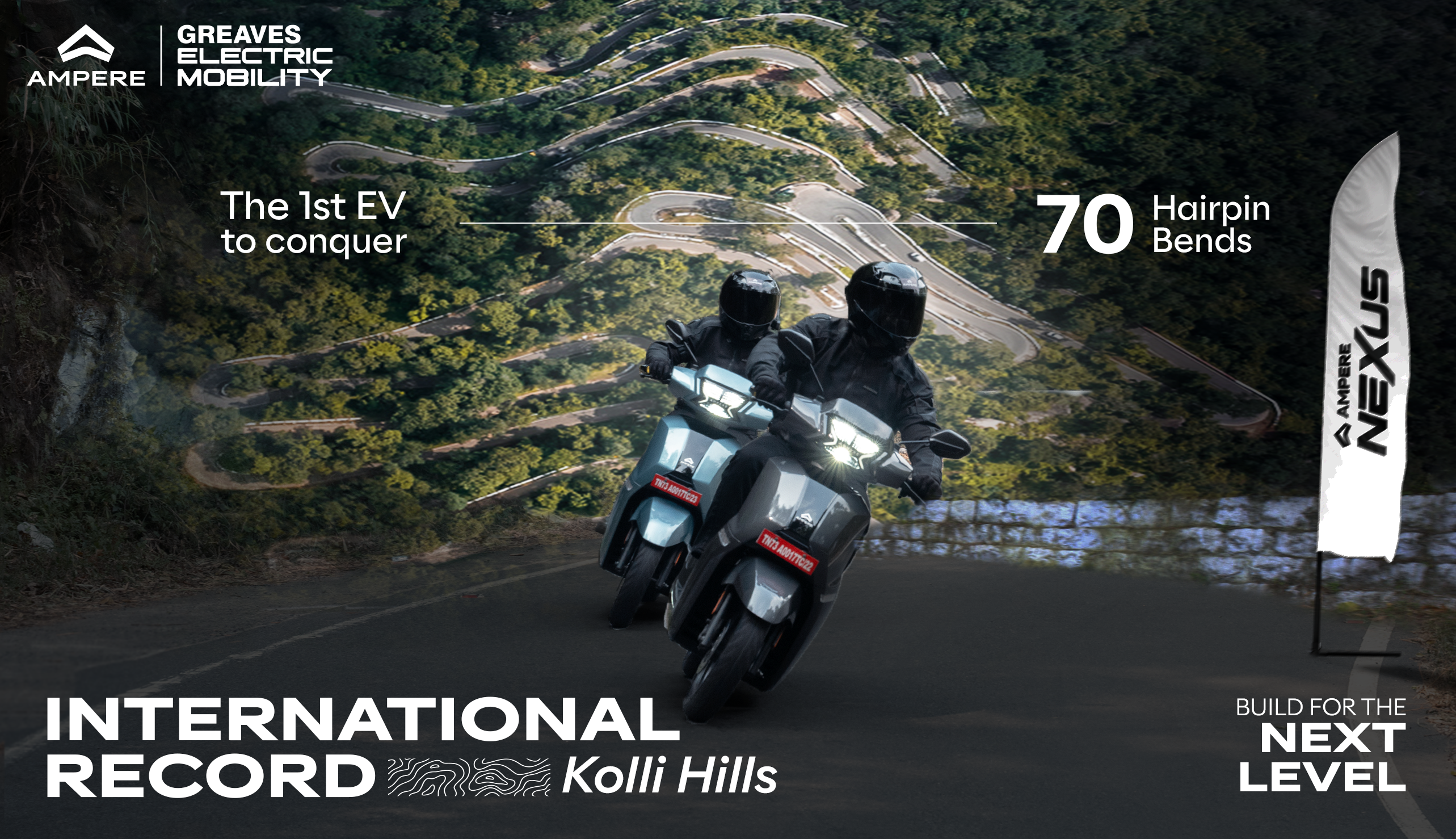
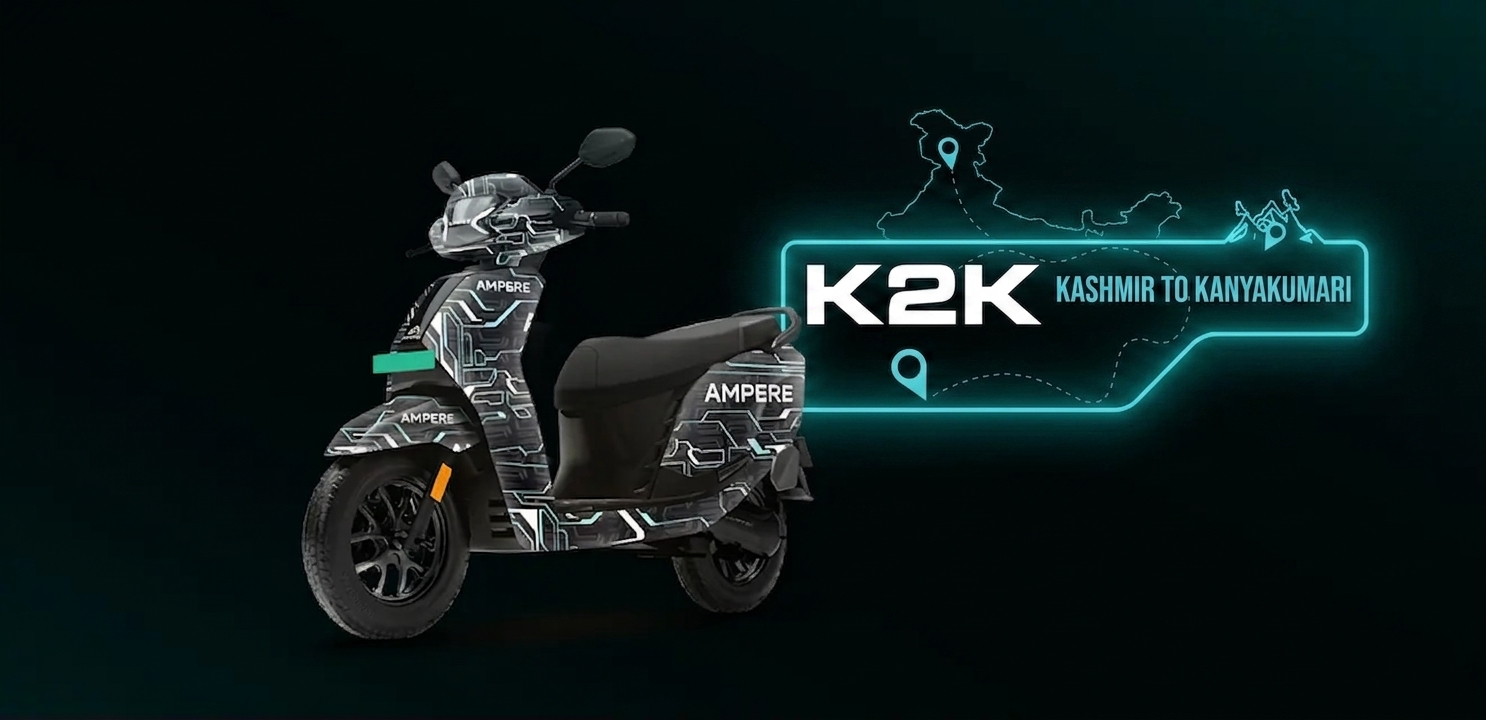
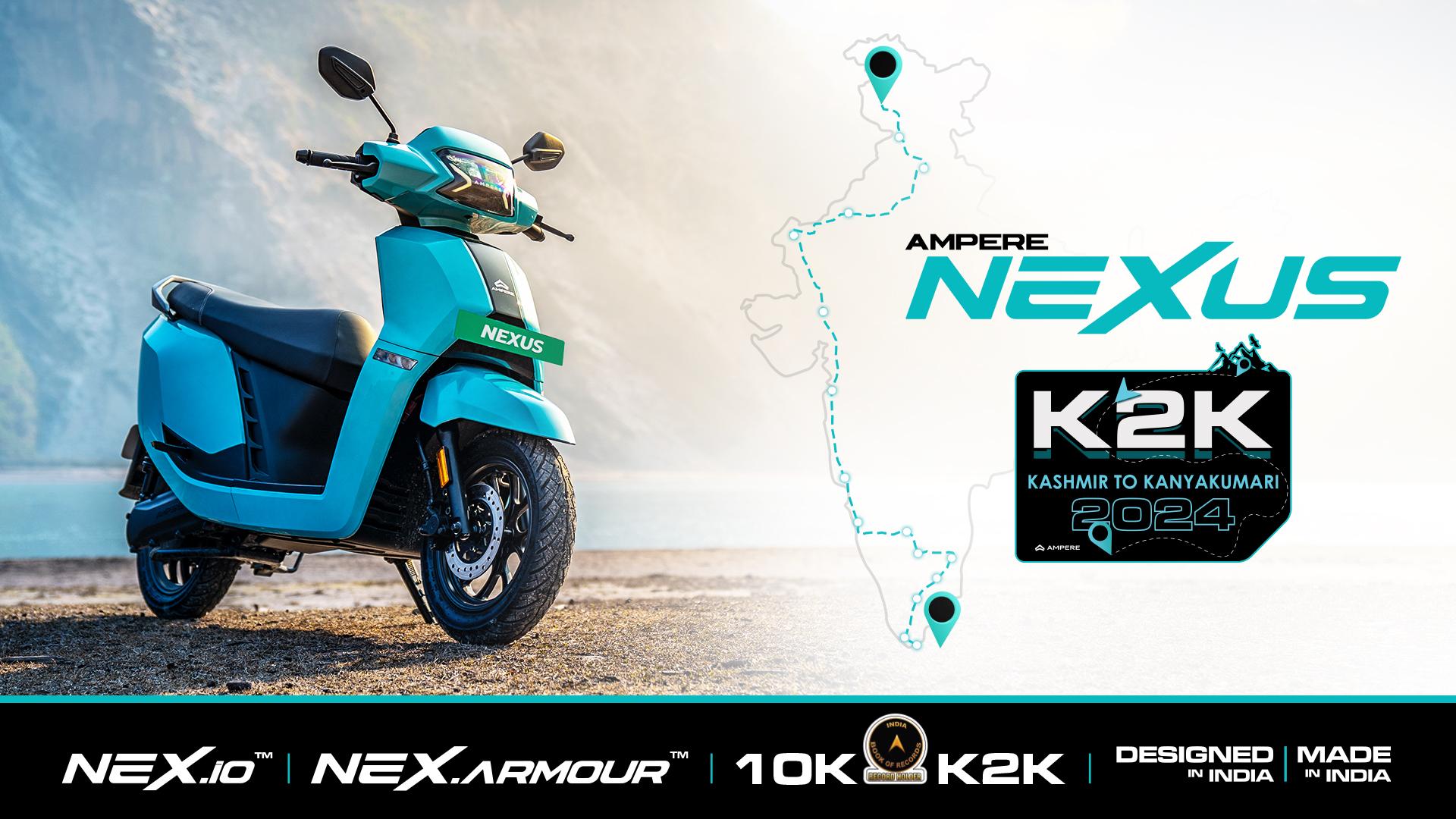
- Chassis strength — Ampere Nexus features a 4x stronger exoskeleton chassis, validated across the K2K and Kolli Hills record attempts
Factor 5: After-Sales Support and Service Network
Range anxiety has a service equivalent: the fear that if something goes wrong, you will be stranded. Choose a brand with a proven service infrastructure before you need it.
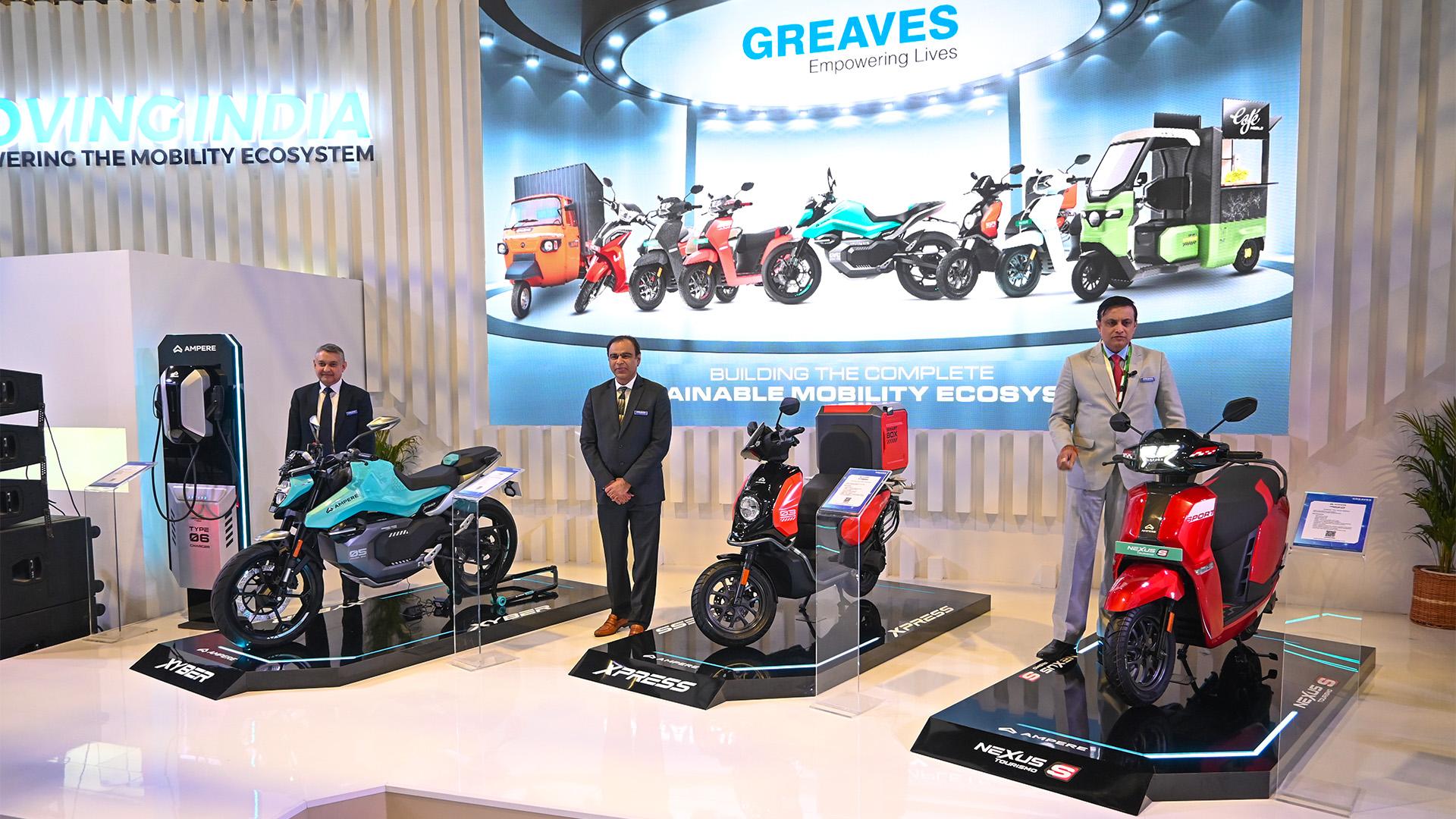
Ampere by Greaves Electric Mobility operates over 400 dealerships and touchpoints across India, backed by 17 years of electric vehicle experience — making it one of India's longest-standing EV brands. The Ampere Care after-sales ecosystem includes doorstep service, scheduled maintenance alerts through the app, software updates over-the-air via Nex.IO (Nexus), and transparent spare parts pricing.
When evaluating any brand, ask specifically: How many service centres are within 20 km of your home? Do they provide EV-specific diagnostics or do they subcontract to a petrol service chain? What is the average turnaround time for a service appointment?
Factor 6: Budget and Total Cost of Ownership
The sticker price is only the beginning. Over five years, the total cost of owning a scooter includes energy, insurance, maintenance, and potential battery replacement. Electric scooters typically win on total cost despite higher upfront prices — but only if you choose a battery chemistry that does not degrade rapidly.
| Cost Component (5-Year Estimate) | Petrol Scooter | Ampere Magnus Grand | Ampere Nexus |
|---|---|---|---|
| Ex-Showroom Price | ₹75,000–1,10,000 | ₹89,999 | ₹1,20,000–1,30,000 |
| Fuel/Energy Cost | ₹1,20,000–1,50,000 | ₹10,000–13,000 | ₹7,000–10,000 |
| Service & Maintenance | ₹20,000–35,000 | ₹6,000–9,000 | ₹6,000–9,000 |
| Battery Replacement Risk | None | Low (LFP, 5-yr warranty) | Low (LFP, 5-yr warranty) |
| Estimated 5-Year Total | ₹2,15,000–2,95,000 | ₹1,05,999–1,11,999 | ₹1,33,000–1,49,000 |
Frequently Asked Questions
What is the most important factor when buying an electric scooter?
Real-world range relative to your daily commute is the most critical starting point. From there, battery chemistry determines long-term reliability — LFP batteries are significantly better suited to Indian temperatures and longer ownership periods.
Is LFP battery better than NMC for Indian riding conditions?
Yes. LFP batteries operate safely from -40°C to 60°C and have lower thermal runaway risk — critical in Indian summers. They also complete 3,000+ charge cycles vs 1,000–2,000 for NMC, meaning your range stays consistent for far longer.
How do I check real-world range before buying an electric scooter?
Ask the dealer for independent review links, check user reviews on BikeDekho and BikeWale specifically mentioning real-world km, and if possible, request a test ride on your actual daily route. Ampere offers test rides at all 400+ dealerships.
Is the Ampere Nexus good for hilly cities like Pune, Shimla, or Shillong?
Yes. The Ampere Nexus features traction control, regenerative braking, a 4 kW torque-rich motor, and a high-tensile steel chassis — the same setup that conquered 70 hairpin bends of Kolli Hills in 22 minutes (Asia Book of Records, 2026).
Can I negotiate the price of an Ampere scooter?
Ampere periodically offers festive benefits and exchange bonuses. For instance, benefits of up to ₹17,000 were available on the Nexus during 2025 festive season. Visit your nearest dealer or check ampere.greaveselectricmobility.com for current offers.