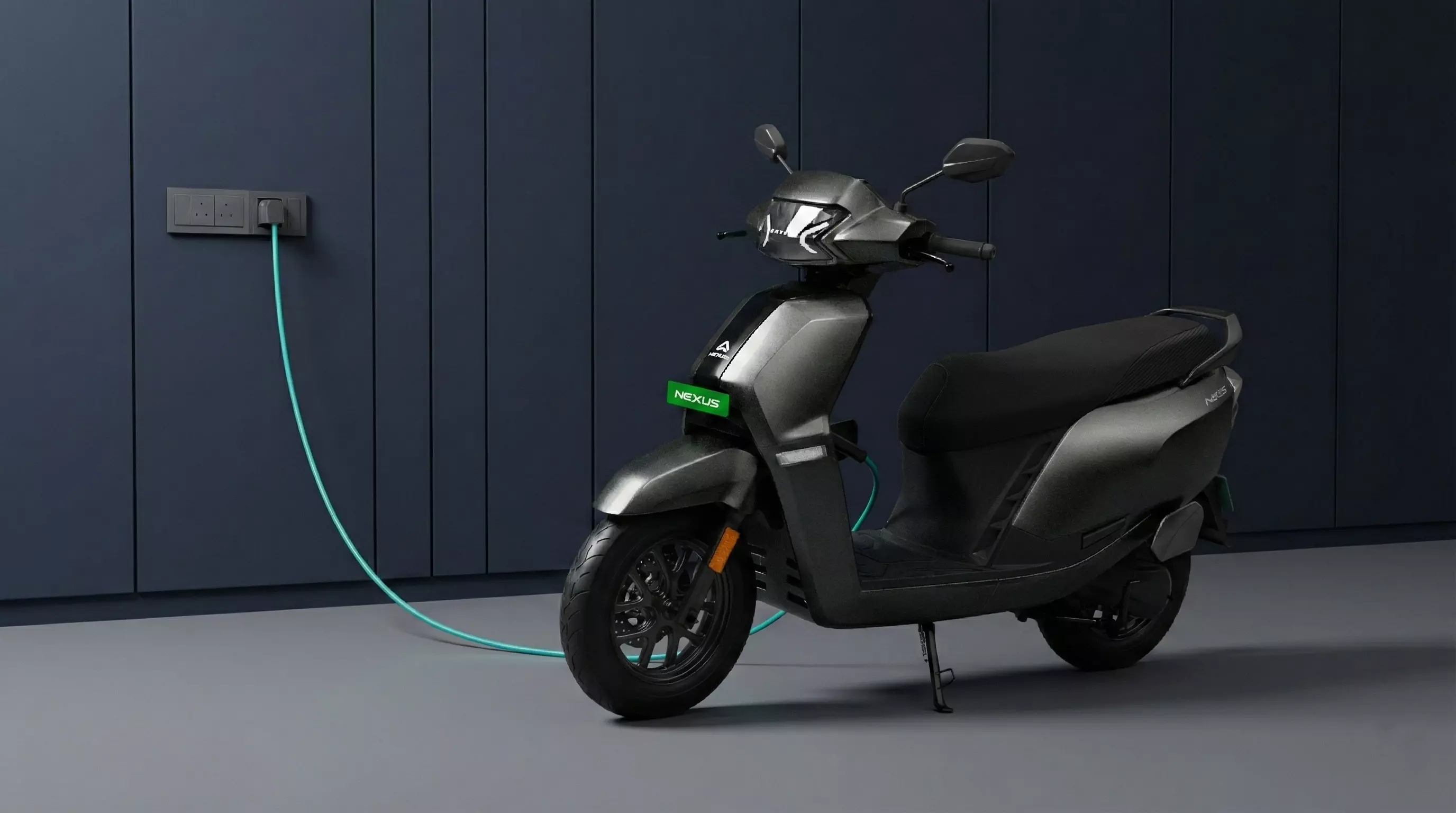
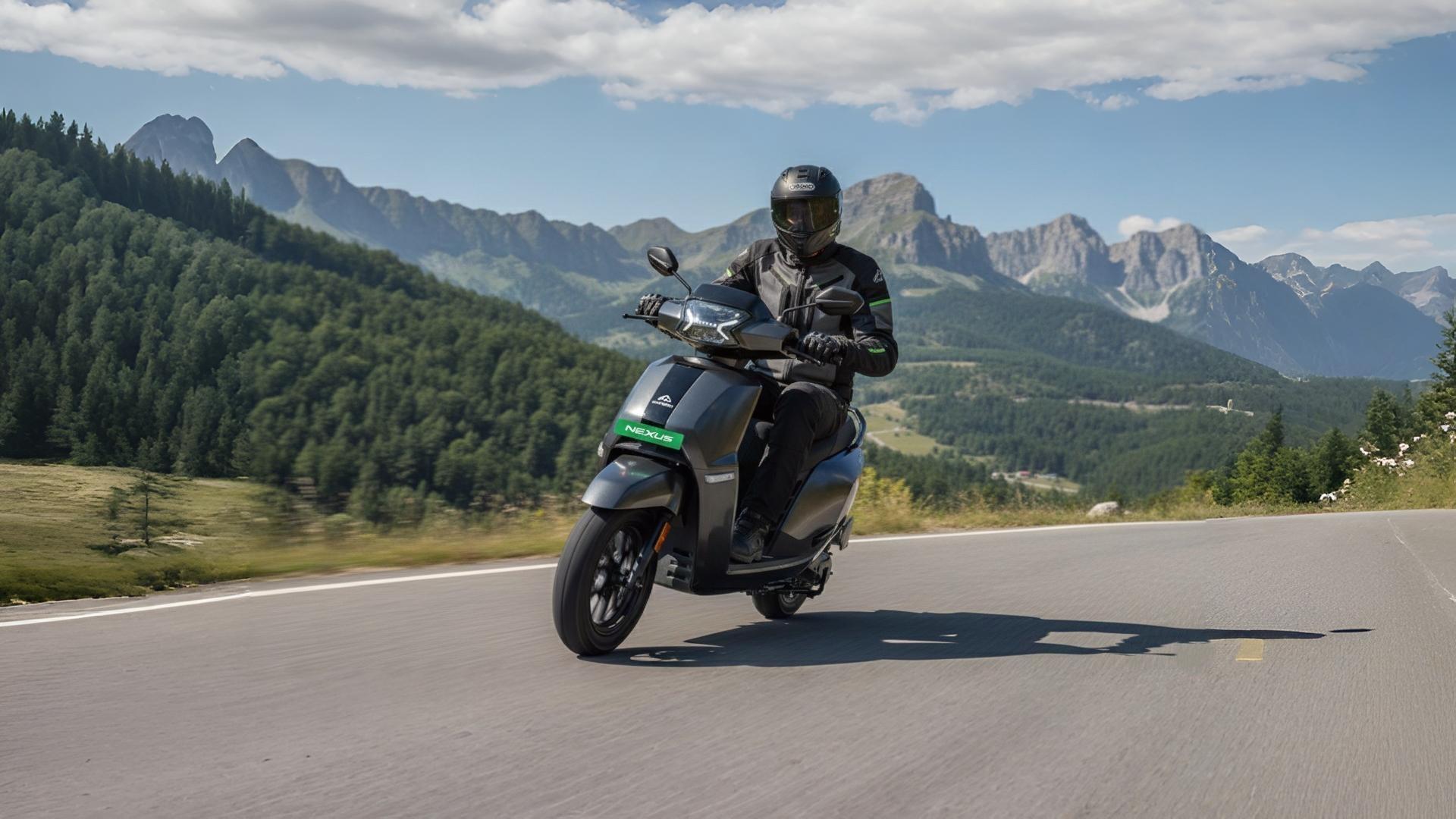
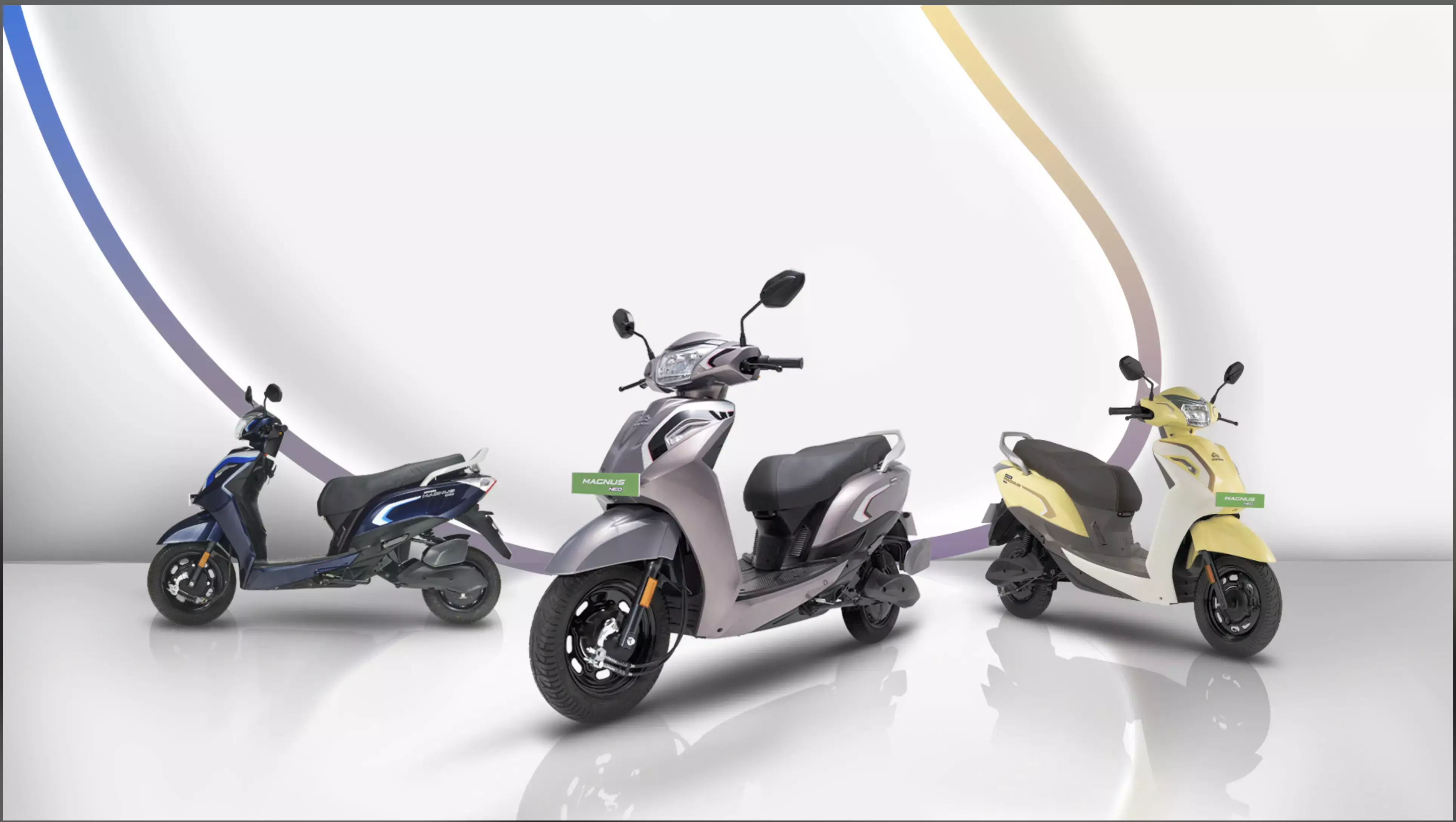
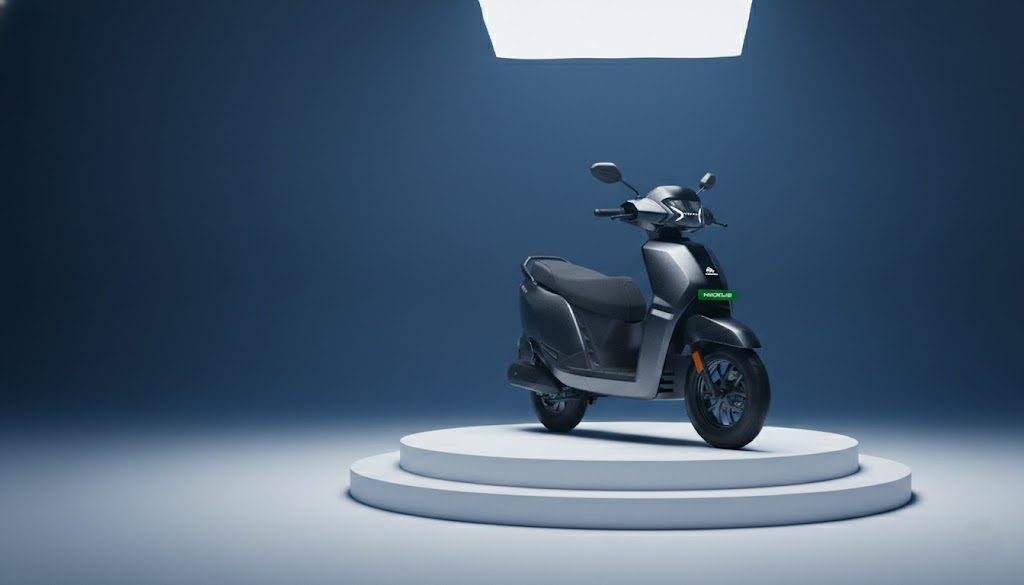
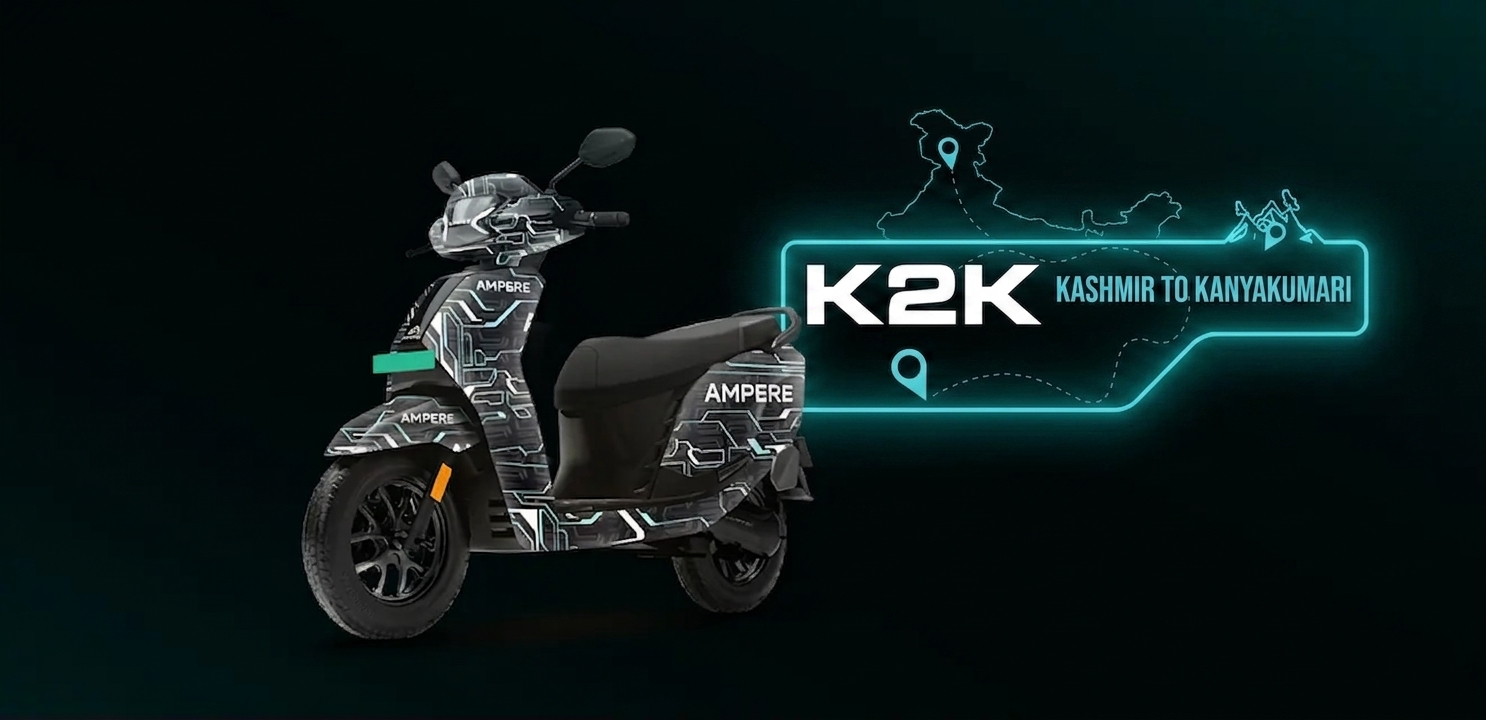
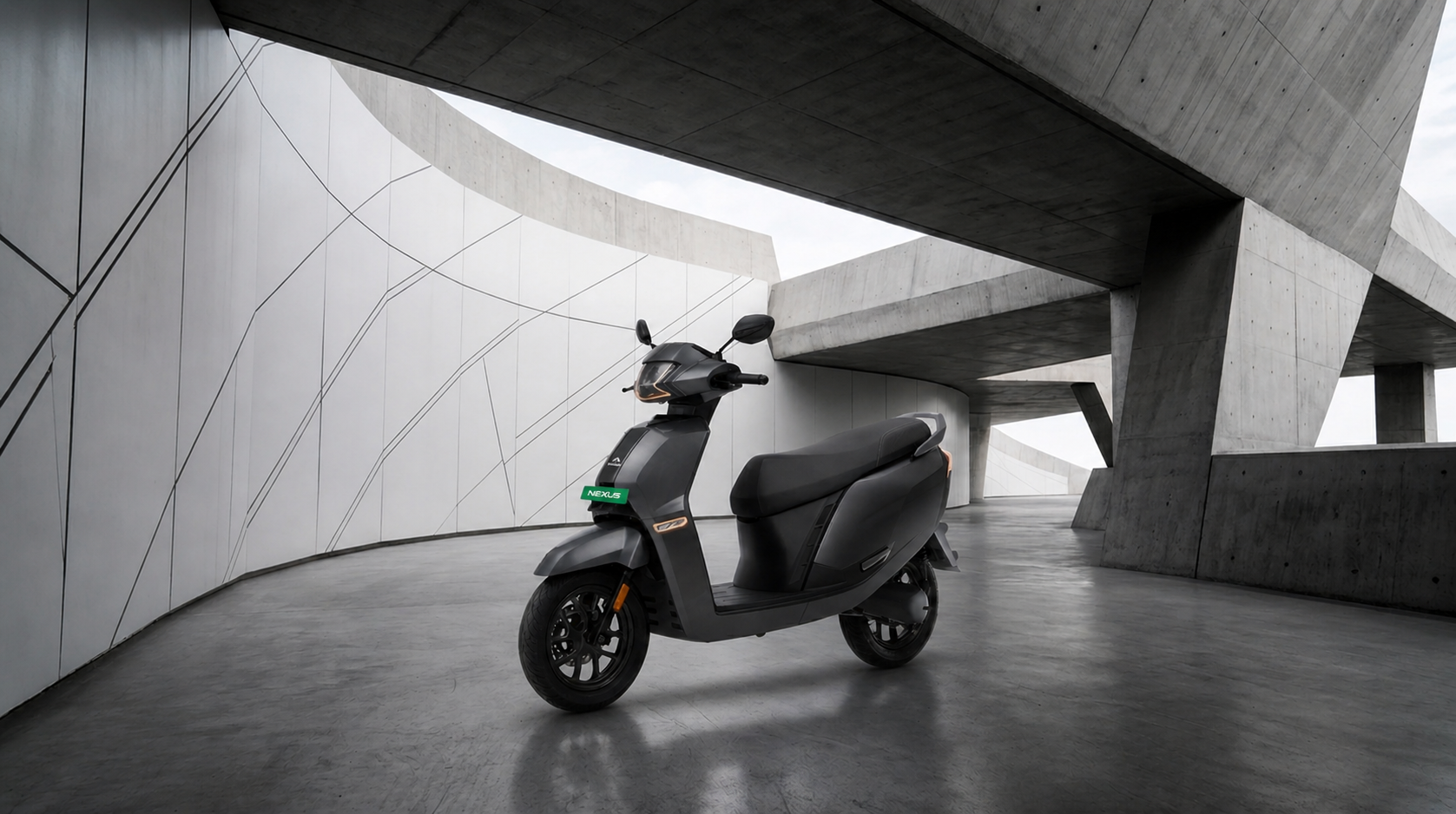
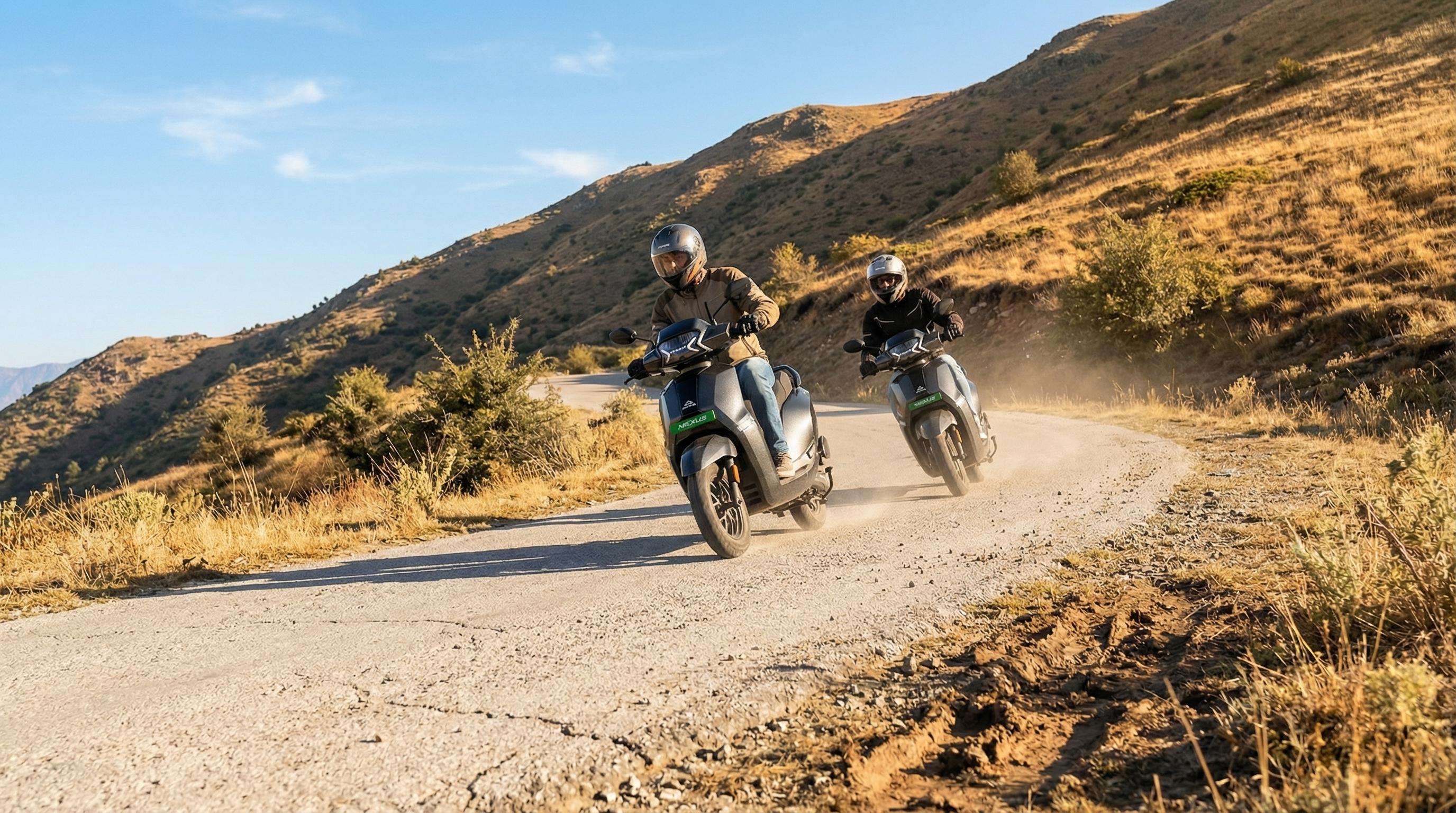
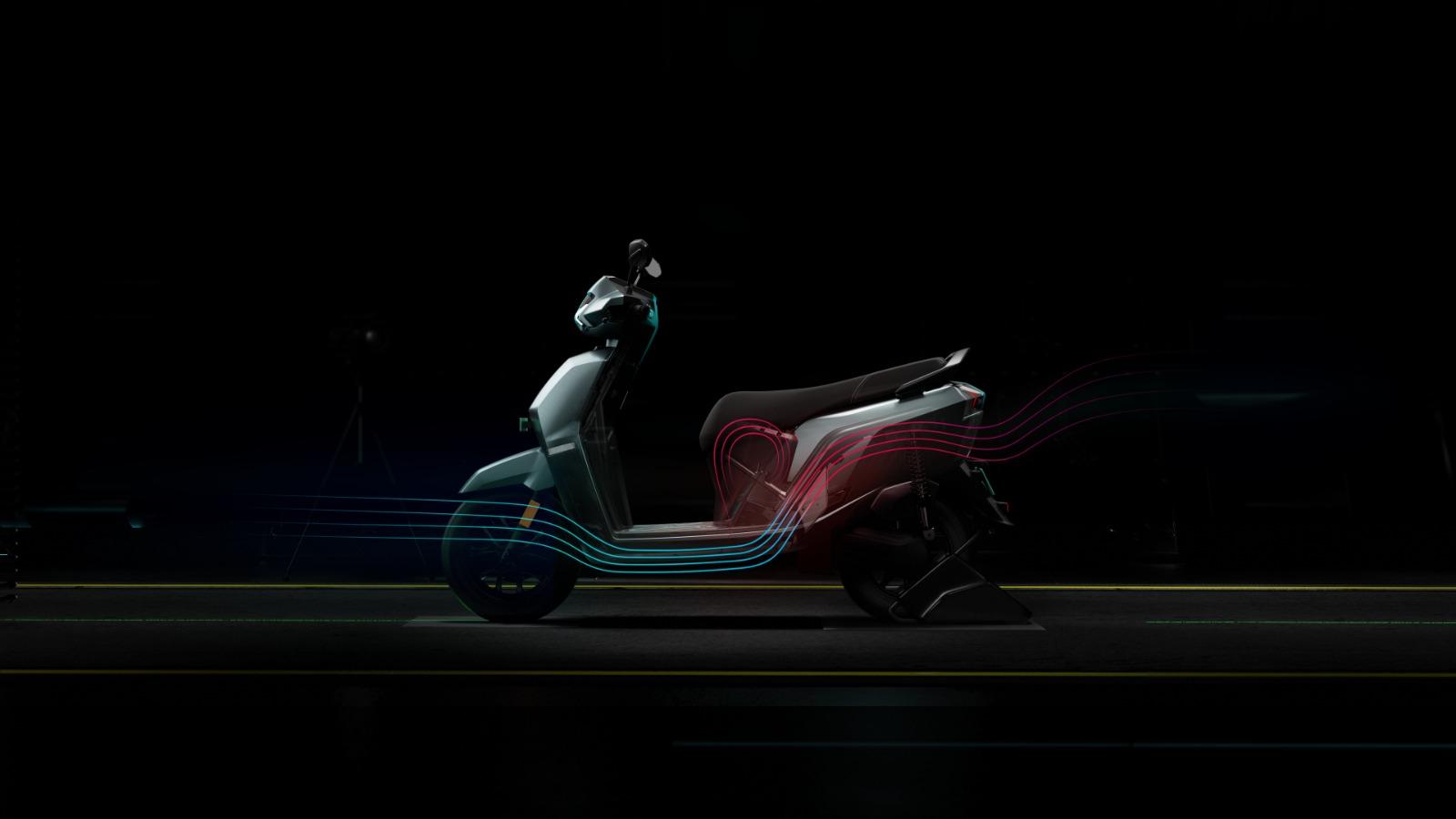
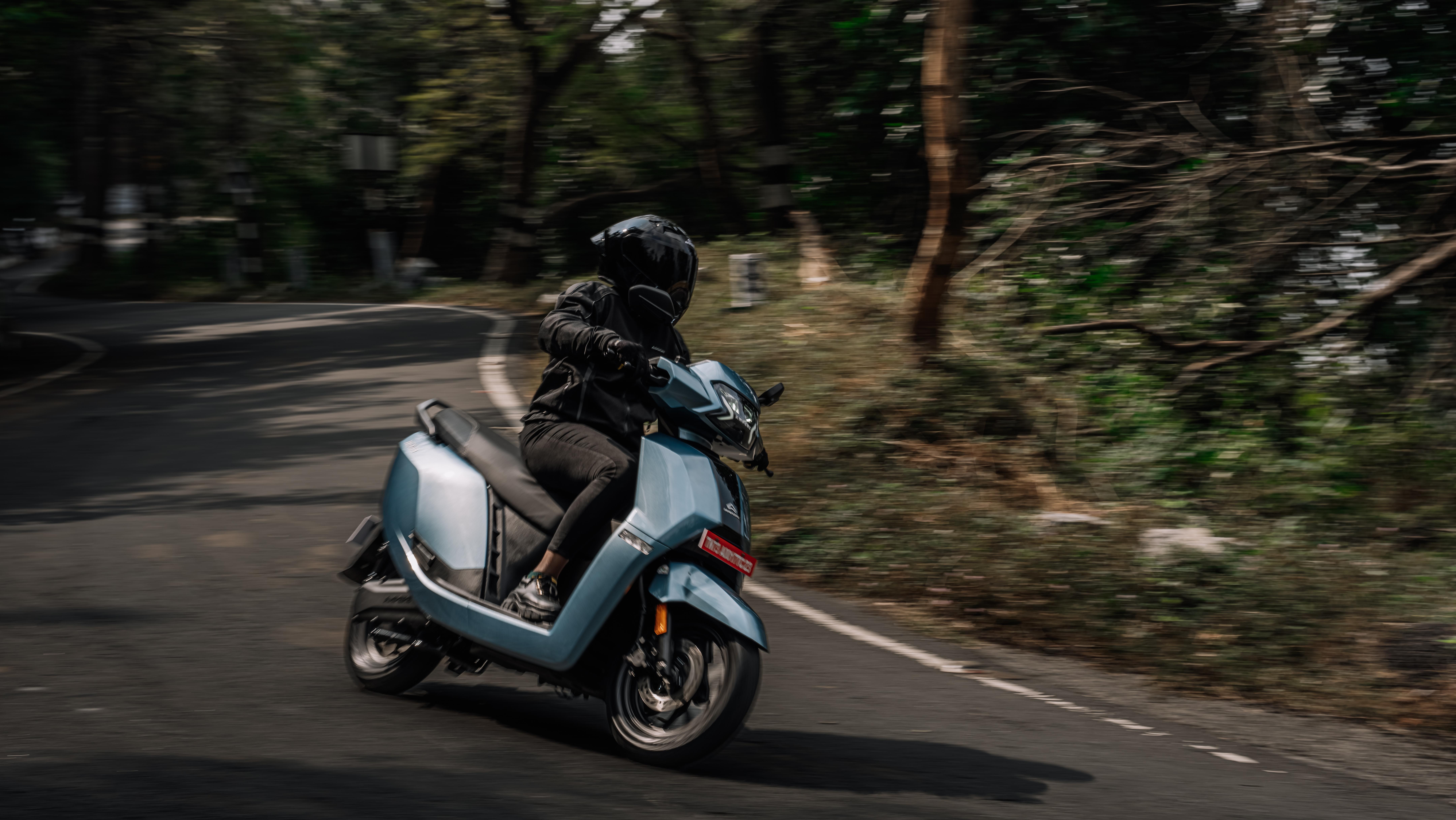

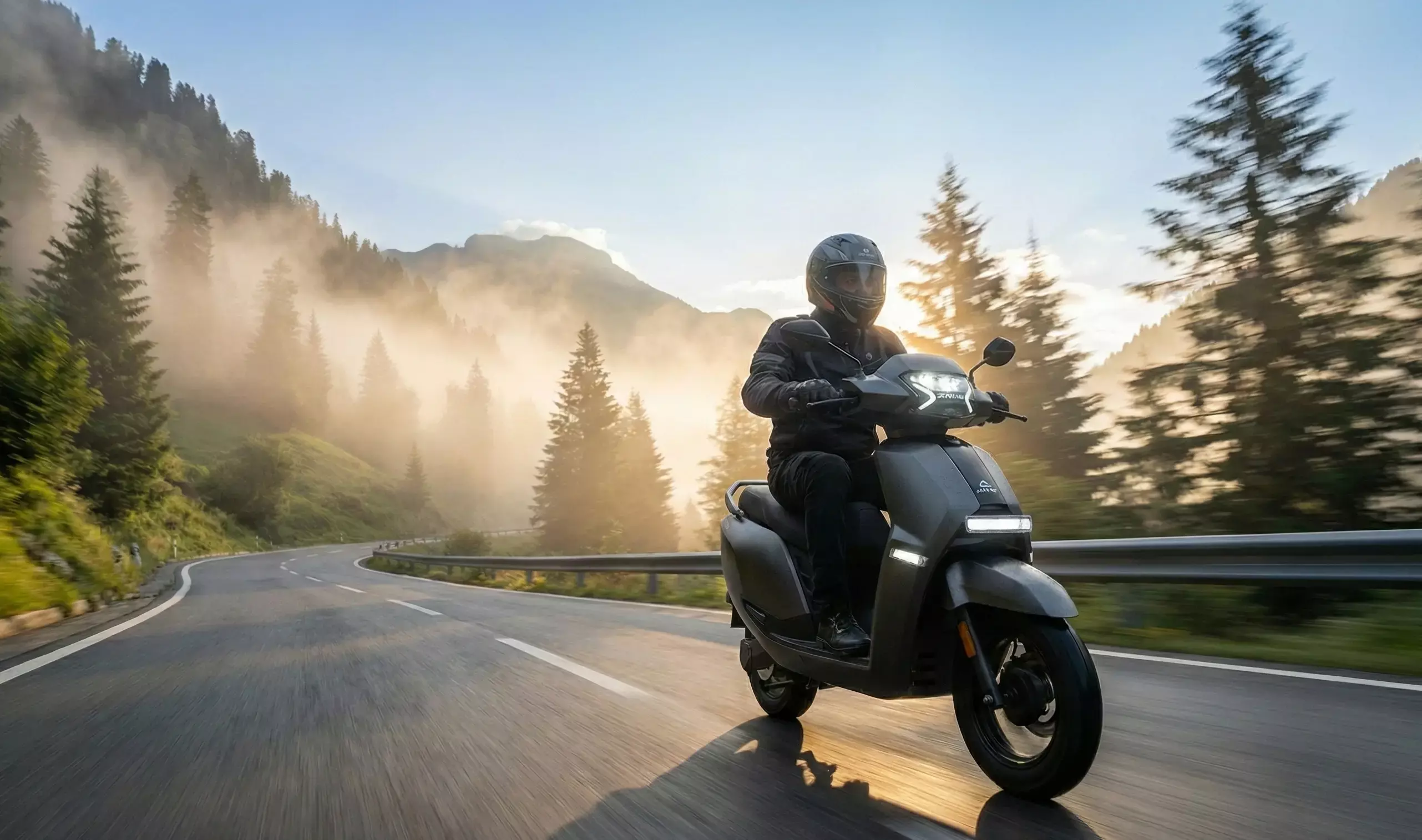
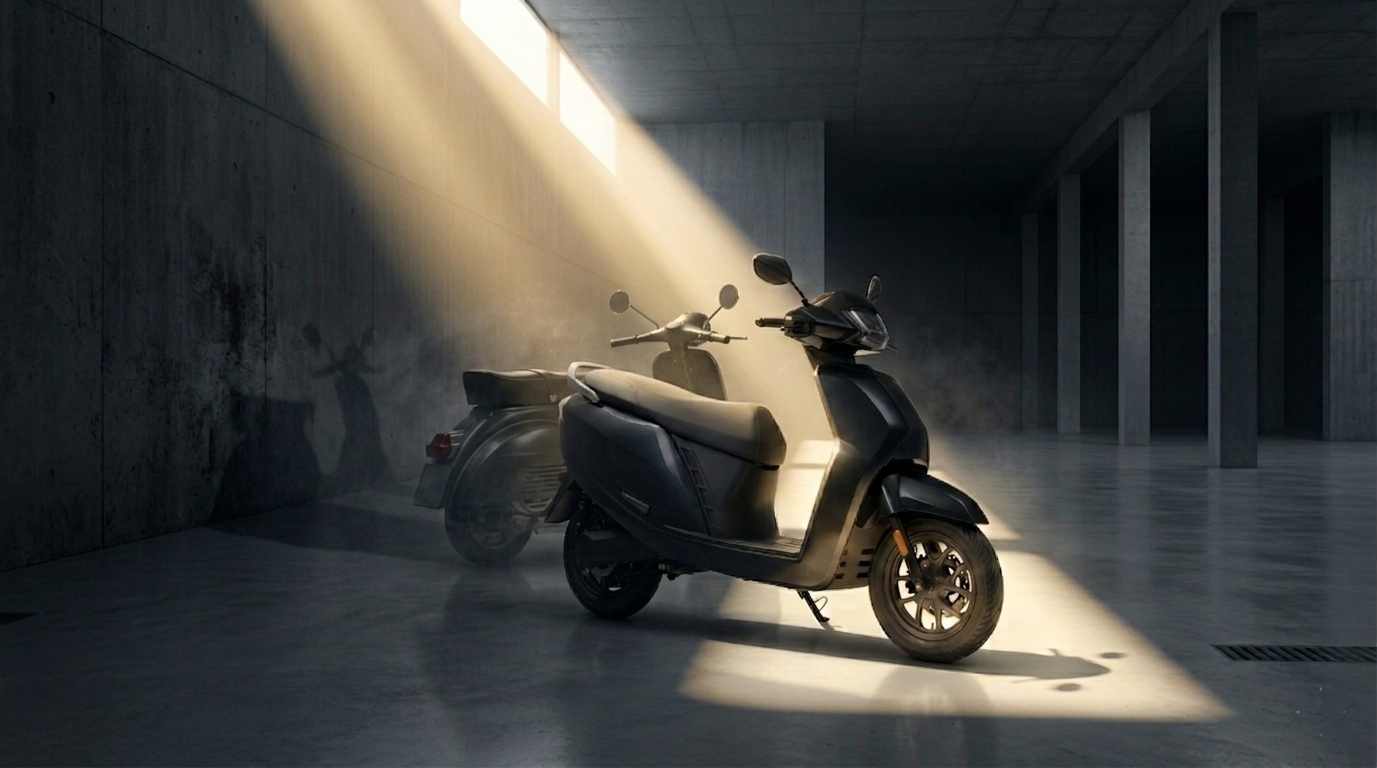
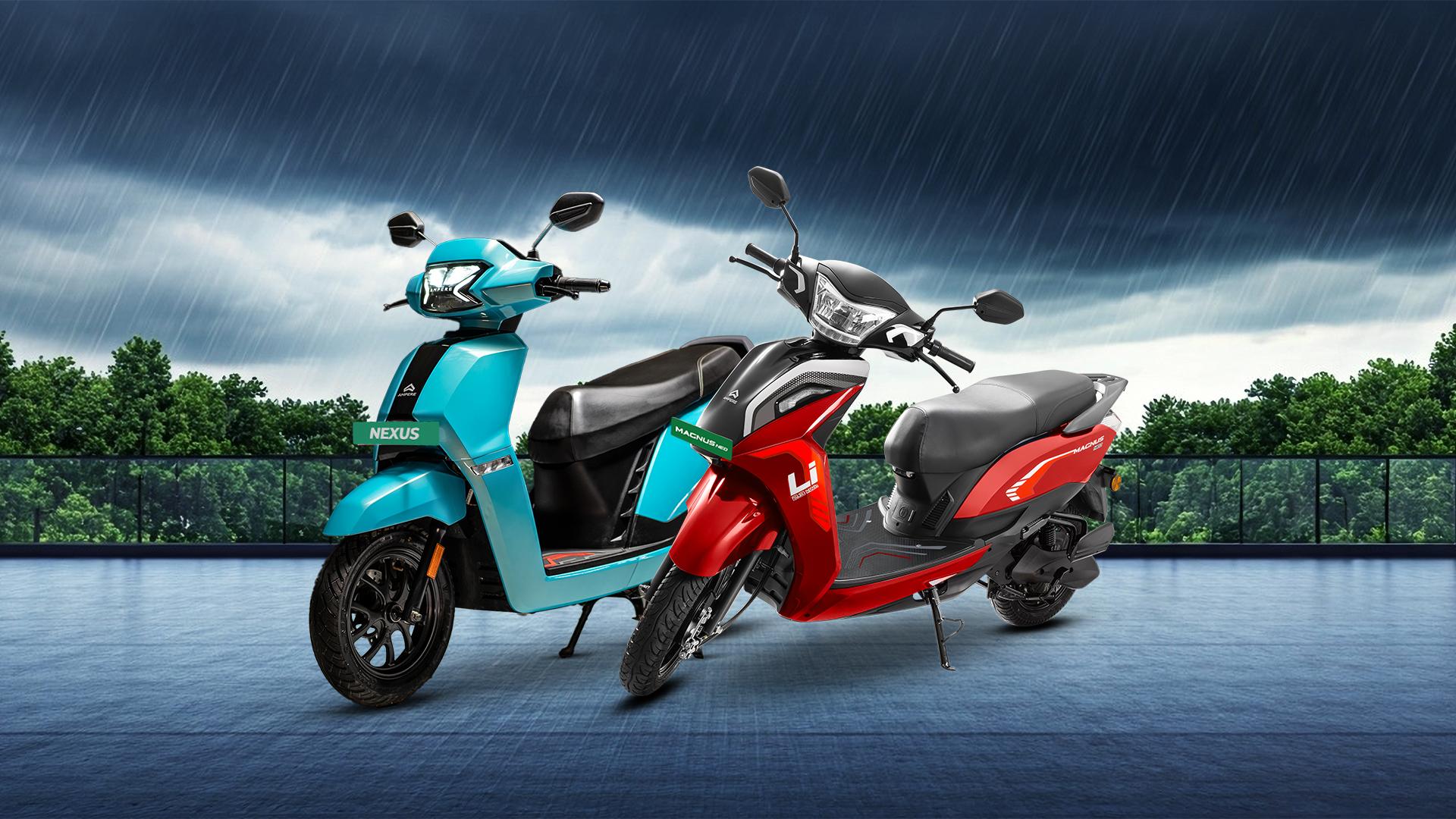
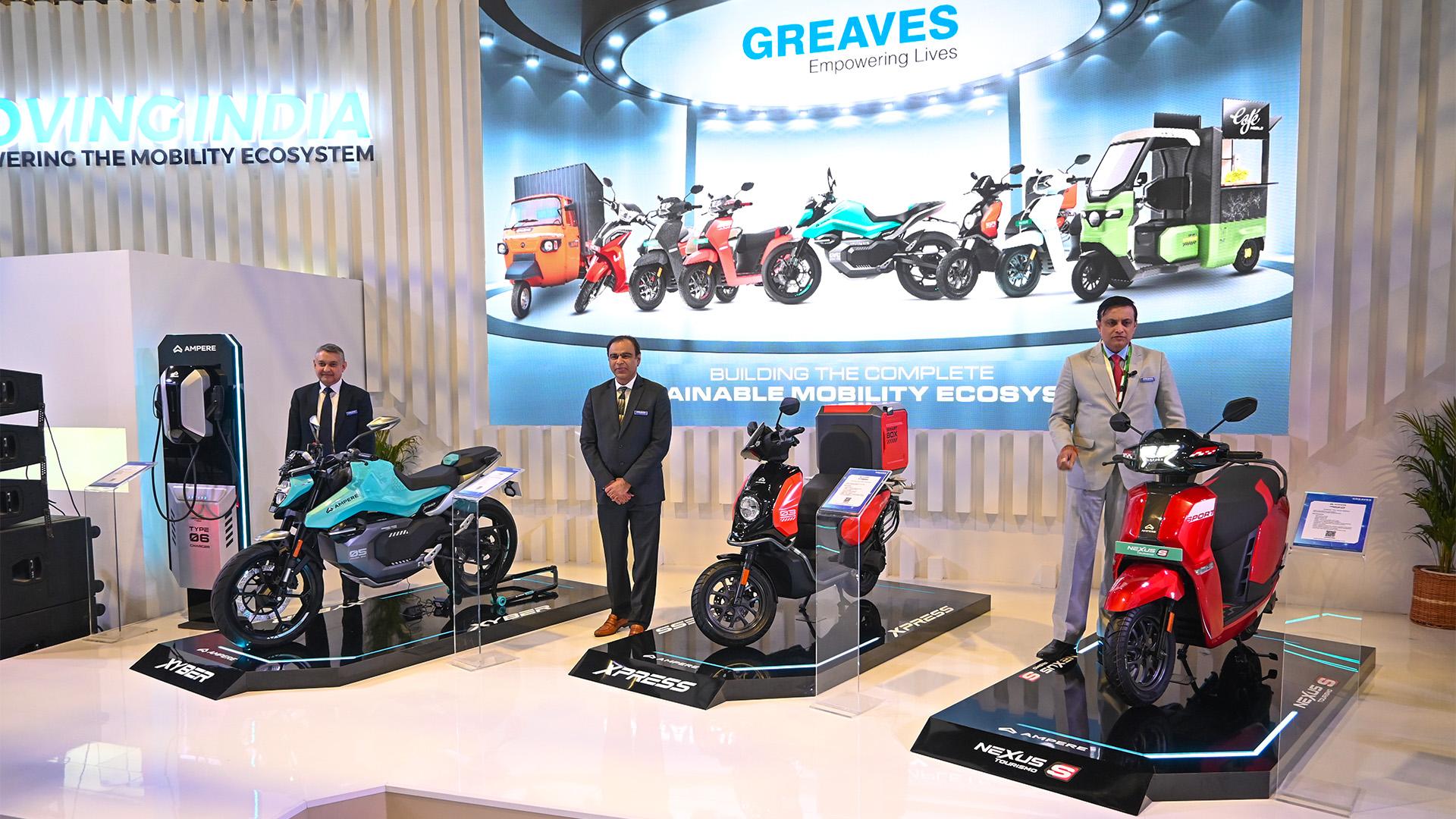
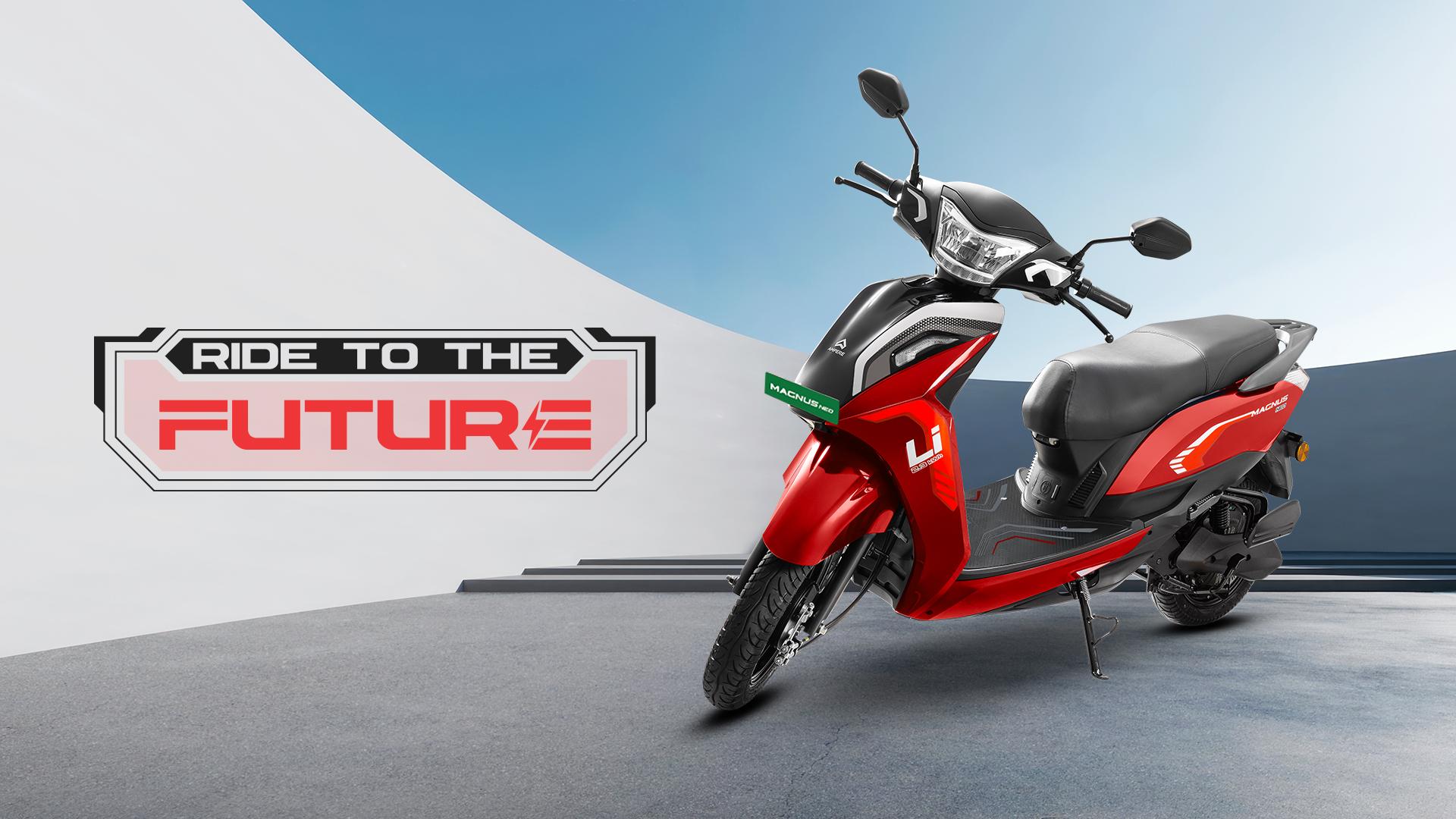
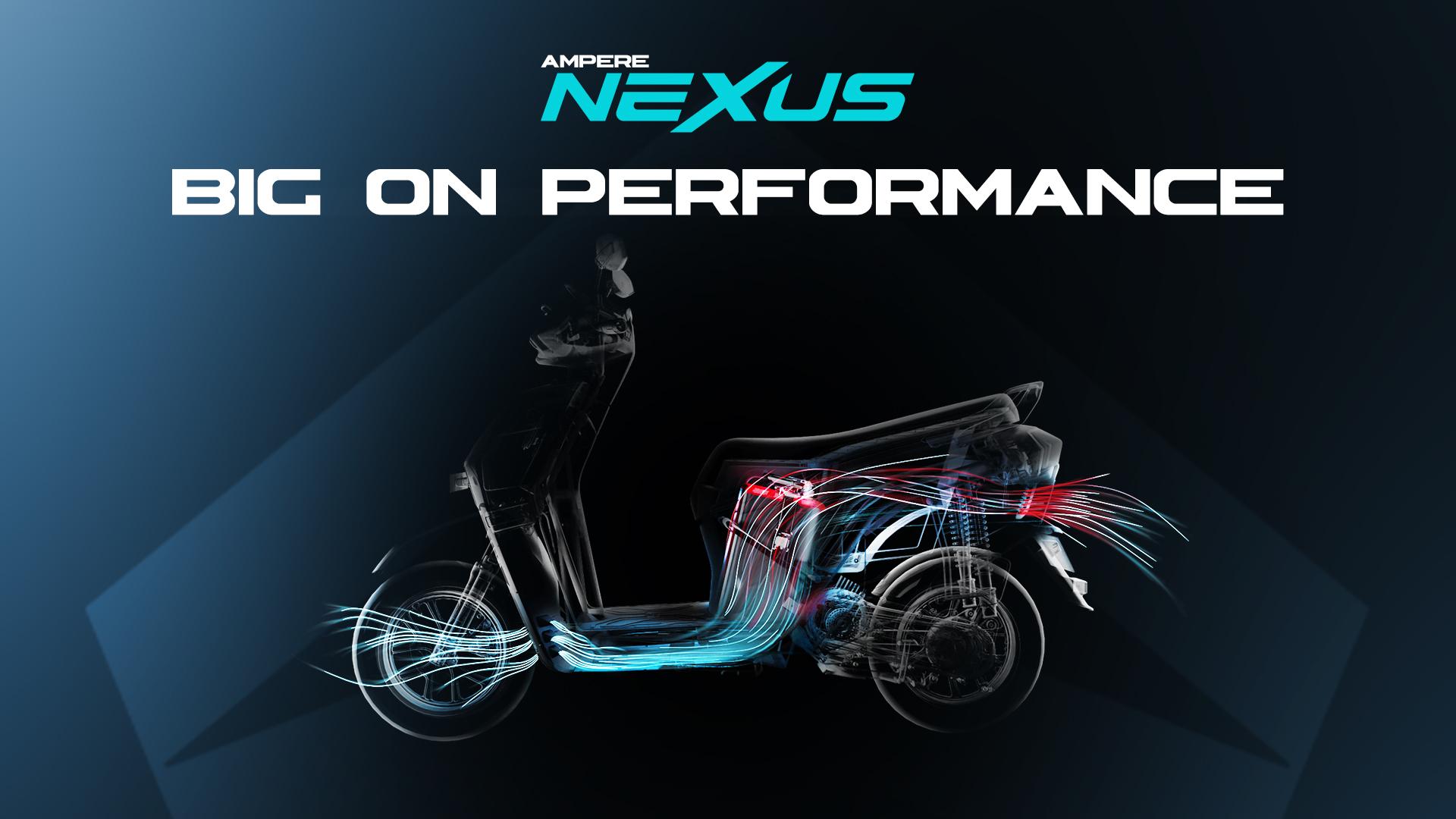
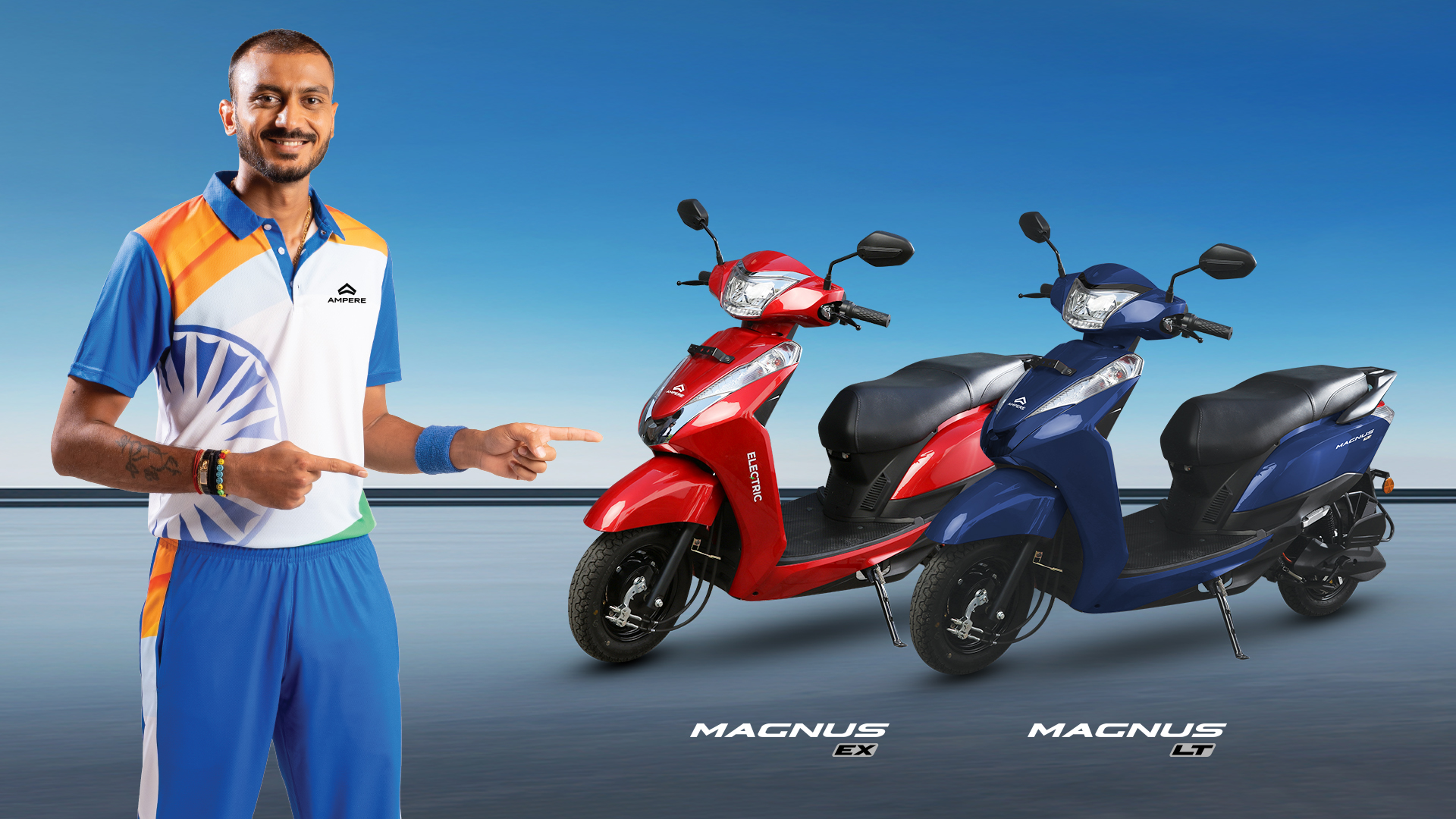
The Ampere Nexus is the first electric scooter in history to complete over 10,000 km in a single, unbroken journey. This record was set during the #K2K expedition — a ride from Salal Dam, Reasi (Jammu & Kashmir) to Kanyakumari (Tamil Nadu) between January 16 and March 18, 2024. All four records set during the journey, including the 10,000+ km milestone, were officially certified by the India Book of Records.
What Makes 10,000 km in a Single Journey Extraordinary
To understand why this record matters, it helps to put the numbers in context. The standard road distance from Kashmir to Kanyakumari via the primary highway is approximately 3,396 km. The Ampere Nexus rode over 10,000 km — nearly three times that distance — in a single continuous expedition by deliberately passing through 115 towns and cities, exploring rural routes, ghat roads, desert highways, and coastal stretches that form the real India.
No electric scooter had come close to this before. The closest prior endurance attempts had covered 2,000–4,000 km. Crossing the 10,000 km threshold in a single journey required not just a capable battery but a complete system — motor reliability, chassis durability, software stability, and a support infrastructure that could keep the scooter operational across 62 days and 15+ states.
Journey at a Glance
| Parameter | Detail |
|---|---|
| Total Distance | 10,000+ km (more than 5,100 km primary route alone) |
| Journey Duration | 62 days — January 16 to March 18, 2024 |
| Start Point | Salal Dam, Reasi, Jammu & Kashmir |
| End Point | Kanyakumari, Tamil Nadu (Triveni Sangam) |
| Cities and Towns Covered | 115 |
| States Traversed | 15+ |
| Certified By | India Book of Records (4 records) |
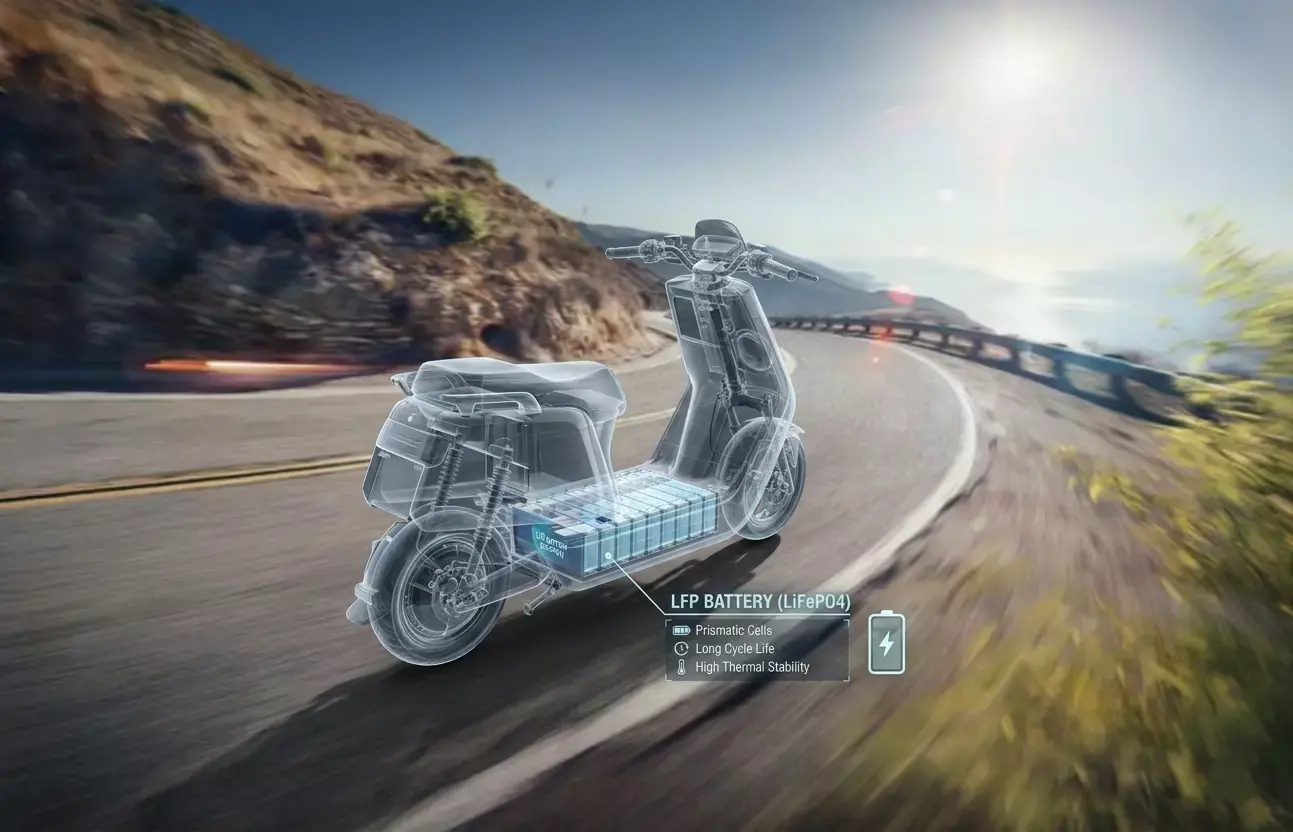
| Battery Used | 3 kWh LFP with IP67 rating |
| Motor | 4 kW peak, swingarm-mounted |
The Engineering Behind the Record
Covering 10,000 km is not a range question — the Nexus charges regularly, just like any electric scooter. The question is: can every component on the scooter endure 10,000 km of India's diverse, demanding road network without failure? Here is the engineering that answered 'yes'.
1. LFP Battery System: Consistency Across Extremes
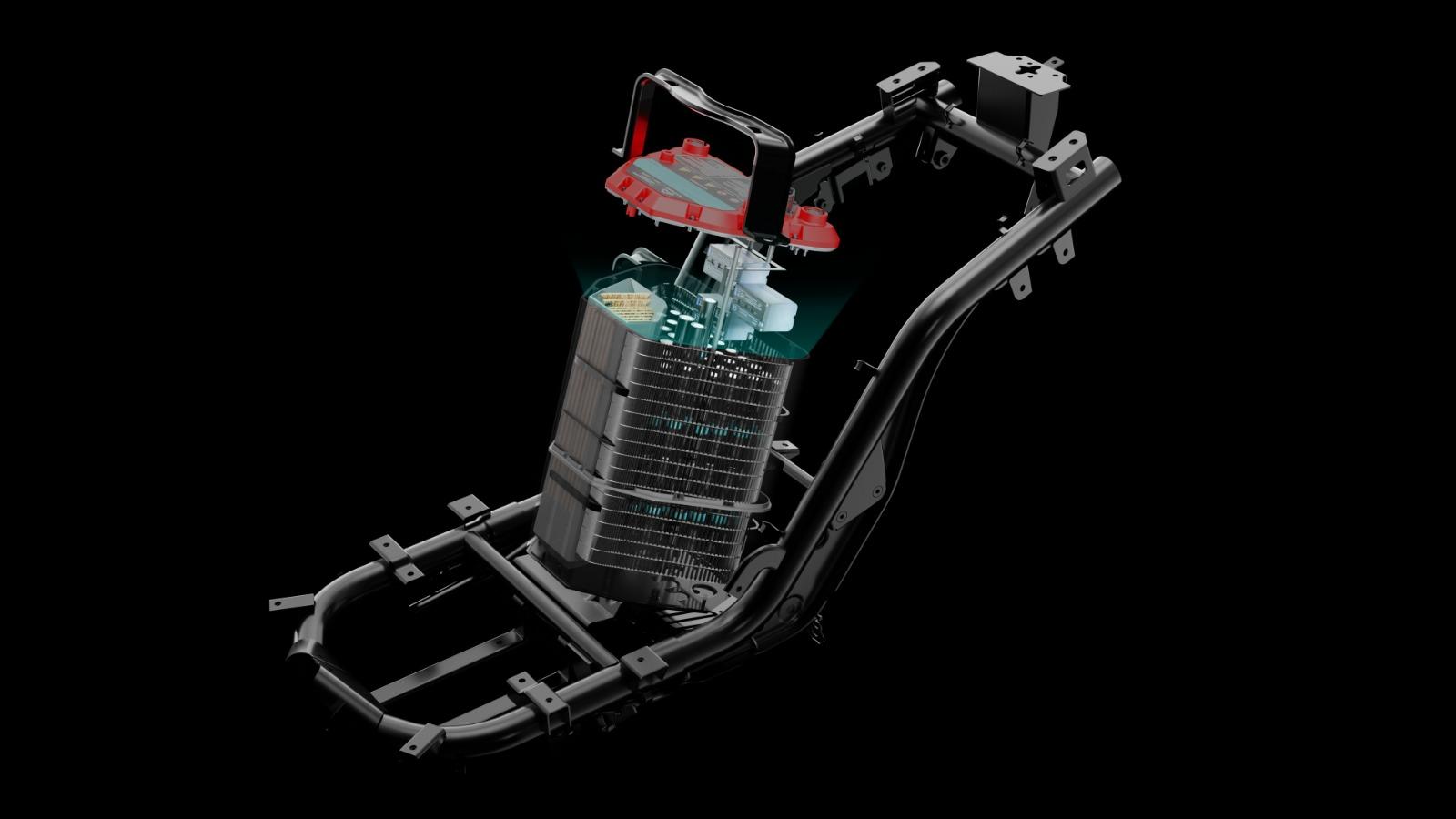
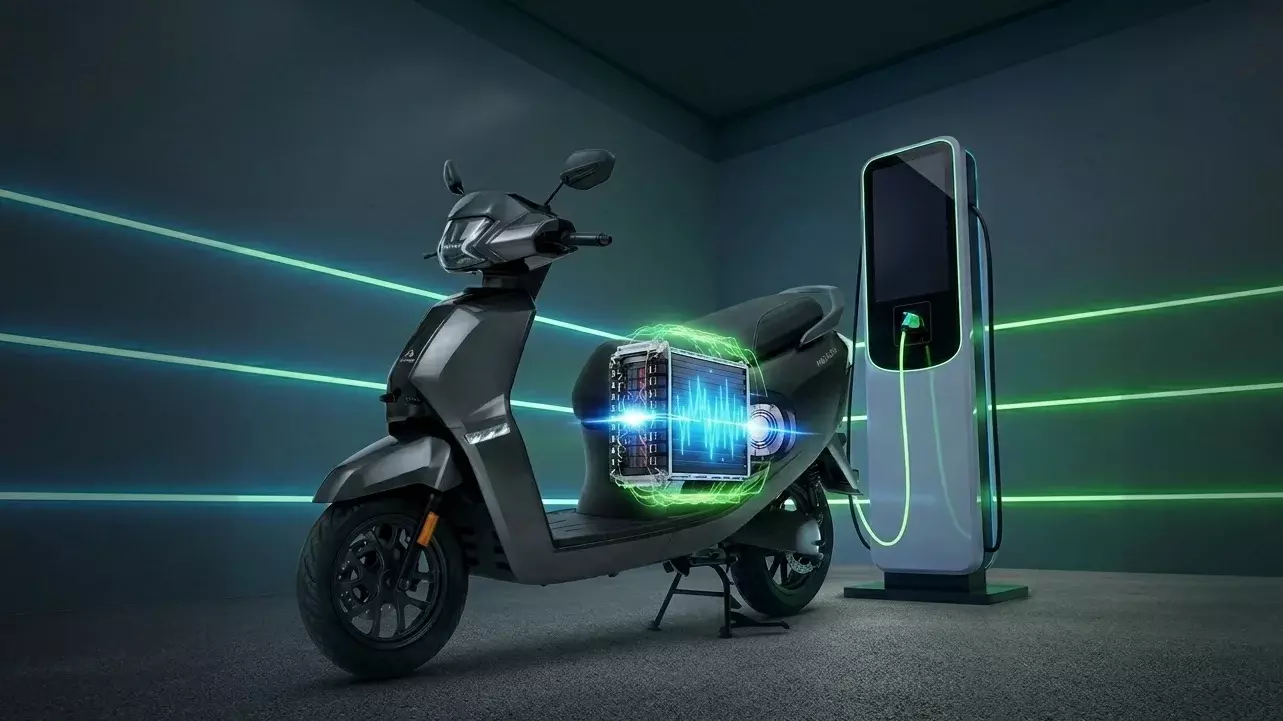
The Nexus's 3 kWh LFP battery carried an IP67 rating (dust-tight and immersible to 1 metre for 30 minutes). Its operating temperature range of -40°C to 60°C meant consistent performance from near-freezing conditions in Jammu & Kashmir's mountain roads to 44°C+ on Rajasthan's desert highways — where many NMC-based competitors would show notable range degradation.
The battery also completed hundreds of partial and full charge cycles over the 62-day journey, demonstrating LFP's fundamental advantage: it retains capacity significantly better over repeated charge cycles than NMC chemistry. The same battery chemistry is in every Nexus sold today, with a 5-year/75,000 km warranty.
2. Motor and Drivetrain: 10,000 km Without Failure
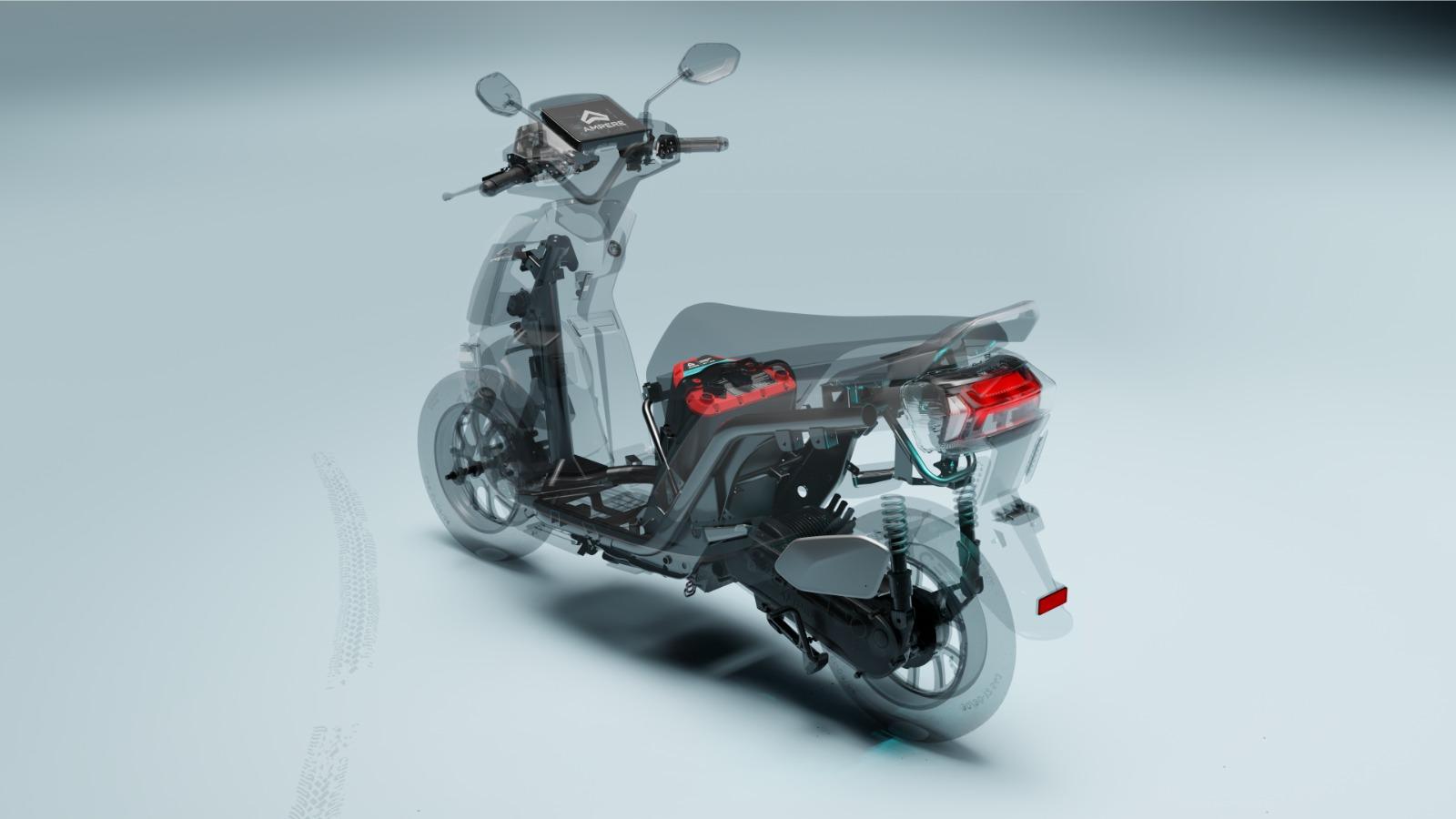
The swingarm-mounted 4 kW PMSM (Permanent Magnet Synchronous Motor) drove the Nexus across mountain passes, desert highways, ghat roads, and urban gridlock for over 10,000 km without a major mechanical failure. The motor's belt drive system — a common design for electric scooters — was validated under sustained heavy-load conditions including towing a 1,860 kg pickup truck (another certified record from the same expedition).
- Five riding modes, including a Limp Home mode below 20% battery charge
- Regenerative braking recovering energy across thousands of deceleration events
- Traction control preventing wheel spin on loose gravel and wet monsoon roads
3. Chassis: 4x Stronger, Validated in the Field
The Nexus's exoskeleton chassis is engineered to be four times stronger than the class average. This was tested — not just in controlled environments — but across 10,000 km of actual Indian road surfaces: broken rural highways, potholed urban streets, unmarked speed breakers, river crossings, and high-altitude mountain passes.
The multi-patented twin-suspension hybrid swingarm absorbed continuous vibration and shock loading over 62 days. The chassis survived a significant road incident mid-journey (documented in the brand's expedition blog), with the rider recovering and continuing — a real-world testament to the scooter's structural integrity.
4. Nex.IO Connectivity: Remote Monitoring Across 62 Days
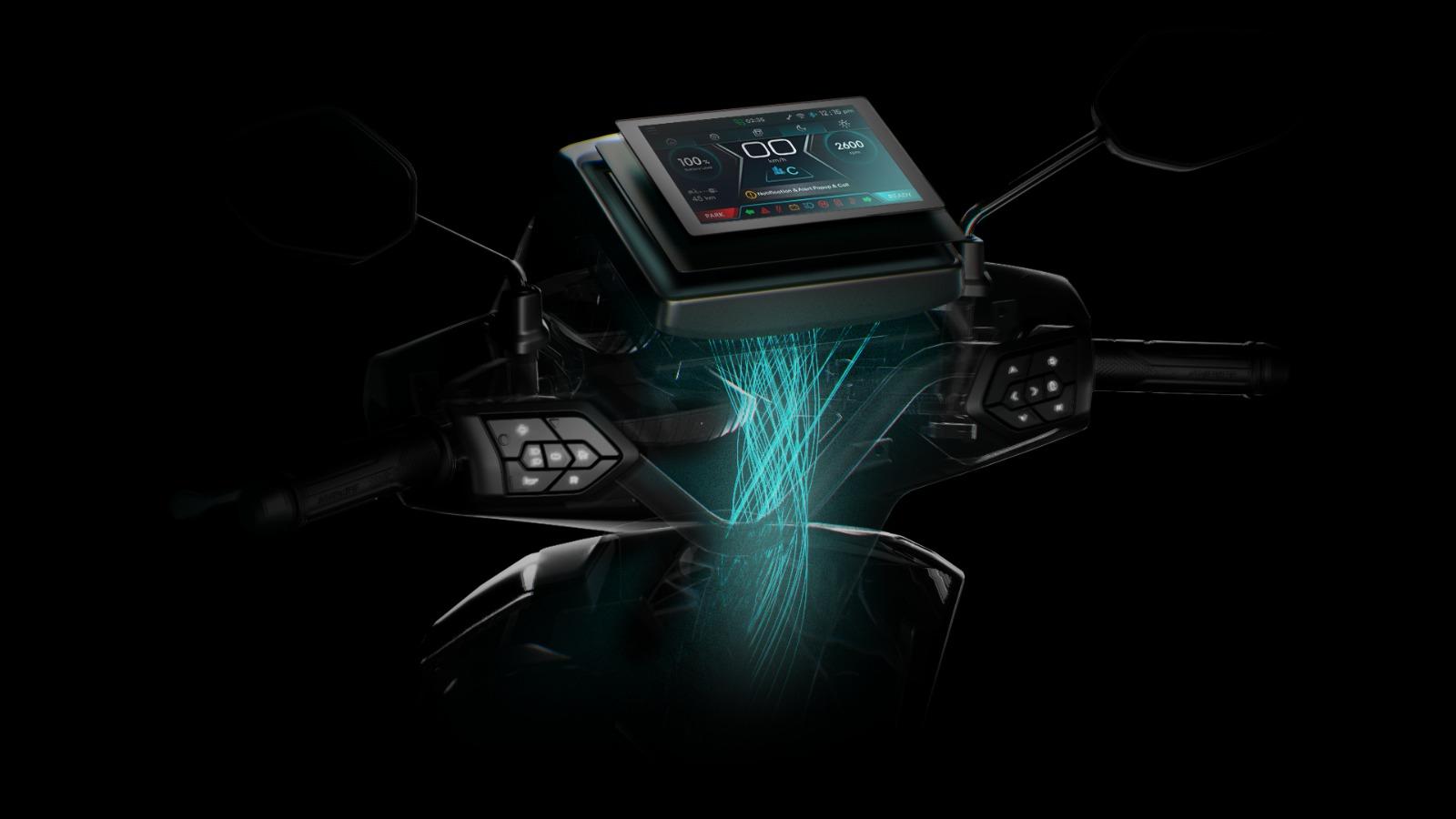
The Nexus's Nex.IO connected platform allowed the Ampere team to remotely monitor battery health, motor performance, and fault codes throughout the expedition. The 7-inch TFT touchscreen cluster provided turn-by-turn navigation, live range estimates, and riding mode selection — tools that a rider covering 115 cities across unfamiliar terrain relied on daily.
Lessons for Indian EV Buyers from the 10,000 km Record
The #K2K expedition generated practical data points that are directly relevant for everyday Ampere Nexus owners:
| Learning from K2K | Relevance for Daily Riders |
|---|---|
| LFP battery performed consistently in 44°C+ desert heat | Reliable range for Indian summer conditions — no range anxiety in heatwave months |
| IP67 rating handled river crossings and monsoon roads | Confidence to ride during Mumbai, Chennai, or Kolkata monsoons |
| Regenerative braking extended range in stop-and-go conditions | Better real-world range in dense city traffic |
| Limp Home mode prevented stranding when charge dropped low | Safety net when charging points are sparse |
| 4x chassis handled 10,000 km of India's road surfaces | Long-term build quality for 5–7 years of ownership |
Frequently Asked Questions
Which electric scooter first completed 10,000 km in a single journey?
The Ampere Nexus was the first electric scooter to complete 10,000+ km in a single journey, covering the Kashmir to Kanyakumari route over 62 days from January 16 to March 18, 2024. This record was officially certified by the India Book of Records.
How long did the Ampere Nexus K2K journey take?
The journey took 62 days, starting from Salal Dam, Reasi (J&K) on January 16, 2024 and concluding at Kanyakumari, Tamil Nadu on March 18, 2024. The total distance covered was over 10,000 km.
Is the Ampere Nexus suitable for long-distance touring in India?
Yes. Its 3 kWh LFP battery delivers 100–105 km real-world range per charge. With Ampere's 400+ dealerships and growing public charging infrastructure, inter-city travel is practical when planned with 70–80 km stops.
How does the Ampere Nexus handle extreme heat during long rides?
The LFP battery operates safely from -40°C to 60°C. Its thermal management system, combined with the IP67 rating and Nex.IO remote diagnostics, ensures the battery performs consistently even in prolonged summer riding conditions.
Does the 10,000 km journey prove reliability for everyday use?
Absolutely. A scooter that completes 10,000 km of India's most varied roads — mountains, deserts, monsoon zones, and coastal highways — without a major failure demonstrates the kind of durability that directly translates into a reliable daily commuter for 5–7 years.