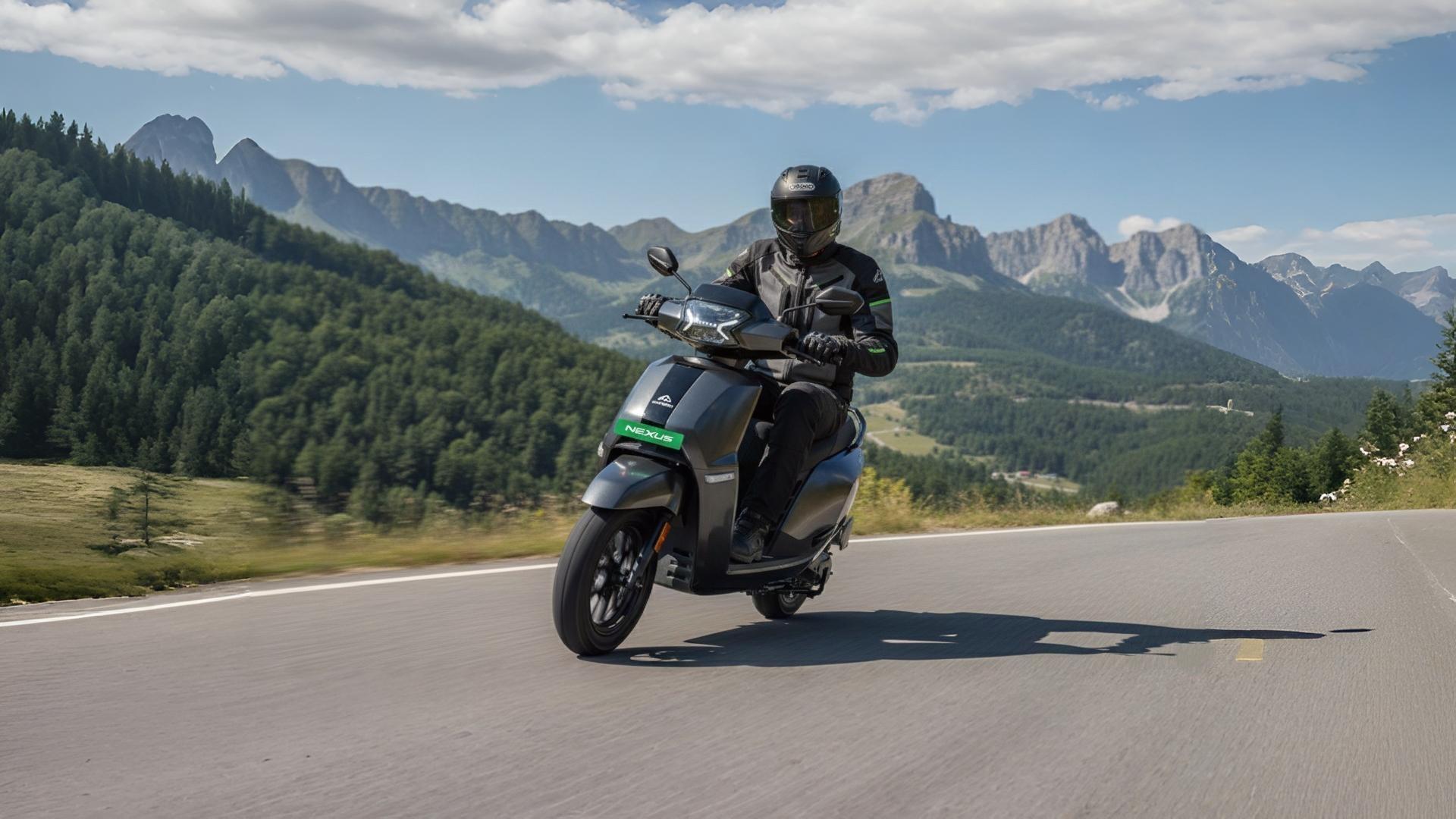
India's electric two-wheeler battery market is at a turning point. Most brands still use NMC (Nickel Manganese Cobalt) cells, chosen primarily for their higher energy density and lower upfront cost. Ampere by Greaves Electric Mobility took a different direction — designing an in-house LFP (Lithium Iron Phosphate) battery system engineered specifically for India's extreme climate, diverse road conditions, and long-term ownership expectations. The results have been validated publicly: India Book of Records, Asia Book of Records, and three years of real-world rider data.
India's EV Battery Landscape in 2026
India's EV two-wheeler battery supply chain relies on a combination of imported cells (primarily from China, South Korea, and Japan) and domestically designed battery management systems (BMS). The cell chemistry chosen by each manufacturer determines the performance, safety profile, and longevity of the battery over years of ownership.
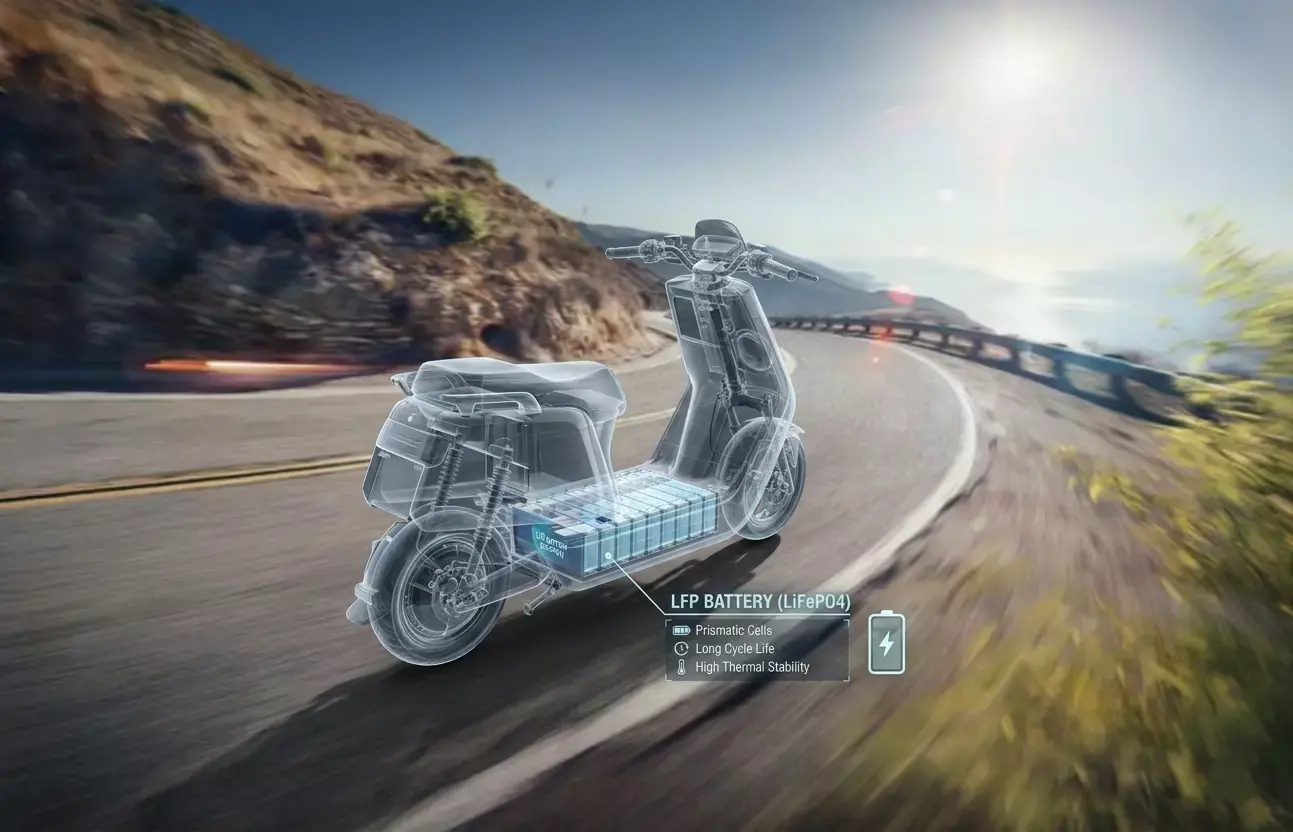
The two dominant chemistries in Indian electric scooters are NMC and LFP. A third chemistry, NCA (Nickel Cobalt Aluminium), is used by some premium brands. LFP is the chemistry used in high-capacity energy storage projects, commercial fleet EVs, and increasingly in passenger cars that prioritise longevity and safety over maximum energy density.
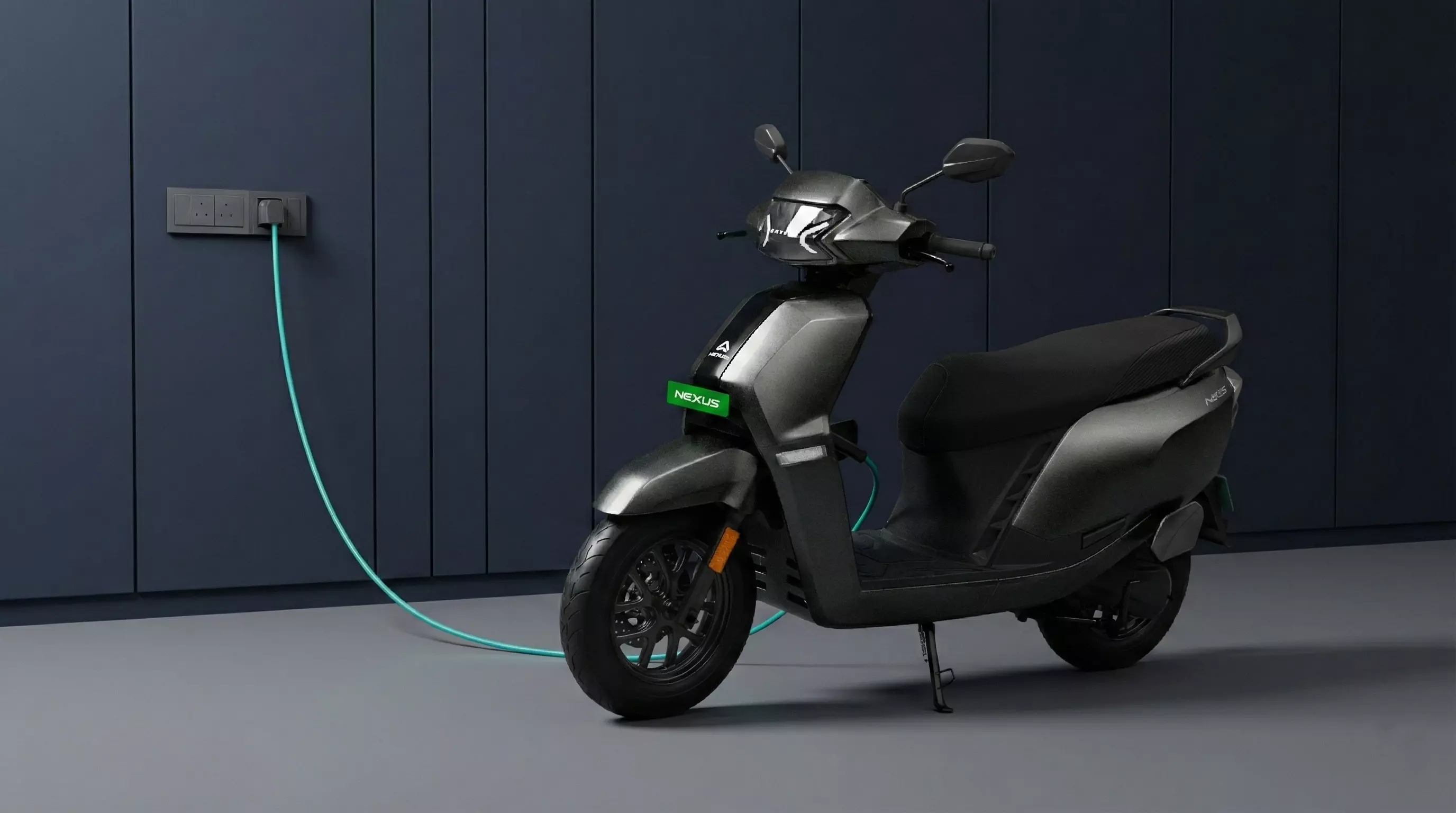
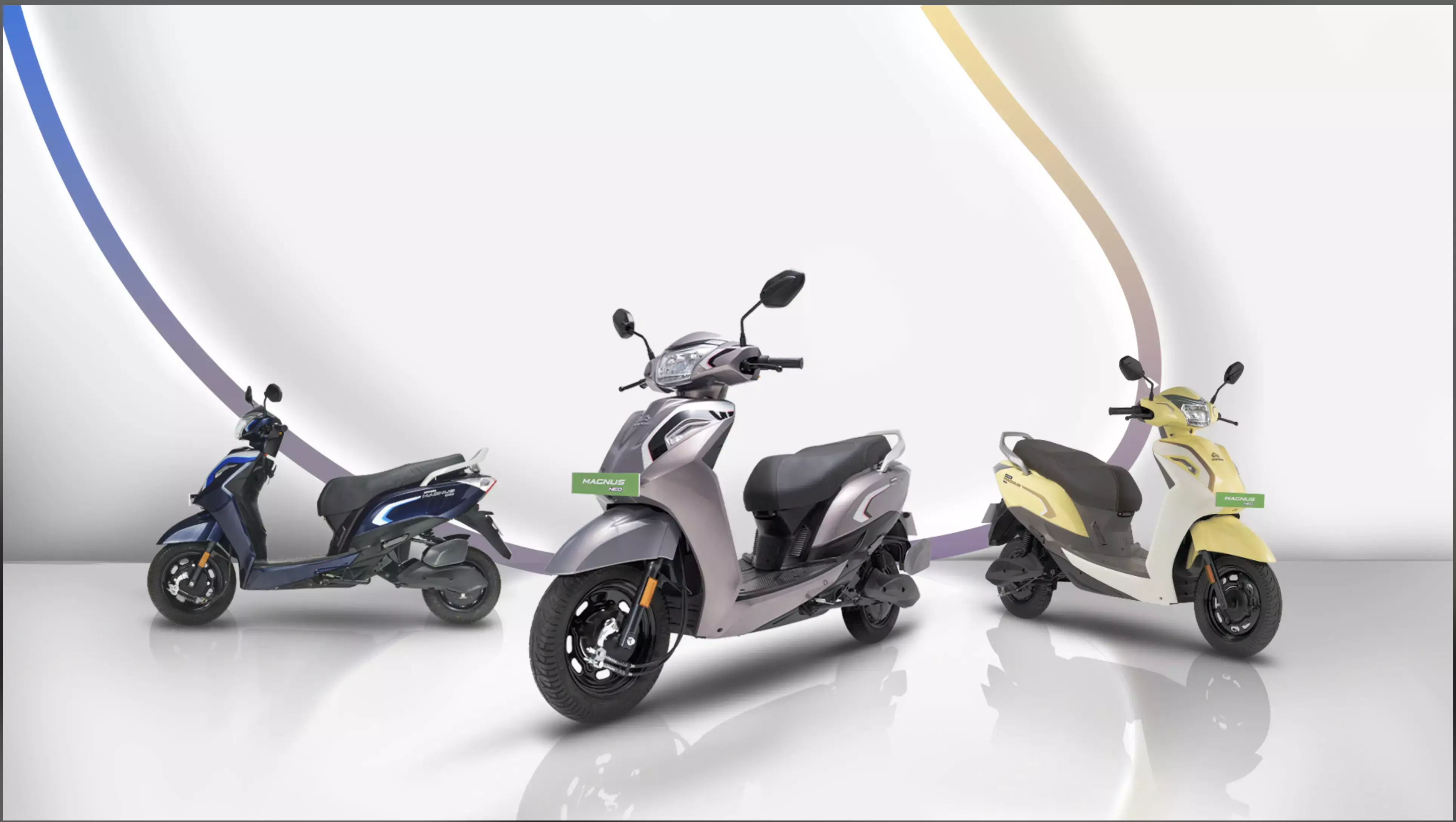
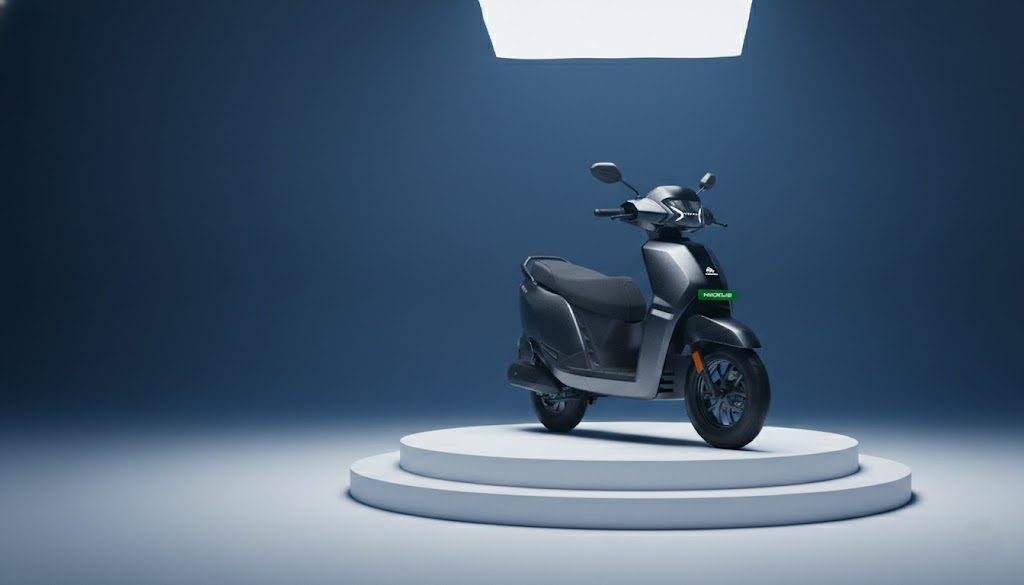

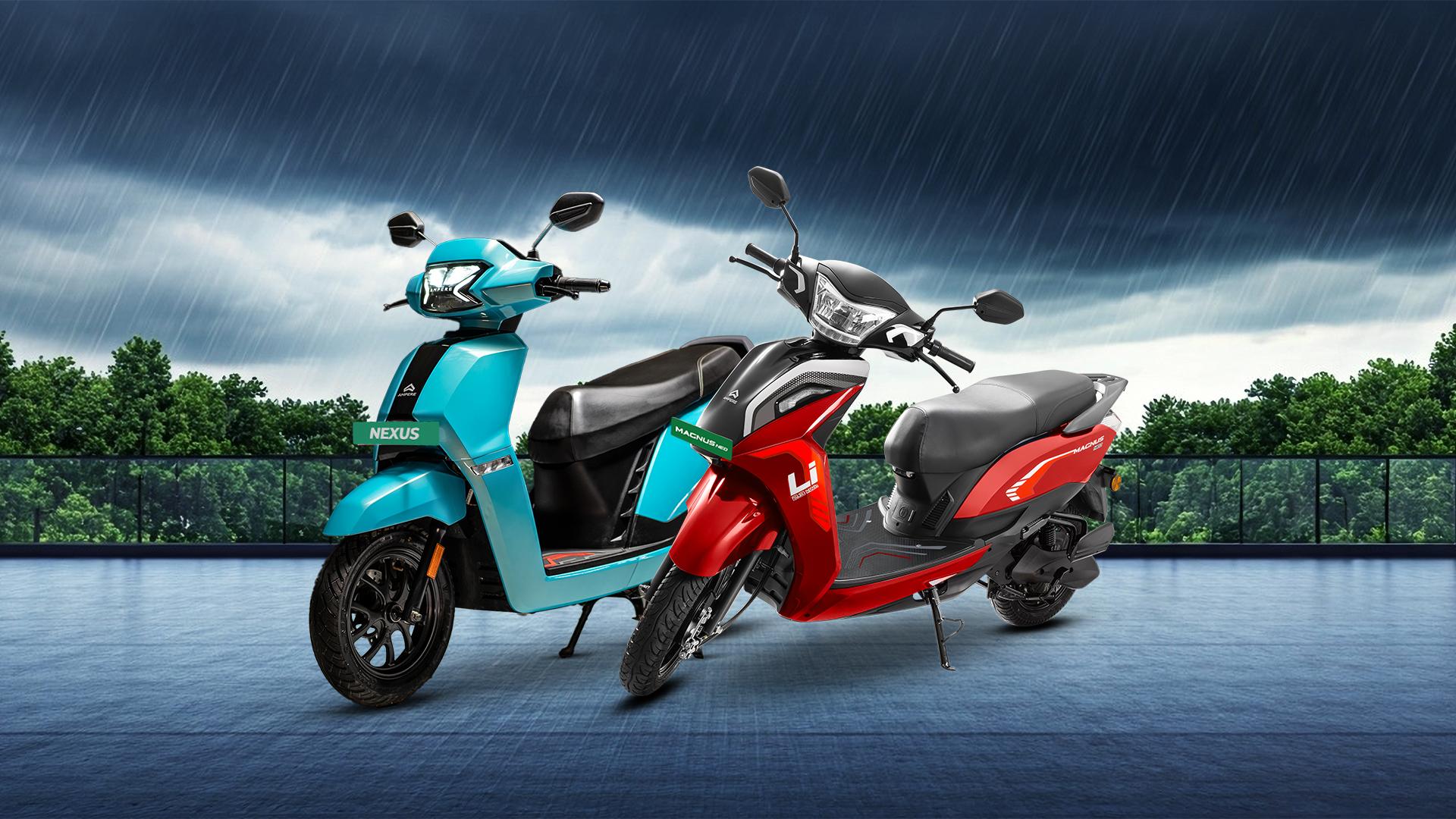
Ampere's adoption of LFP for its mass-market scooters — at ₹89,999 for the Magnus Grand and ₹1.20–1.30 lakh for the Nexus — democratised a technology previously reserved for commercial and premium EV segments.
LFP vs NMC: Why Chemistry Determines Your Ownership Experience
| Property | LFP (Ampere Nexus/Magnus Grand) | NMC (Common in Indian Competitors) |
|---|---|---|
| Thermal Stability | Stable from -40°C to 60°C | Begins degrading above 40°C |
| Thermal Runaway Risk | Very low — inherent chemical stability | Moderate to high at elevated temperatures |
| Cycle Life | 3,000+ full charge cycles | 1,000–2,000 cycles typically |
| Performance in Indian Summer | Consistent — no heat-related throttling | Can lose 5–15% range in sustained summer use |
| Fire Risk | Significantly lower | Higher — especially in damaged or over-charged states |
| Long-Term Capacity Retention | ~90–93% after 5 years (normal use) | ~80–85% after 3 years (in hot climates) |
| Energy Density | Lower — physically larger pack | Higher — more compact for same capacity |
| Warranty (Ampere vs others) | 5 years / 75,000 km | 3 years / 50,000 km (typical) |
Ampere's In-House Battery Design: What 'In-House' Actually Means
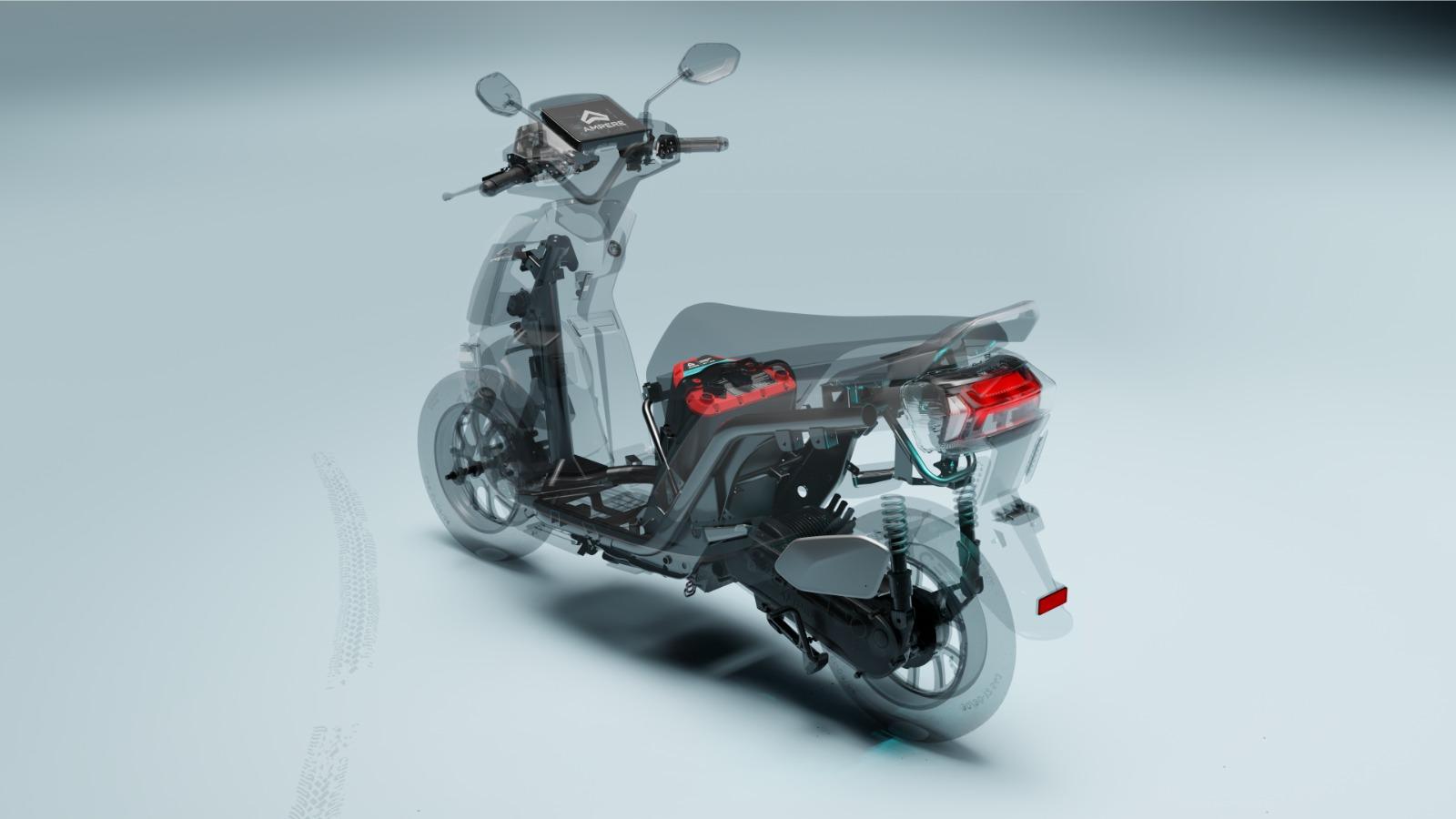
When Ampere says its battery is 'in-house designed,' this refers specifically to the battery management system (BMS) architecture, the thermal management design, and the cell selection and validation process — not to manufacturing lithium cells from scratch. Cell production remains a specialised industrial process dominated by a handful of global manufacturers. Ampere's value-add is in how those cells are packaged, managed, and validated for Indian conditions.
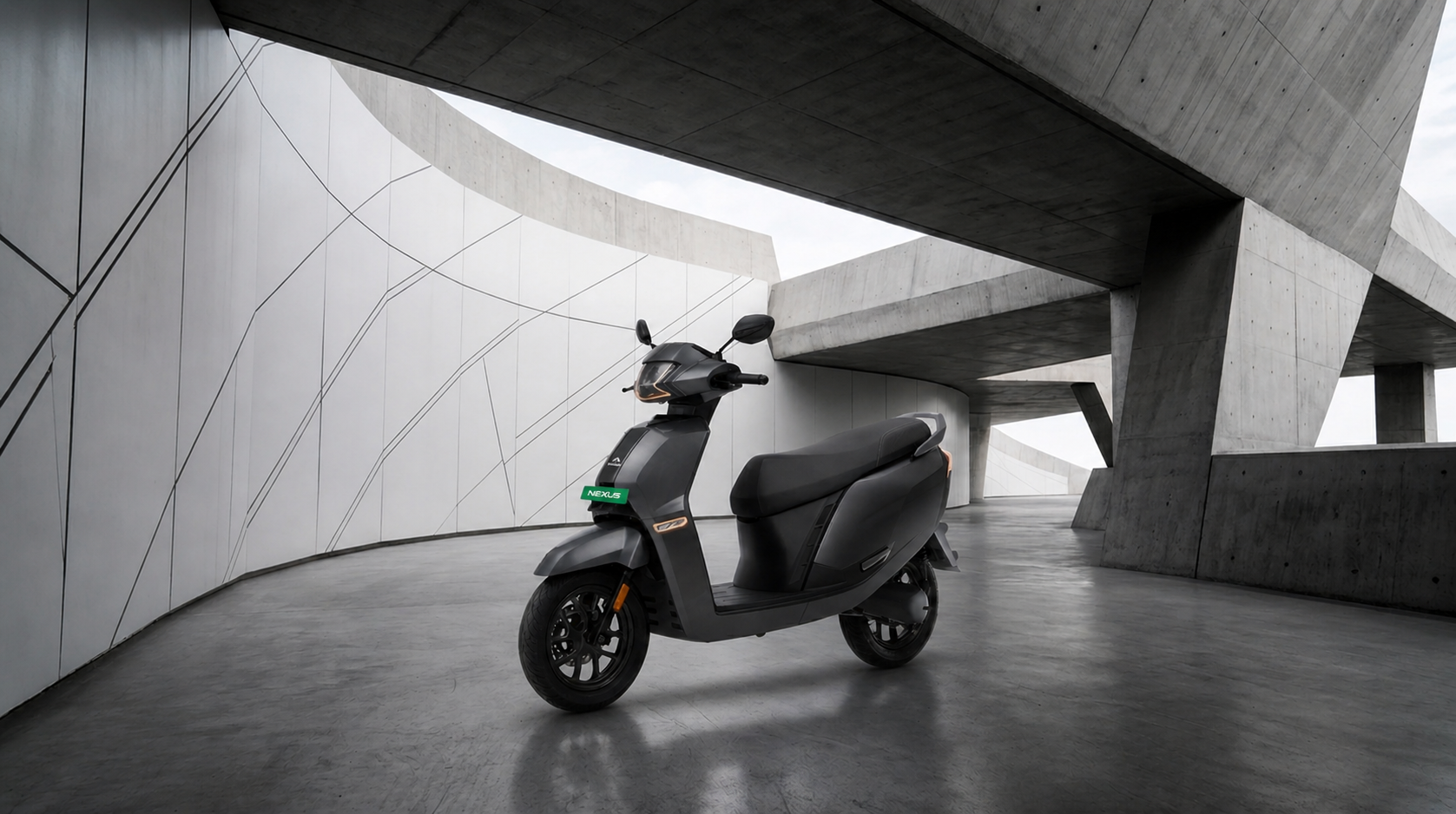
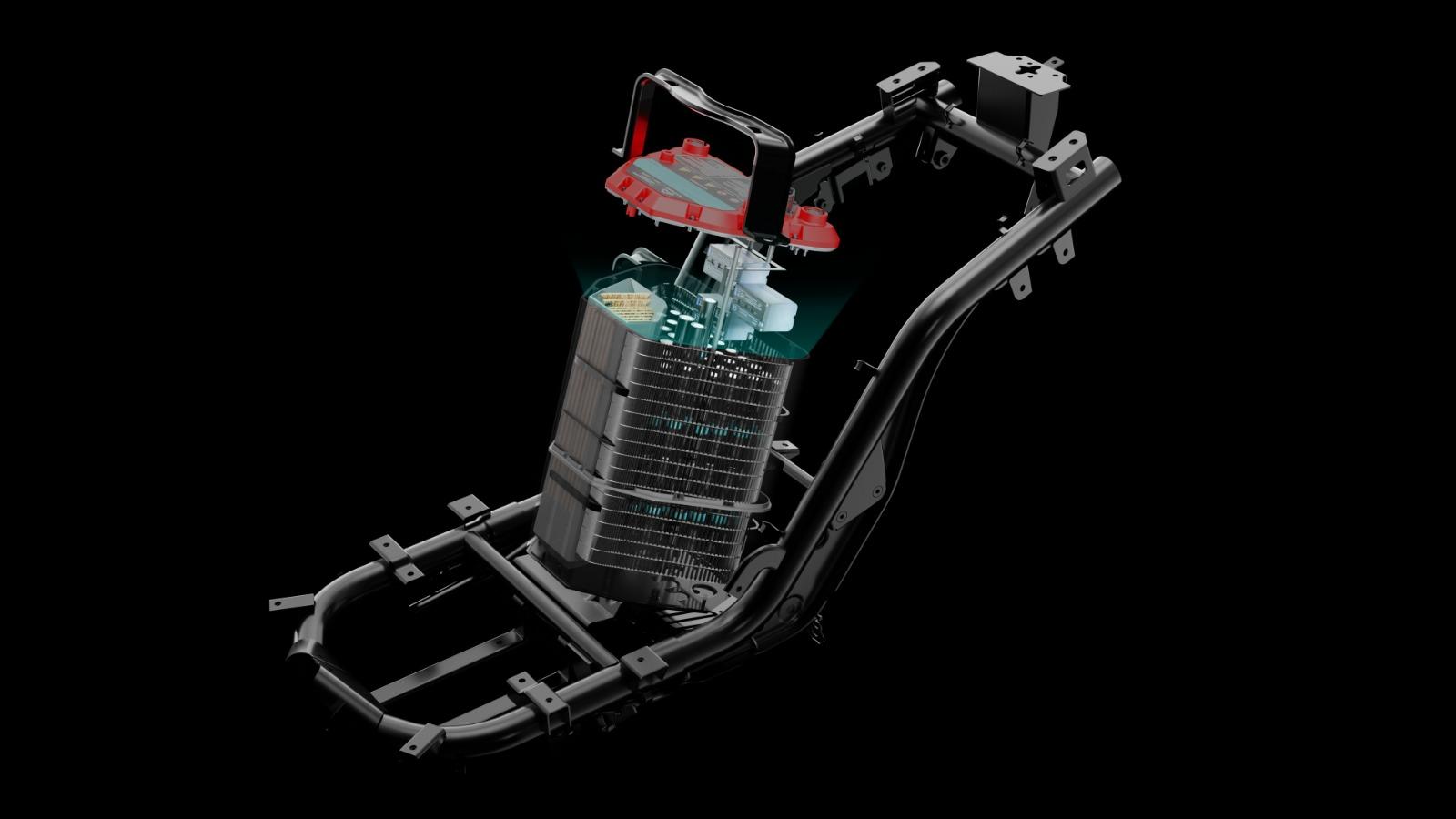
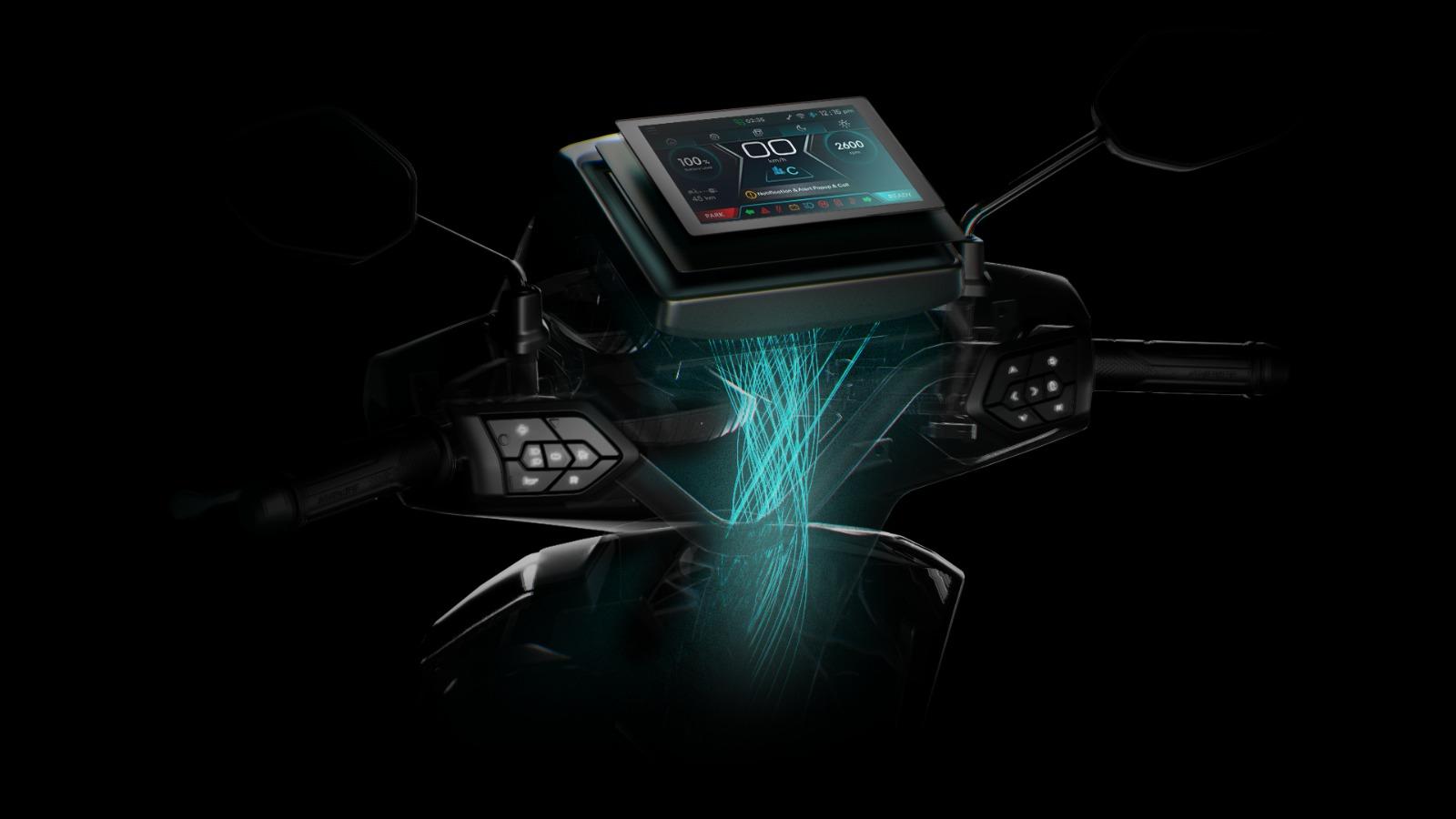
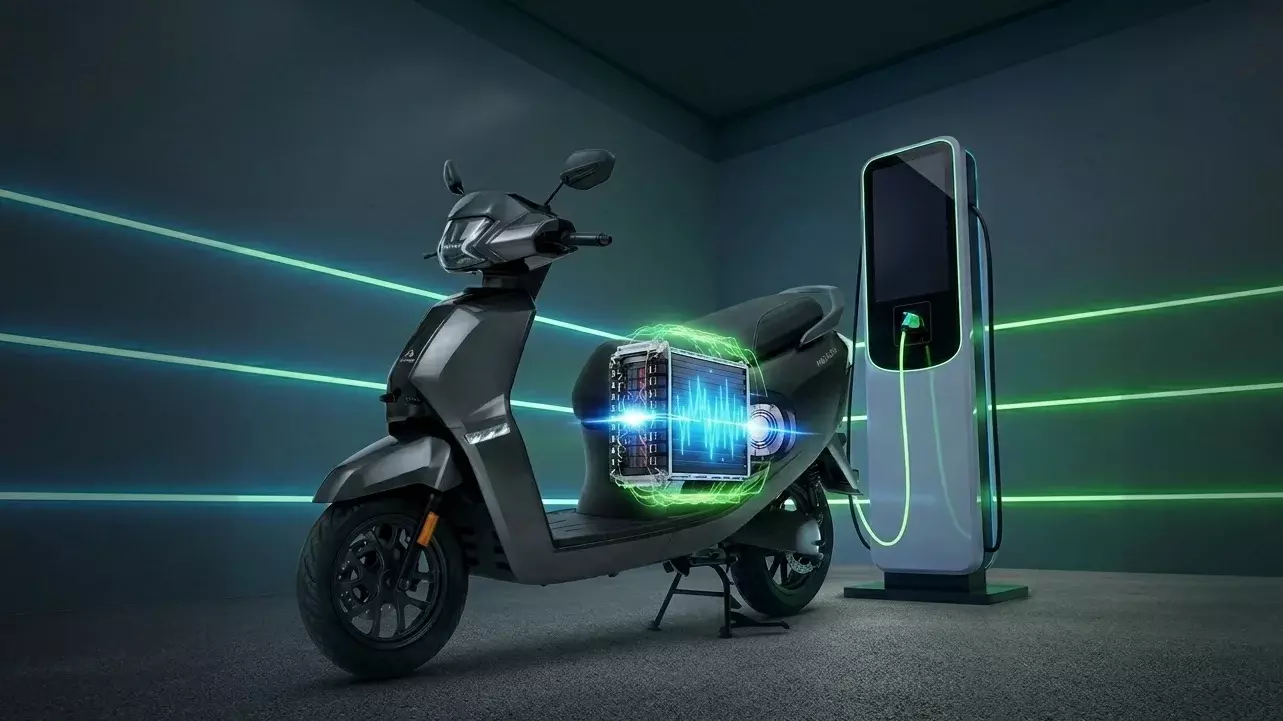
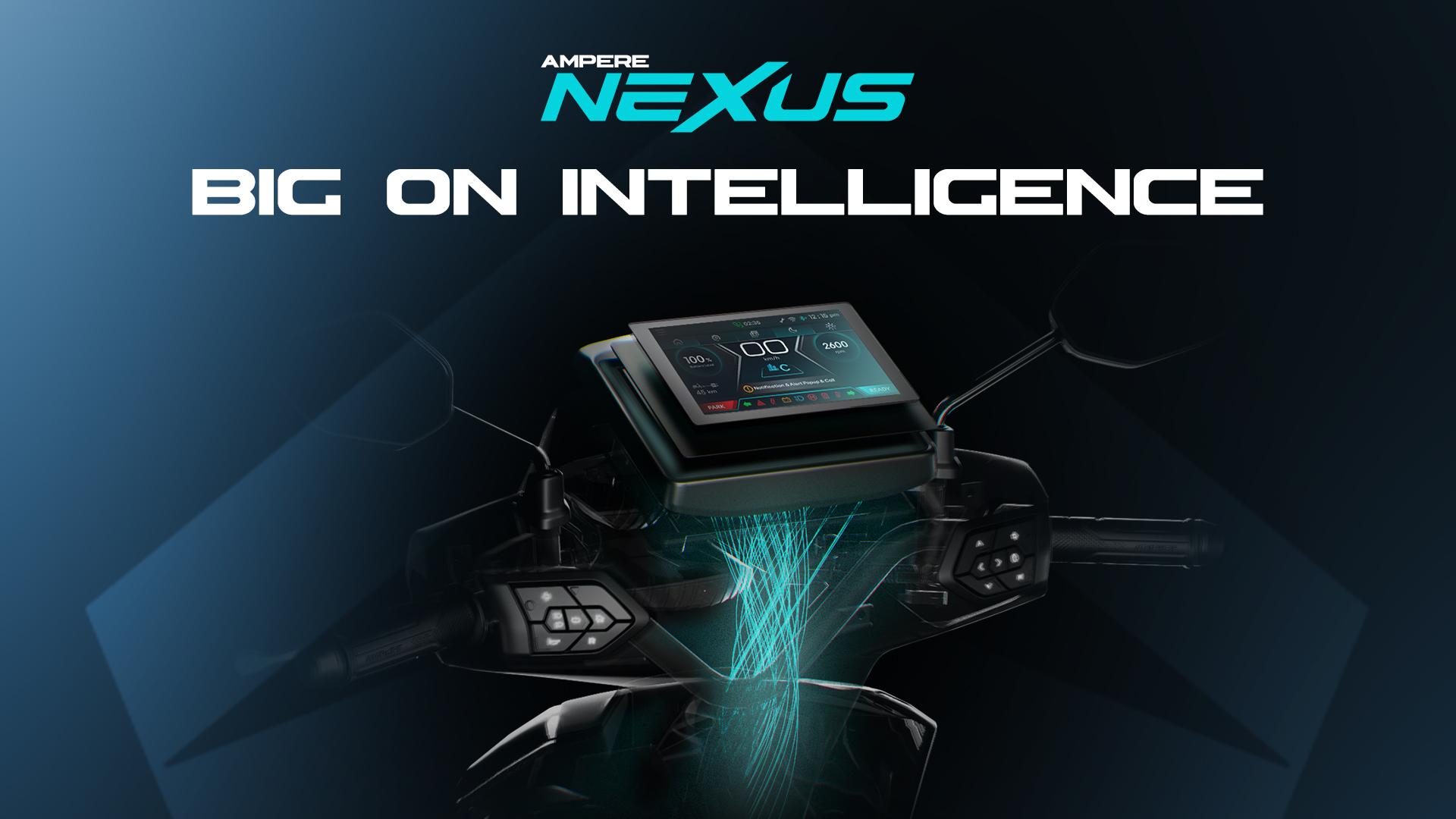
The Nexus uses a battery architecture branded as Nex.Armor, integrated with the Nex.IO connectivity platform. Key capabilities:
- Real-time BMS monitoring of individual cell voltage, temperature, and state of charge
- Active cell balancing — prevents individual cells from overcharging or under-discharging, which are the primary causes of premature capacity loss
- Over-the-air firmware updates — Ampere can push improvements to the BMS's charging algorithms remotely, without requiring a dealer visit
- IP67 sealing — protects the entire battery enclosure against dust and water ingress up to 1 metre depth for 30 minutes
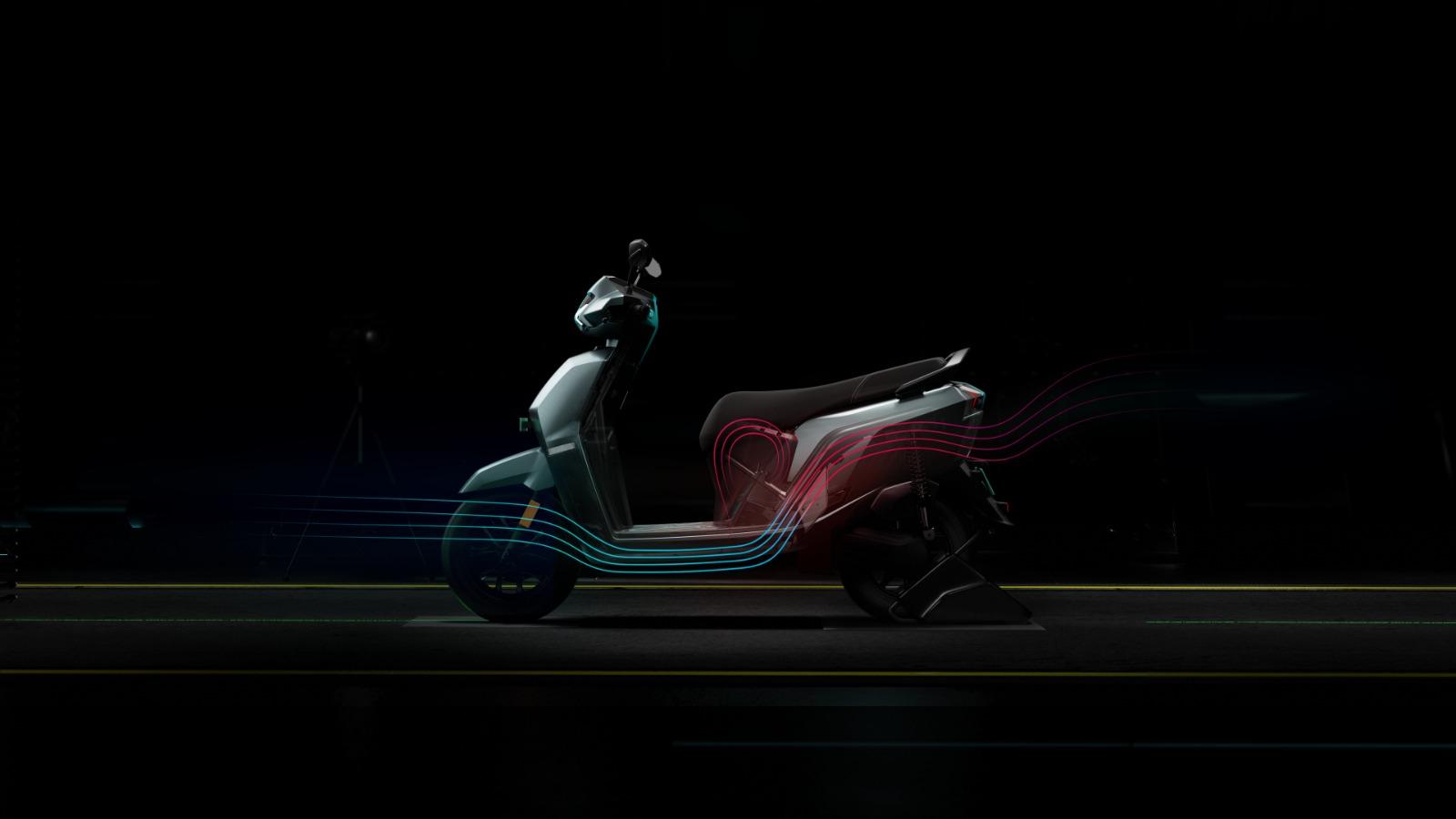
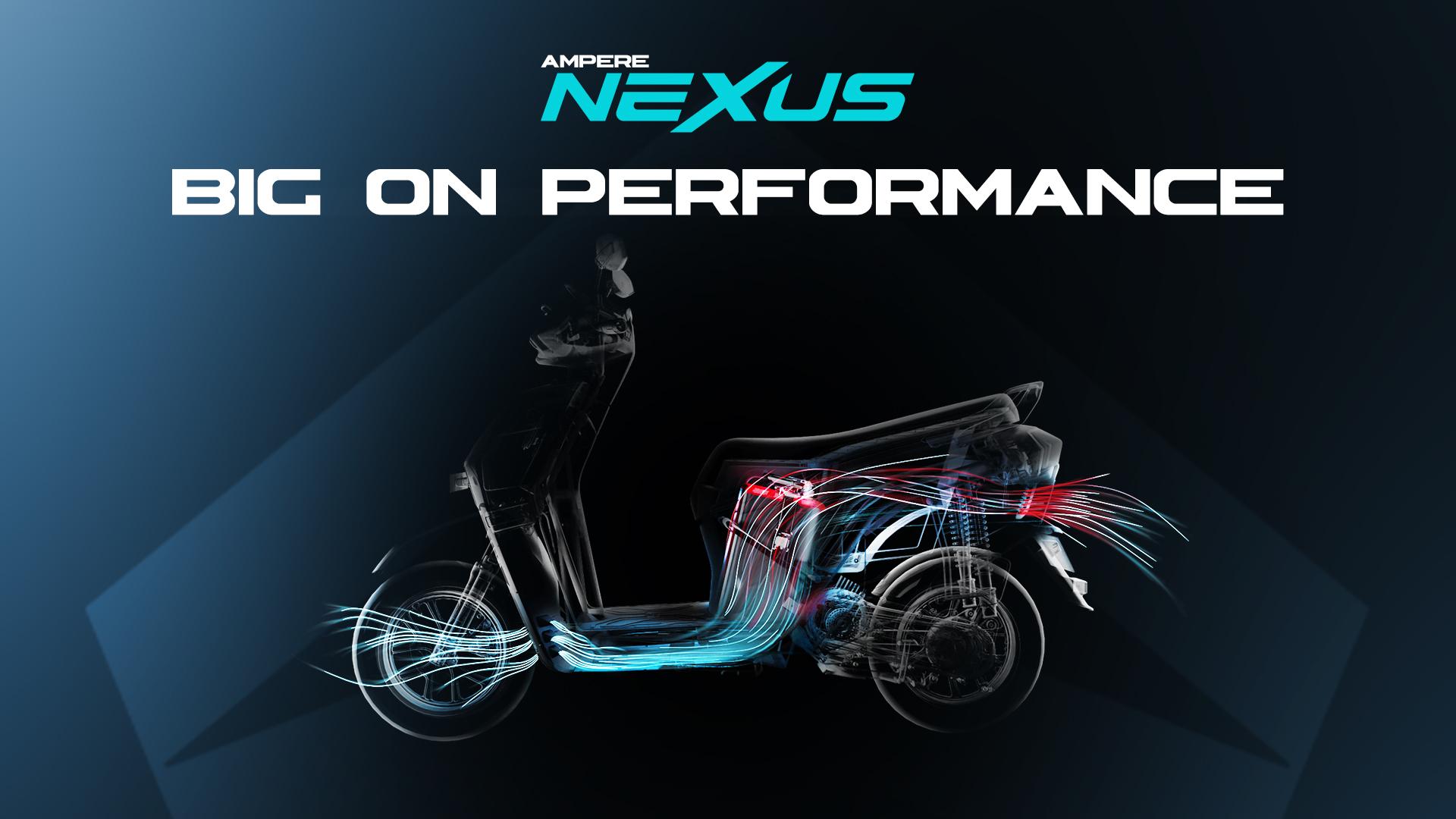
- Thermal management ensuring cell temperature remains within optimal range during fast charging, high-demand hill climbing, and sustained highway riding
Real-World Validation: Three Records, Three Environments
Ampere has not just published specification sheets for its LFP battery — it has validated the technology publicly, in certifiable, third-party-witnessed record attempts across India's most extreme environments:
| Record Attempt | Environment | Battery Challenge | Outcome |
|---|---|---|---|
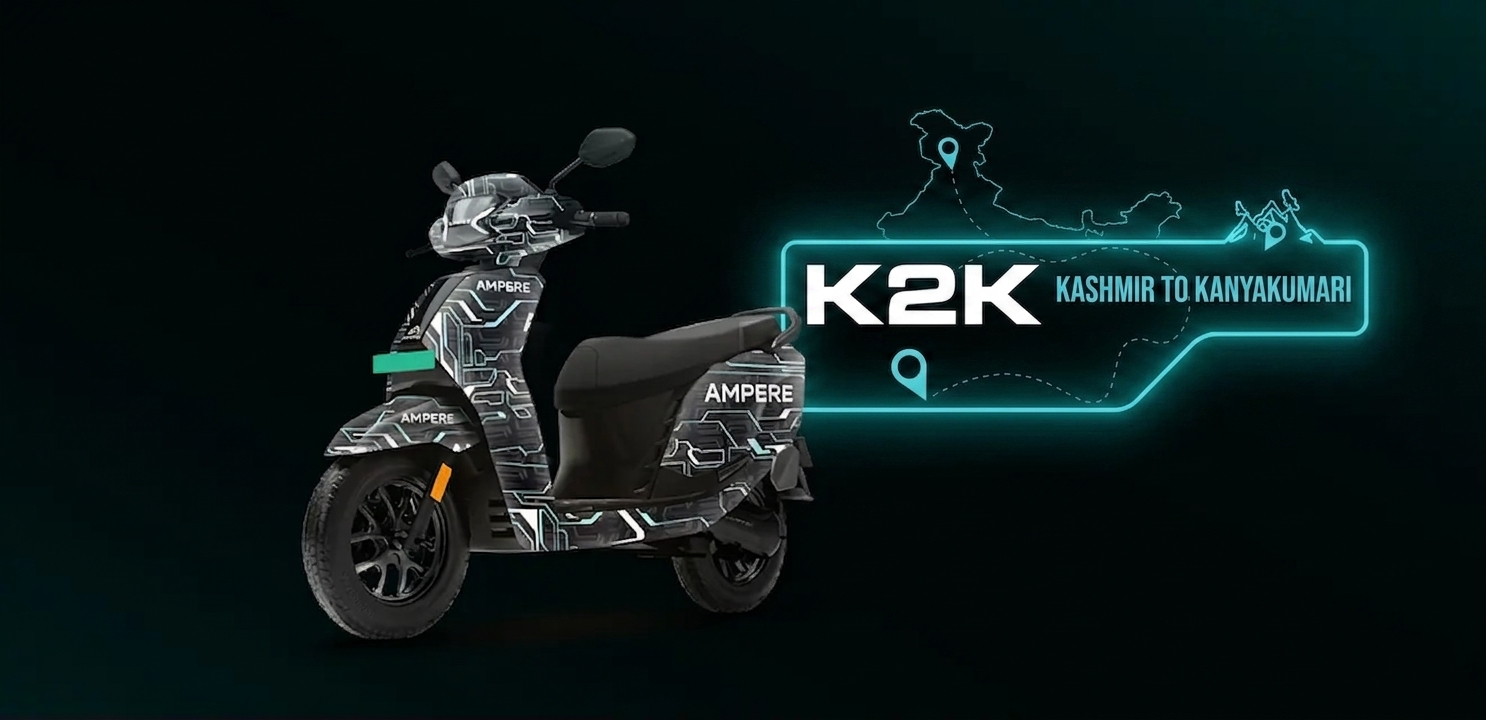
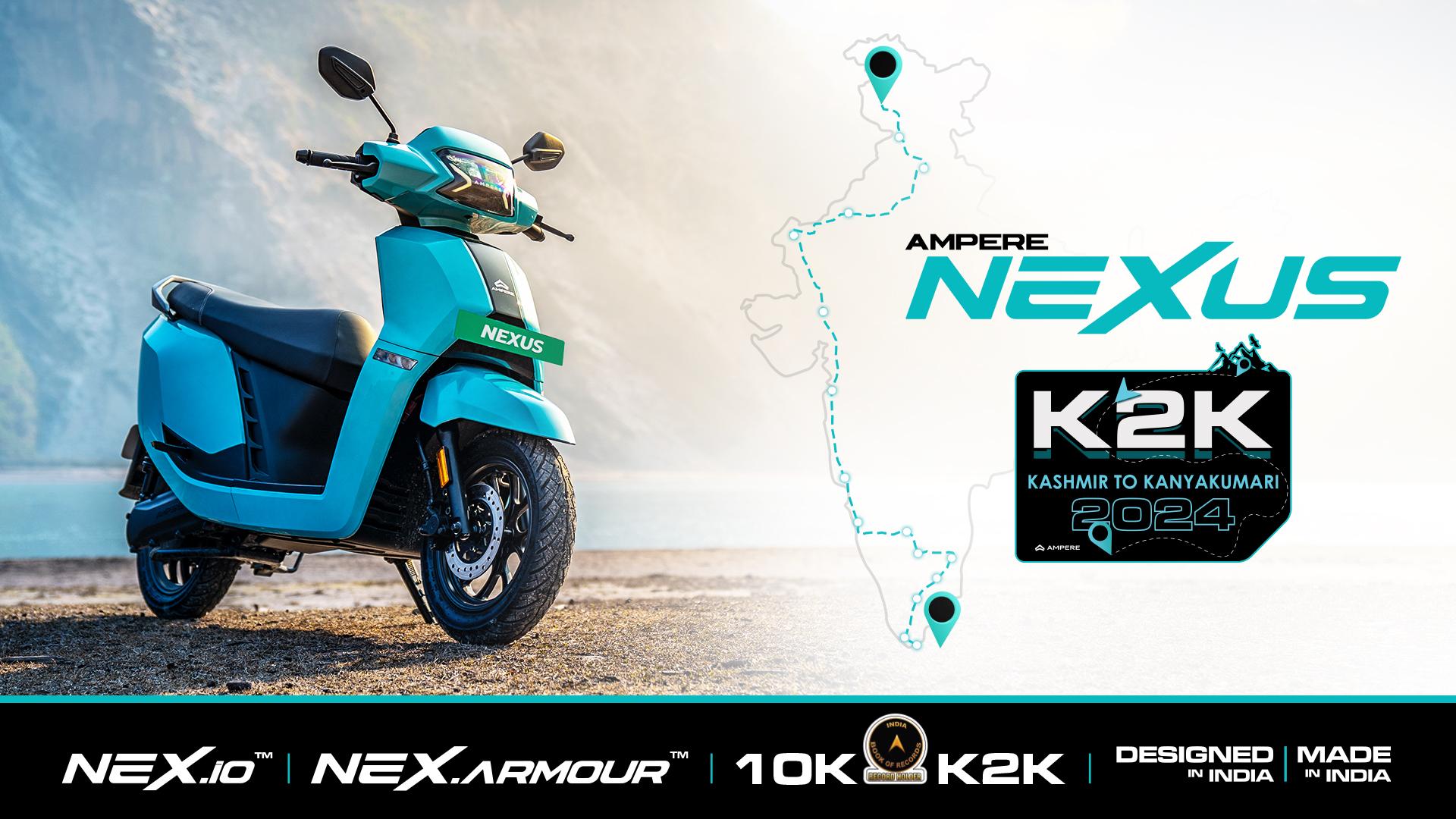
| K2K — 10,000+ km (2024) | Mountain cold to desert heat (J&K to Rajasthan to Tamil Nadu) | Temperature range -5°C to 45°C, 62 days of daily charging | Consistent range maintained — India Book of Records |
| Shipki La — 13,200 ft (2025) | High altitude, near-zero temperature, thin air | High altitude reduces air-cooling effectiveness | First e-scooter to reach this altitude — India Book of Records |
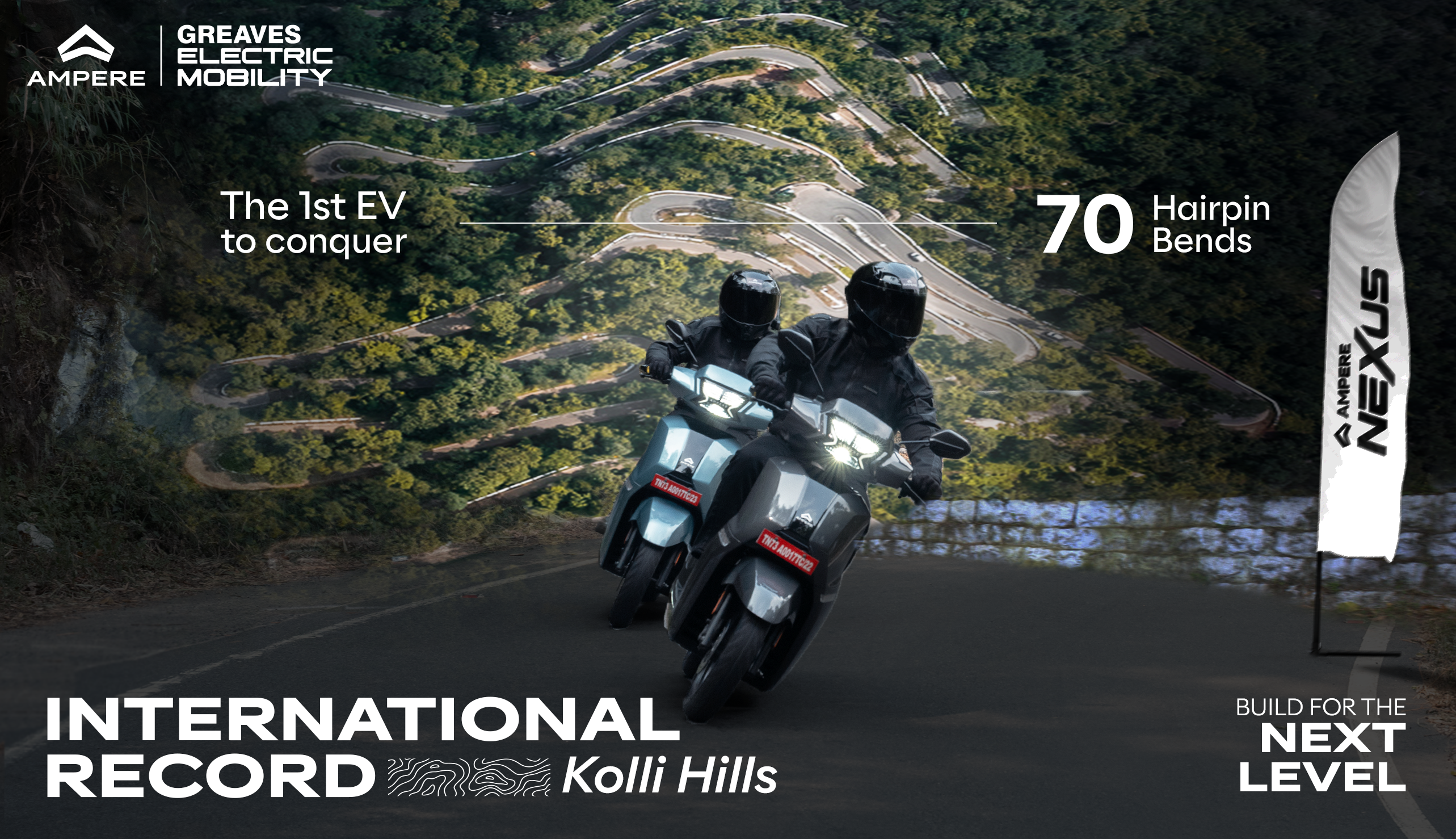
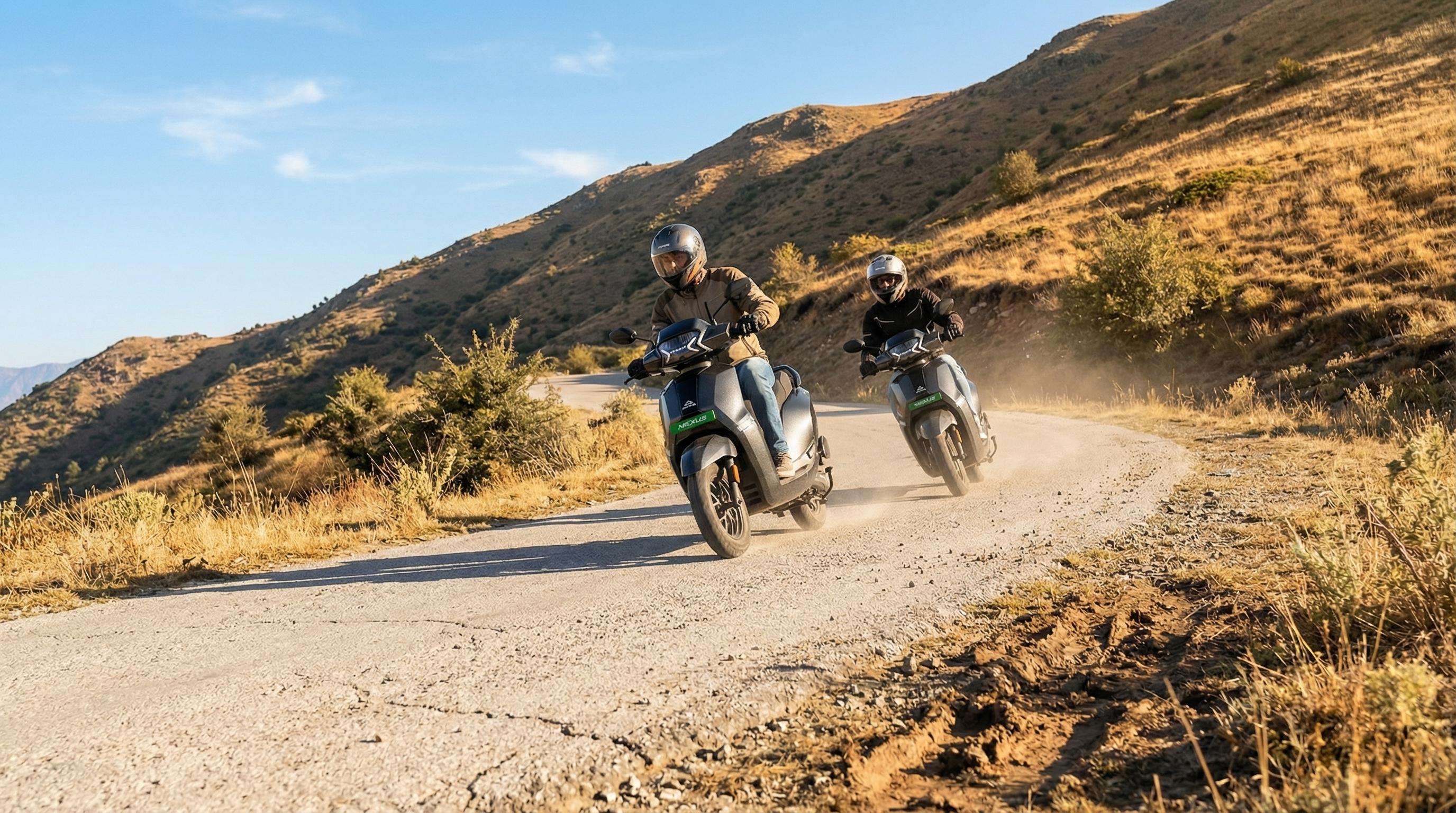
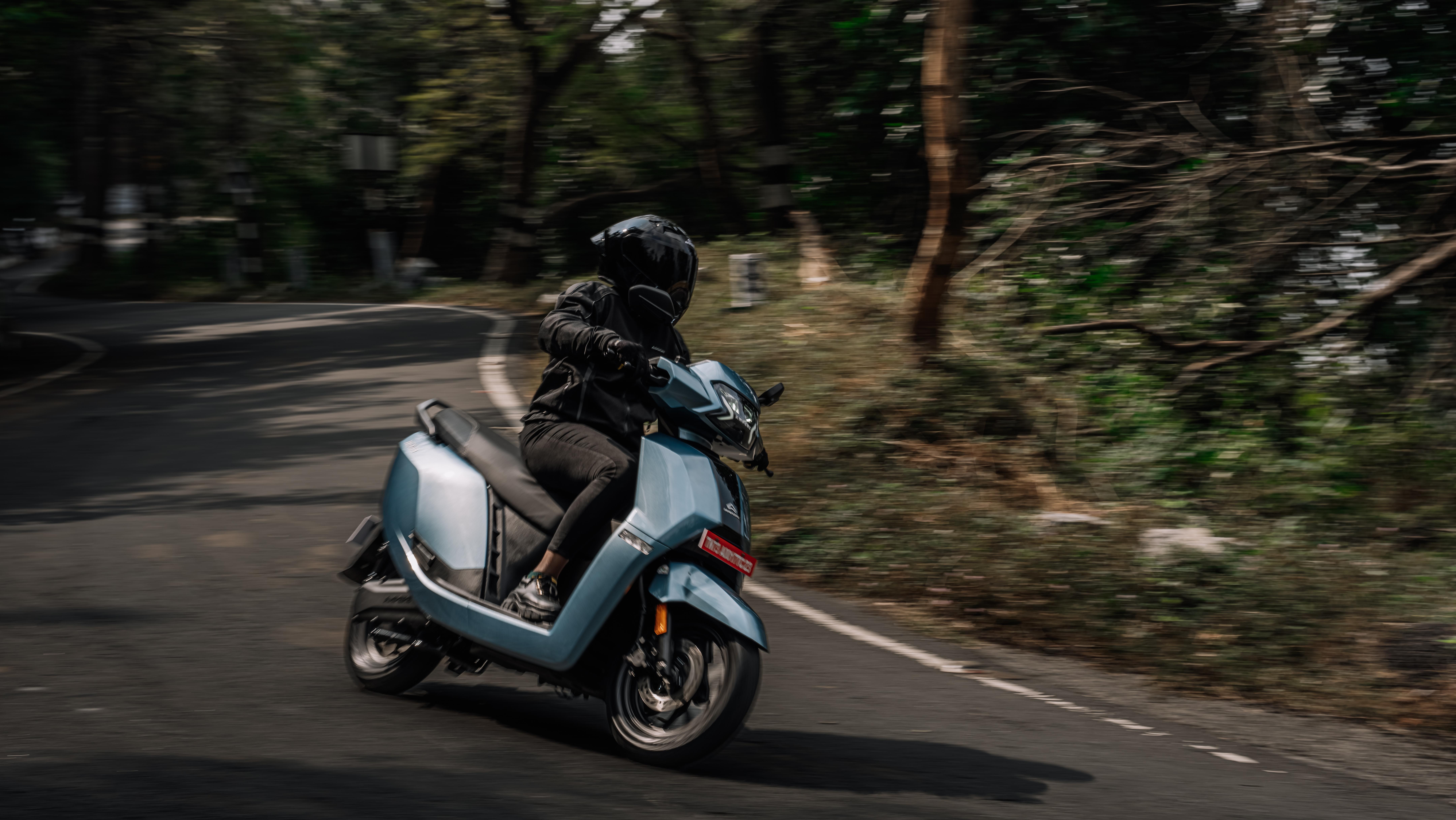
| Kolli Hills — 70 hairpin bends (2026) | Steep gradient, sustained high-demand climb, Tamil Nadu | Sustained high-discharge rate for 22 min without thermal throttling | First e-scooter at Kolli Hills — Asia Book of Records |
What the LFP Advantage Means Over 5 Years of Ownership
For a buyer committing to five years of daily riding, battery chemistry determines whether their scooter is still performing efficiently in year 4 and 5 — or whether they are looking at a significantly reduced range and a potential out-of-warranty battery replacement bill.
| Year | LFP Capacity Retention (Ampere) | NMC Capacity Retention (Indian Summer Use) |
|---|---|---|
| Year 1 | ~100% | ~100% |
| Year 2 | ~97–98% | ~93–95% |
| Year 3 | ~95–96% | ~87–90% |
| Year 4 | ~93–95% | ~81–85% |
| Year 5 | ~90–93% | ~76–80% |
At year 5, an LFP-based Ampere Nexus retains enough capacity for 90–97 km of real-world range — still covering two or three full days of average Indian commuting. A comparable NMC scooter in a similar hot-climate city might be delivering 75–85 km, and could be approaching the need for a battery replacement costing ₹30,000–50,000.
The Broader India EV Battery Ecosystem
India's domestic battery manufacturing ambitions are growing. Under the Production Linked Incentive (PLI) scheme for Advanced Chemistry Cell (ACC) battery storage, the government has allocated over ₹18,000 crore to boost domestic cell production. Companies including Ola Electric, Reliance New Energy, and Amara Raja are building cell manufacturing capacity.
In the interim, the quality of the BMS and thermal management — the domain where Indian manufacturers like Greaves Electric Mobility have invested heavily — remains the primary determinant of battery performance in the Indian market. Ampere's 17 years of EV experience give it a significant advantage in BMS calibration and thermal management for Indian conditions over newer entrants that have been building EVs for 3–5 years.
Frequently Asked Questions
What battery does the Ampere Nexus use?
The Ampere Nexus uses a 3 kWh LFP (Lithium Iron Phosphate) battery with IP67 water and dust resistance, backed by a 5-year/75,000 km warranty. The Magnus Grand uses a 2.3 kWh LFP battery with the same warranty.
Why is LFP battery better for India's climate?
LFP batteries operate safely and consistently from -40°C to 60°C, making them well-suited for India's extreme heat (Rajasthan, Gujarat, Maharashtra summers) and cold (J&K, Himachal Pradesh winters). NMC batteries begin thermal degradation above 40°C.
Is Ampere's battery made in India?
Ampere and its parent, Greaves Electric Mobility, design the BMS, thermal management architecture, and battery pack validation for Indian conditions in India. The company has 17 years of EV-specific experience under Greaves Cotton Limited.
How long does an Ampere LFP battery retain its range?
Under normal daily use in Indian conditions, Ampere's LFP battery retains approximately 90–93% of original capacity by year 5. This means a Nexus delivering 100 km at purchase will still deliver 90–97 km in its fifth year of ownership.
Are EV battery fires a concern for Indian electric scooter buyers?
Battery fires in Indian EVs have primarily involved NMC-chemistry batteries, where thermal runaway was triggered by heat, physical damage, or overcharging. Ampere's LFP chemistry has significantly lower thermal runaway risk due to its chemical stability. The IP67 rating and in-house BMS further reduce risk in Indian riding conditions.
What does the Ampere 5-year battery warranty cover?
The warranty covers manufacturing defects and capacity degradation beyond acceptable performance thresholds within 5 years or 75,000 km, whichever comes first. It covers both the battery cells and the battery management system on the Nexus and Magnus Grand.