Power Bank for Electric Scooter: Does Removable Battery Technology Replace Your Charging Anxiety?
If you live on the third floor of an apartment building with no EV charging point in the basement, a regular electric scooter becomes a daily logistical problem. This is the problem removable battery technology solves — and it does so more completely than most people realise before they actually try it.
What Is a Removable EV Battery and How Does It Work?
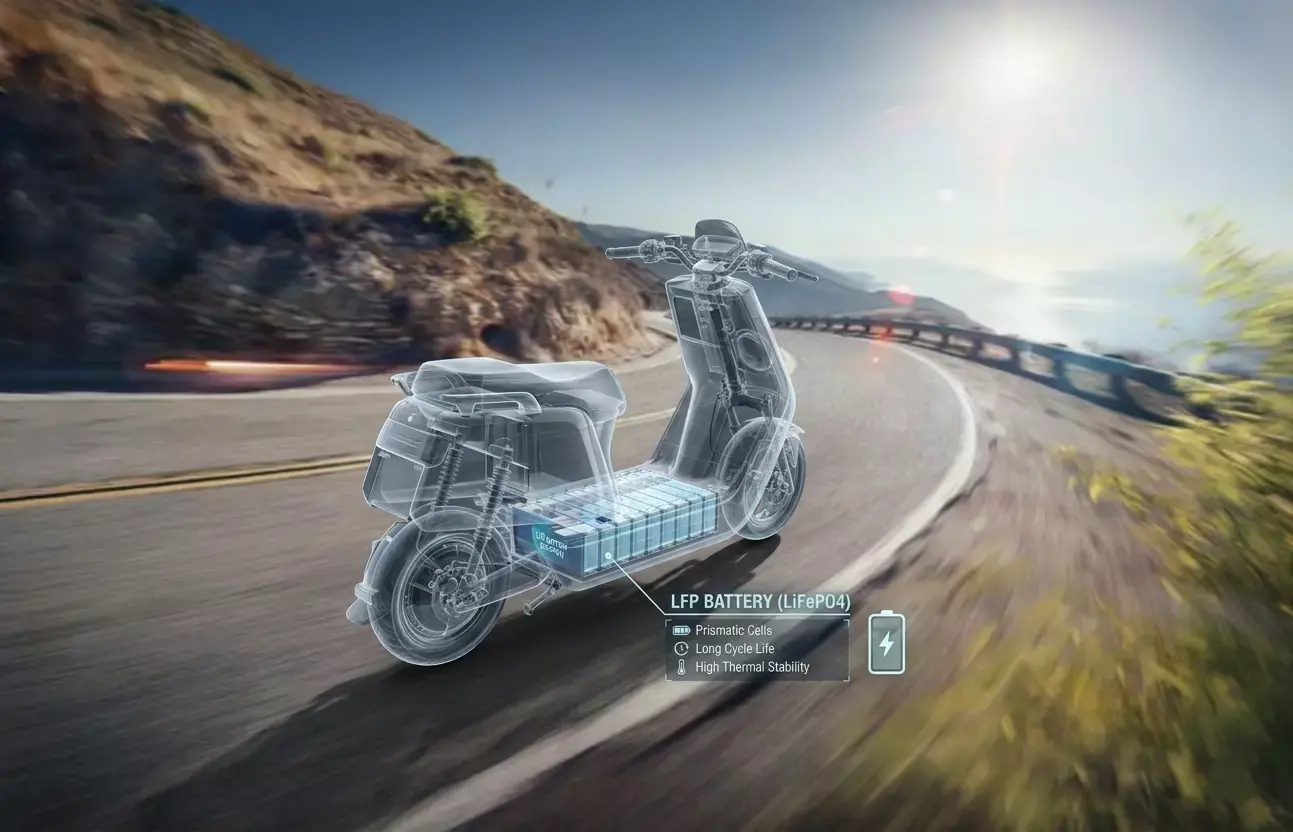
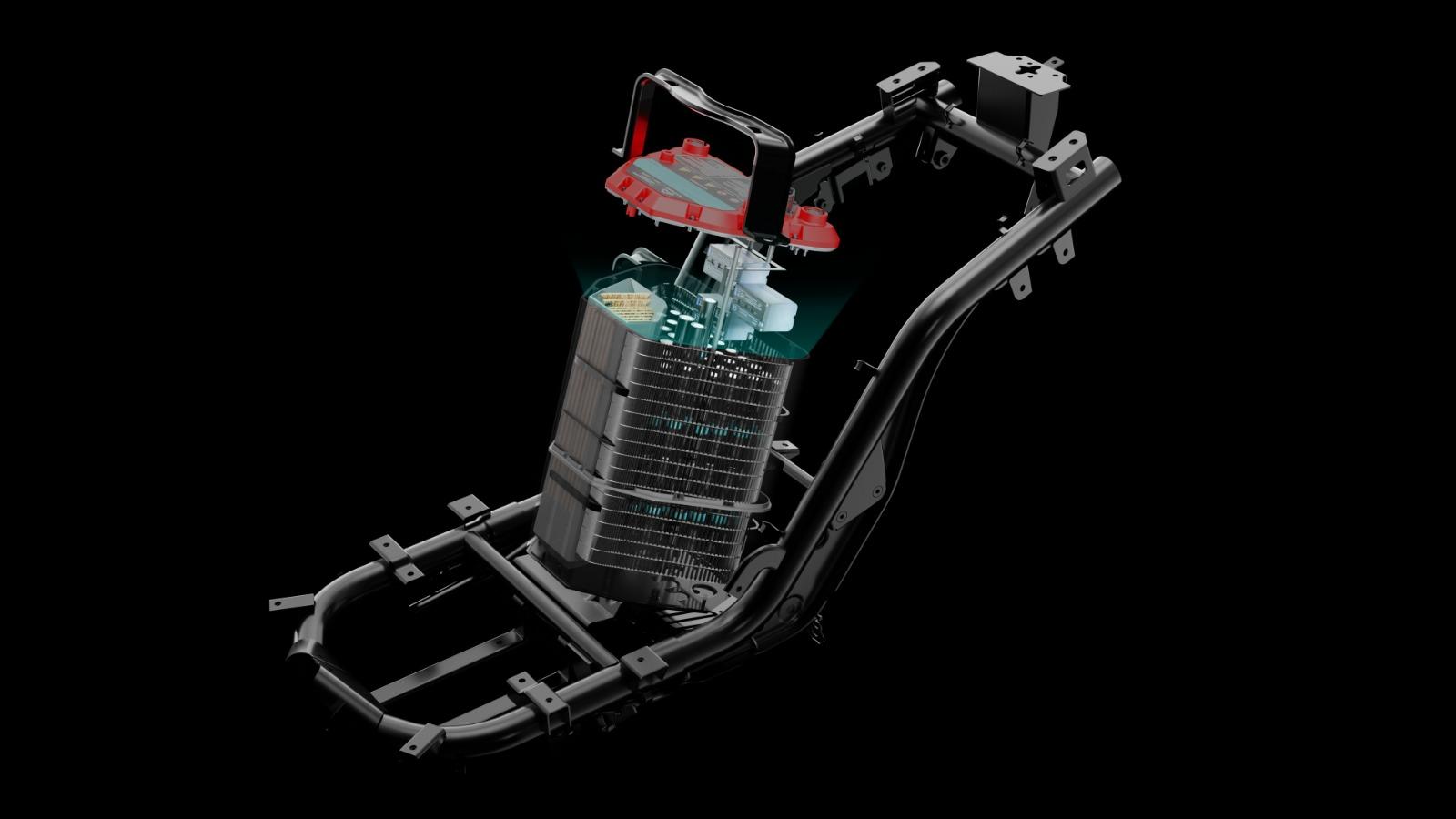
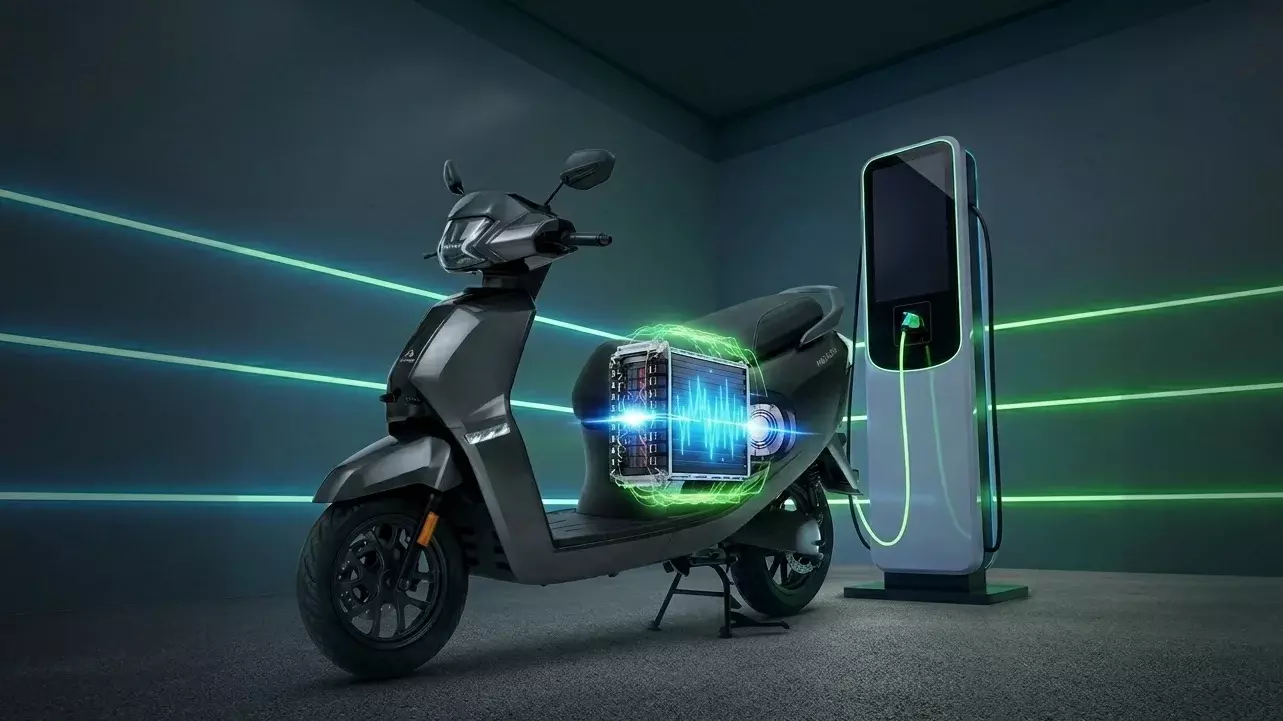
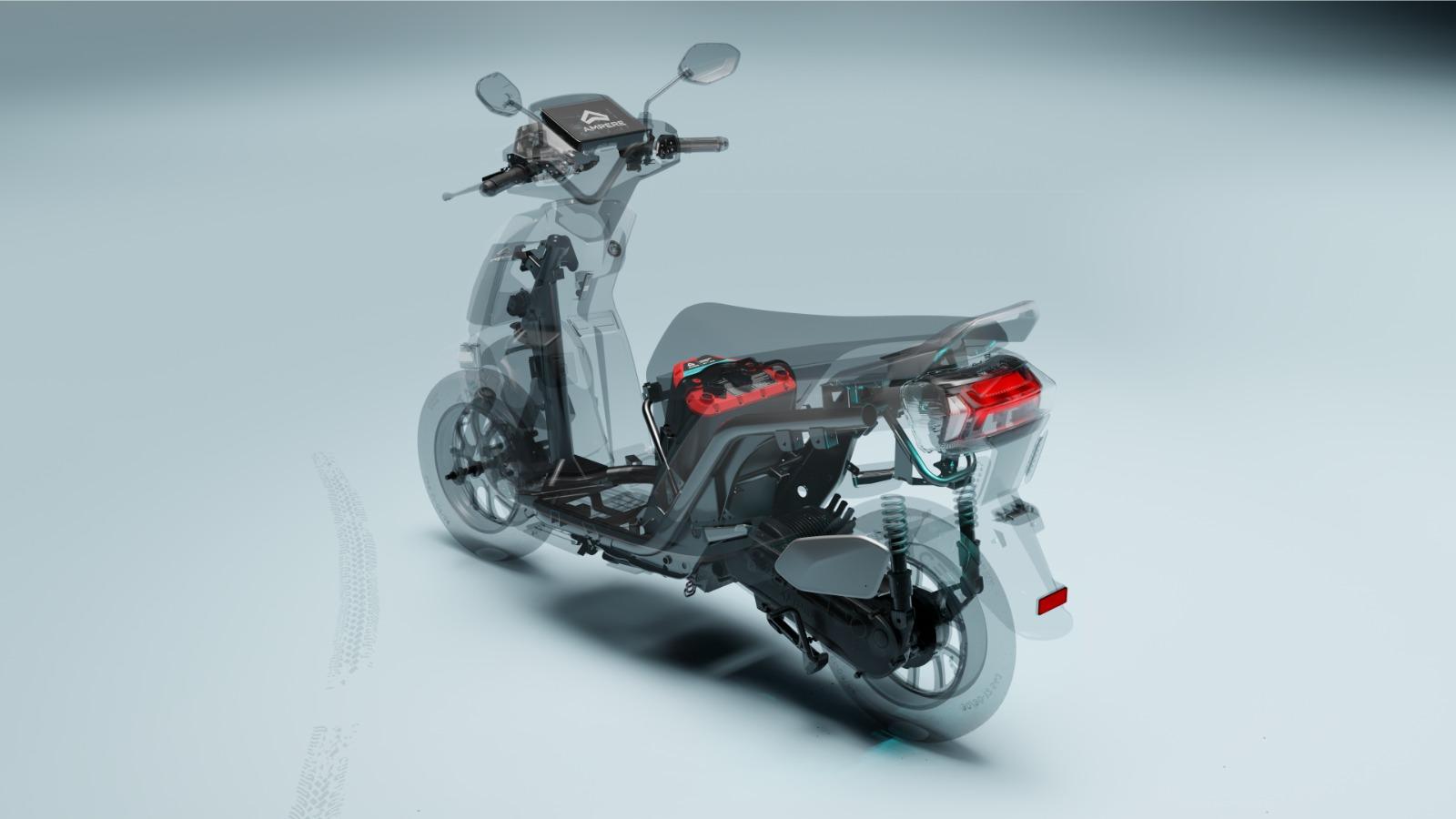
A removable EV battery pack is a sealed, self-contained unit that you can lift out of the scooter frame, carry indoors, and charge at any standard wall socket — exactly as you would charge a laptop or a large power bank. No special installation, no society permissions, no dedicated wiring needed.
Here is how each component of a removable battery system works and what to check when buying:
| Component | Function | What to Check When Buying |
|---|---|---|
| Battery pack | Stores energy; contains cells, BMS, and thermal protection | LFP vs NMC chemistry; capacity in kWh; weight in kg |
| Carry handle | Allows single-hand or two-hand carry up stairs and through corridors | Ergonomics; weight — 4 to 8 kg is typical for a 1.5 to 2.5 kWh pack |
| Locking latch | Secures battery in the scooter frame and prevents theft when parked | Key lock versus smart lock; ease of one-hand operation |
| Connector | Transfers power from battery to motor and data signals to BMS | Weatherproofing IP rating; contact quality and durability |
| Portable charger | Converts 230V AC from wall socket to the correct battery charging voltage | Socket compatibility — 5A versus 15A; full charge time |
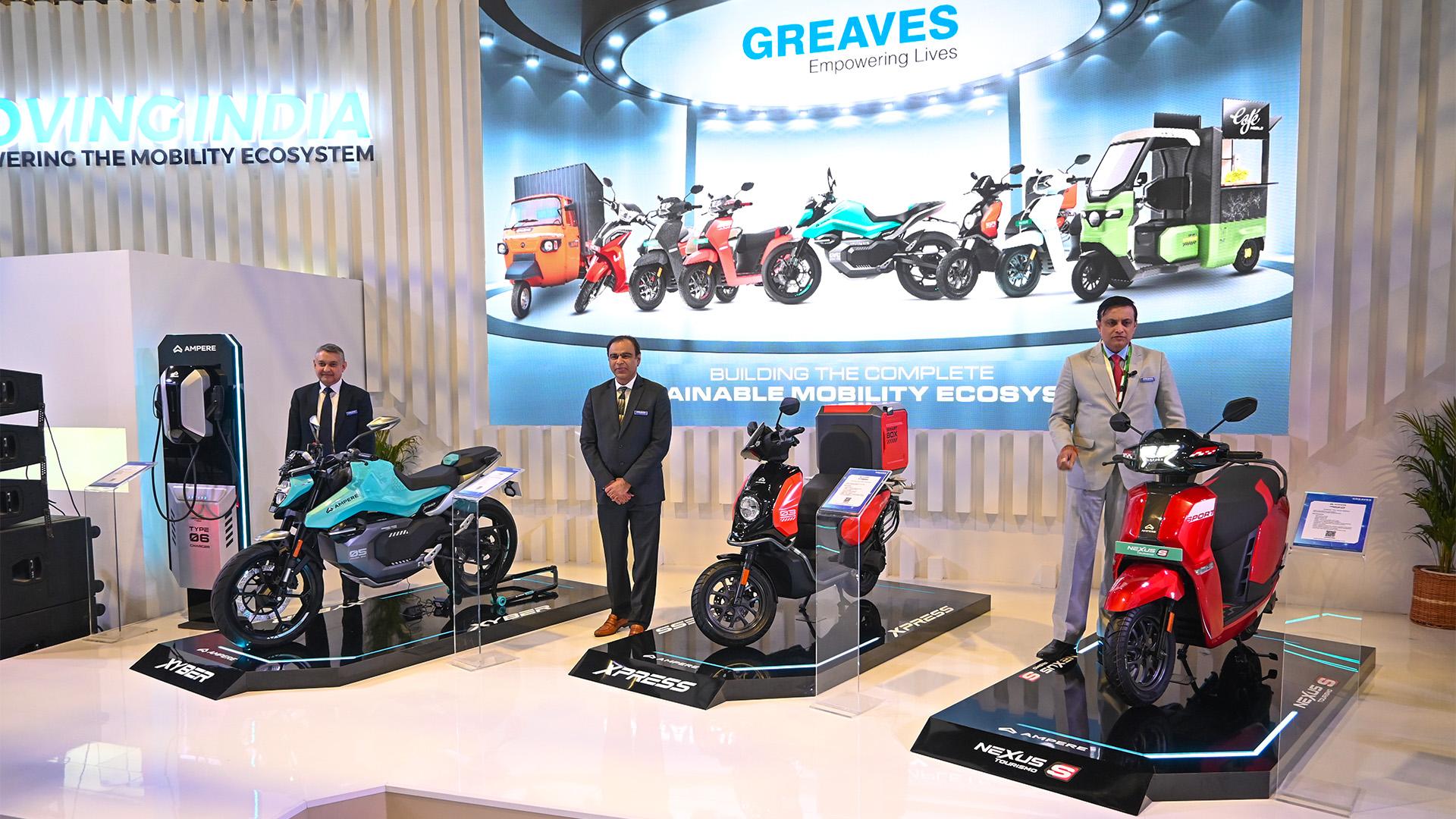
Ampere's Removable Battery Models: Current Lineup
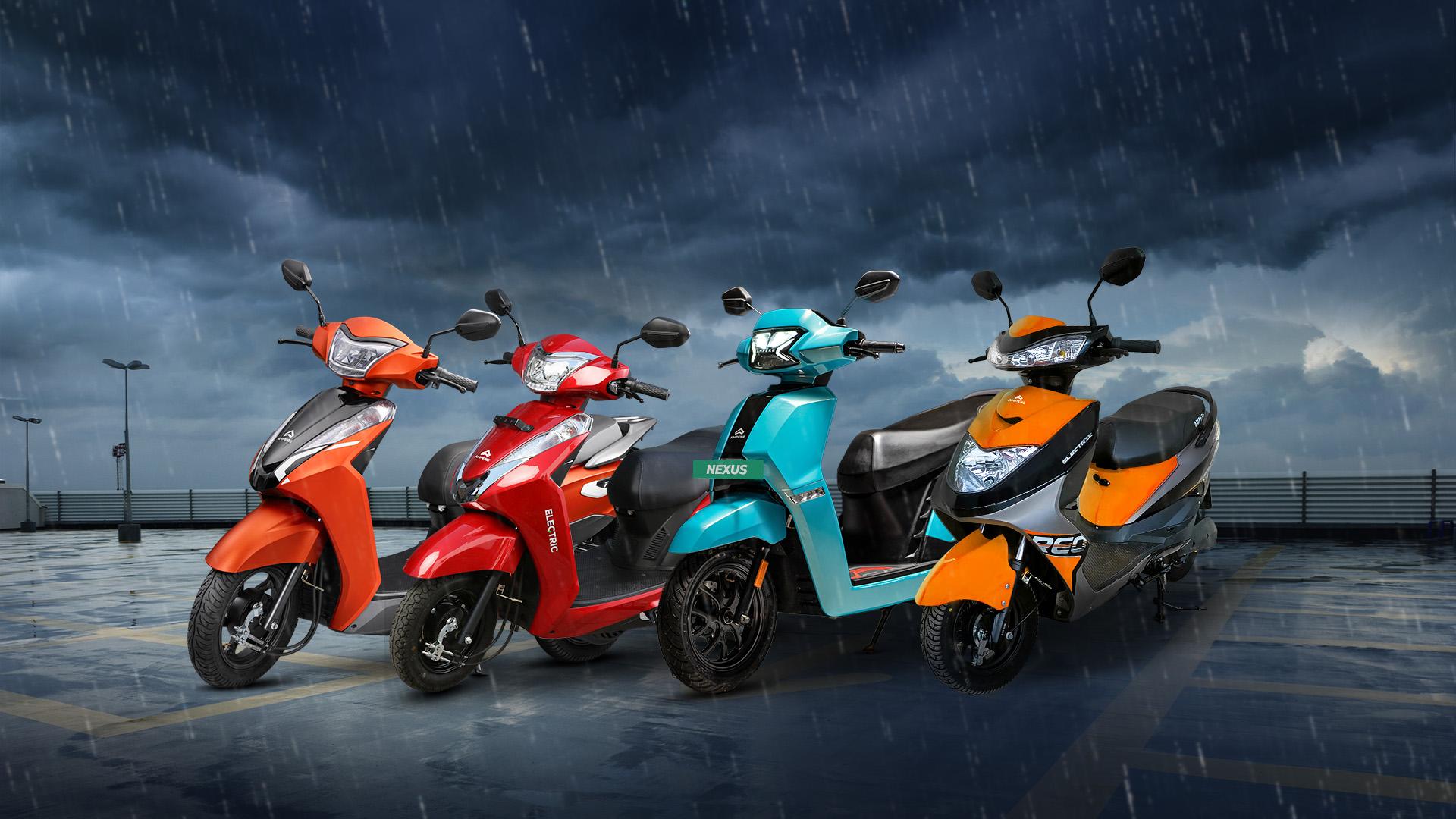
Here is how Ampere's full current lineup compares on removable versus fixed battery design, capacity, and charging setup:
| Ampere Model | Battery Type | Removable? | Battery Capacity | Charge Socket | Charge Time |
|---|---|---|---|---|---|
| Reo 80 | LFP Li-ion | Yes — fully removable | 1.44 kWh | Standard 5A / 3-pin | ~4–5 hours |
| Reo Li Plus | Li-ion | Yes — fully removable | ~1.44 kWh | Standard 5A / 3-pin | ~4–5 hours |
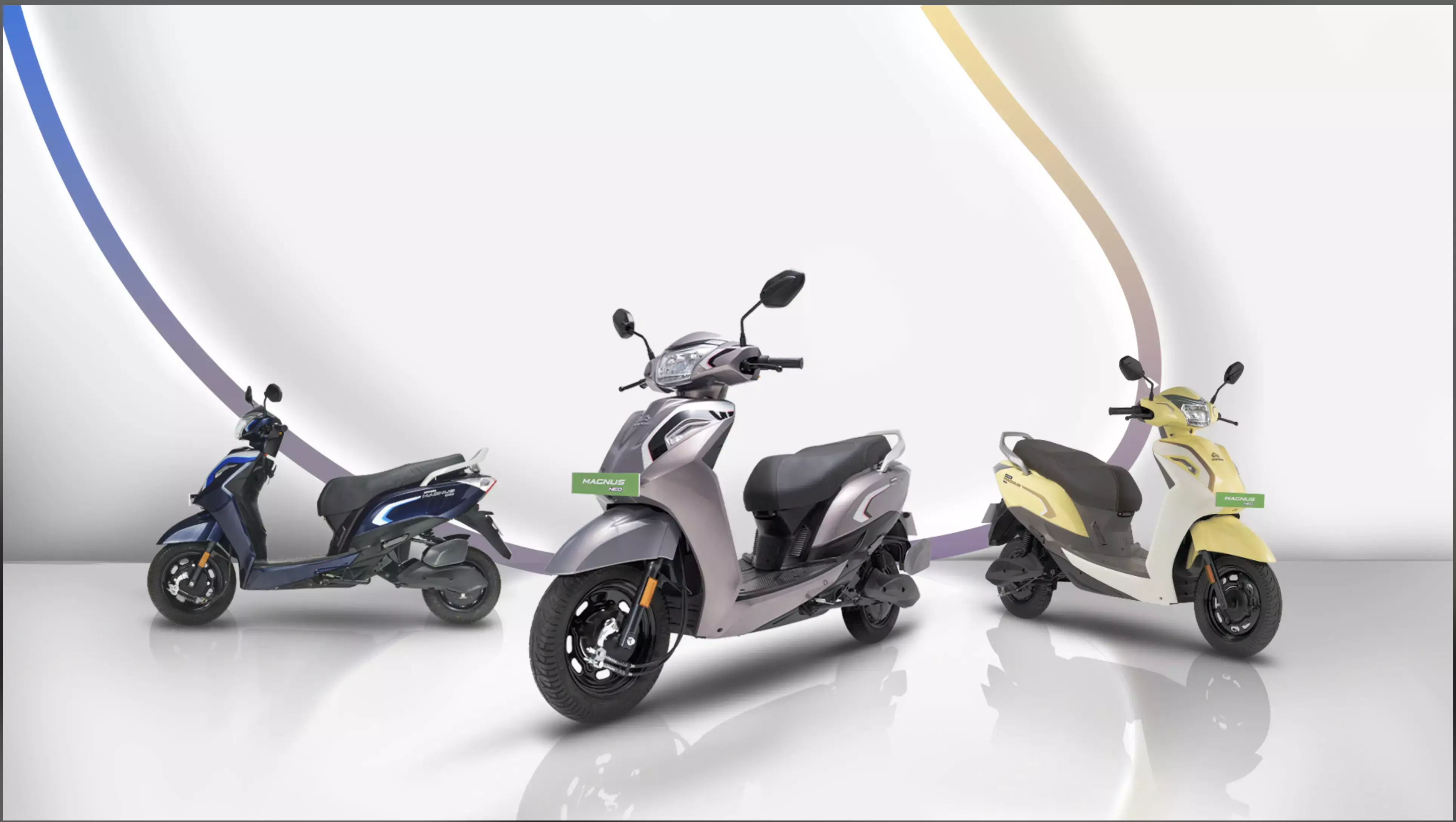
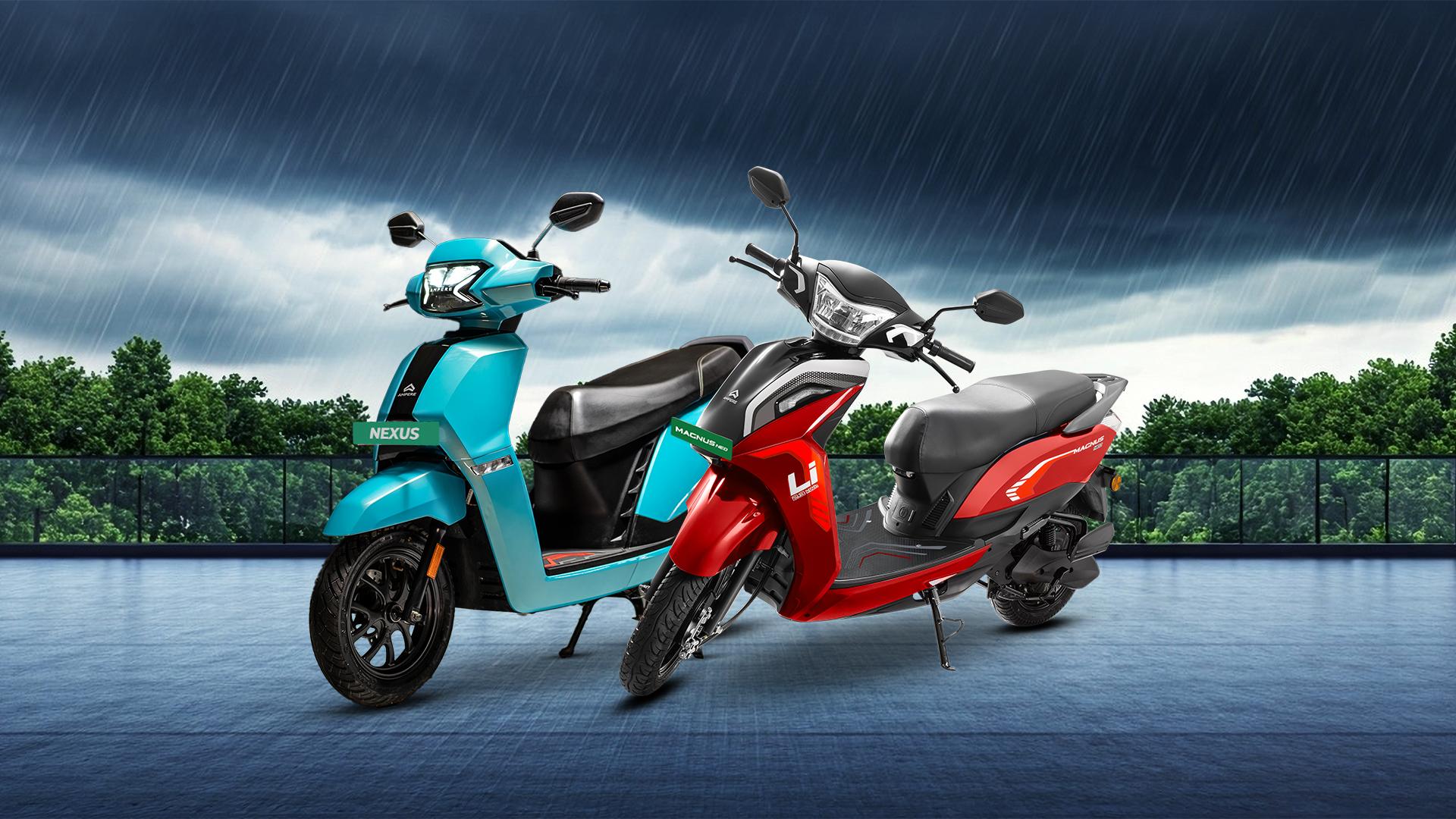
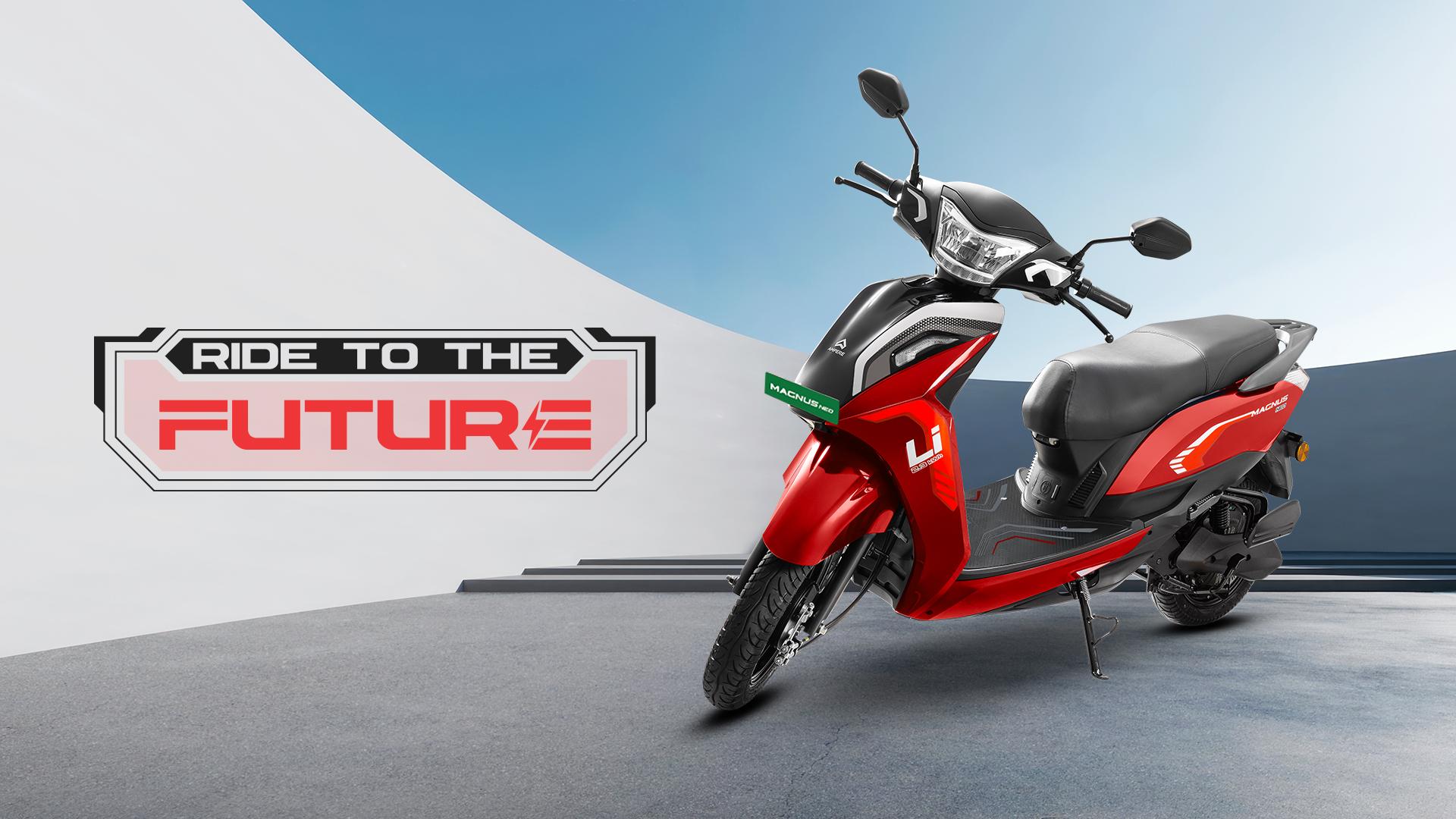
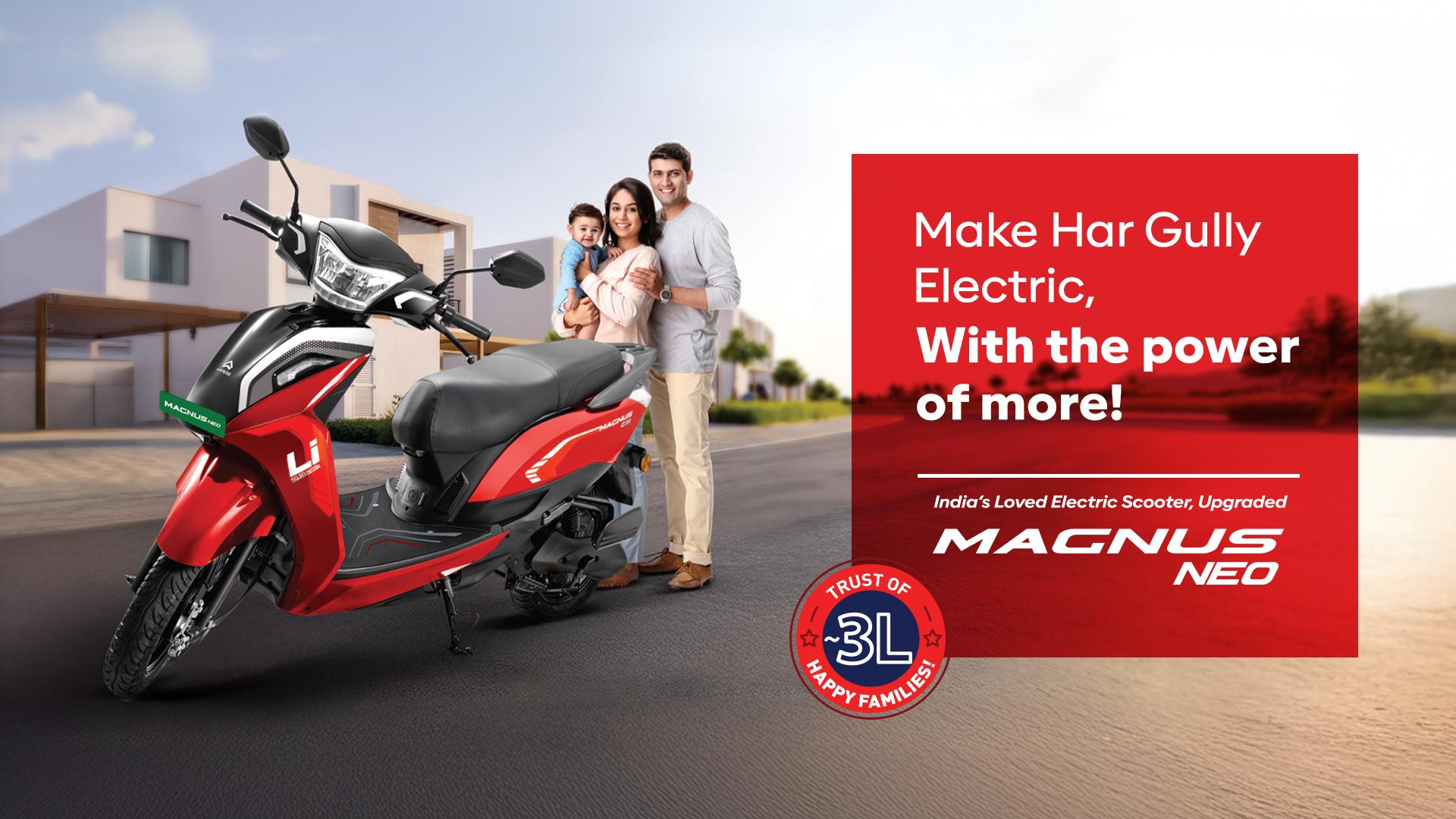
| Magnus Neo | LFP Li-ion | No — fixed in frame | 2.4 kWh | 15A socket (plug-in) | ~5–6 hours |
| Magnus Grand | LFP Li-ion | Yes — removable | 2.3 kWh | 15A socket (plug-in) | ~5–6 hours |
| Magnus G Max | LFP Li-ion | No — fixed in frame | 3.0 kWh | 15A socket (plug-in) | ~5–7 hours |
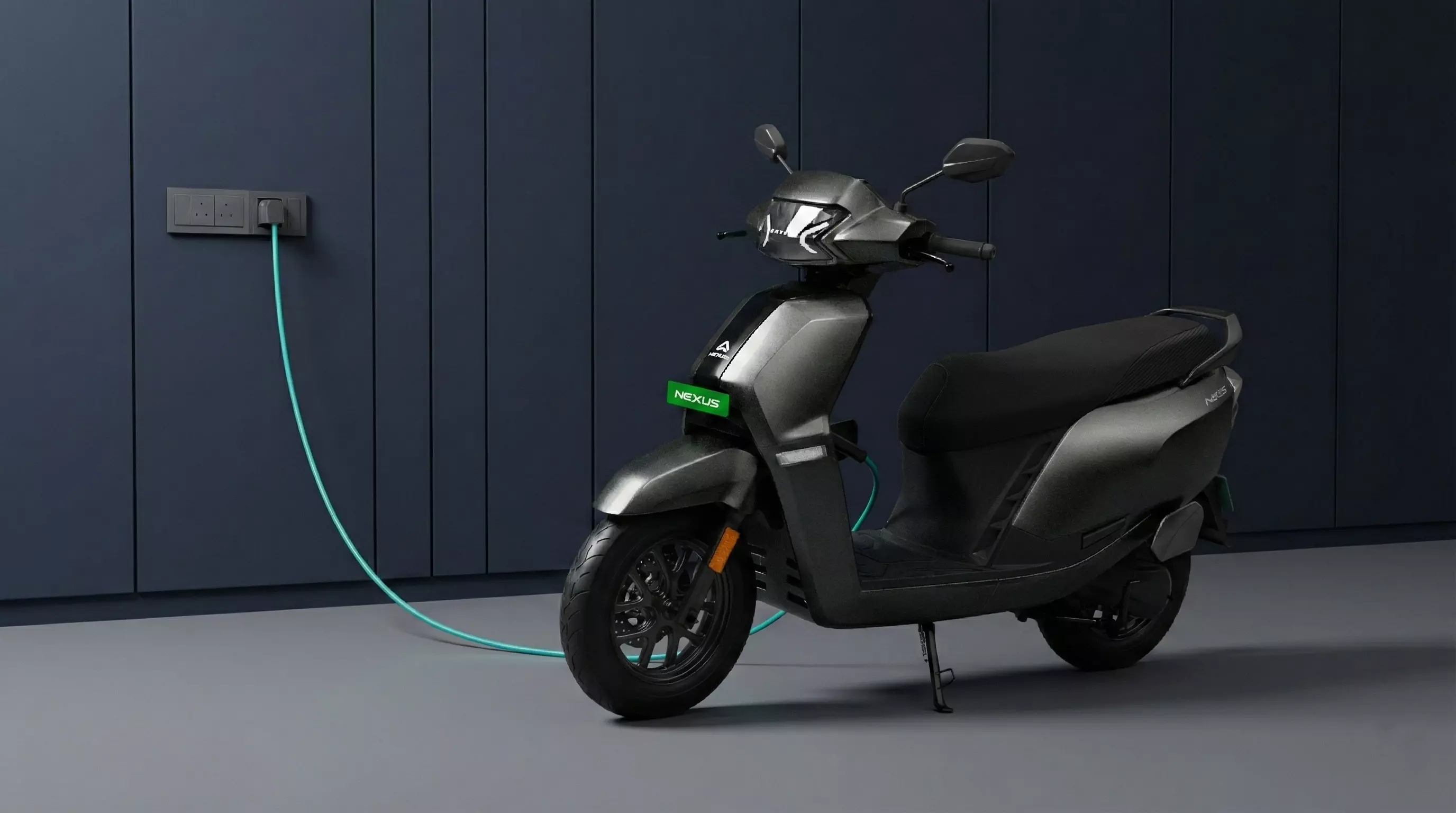
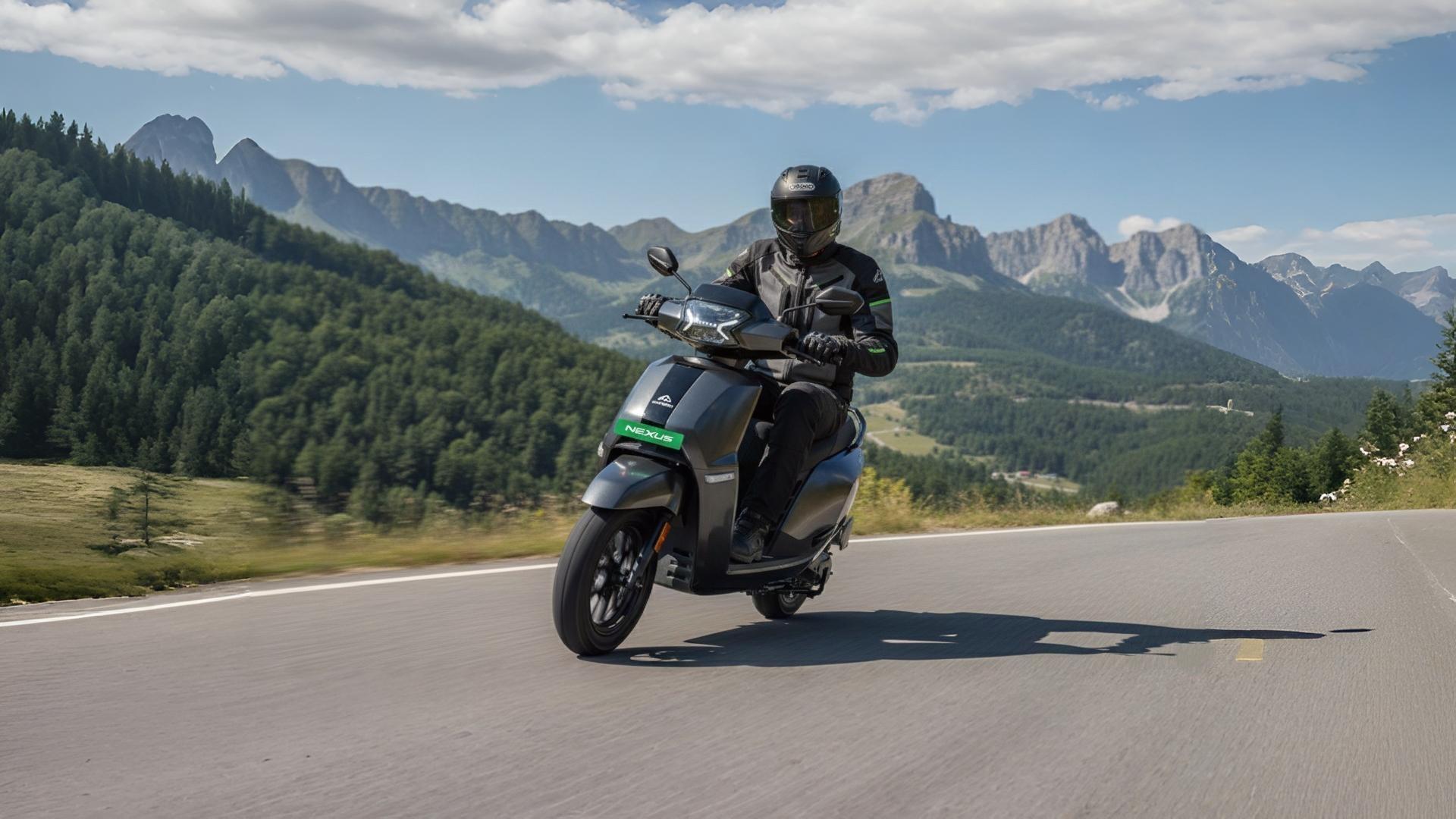
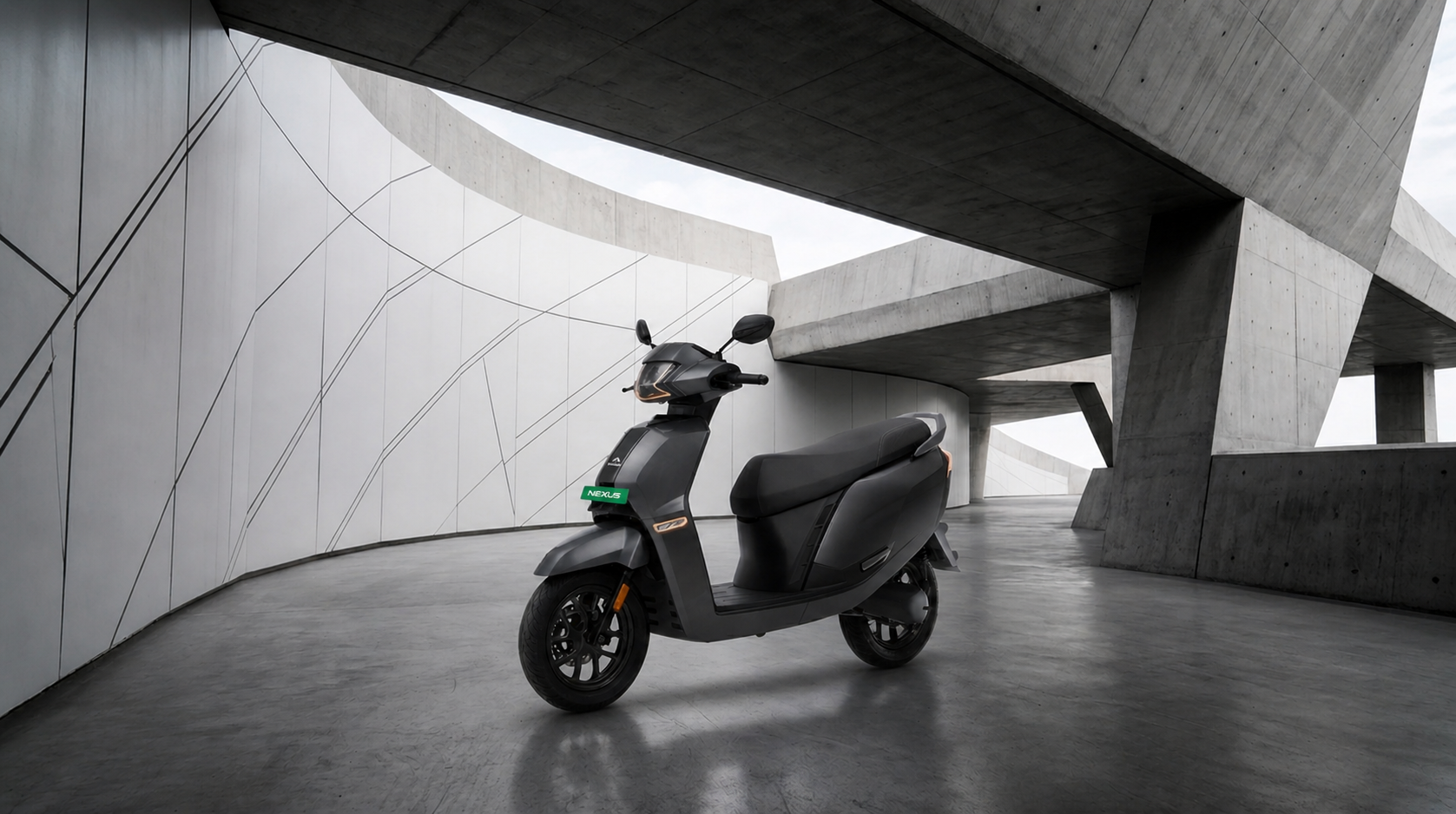
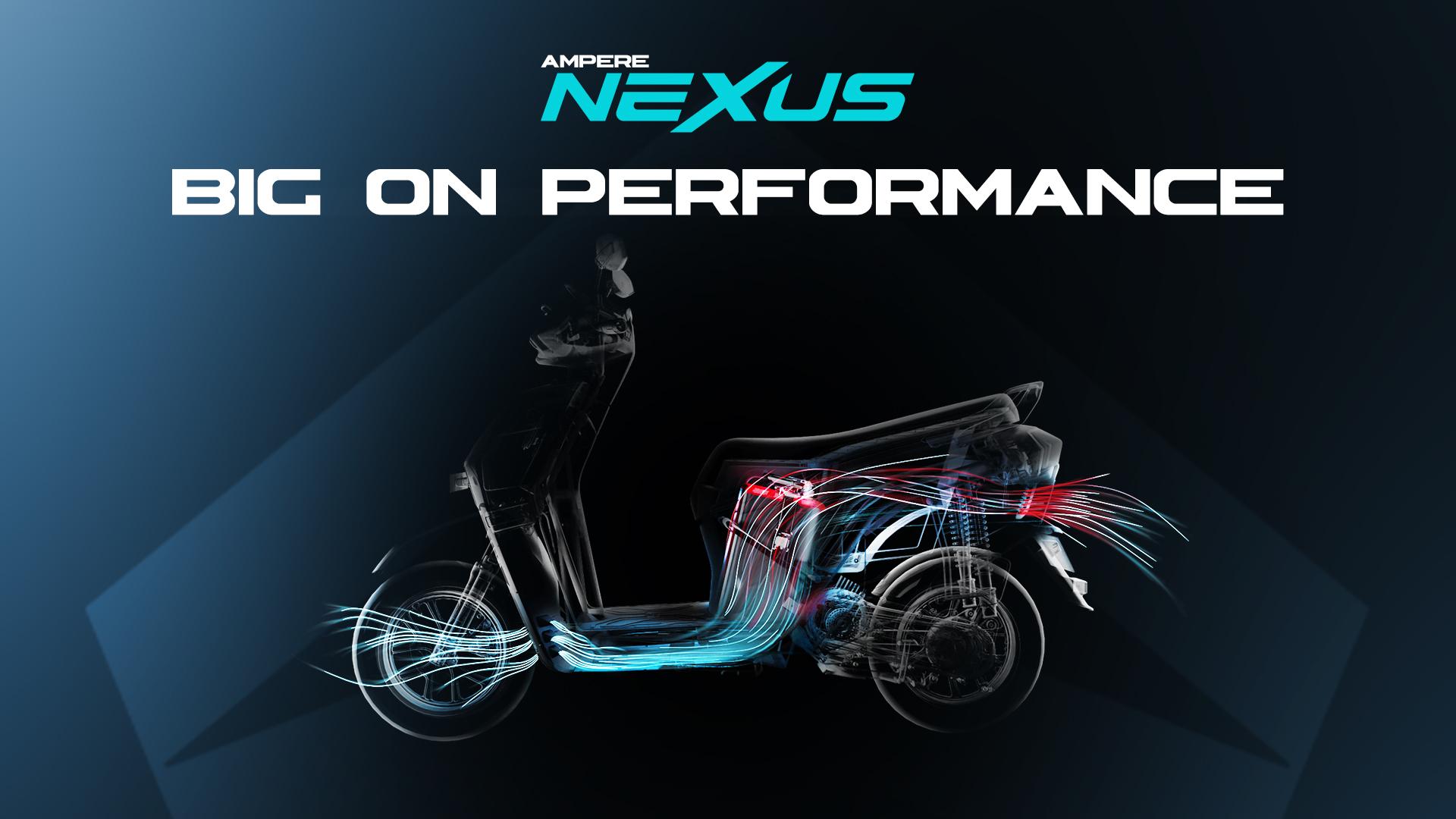
| Nexus EX and ST | LFP Li-ion | No — fixed in frame | 3.0 kWh | 15A socket (fast charge) | ~3.3 hours |
Source: ampere.greaveselectricmobility.com | Charge times approximate at standard Indian household voltage
The larger Magnus and Nexus batteries — at 2.3 to 3.0 kWh — are too heavy for practical daily carry. A 3 kWh LFP pack weighs approximately 14 to 16 kg. This is not a unique Ampere limitation — virtually all scooters with batteries above 2 kWh use fixed designs because the weight becomes genuinely impractical for daily indoor carry.
Who Actually Benefits Most from Removable Battery Scooters?
The benefit of a removable battery varies significantly by rider profile and living situation. Here is an honest breakdown:
| Rider Profile | Removable Battery Benefit | Fixed Battery with Plug-Point Charging |
|---|---|---|
| Apartment dweller with no ground-floor parking socket | High — carry pack to kitchen or living room and charge overnight | Difficult — requires society permission and dedicated wiring installation |
| City renter changing homes every 1 to 2 years | High — no rewiring needed at any new address, just carry the charger | Moderate — needs new socket arrangement each time you move |
| Student in hostel or paying guest accommodation | High — charge in room overnight using any standard socket | Low — dedicated EV socket in hostel parking is unlikely |
| Daily commute under 60 km | High — 1.44 kWh is sufficient for the distance; easy overnight top-up | Manageable if a nearby socket is reliably available |
| Delivery partner covering 100 km or more daily | Low — 1.44 kWh is insufficient for high daily mileage requirements | Better — larger fixed battery provides the range needed per day |
| Family rider with dedicated home parking | Low — plug-in at home is already simple and convenient | Better — larger battery, more range, no weight to carry daily |
| Tier 2 or Tier 3 city with unreliable charging infrastructure | High — charge anywhere electricity is available regardless of infrastructure | Moderate — depends entirely on reliable nearby socket access |
Real-World Cost: Is the Reo 80 Worth It as a Removable Battery Commuter?
For riders considering the Reo 80 specifically as their removable battery daily commuter, here is how the numbers compare to a typical entry-segment petrol scooter:
| Metric | Ampere Reo 80 | Typical Petrol Scooter (Entry Segment) |
|---|---|---|
| Ex-showroom price | ₹59,900 | ₹70,000–₹85,000 |
| Running cost per km | ~₹0.12–₹0.18 | ₹2.00–₹2.50 |
| Monthly fuel or energy (40 km/day, 1,200 km) | ~₹144–₹216 | ~₹2,800 |
| Licence required? | No (25 km/h, sub-250W variant) | Yes |
| Registration required? | No (slow-speed exempt category) | Yes |
| Charging solution | Any standard wall socket — no installation needed | Petrol pump only |
| Battery warranty | 3 yr / 30,000 km LFP | Not applicable |
Petrol at ₹105 per litre, 45 km per litre average. Reo 80 charging at ₹7 per unit. Monthly saving versus petrol: approximately ₹2,600 per month.
Choosing Between Removable and Fixed Battery Ampere Models
Use your actual daily distance and parking situation — not just features — to decide which Ampere model genuinely fits your life:
| Your Situation | Recommended Ampere Choice | Reason |
|---|---|---|
| Apartment with no parking socket, daily commute under 50 km | Reo 80 or Reo Li Plus | Removable 1.44 kWh LFP; charge from any wall socket without installation |
| Own home or office parking socket, daily 40 to 70 km | Magnus Neo or Magnus Grand | 2.3 to 2.4 kWh LFP with better range; Grand also offers a removable battery option |
| Family scooter needing 60 to 90 km daily range | Magnus G Max | 3 kWh LFP; 142 km IDC range; fixed battery with long-range capability |
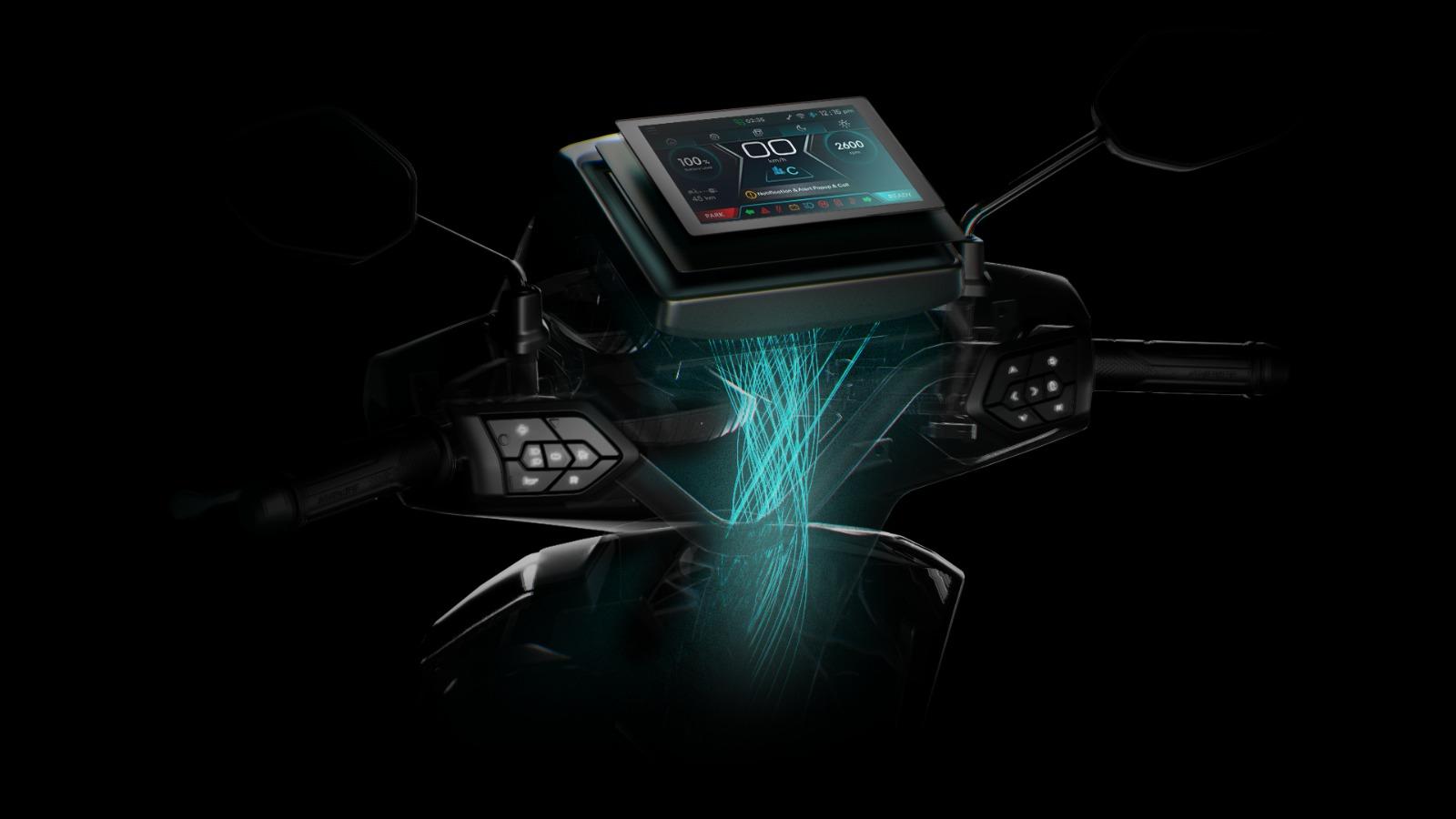

| Performance commuter needing 100 km range and premium features | Nexus EX or Nexus ST | 3 kWh LFP; 3.3 hr charge; 7-inch TFT display; 93 km/h top speed |
| Budget first EV with no licence or registration needed | Reo 80 | ₹59,900; no RTO paperwork; removable LFP battery; lowest running cost at ₹0.12/km |