Do You Need a Licence for an Electric Scooter in India? The Complete Guide (With Ampere Reo 80 as a Real Example)
Many people in India are drawn to electric scooters for easy, affordable city travel. Whether you need a driving licence for an electric scooter depends on the scooter's top speed, motor power, and how you use it.
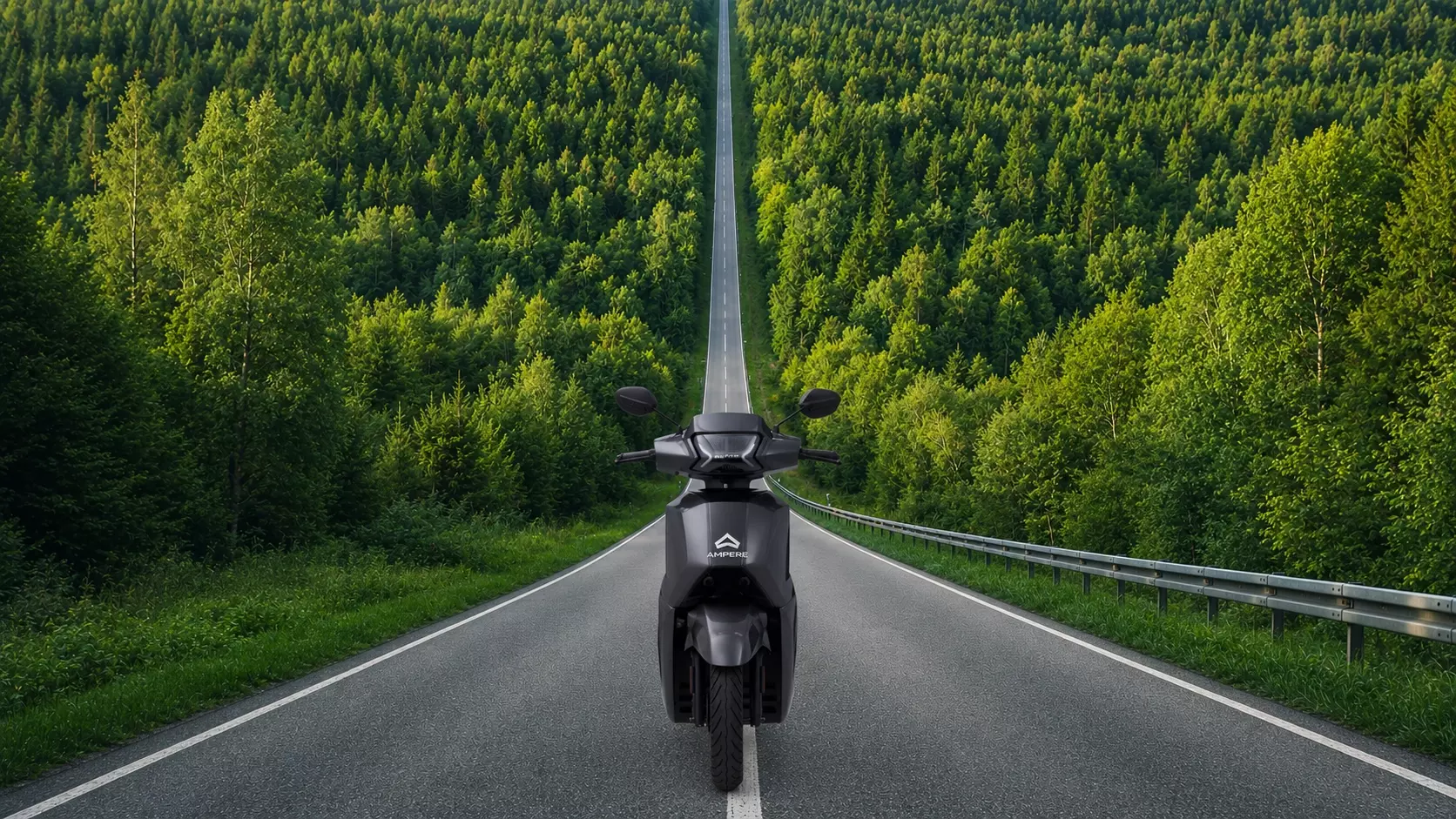
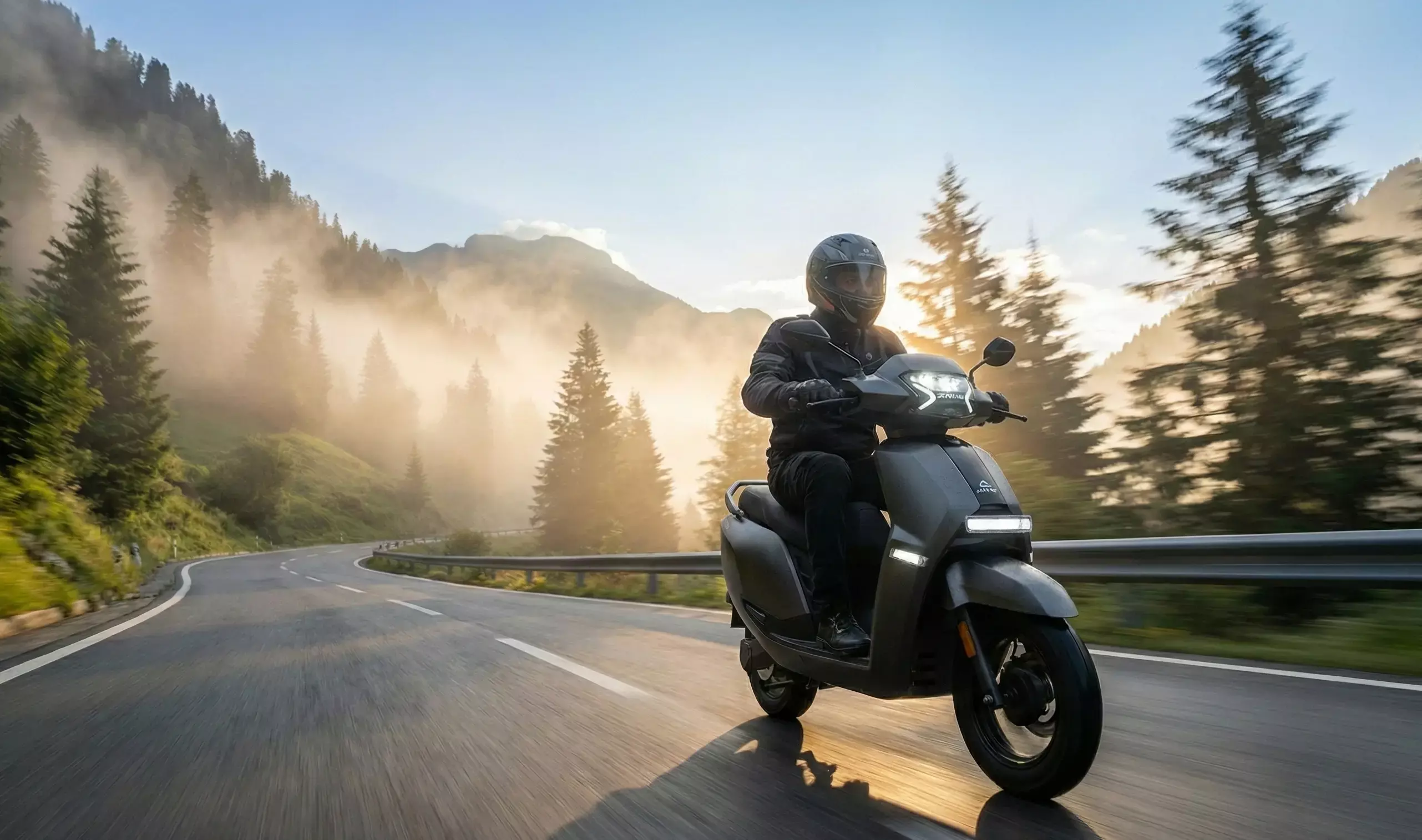
If the scooter's top speed is capped at 25 km/h and its motor is 250W or lower, you do not need a driving licence or vehicle registration under current national rules. If it is faster or more powerful, full road-vehicle rules apply. The Ampere Reo 80 — with a 250W motor and 25 km/h top speed — is one of the clearest real-world examples of a no-licence electric scooter available in India today.
Understanding How Indian Law Classifies Electric Scooters
In India, electric scooters fall under road transport laws, but treatment differs significantly by model. Authorities look at two technical details — top speed and motor power — to decide whether a scooter is treated as a regular motor vehicle requiring full documentation.
The central government frames the main rules, while state transport departments and RTOs apply them on the ground. This can create some variation in day-to-day enforcement between states and between large cities and smaller towns.
Low-Speed vs High-Speed E-Scooters: The Legal Cut-Off
Scooters with a top speed capped at 25 km/h or a motor of 250W or lower are exempt from driving licence and vehicle registration requirements under current Indian rules. If a scooter is classified as a motor vehicle by the authorities, all normal road rules apply in full. The table below shows exactly how the two categories compare:
| Factor | Low-Speed Scooter (e.g. Ampere Reo 80) | High-Speed Scooter (e.g. Ampere Magnus Neo, Nexus) |
|---|---|---|
| Top speed | Up to 25 km/h | 45–93 km/h |
| Motor power | 250W or below (0.25 kW) | Above 250W — typically 1.5 kW to 4 kW |
| Driving licence needed | No | Yes — valid two-wheeler licence required |
| Vehicle registration | No | Yes — RTO registration and number plate required |
| Insurance mandatory | No (advisable to carry) | Yes — at least third-party cover as legal minimum |
| PUC certificate | No — no tailpipe emissions | No — EVs are fully exempt from PUC requirements |
| Age limit | Flexible — confirm with your local RTO | 18 years minimum with a valid two-wheeler licence |
| Ideal for | Colony errands, students, senior citizens, first-time EV users | Daily office commutes, longer city rides, gig work |
Source: Indian Motor Vehicles Act and related rules | Ampere model classifications from ampere.greaveselectricmobility.com | Always confirm current rules with your local RTO as enforcement can vary by state and city
The Ampere Reo 80: A Real-World No-Licence Scooter
The Ampere Reo 80 is one of the clearest and most popular examples of a scooter that qualifies for the licence-exempt category in India. Here are the key specifications that place it firmly within the no-licence threshold:
| Reo 80 Specification | Details |
|---|---|
| Motor power | 0.25 kW (250W) BLDC — within the low-speed exempt threshold |
| Top speed | 25 km/h — sub-25 km/h category: no driving licence or registration required |
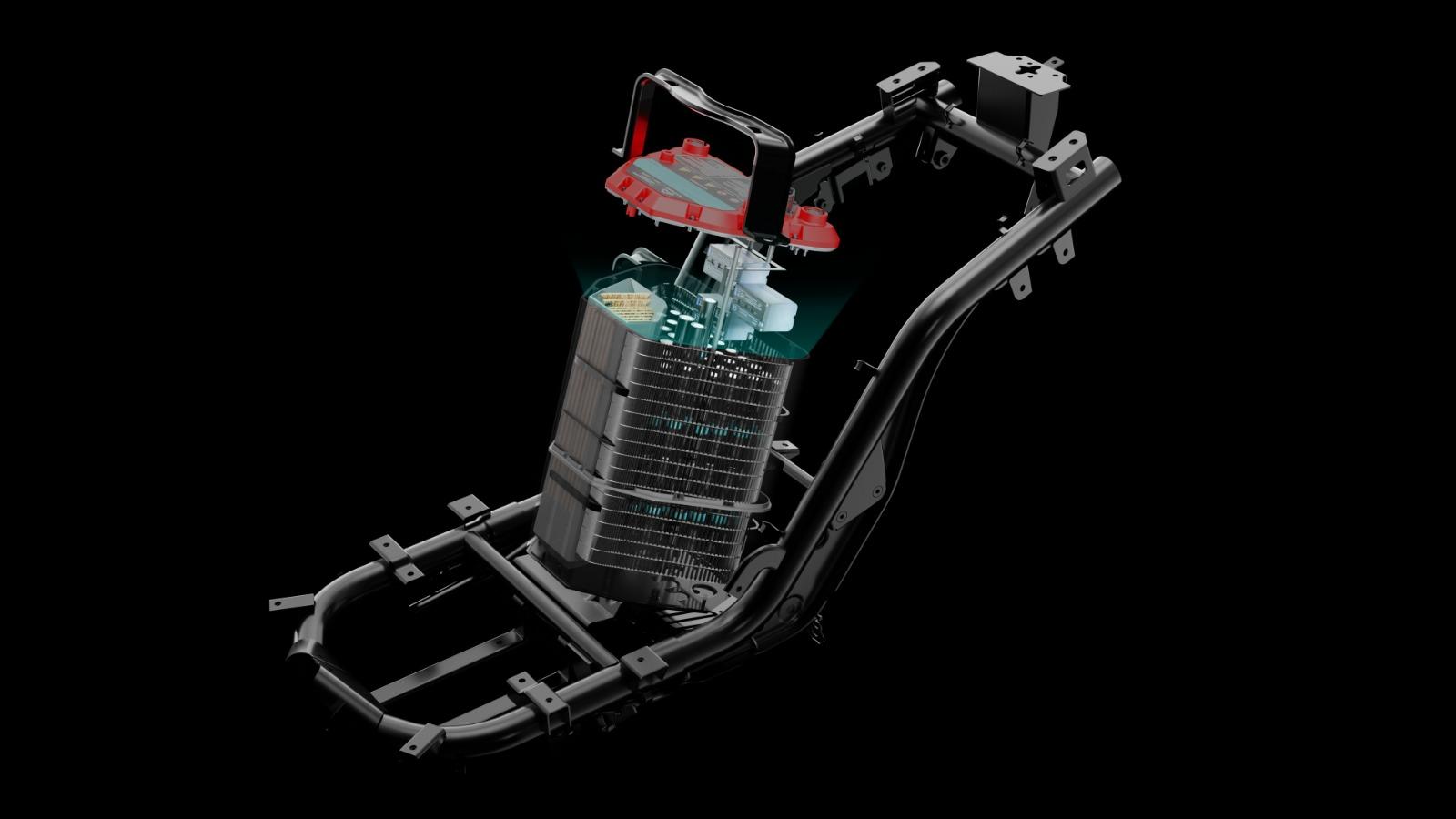
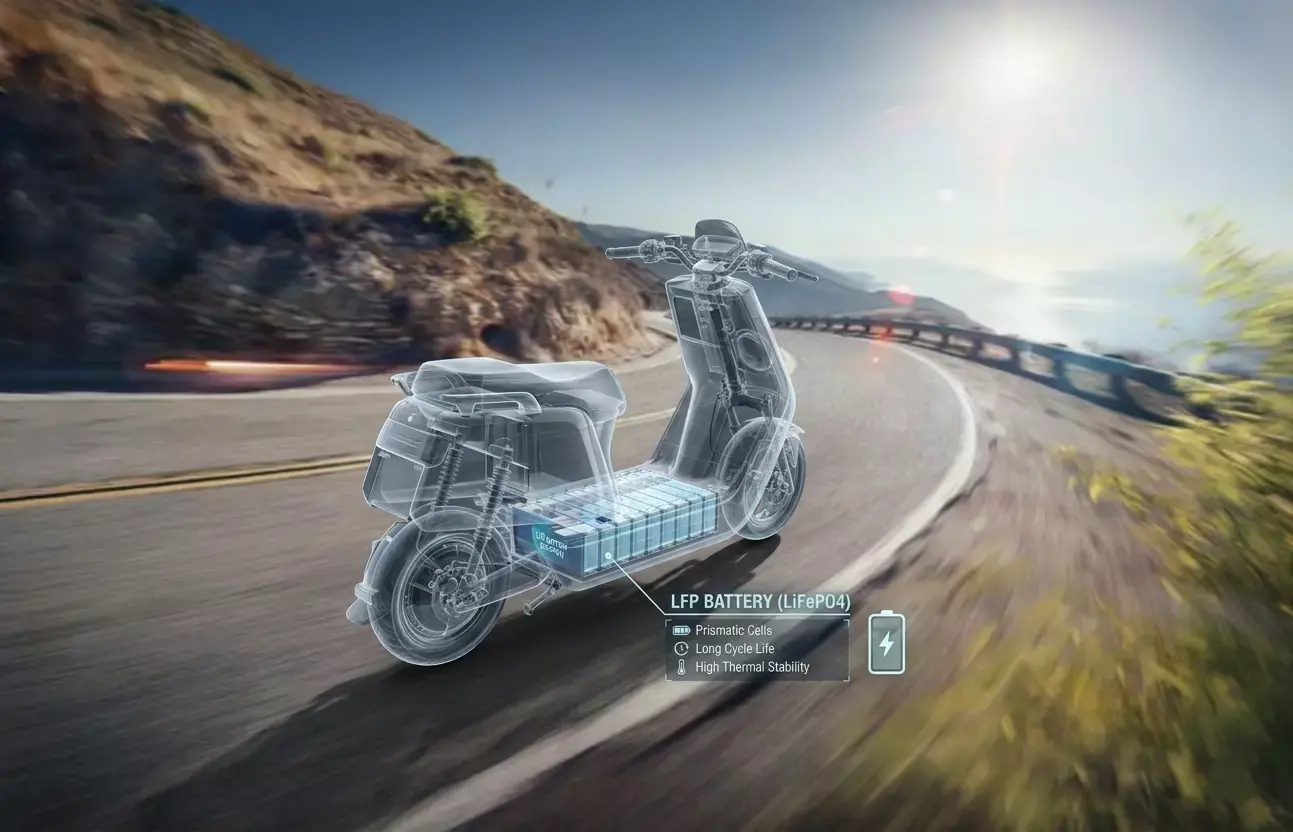
| Battery capacity | 1.44 kWh LFP — removable battery pack |
| IDC Range | 80 km |
| Charging time | Approximately 5.5 hours from a standard 3-pin socket |
| Running cost | ₹0.12 per km |
| Ex-showroom price | ₹59,900 (Delhi, April 2026) |
| Battery warranty | 3 years / 30,000 km |
| Vehicle warranty | 3 years |
| Ideal for | Students, senior citizens, short-errand users, and first-time EV buyers |
Source: ampere.greaveselectricmobility.com | The Reo 80 does not require a driving licence or vehicle registration under current Indian rules for sub-25 km/h, 250W or below vehicles
Documents to Carry While Riding: Low-Speed vs High-Speed
| Document | Low-Speed (Reo 80) | High-Speed (Magnus Neo, Grand, G Max, Nexus) |
|---|---|---|
| Driving licence | Not required | Valid two-wheeler licence — mandatory at all times |
| Registration (RC) | Not required | RTO registration certificate — mandatory |
| Number plate | Not required | Registered number plate — mandatory |
| Third-party insurance | Not mandatory but advisable to carry | Mandatory — minimum third-party cover required by law |
| PUC certificate | Not required — no emissions | Not required — all EVs are exempt from PUC |
| Invoice or spec sheet | Carry proof of purchase and 250W motor specification | Not typically needed at roadside checks |
Source: Indian Motor Vehicles Act | Always carry valid documents while riding | Confirm the latest rules with your local RTO as enforcement varies by state and city
When You Do and Don't Need a Licence
No-Licence Low-Speed Electric Scooters Like the Ampere Reo 80
For entry-level models like the Reo 80 that meet the central government's exempt threshold, legal requirements are significantly lighter. In such cases, you do not need a driving licence of any kind, standard vehicle registration or an RTO-issued number plate, or road tax in the usual form.
Typical everyday use cases that suit this category include:
- Short neighbourhood trips and local market runs
- Senior citizens riding around residential areas and small towns
- School drop-offs on quieter local roads with moderate traffic
- College students managing daily city errands and short commutes
Never attempt to modify a low-speed exempt scooter to go faster or increase motor power. Such modifications can trigger full motor vehicle classification, void your insurance, and create serious legal complications after any accident.
High-Speed E-Scooters: Full Legal Obligations
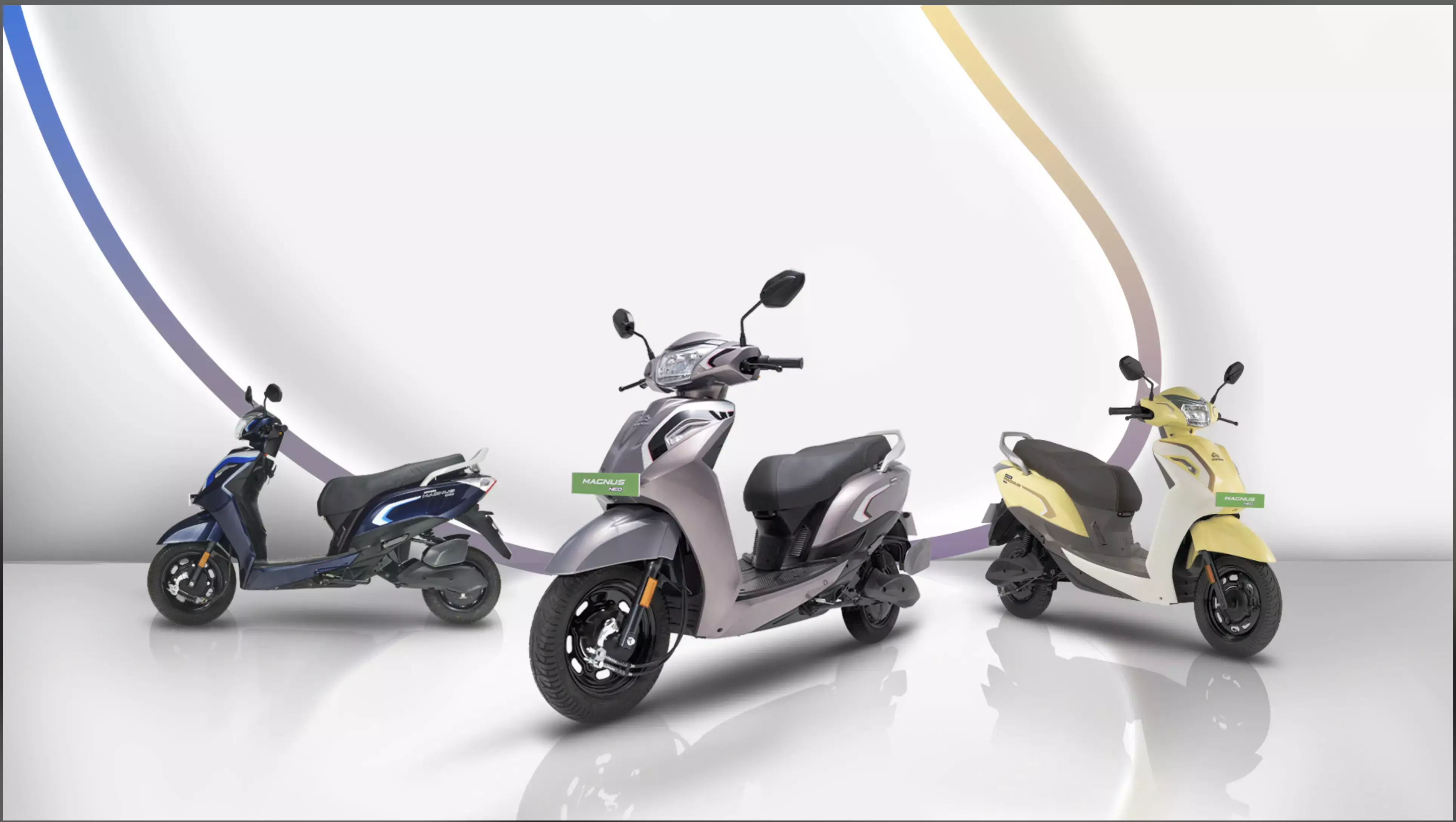
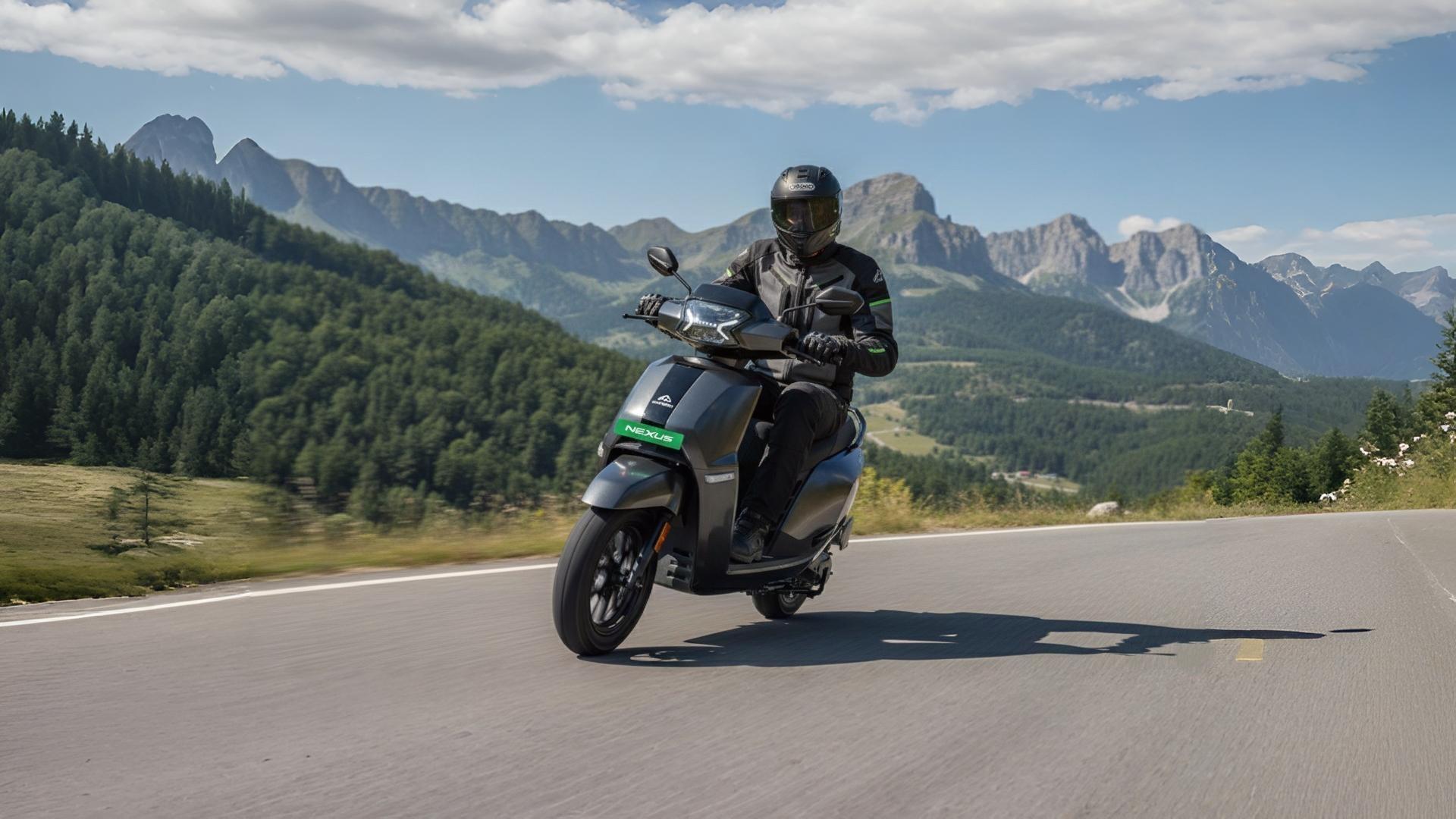
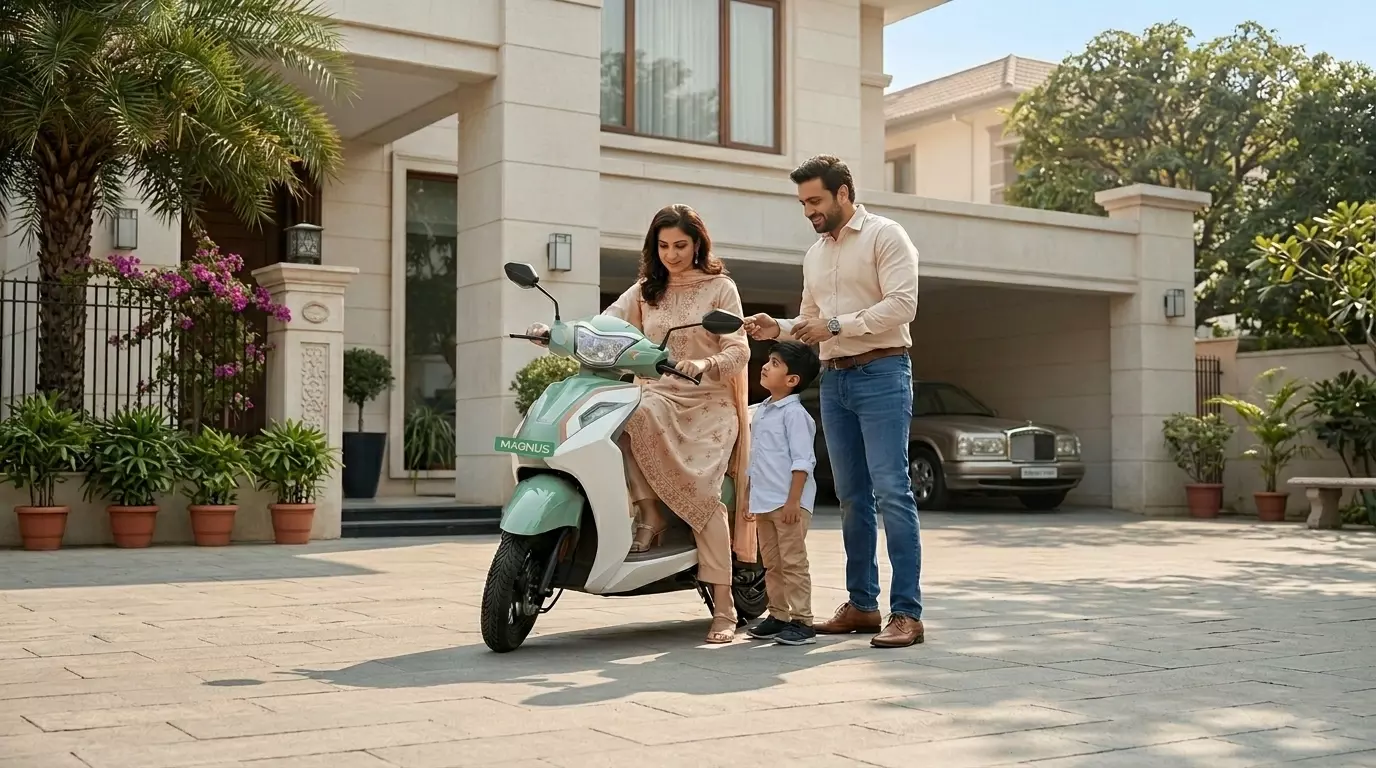
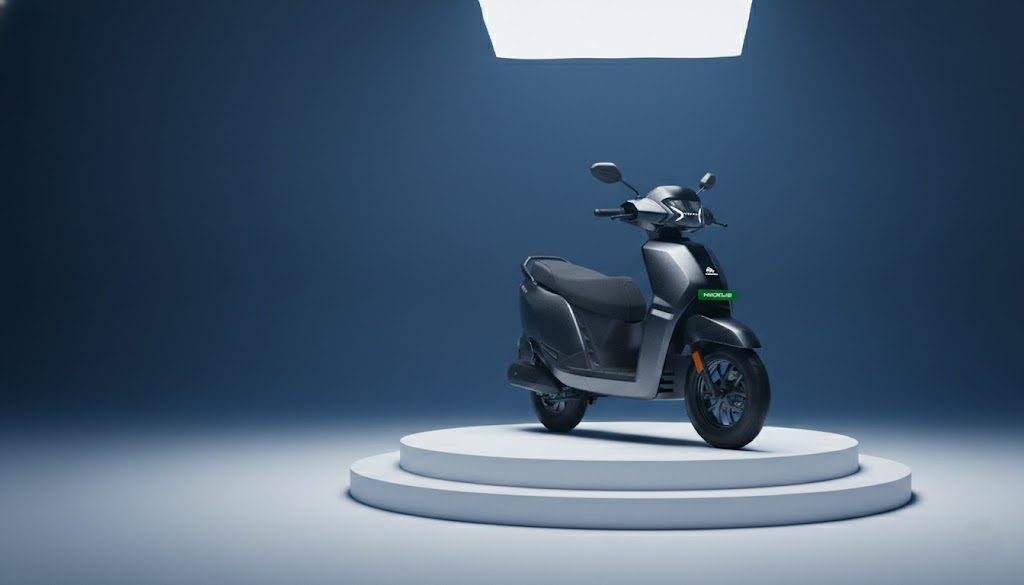
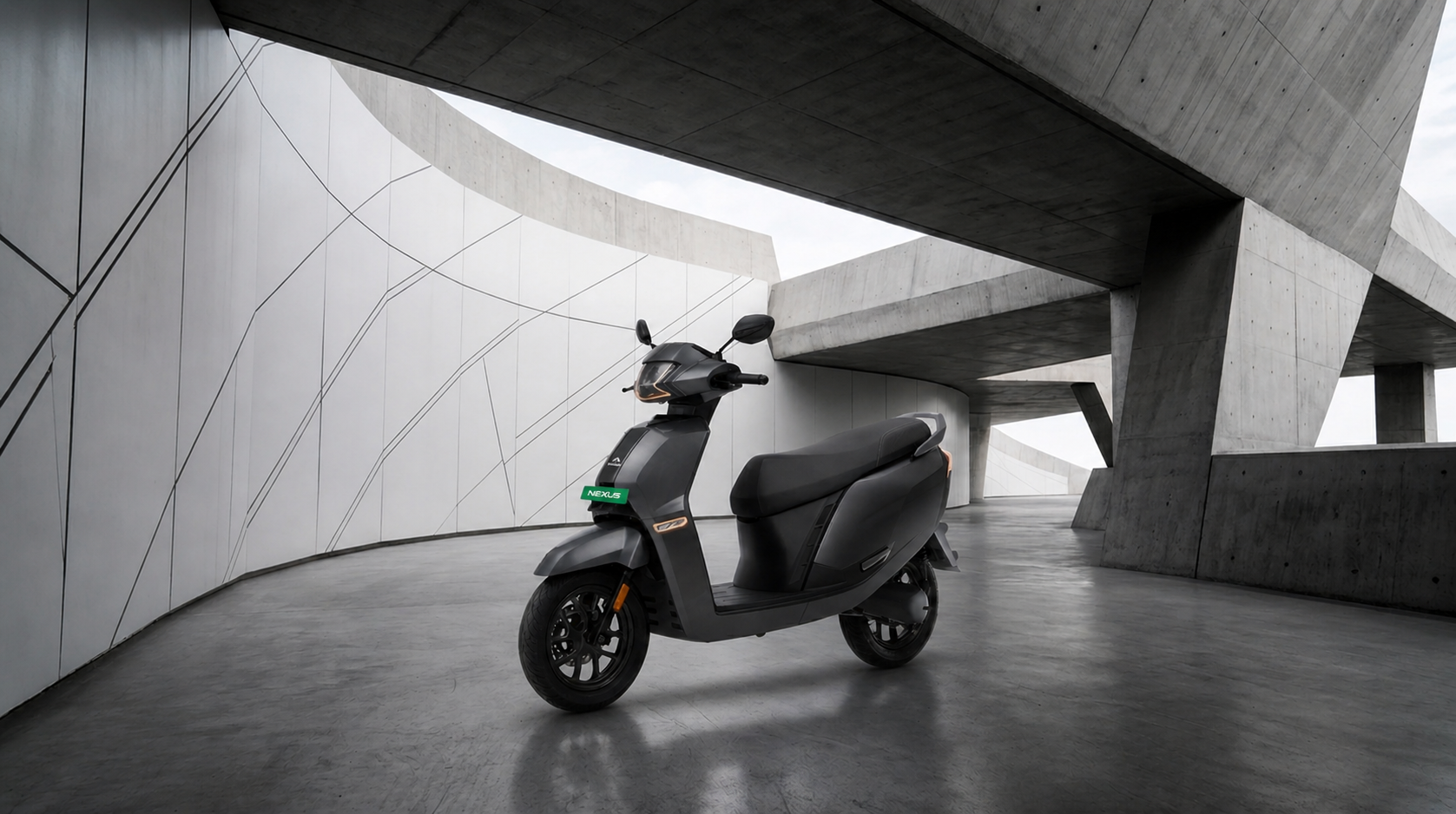
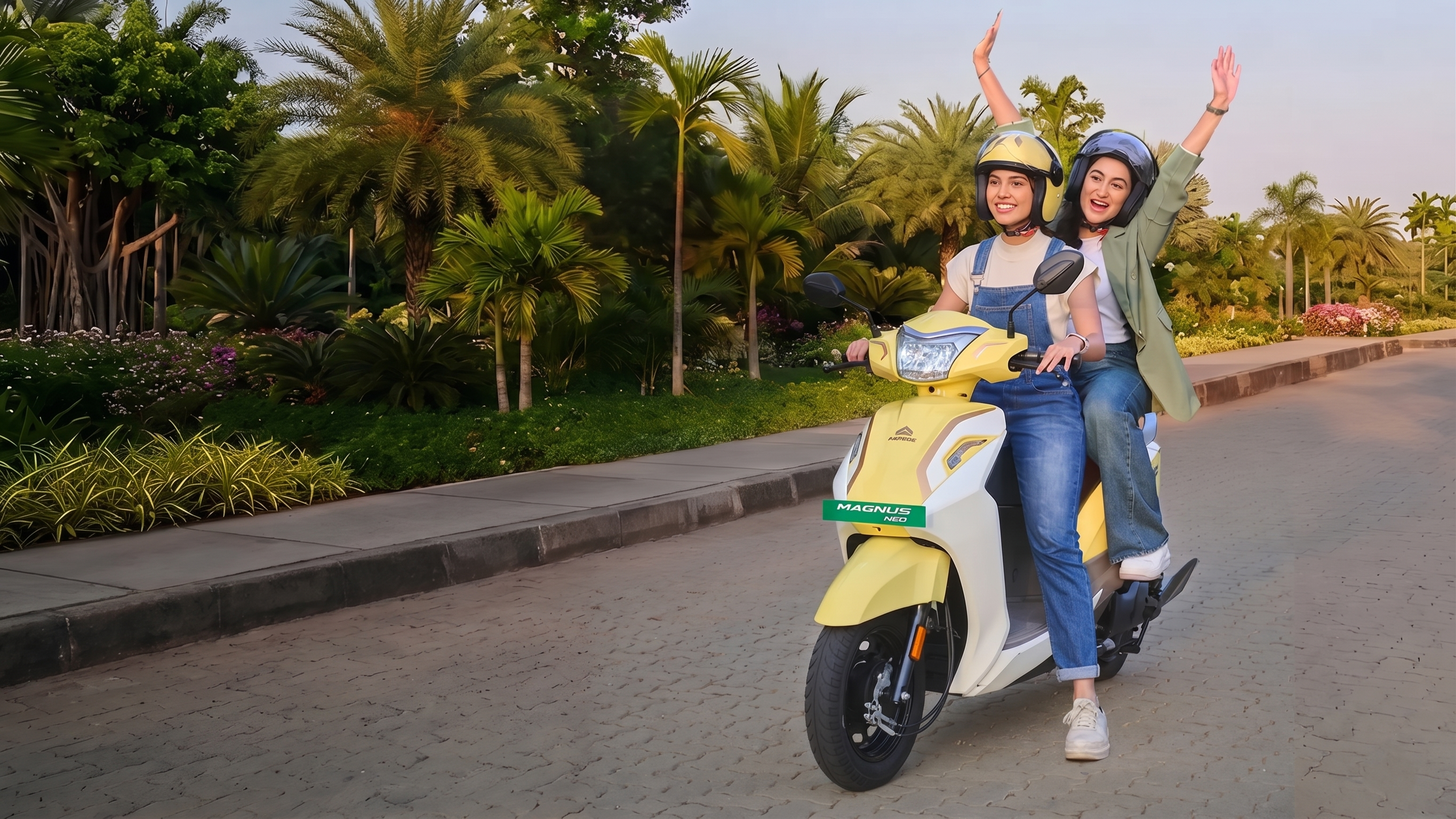
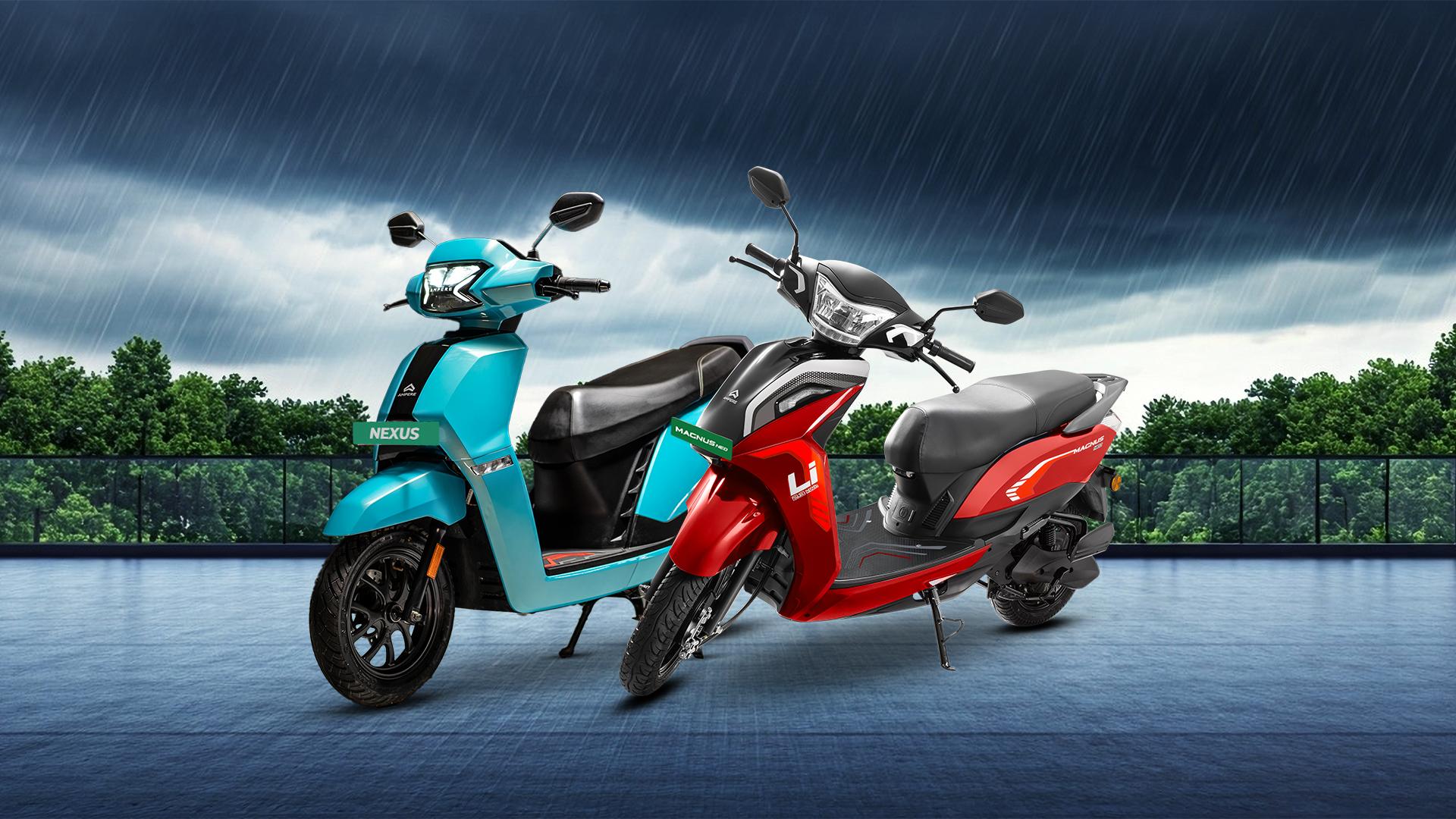
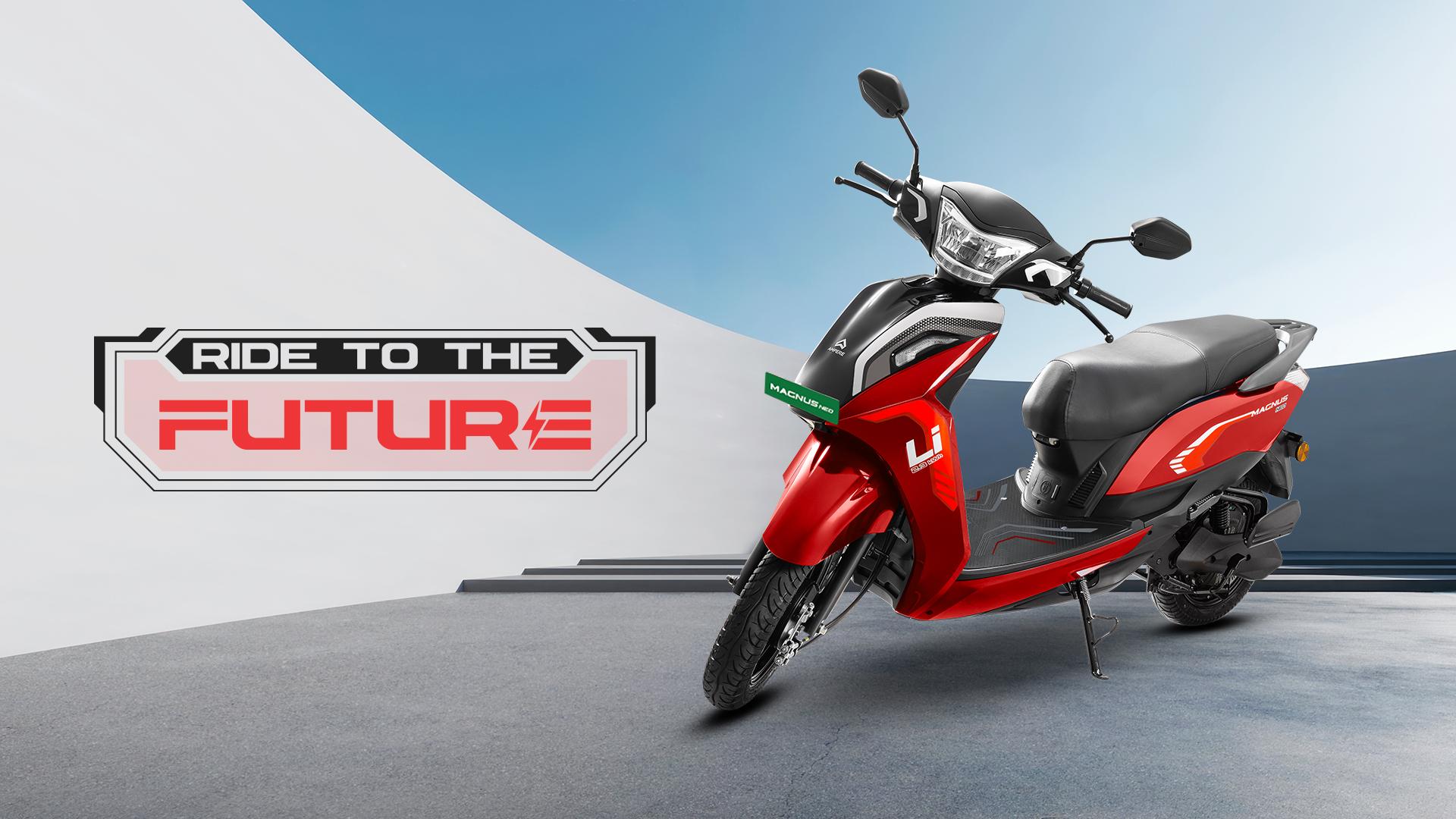
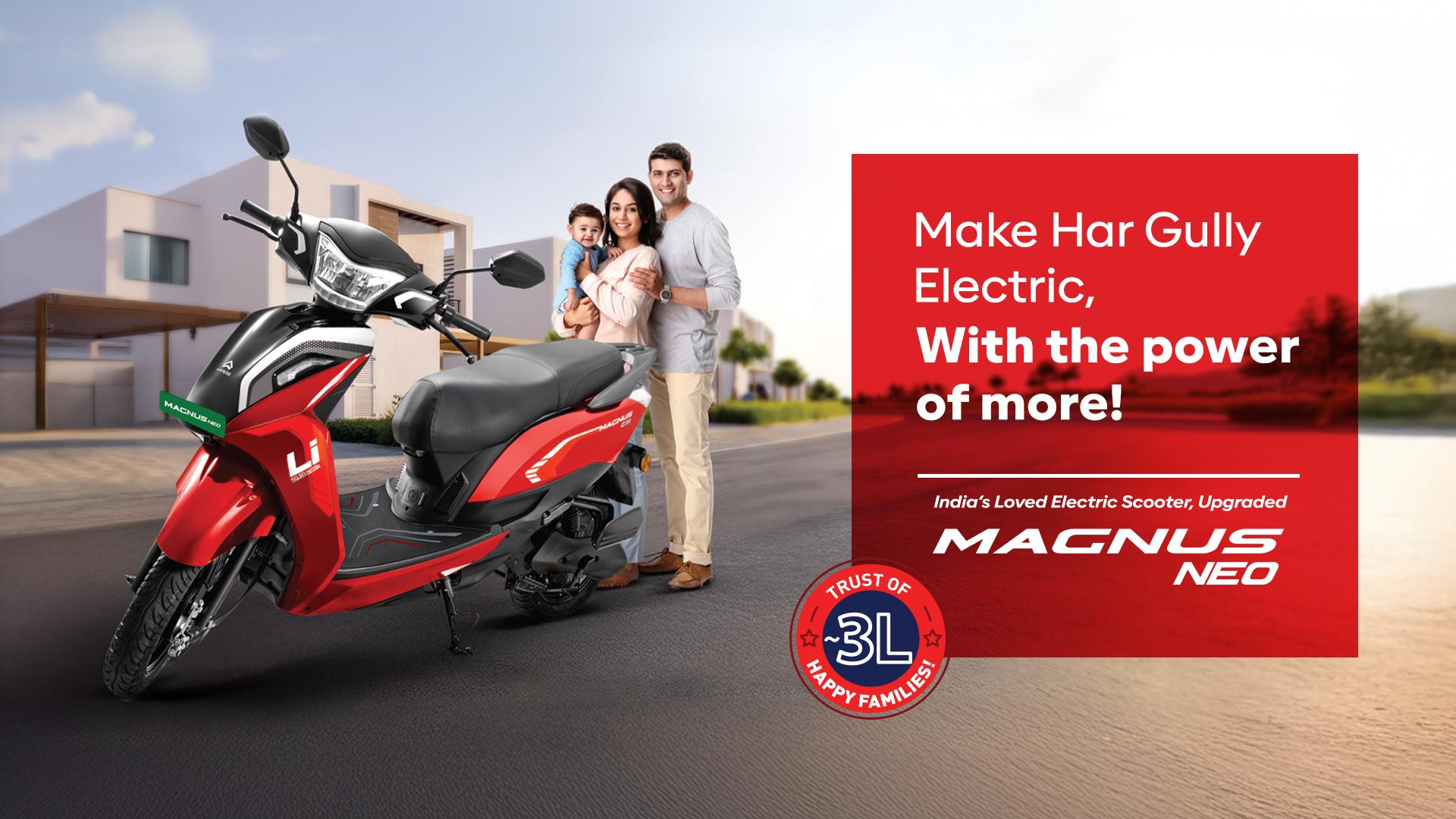

High-speed city scooters like the Ampere Magnus Neo, Magnus Grand, Magnus G Max, and Nexus are treated like regular two-wheelers under Indian transport law. For these models, you need:
- A valid two-wheeler driving licence issued by an RTO
- Full vehicle registration and an assigned RTO number plate
- At minimum, a valid third-party motor insurance policy
Riders must meet the standard age and licence requirements applicable to two-wheelers. Traffic police in large Indian cities frequently check these documents at random stops and during e-challan enforcement drives.
Age Limits, Learner's Licence, and Teen Riders Between 16 and 18 Years
For teenage riders, the applicable rules depend on both age and the specific vehicle category. Low-speed scooters like the Ampere Reo 80 are particularly practical for this age group since they sit entirely within the exempt category — no licence of any kind is needed to ride legally.
High-speed electric scooters require a full two-wheeler licence, which is only available from 18 years of age. A 16-year-old can generally ride only specific low-capacity, gearless two-wheelers with a special restricted licence category, and only in states where that category has been formally notified by the RTO. Always confirm the current position with your local RTO before a teen rider uses any scooter on public roads.
Frequently Asked Questions
Does the Ampere Reo 80 need a licence or registration?
No. Its top speed of 25 km/h and 250W motor make it exempt from driving licence and vehicle registration requirements under current Indian rules. This makes it a genuinely practical and paperwork-free option for short-distance commutes — especially for students, senior citizens, and first-time EV users who want to avoid the full RTO documentation process.
Do you need a licence for an electric scooter in India if it runs below 25 km/h?
If your scooter is genuinely low-speed at or below 25 km/h and low-power at or below 250W, current Indian rules generally exempt it from licence and registration. Always verify the exact motor wattage and confirmed top speed on the official brochure or the manufacturer's website before assuming exemption. Avoid speed modifications or power upgrades of any kind — these can reclassify the scooter as a regular motor vehicle and void all existing exemptions and insurance.
Is a driving licence mandatory for the Ampere Magnus Neo, Grand, G Max, and Nexus?
Yes, for all four models. Each of these is a high-speed scooter treated like a normal two-wheeler under Indian law. Legal requirements include a valid two-wheeler driving licence, full RTO registration with a number plate, and at least third-party motor insurance. Traffic police in large cities regularly check all three documents at random enforcement stops and during e-challan drives.
Can a 16-year-old ride an electric scooter in India?
A 16-year-old can typically ride only specific low-capacity, gearless two-wheelers with a special restricted licence category, and only in states where that category has been formally notified. Low-speed scooters like the Ampere Reo 80 are a practical option for this age group as they fall within the fully exempt category requiring no licence at all. High-speed electric scooters require a full two-wheeler licence, which is only available from 18 years of age under standard Indian rules.
Do electric scooters need insurance and a PUC certificate in India?
High-speed electric scooters that require RTO registration must carry at least third-party motor insurance as a legal minimum. No electric scooter in India requires a PUC certificate since there are no tailpipe emissions to test — this applies to every model regardless of speed category. However, traffic police can still fine you for missing licence, RC, or insurance papers during routine enforcement checks in any state.
Conclusion
For most high-speed electric scooter models, yes — you need a valid licence, registration, and insurance. Only true low-speed scooters that meet the central government's thresholds — like the Ampere Reo 80 with its 25 km/h top speed and 250W motor — are fully exempt from these requirements.
Before you buy any electric scooter, check the confirmed top speed and motor rating on the official specification sheet, verify your age and current licence status, consider whether you will use it for personal riding or commercial delivery work, and confirm any state-specific rules with your local RTO. Use this guide as your starting checklist, confirm the electric scooter legal requirements that apply to your exact model, and pick the scooter that fits both your daily commute and your legal obligations comfortably.