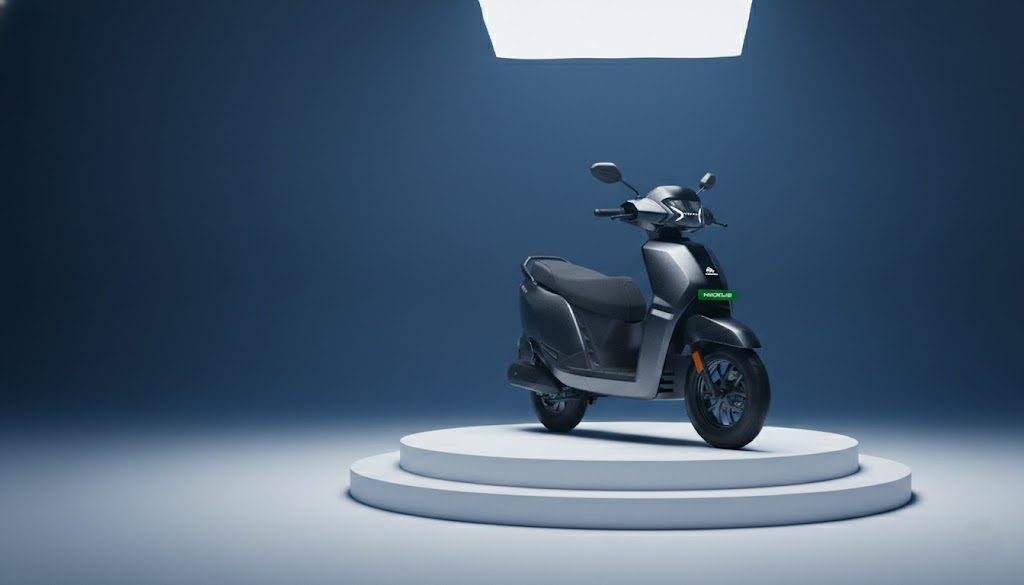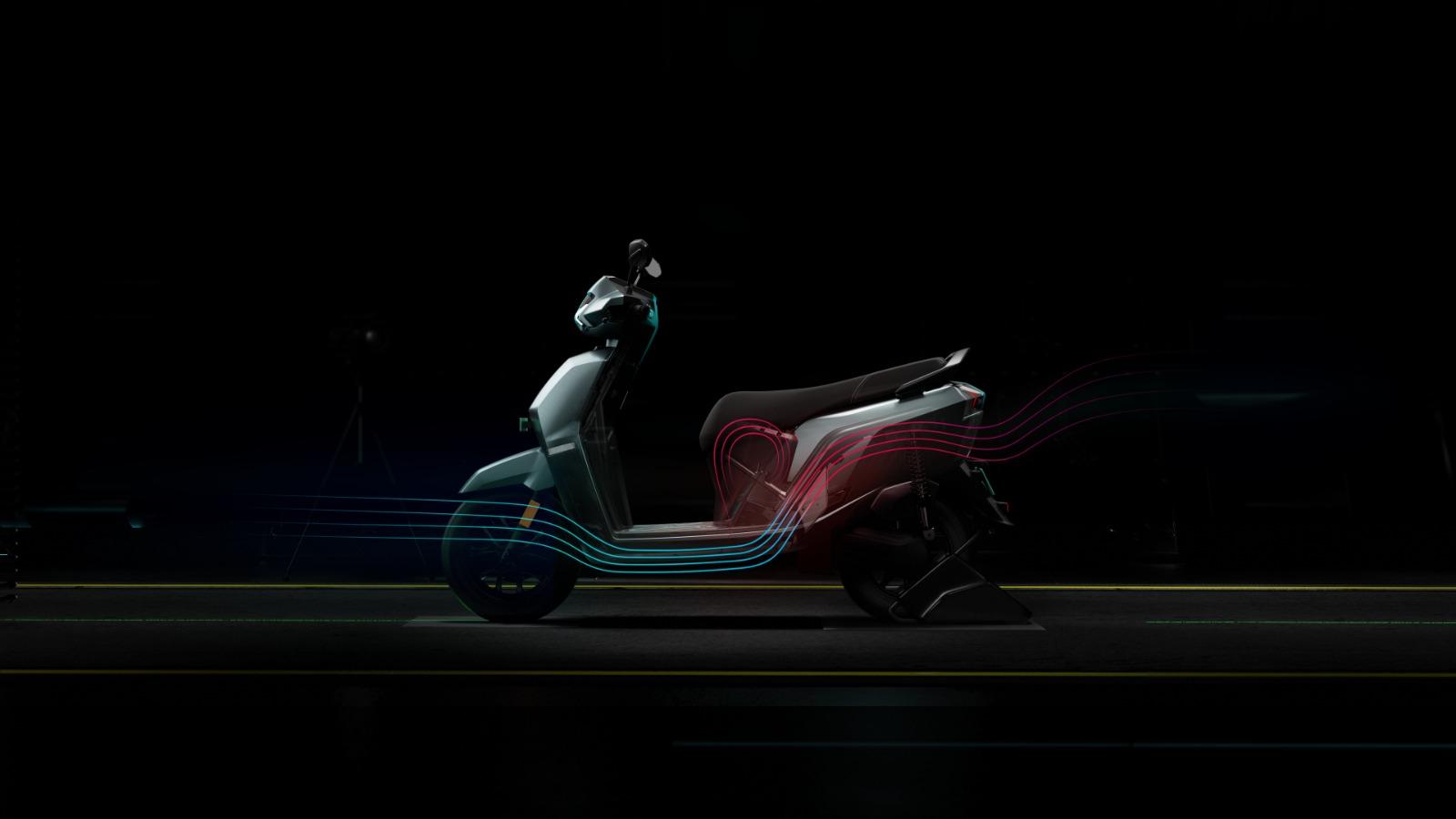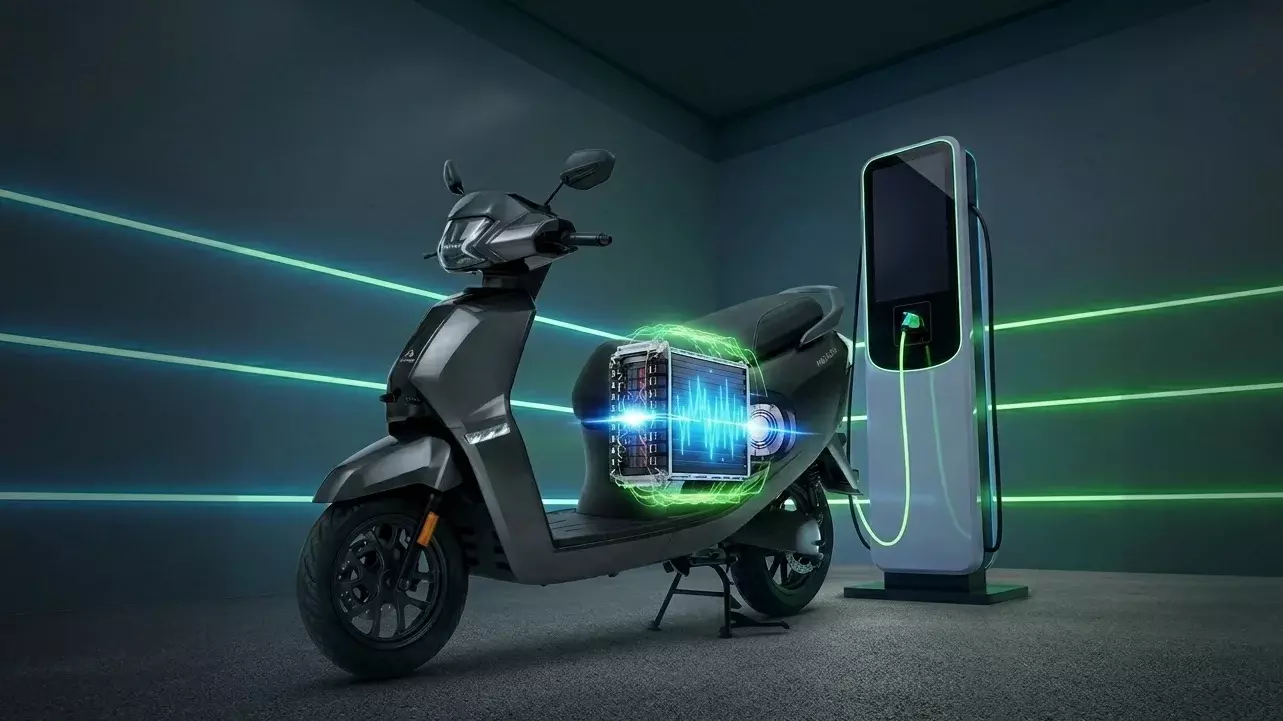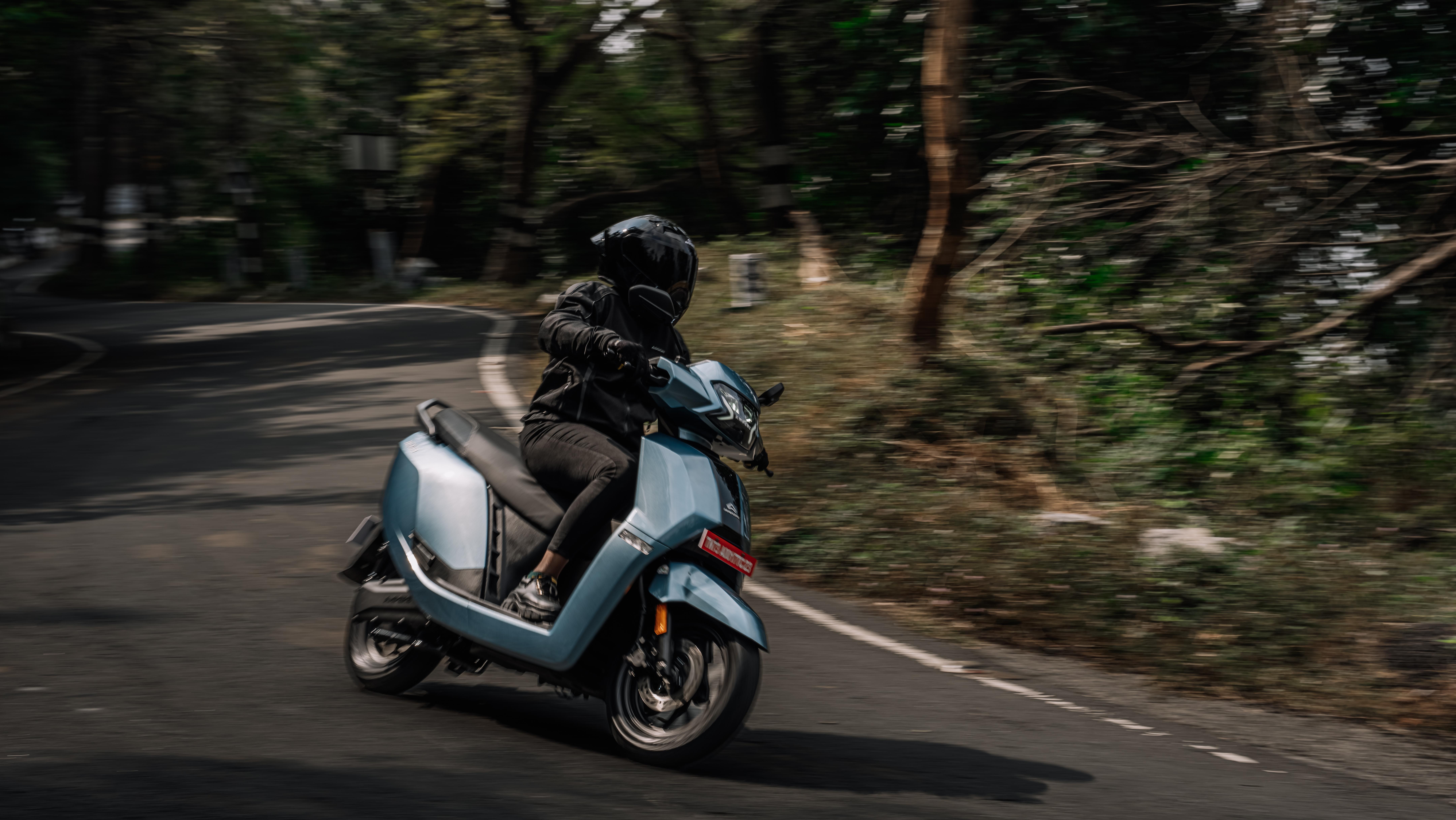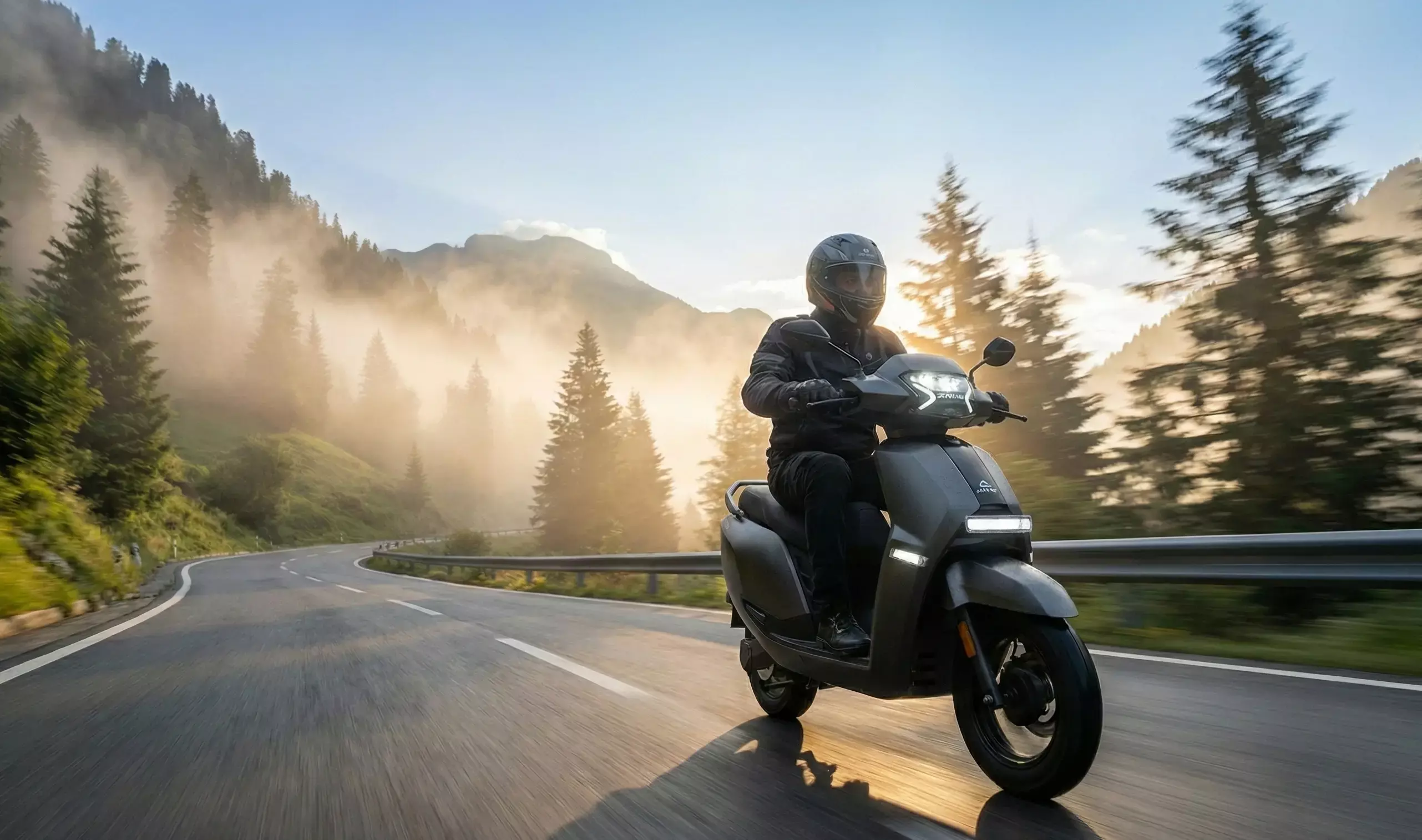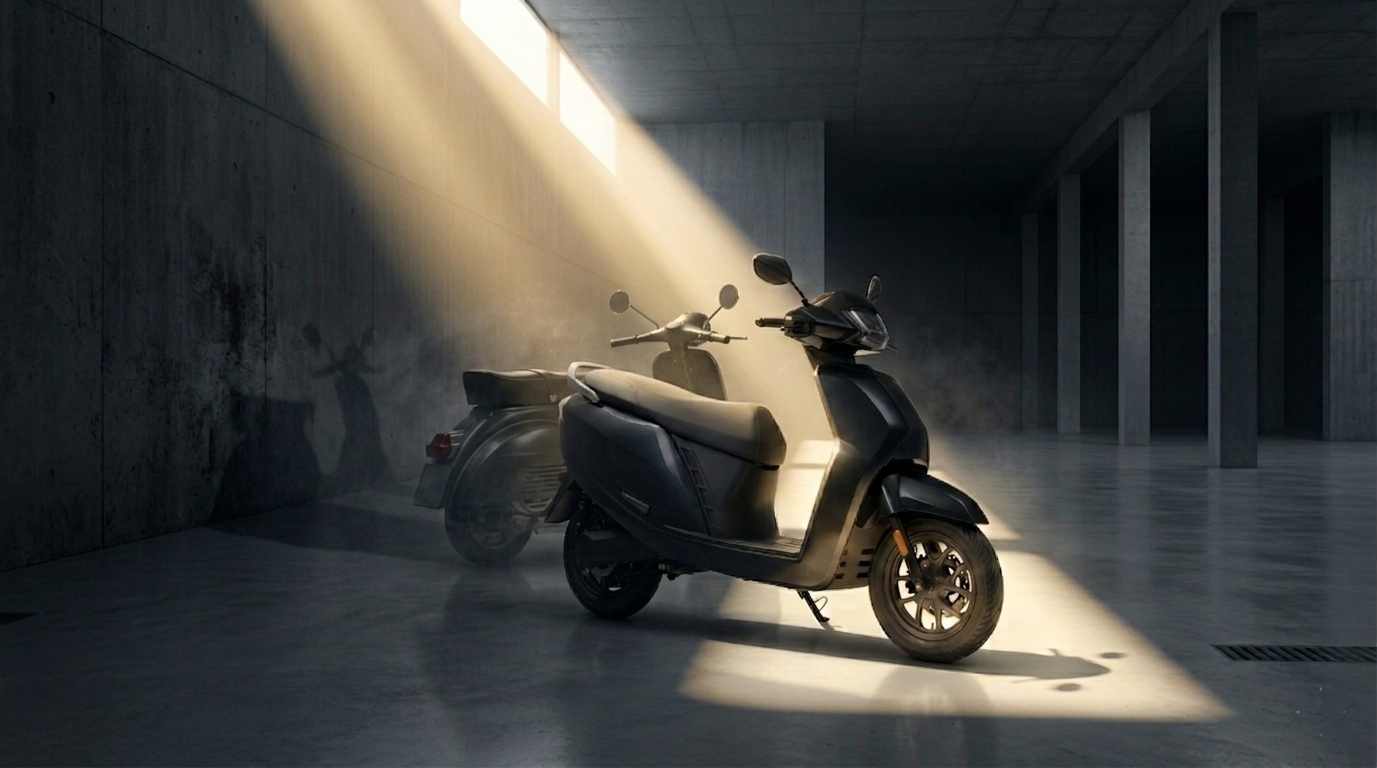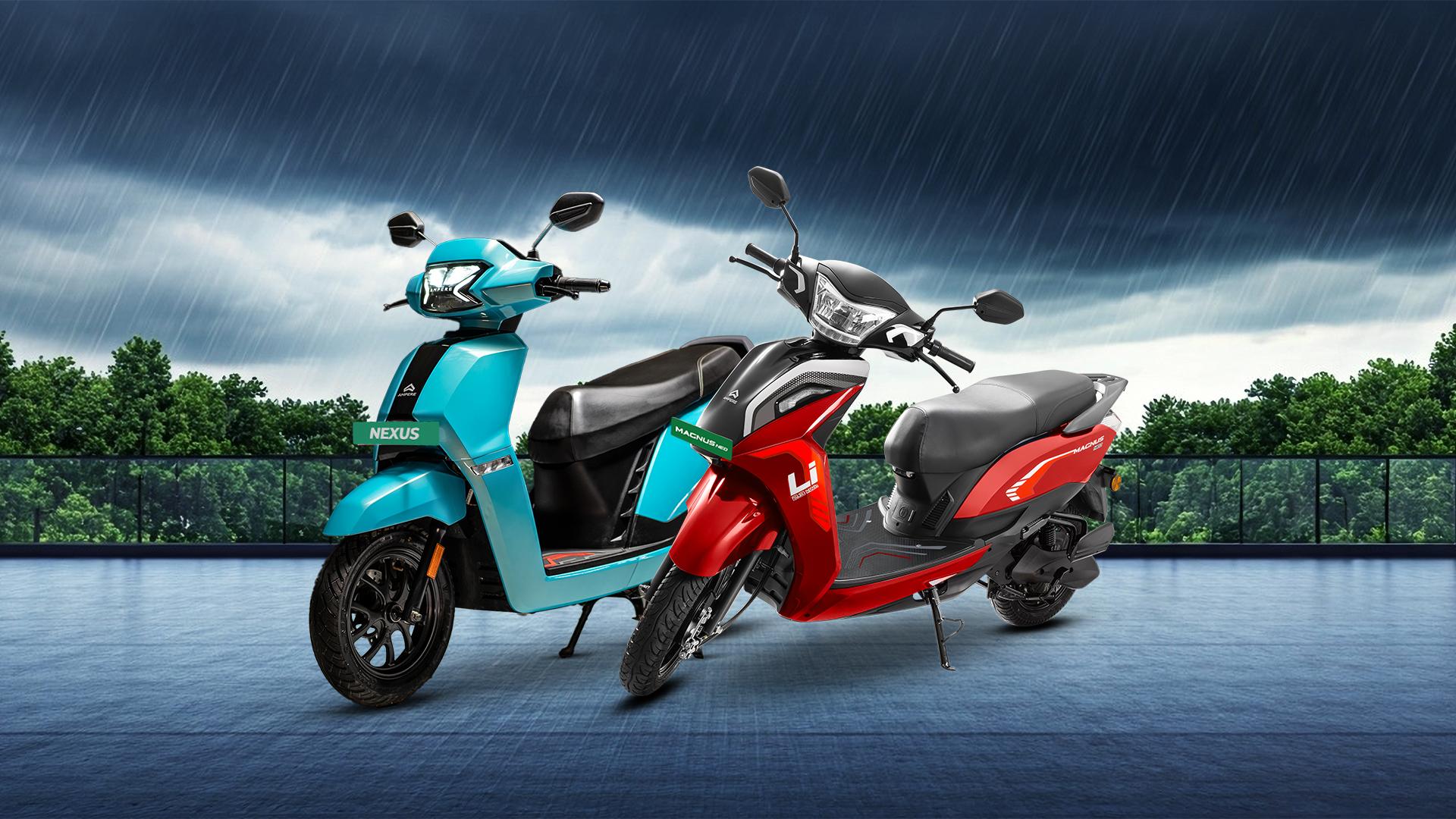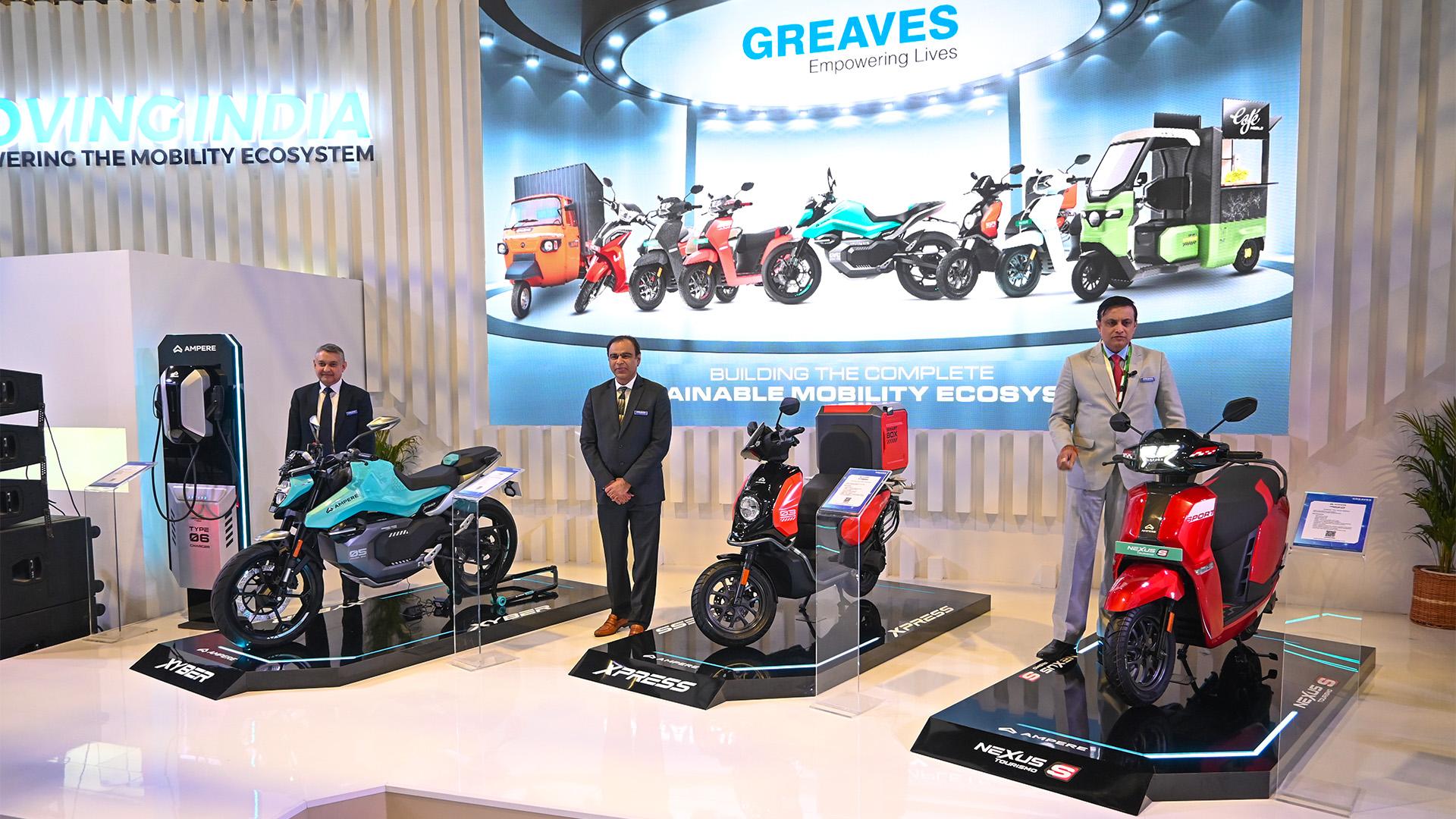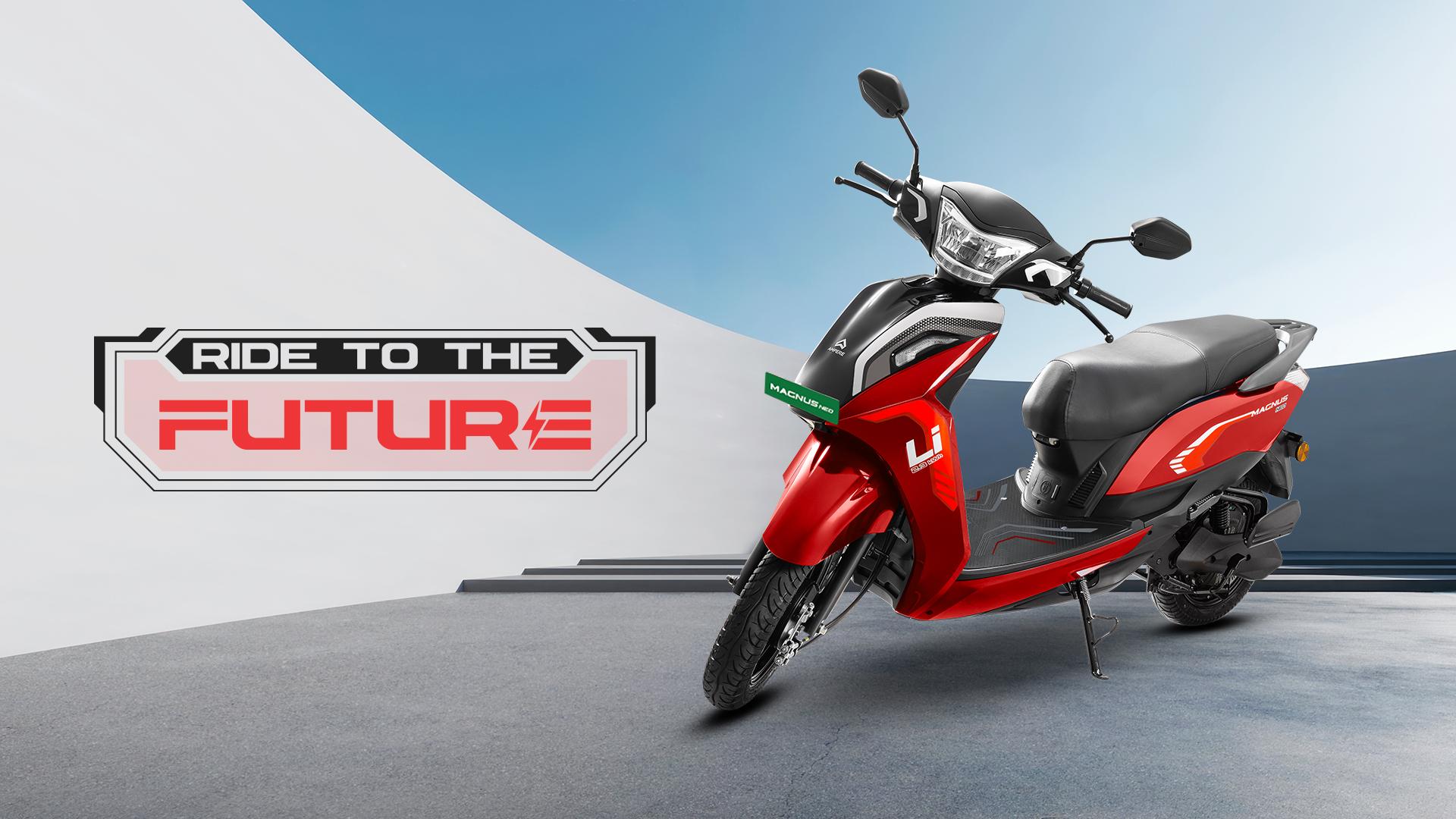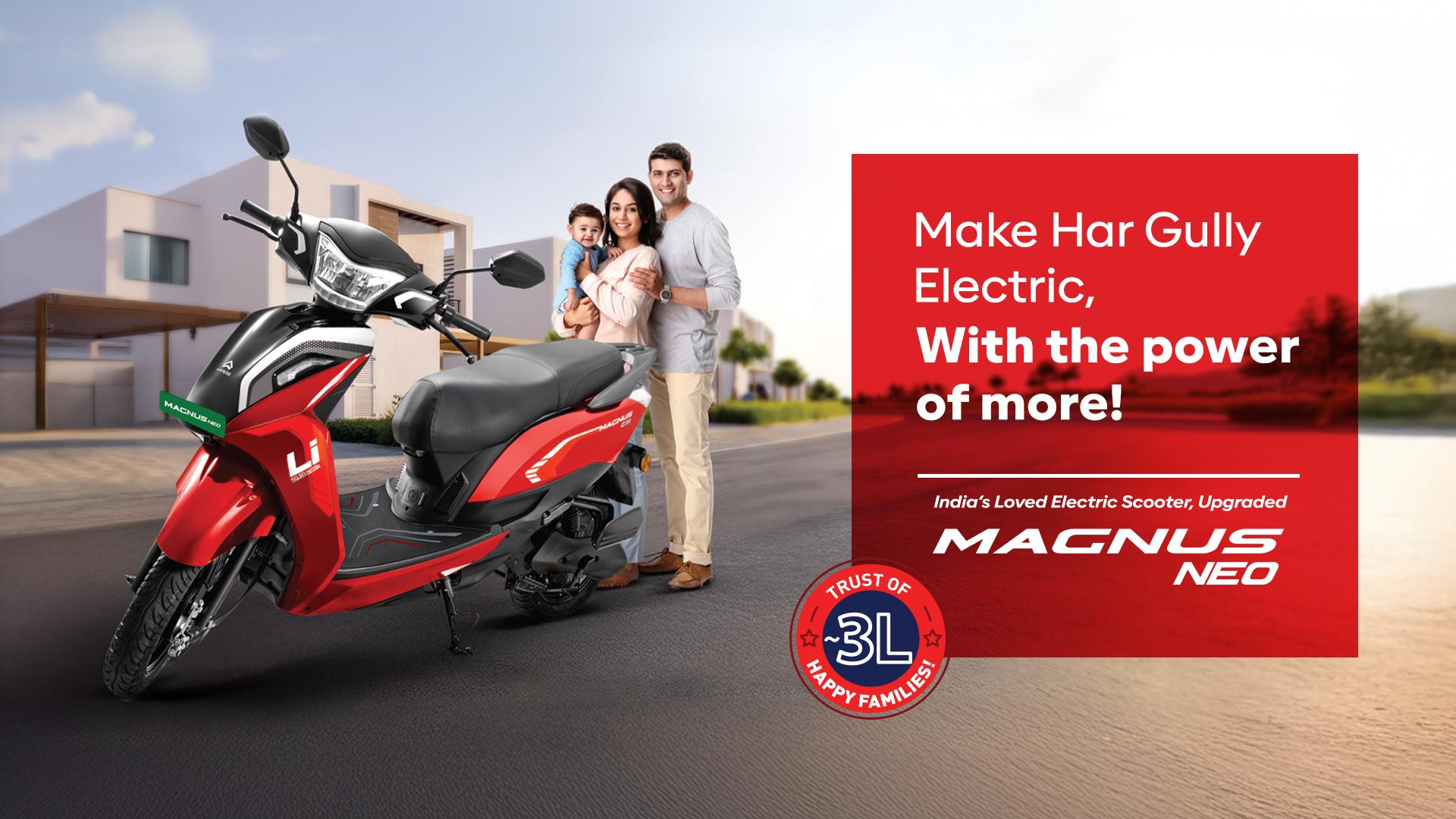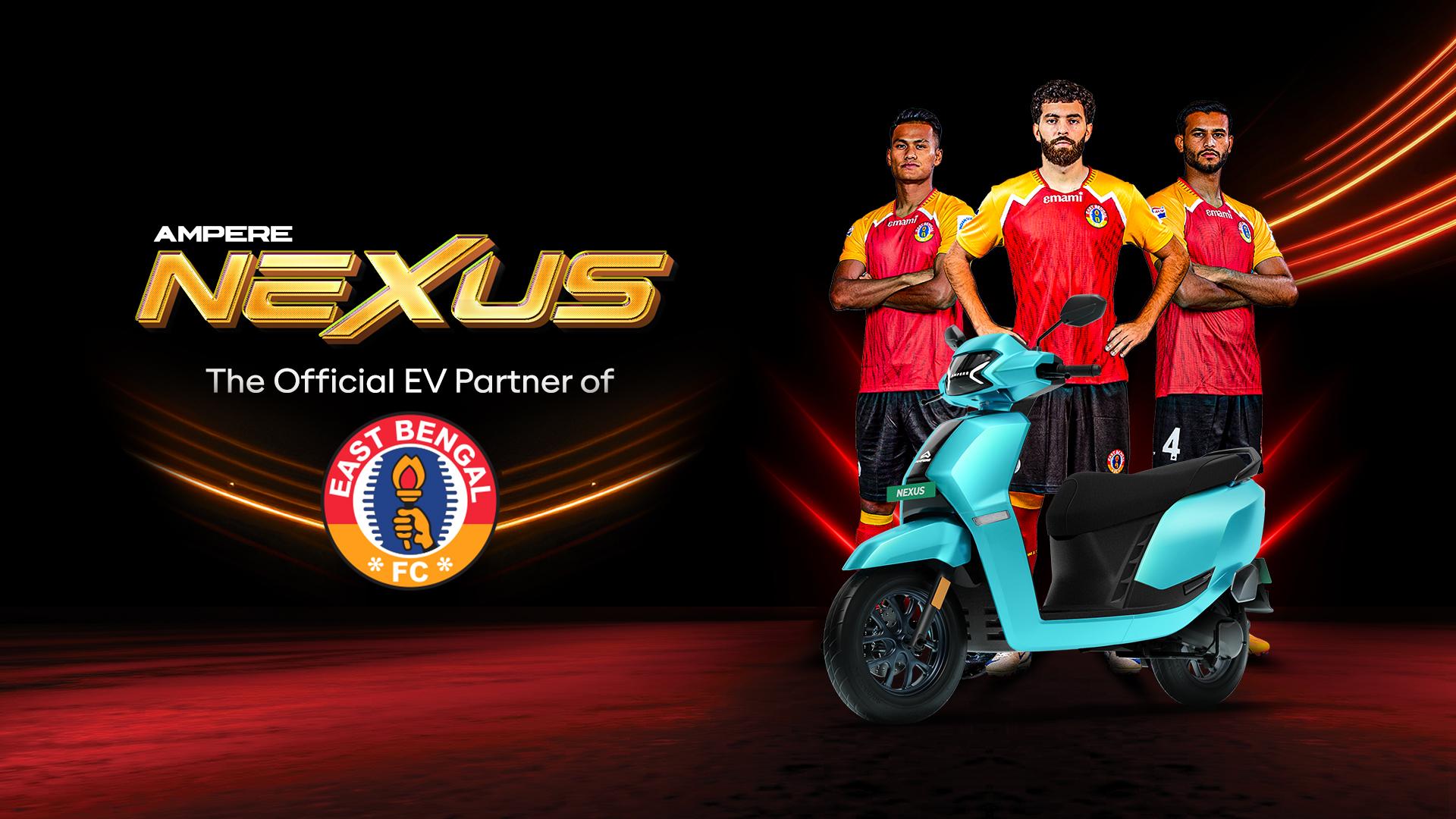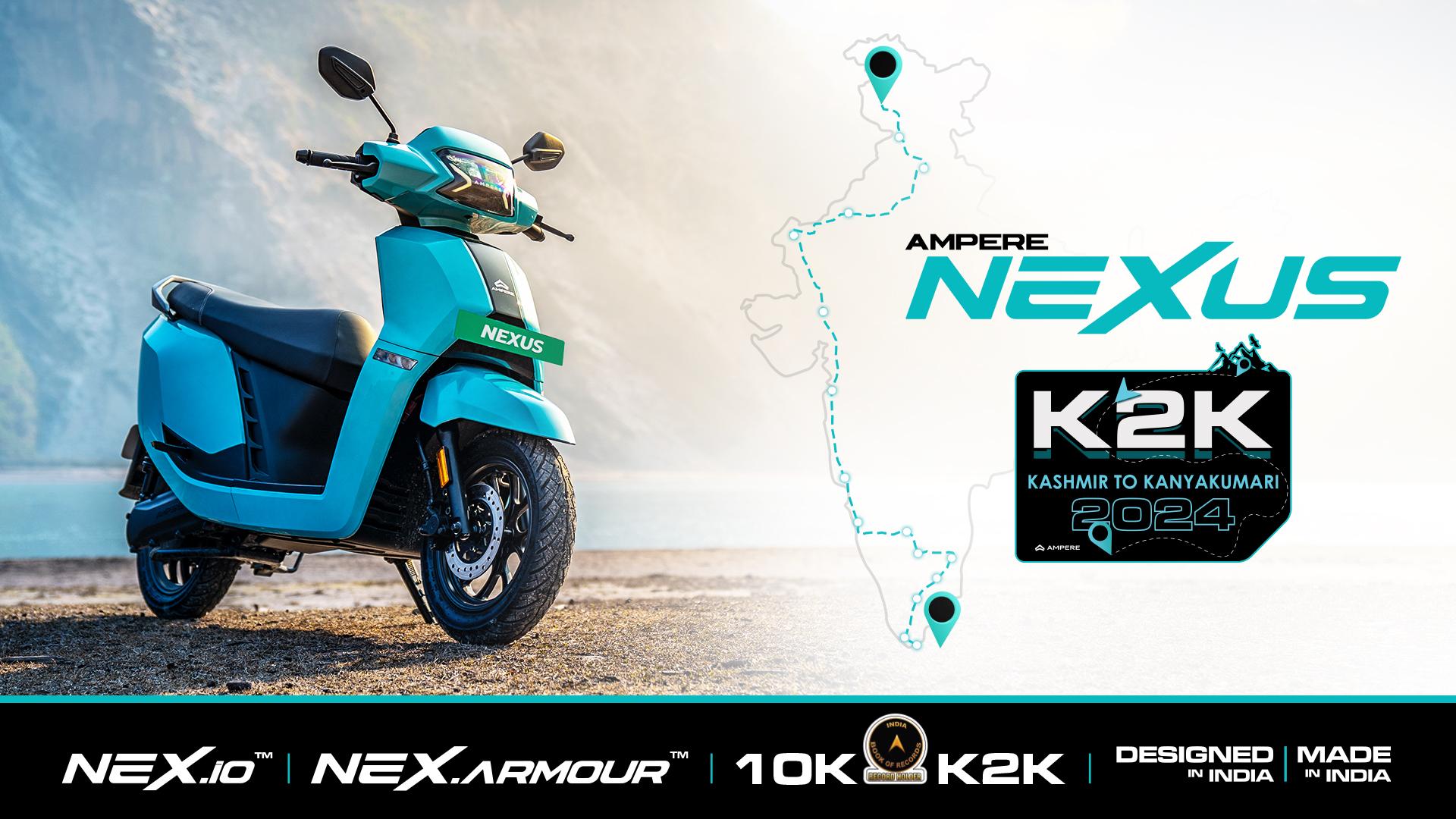
The best mileage scooty in India for 2026 is no longer a petrol model. The Ampere Nexus delivers a certified IDC range of 136 km per charge, while the Ampere Magnus Grand offers 118 km IDC — both powered by the safest LFP (Lithium Iron Phosphate) battery chemistry, backed by a 5-year/75,000 km warranty. At just 10–15 paise per kilometre, they offer running costs that no petrol scooter can match.
Why Mileage Has Become the #1 Buying Factor in 2026
Petrol prices in India held above ₹100/litre through most of 2025 and 2026. For a daily commuter covering 40 km, that translates to a running cost of ₹1.70–2.00 per km on a typical petrol scooter. This single factor has accelerated EV adoption dramatically — particularly in Tier-2 and Tier-3 cities where monthly budgets are tighter.
But range anxiety remains the top reservation among first-time EV buyers. The critical question is not just how many kilometres an electric scooter claims — it is how many it reliably delivers in the real-world Indian riding environment: stop-and-go traffic, steep road cambers, summer heat above 40°C, and riders who do not always remember to charge every night. That is where the Ampere Nexus and Magnus Grand are designed to excel.
Ampere Nexus: Built for Long Range and Real-World Performance
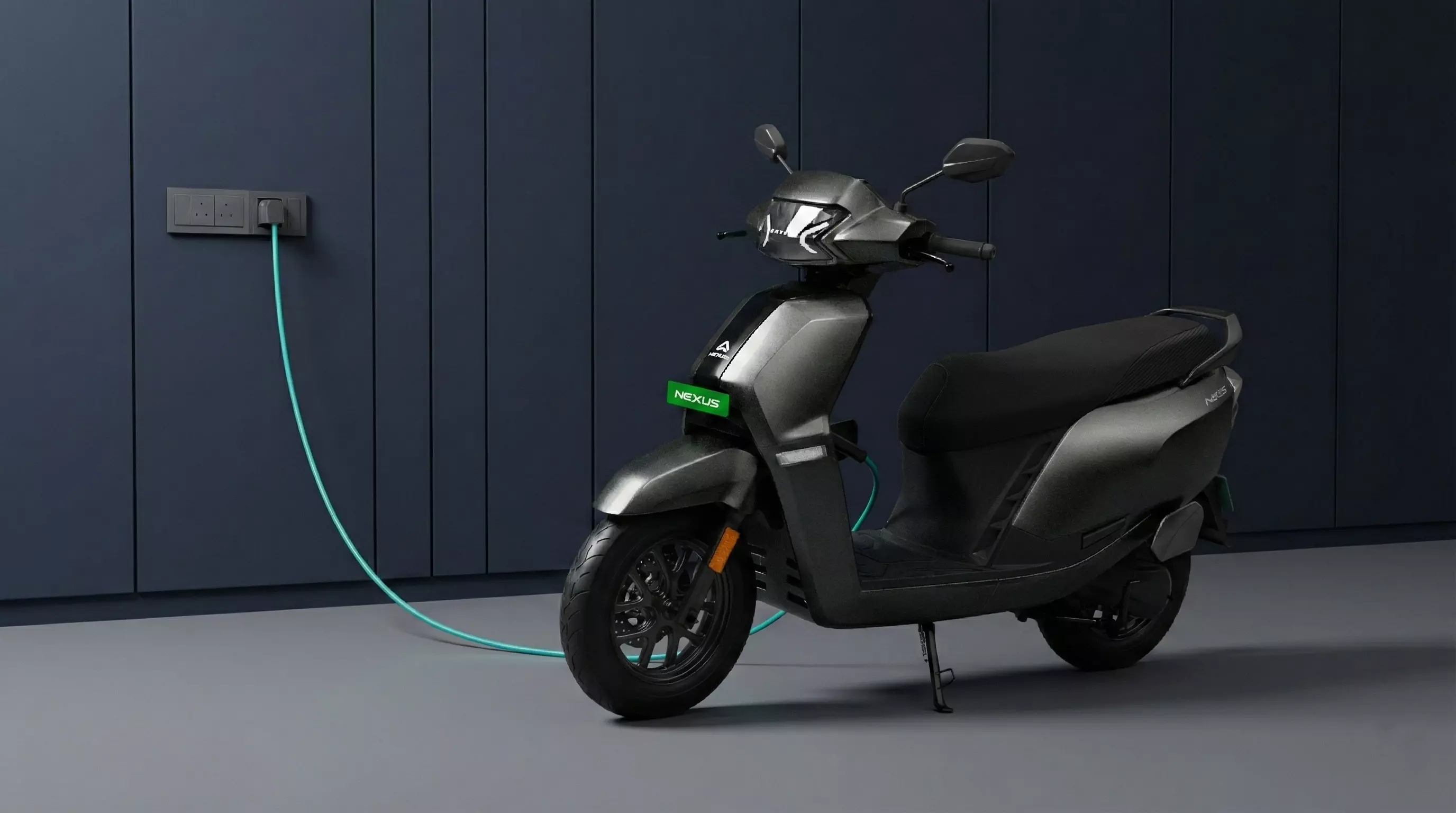
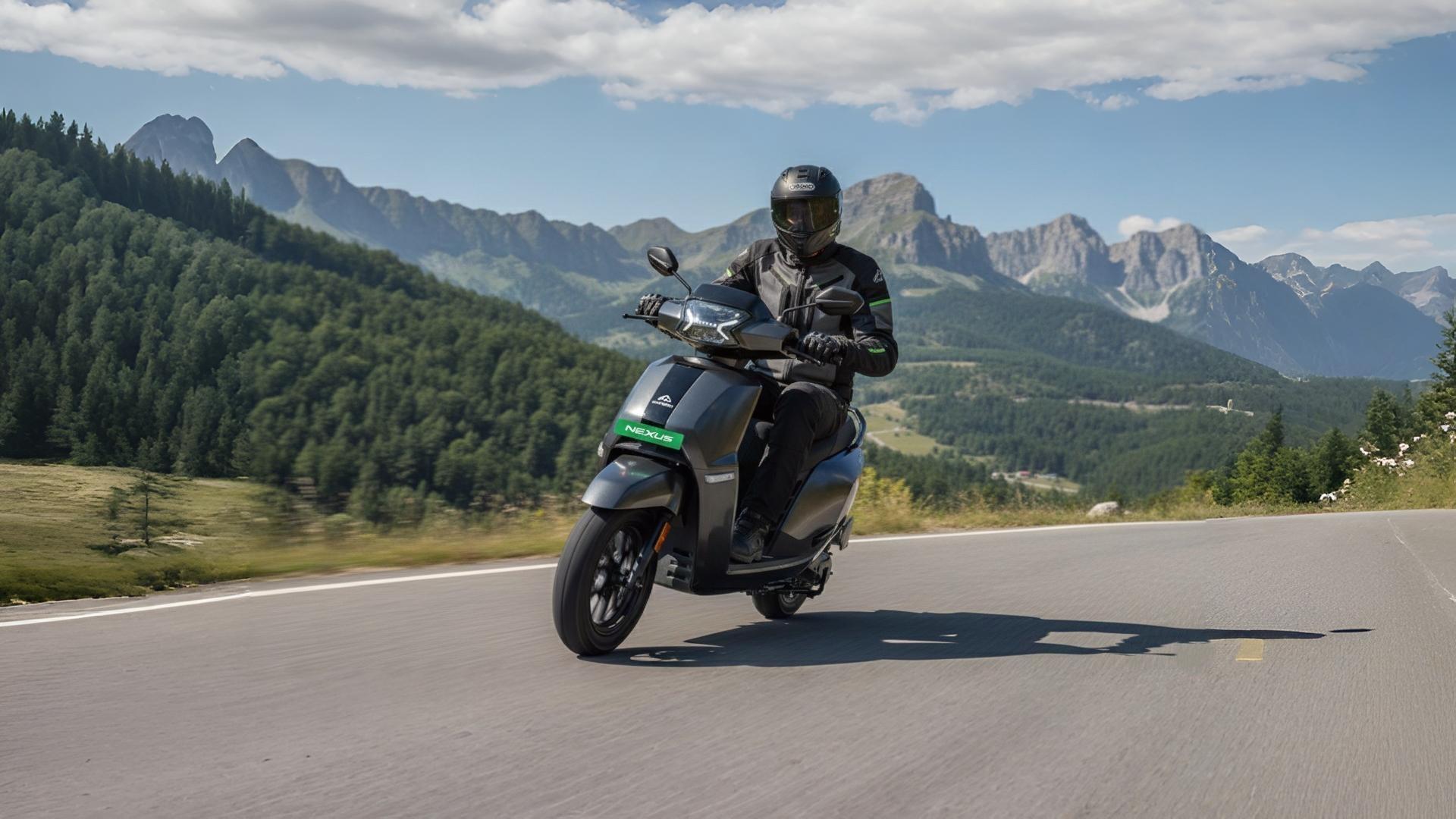
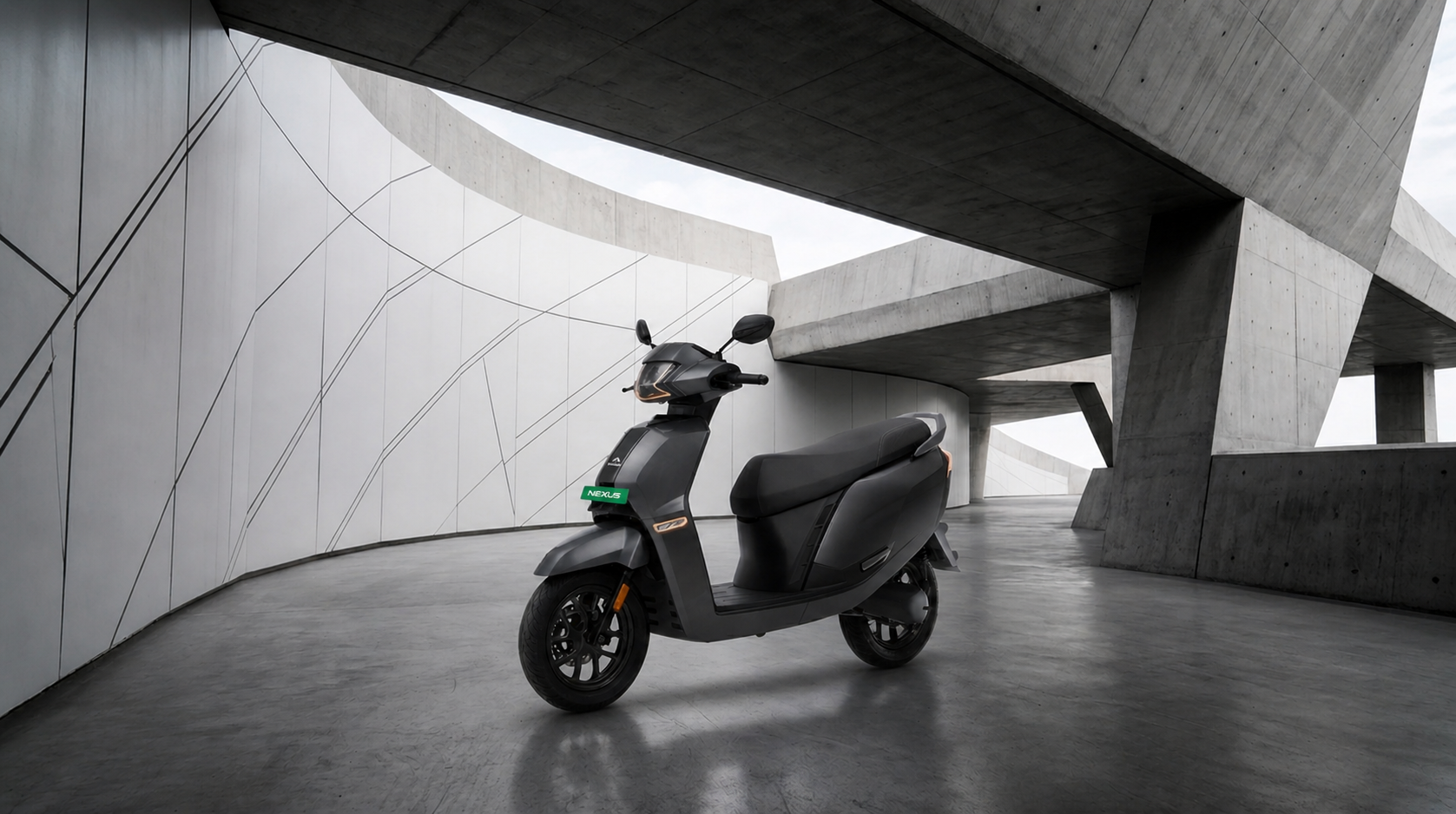
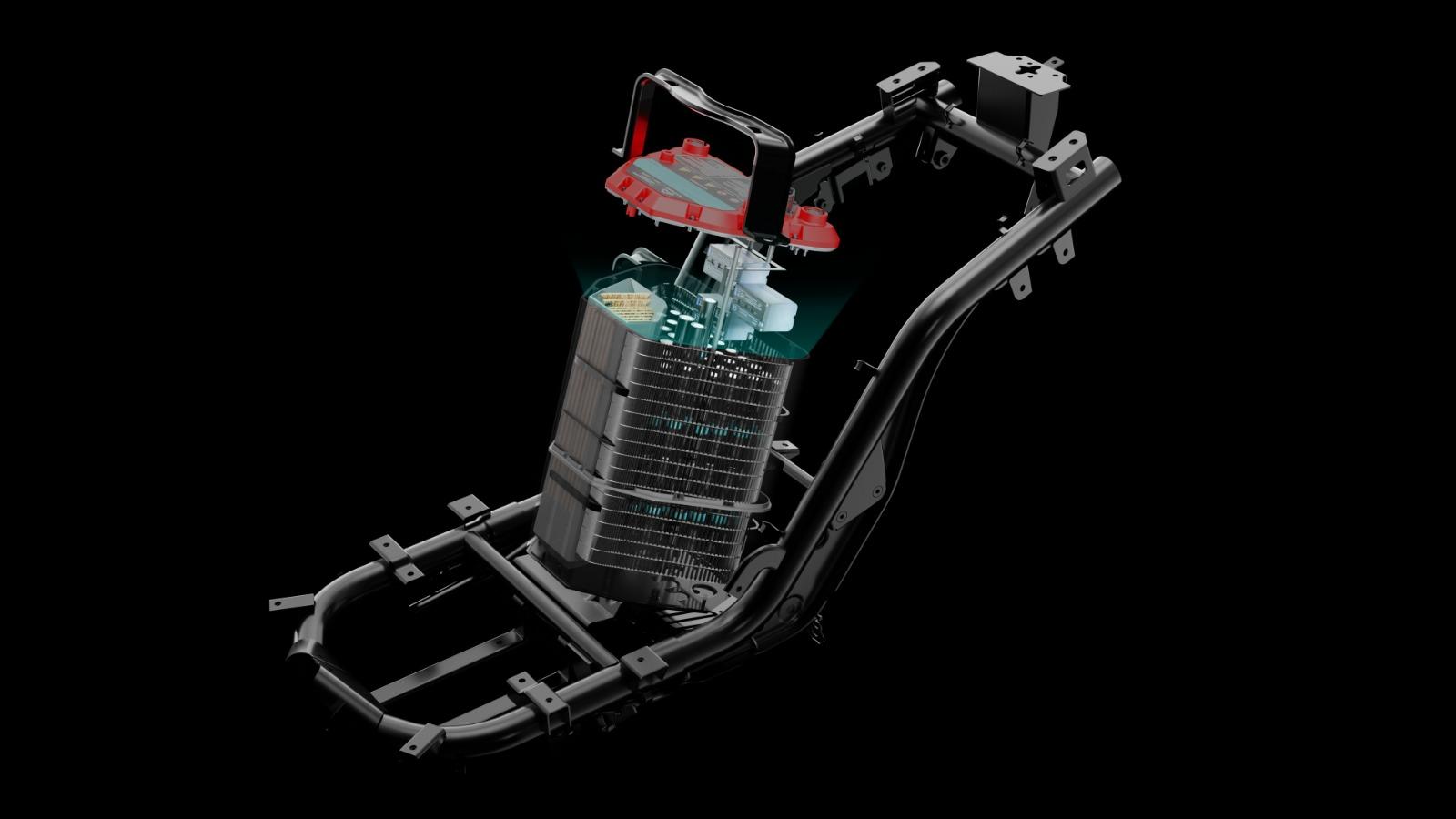
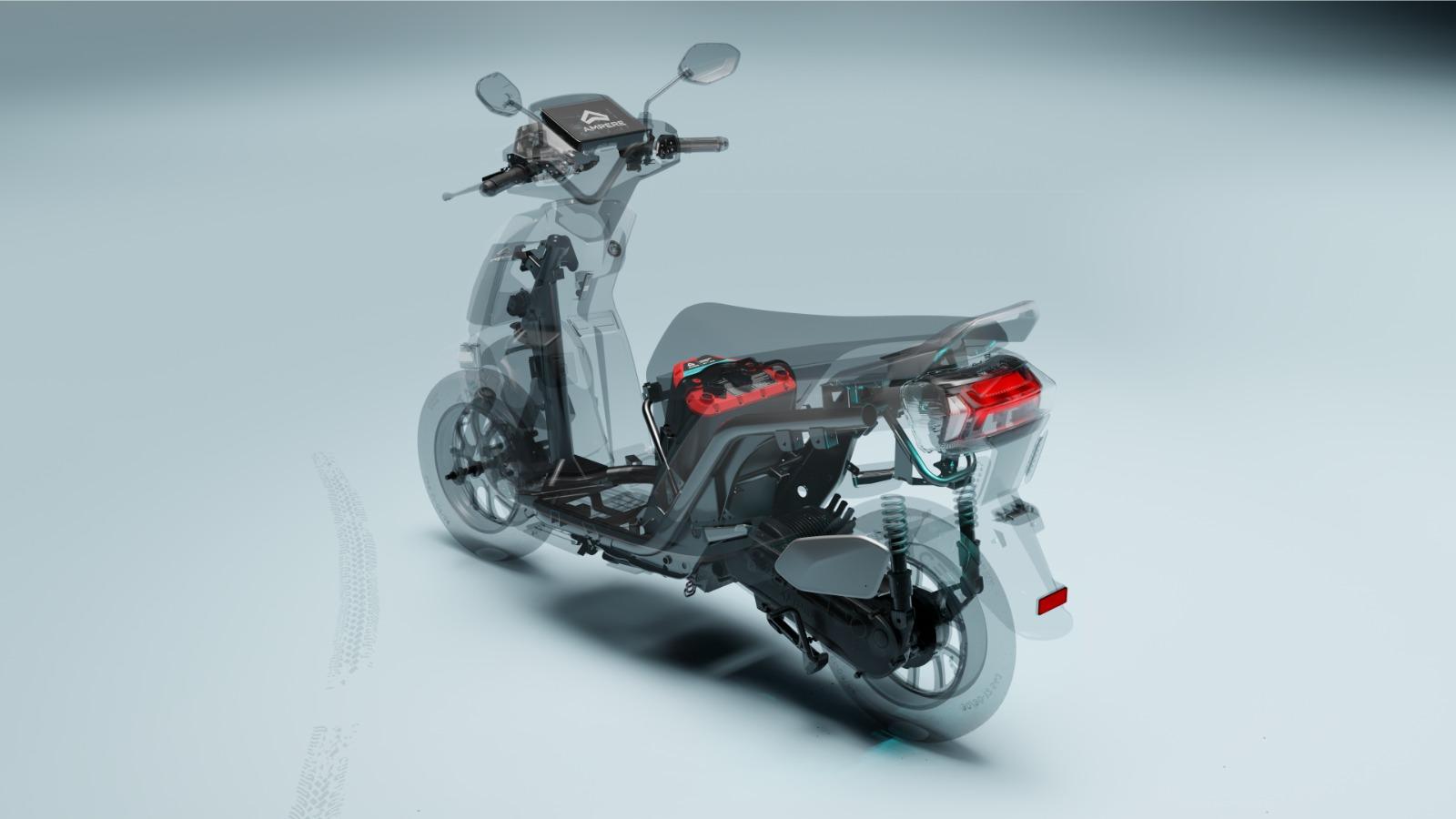
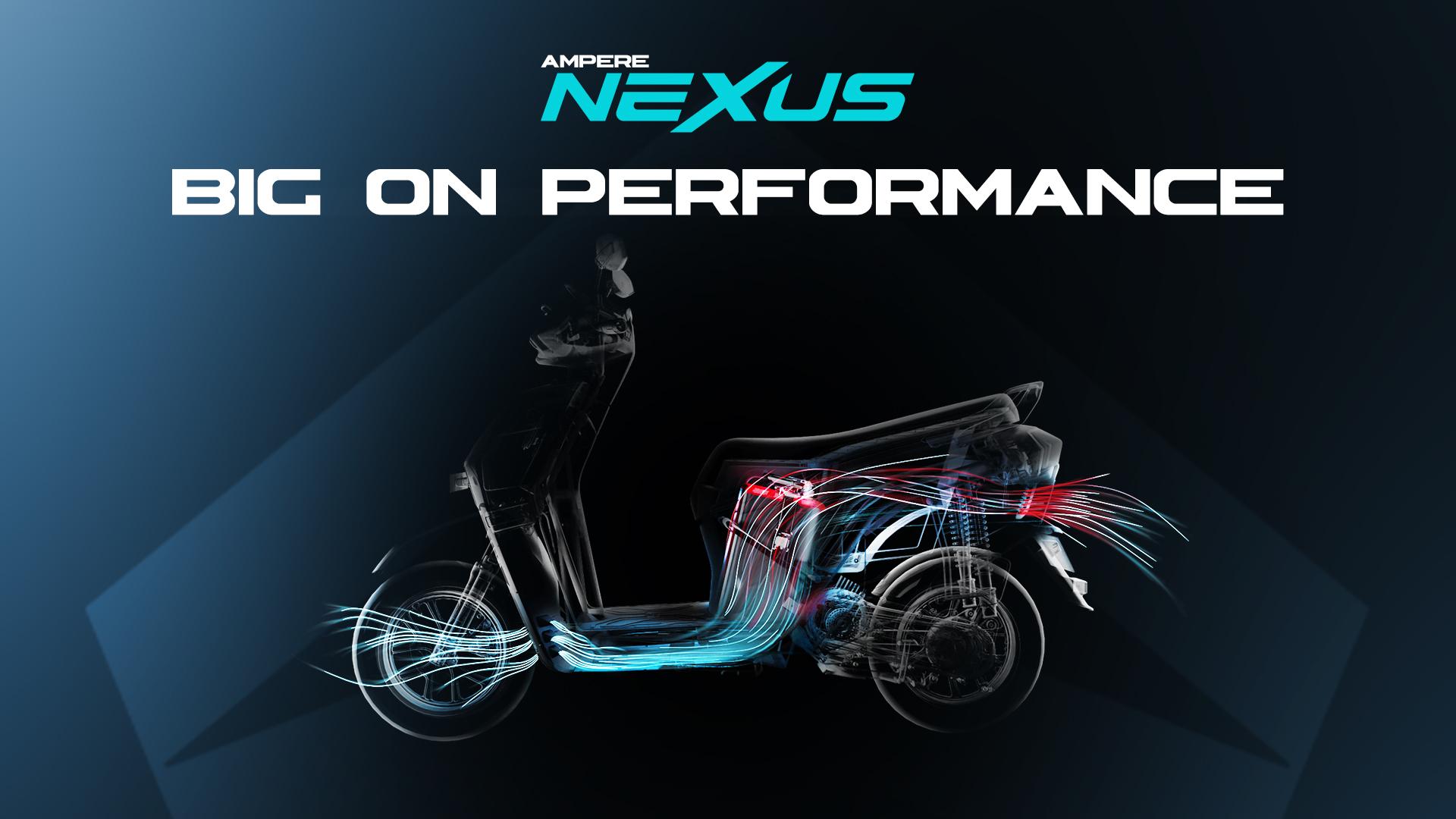
The Ampere Nexus is Ampere's flagship electric scooter, launched with a 3 kWh LFP battery and a 4 kW mid-mount motor. It holds a certified IDC range of 136 km — the highest in its class at launch. Real-world rider data puts this at 100–105 km in mixed city conditions, which comfortably covers 2.5 days of the average Indian commute (national average: 20–25 km per day) on a single charge.
The Nexus achieves this through intelligent energy management across five riding modes. Eco mode caps speed at 42 km/h and draws minimum motor power, giving riders on flat city roads up to 15–20% extra range. City mode is the daily-use setting at 63 km/h. Power mode unlocks 93 km/h for expressways and overtaking. The Limp Home mode — activating below 20% battery — ensures you always reach a charging point safely. Reverse mode adds convenience when parking on inclines.
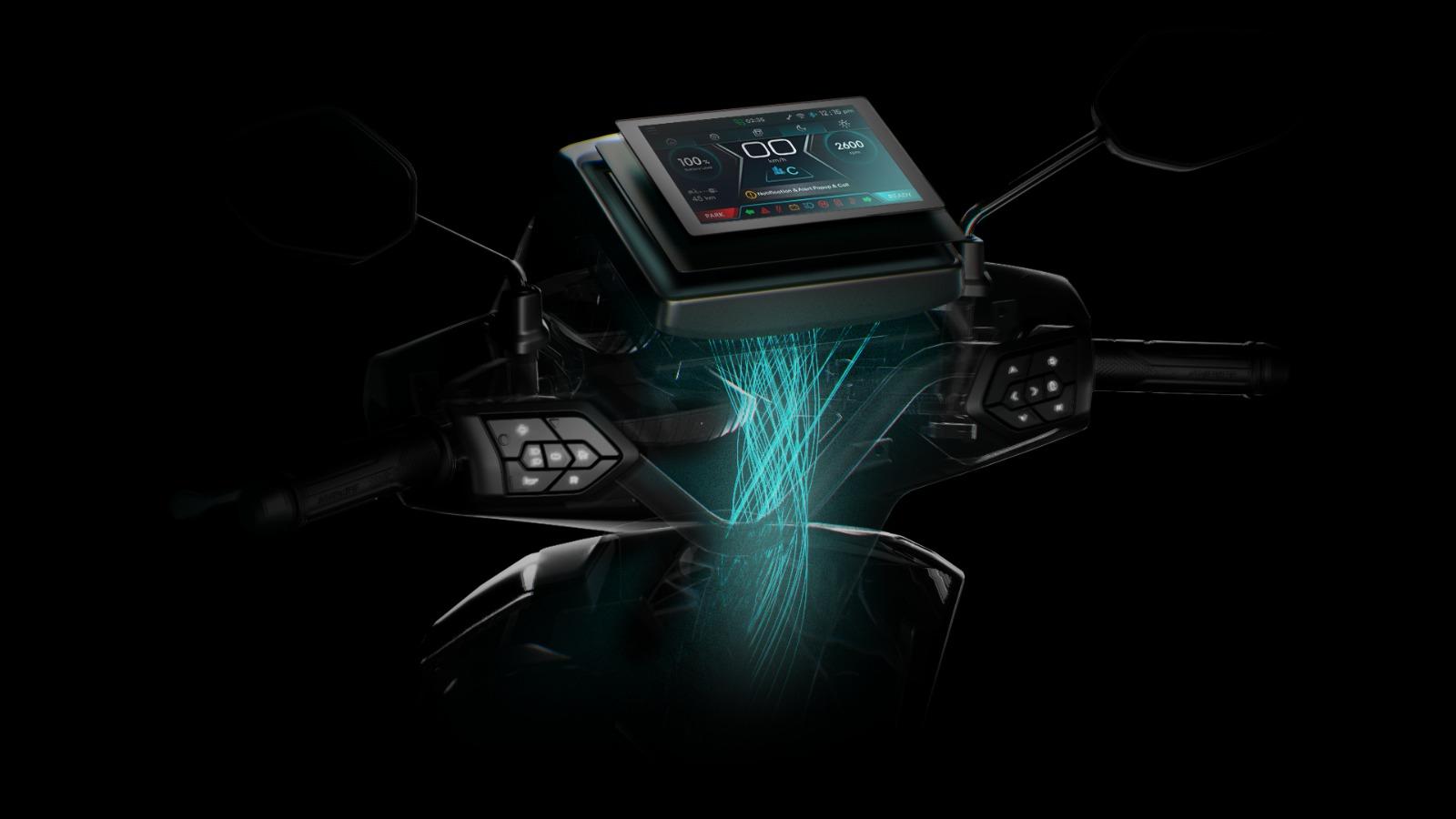
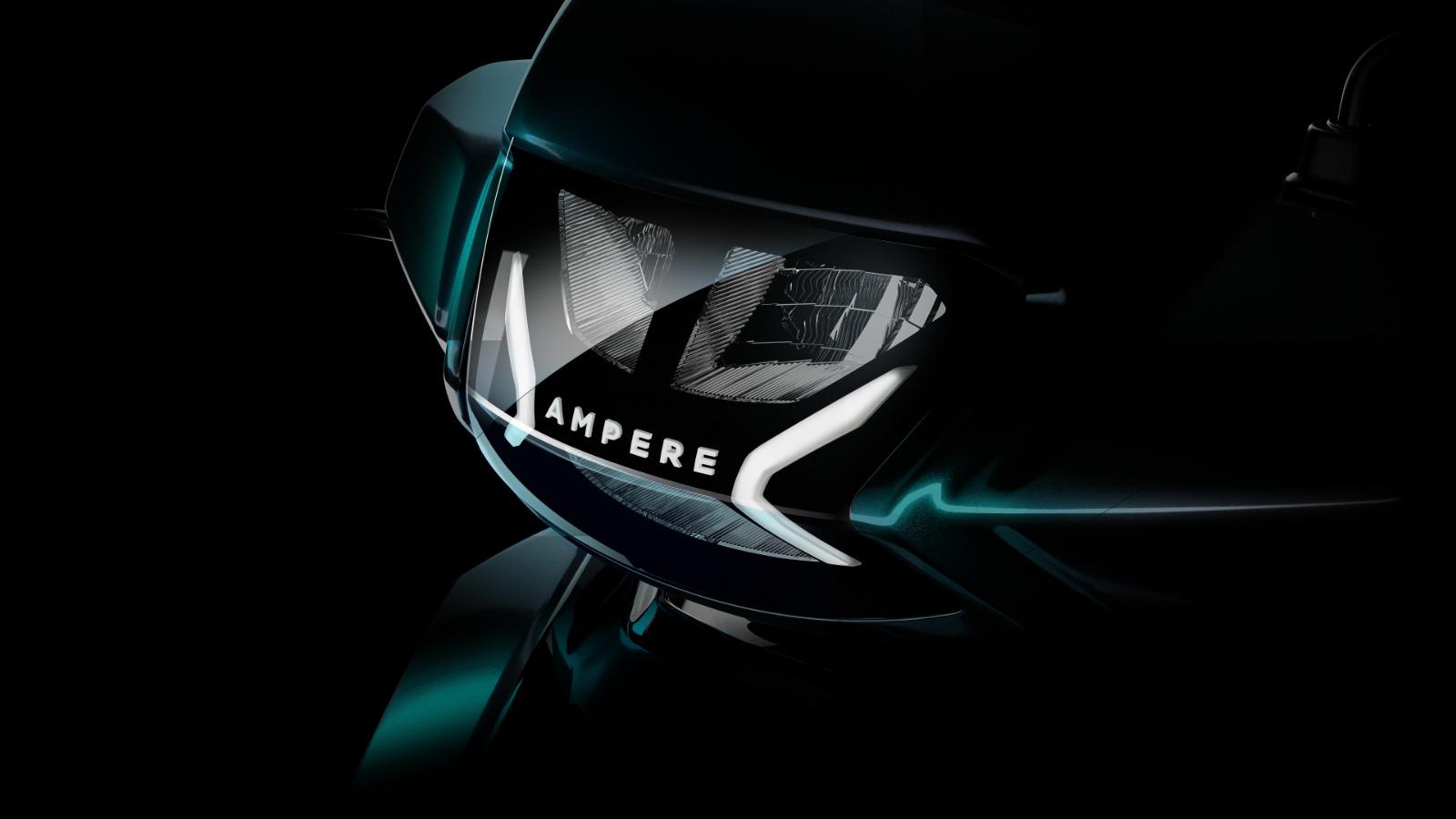
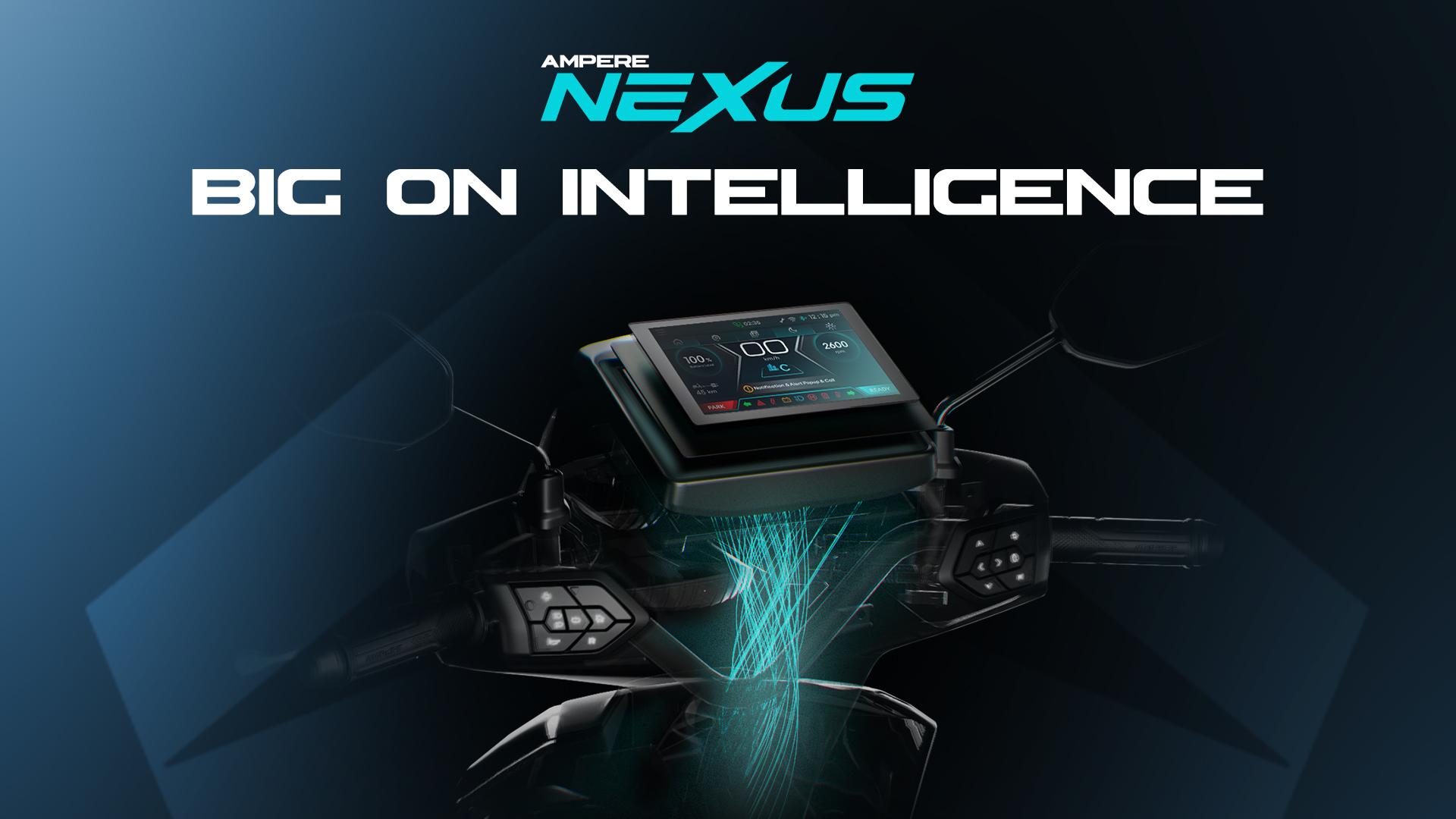
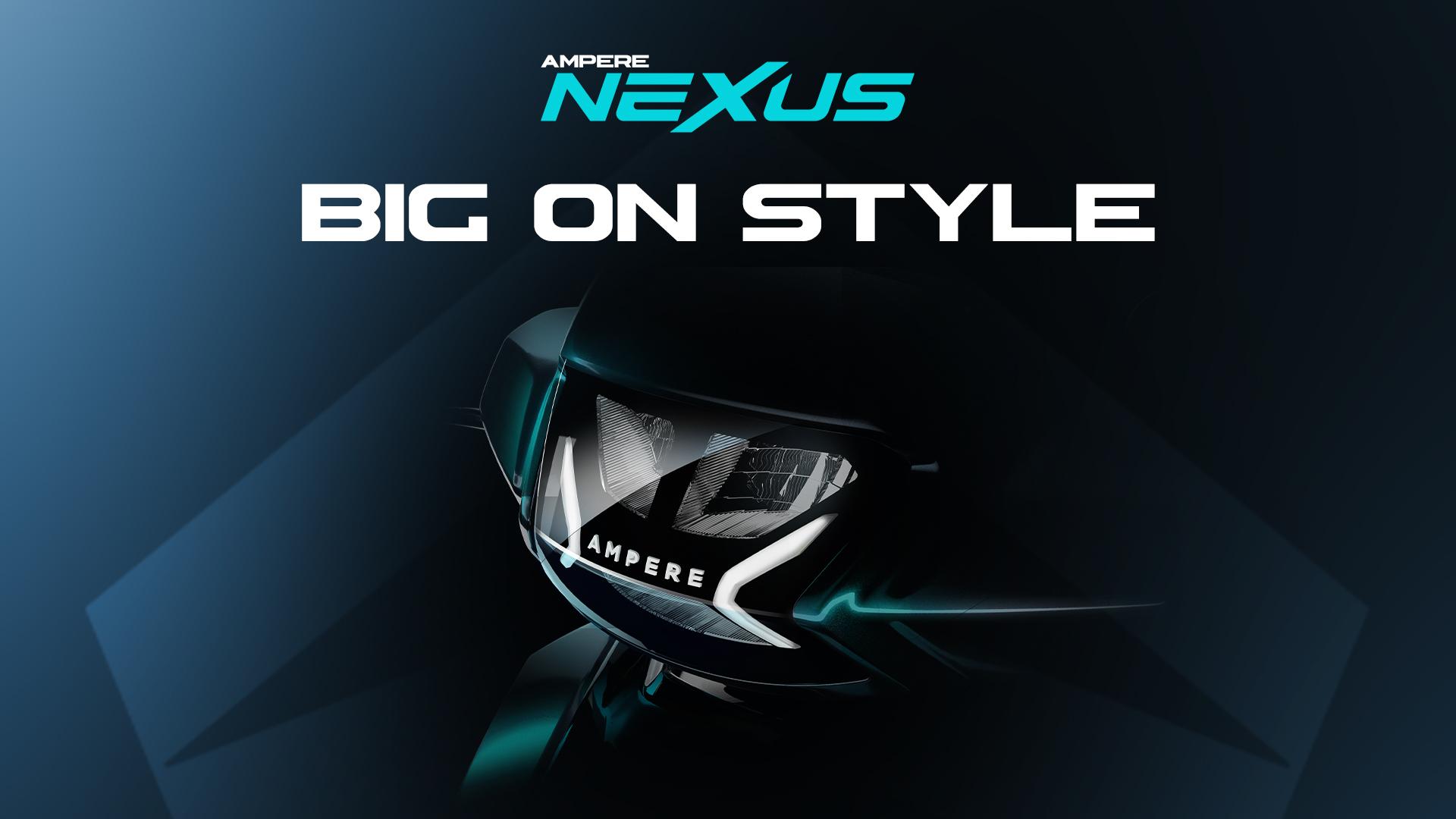
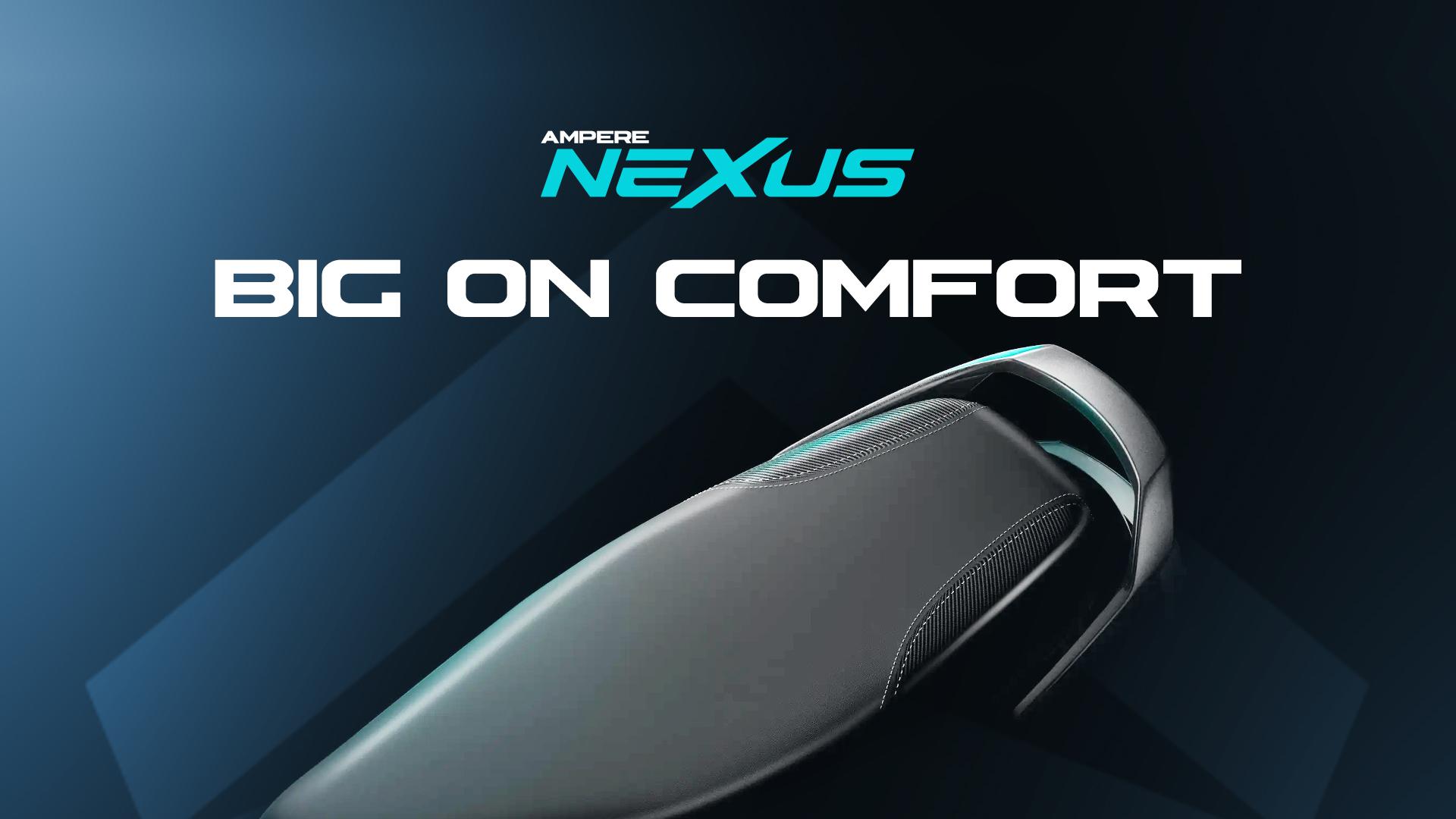
The diamond-cut LED headlamp and 7-inch TFT touchscreen cluster with auto day/night switching are features that reinforce the Nexus's premium positioning. The cluster runs on Nex.IO — Ampere's proprietary connected platform — providing turn-by-turn navigation, music controls, and real-time battery monitoring. This matters for range management: riders who can see their exact energy consumption adjust their riding style naturally, extending range further.
Ampere Magnus Grand: Best Mileage Under ₹1 Lakh
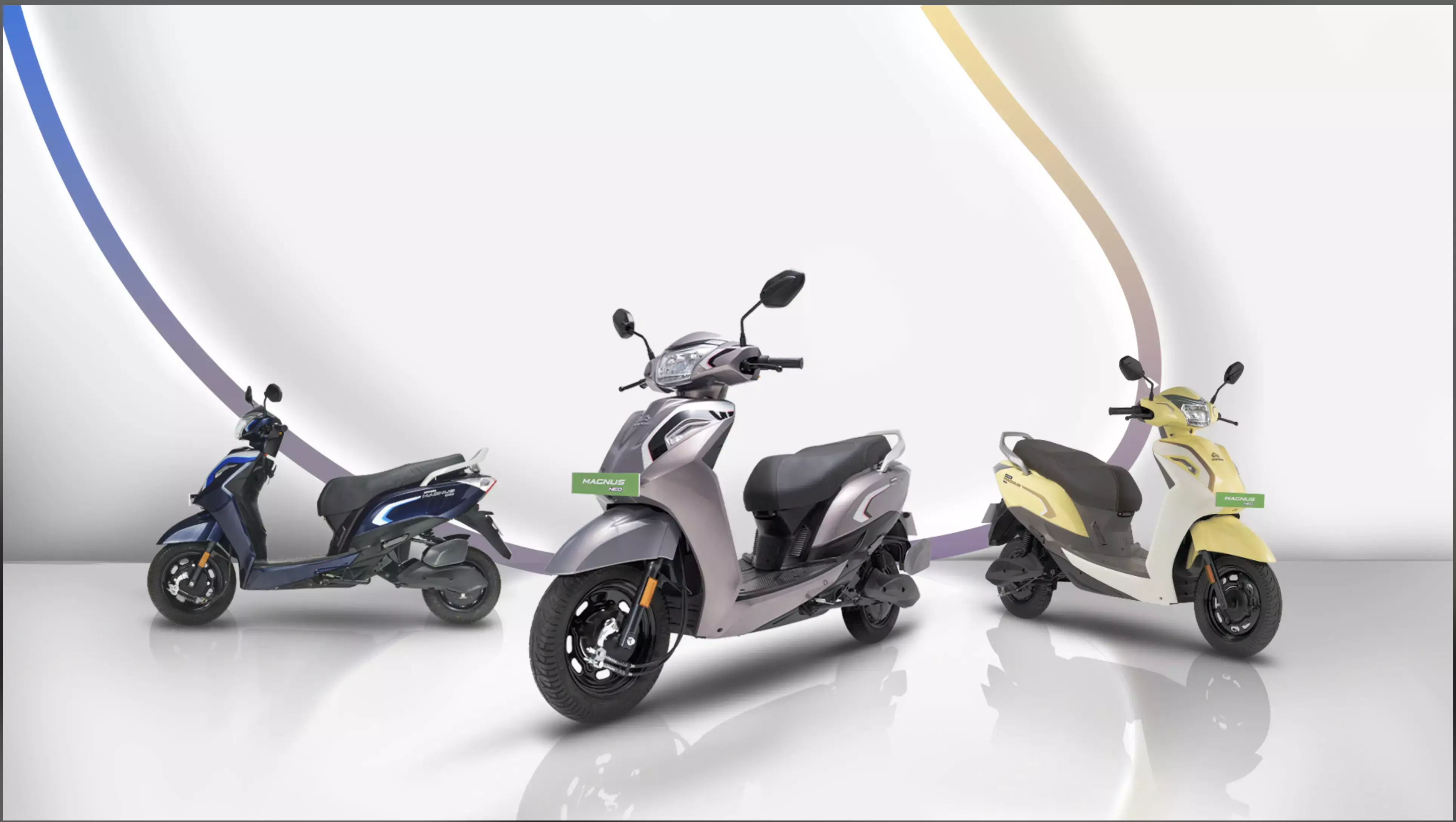
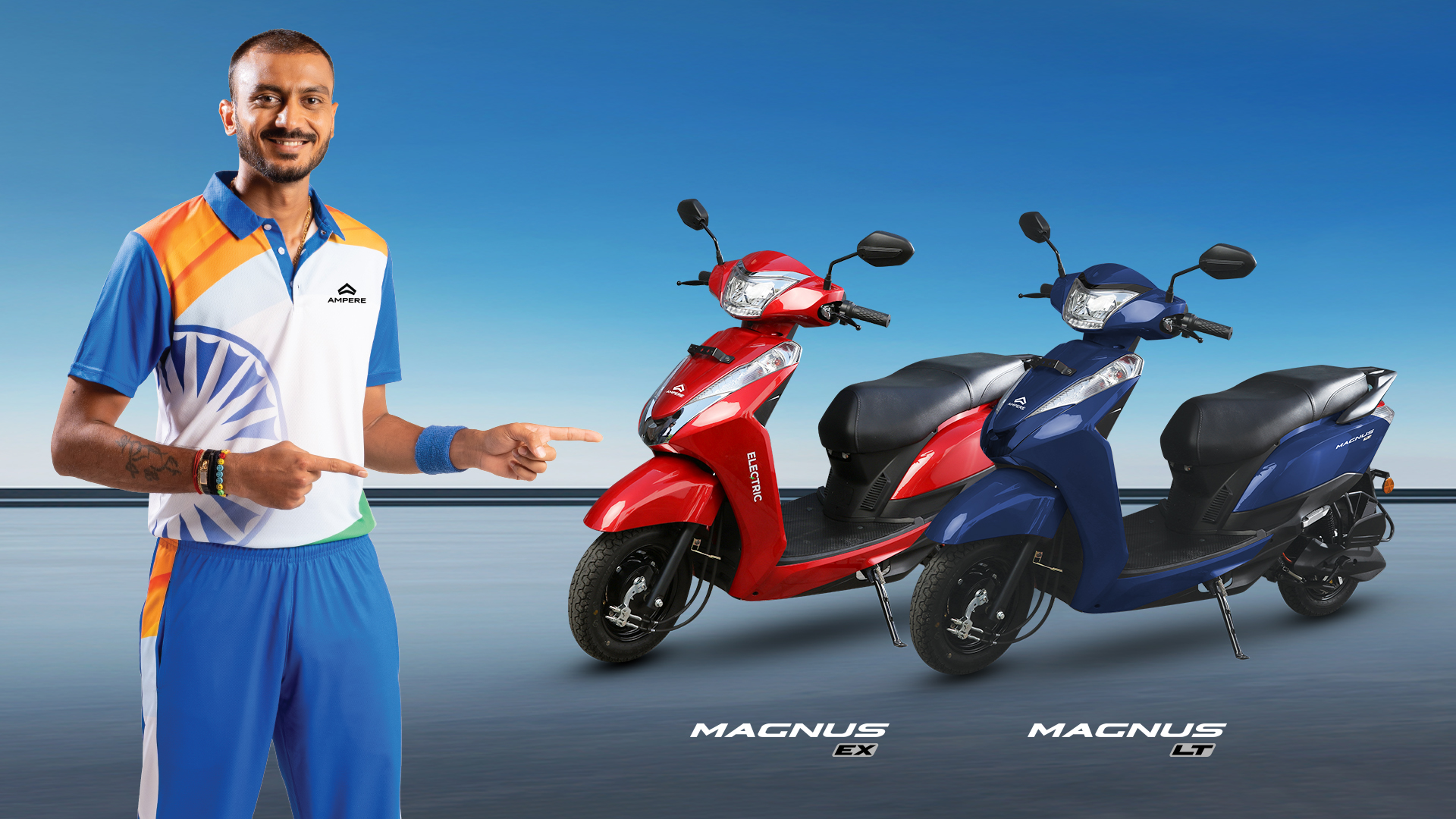
The Ampere Magnus Grand was launched in September 2025 at ₹89,999 — making it the most affordable LFP-battery electric scooter in India. It carries a 2.88 kWh LFP pack with an IDC-certified range of 118 km and a real-world estimate of 80–95 km depending on terrain, load, and riding style.
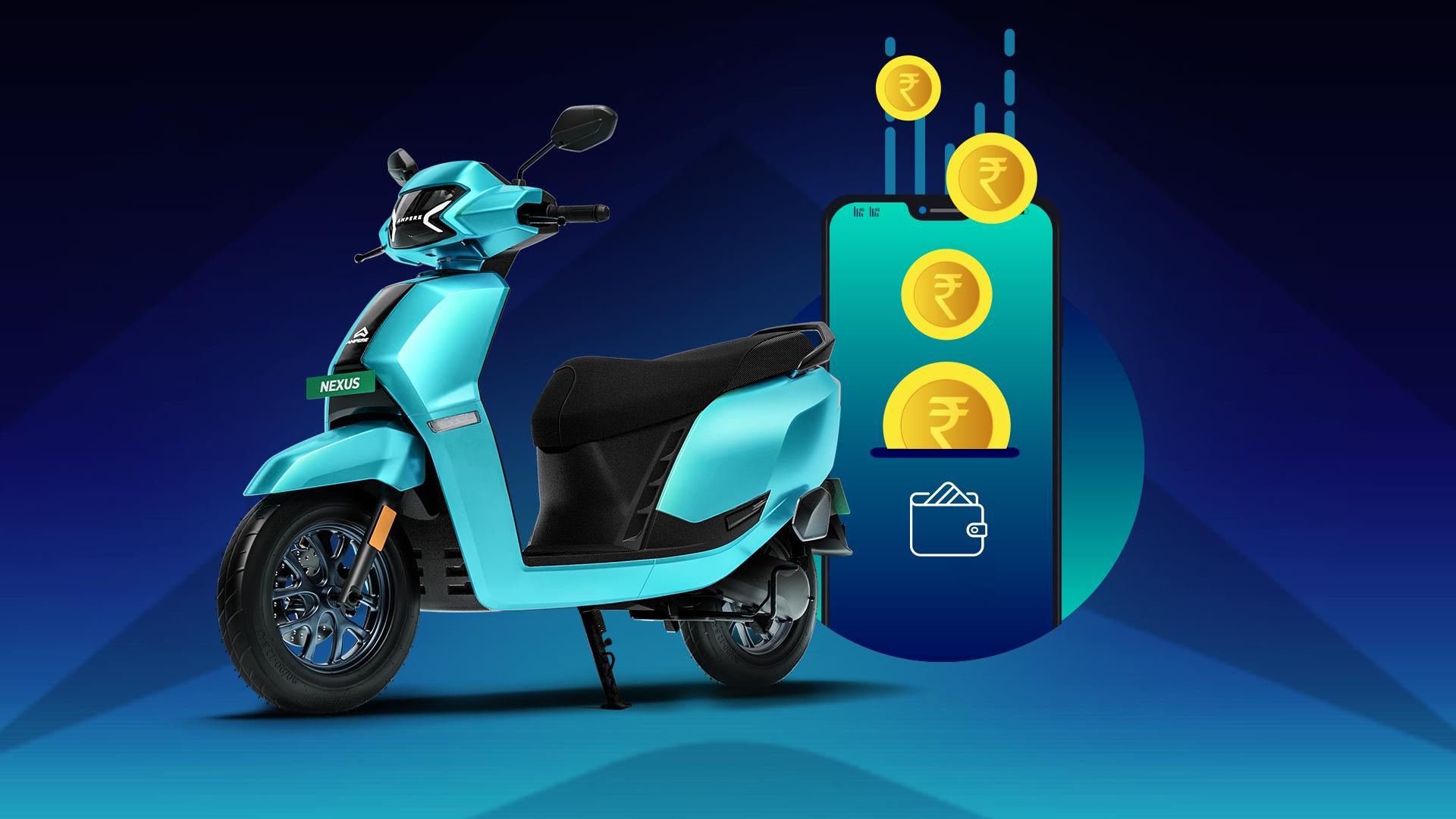
For families and office commuters covering up to 50 km daily, the Magnus Grand is an exceptional value proposition. At 15 paise per km, a 40 km daily commute costs approximately ₹6 per day — versus ₹80–85 for a petrol scooter on the same route. Over a year, the saving exceeds ₹27,000. Over five years, factoring in reduced service costs (no engine oil, no spark plugs, no air filters), total savings can exceed ₹1.5 lakh.
The Magnus Grand sits on a dual-frame high-tensile steel chassis, offering 165 mm of ground clearance — vital for Indian roads with broken surfaces, speed breakers, and potholes. The 22-litre under-seat storage is family-friendly, with space for a full-face helmet. A 3.5-inch digital instrument cluster provides speed, range, battery level, and trip data clearly even in direct sunlight.
Head-to-Head: Nexus vs Magnus Grand vs Petrol Rivals
| Feature | Ampere Nexus | Ampere Magnus Grand | Honda Activa 6G | TVS Jupiter 125 |
|---|---|---|---|---|
| Type | Electric (LFP) | Electric (LFP) | Petrol | Petrol |
| Claimed Range / Mileage | 136 km (IDC) | 118 km (IDC) | ~50 km/litre | ~55 km/litre |
| Real-World Range | 100–105 km | 80–95 km | 40–45 km/litre | 45–50 km/litre |
| Running Cost per km | ~₹0.10 | ~₹0.15 | ~₹1.91 | ~₹1.75 |
| Annual Fuel Cost (40 km/day) | ~₹1,460 | ~₹2,190 | ~₹27,740 | ~₹25,550 |
| Battery/Engine Warranty | 5 yr / 75,000 km | 5 yr / 75,000 km | 2–3 yrs engine | 2–3 yrs engine |
| Ex-Showroom Price | ₹1.20–1.30 L | ₹89,999 | ~₹77,000 | ~₹80,000 |
Understanding IDC Range vs Real-World Range
IDC stands for Indian Driving Cycle — a standardised laboratory test that measures range under controlled speed, temperature, and load conditions. Every manufacturer uses this for their certified figure. Real-world range is typically 20–30% lower, because it accounts for:
- Varying speeds (traffic, highways, overtaking)
- Rider and pillion weight (up to 150 kg load on Nexus)
- Accessories drawing from the battery (lights, cluster, music)
- Road conditions including inclines, rough surfaces, and frequent stopping
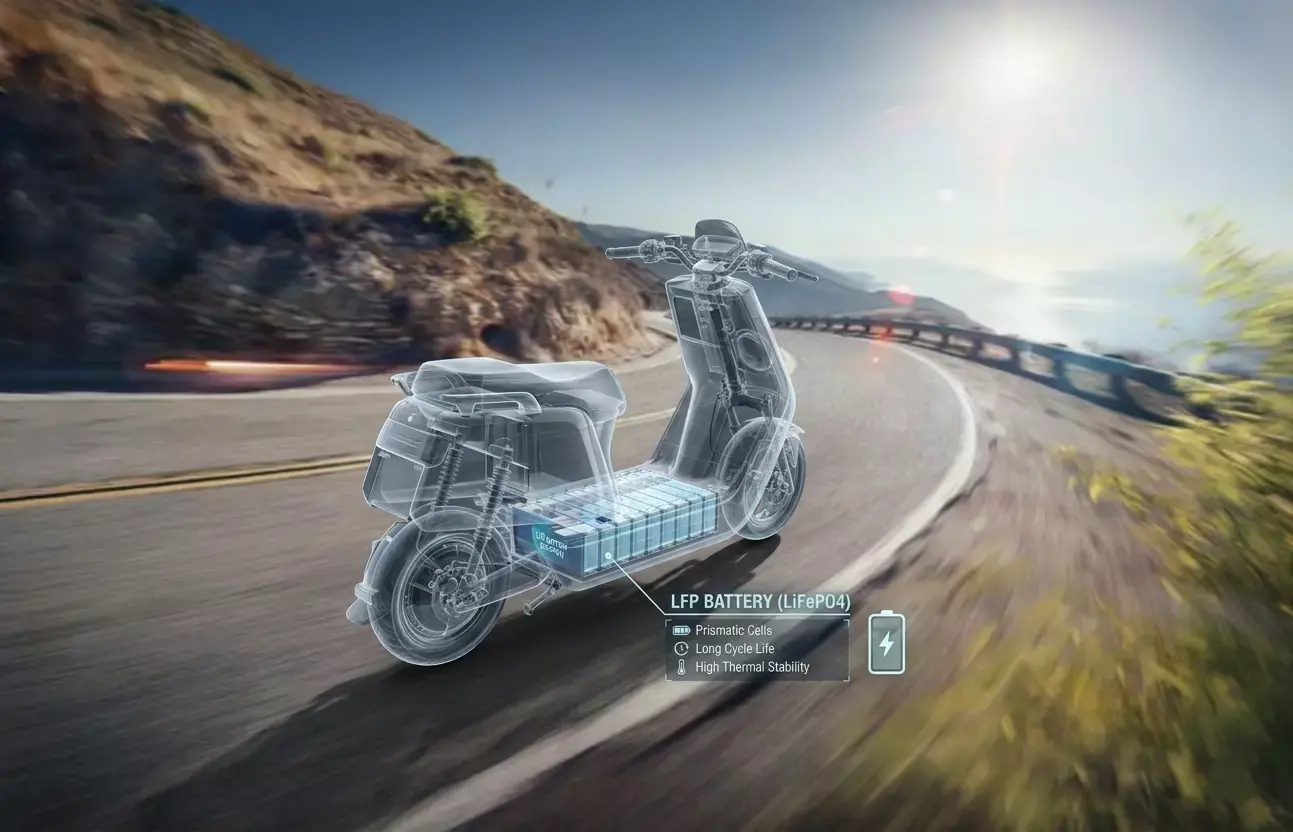
- Temperature effects — LFP batteries maintain range better across temperature extremes than NMC
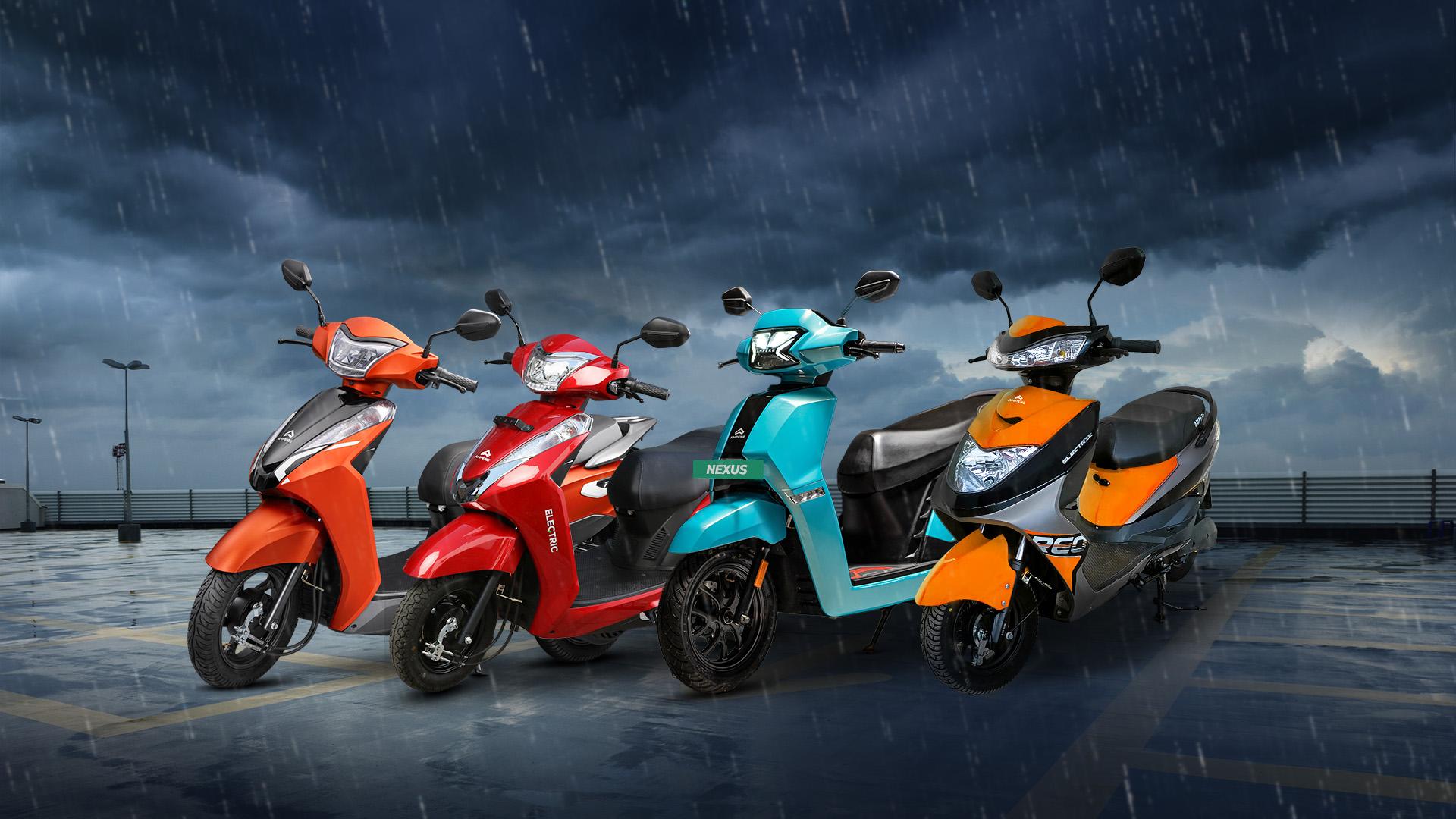
The Nexus's IP67 battery also means its range is not significantly affected by monsoon or high-humidity conditions — a common concern among riders in coastal cities like Mumbai, Kochi, and Chennai.
Which One Is Right for You?
| Your Profile | Recommended Model | Reason |
|---|---|---|
| Daily commute 30–50 km, family rider | Magnus Grand | Best value, LFP battery, family-friendly storage |
| Daily commute 50–80 km, performance rider | Nexus EX | 100+ km real range, 7" TFT, Nex.IO connectivity |
| Long-distance + city use | Nexus ST | 136 km IDC, fast-charge ready, IP67 all-weather |
| Budget under ₹90,000 | Magnus Grand | Only LFP scooter under ₹1 lakh in India |
Frequently Asked Questions
Which electric scooter has the best mileage in India in 2026?
The Ampere Nexus leads with a certified IDC range of 136 km and real-world performance of 100–105 km per charge. The Magnus GMax at 142 Km IDC leads the line up on pure range, while the Nexus pairs it's range with a 93km/h top speed and faster 3.3hr chanrging.
What is the real-world mileage of Ampere Nexus?
Independent riders consistently report 100–105 km per charge in mixed city and highway conditions. Using Eco mode exclusively on flat urban roads can push this closer to 110–115 km.
How does LFP battery affect real-world range?
LFP batteries maintain their capacity more consistently over charge cycles and across temperatures than NMC batteries. This means the Nexus and Magnus Grand retain their range for longer — you will not see significant degradation within the 5-year warranty period.
Is the Ampere Magnus Grand good for 40 km daily commute?
Yes. With an 80–95 km real-world range, the Magnus Grand gives you double your daily commute distance on a single charge. You can charge every other night, reducing charging frequency and further protecting battery longevity.
How much do I save by switching from petrol to Ampere Nexus?
Switching from a 50 km/l petrol scooter saves approximately ₹1.81 per km. For a 40 km/day commute, annual savings exceed ₹26,000. Over 5 years with lower service costs factored in, total savings can exceed ₹1.6 lakh.
Does Ampere Nexus support fast charging?
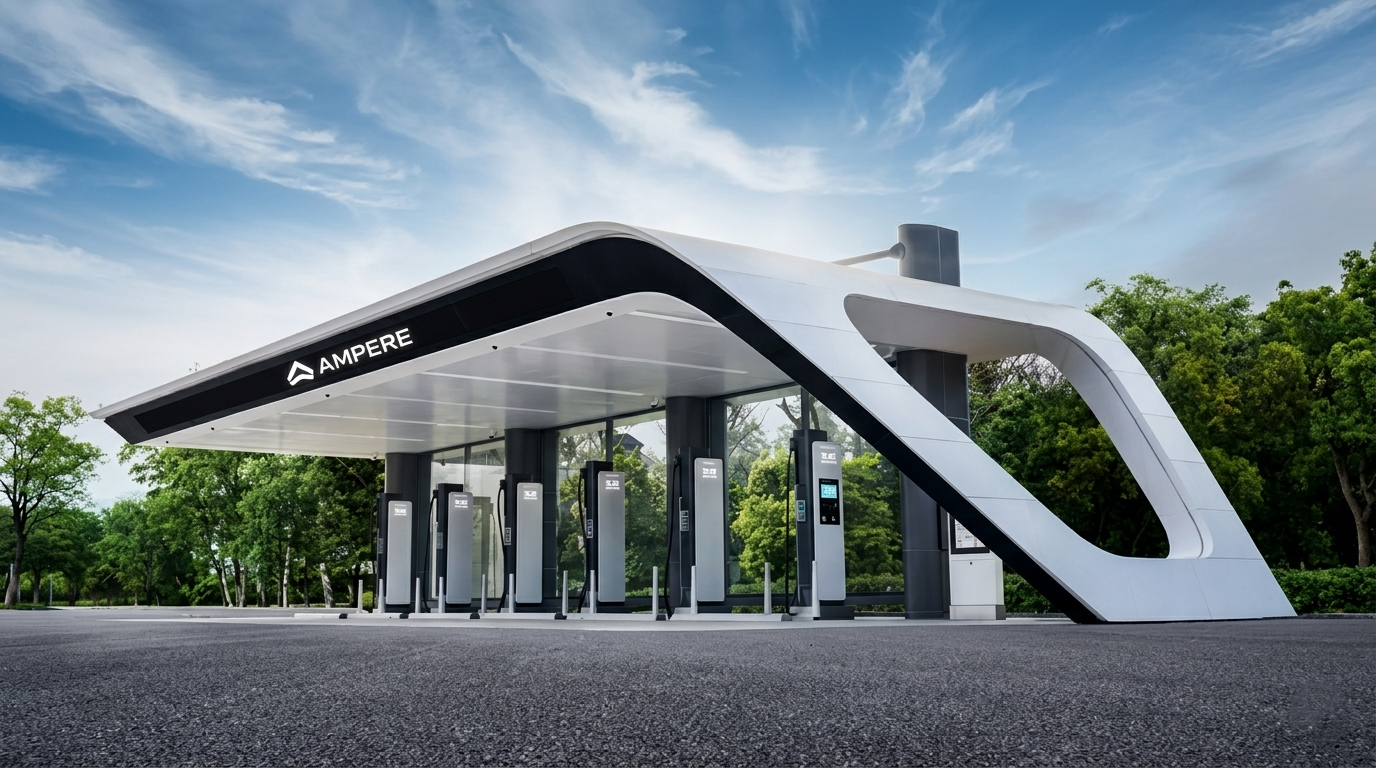
Yes. The Ampere Nexus supports an optional 25A fast charger that significantly reduces charge time from the standard 3 hours 20 minutes. The standard 15A charger is included with purchase.