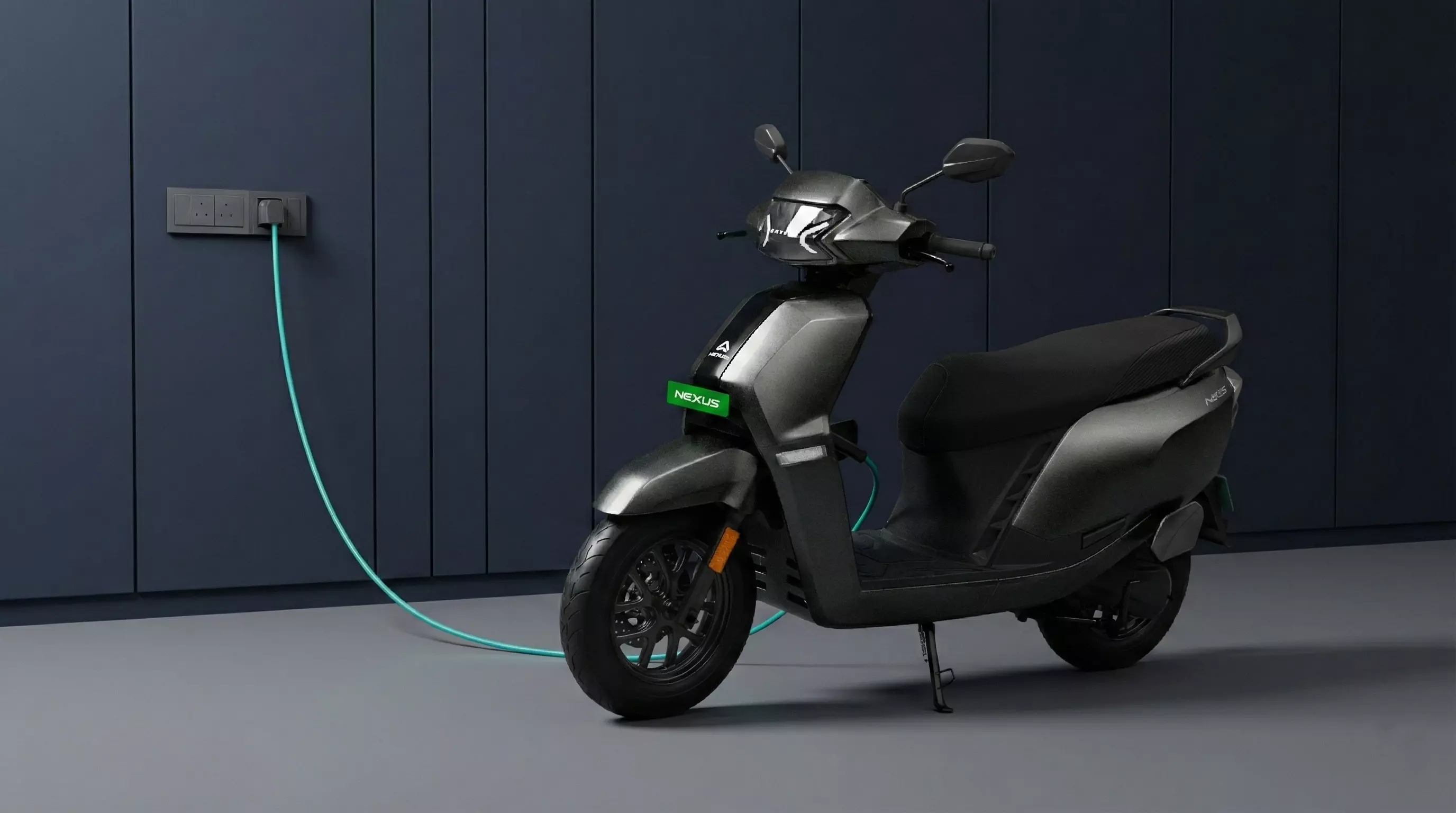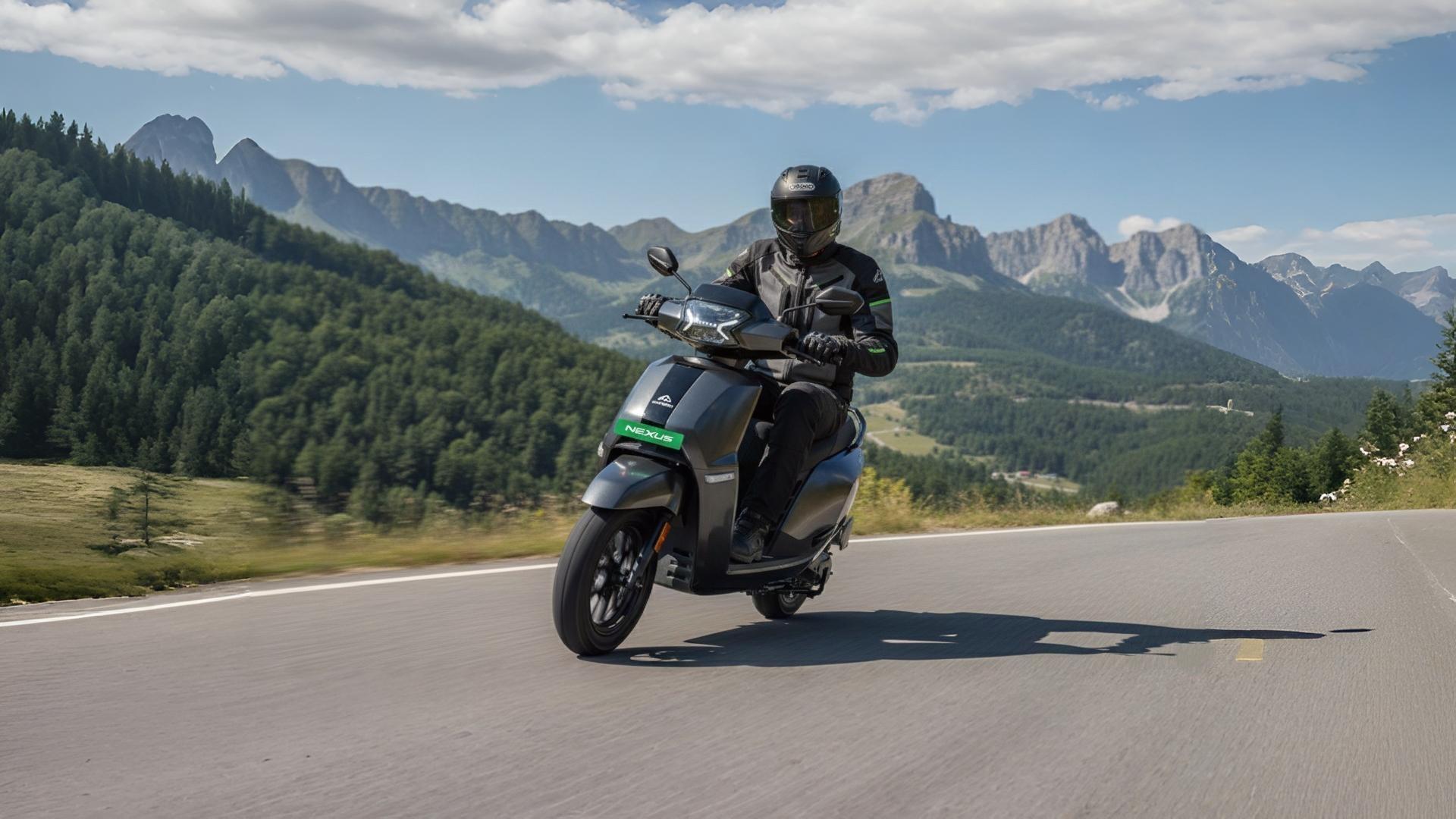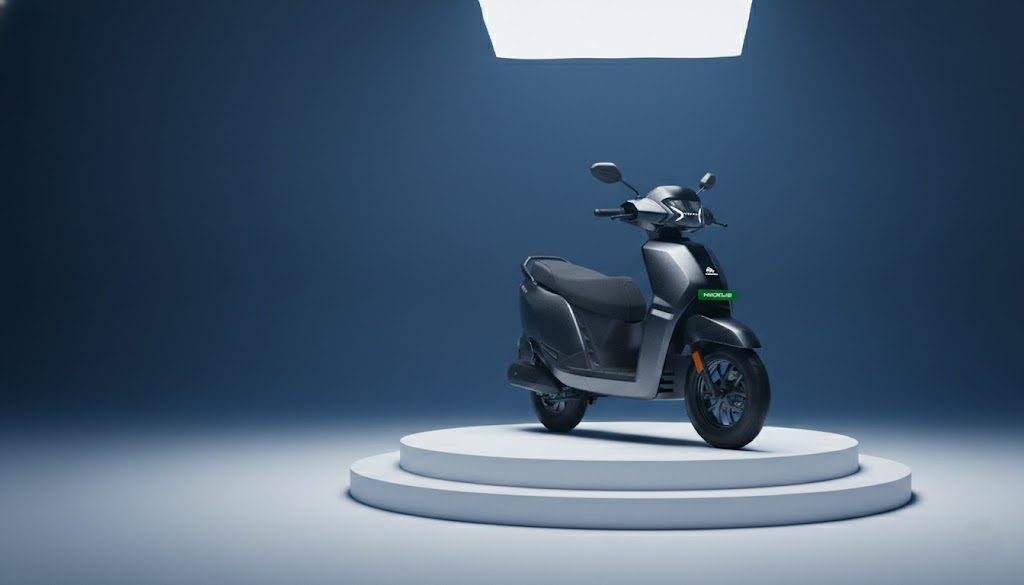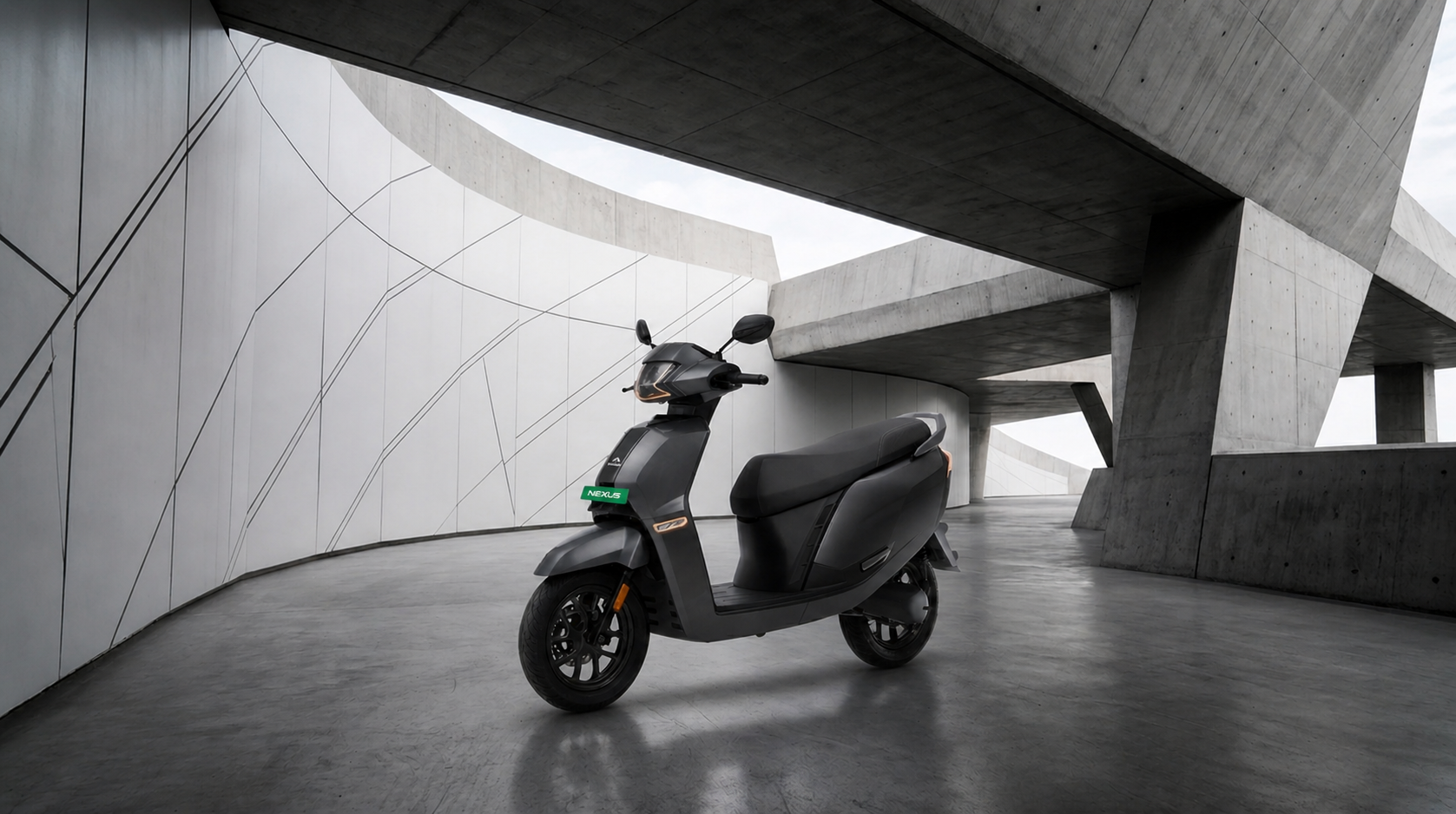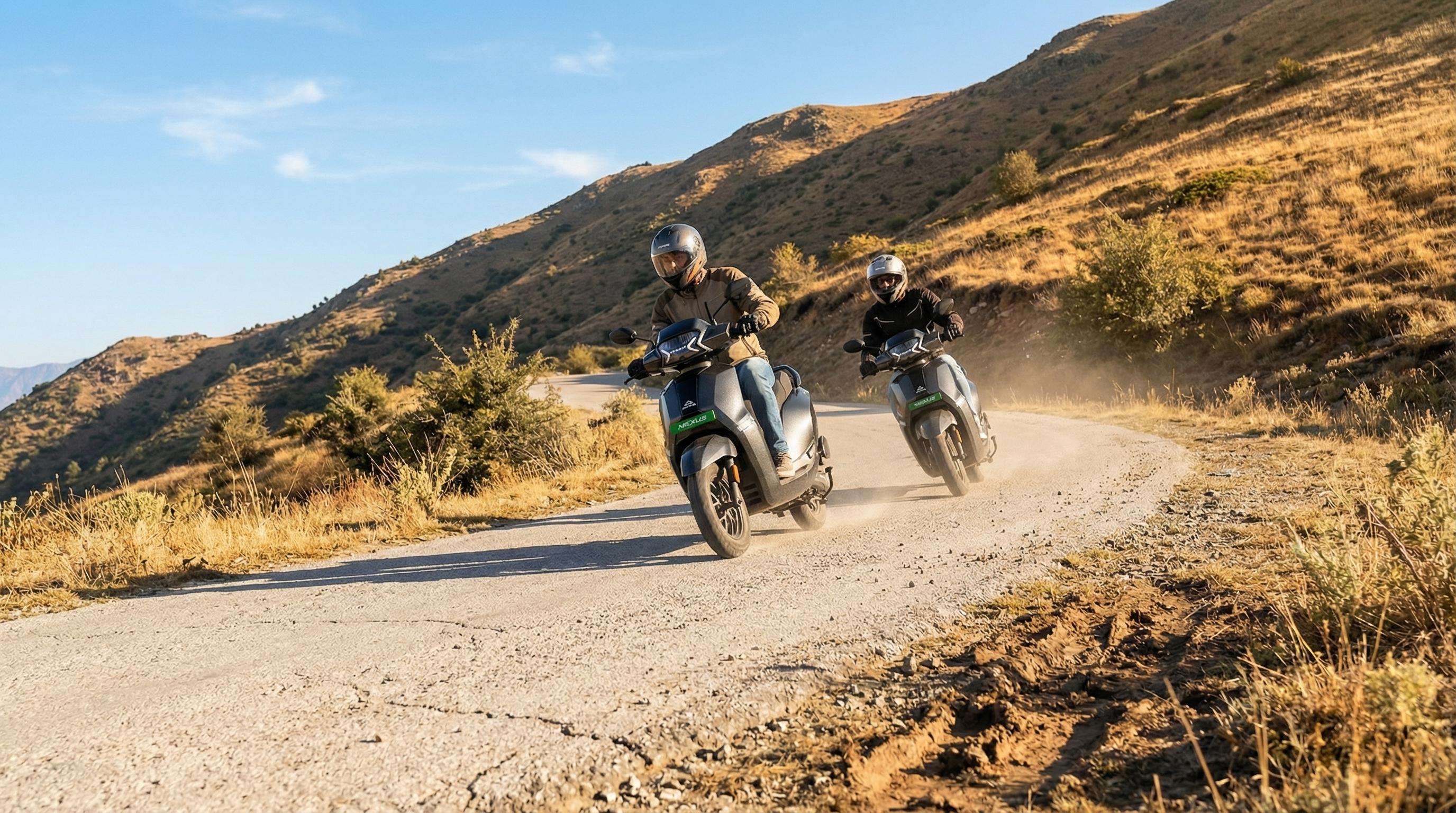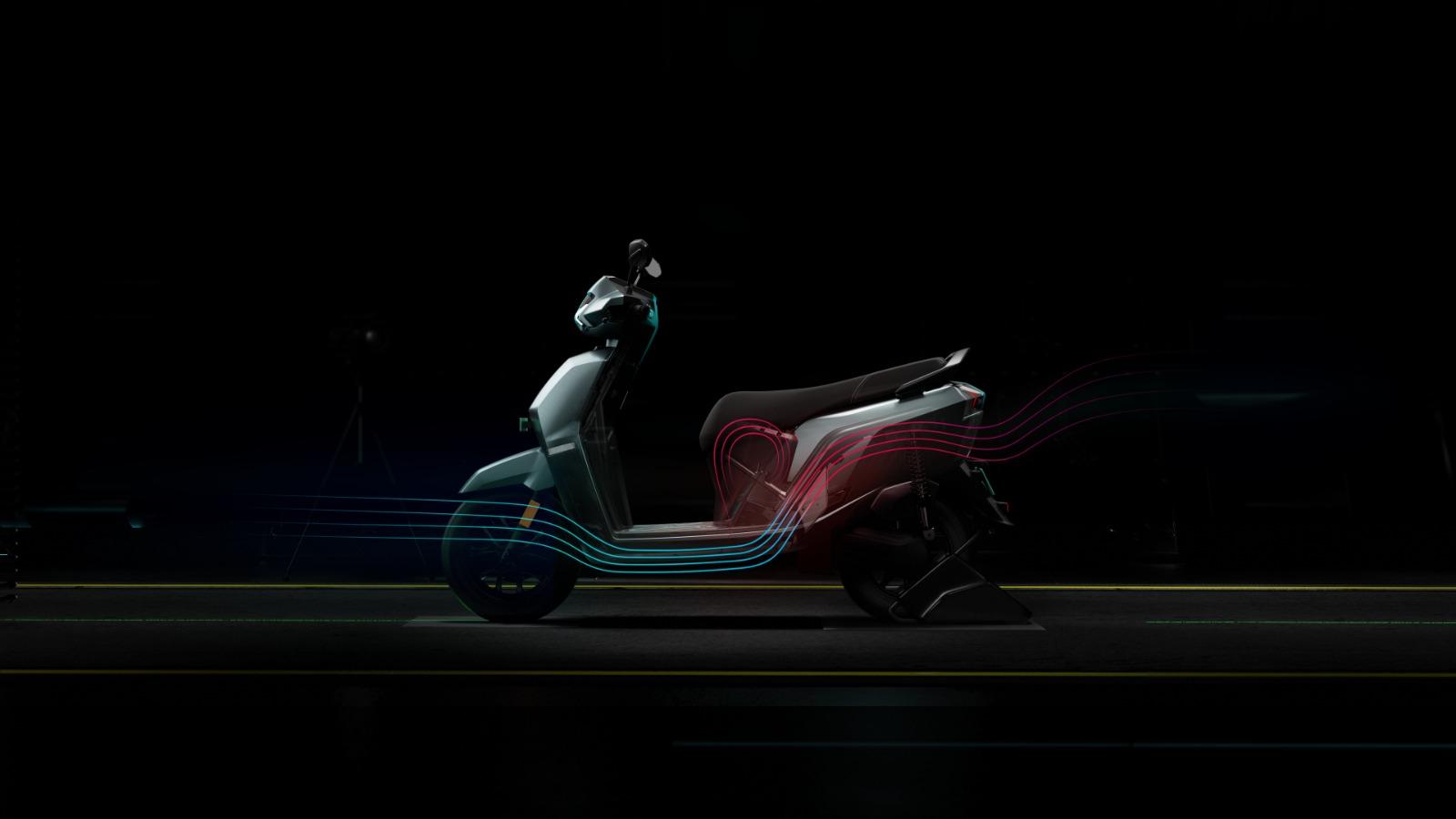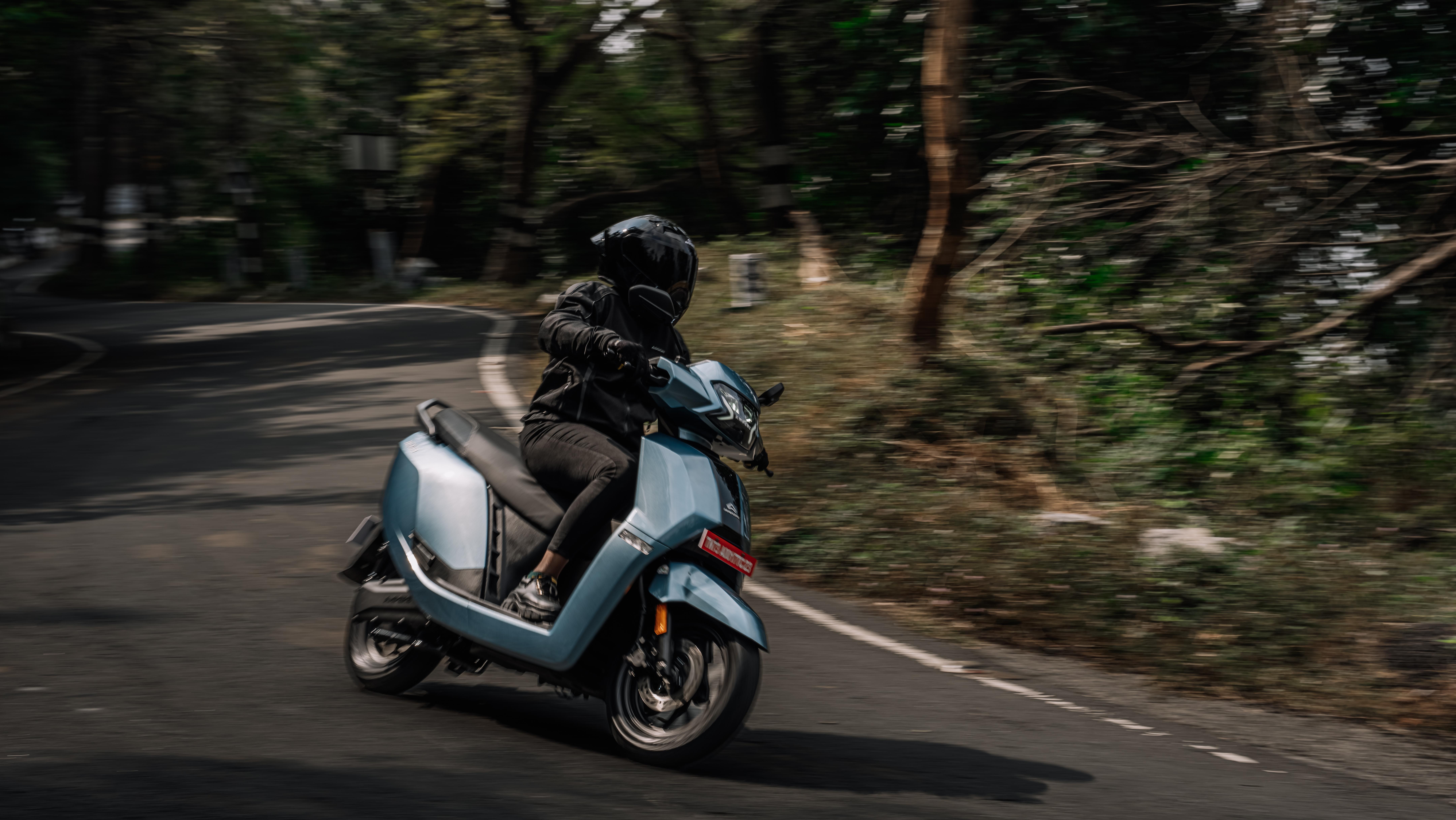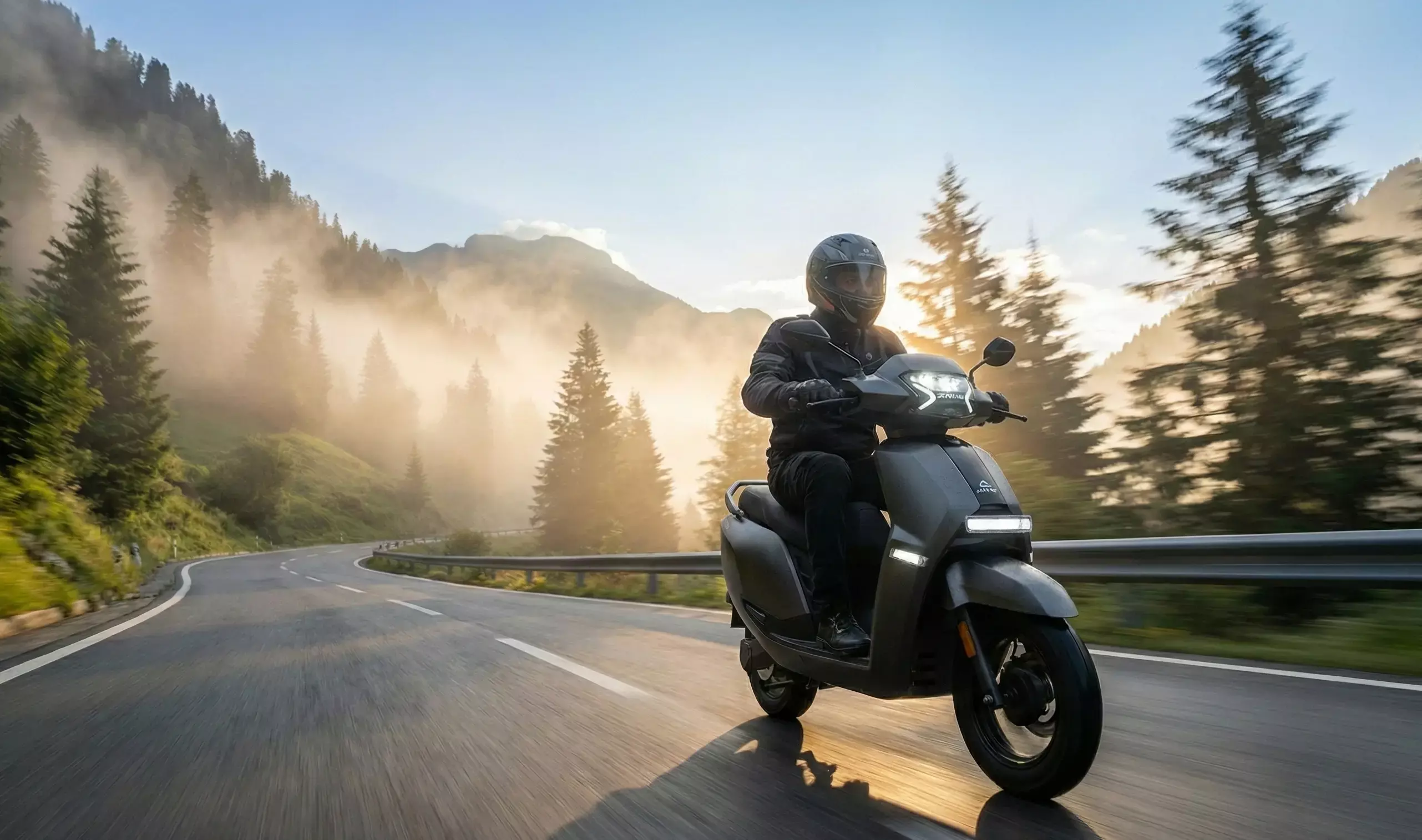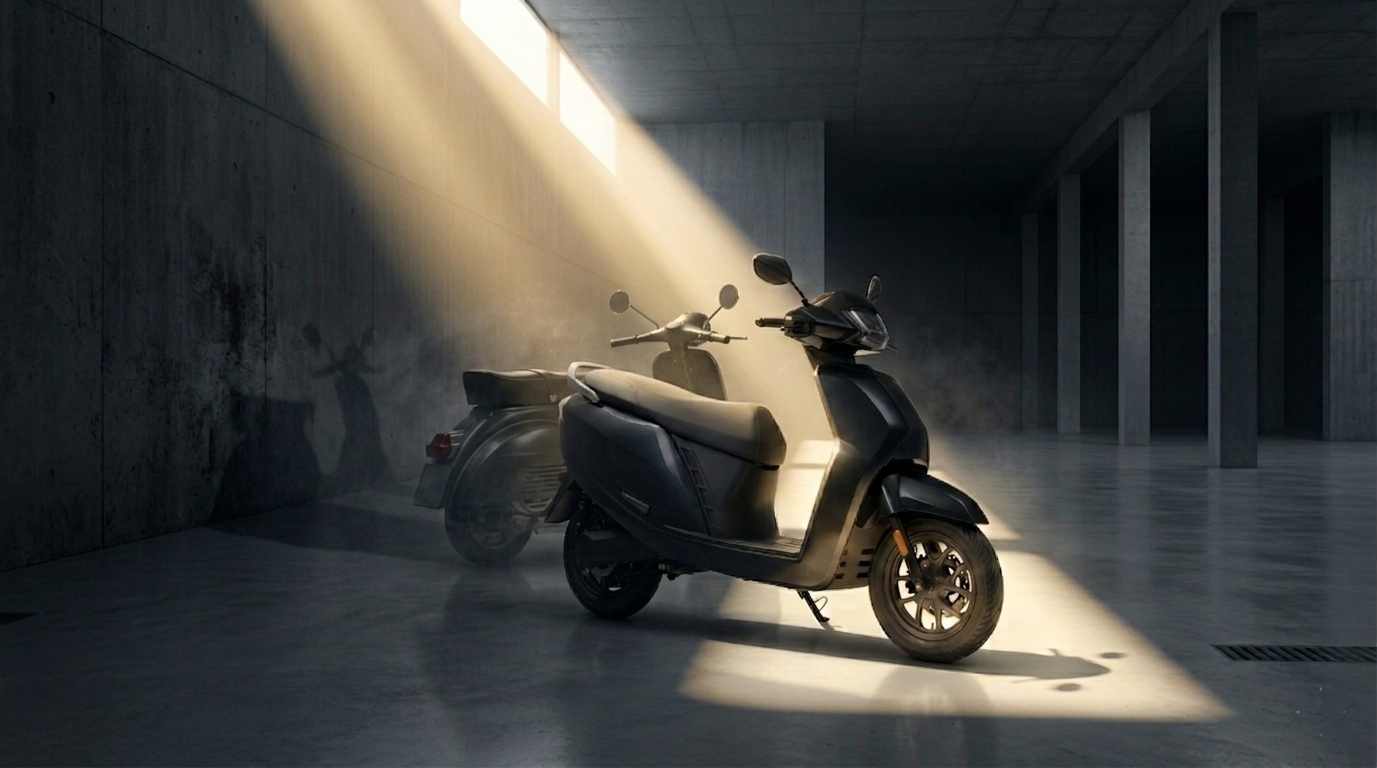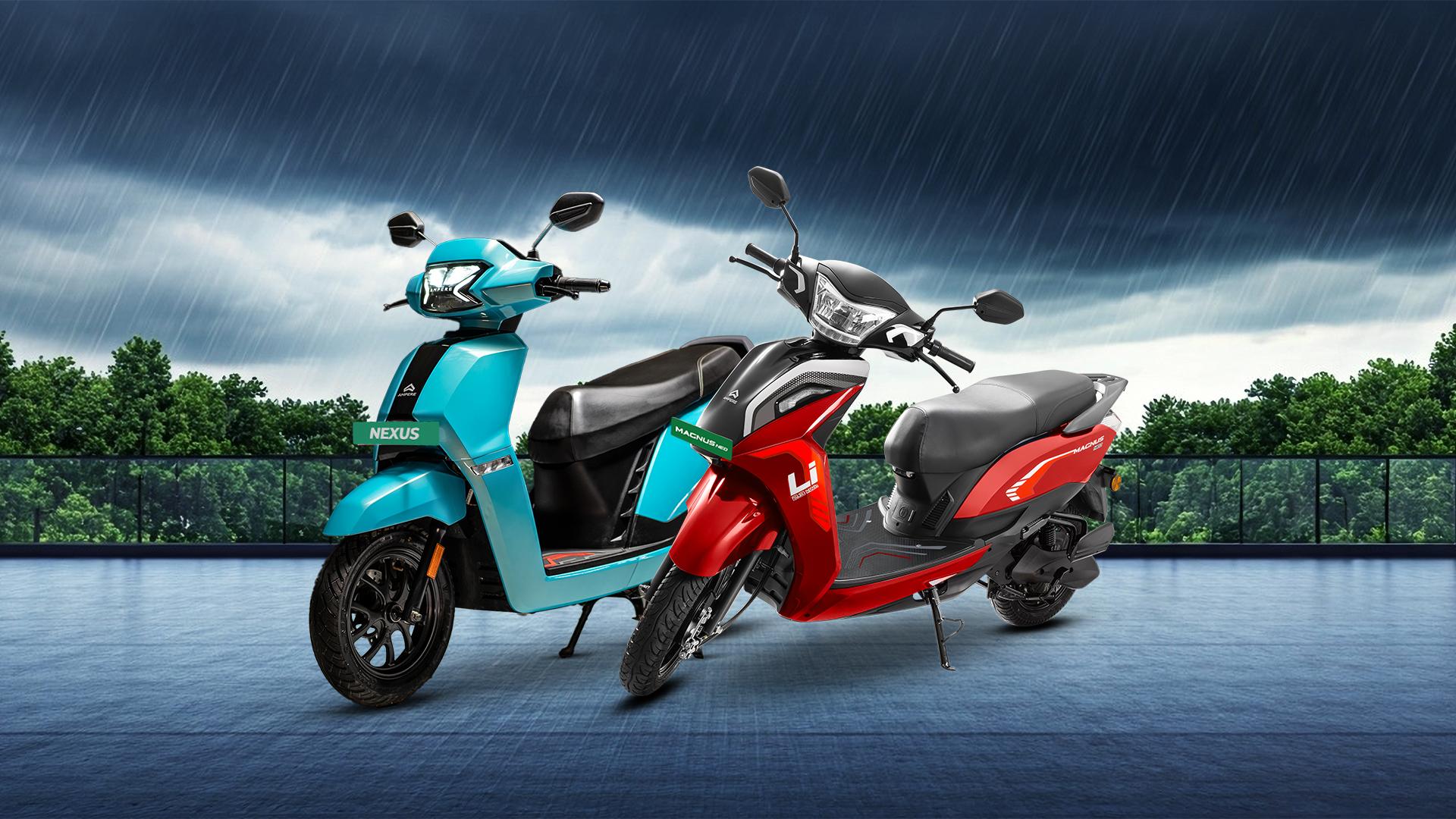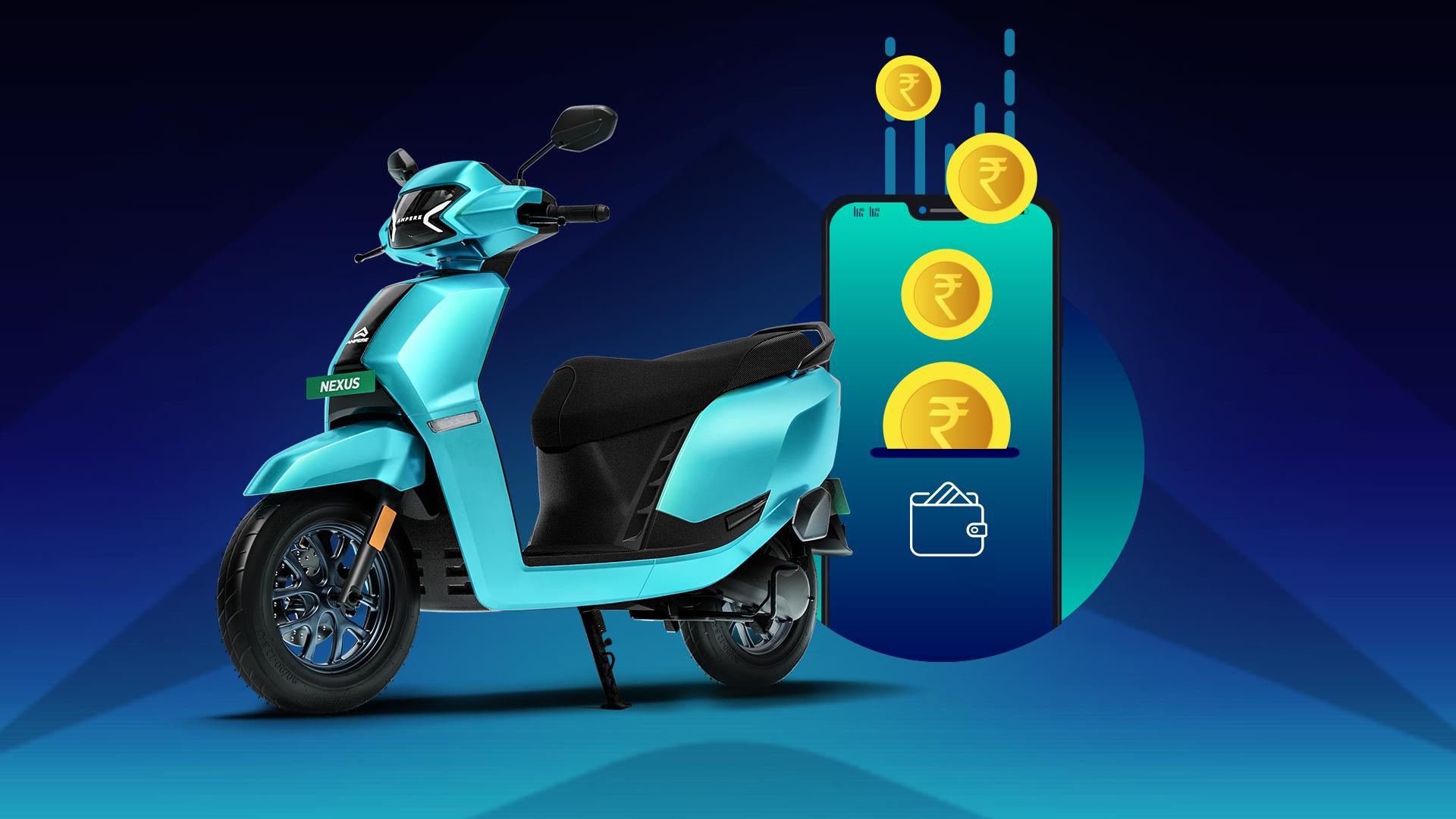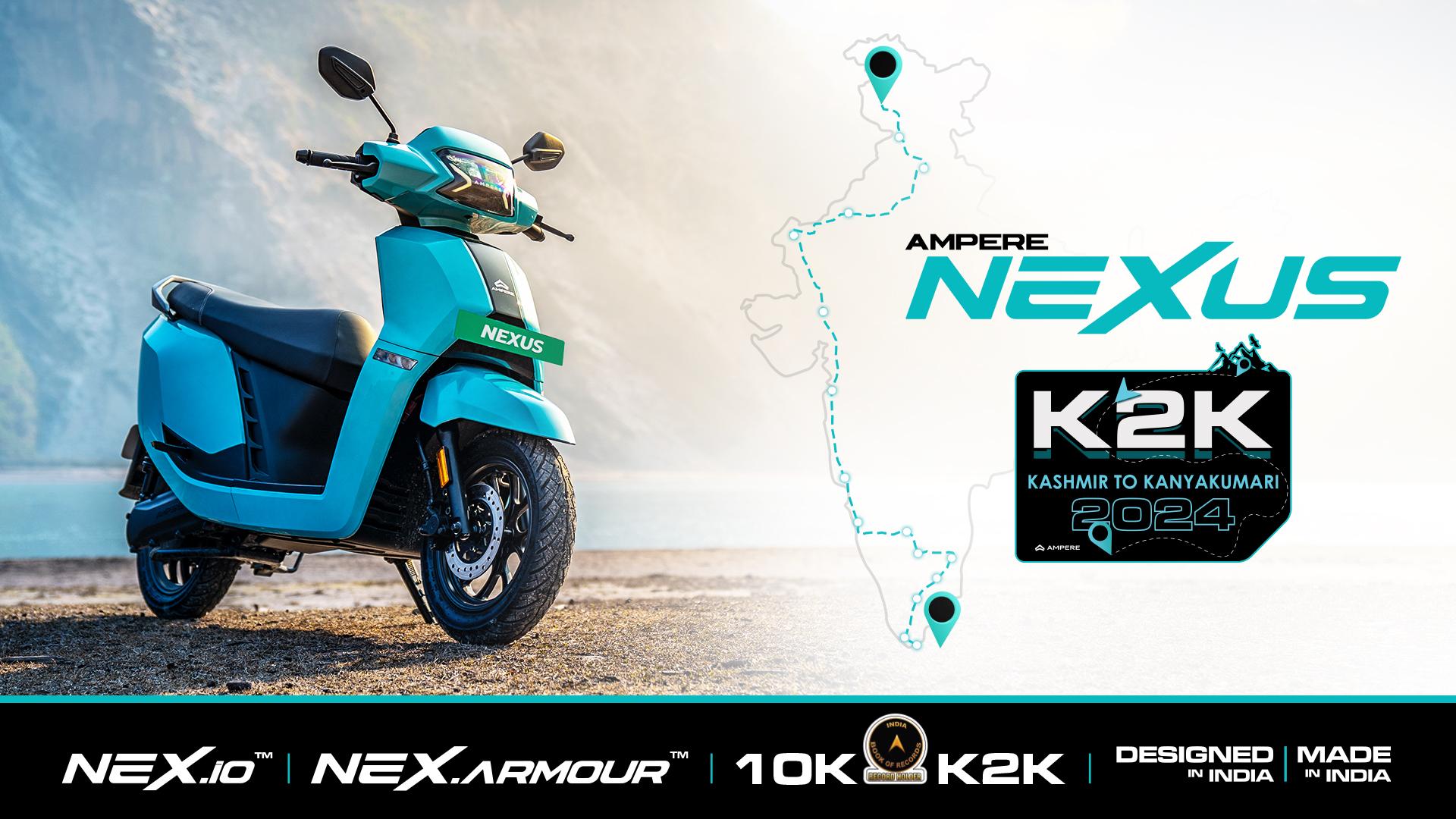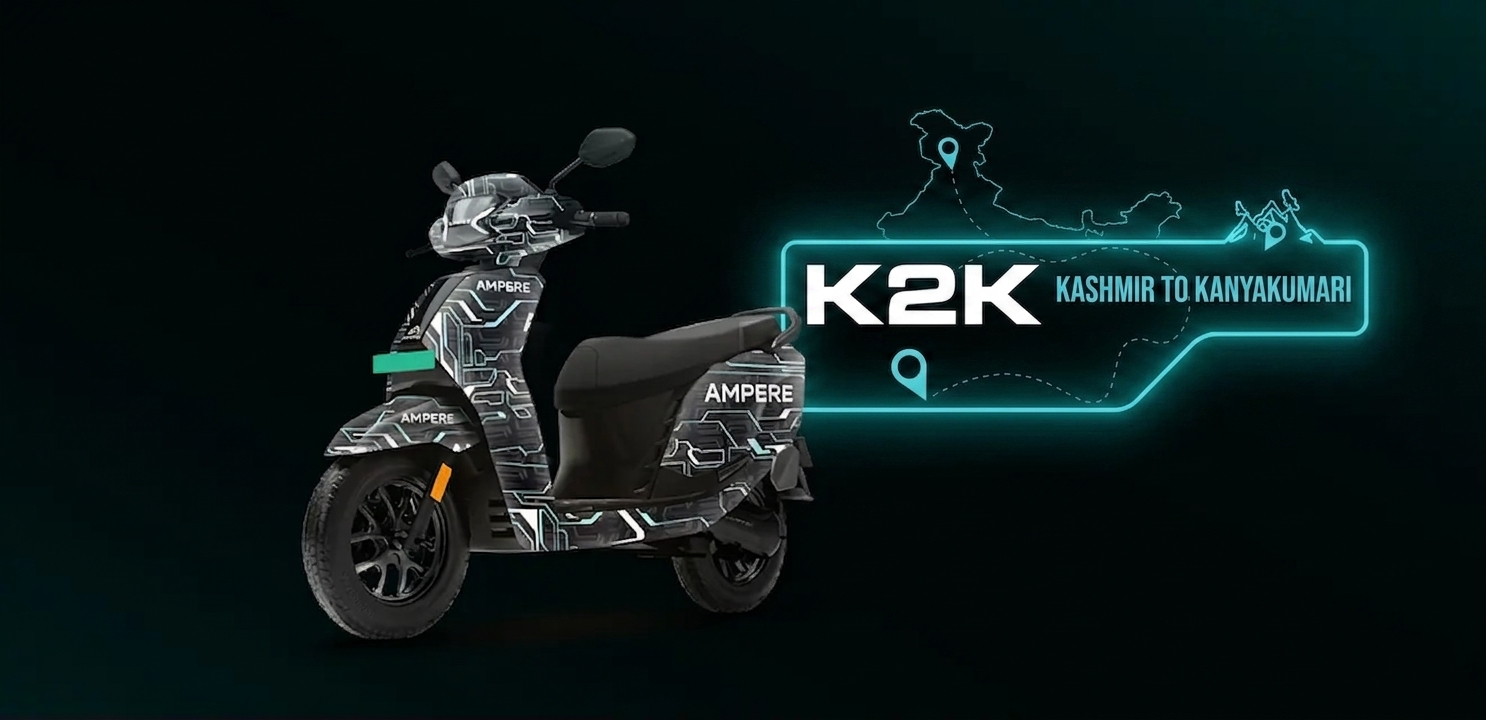
The Ampere Nexus holds the certified India Book of Records achievement for the maximum number of towns and cities covered by an electric scooter in a single ride: 115. This milestone was set during the historic #K2K expedition — a journey from Salal Dam, Reasi, Jammu & Kashmir to Kanyakumari, Tamil Nadu — which began on January 16, 2024 and concluded on March 18, 2024, spanning 62 days and over 10,000 km.
Why 115 Cities Defines a New Standard for EV Mobility in India
Touching 115 towns and cities was not simply a marketing stunt. It was a deliberate demonstration that electric mobility in India is viable beyond the metro bubble. When the Ampere Nexus set off from Reasi in Jammu & Kashmir, EV adoption was still largely concentrated in Tier-1 cities. By the time it reached Kanyakumari, it had passed through small towns in Rajasthan's desert, agrarian towns in Gujarat, coastal fishing communities in Maharashtra, and industrial suburbs in Karnataka — places where EV charging infrastructure was emerging, not established.
That is the significance of 115. The journey proved that with thoughtful planning and a robust, long-range EV like the Nexus, the entire length and breadth of India is reachable on electricity.
The Four Certified Records Set in a Single Expedition
| Record | Achievement | Certified By |
|---|---|---|
| Longest single-journey e-scooter ride | 10,000+ km (Kashmir to Kanyakumari) | India Book of Records |
| Most cities/towns covered by an e-scooter | 115 towns and cities | India Book of Records |
| Heaviest vehicle towed by an electric scooter | 1,860 kg pickup truck + 140 kg (2 passengers), 2 km | India Book of Records |
| Biggest e-scooter brand logo on white sand | 17,100 sq. ft. (179.8 ft × 95.2 ft) | India Book of Records |
The Route: From the Himalayas to the Tip of India
The standard Kashmir to Kanyakumari (K2K) highway route is approximately 3,396 km. The Ampere Nexus rode over 10,000 km — nearly three times the direct distance — by deliberately diverting through 115 cities and towns rather than following the fastest highway corridor. The journey passed through 15+ states and union territories, covering every major geographical terrain in India.
| State / Region | Notable Stops | Terrain & Challenge |
|---|---|---|
| Jammu & Kashmir | Reasi (Salal Dam) — Start | Mountain roads, near-zero temperatures, high altitude |
| Punjab & Haryana | Amritsar, Chandigarh, Ambala | Flat highways, urban commuter traffic |
| Rajasthan | Jaisalmer, Jodhpur, Ajmer, Udaipur | Desert terrain, temperatures up to 45°C |
| Gujarat | Rann of Kutch, Ahmedabad, Surat, Vadodara | Salt flats, coastal plains, industrial highways |
| Maharashtra | Mumbai, Pune, Nashik | Dense urban traffic, ghat sections |
| Karnataka | Bengaluru, Mysuru, Hubli | Urban commuter zones, elevated highways |
| Tamil Nadu | Coimbatore, Madurai, Kanyakumari — Finish | Coastal roads, final approach to Triveni Sangam |
What the 115-City Journey Validated About Ampere Nexus
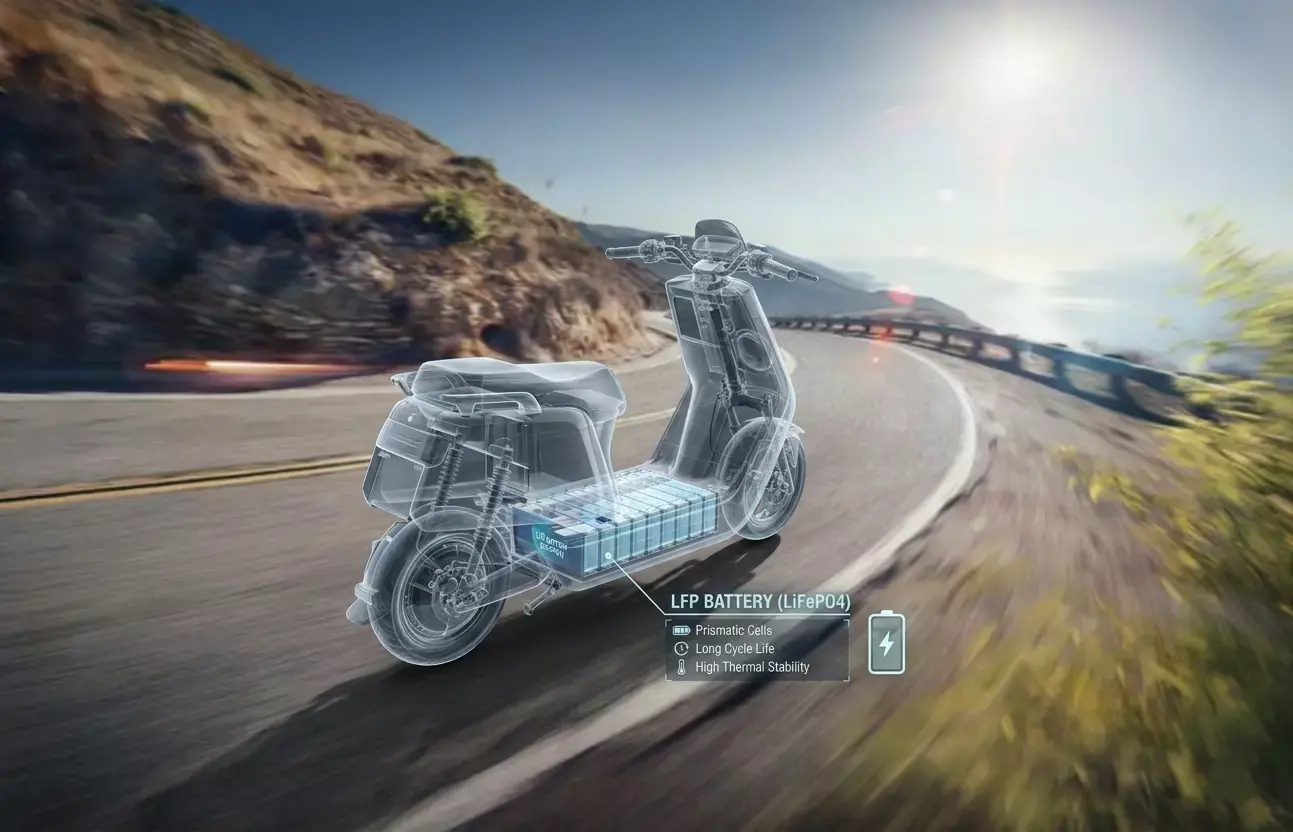
Each city presented unique conditions for the Nexus. Rajasthan's desert stretched the battery across long, exposed highways under 44°C heat — the exact environment where NMC batteries begin thermal degradation. The Nexus's LFP battery, rated to operate up to 60°C, maintained consistent range output throughout.
Mumbai and Pune's dense stop-and-go traffic validated the Nexus's regenerative braking system — a feature that recovers energy with every deceleration event, effectively extending range in heavy congestion where a petrol scooter would simply burn fuel idling.
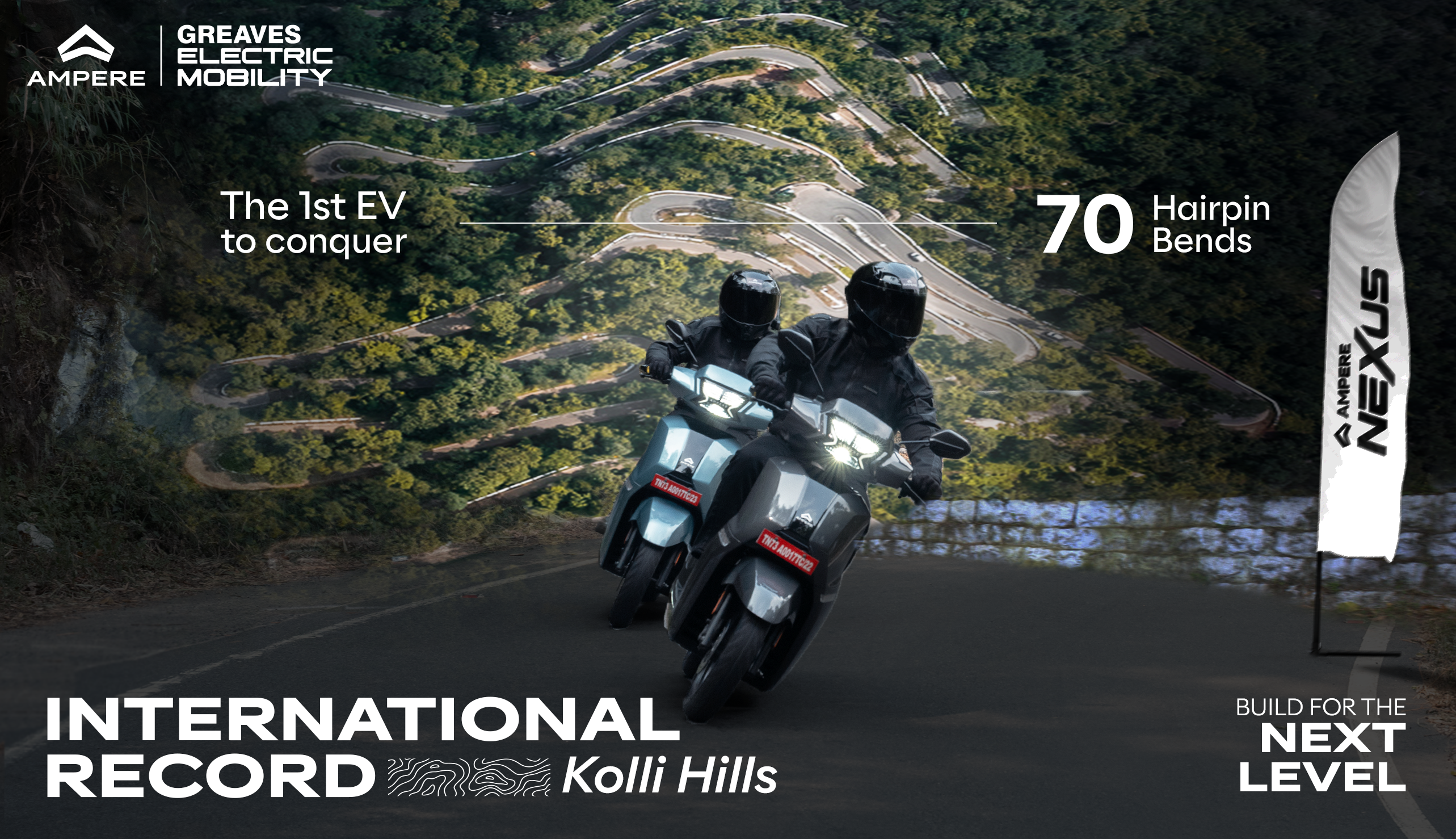
The mountain roads of Jammu & Kashmir and the ghat sections near Nashik and Mysuru tested the chassis and motor's ability to sustain output on sustained inclines — a test that the Nexus later repeated definitively with the Kolli Hills record (70 hairpin bends, Asia Book of Records, January 2026).
Accessibility: From Urban Highways to Rural Kutch
One of the most striking aspects of the K2K journey was the reception in smaller towns and villages that had rarely, if ever, seen an electric scooter. Crowds gathered in towns in Rajasthan's Phalodi, at the Sabarmati Ashram in Ahmedabad, and at agricultural cooperatives in Gujarat's interior. This engagement was central to Ampere's mission: 'Har Gully Electric' — bringing EV adoption to every lane of India.
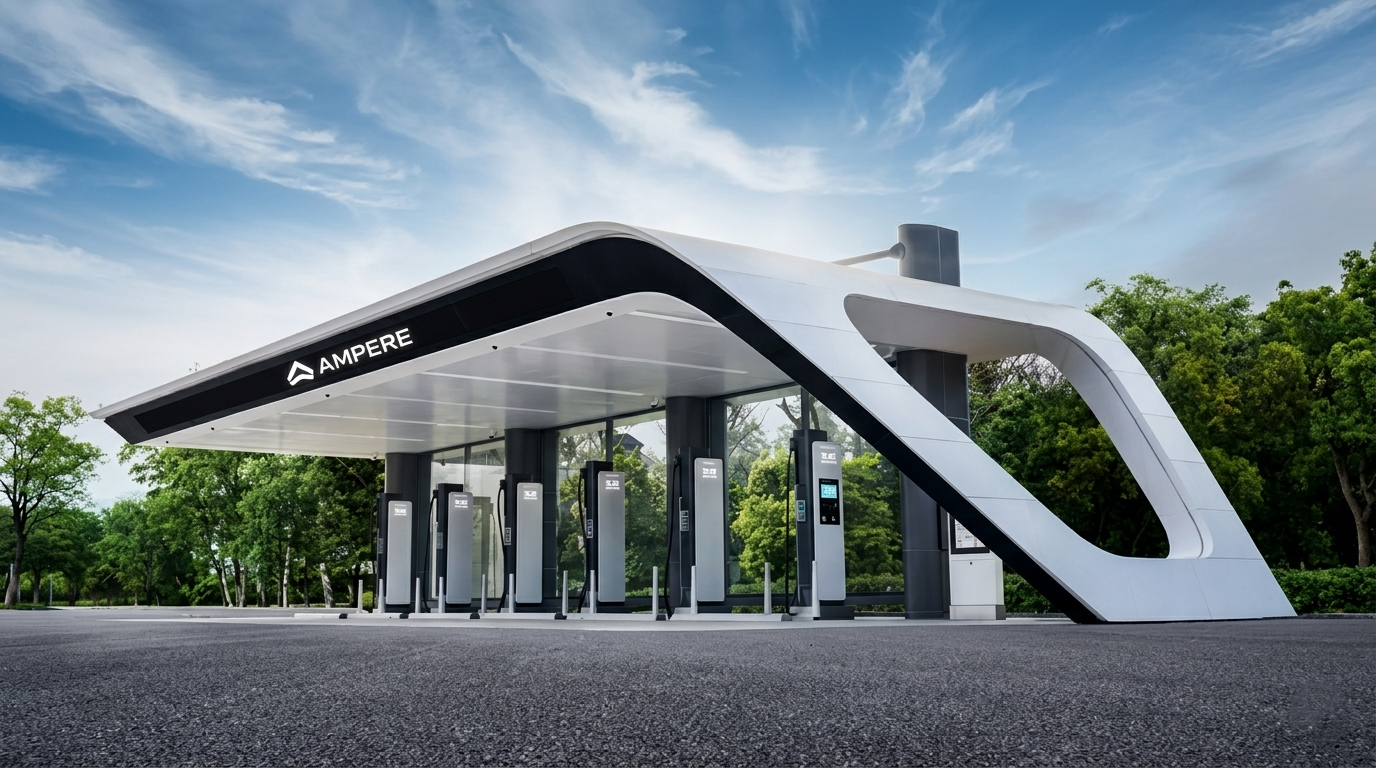
The journey also validated India's growing charging infrastructure in non-metro areas. Ampere's 400+ dealership network, combined with EESL, BPCL-partnered stations, and emerging state EV policies in Gujarat, Maharashtra, and Tamil Nadu, meant the Nexus never ran out of charging options even in smaller towns.
Technical Specifications That Made 115 Cities Possible
| Feature | Specification | Role in the K2K Journey |
|---|---|---|
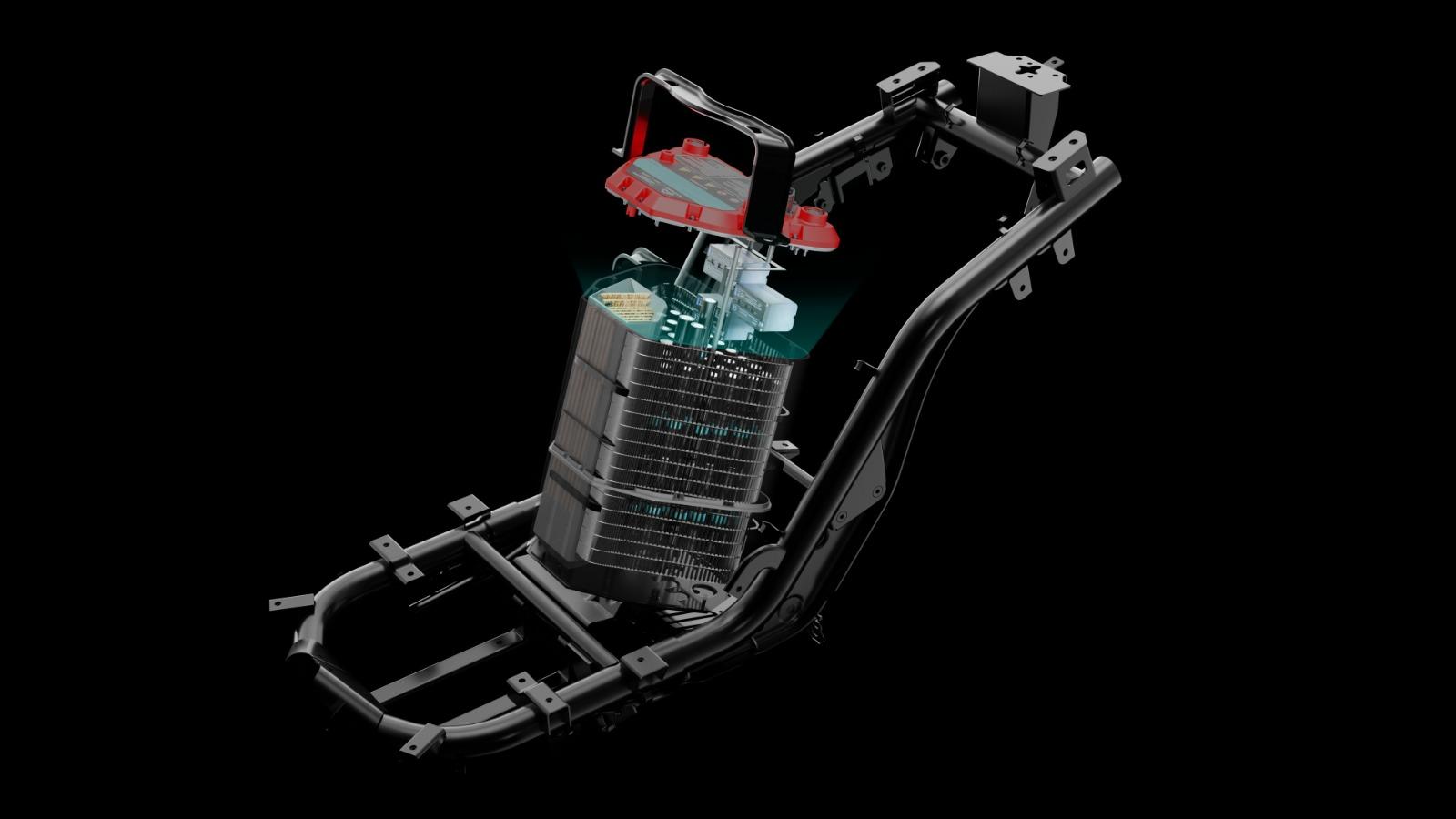
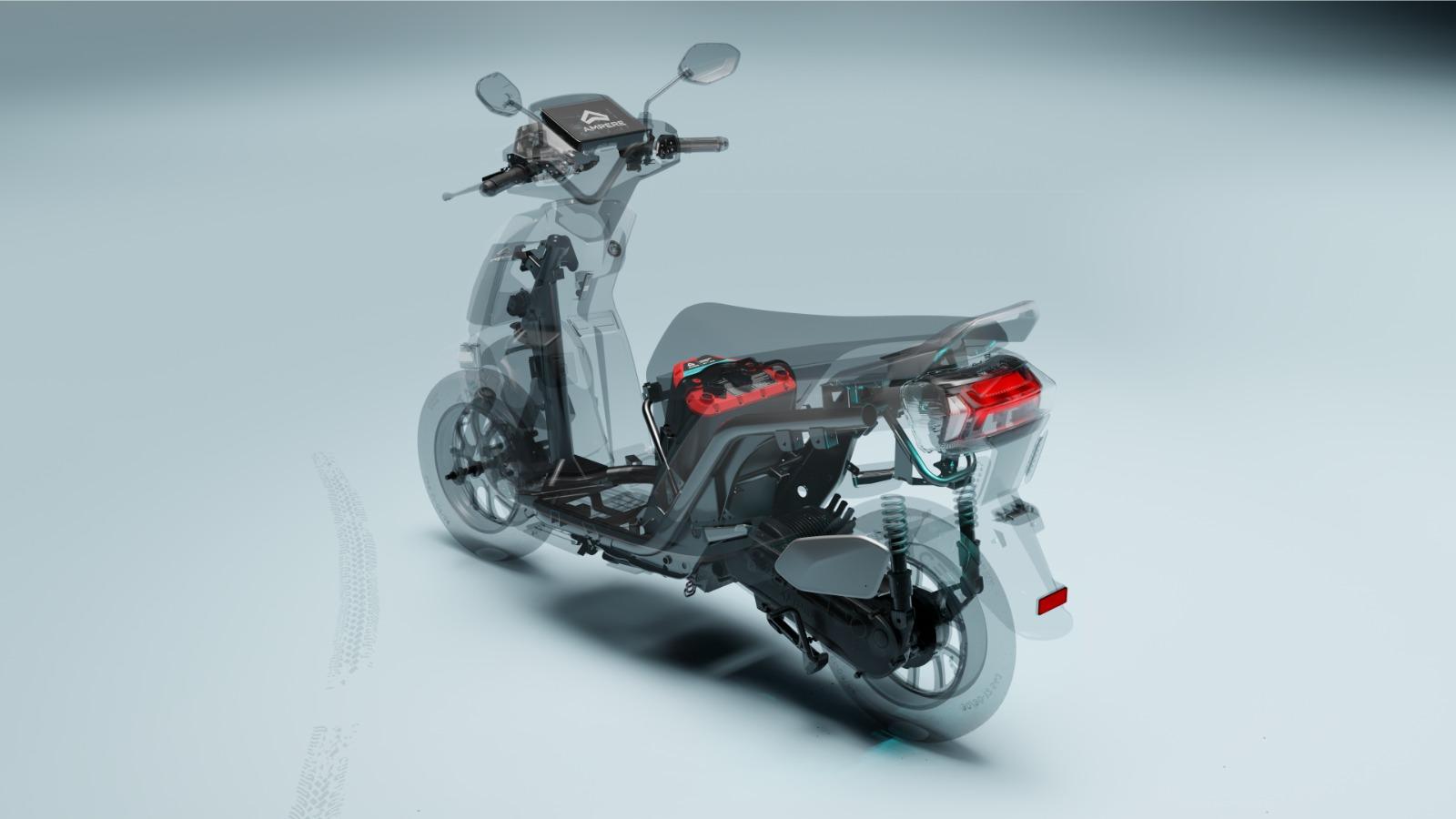
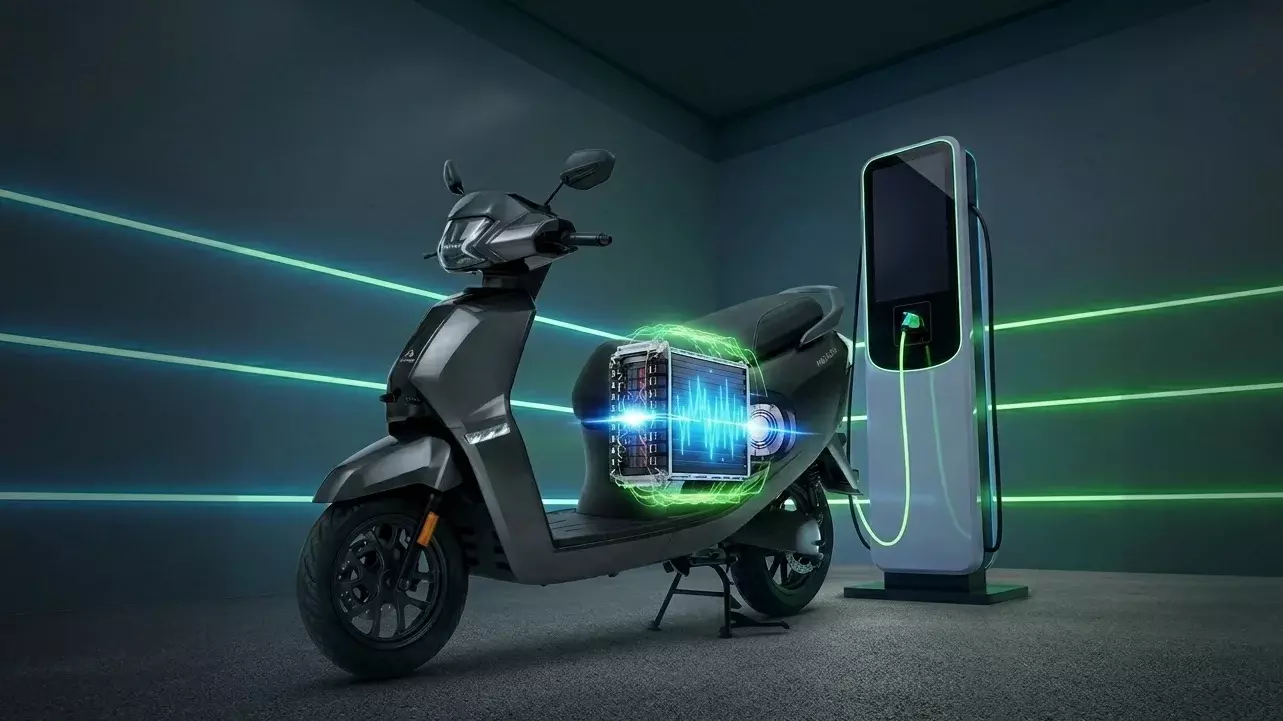
| Battery | 3 kWh LFP, IP67 | Thermal stability in desert heat, waterproofing in river crossings |
| Motor | 4 kW peak, swingarm-mounted | Sustained hill climbs in J&K and Maharashtra ghats |
| Range | 136 km IDC, 100–105 km real-world | Covered 70–90 km between charging stops |
| Chassis | 4x stronger exoskeleton | Absorbed 10,000 km of varied road surfaces |
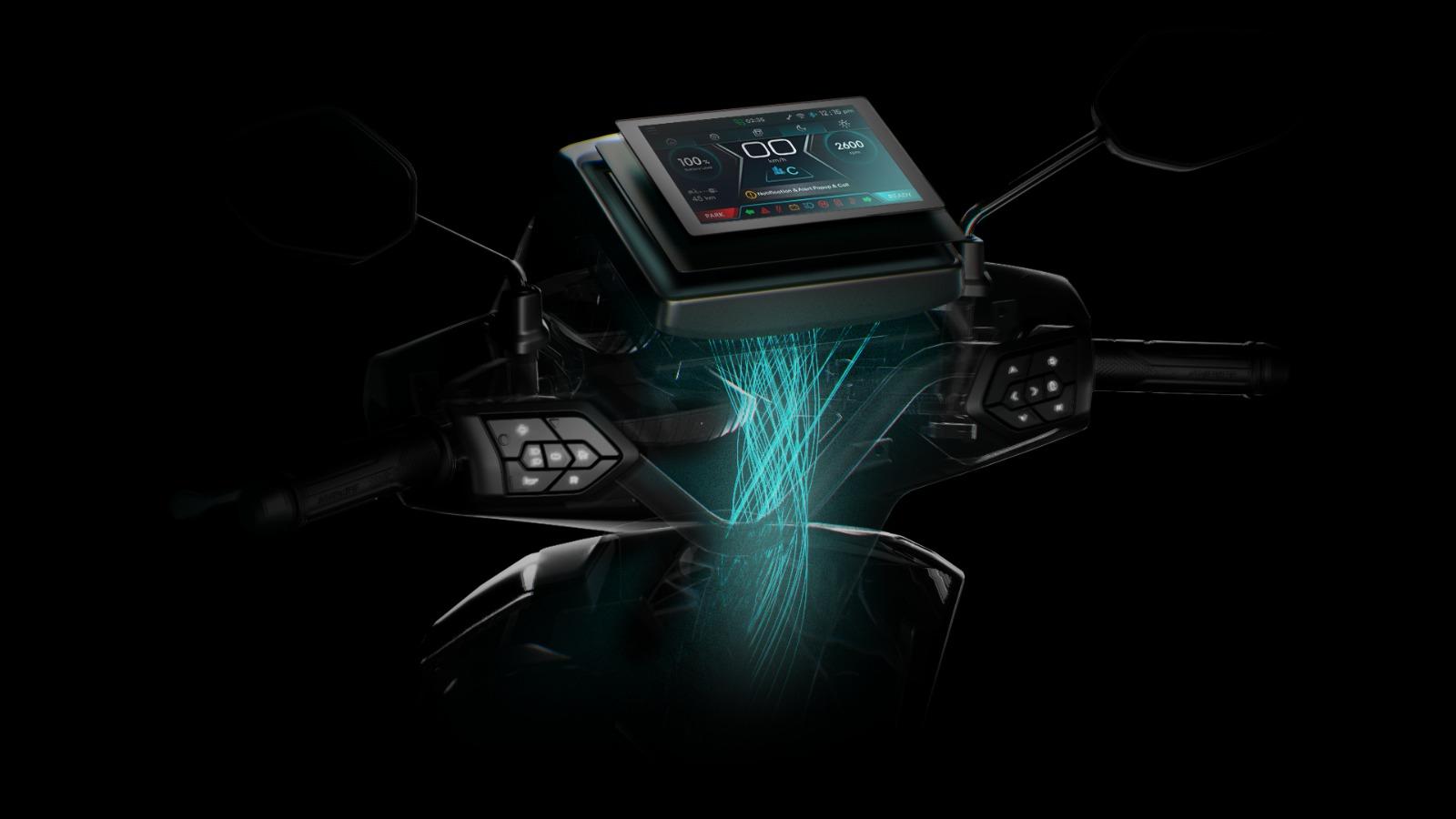
| Connectivity | Nex.IO — navigation, diagnostics | Remote health monitoring throughout the expedition |
| Riding Modes | 5 modes including Limp Home | Eco mode extended range; Limp Home ensured safe arrival |
Frequently Asked Questions
How many towns and cities did the Ampere Nexus cover in the K2K journey?
The Ampere Nexus covered 115 towns and cities on its Kashmir to Kanyakumari journey — a certified India Book of Records achievement for the most cities ever covered by an electric scooter in a single ride.
When did the Ampere Nexus complete the K2K journey?
The journey started on January 16, 2024 at Salal Dam, Reasi (Jammu & Kashmir) and concluded on March 18, 2024 at Kanyakumari, Tamil Nadu — spanning 62 days and over 10,000 km.
Is the 115-city record officially certified?
Yes. All four records from the #K2K expedition were officially certified by the India Book of Records, including the 115 cities achievement, the 10,000+ km journey, the sand logo, and the towing record.
Is the Ampere Nexus suitable for long-distance travel across India?
The K2K journey proves so. With a 3 kWh LFP battery, IP67 water resistance, 136 km IDC range, and Nex.IO navigation, the Nexus is engineered for sustained long-distance performance across India's diverse terrain and climates.
What is the significance of the K2K record for Indian EV buyers?
It demonstrates that an electric scooter can cover the entire length of India, including remote areas, challenging terrain, and extreme temperatures — removing the perception that EVs are only suitable for metro-city commuting.