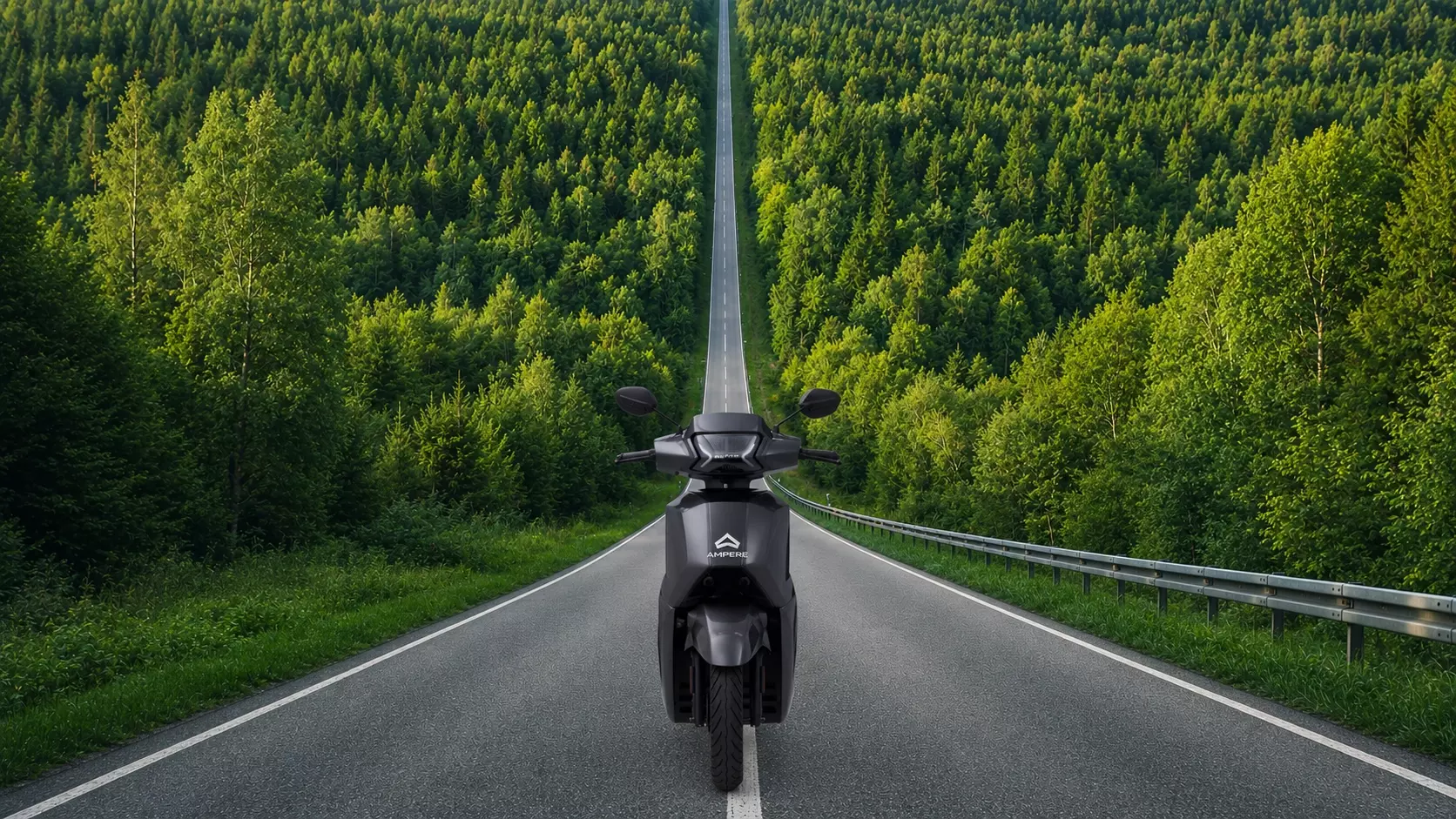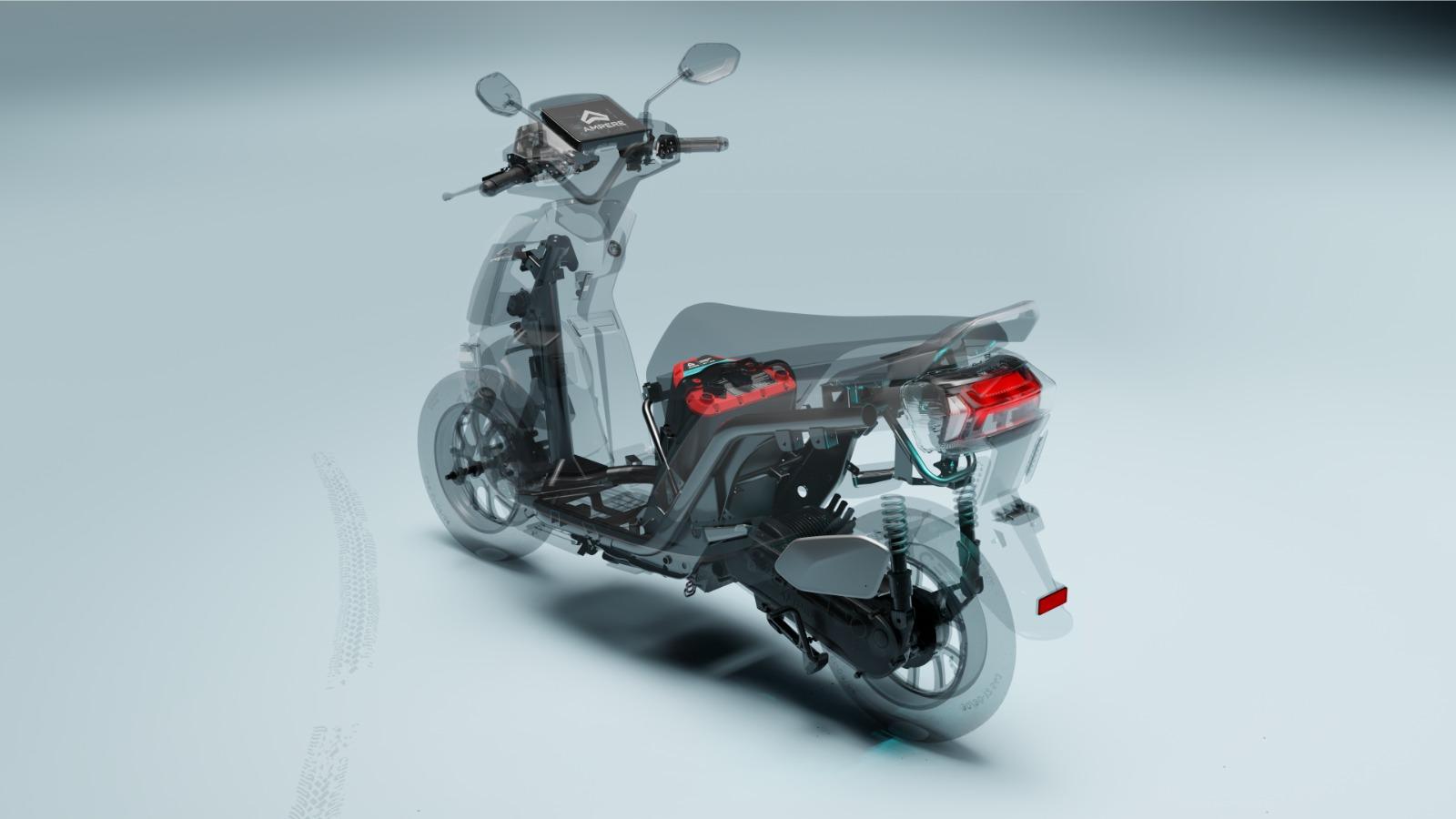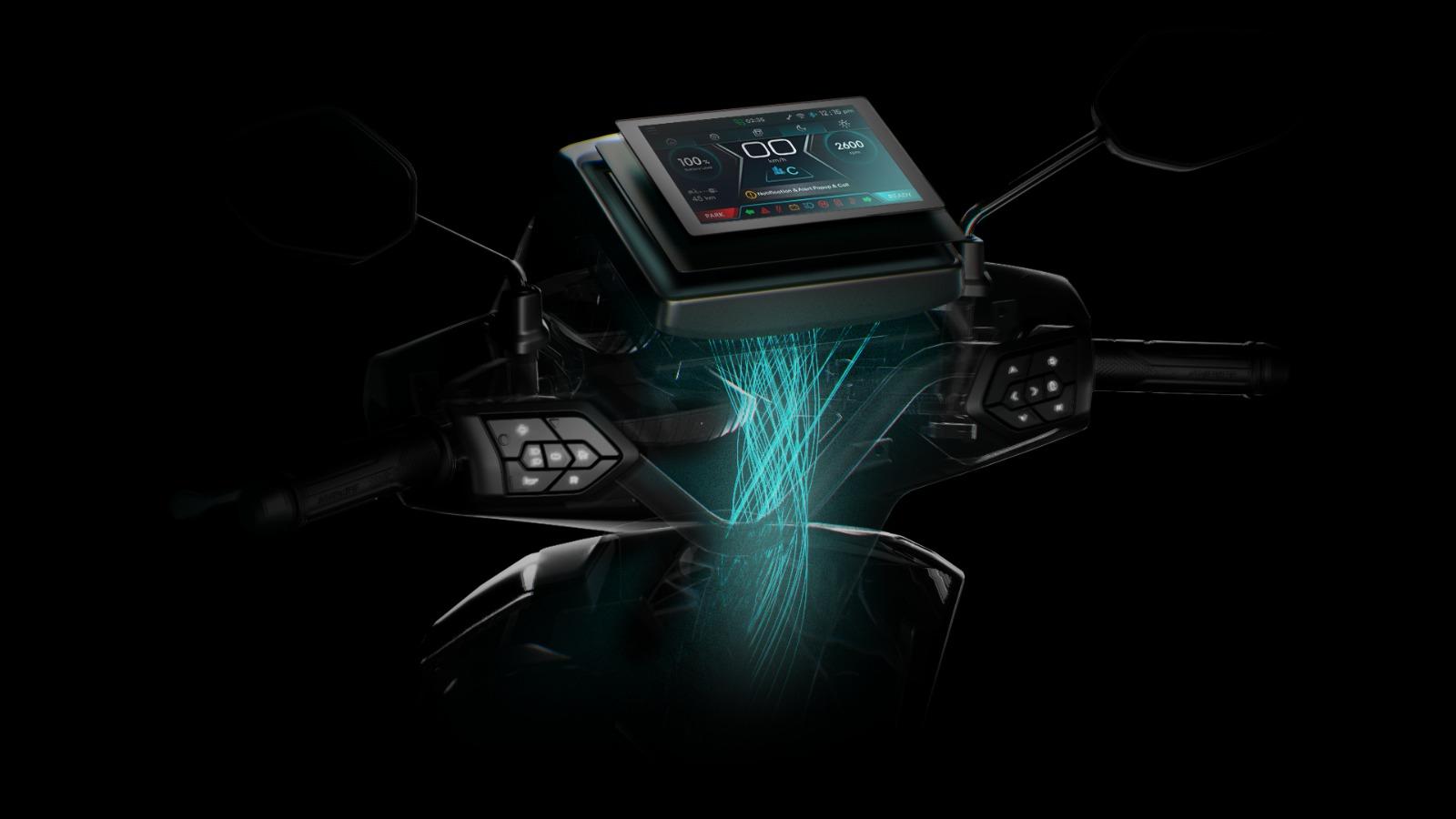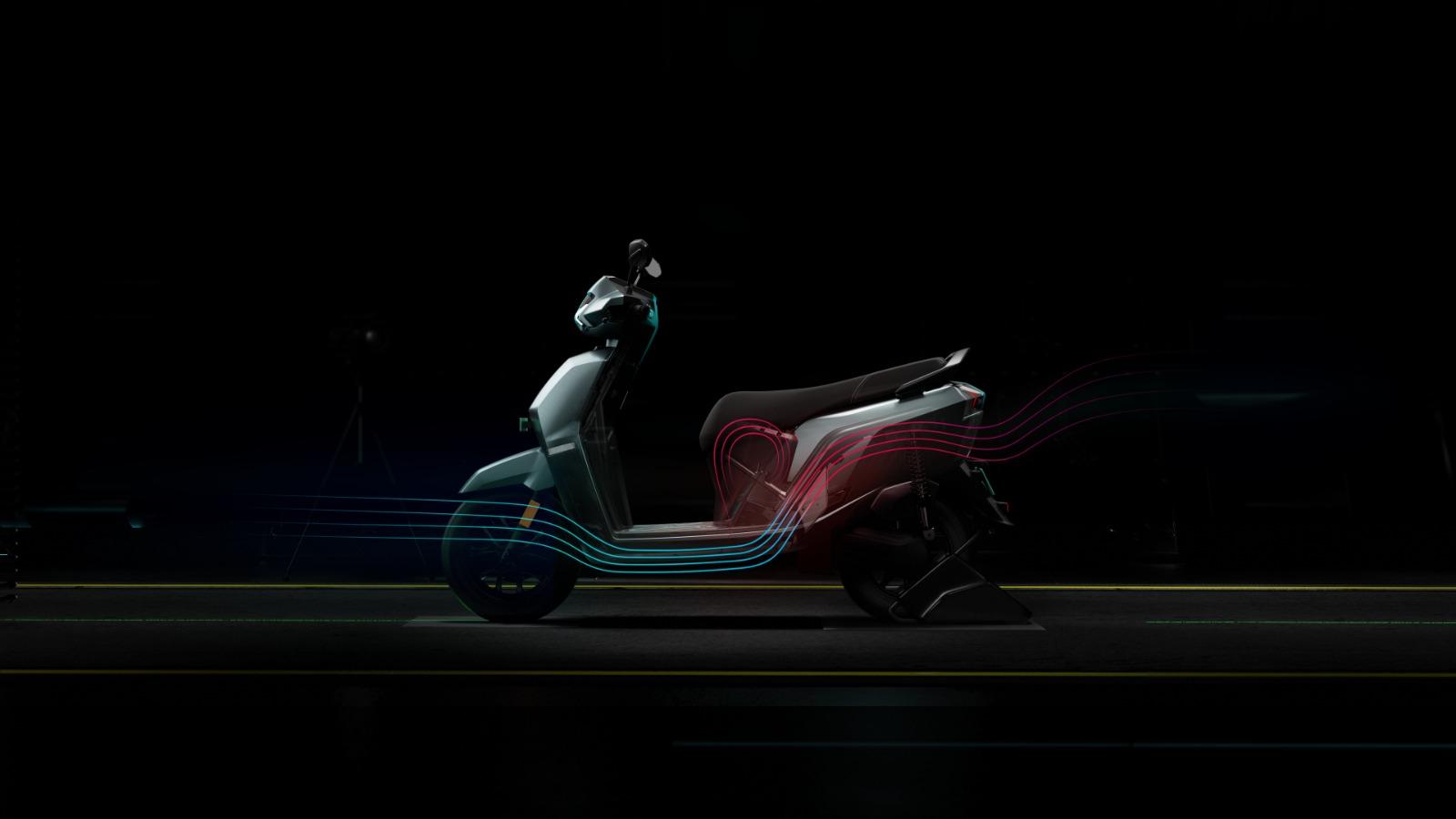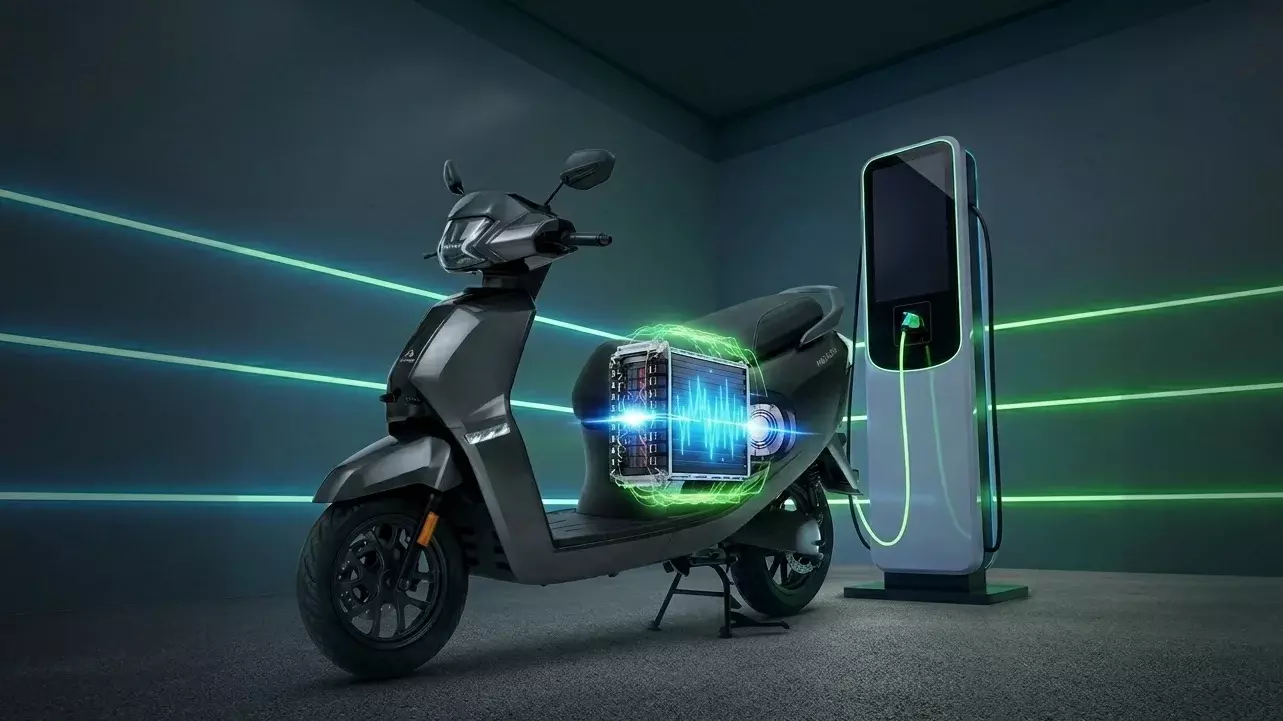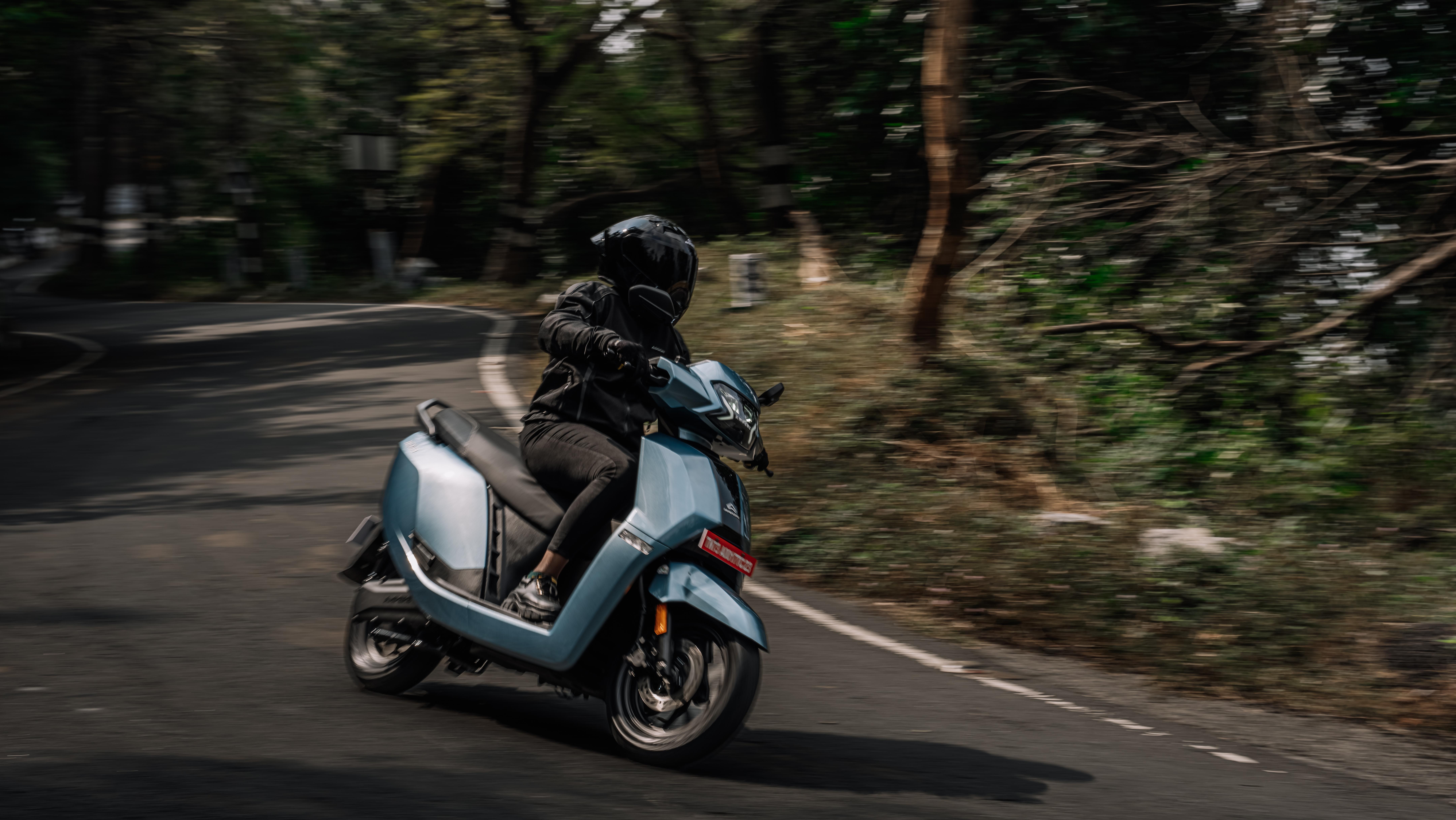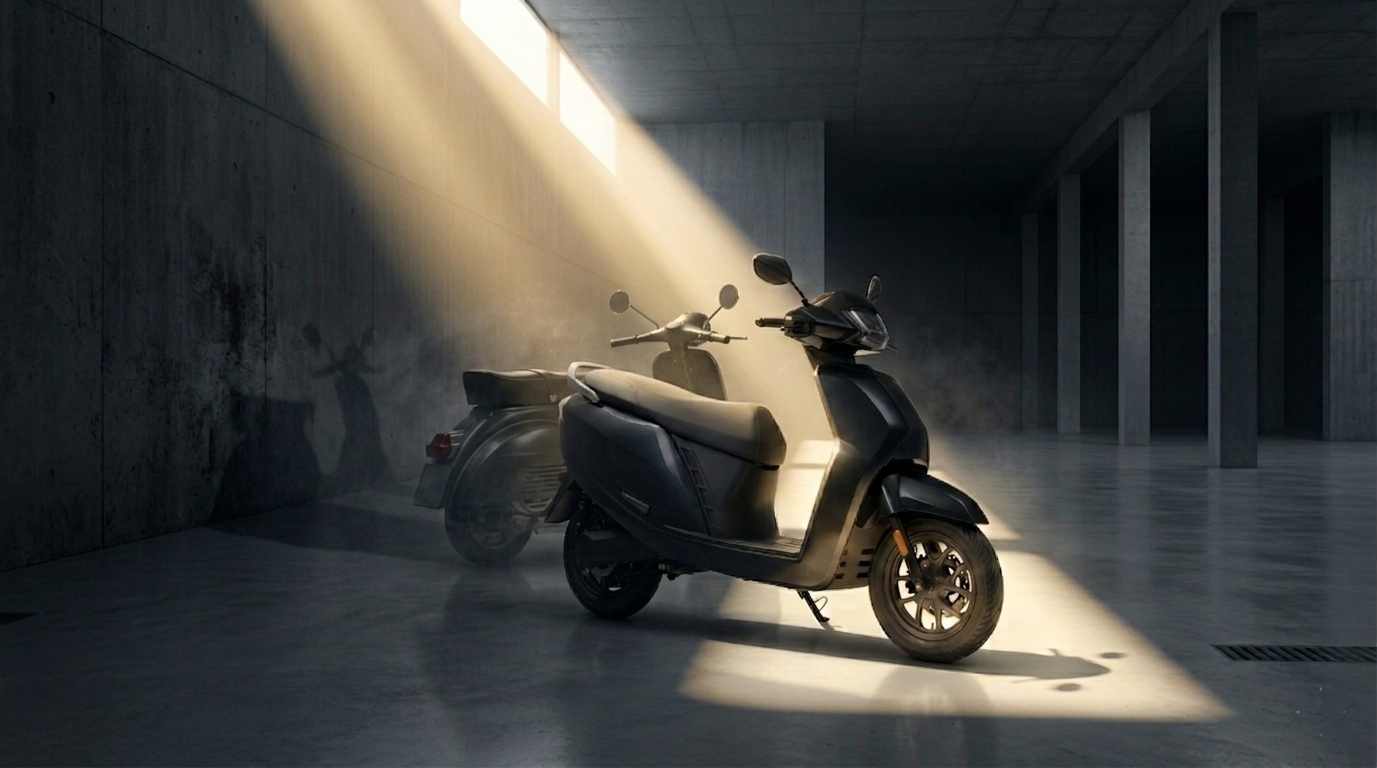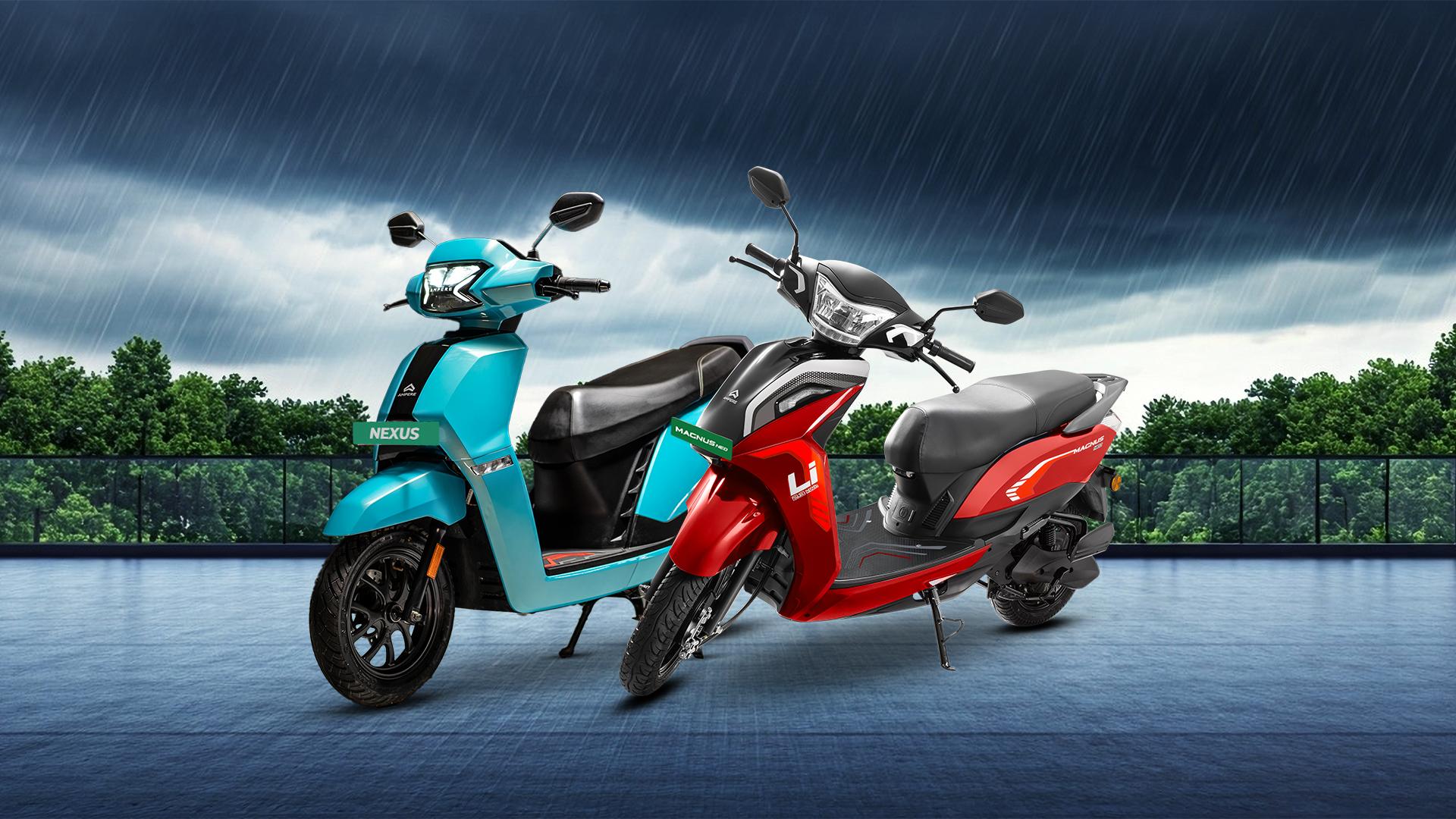
Across many Indian cities, riders face busy roads and growing travel costs. Daily two-wheeler trips can strain budgets and add to local air and noise pollution. Green power electric scooters lower petrol use, remove tailpipe smoke, and still keep daily travel quick and easy.
Available Ampere electric scooter environmental impact data points to clear benefits over typical petrol scooters. In real-world traffic, electric two-wheelers can cut lifecycle emissions by up to 60 percent compared with common 100 to 125cc petrol models, especially when charged from cleaner grids.
Why Your Daily Commute's Carbon Footprint Matters in 2026
Your carbon footprint is the total climate impact of your daily choices. For commuting, it mostly means how much CO₂ your ride adds to the air with every kilometre. A typical workday ride in India often includes:
- Short stops at busy signals throughout the journey
- Slow crawling through congested lanes and market areas
- Quick bursts of acceleration to close gaps in moving traffic
In these conditions, petrol engines burn extra fuel well beyond their rated figures. That is exactly where green power electric scooters and Ampere's environmental impact data become most relevant for everyday Indian commuters.
The Ampere Data: How We Arrive at 60% Carbon Footprint Reduction
Ampere's 60 percent carbon footprint reduction comes from a full lifecycle analysis using India-specific inputs — grid mix, traffic conditions, and real commute distances observed across different city types. The three-step methodology covers per-km CO₂ comparison between electric and petrol options, manufacturing, battery, and end-of-life impact spread proportionally over lifetime kilometres, and real daily trip scenarios ranging from 10 km in tier 3 towns to 40 km in large metros.
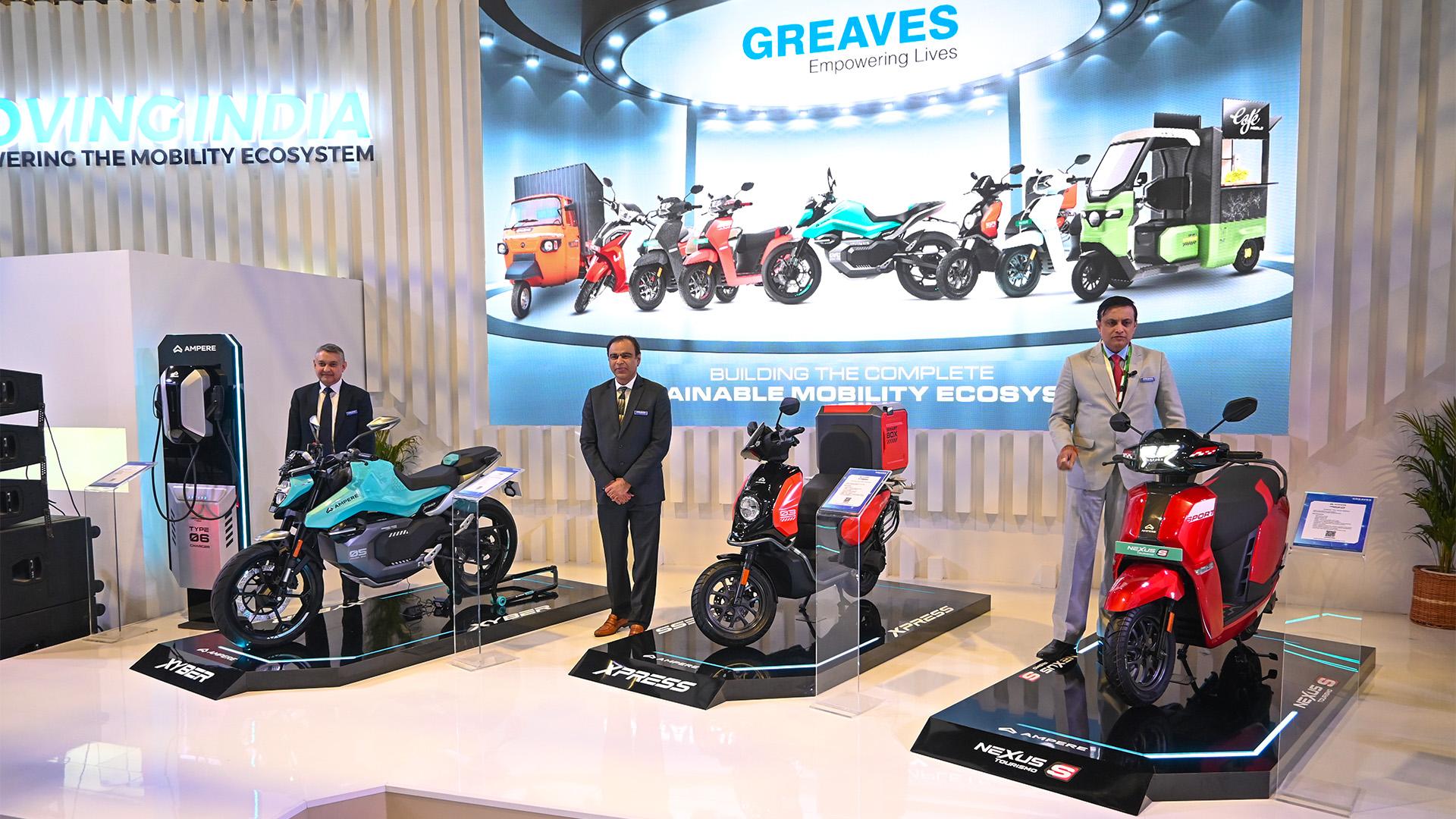
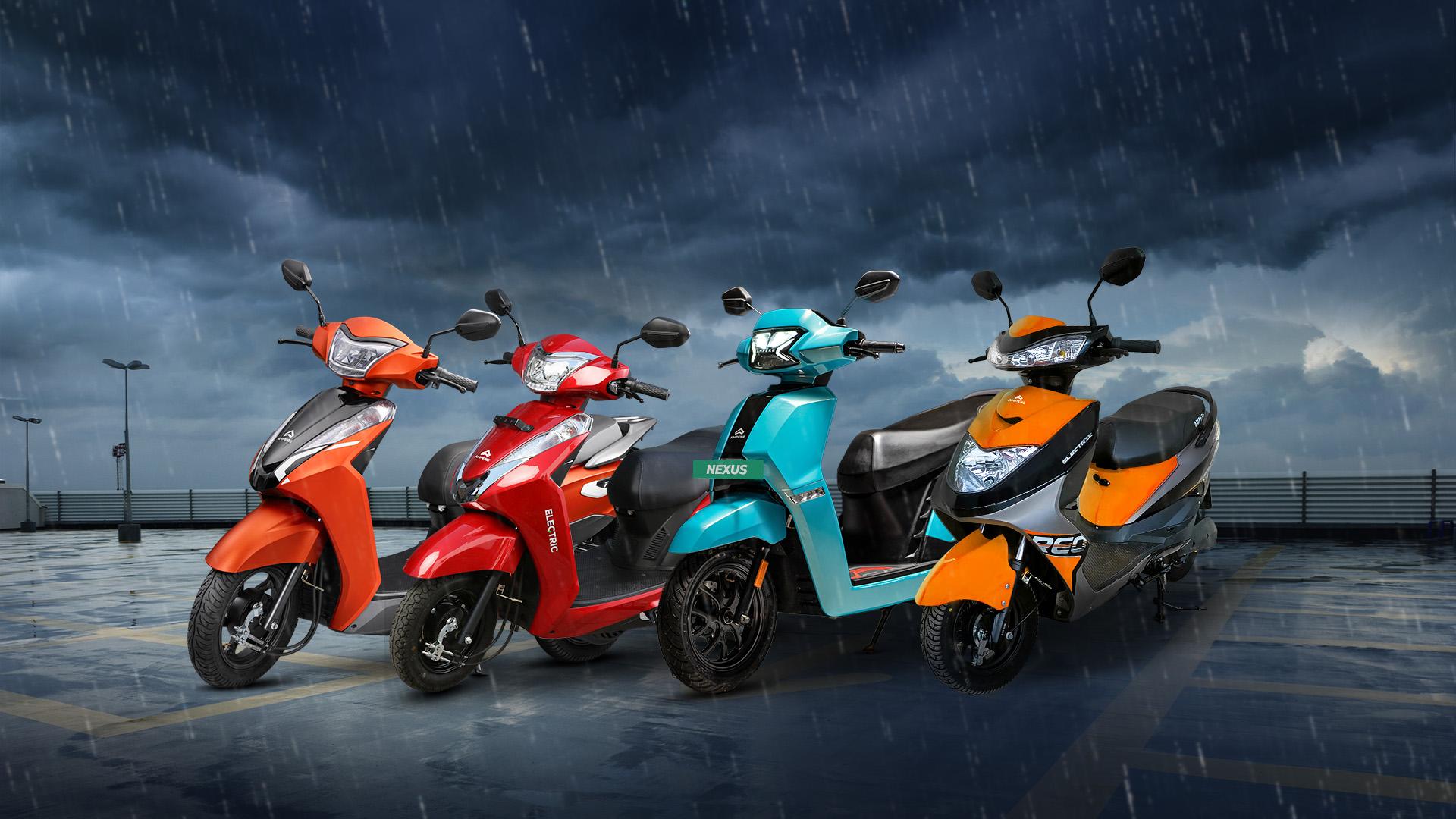
Here is how the full Ampere lineup compares on the key metrics that drive those carbon savings:
| Ampere Model | Battery Capacity | IDC Range | Running Cost/km | Battery Warranty |
|---|---|---|---|---|
| Reo 80 | 1.44 kWh LFP | 80 km | ₹0.12 | 3 yr / 30,000 km |
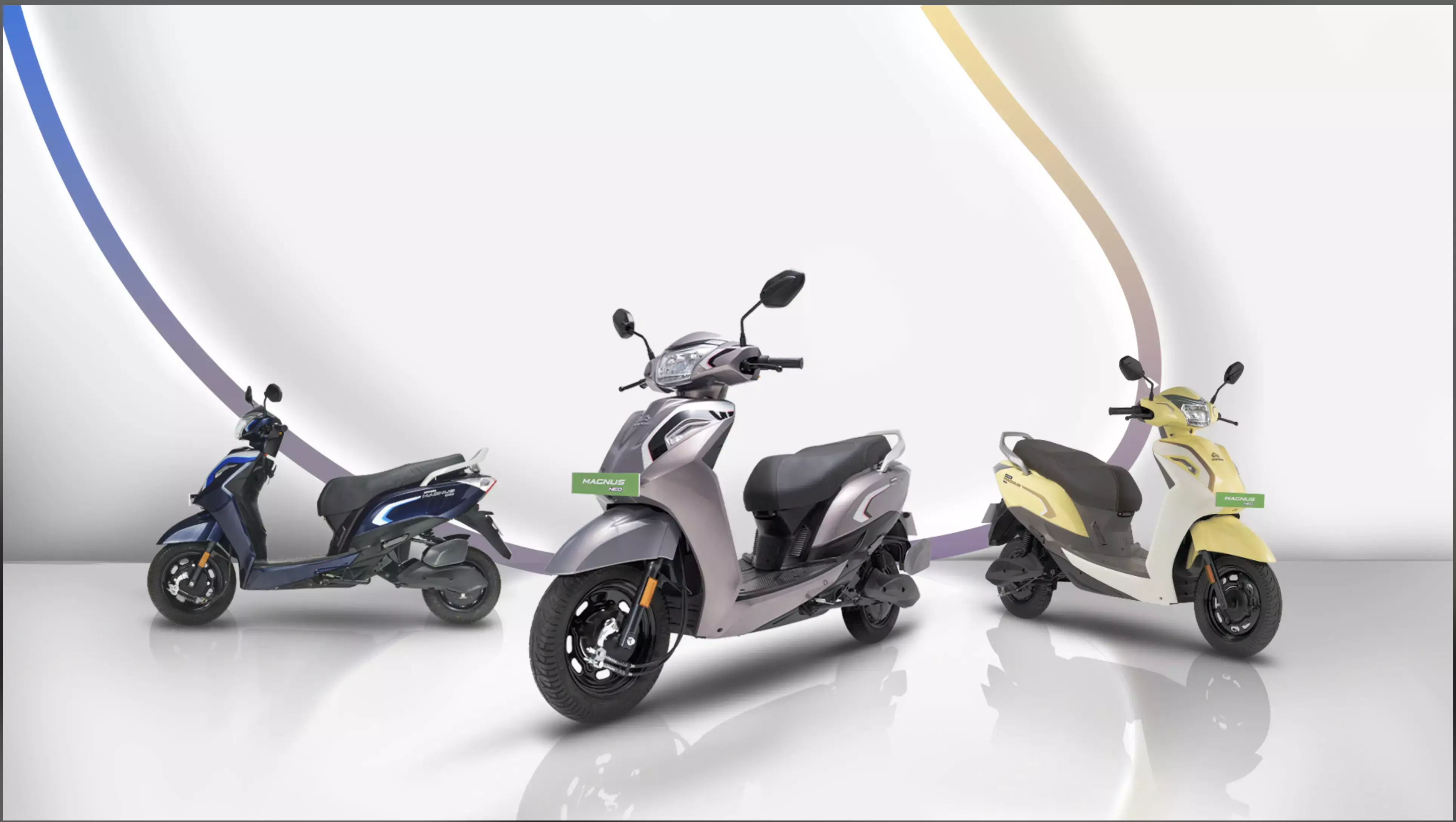
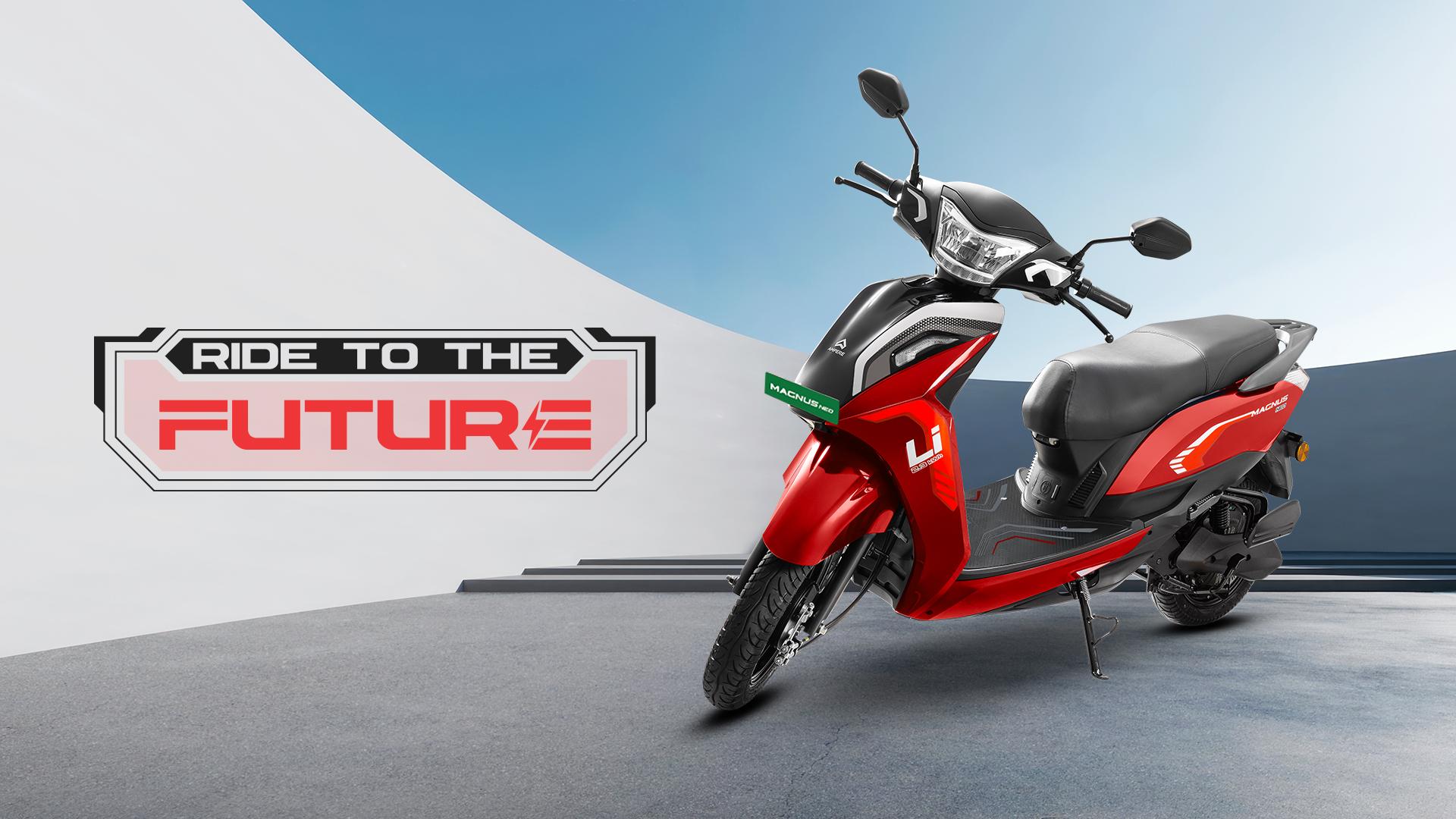
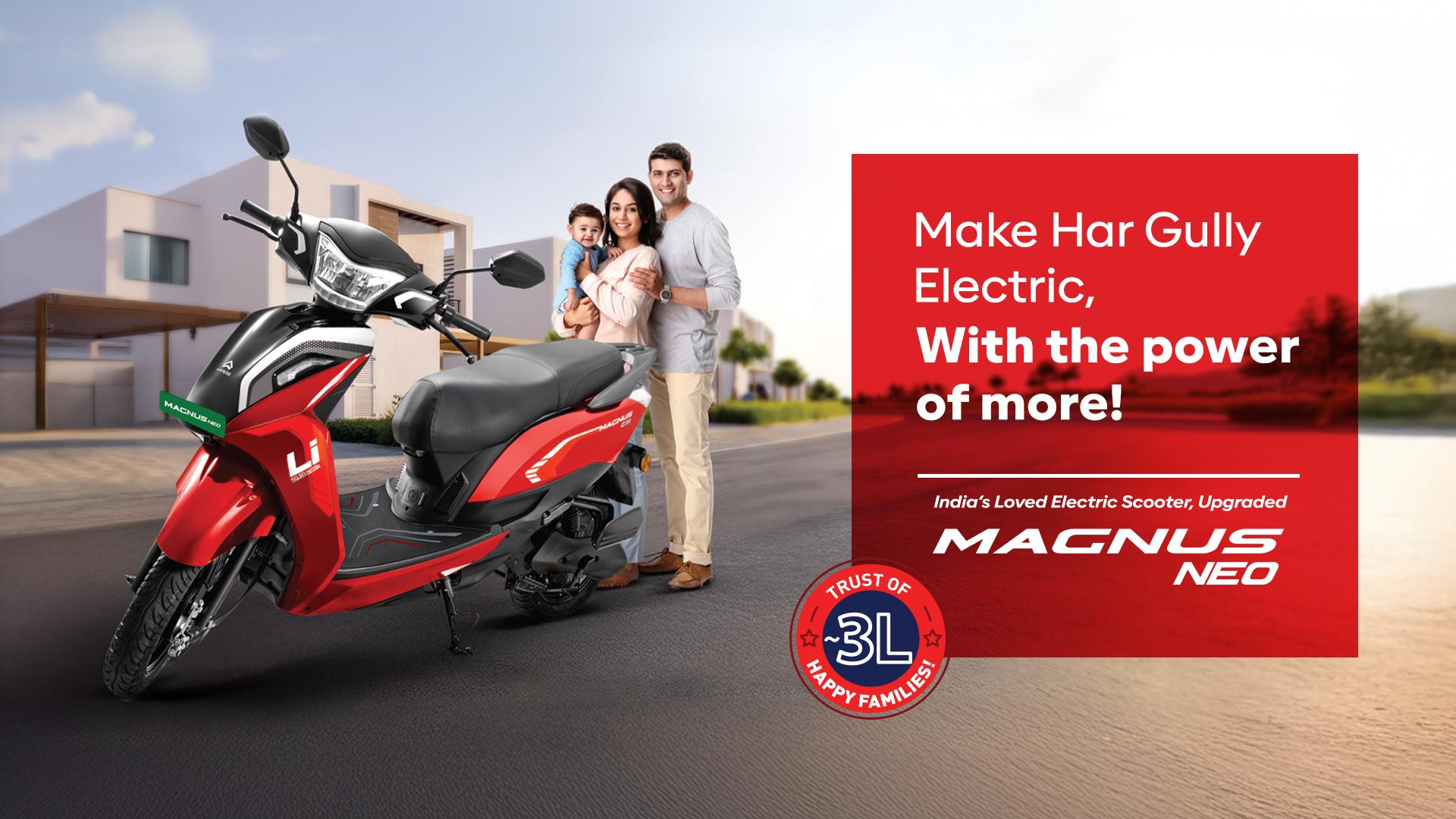
| Magnus Neo | 2.3 kWh LFP | 118 km | ₹0.18 | 5 yr / 75,000 km |
| Magnus Grand | 2.3 kWh LFP | 118 km | ₹0.18 | 5 yr / 75,000 km |
| Magnus G Max | 3.0 kWh LFP | 142 km | ₹0.18 | 5 yr / 75,000 km |
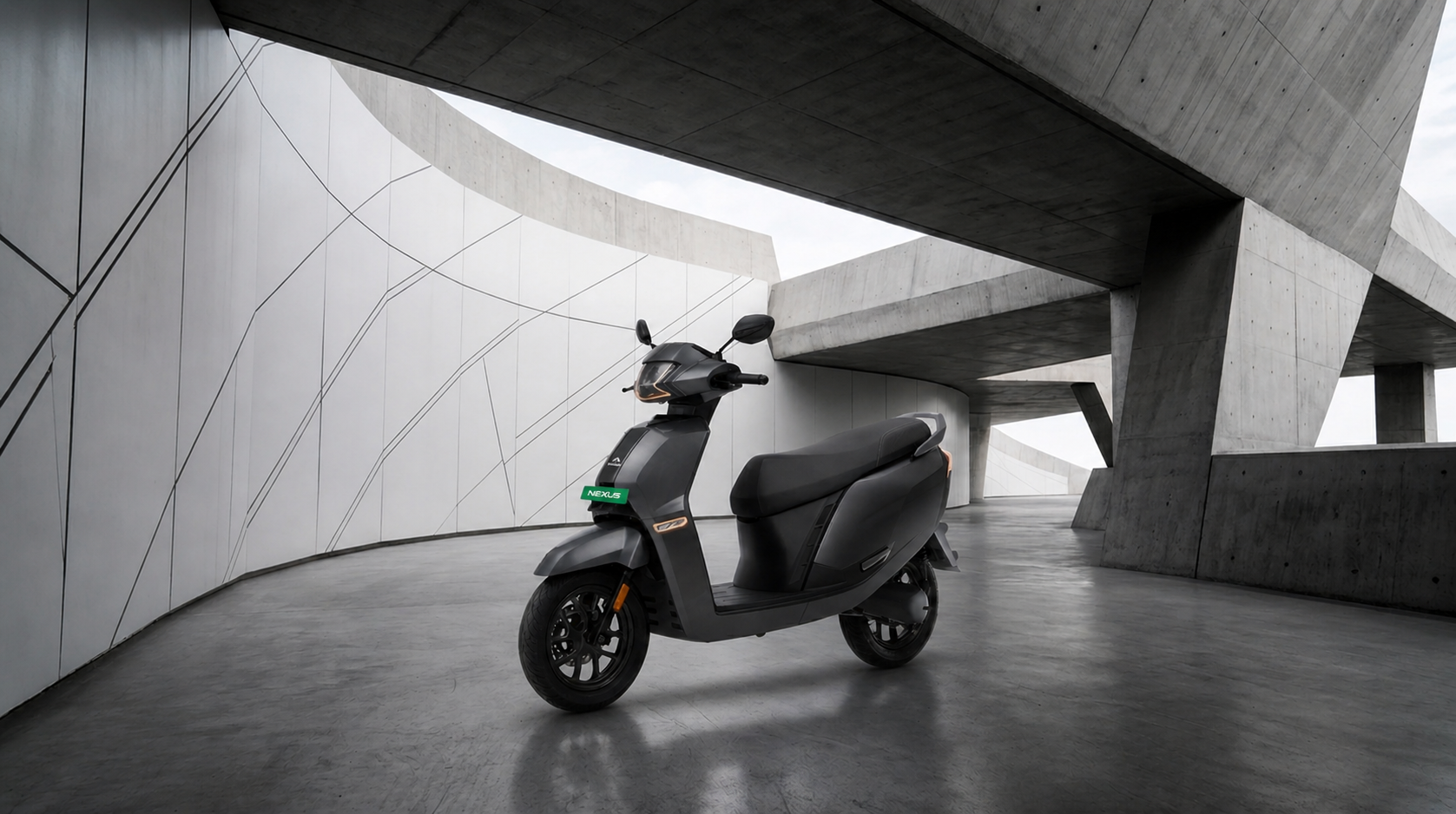
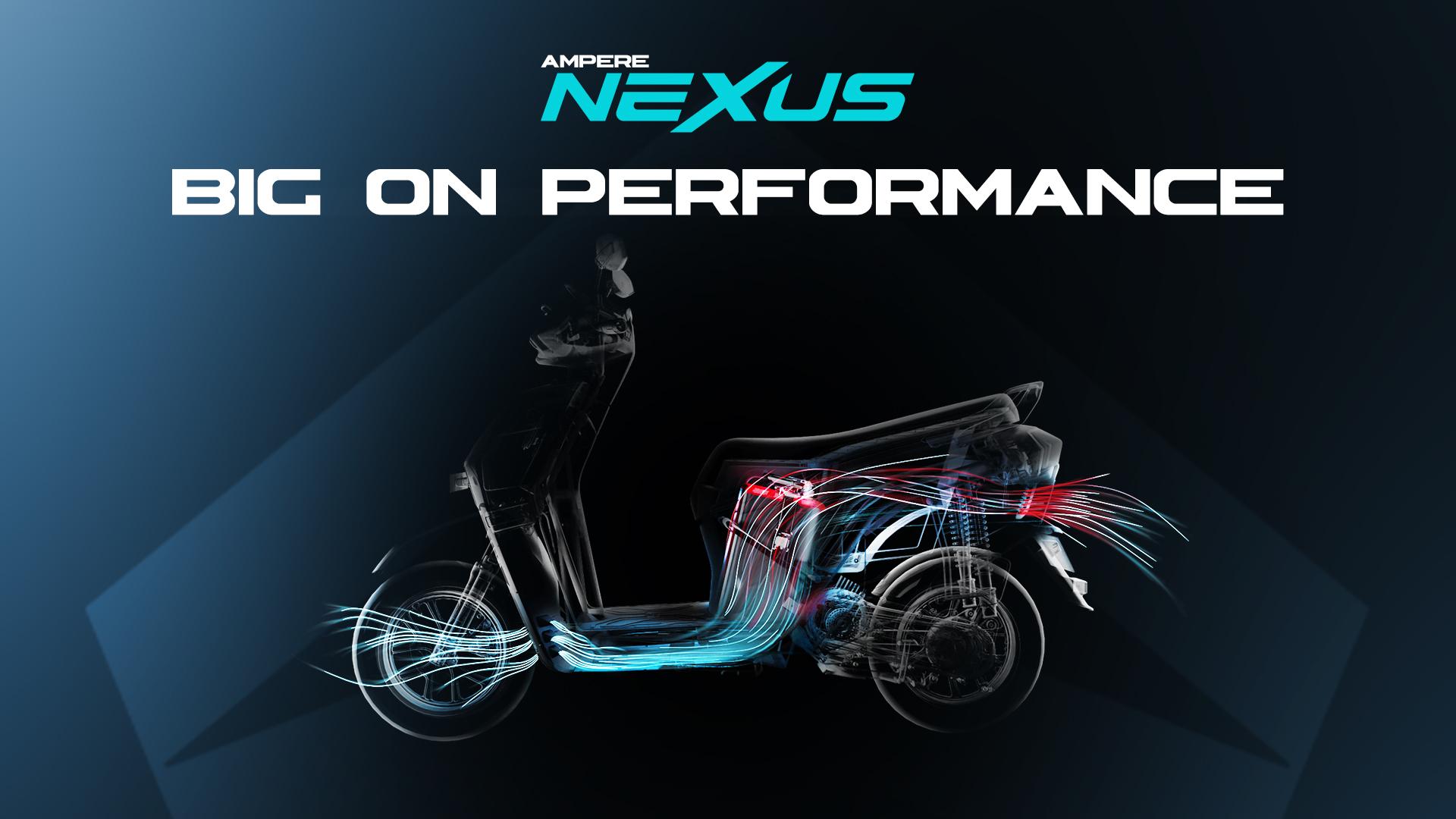
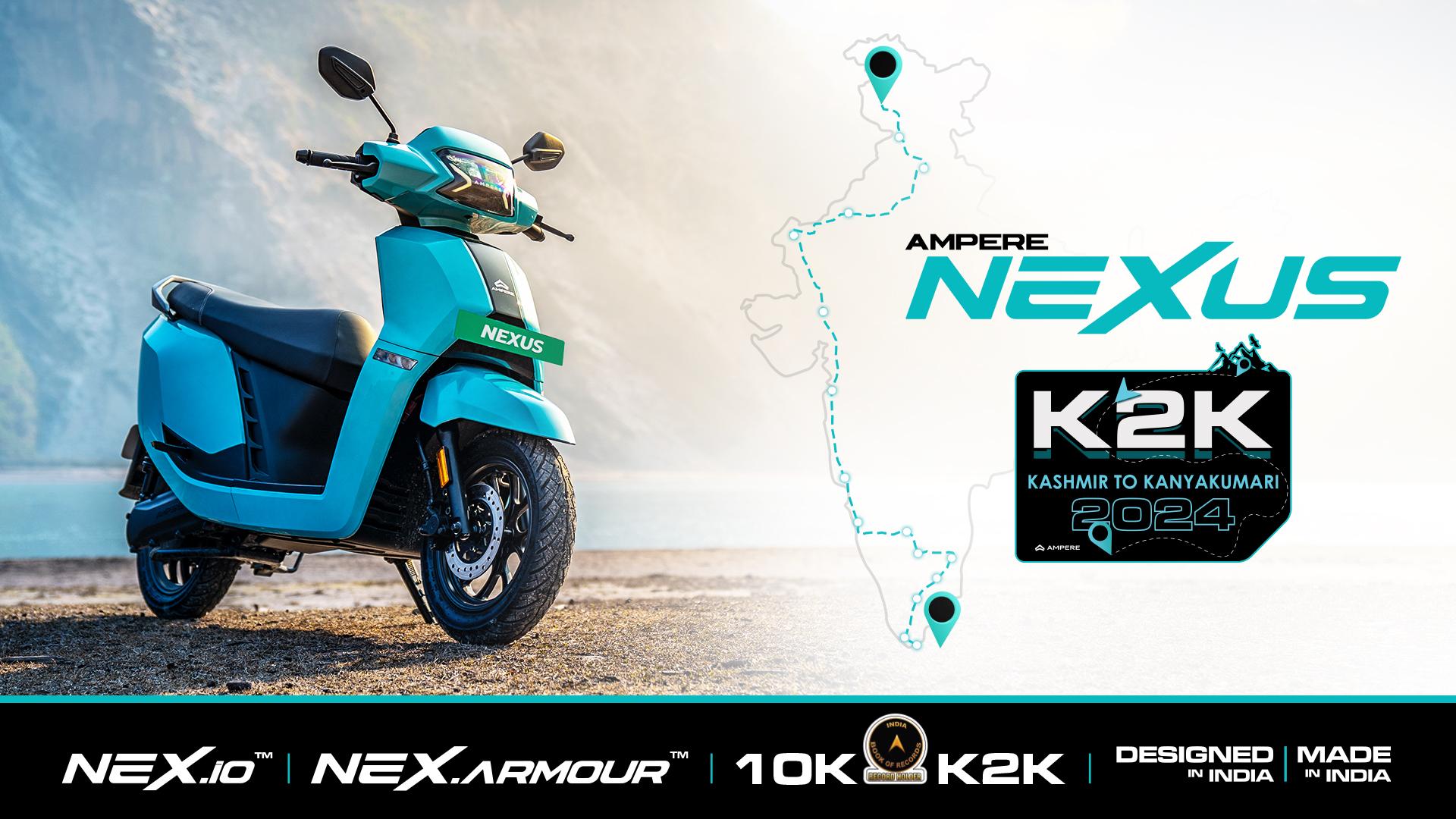
| Nexus | 3.0 kWh LFP | 136 km | ₹0.18 | 5 yr / 75,000 km |
Source: ampere.greaveselectricmobility.com | Lower running cost per km = lower energy use per km = lower CO₂ per km across every daily commute
City-by-City Impact: What 60% Reduction Looks Like Across India
The carbon saving varies meaningfully by city because daily commute distances, traffic patterns, and local grid mixes all differ. Here is how the reduction plays out across different market tiers:
| Market Tier | Typical Daily Commute and Conditions | Carbon Reduction Drivers |
|---|---|---|
| Metros: Delhi, Bengaluru, Mumbai | 20–40 km per day; slow stop-go traffic; petrol engines idle for most of the commute | Zero tailpipe emissions in bumper-to-bumper traffic; lower cost per km; cleaner last-mile delivery trips |
| Tier 2 and Tier 3: Indore, Coimbatore, Bhubaneswar | 10–25 km per day; clearer roads; many riders charge at home on lower tariffs | Home charging cuts grid transmission losses; rooftop solar lowers effective CO₂ per unit; less idling in queues |
| High-renewable states: Gujarat, Tamil Nadu, Karnataka, Rajasthan | Any distance; grid already carries a higher proportion of solar and wind generation | Each kWh of charge carries less embedded CO₂; 60% lifecycle reduction can be matched or exceeded over time |
Ampere internal lifecycle analysis using India-specific grid mix, traffic patterns, and commute distances | Source: ampere.greaveselectricmobility.com
Beyond Emissions: Cost, Convenience, and Tracking Your Own Impact
For most daily riders, the financial savings from switching to an Ampere electric scooter are just as significant as the environmental gains. The table below compares running costs directly between electric and petrol options across typical Indian monthly mileage:
| Cost Factor | Electric Scooter (Ampere) | Typical Petrol Scooter |
|---|---|---|
| Energy cost per km | ₹0.12–₹0.18 (official Ampere data) | ₹2.00–₹2.50 (₹105/litre, 45 km/litre average) |
| Monthly energy cost at 900 km/month | ₹108–₹162 | ₹1,800–₹2,250 |
| Monthly energy cost at 1,200 km/month | ₹144–₹216 | ₹2,400–₹3,000 |
| Engine oil change | Not required on any Ampere model | Every 1,500–2,000 km as standard |
| Annual estimated fuel or energy savings | ₹18,000–₹30,000+ versus petrol | Baseline reference cost |
Estimates based on 900–1,200 km per month, ₹105 per litre petrol, 45 km per litre petrol scooter average, and ₹7 per kWh home electricity tariff | Source: ampere.greaveselectricmobility.com
Frequently Asked Questions
How do electric scooters reduce carbon footprint if India's electricity still comes partly from coal?
Even with coal still in the mix, green power electric scooters are more fundamentally efficient per kilometre than petrol scooters. They use less energy per km and produce zero tailpipe emissions in your city. Central power plants are also far easier to decarbonise gradually than millions of individual small engines spread across every road. As India's grid adds more solar and wind capacity each year, your scooter's CO₂ per kilometre falls automatically without any change on your part.
Is the 60 percent carbon footprint reduction with e-scooters realistic for my daily commute?
The 60 percent figure is based on typical Indian riding distances and current grid data. Your actual savings depend on your daily distance, local traffic conditions, and how and when you charge. Many city riders covering 20 to 40 km per day can reach similar reductions in practice. If your state has a higher share of renewable power in the grid, your personal reduction can be even greater than the average figure suggests.
What about the battery — does it not create a large carbon footprint during production?
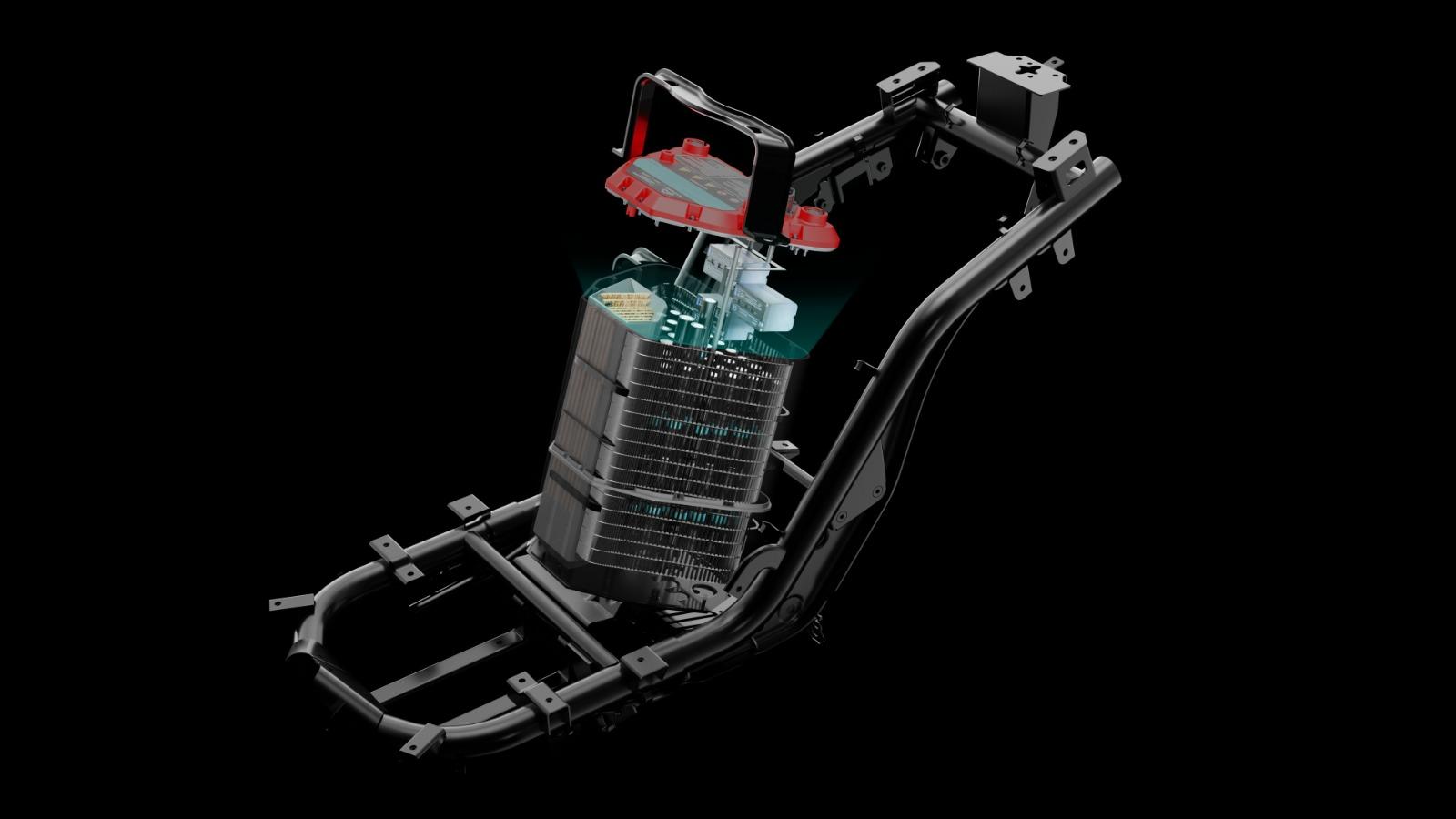
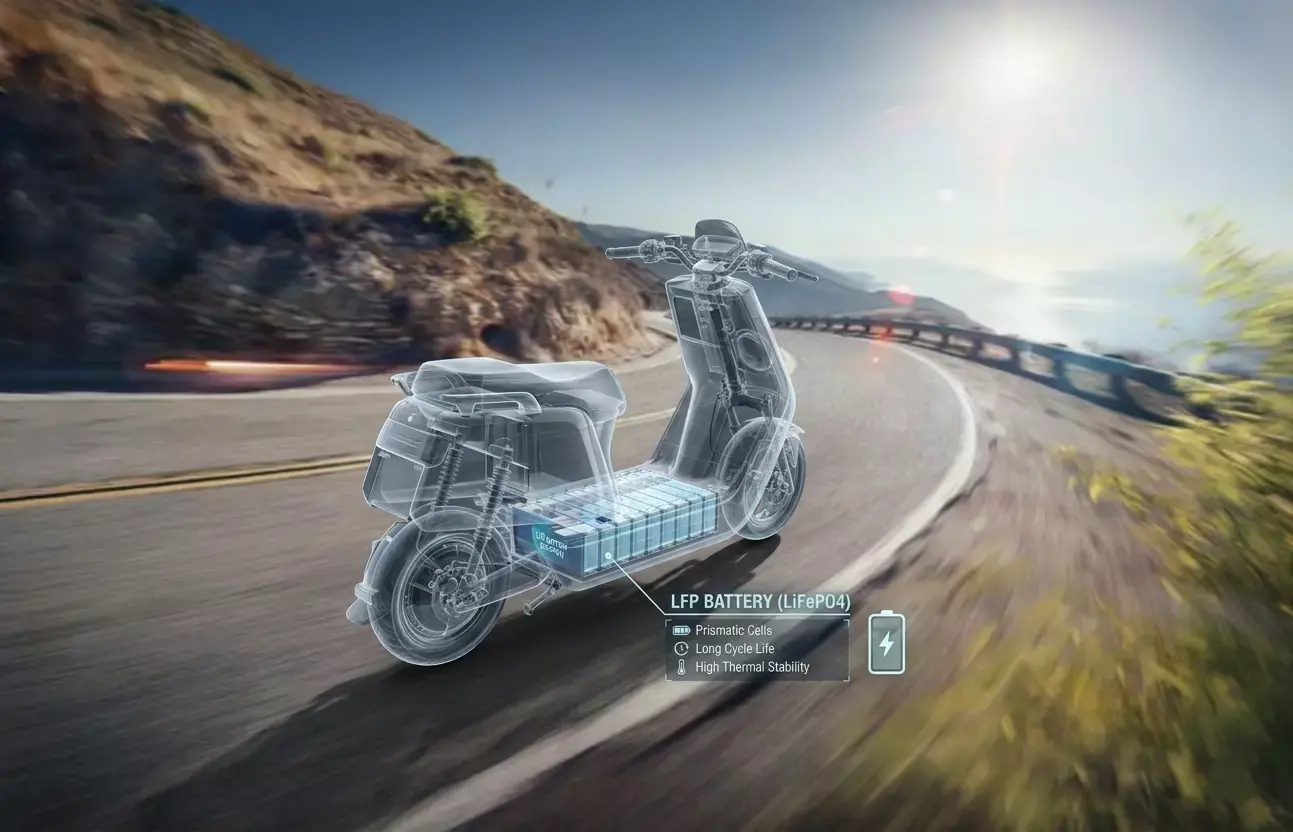
Battery production does add extra upfront emissions compared to manufacturing a petrol scooter. However, this impact is spread proportionally over many years of daily riding. Ampere's LFP packs carry a 5-year or 75,000 km warranty on the Magnus Neo, Grand, G Max, and Nexus — meaning the production carbon is divided across a very large number of clean, low-emission kilometres before any replacement is ever needed.
How can I maximise my carbon savings with an Ampere electric scooter?
Charge at home during off-peak hours when the grid tends to draw from cleaner sources. If you have access to solar-supported power at home or your society, use it whenever possible. Keep tyres properly inflated and ride smoothly to minimise energy use per kilometre. Prioritise replacing your longest petrol trips first — these deliver the biggest per-trip carbon savings and make the most visible difference to your monthly fuel bill at the same time.
How does Ampere's environmental impact compare with other electric scooter brands?
Ampere focuses on green power electric scooters that are efficient and financially accessible across metros and tier 2 and tier 3 cities alike. The brand highlights per-kilometre impact data and city-tuned motor efficiency rather than headline performance figures. By centring communication on per-kilometre carbon impact and a clear calculation methodology, Ampere helps riders understand their real savings more easily than brands that focus primarily on range or speed claims.
Conclusion
Ampere's green power electric scooters turn daily rides into real, measurable climate gains. In Indian traffic, they cut fuel use, remove tailpipe smoke entirely, and can lower total lifecycle emissions by around 60 percent compared to common petrol scooters. The same switch also eases monthly fuel bills significantly and reduces the time and money spent on routine servicing.
Map your usual routes, note your daily kilometres, and compare running costs against your current petrol scooter using the figures in this guide. Charge at home when possible, ride regularly, and replace your highest-mileage petrol trips first. With each commute, you lock in steady, measurable climate action that compounds quietly over years of daily riding.