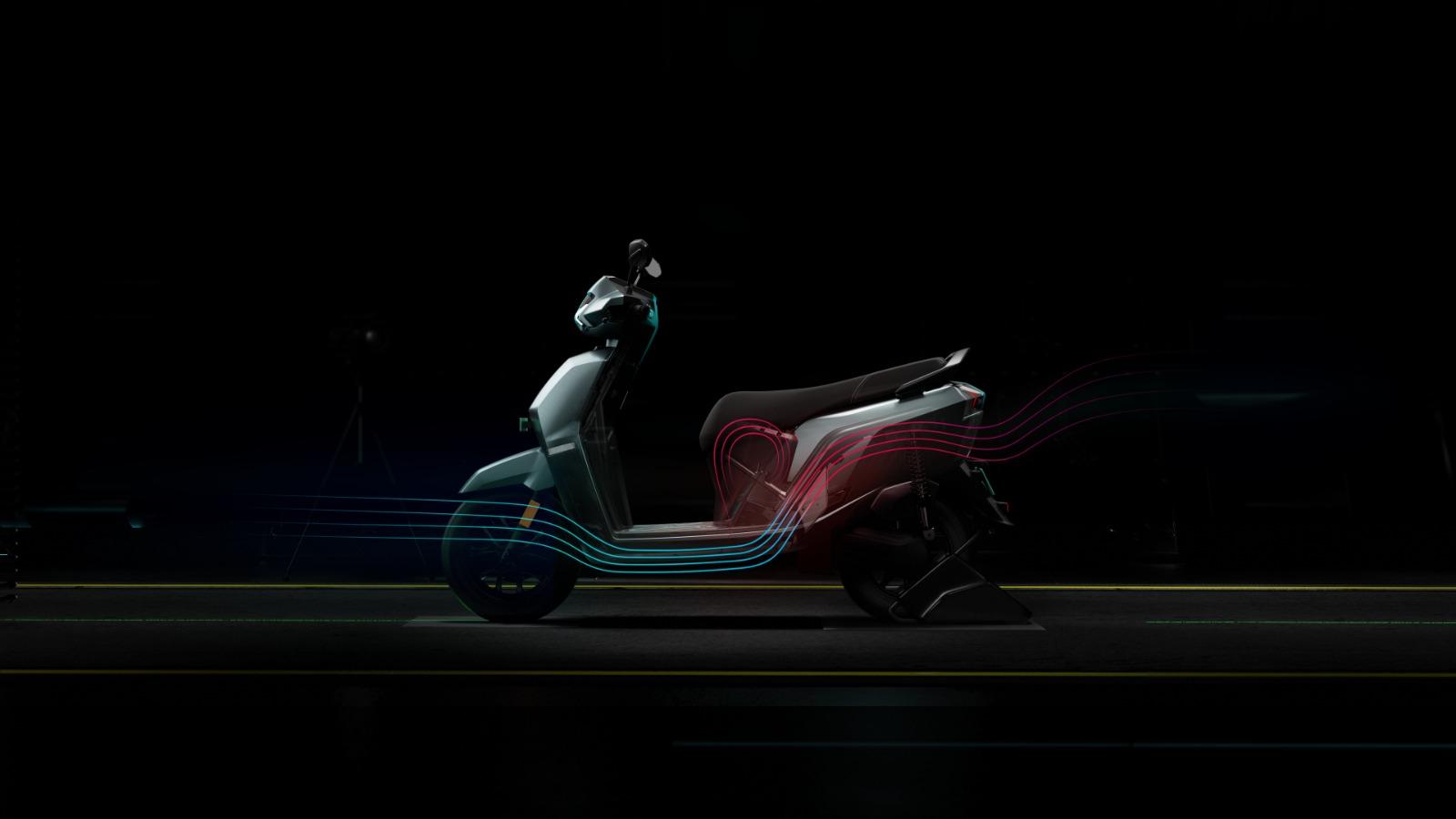
Charging an electric scooter in India is simpler than most first-time buyers expect. Over 90% of Ampere riders charge at home overnight, arriving each morning with a full battery. For the remaining use cases — longer trips, quick mid-day top-ups, or inter-city travel — India's public charging infrastructure has expanded dramatically through 2025 and 2026.
The Three Tiers of EV Charging in India
Understanding how EV charging works in India starts with recognising that there are three distinct tiers: home charging, workplace and dealership charging, and public fast-charging networks. Each plays a different role in the ownership experience.
Tier 1: Home Charging — the Daily Default
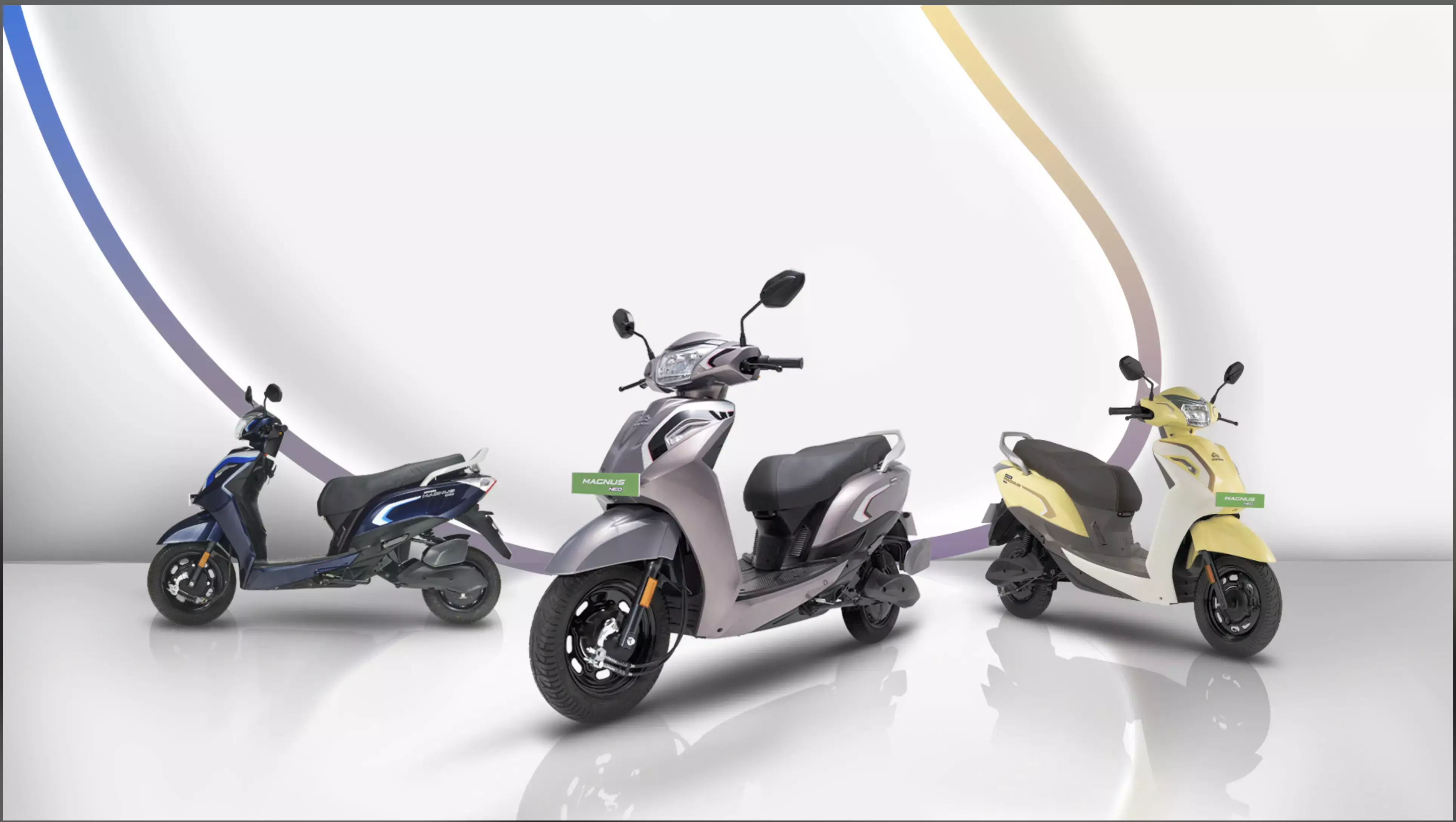
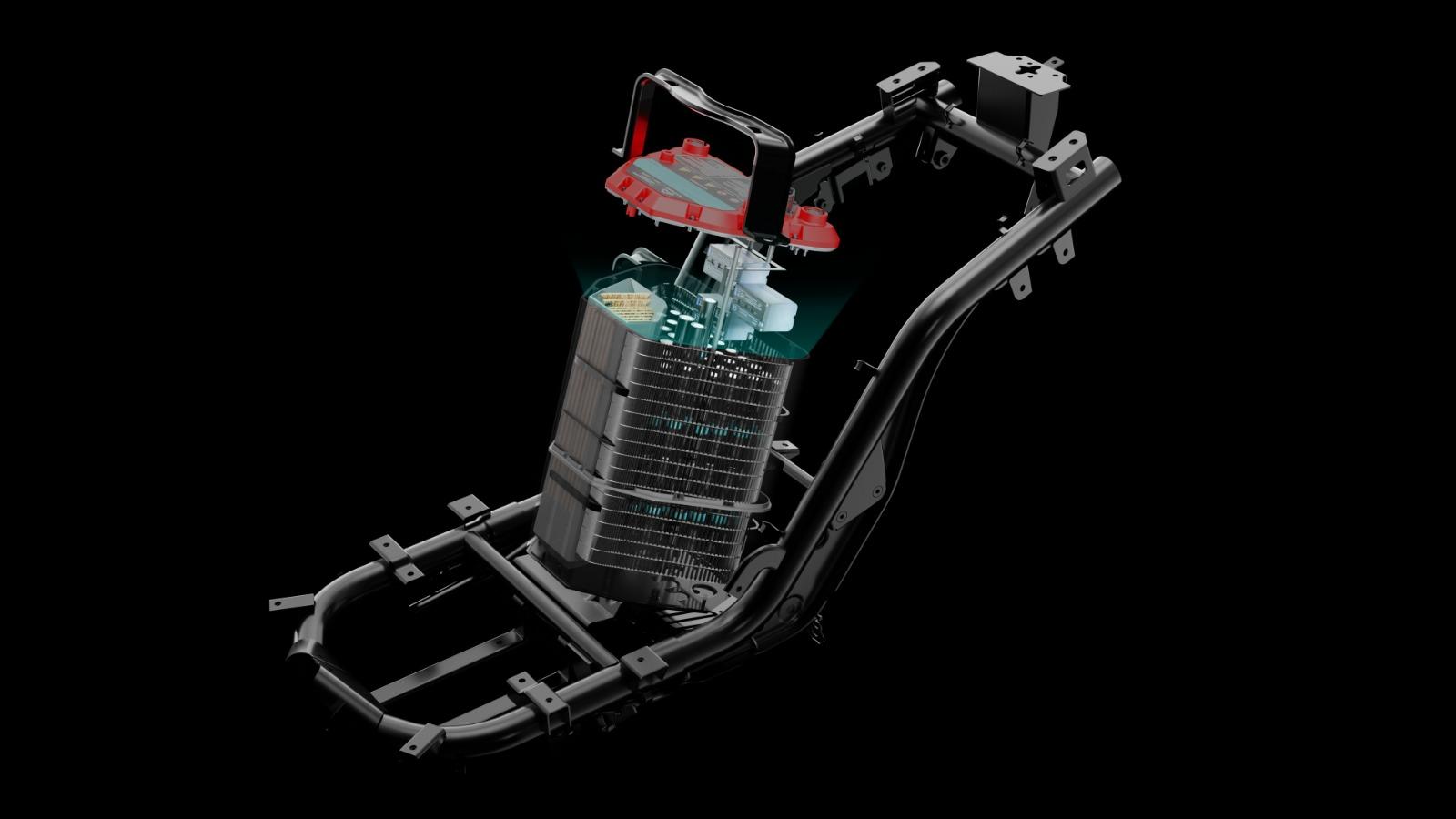
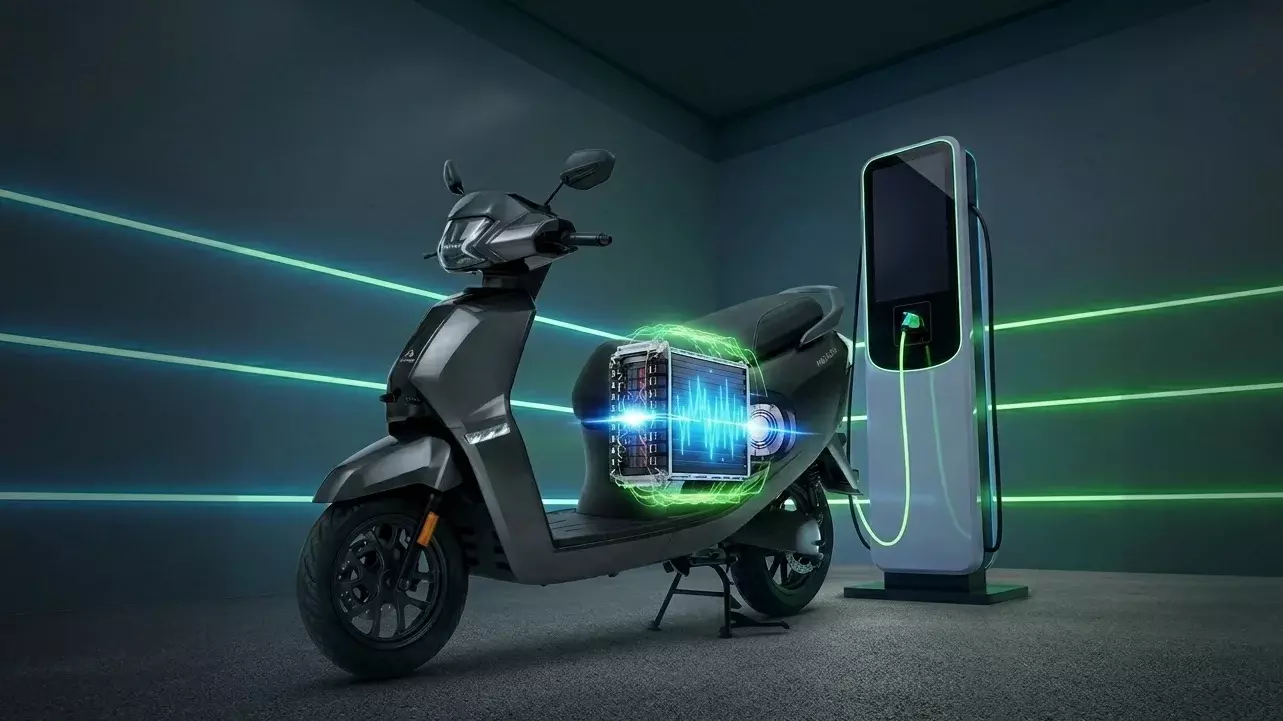
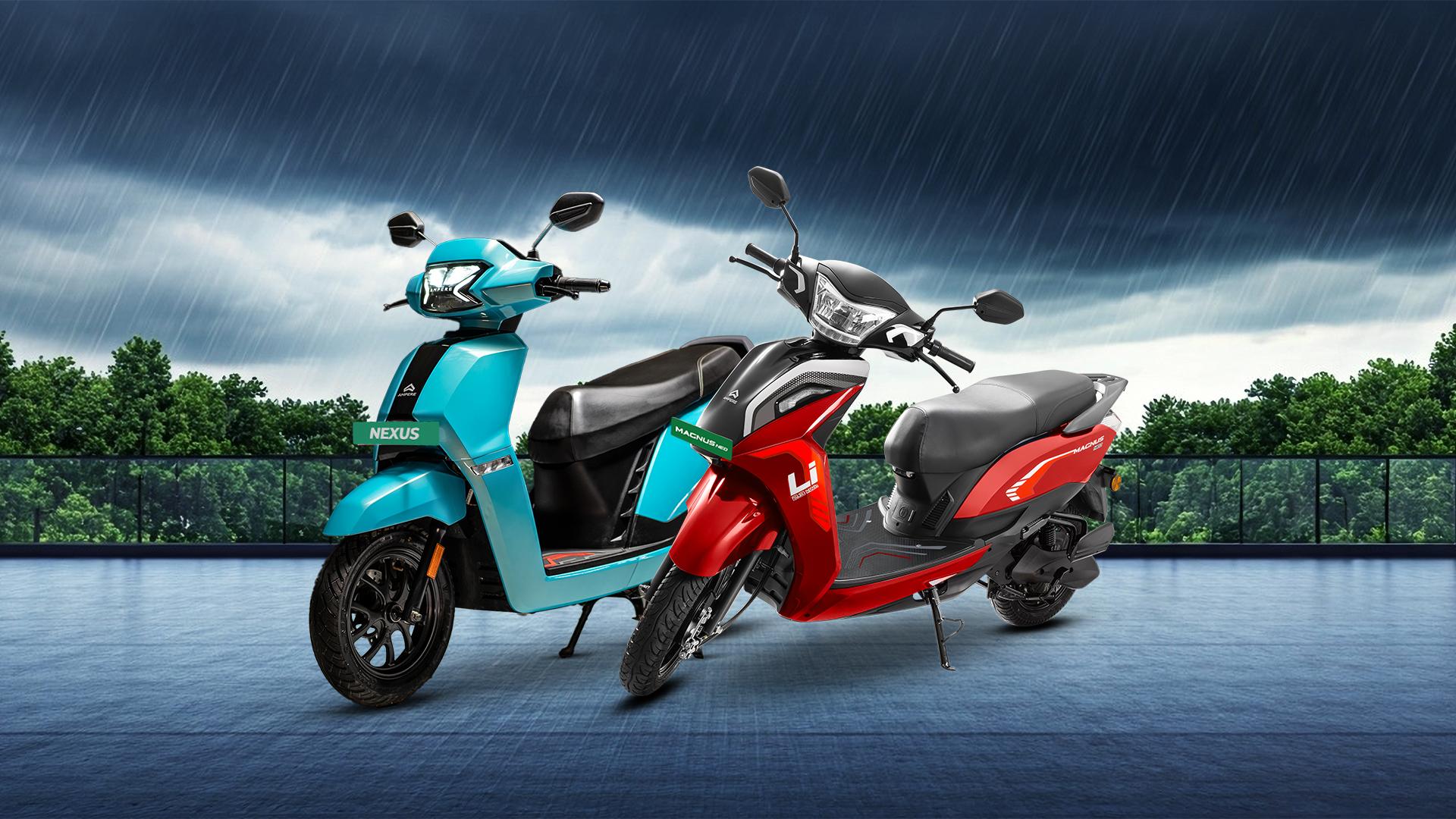
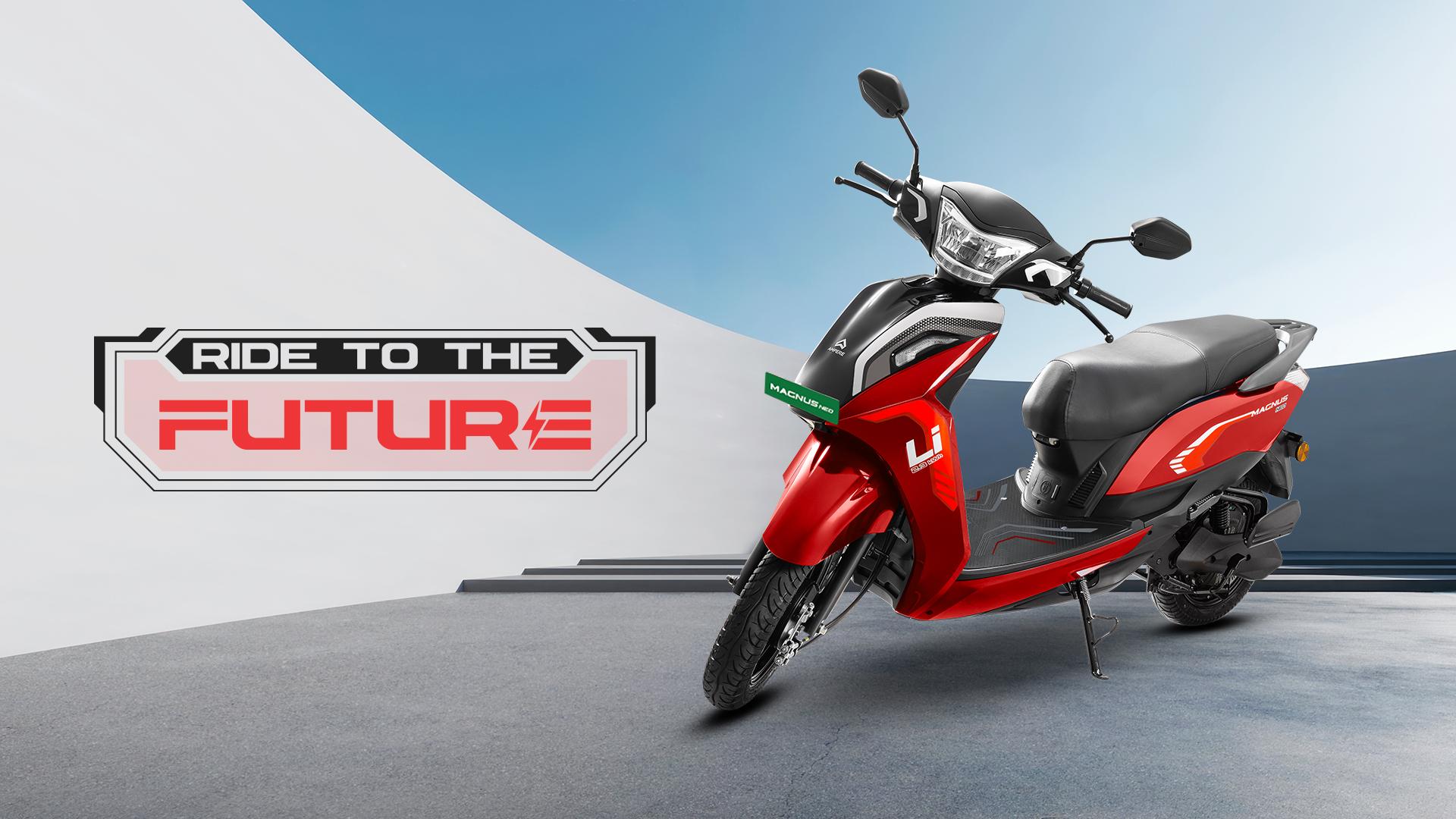
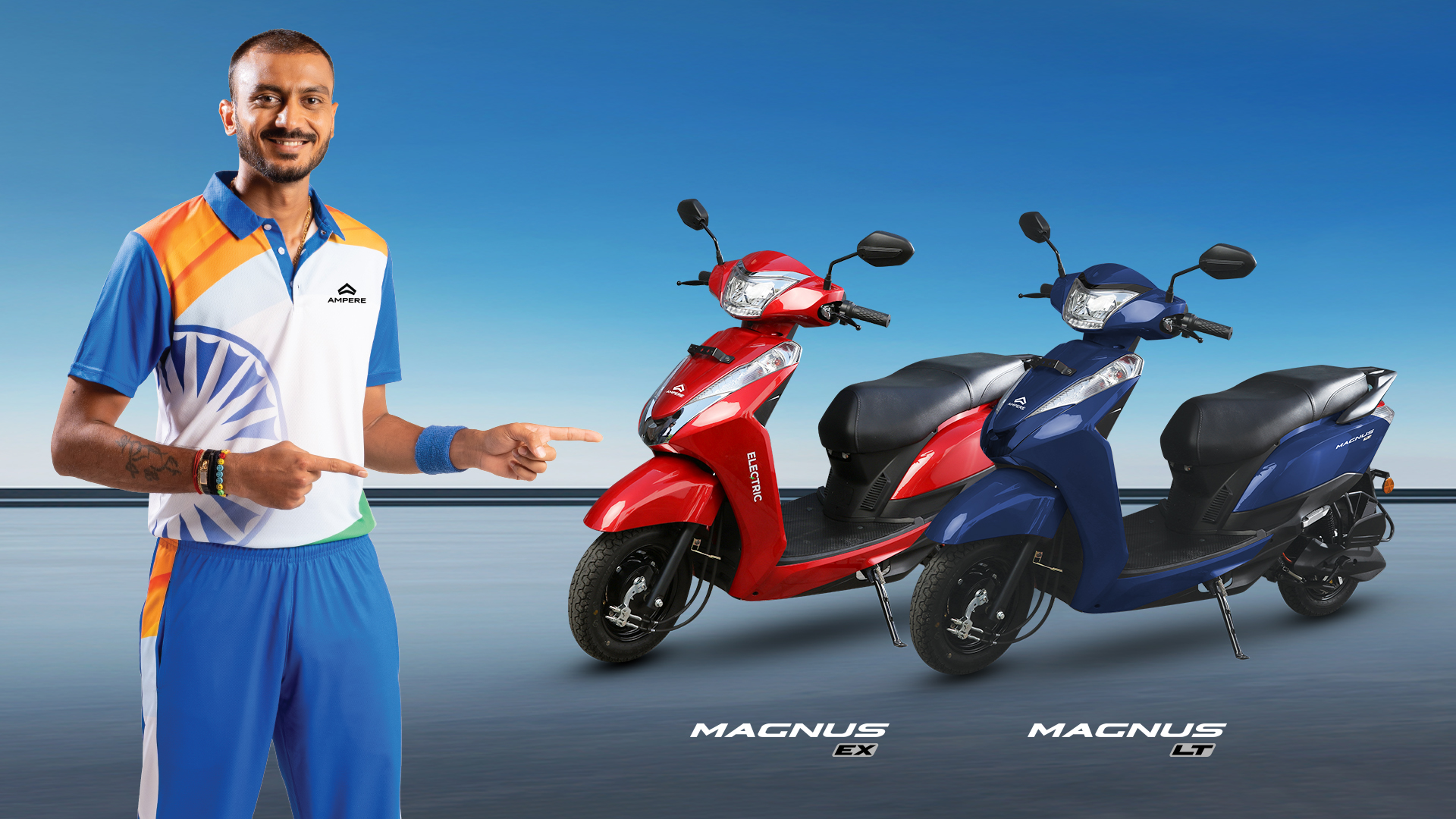
For the Ampere Magnus Grand, home charging requires a standard 5A wall socket — the same type used for your phone charger, just with the provided EV charger plugged in. A full charge from 0% to 100% takes 5–6 hours. Most riders plug in after their evening commute and unplug before morning. The Magnus Grand's 2.88 kWh battery means a full overnight charge costs approximately ₹25–35 at typical Indian electricity tariffs (₹7–10/kWh).
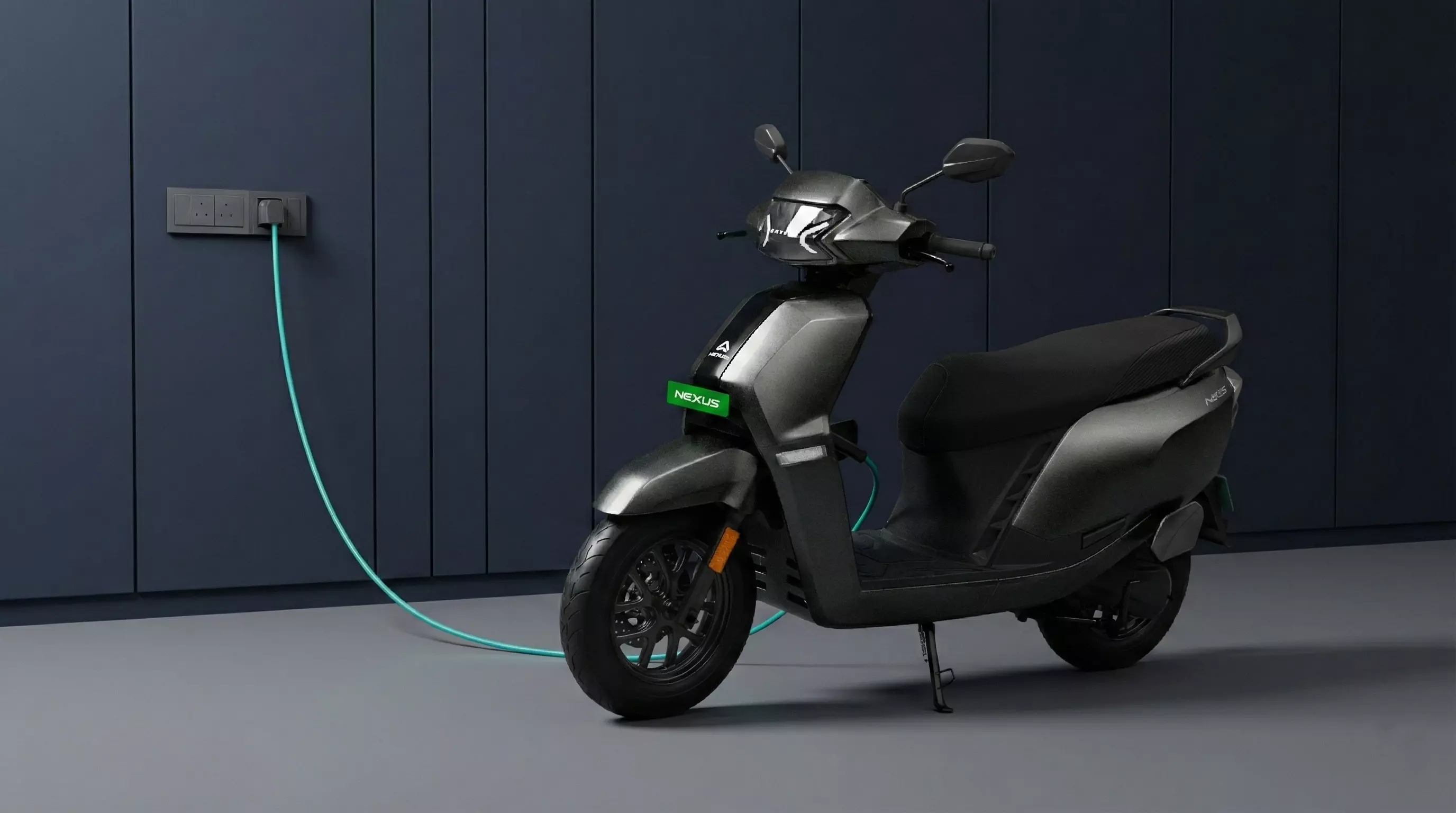
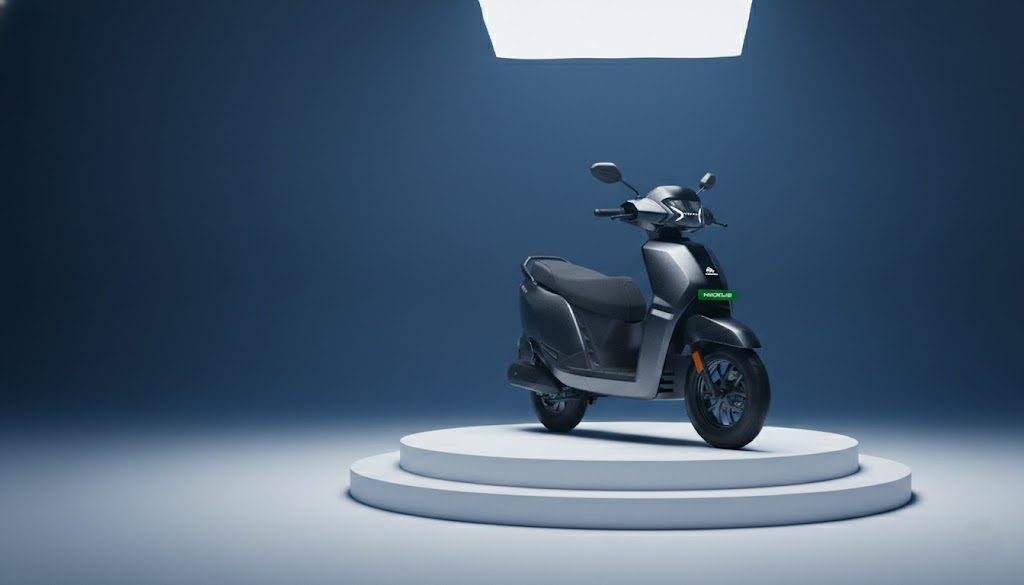
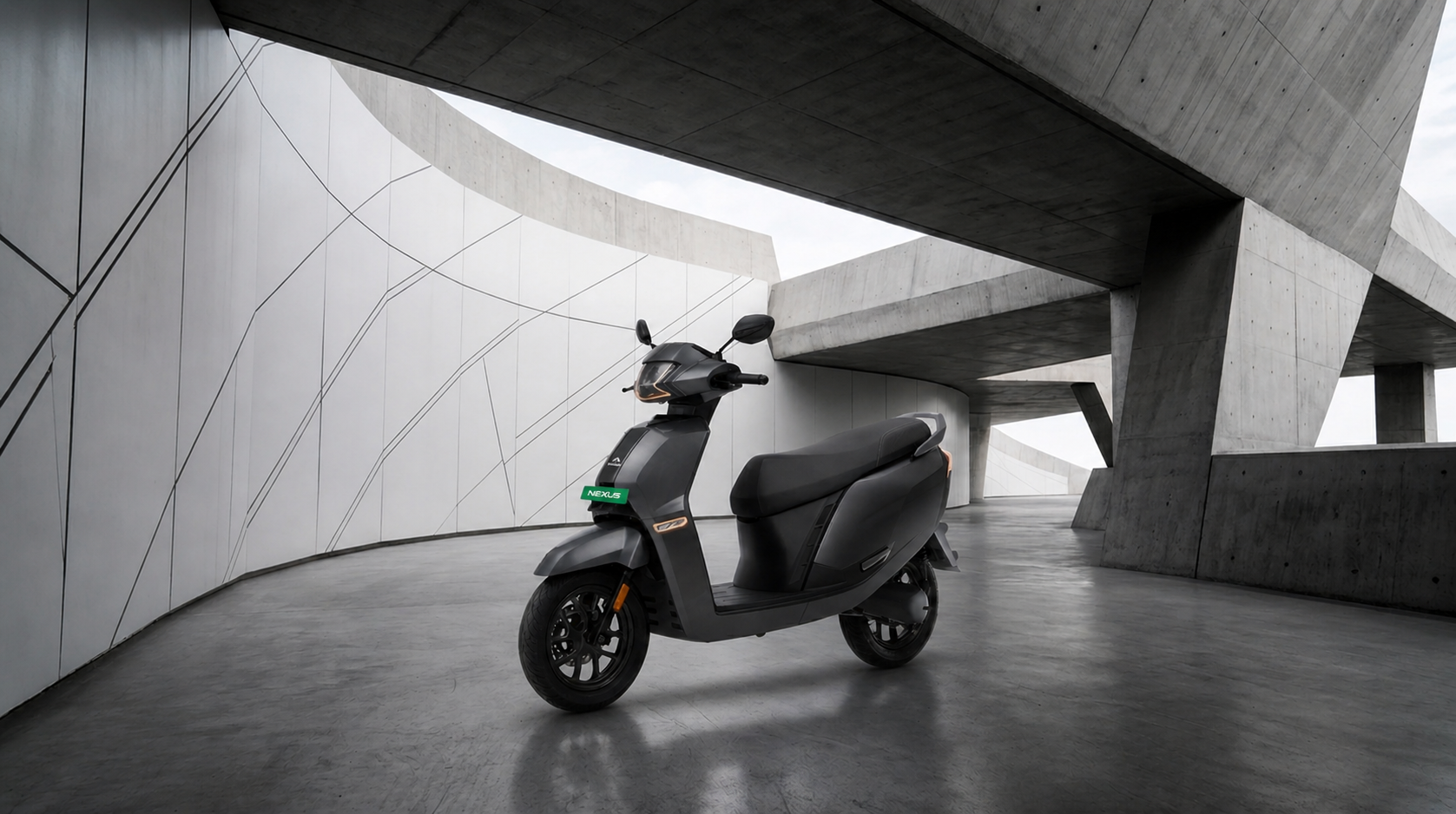
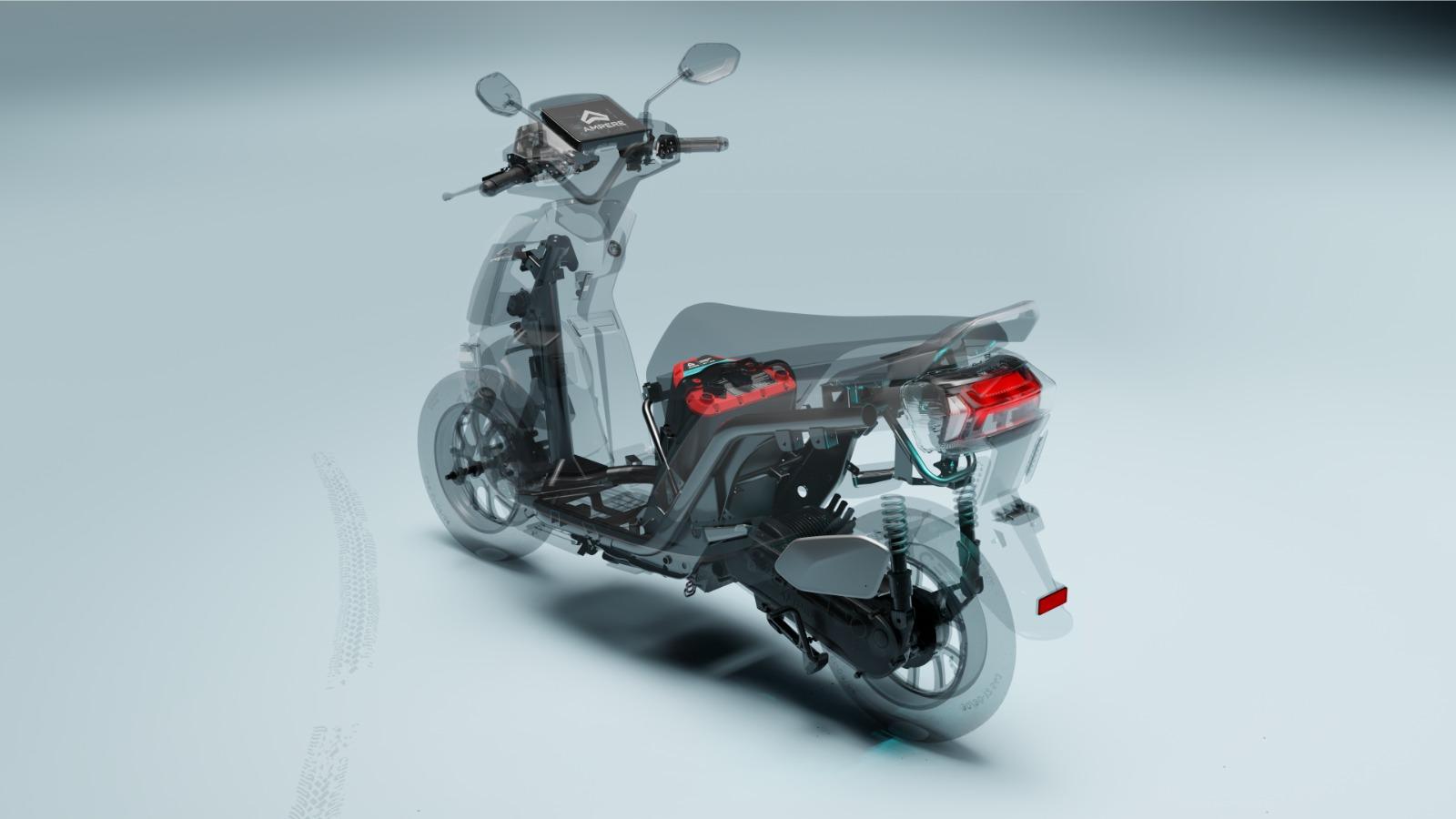

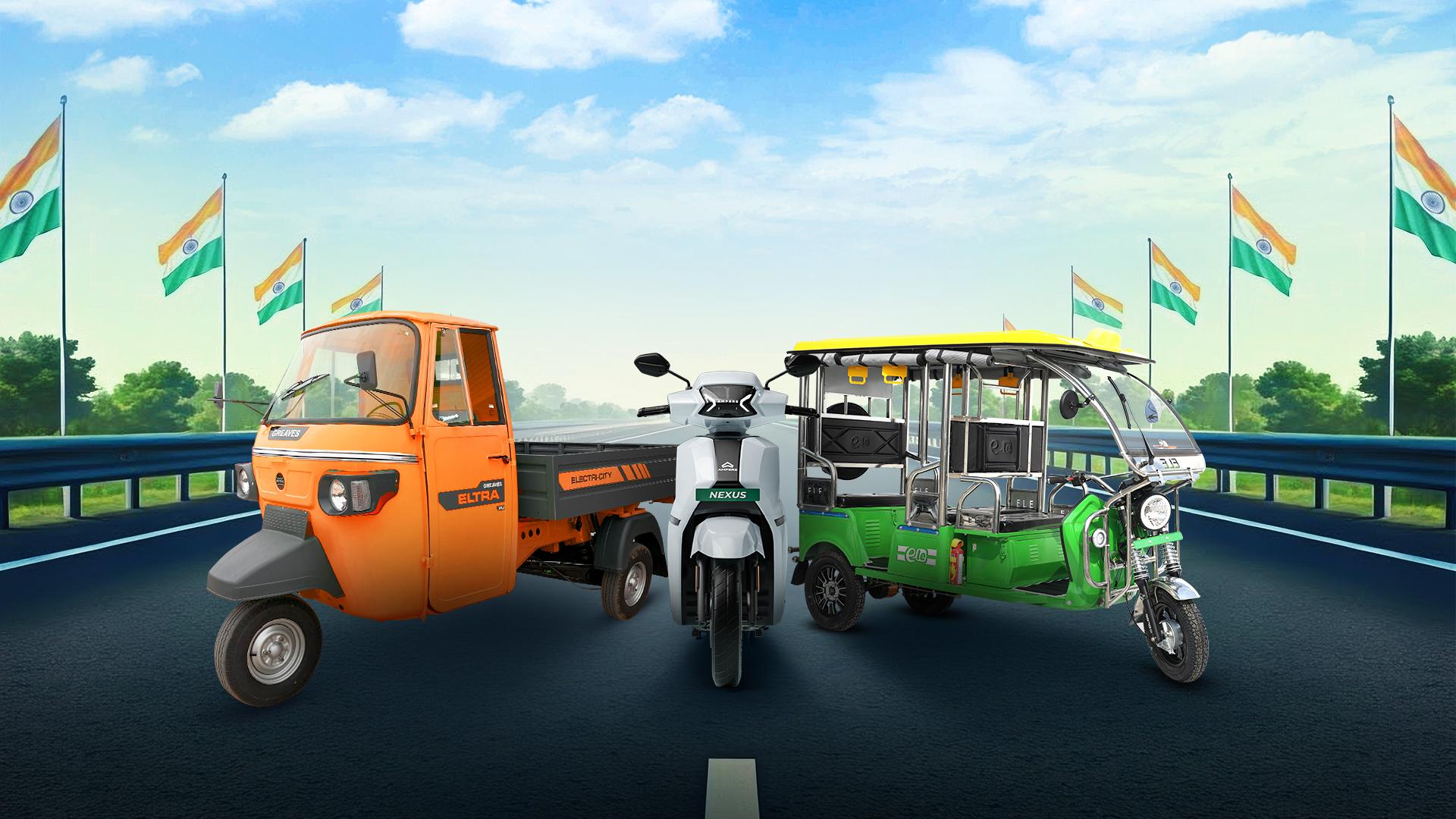
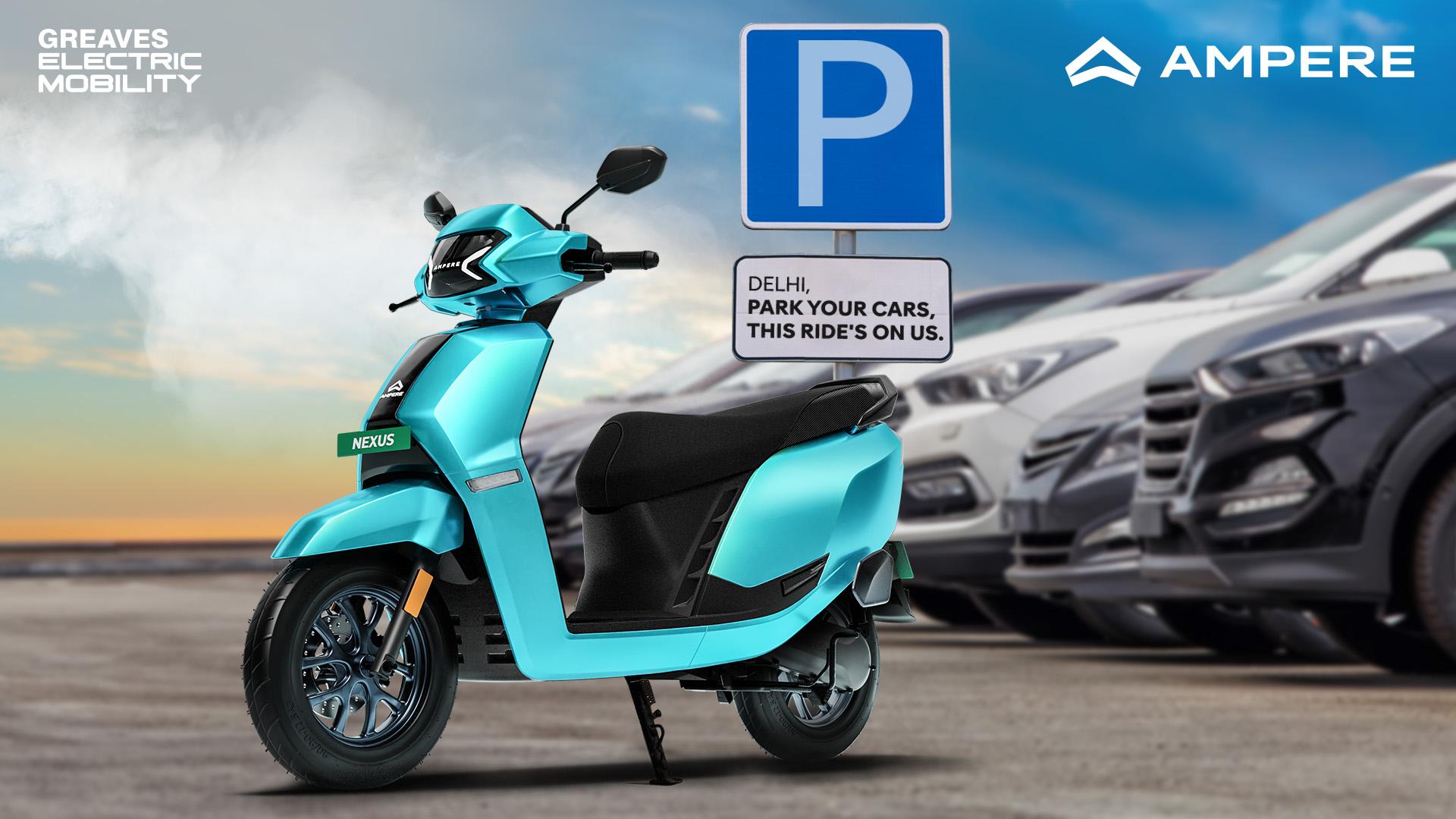
The Ampere Nexus requires a 15A socket — the same type used for air conditioners and washing machines. Most Indian households already have at least one 15A point. A full charge takes approximately 3 hours 20 minutes and costs ₹25–35 at standard tariffs. The Nexus also supports an optional 25A fast charger as an upgrade, which significantly reduces charge time for riders who need quick top-ups or travel frequently.
Both scooters include the charger in the purchase price. The provided charger is designed for standard Indian household current (220–240V, 50Hz) and includes safety features: over-current protection, thermal cutoff, and spark prevention at the socket.
Tier 2: Ampere Dealership Charging Network
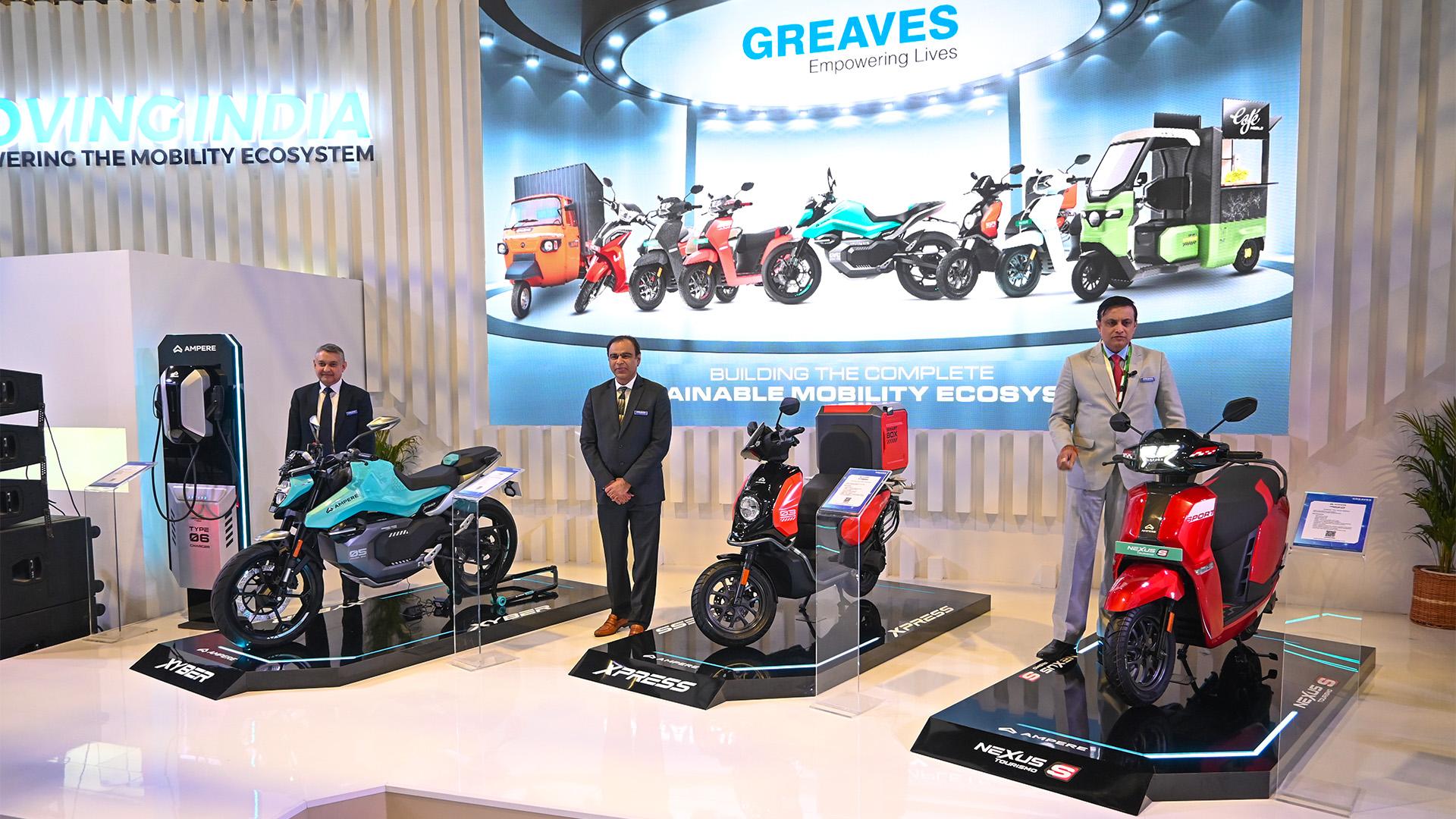
Ampere by Greaves Electric Mobility operates over 400 dealerships and service touchpoints across India. Many of these dealerships offer on-site charging while your scooter is being serviced or inspected. This is particularly useful during the annual service visit — your scooter charges while the technician completes the maintenance check.
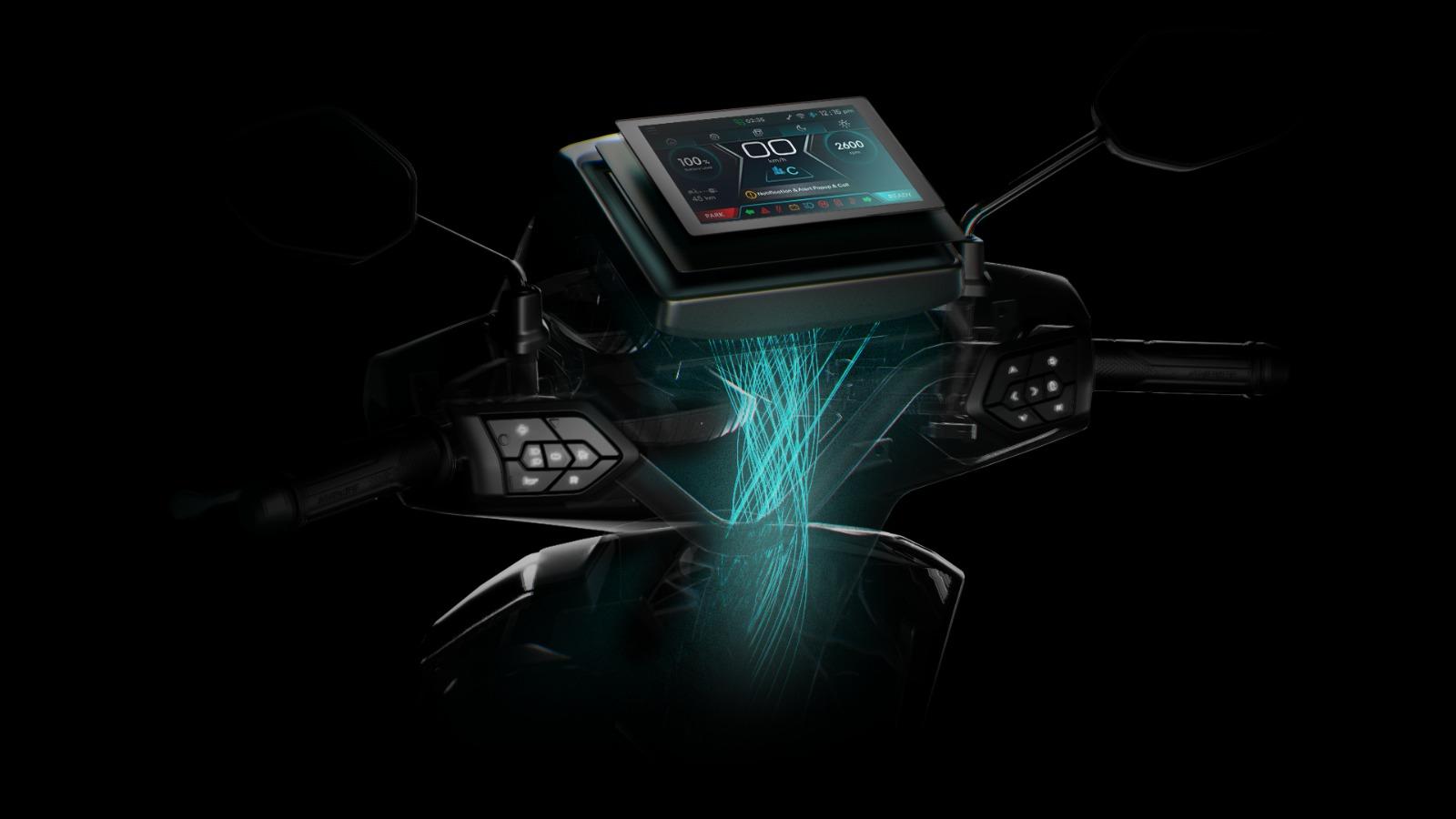
To find your nearest Ampere dealership with charging availability, use the 'Find a Dealer' tool on ampere.greaveselectricmobility.com, or search within the Nex.IO navigation cluster on the Nexus (which integrates charging point locations in real time).
Public EV Charging Networks in India: 2026 Overview
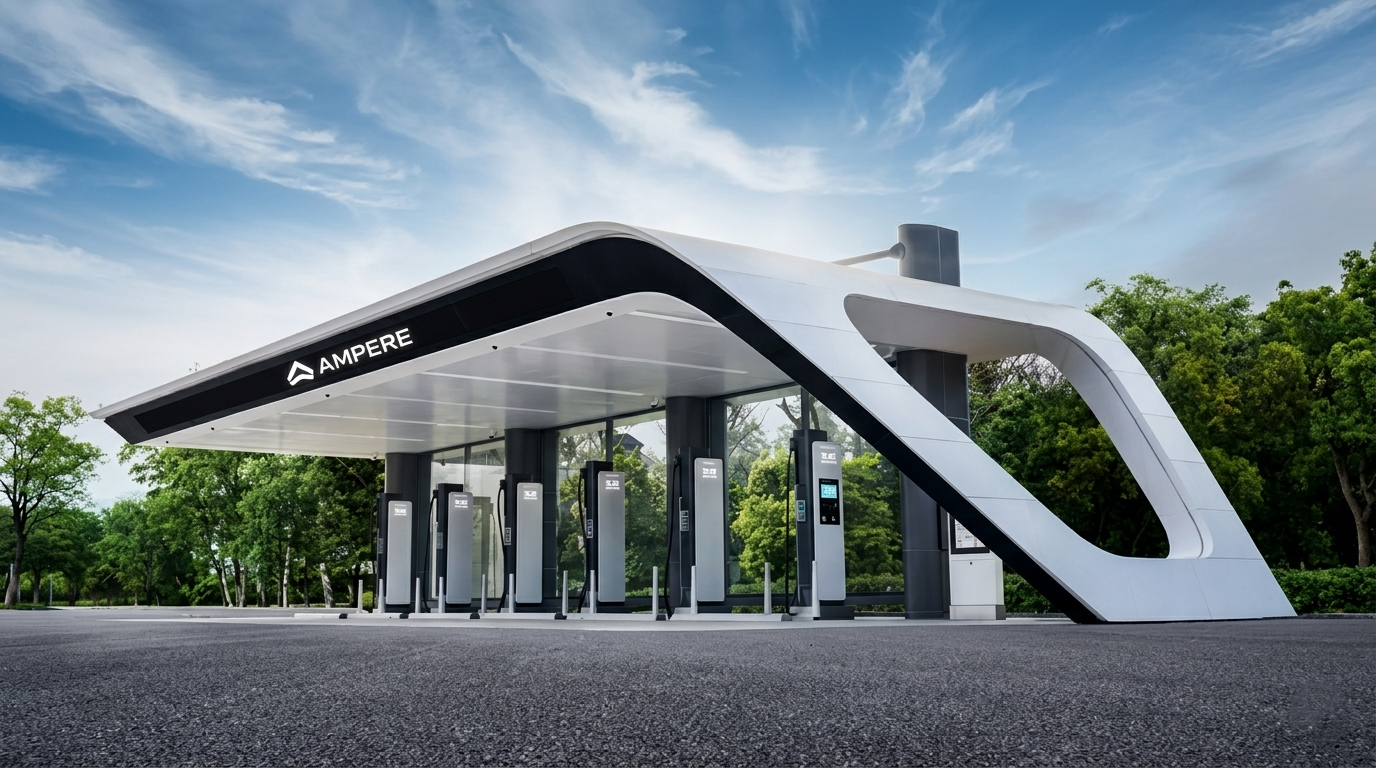
India's public charging infrastructure has grown from approximately 1,640 stations in 2022 to over 12,000 operational public charging points by early 2026, according to government and industry data. The density is highest in metro cities but is now reaching Tier-2 cities across Maharashtra, Karnataka, Tamil Nadu, Gujarat, and Telangana.
| Charging Network | Active Stations | Coverage Cities | Compatible With Ampere |
|---|---|---|---|
| Tata Power EZ Charge | 500+ | 120+ cities | Yes (standard socket) |
| EESL (Govt. network) | Expanding | Delhi, Mumbai, Bengaluru, Hyderabad, key highways | Yes |
| BPCL / HPCL Fuel Stations | Select outlets | Nationwide petrol pump locations | Yes |
| Charge Zone | Growing | Maharashtra, Karnataka, Delhi NCR | Yes |
| Ather Grid | Ather-focused | Metro cities | Limited compatibility |
| Ampere Dealer Touchpoints | 400+ | Pan-India | Yes (primary network) |
State-by-State Charging Snapshot for Ampere Riders
Here is a practical breakdown of charging availability across India's key EV markets:
| State / Region | Public Charging Points (approx.) | Key Cities Covered | Ampere Dealer Presence |
|---|---|---|---|
| Maharashtra | 600+ | Mumbai, Pune, Nashik, Aurangabad, Nagpur | Strong — multiple touchpoints per city |
| Karnataka | 500+ | Bengaluru, Mysuru, Hubli, Mangaluru | Strong — Bengaluru is highest density |
| Tamil Nadu | 400+ | Chennai, Coimbatore, Madurai, Salem | Strong — Coimbatore is key EV hub |
| Delhi NCR | 700+ | Delhi, Noida, Gurgaon, Faridabad | Strong — government-backed expansion |
| Telangana | 300+ | Hyderabad, Secunderabad, Warangal | Moderate — growing rapidly |
| Gujarat | 350+ | Ahmedabad, Surat, Vadodara, Rajkot | Strong — state EV policy drives growth |
| Rajasthan | 200+ | Jaipur, Jodhpur, Udaipur, Ajmer | Moderate — expanding under state policy |
| West Bengal | 250+ | Kolkata, Howrah, Siliguri | Moderate — improving infrastructure |
Long-Distance Charging Strategy: Lessons from the K2K Journey
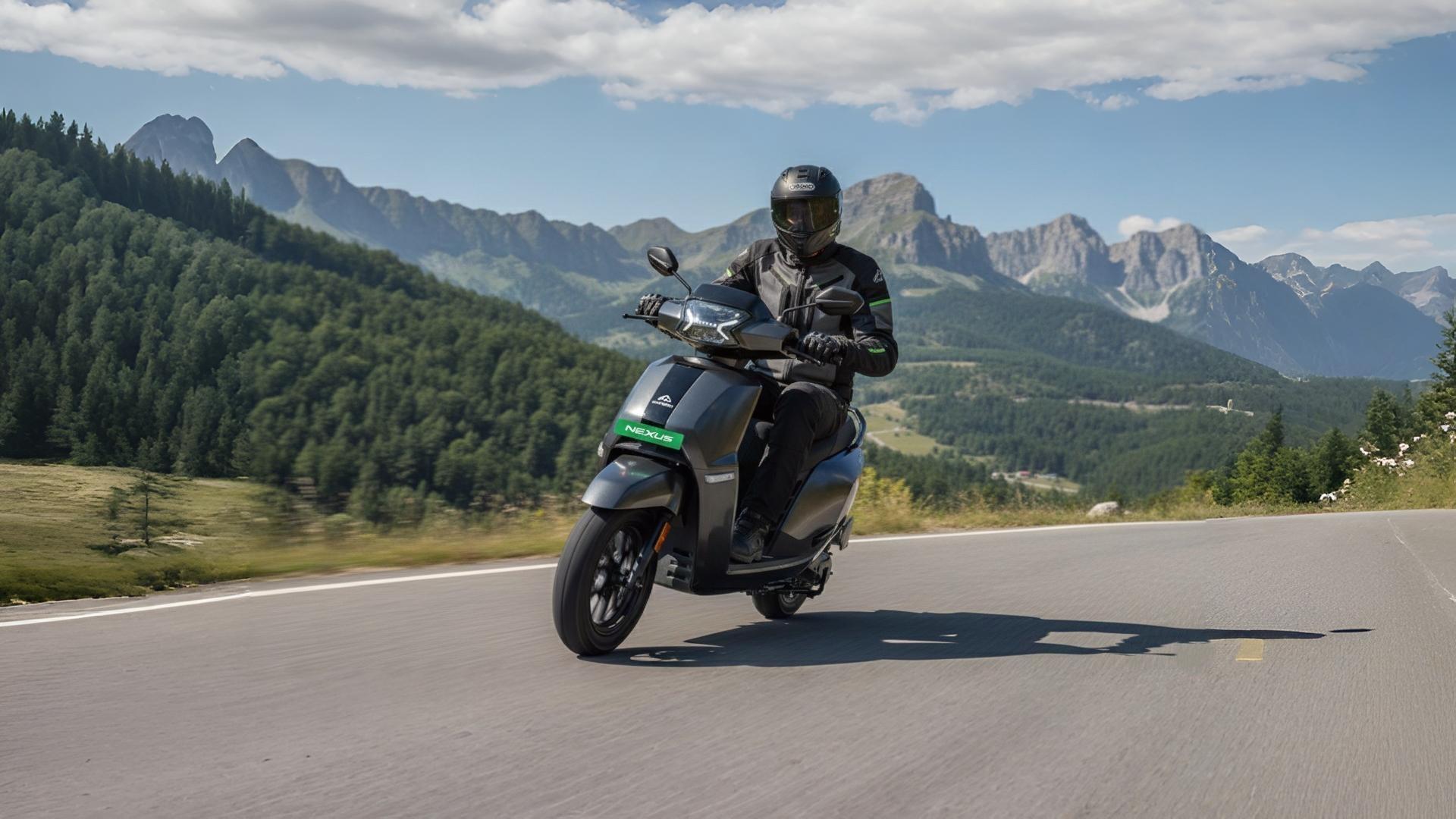
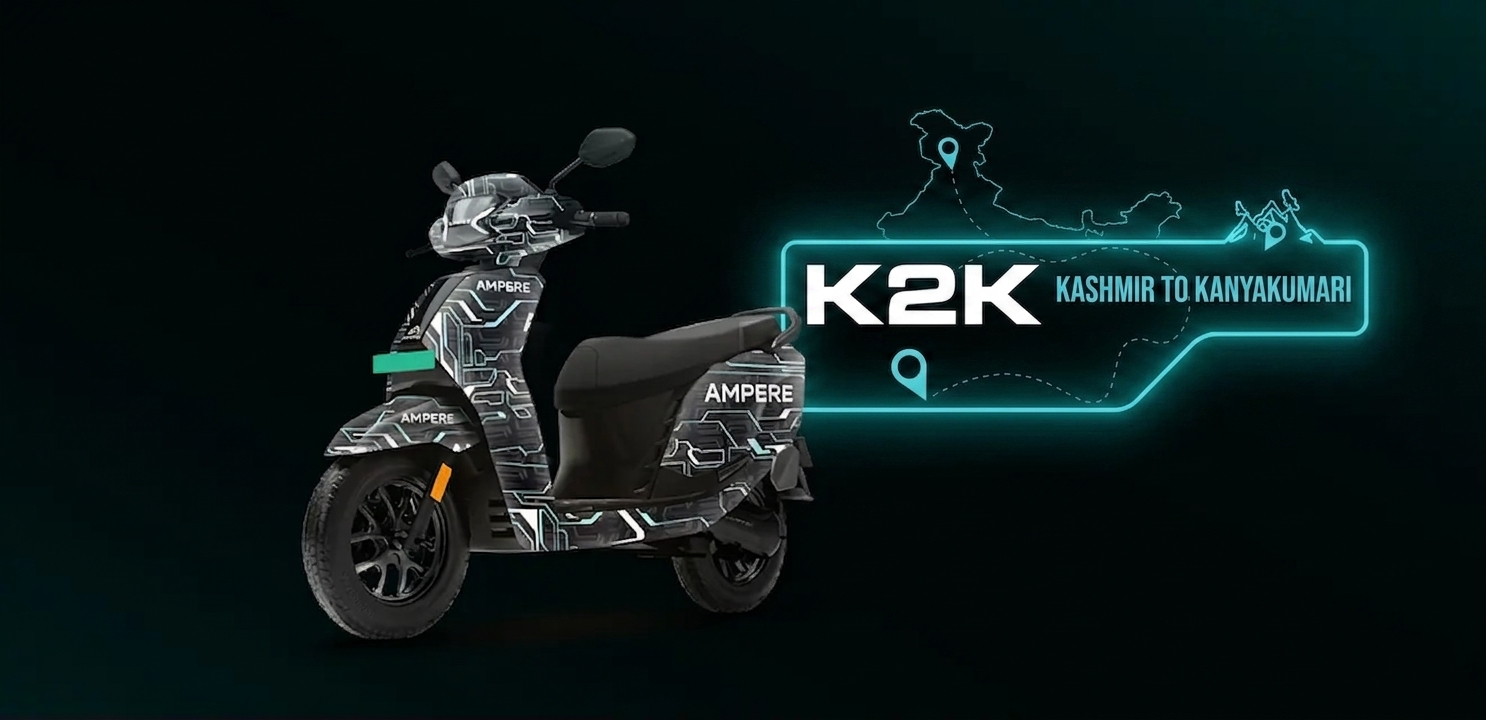
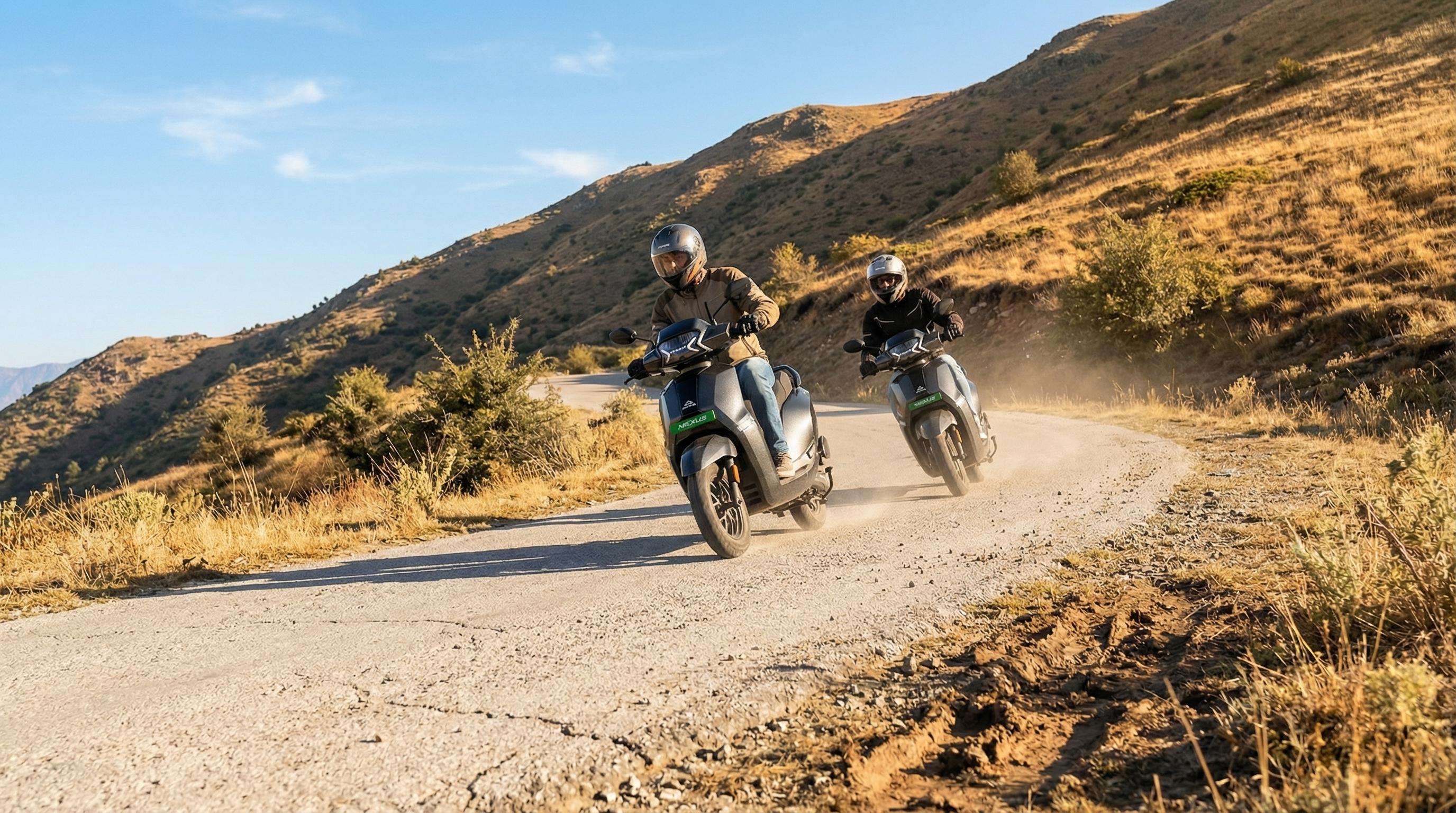
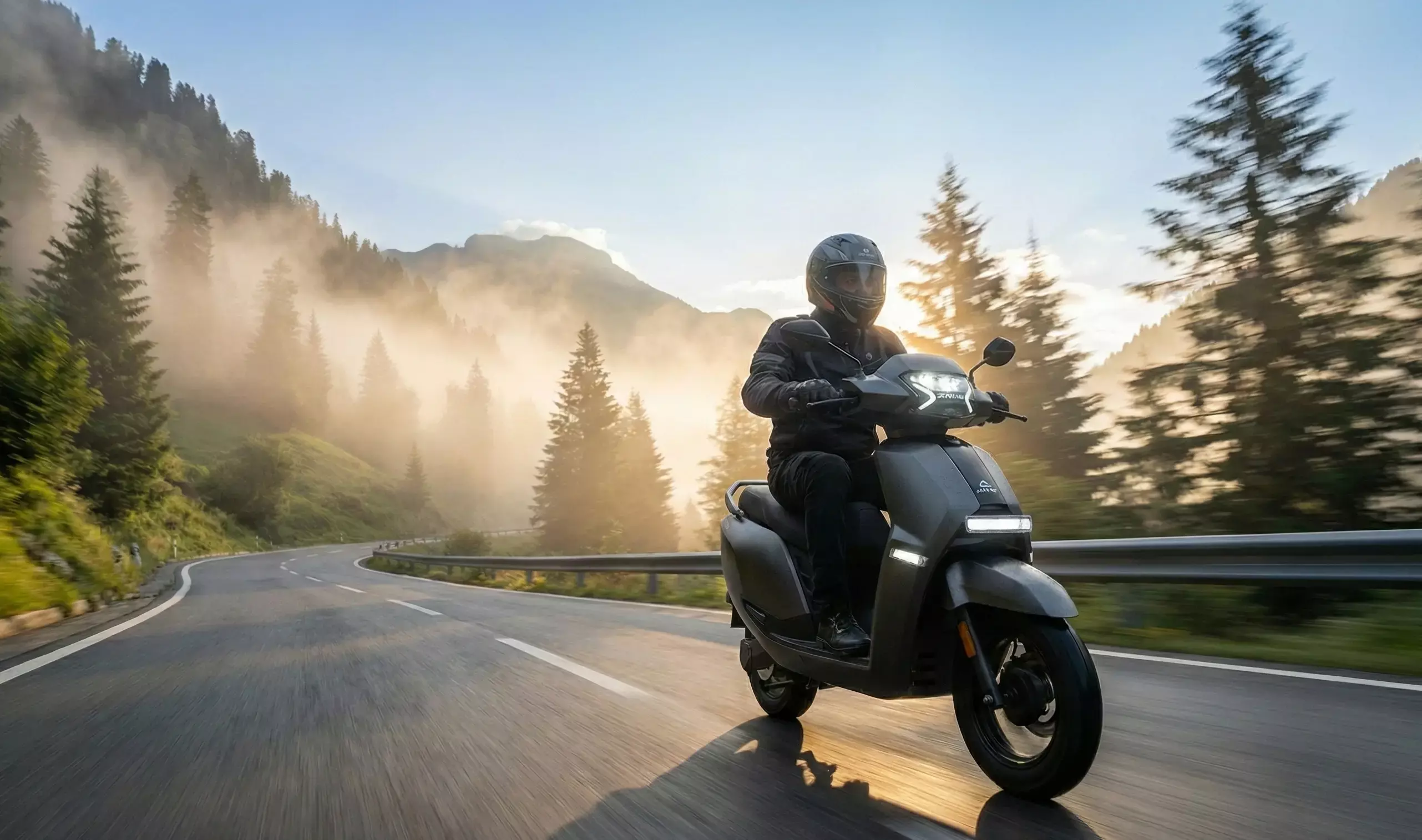
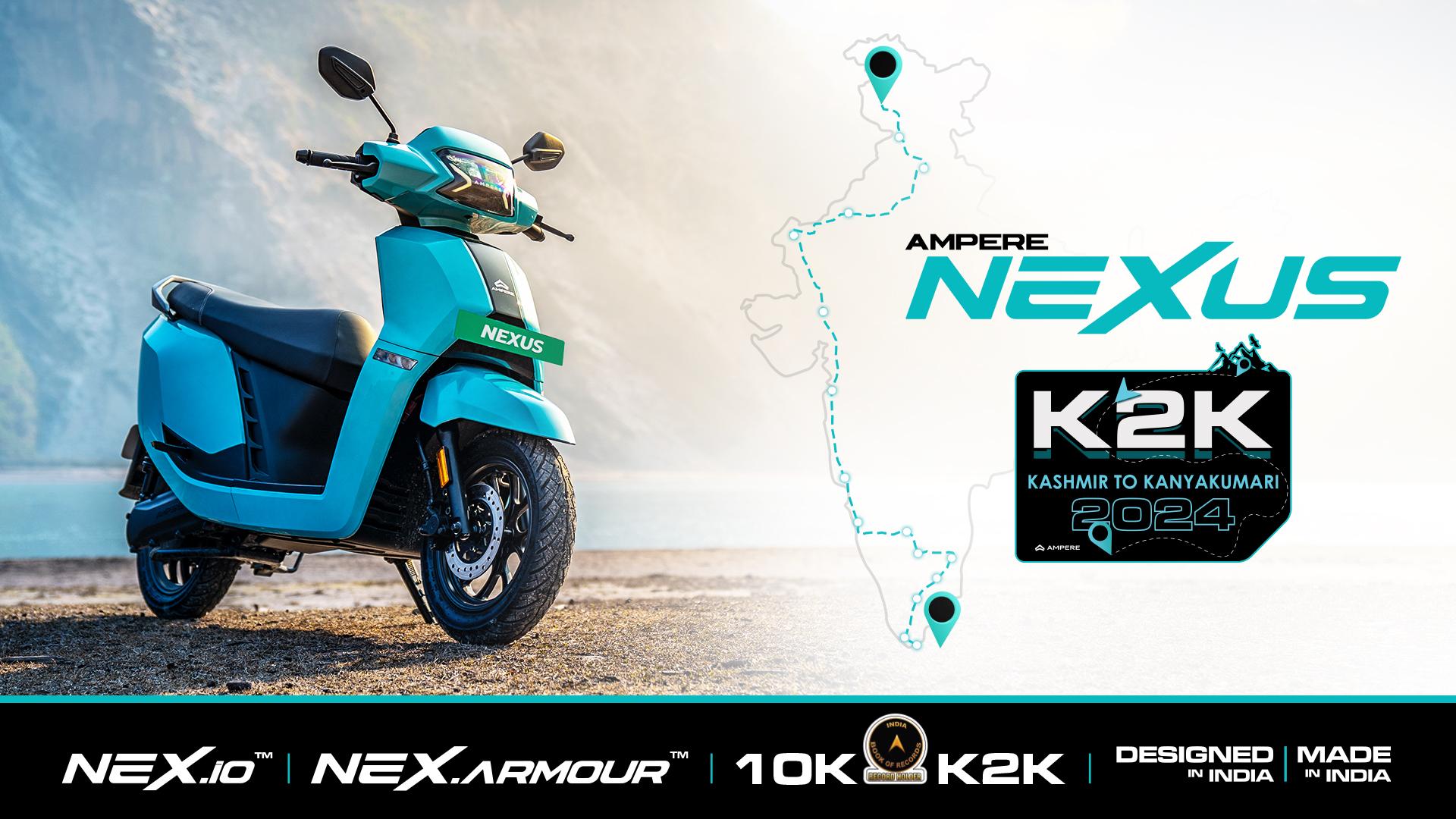
The Ampere Nexus completed a 10,000+ km journey from Kashmir to Kanyakumari, covering 115 cities and towns. This real-world endurance test proved that long-distance electric scooter travel across India is viable when planned correctly.
The key insight from the K2K expedition: with 100 km+ real-world range per charge, riders can plan stops every 70–80 km and find a charging point at an Ampere dealership, petrol station with EV charging, hotel parking bay, or public charging station. The growing presence of charging infrastructure along national highways and state roads means most inter-city routes in peninsular and northern India are now practical for the Ampere Nexus.
| Journey Type | Strategy | Ampere Model Recommended |
|---|---|---|
| Daily city commute (<50 km) | Overnight home charging only | Magnus Grand or Nexus EX |
| Long city commute (50–80 km) | Overnight + optional midday top-up | Nexus EX or ST |
| Weekend highway trip (200–400 km) | Plan 2–3 charging stops at Ampere dealers / public chargers | Nexus ST with fast charger |
| Multi-day interstate journey | Map charging at dealers and TATA Power/EESL stations ahead of time | Nexus ST |
Practical Tips for Charging Your Ampere Scooter
- Charge to 80% for daily use — this preserves long-term battery health and adds only minutes to charge time
- For trips requiring maximum range, charge to 100% the night before
- Dry the charging socket completely before plugging in after monsoon rides
- Use Eco mode when battery drops below 20% to extend range to the next charging point
- The Nexus Nex.IO cluster displays remaining range in real time — adjust riding mode based on available charge
- Register your Nexus on the Ampere app to monitor charge status and receive alerts remotely
- If using a public CCS2 station, ensure connector compatibility before committing to a parking spot
Frequently Asked Questions
How long does it take to charge an Ampere Nexus at home?
Using the included standard 15A charger, the Ampere Nexus charges from 0 to 100% in approximately 3 hours 20 minutes. An optional 25A fast charger reduces this time significantly. The Ampere Magnus Grand takes 5–6 hours on a standard 5A socket.
Can I charge my Ampere scooter at a public EV station?
Yes. Ampere scooters are compatible with standard public charging infrastructure, including Tata Power EZ Charge and EESL stations. Always carry the provided home charger as a backup when travelling.
How much does it cost to fully charge an Ampere Nexus?
A full charge for the Nexus (3 kWh battery) costs approximately ₹25–35 at typical household electricity tariffs of ₹7–10/kWh. At this cost, the running cost works out to approximately ₹0.10 per km.
Is home charging safe for an electric scooter in India?
Yes, with the manufacturer-provided charger and a properly rated socket. The Ampere charger includes over-current protection and thermal cutoff. Avoid using damaged extension cords or sockets with loose fittings. Always charge in a ventilated area.
Can I install a 15A socket at home for my Ampere Nexus?
Yes. A licensed electrician can install a dedicated 15A socket near your parking spot in 1–2 hours for a modest cost. Many housing societies and apartments now support this. For Nexus users who want faster charging, a dedicated 25A circuit for the optional fast charger is the next upgrade to consider.