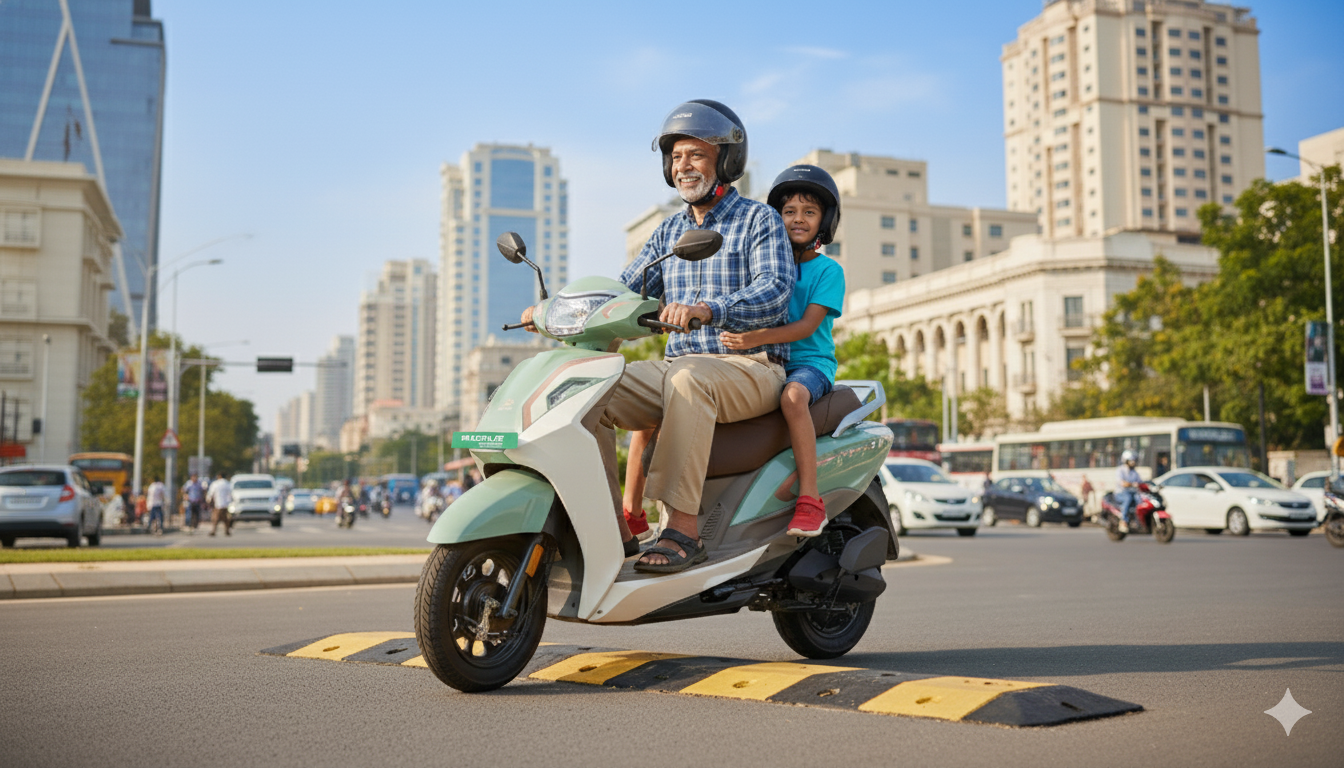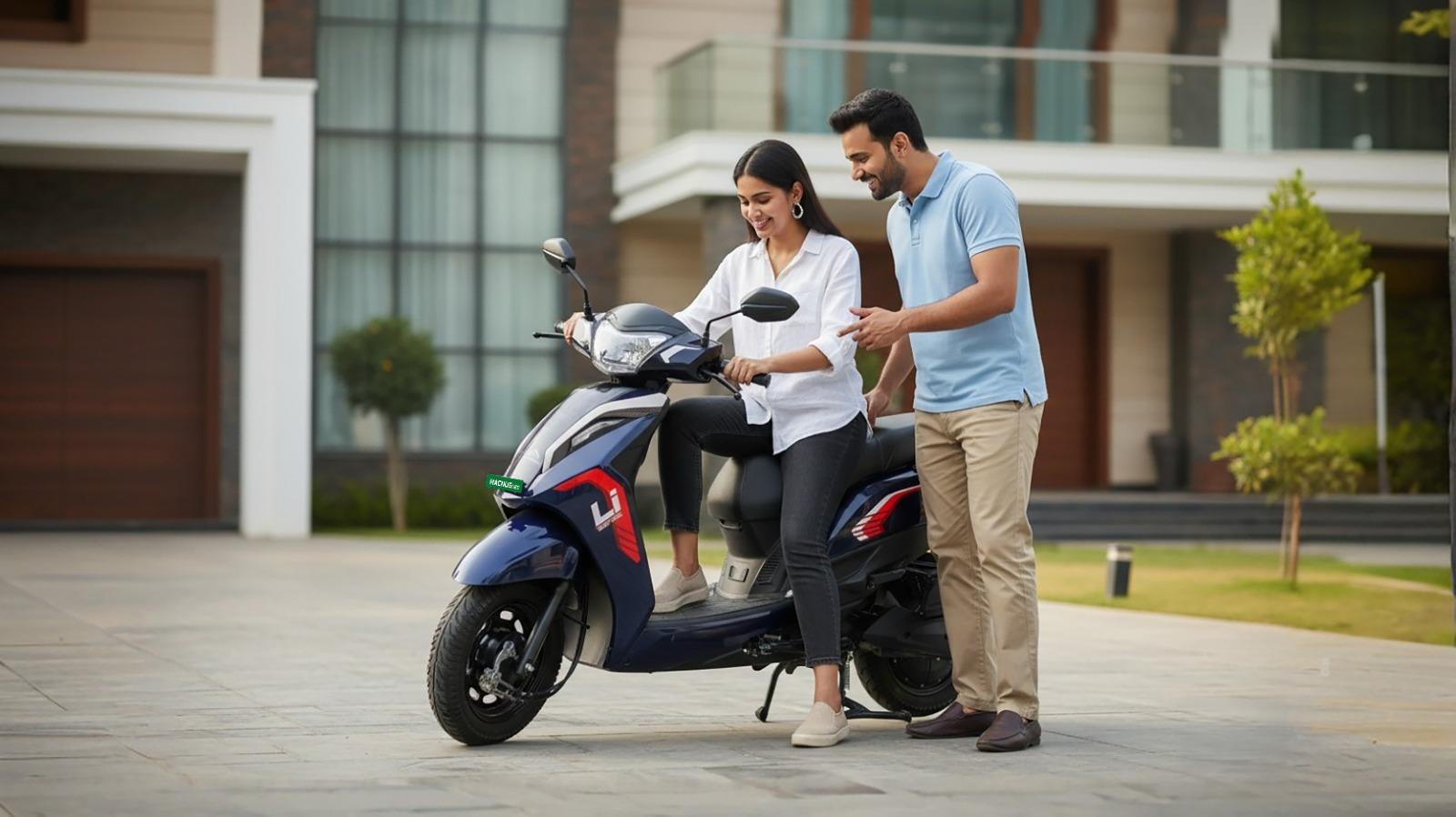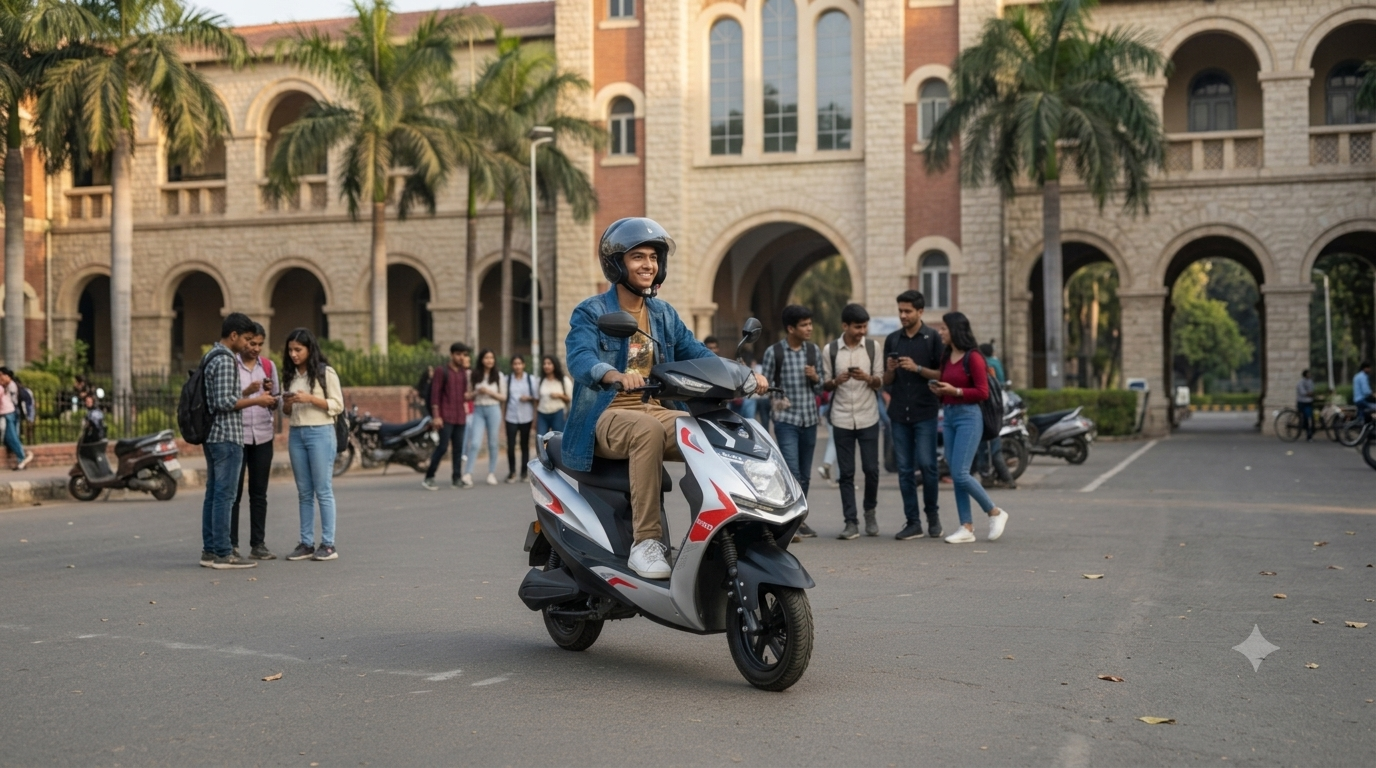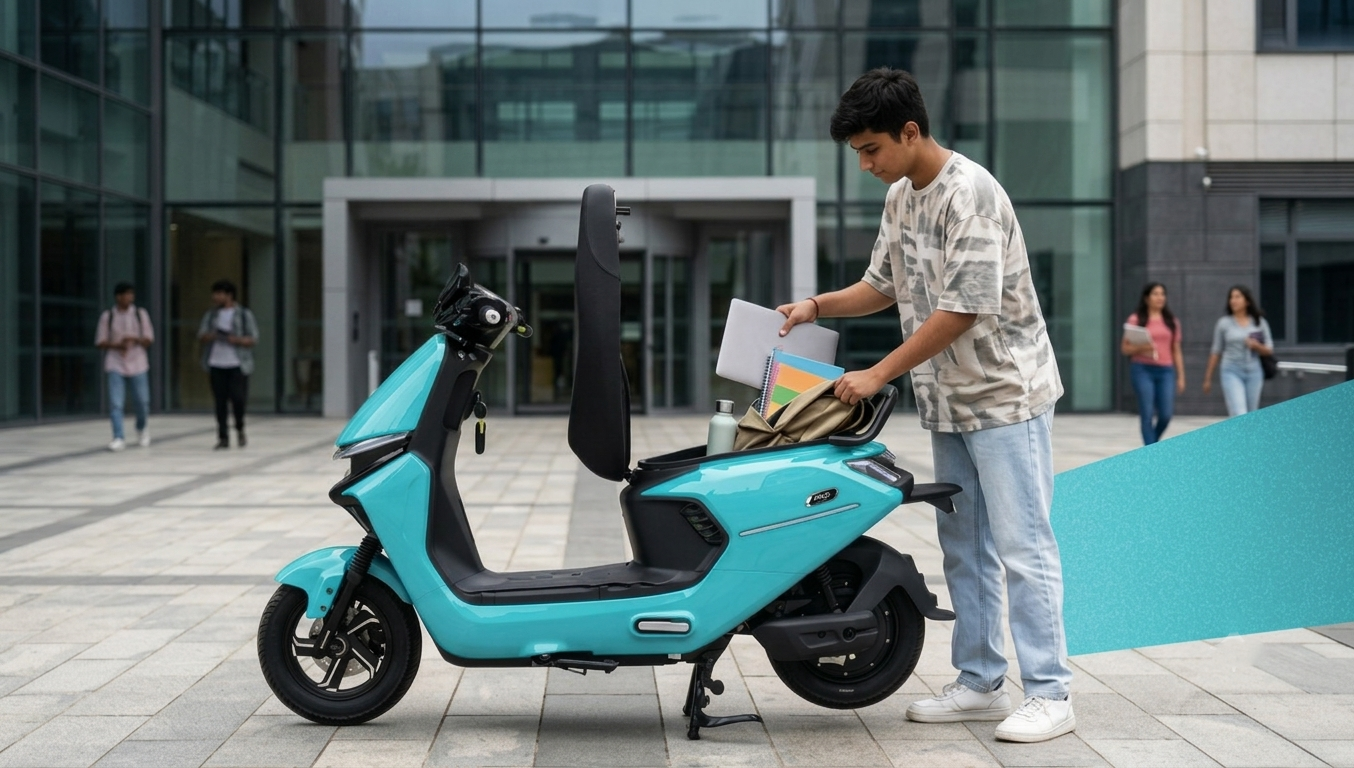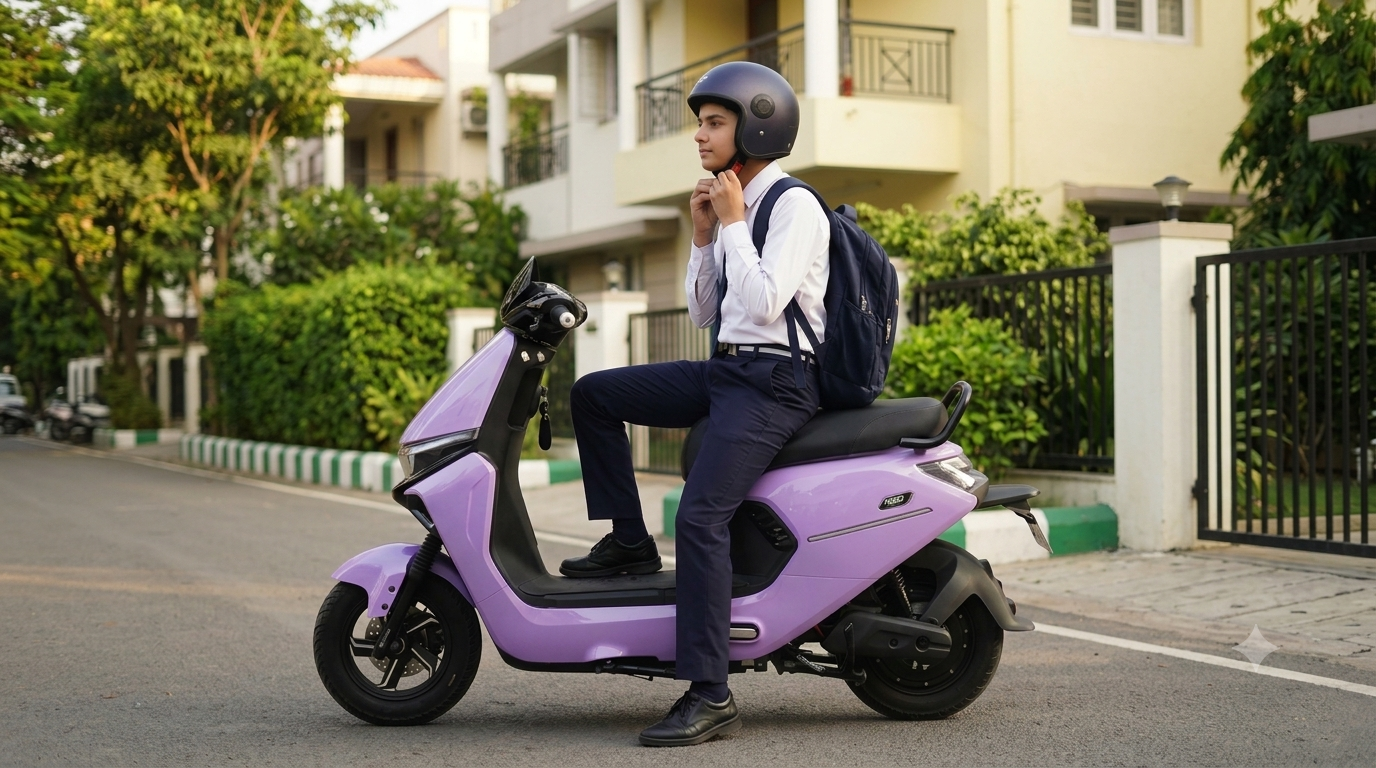
India's electric two-wheeler market added over 1.4 million buyers in FY2026. Many of them are first-time EV owners — riders who have spent years on petrol scooters and are applying petrol-era thinking to an entirely different kind of vehicle. Some of those habits are harmless. Others quietly reduce your battery life, your range, or your safety. Here are the seven most common mistakes — and exactly how to avoid them.
Mistake 1: Treating IDC Range as Your Actual Range
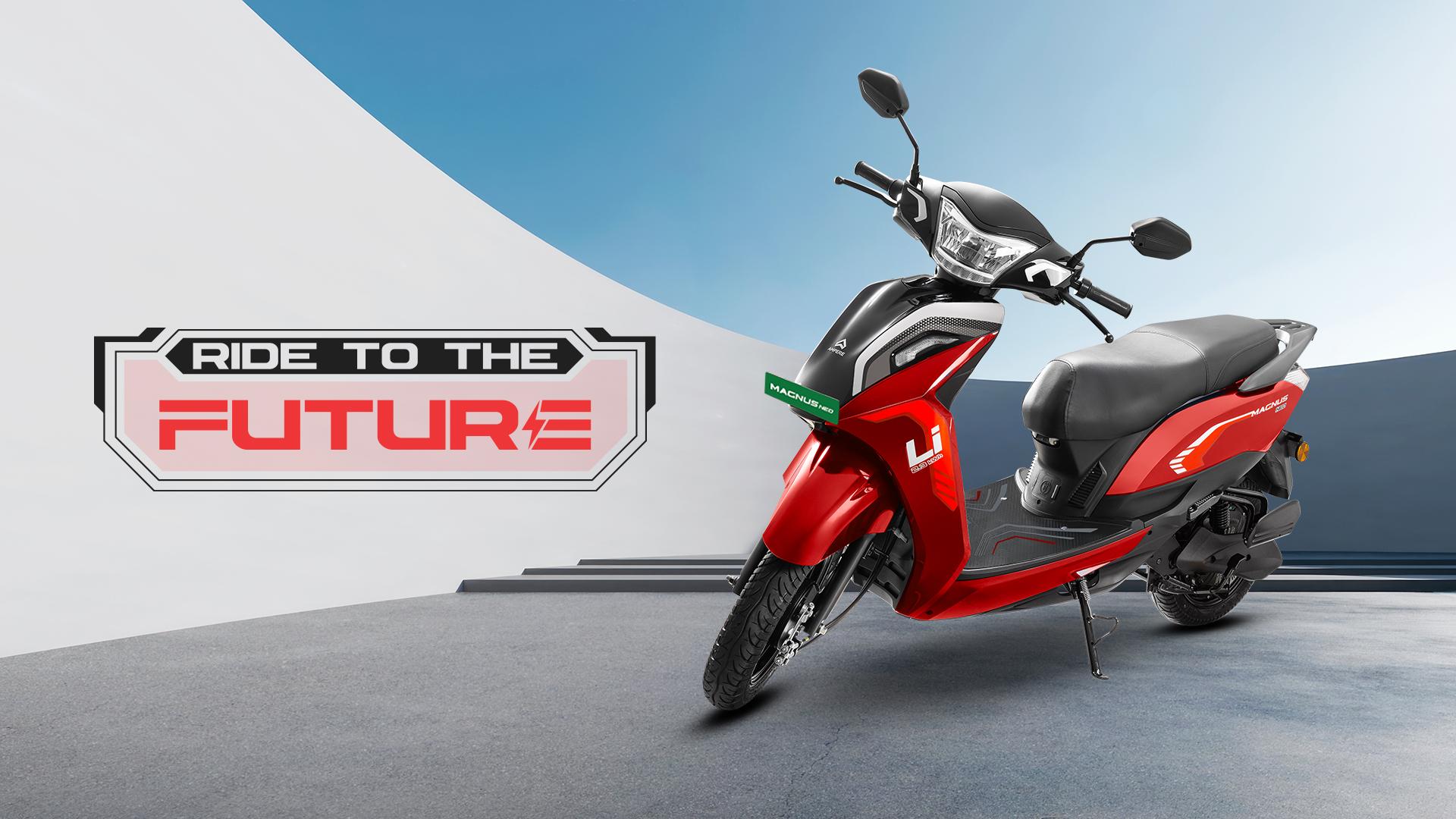
IDC (Indian Driving Cycle) range is a certified laboratory figure measured under controlled conditions — smooth roads, moderate temperature, solo rider, constant speed. Real-world Indian riding involves traffic signals, uneven roads, heat, pillion riders, and varied speeds. Expecting 118 km from your Magnus Neo in Bengaluru peak-hour traffic will lead to anxiety and poor trip planning.
The fix: plan your daily commute using 75–80% of IDC range as your working figure. For the Magnus Neo's 118 km IDC range, plan for 85–95 km of real-world range. This gives you a comfortable buffer without running the battery to zero.
| Common Misconception | Reality | Correct Approach |
|---|---|---|
| IDC range = daily range | Real range is 75–85% of IDC | Plan for the lower figure |
| Range is fixed regardless of load | Pillion + load reduces range 10–15% | Factor in your riding scenario |
| Range won't change with mode | Sport mode uses 20–25% more energy | Use Eco for long trips |
| Range drops mean battery failure | Often just heat, load, or mode choice | Check basics first |
Mistake 2: Not Checking Tyre Pressure Weekly
Under-inflated tyres are one of the most common causes of unexpectedly poor range — and one of the most invisible. Most new EV owners set the tyre pressure once at delivery and never think about it again. Tyres naturally lose 1–2 PSI per month. In Indian summer heat, pressure also fluctuates with temperature changes.
Check tyre pressure every week or every 100 km, whichever comes first. Incorrect pressure also affects braking distance and tyre life — compounding the problem beyond just range loss.
Mistake 3: Daily Fast Charging Instead of Slow Home Charging
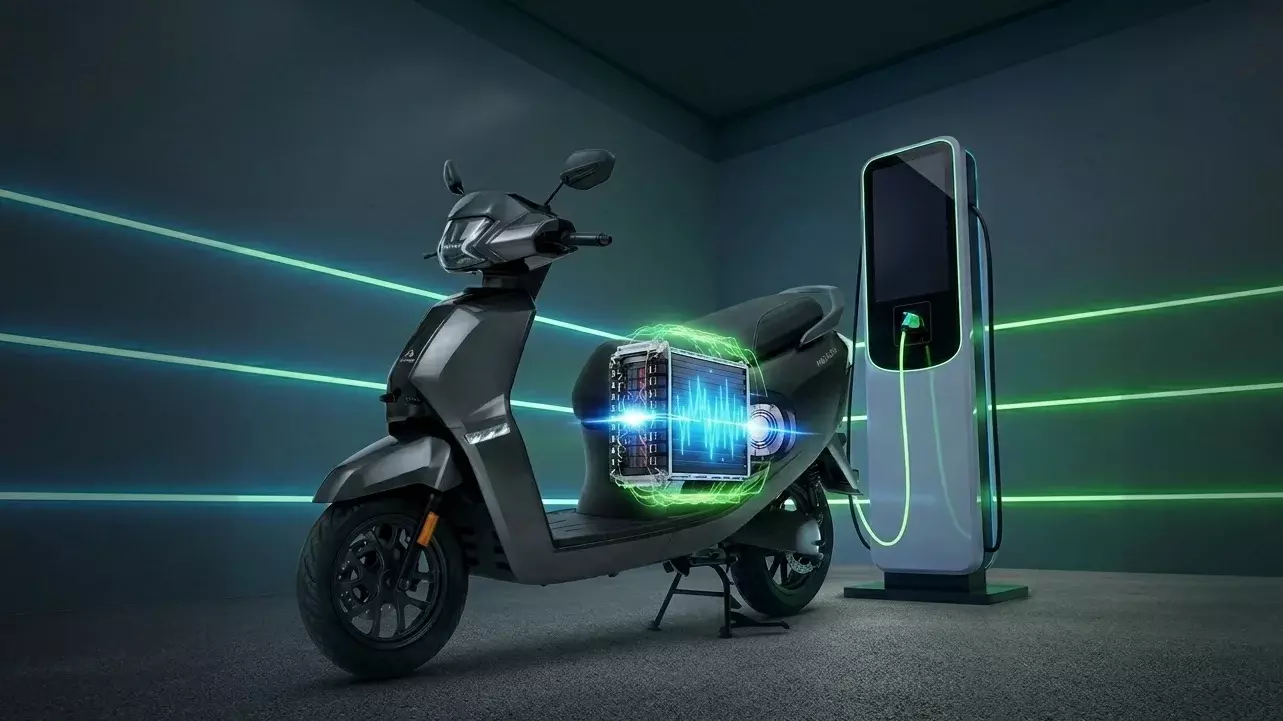
Riders who live near public fast charging points sometimes develop a habit of topping up quickly rather than charging at home overnight. This is fine occasionally, but frequent fast charging generates more heat inside the battery, accelerating degradation over time. Slow, overnight home charging using the standard charger is always the recommended primary method.
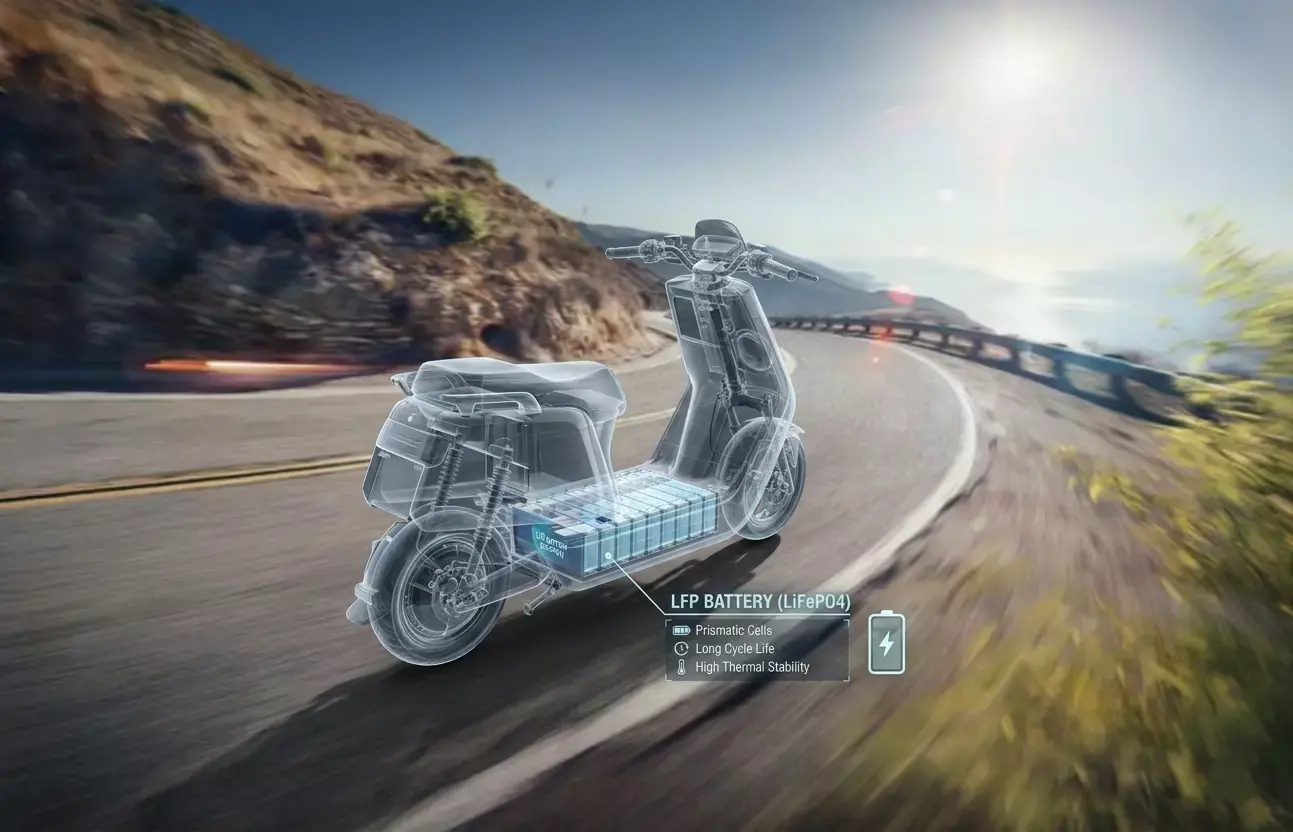
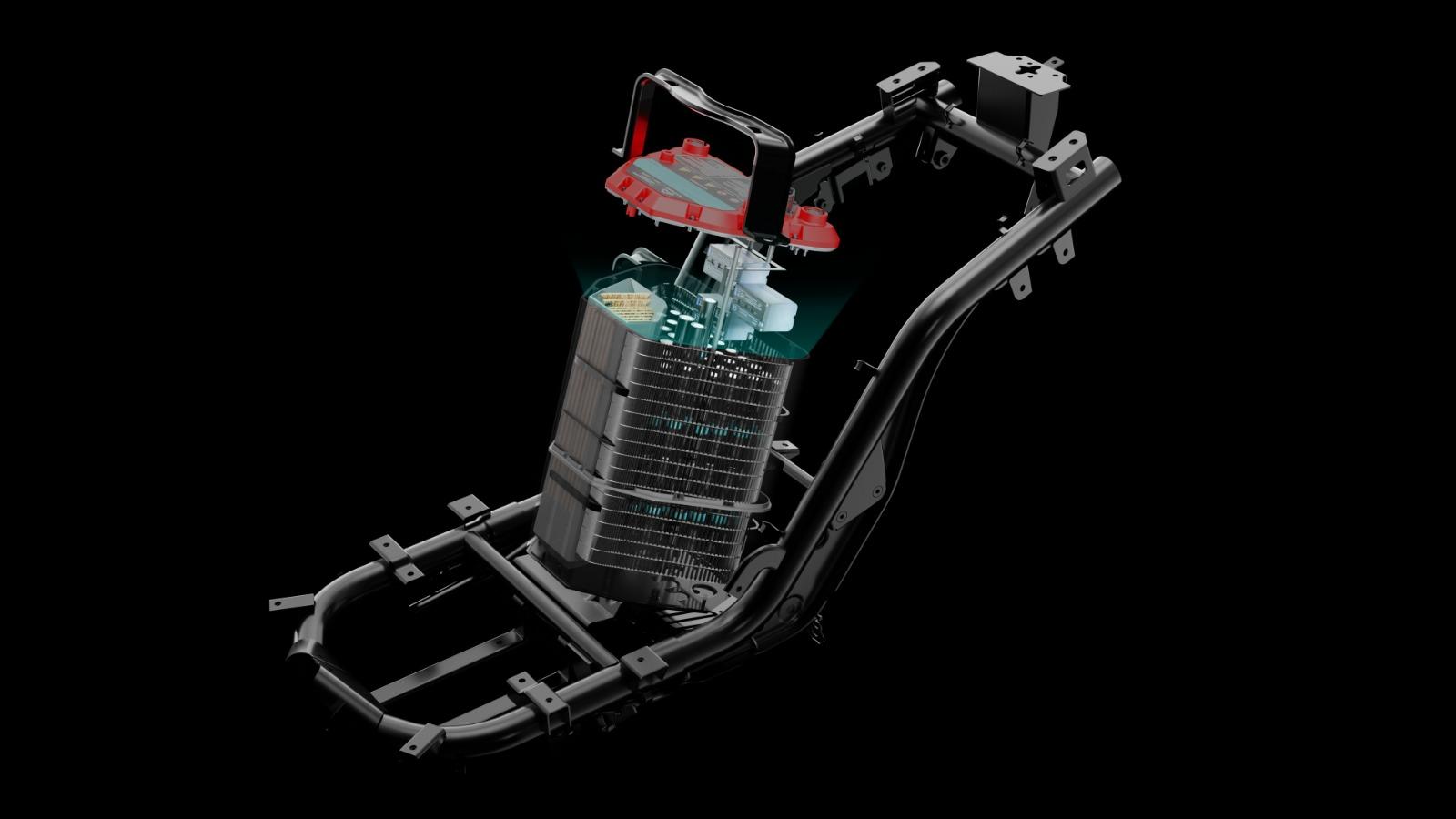
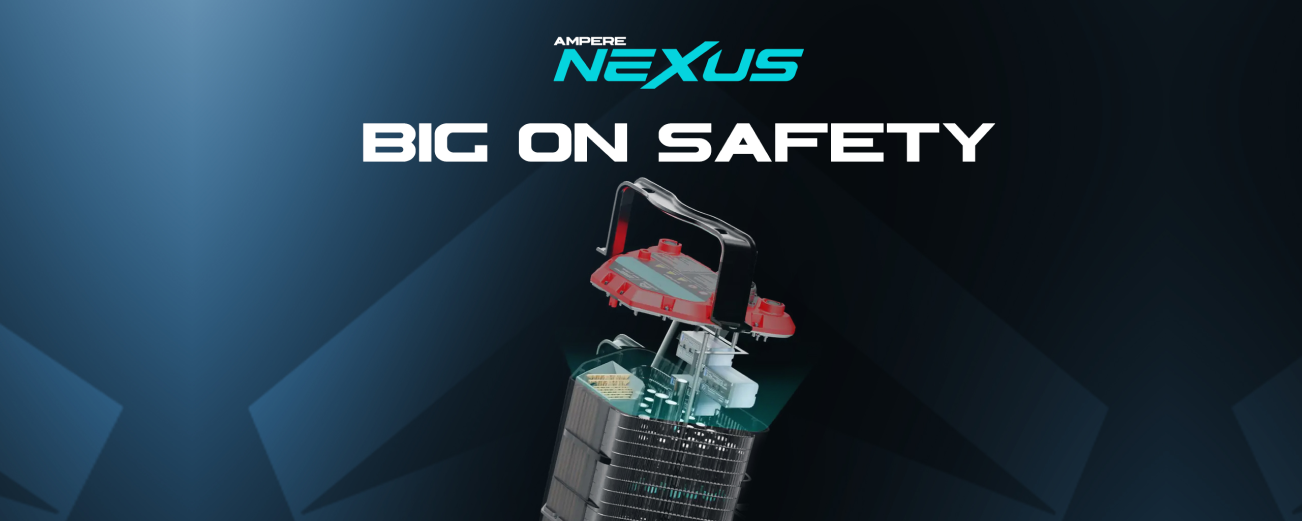
Ampere's LFP batteries handle heat better than NMC alternatives — this is one of the core reasons Ampere uses LFP across its entire lineup. But LFP's durability advantage is maximised when you charge slowly and avoid repeated deep discharges. Daily fast charging chips away at that advantage.
| Charging Scenario | Battery Impact | Recommended Frequency |
|---|---|---|
| Overnight home charging (slow) | Optimal — extends battery life | Daily primary method |
| Public fast charging | Higher heat, mild degradation over time | Occasional / emergency only |
| Charging from 0% repeatedly | Accelerates capacity loss | Avoid — charge at 20–30% |
| Charging in direct summer heat | Additional thermal stress | Charge in shaded / cool areas |
Mistake 4: Choosing the Wrong Model for Your Commute
The most expensive EV mistake happens before you even buy the scooter — choosing a model whose range or speed profile does not match your actual needs. A buyer who commutes 15 km per day does not need the Nexus at ₹1,09,900+. A buyer who travels 55 km daily should not depend on the Magnus Neo's 118 km IDC range without factoring in real-world reduction.
| Your Daily Commute | Right Ampere Model | What to Avoid |
|---|---|---|
| Up to 20 km | Reo 80 (₹59,900) | Overspending on higher models |
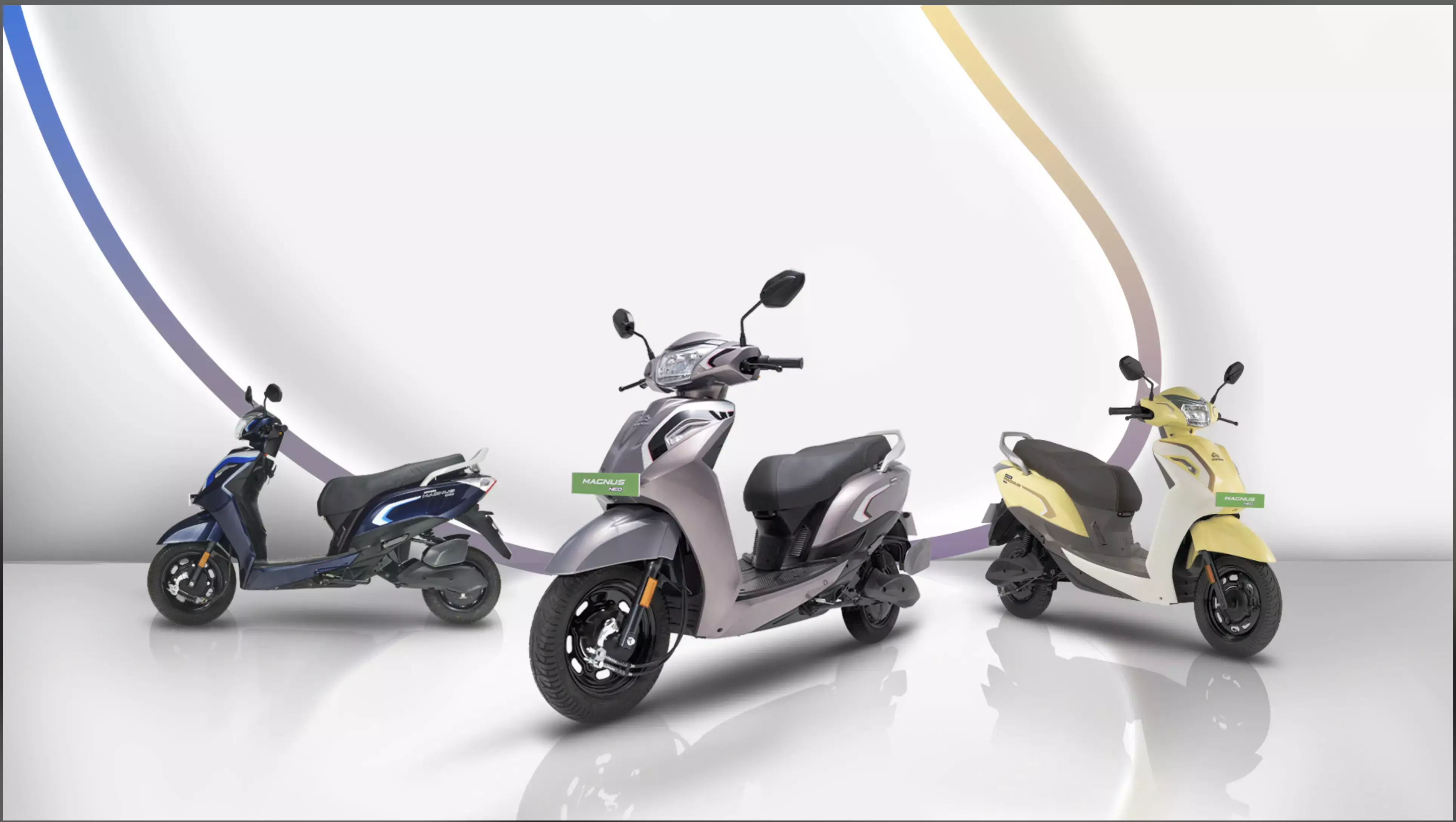
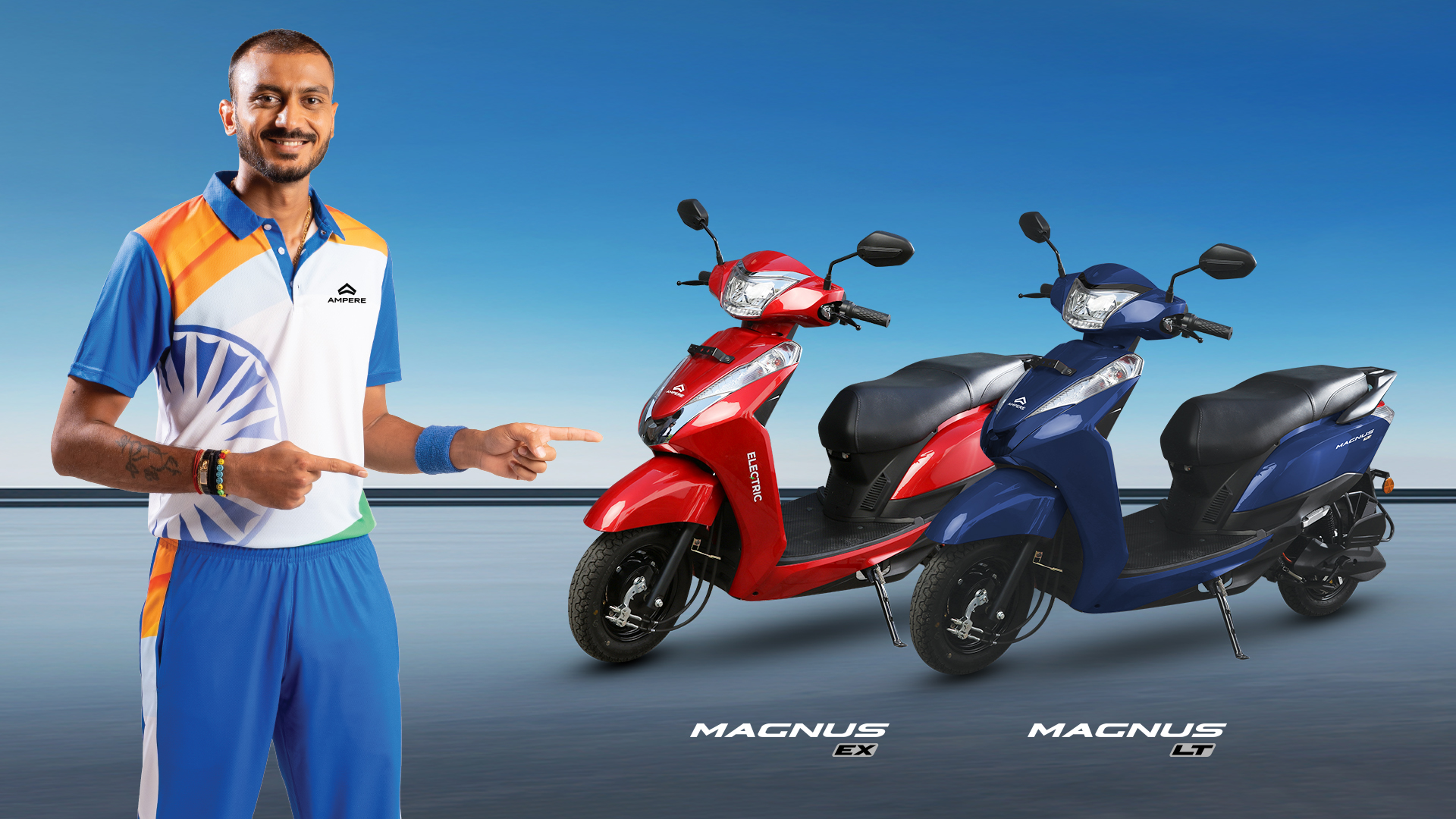
| 20–40 km | Magnus Neo (₹86,999) or Grand (₹89,999) | Under-buying with Reo 80 |
| 40–60 km | Magnus G Max (₹94,999) | Magnus Neo without real-world buffer |
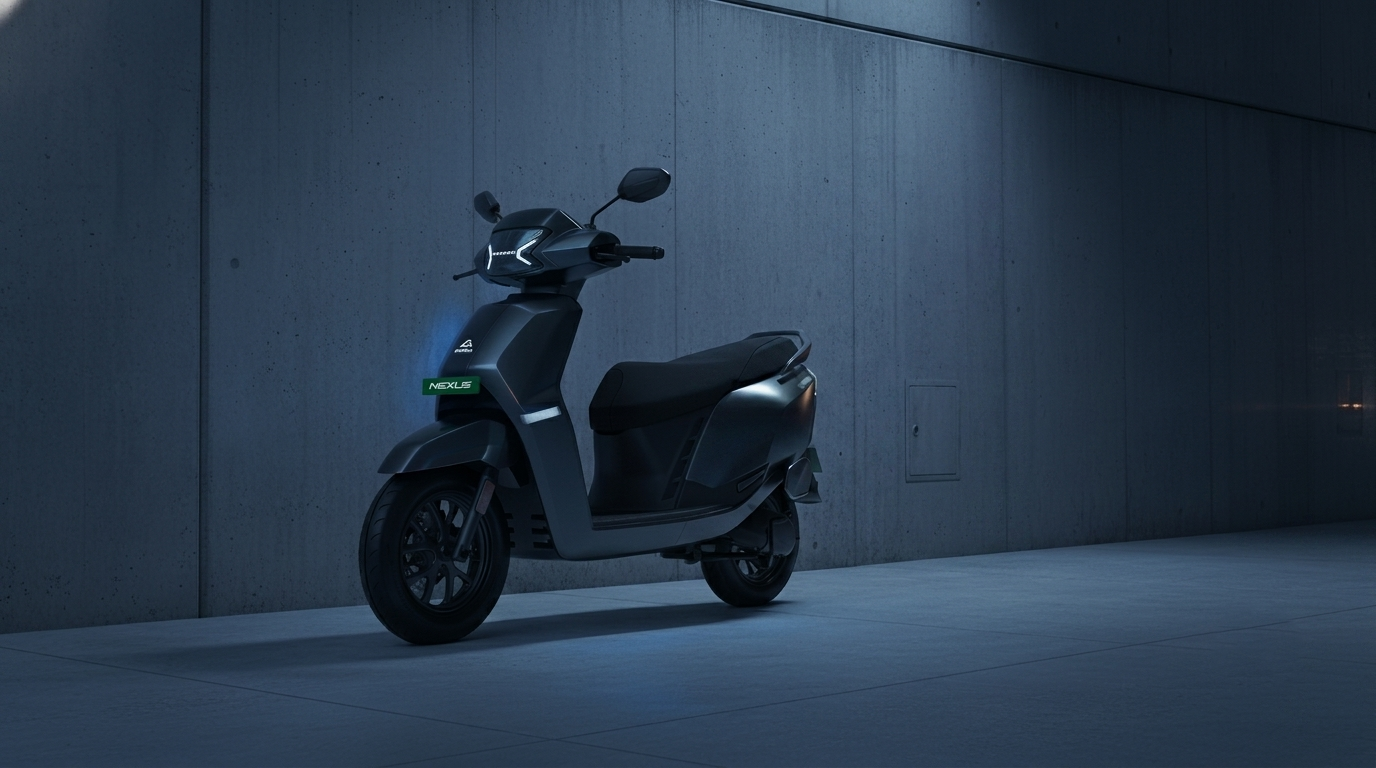
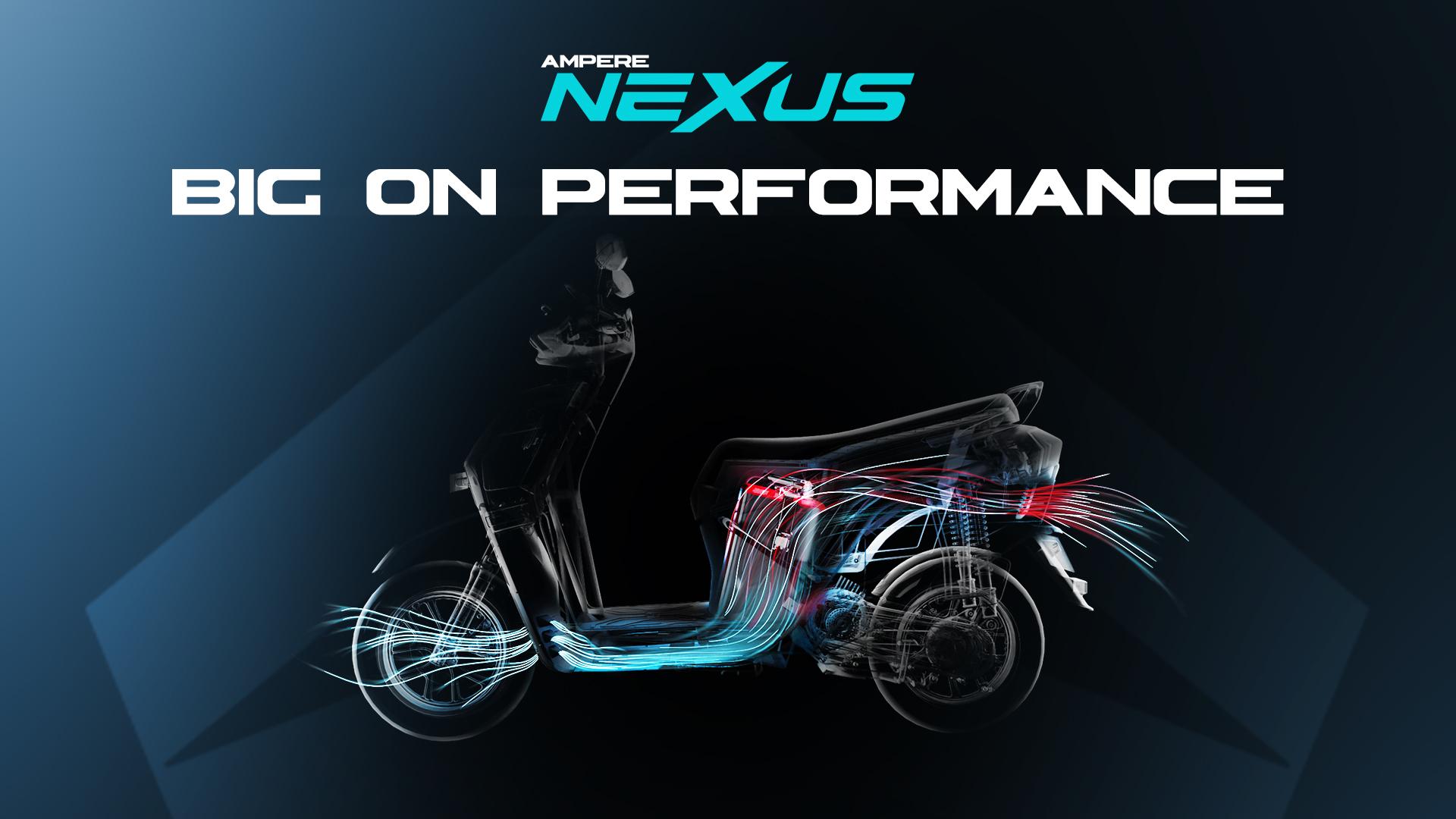
| 60 km+ | Nexus (₹1,09,900+) | Any lower-range model |
Mistake 5: Ignoring the CBS Braking System Advantage
All Ampere scooters come with CBS — Combined Braking System. This system distributes braking force between the front and rear wheels automatically when you apply the rear brake lever firmly. Many new riders from petrol backgrounds use only the rear brake by habit, missing the efficiency gain from CBS activation.
Proper CBS technique: apply the rear brake with moderate-to-firm pressure. The system automatically engages the front brake at the right proportion. This gives shorter stopping distances and better stability in wet or uneven conditions — exactly what Indian monsoon roads demand.
Mistake 6: Skipping the Pre-Monsoon Service Check
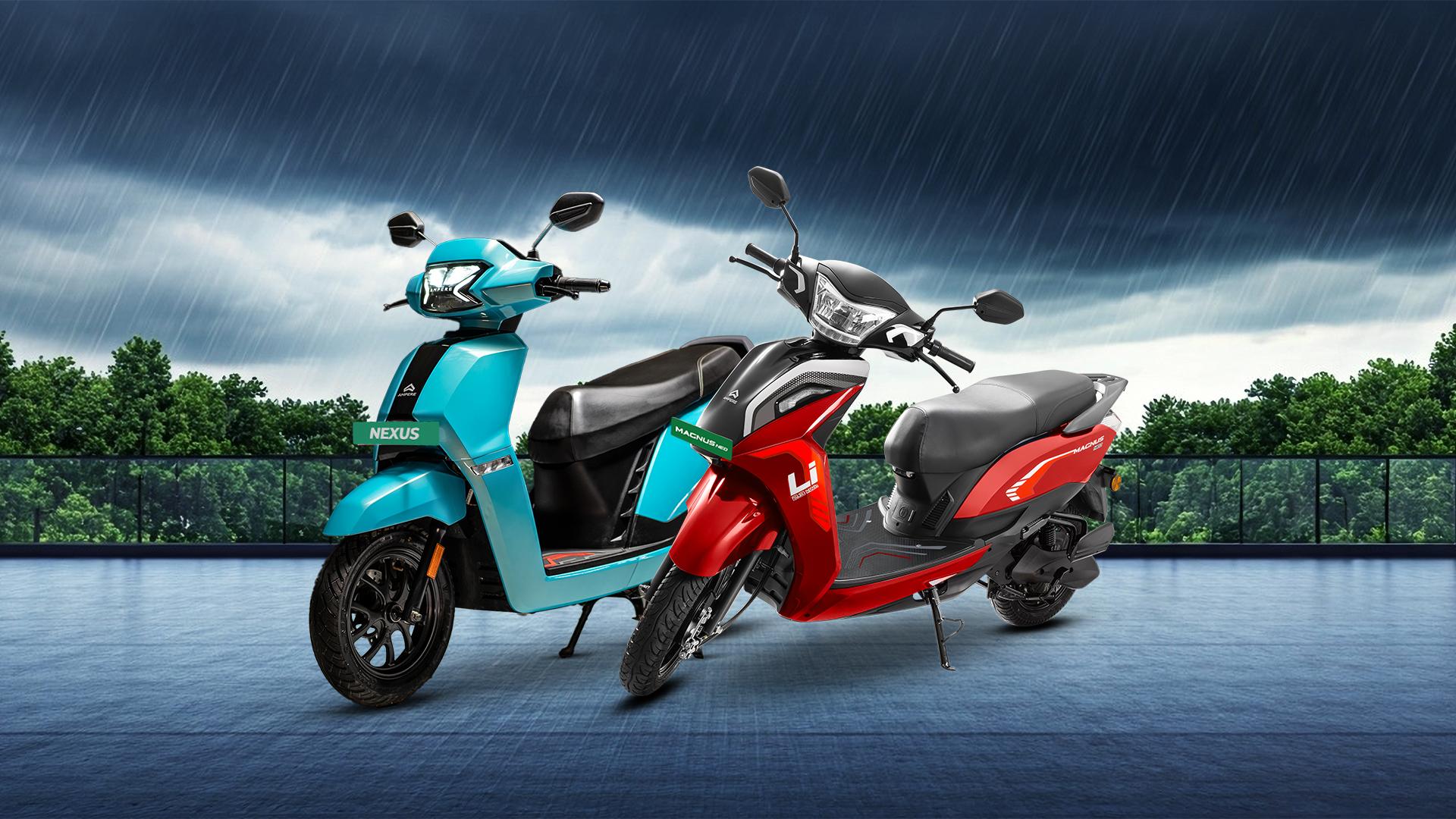
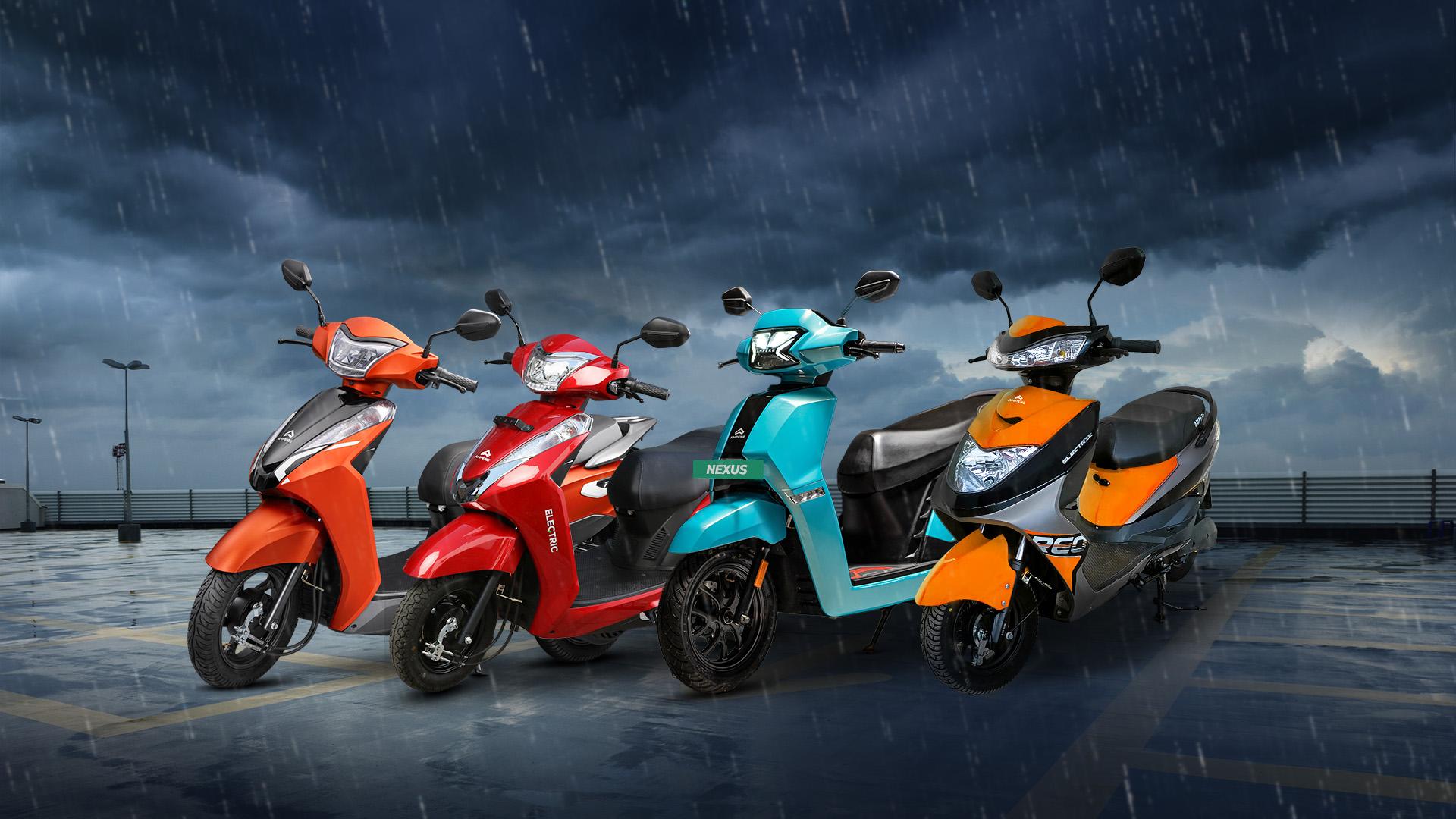
India's monsoon season is hard on any two-wheeler. For electric scooters, water ingress into connectors, terminals, and battery casings is a real risk if seals and gaskets are not inspected before the rains. Most new EV owners in their first year skip this check because they assume electric vehicles need less maintenance.
Visit an Ampere service centre before monsoon begins. Ask specifically for a pre-monsoon inspection covering battery casing seals, wiring connectors, and display waterproofing. Ampere's 420+ service network means this is accessible in most Indian cities. The small cost of preventive maintenance is far less than the cost of monsoon-related electrical damage.
Mistake 7: Comparing Yourself to Other Brands' Range Claims
In India's competitive EV market, range claims vary widely in how they are measured and communicated. Ather 450 Apex claims 157 km IDC range. Bajaj Chetak 3501 claims 127 km. TVS iQube claims 94 km. Ola S1 Pro claims significantly higher figures under certain conditions. These numbers are not all measured the same way, and real-world experience varies significantly by brand and riding conditions.
Focus on the range that matters for your specific commute in your specific city. Ampere's IDC figures — 80 km for the Reo 80, 118 km for Magnus Neo/Grand, 142 km for G Max, 136 km for Nexus — are honest benchmarks. Apply the 75–80% real-world adjustment, match it to your daily distance, and choose accordingly. Do not chase the largest number on a specification sheet.
| EV Mistake Summary | Quick Fix |
|---|---|
| Expecting full IDC range daily | Plan for 75–80% of IDC figure |
| Skipping weekly tyre pressure check | 2-minute weekly habit |
| Fast charging as primary method | Charge slowly at home overnight |
| Buying wrong model for your commute | Match IDC range to real commute × 1.25 |
| Ignoring CBS braking technique | Apply rear brake moderately for CBS activation |
| Skipping pre-monsoon service | Annual service before June each year |
| Comparing raw range specs across brands | Focus on your commute, not the biggest number |
Frequently Asked Questions
Is it safe to charge my Ampere scooter all night, every night?
Yes. Ampere scooters have Battery Management Systems (BMS) that stop charging once the battery is full. However, charging to 80–90% daily rather than 100% extends long-term battery health. For daily use, overnight charging is the safest and most convenient method.
What is the first thing to check when range drops unexpectedly?
In order: tyre pressure, riding mode (check you have not switched to Sport accidentally), recent load changes, and ambient temperature. If range has dropped by 20–30% persistently and none of these explain it, visit an Ampere service centre for a battery health diagnostic.
Can I ride in floodwater during monsoon?
Ampere scooters are designed for Indian road conditions including moderate rain and puddles. Avoid riding through flood-depth water where the battery or motor could be submerged. After riding through heavy rain, park in a sheltered spot and charge only once the scooter has dried externally.
First-time EV ownership has a learning curve — but it is a short one. Most riders who make these mistakes in Month 1 have corrected them by Month 2. Building the right habits early makes every subsequent year of ownership cheaper, safer, and more enjoyable. Ampere's practical engineering and wide service network are designed to make that transition as smooth as possible.