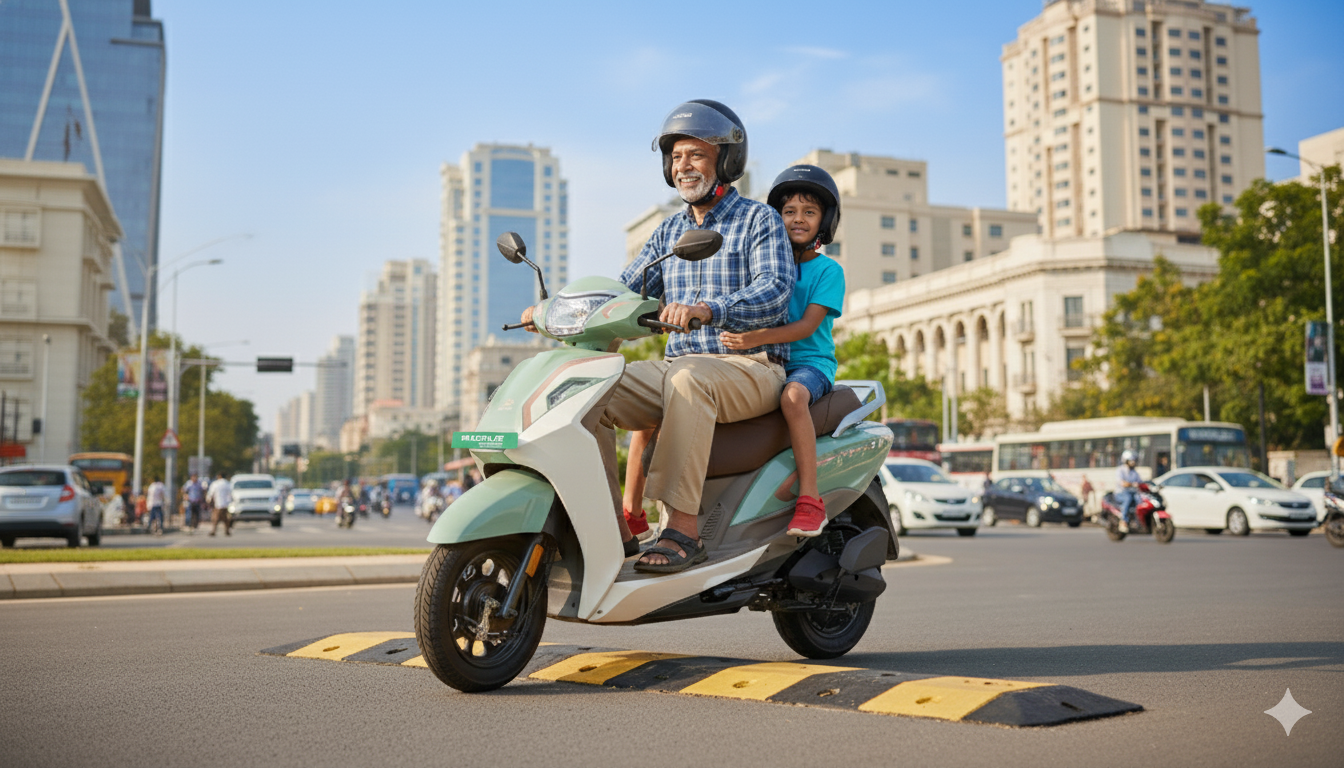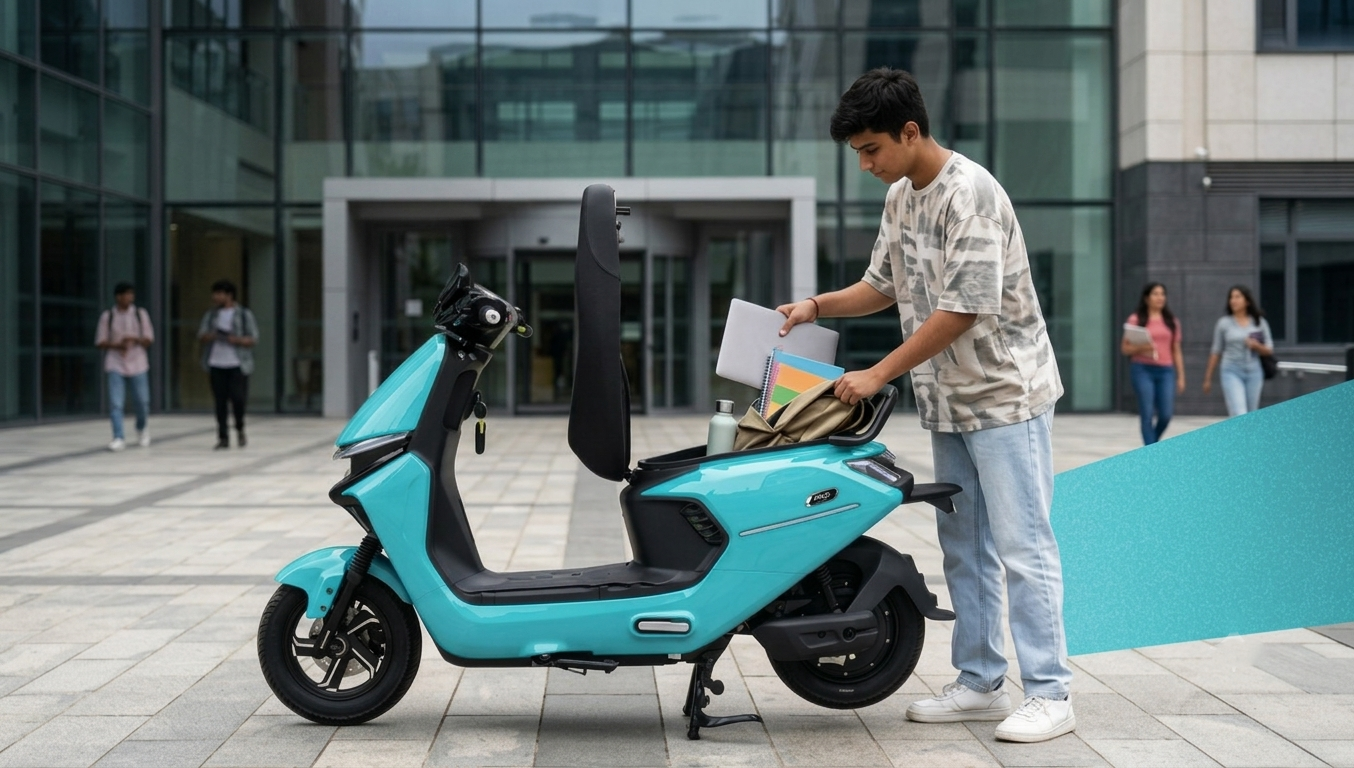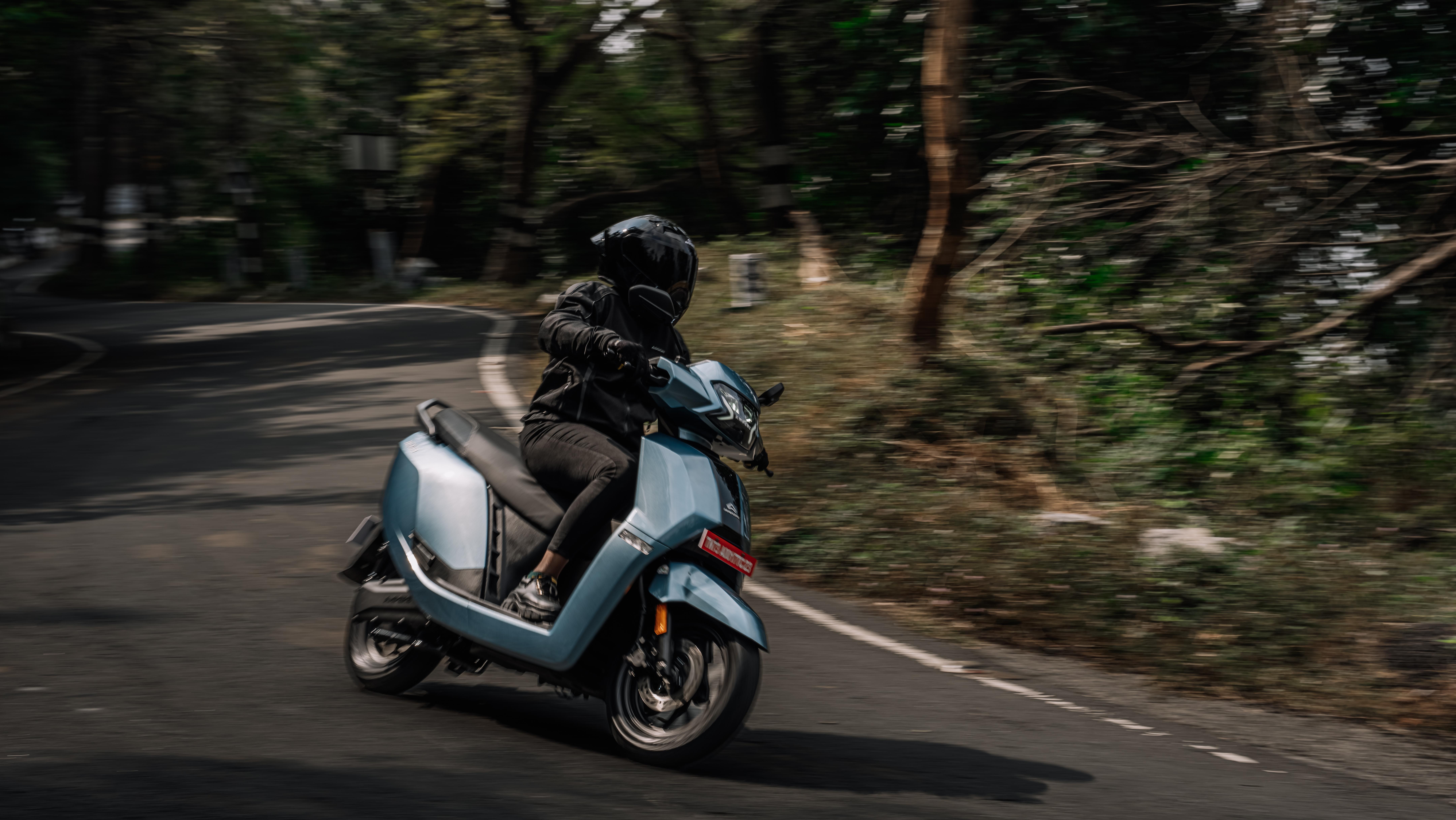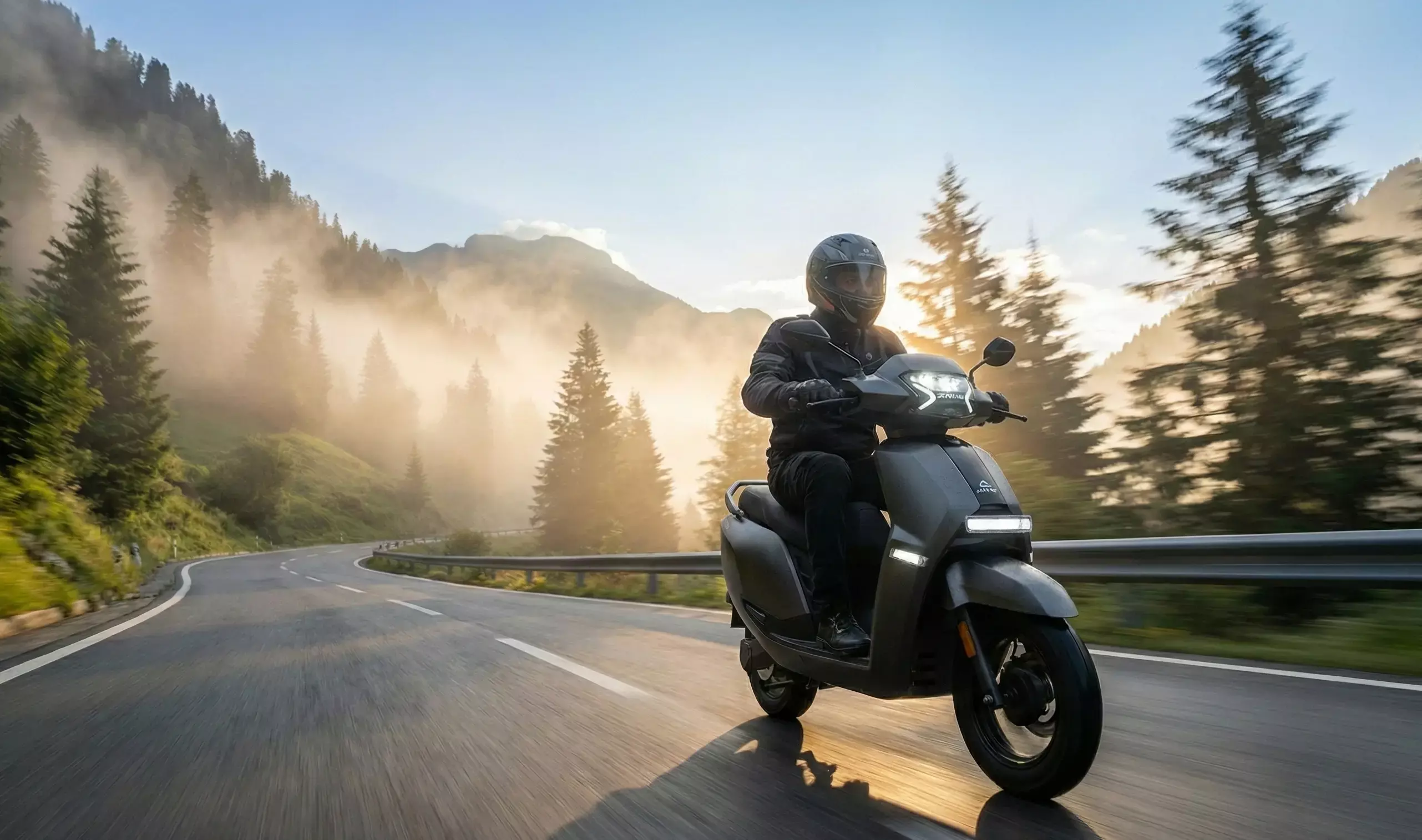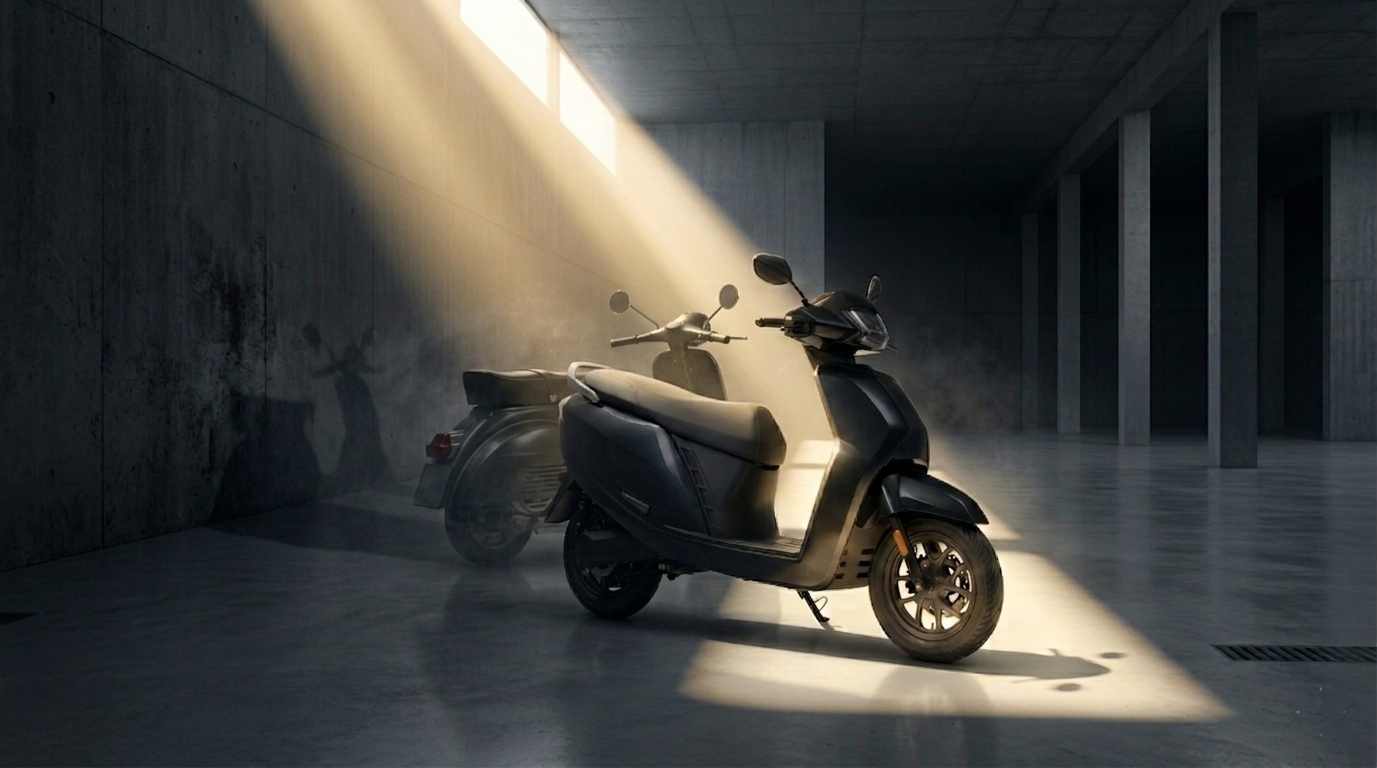
India is the world's third-largest carbon emitter, and its transport sector contributes a significant share of urban pollution. Two-wheelers form the backbone of Indian urban mobility — and electrifying this segment is one of the fastest, most scalable pathways toward India's climate commitments. The government has set an ambitious target of 80% electric two-wheelers by 2030. In 2026, with electric scooter sales accelerating past 1.4 million units annually, that goal is no longer a distant aspiration — it is an unfolding reality.
India's Climate Commitments at a Glance
| Goal | Target Year | Role of Electric Two-Wheelers |
|---|---|---|
| Net-zero carbon emissions | 2070 | Eliminate tailpipe emissions from largest vehicle segment |
| 45% reduction in emissions intensity | 2030 | Shift daily commuting to electric |
| 80% EV penetration in two-wheelers | 2030 | Mass adoption of affordable EV scooters |
| 1.32 million public charging stations | 2030 | Support daily EV charging needs |
| EV30@30 global participation | Ongoing | Align with international clean mobility roadmap |
Why Two-Wheelers Are the Most Important EV Segment for India
India has over 200 million registered two-wheelers — more than any other vehicle type. Even a 20% electrification of this fleet would eliminate millions of tonnes of CO2 emissions annually. Unlike car EVs, which require significant infrastructure and higher capital, electric scooters can charge from existing household sockets. The barrier to entry is lower, the daily impact is immediate, and the cumulative effect is enormous.
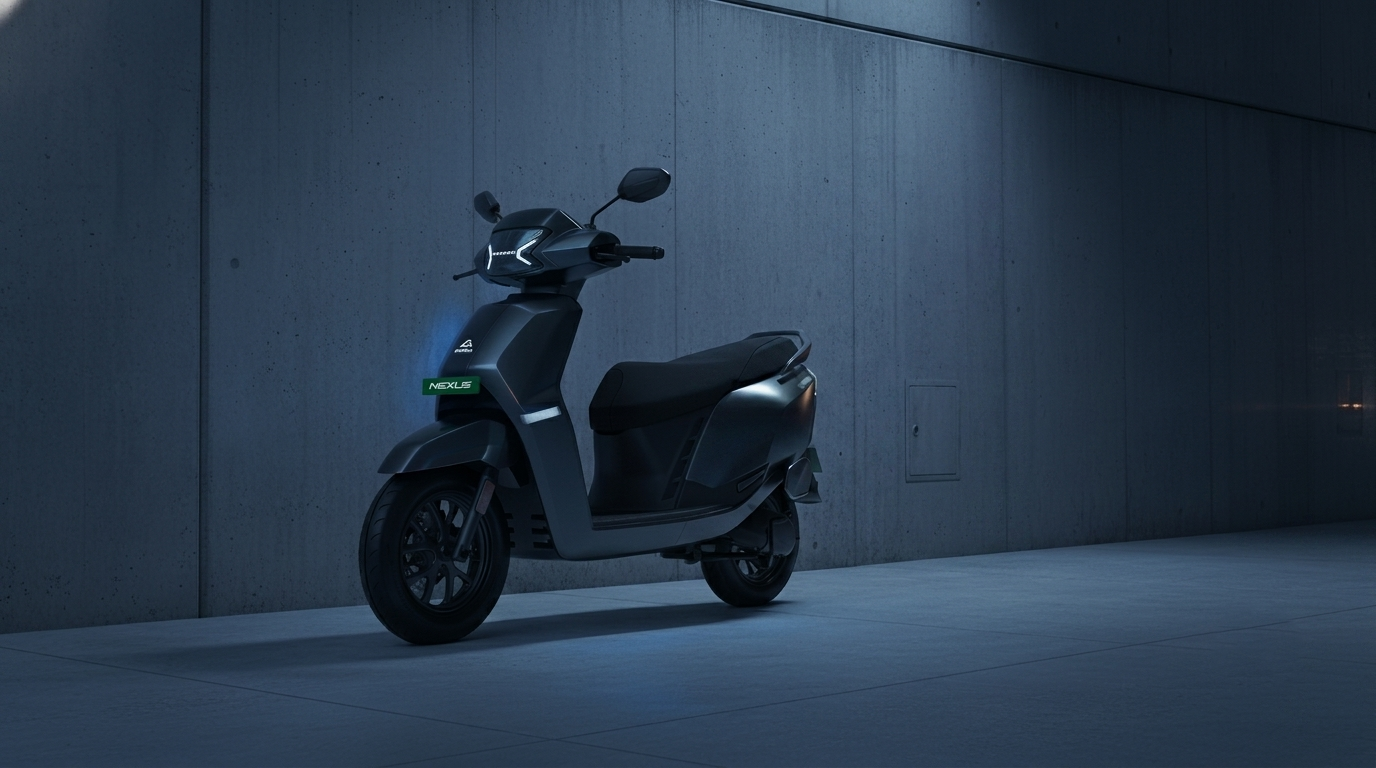
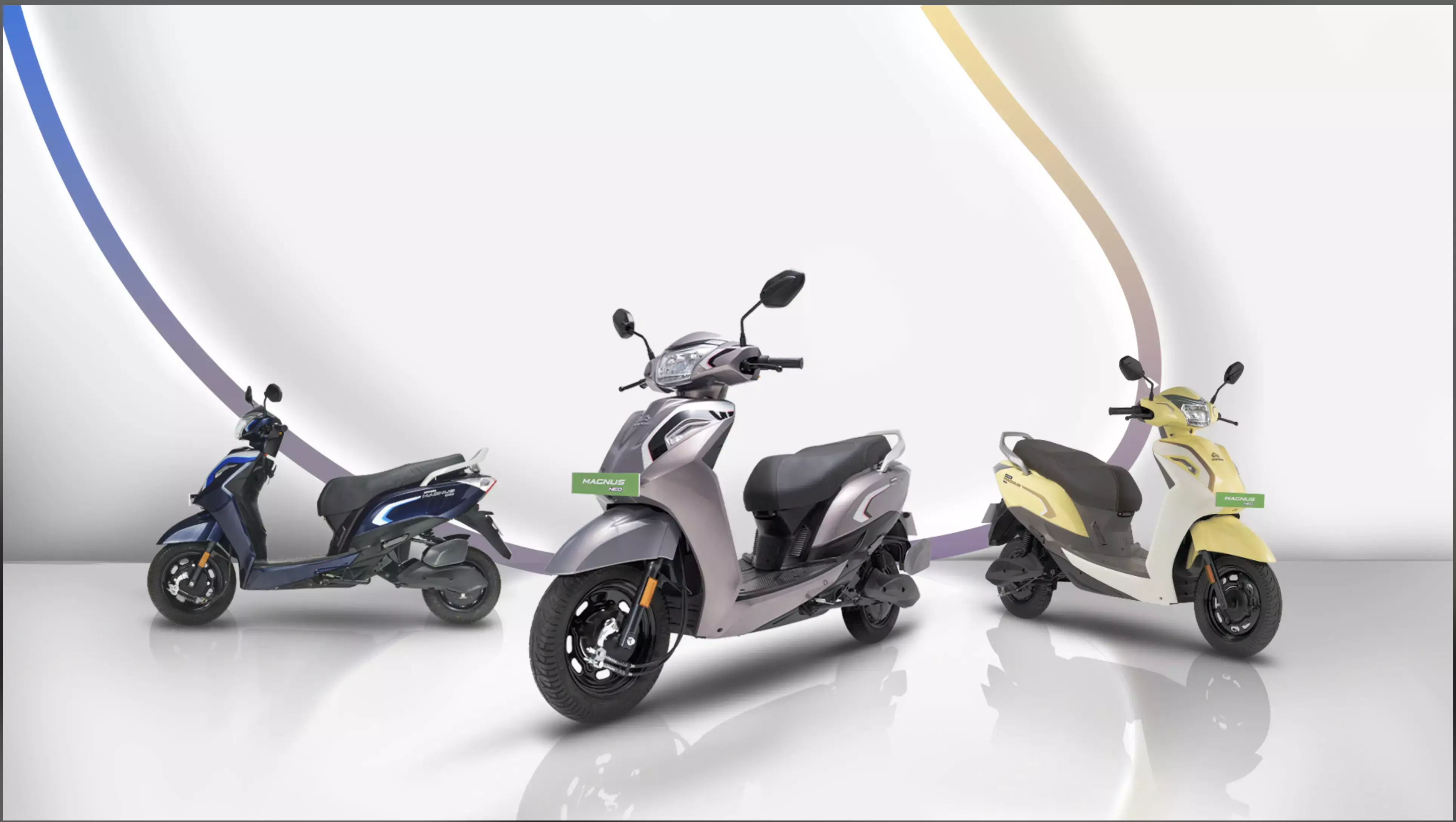
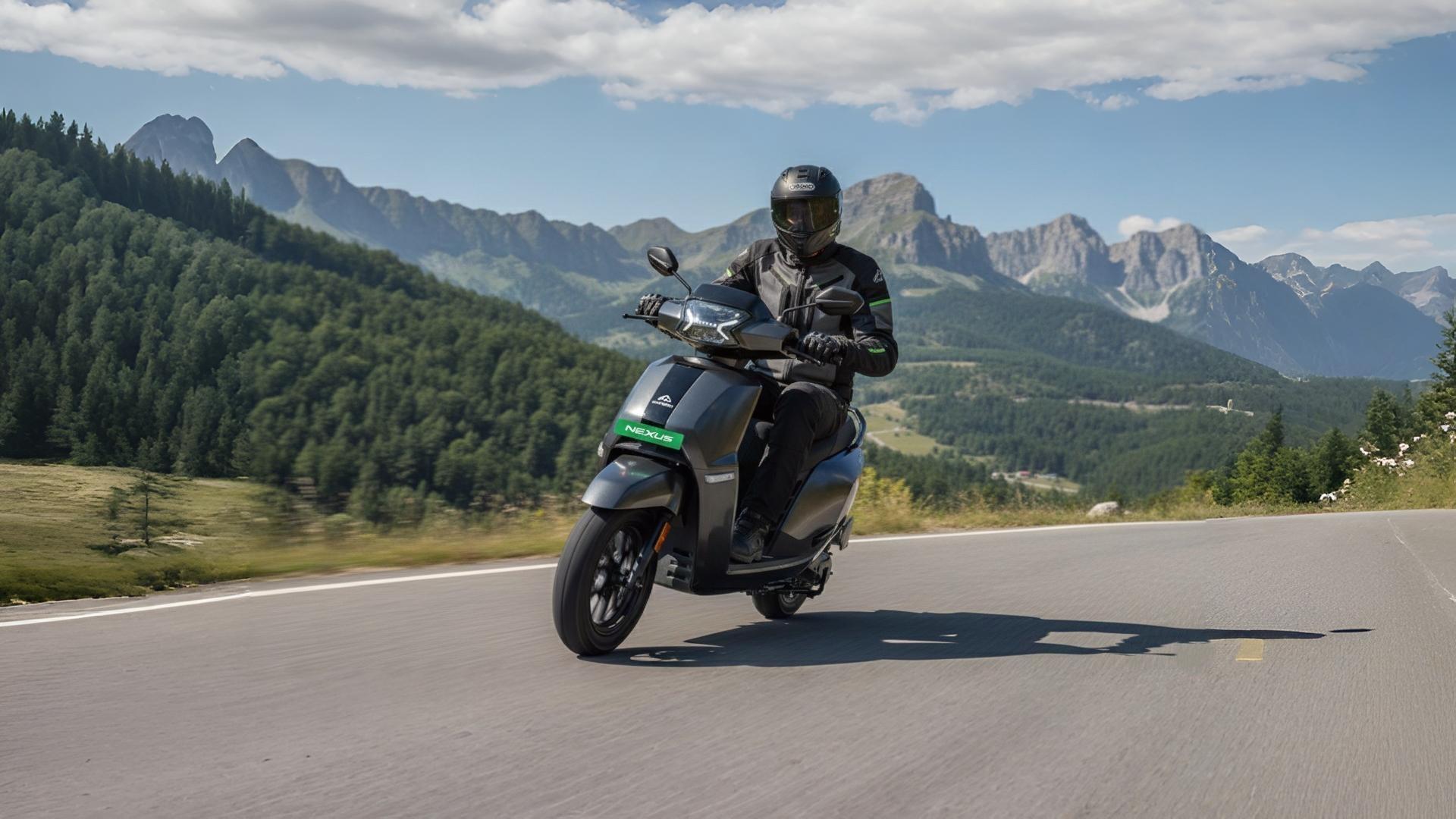
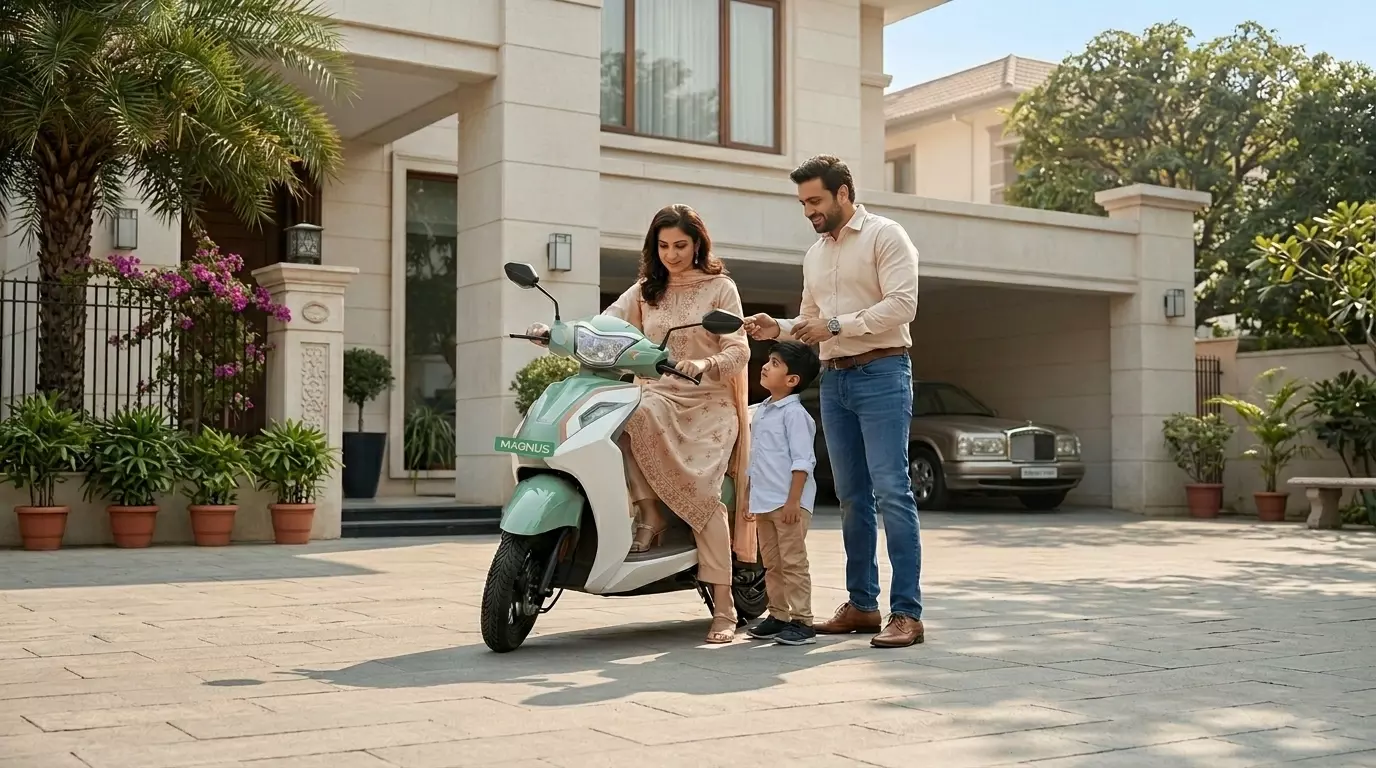
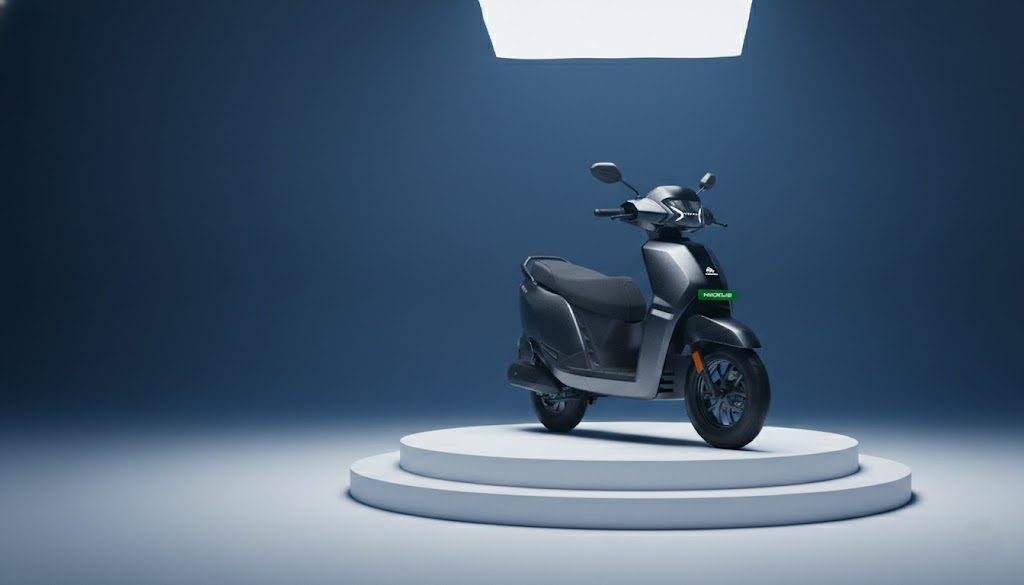
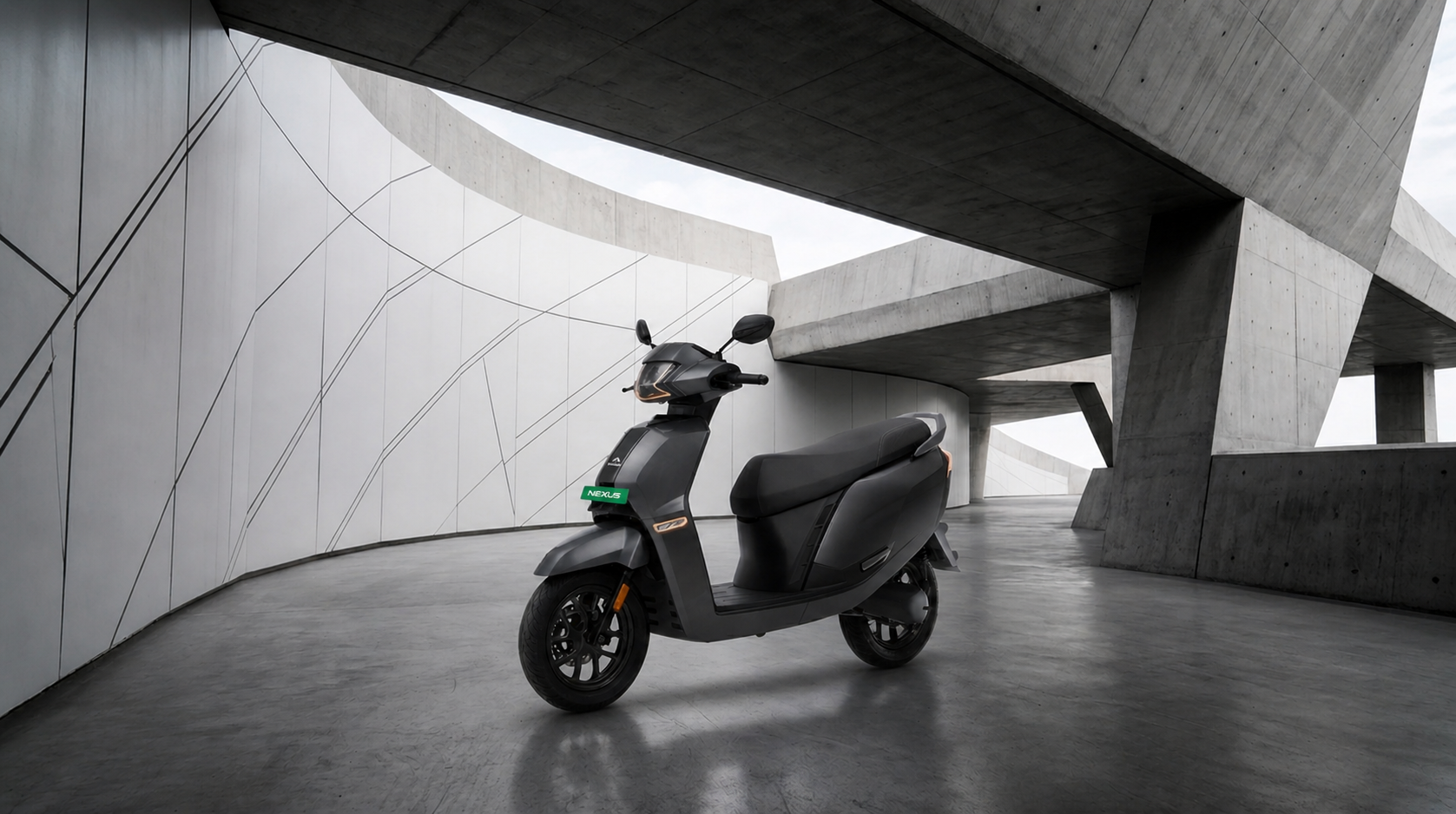
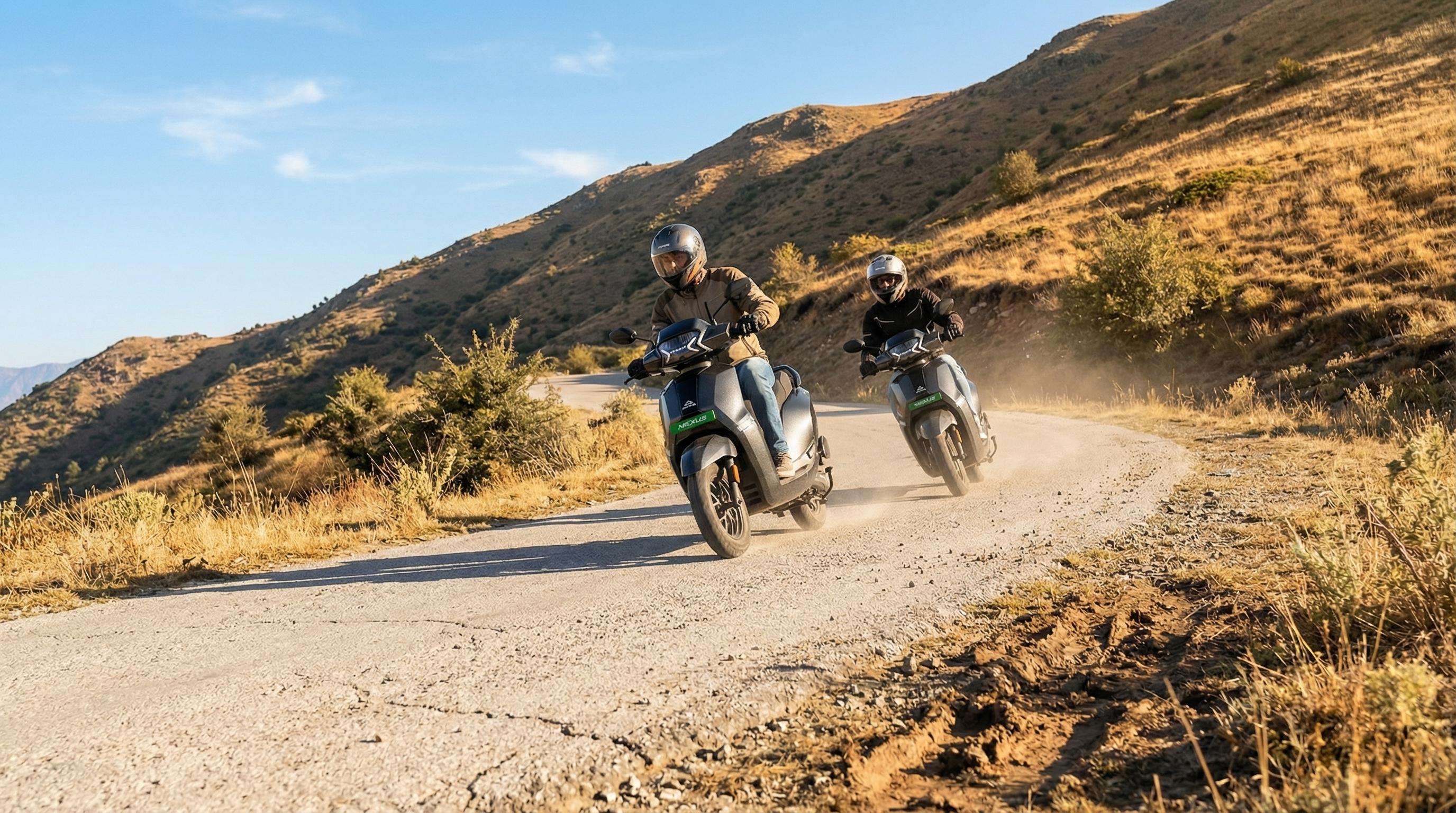

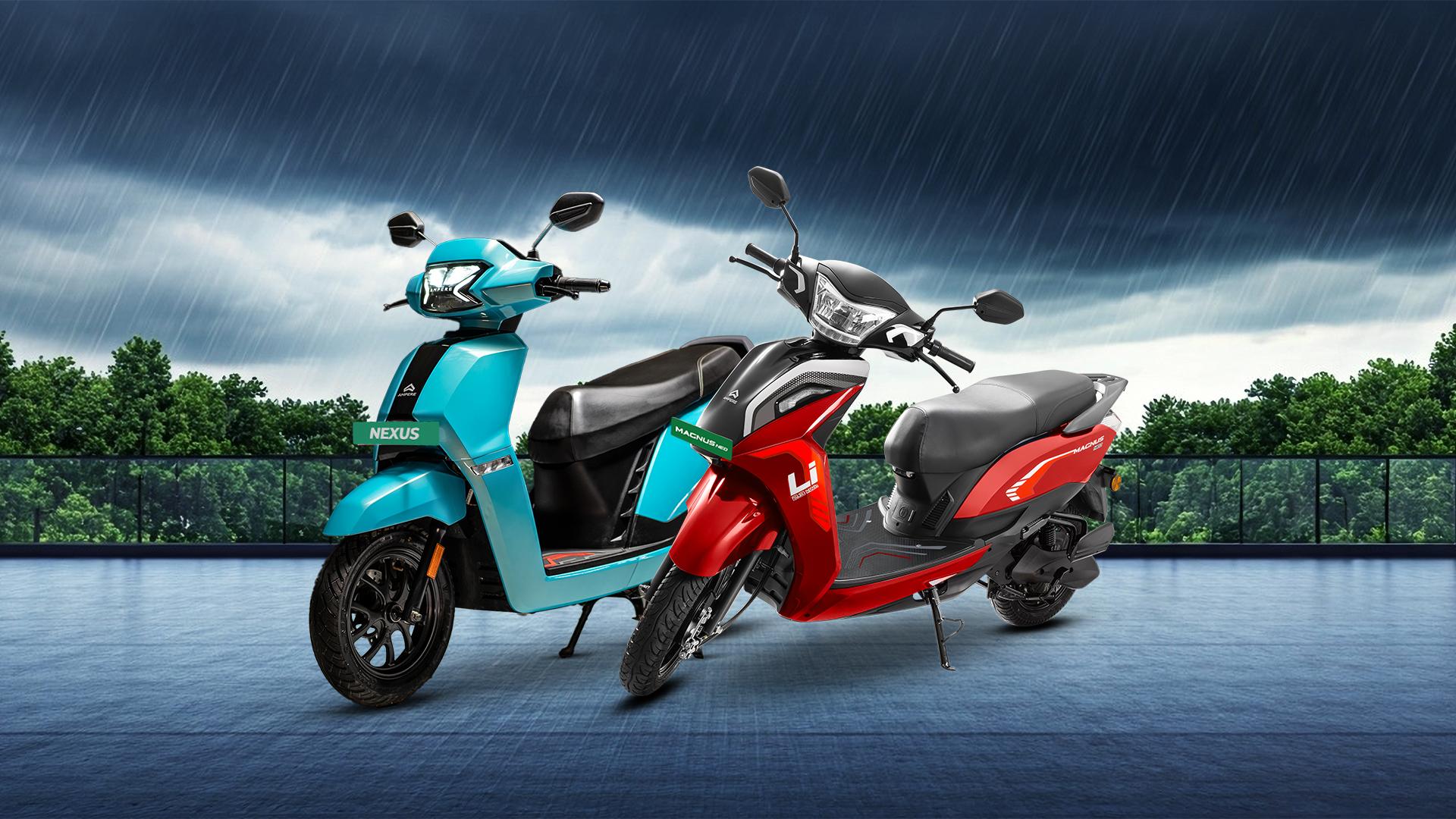
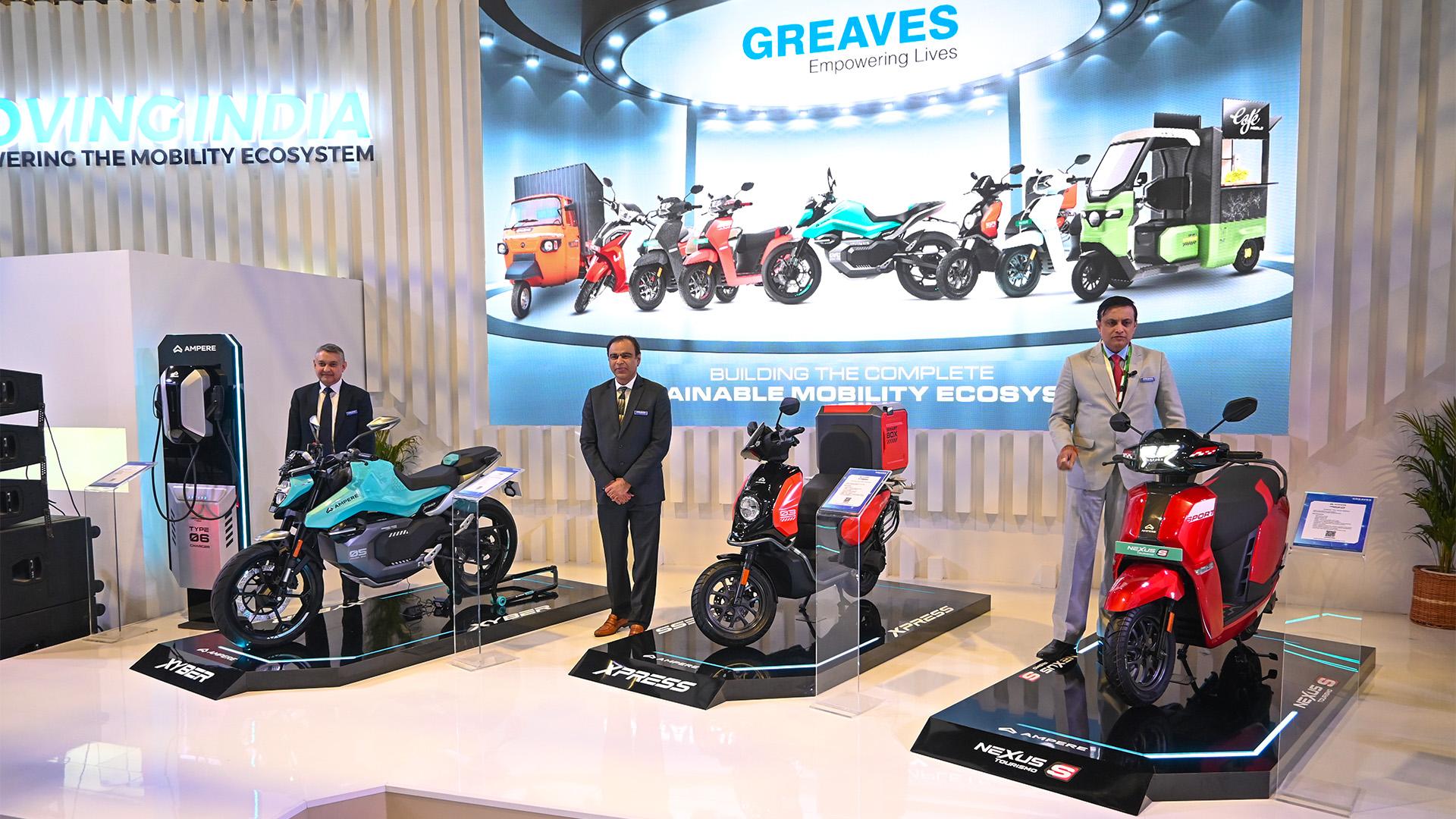
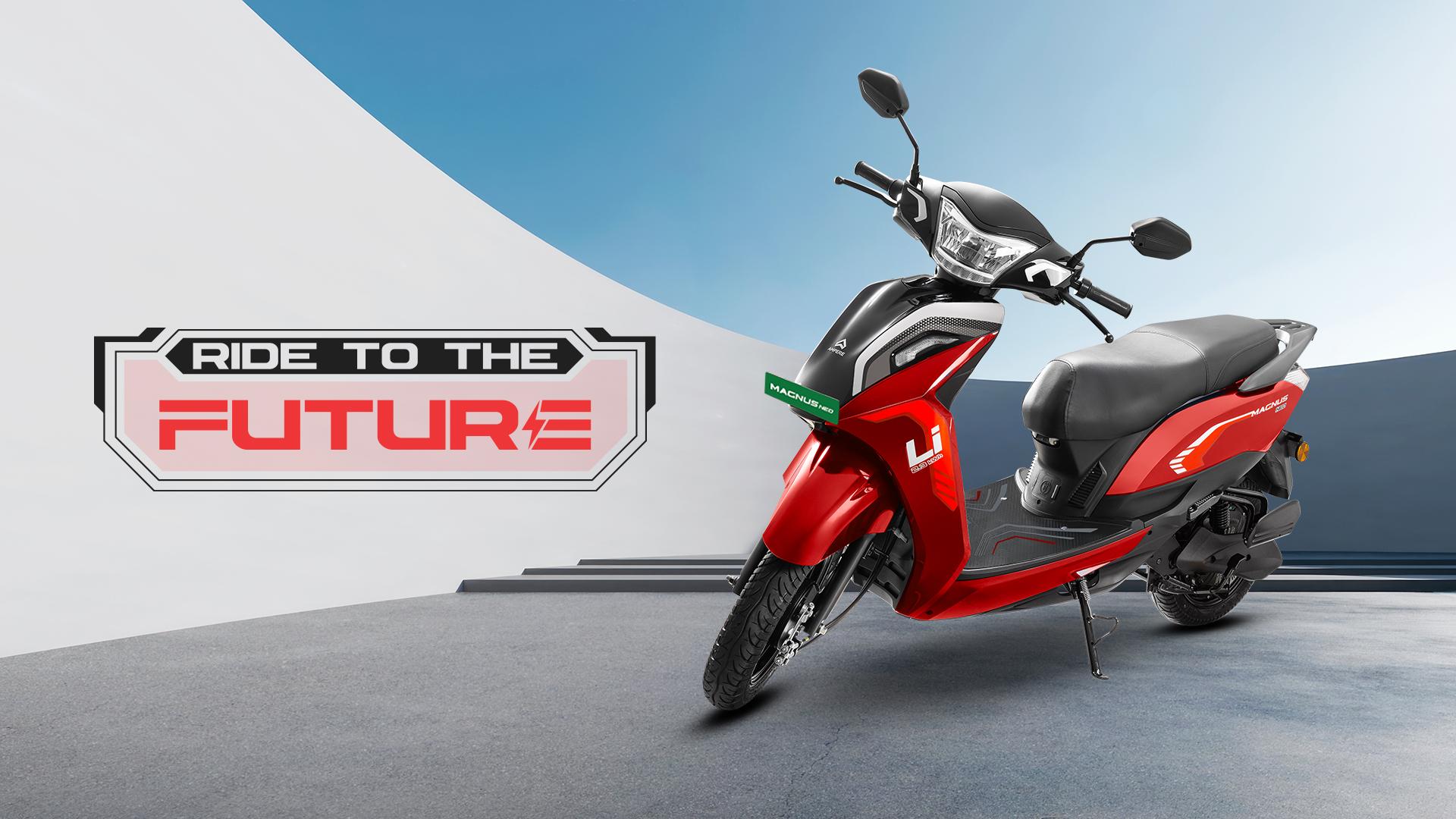
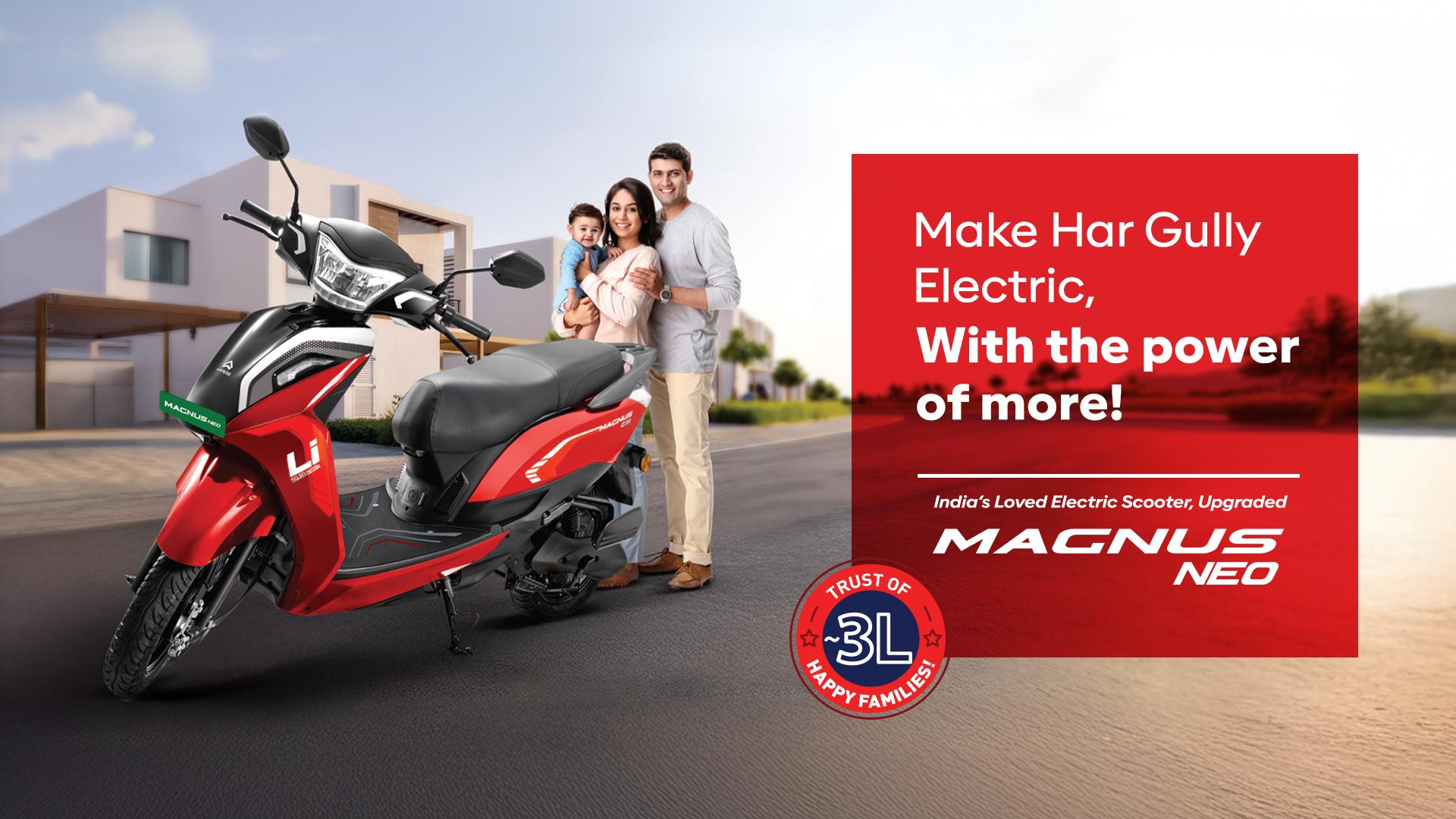
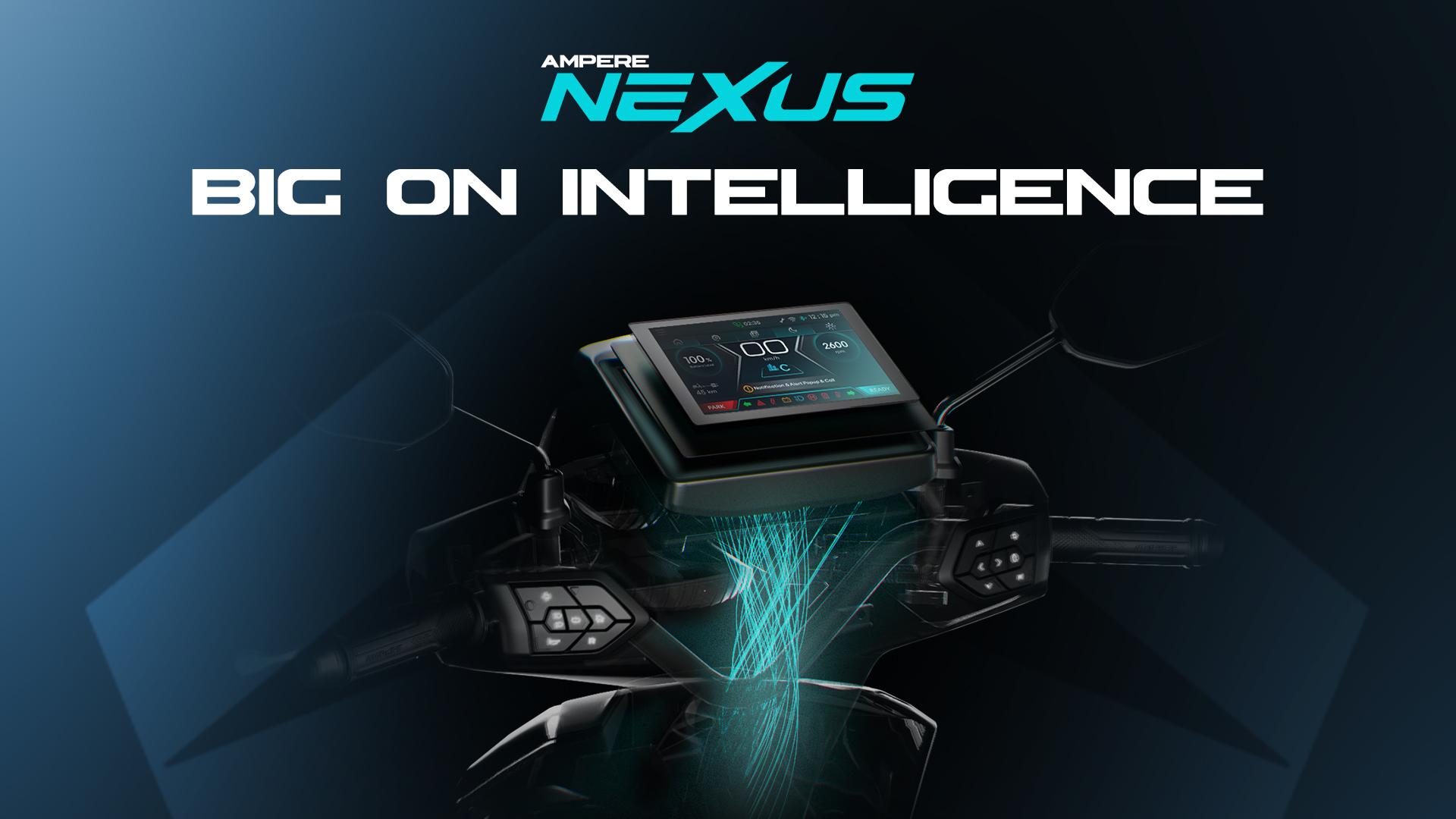
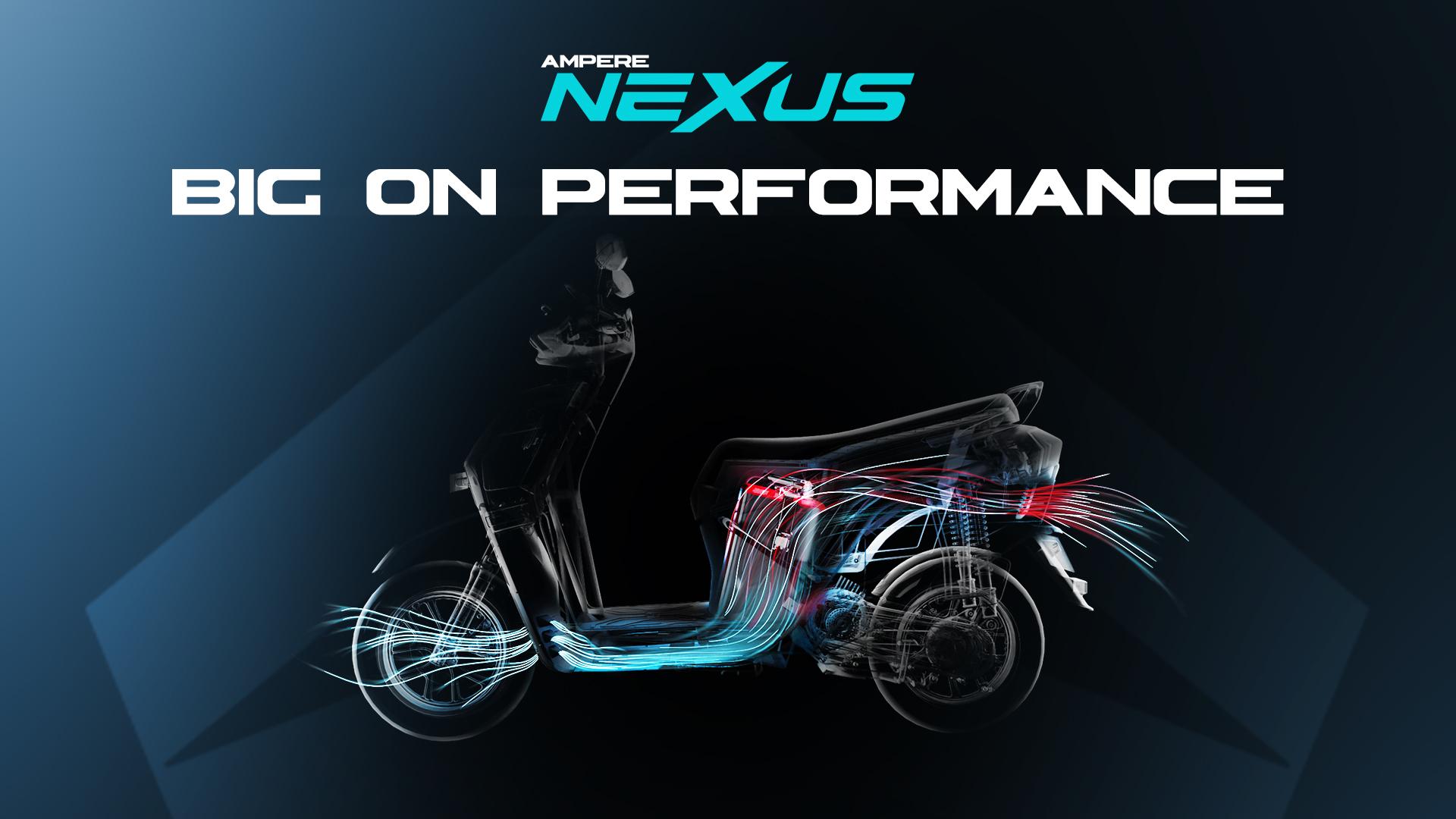
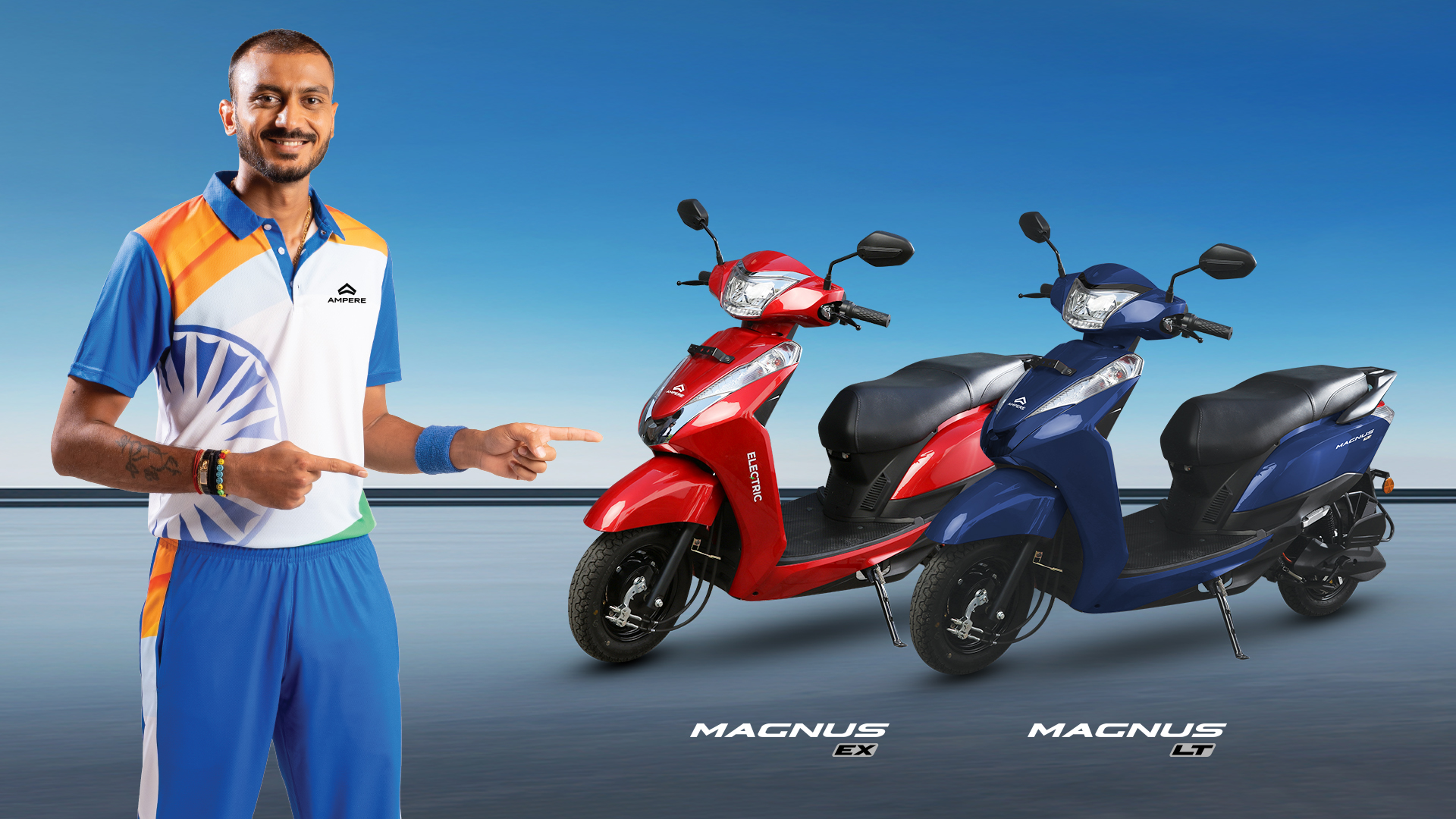
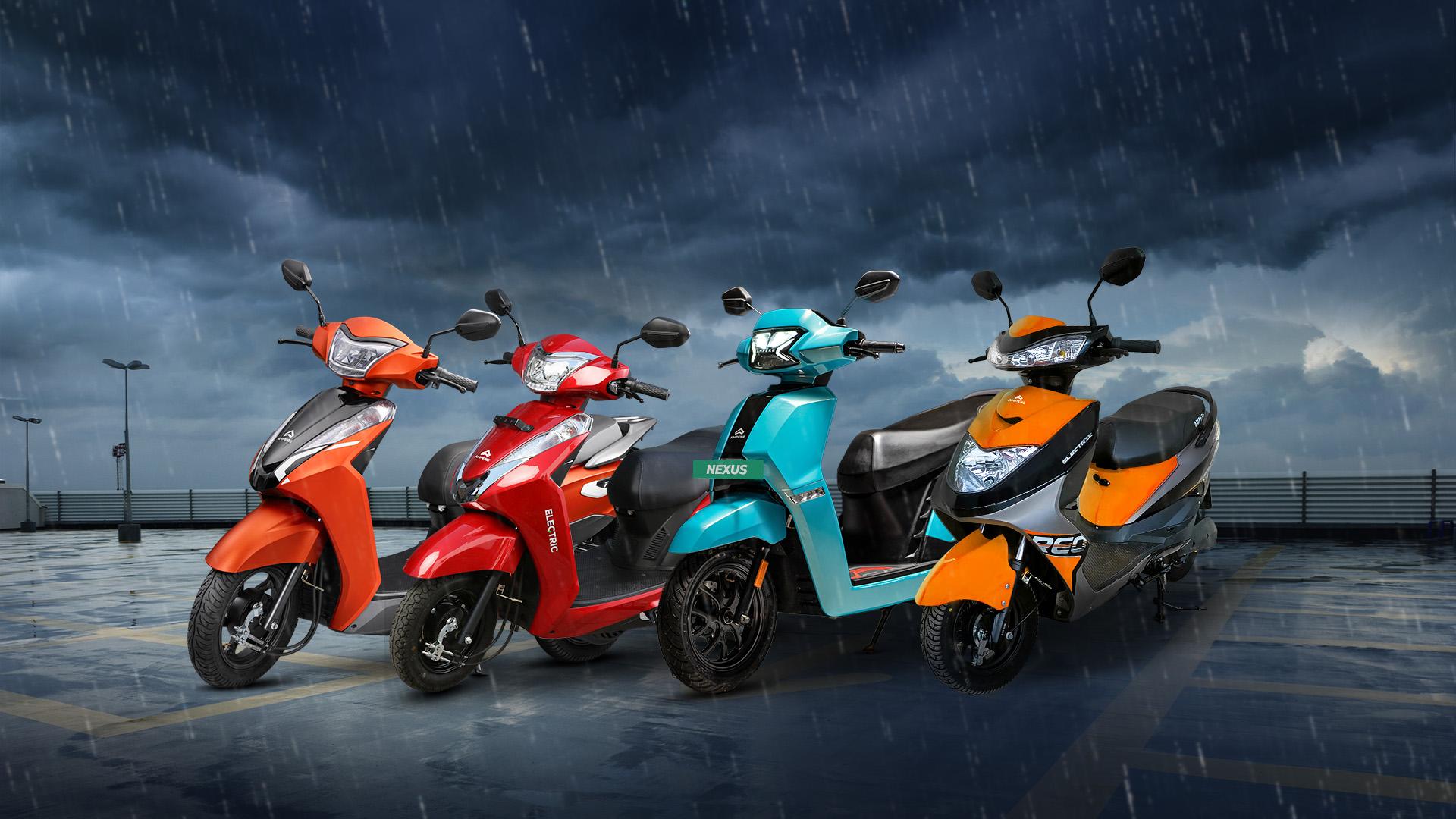
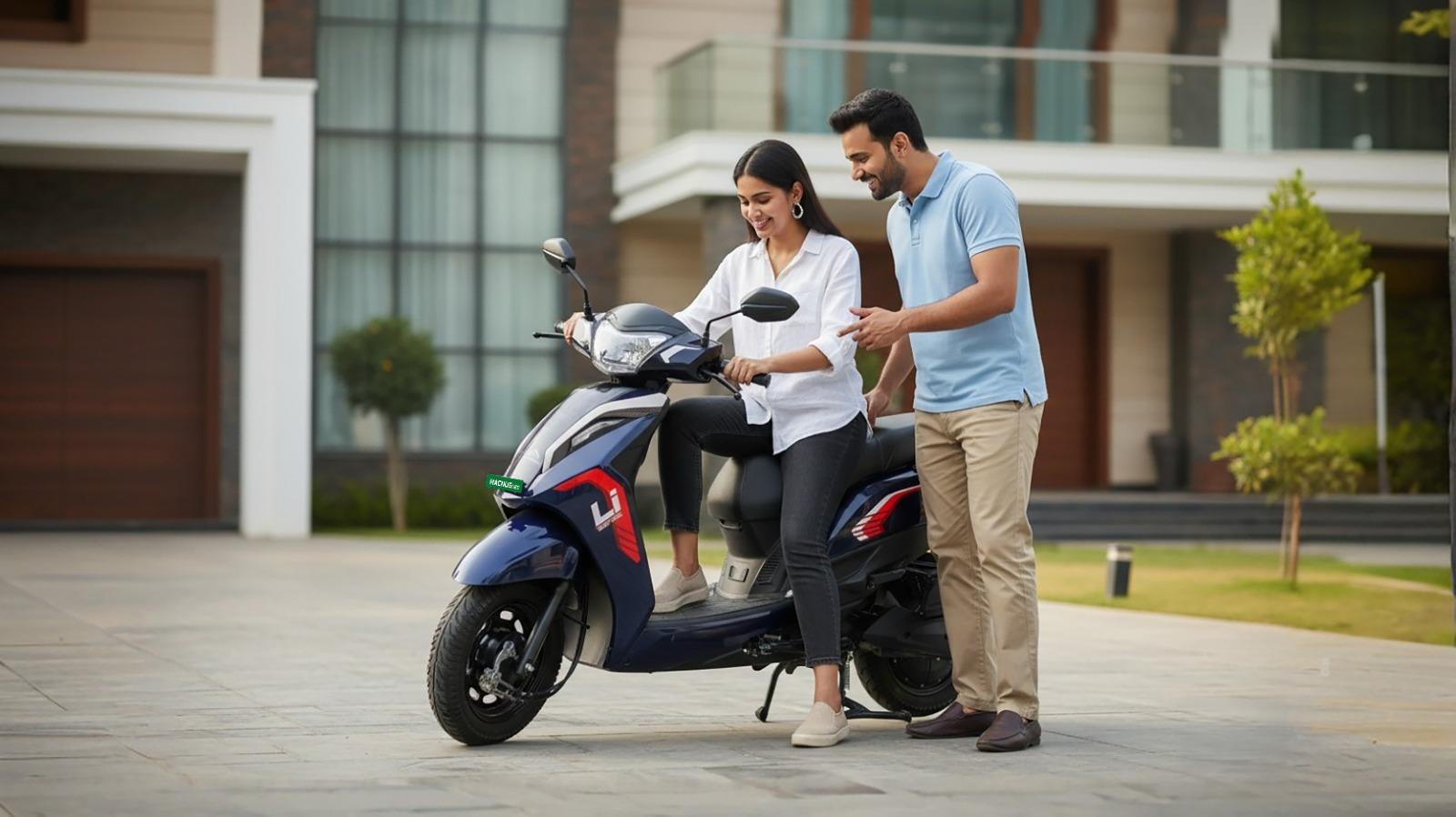
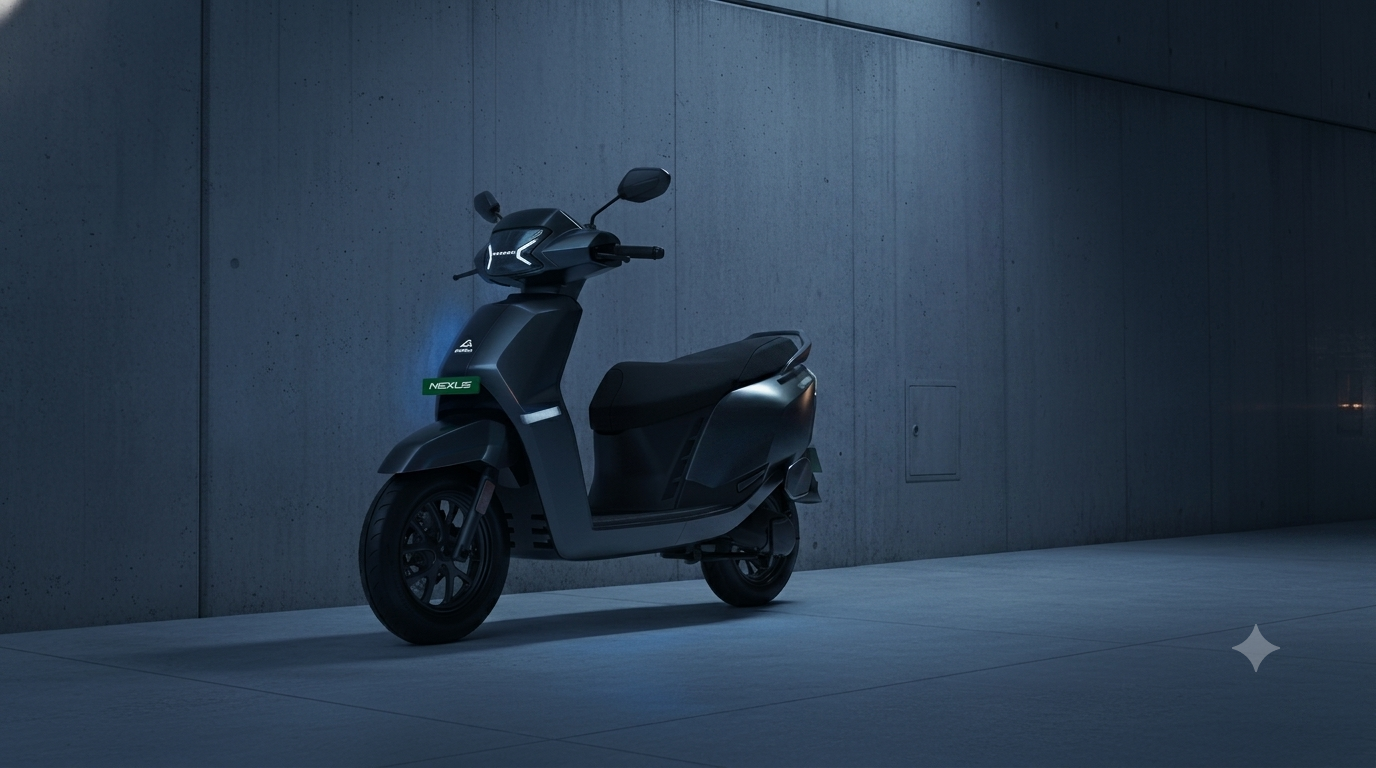
Ampere designs electric scooters for mass adoption. The Reo 80 at ₹59,900 makes electric mobility accessible to first-time buyers. The Magnus Neo, Magnus Grand, and Magnus G Max target family commuters and daily office riders. The Nexus serves performance-oriented urban riders. Across this range, every model contributes to India's decarbonisation goals — not through niche premium pricing, but through scale.
Zero Tailpipe Emissions: The Daily Impact
| Factor | Petrol Scooter | Ampere Electric Scooter |
|---|---|---|
| Tailpipe emissions | High (CO2, NOx, PM2.5) | Zero |
| Noise pollution | Loud engine | Near-silent operation |
| Urban air quality impact | Negative contributor | Positive — zero local emissions |
| Grid dependency | Petrol (imported crude) | Electricity (increasingly renewable) |
| Carbon per km (avg grid) | Higher | Lower — improving as grid greens |
LFP Batteries and Lifecycle Sustainability
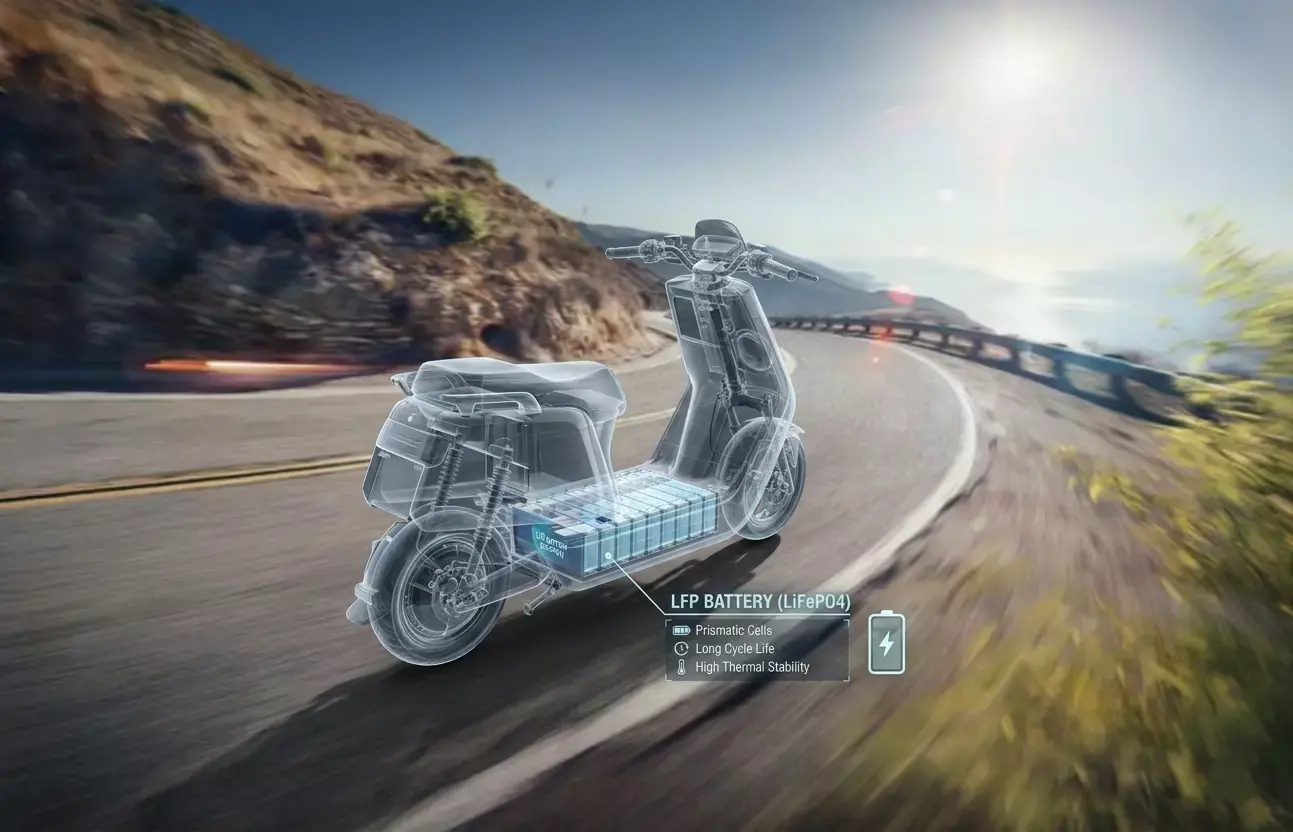
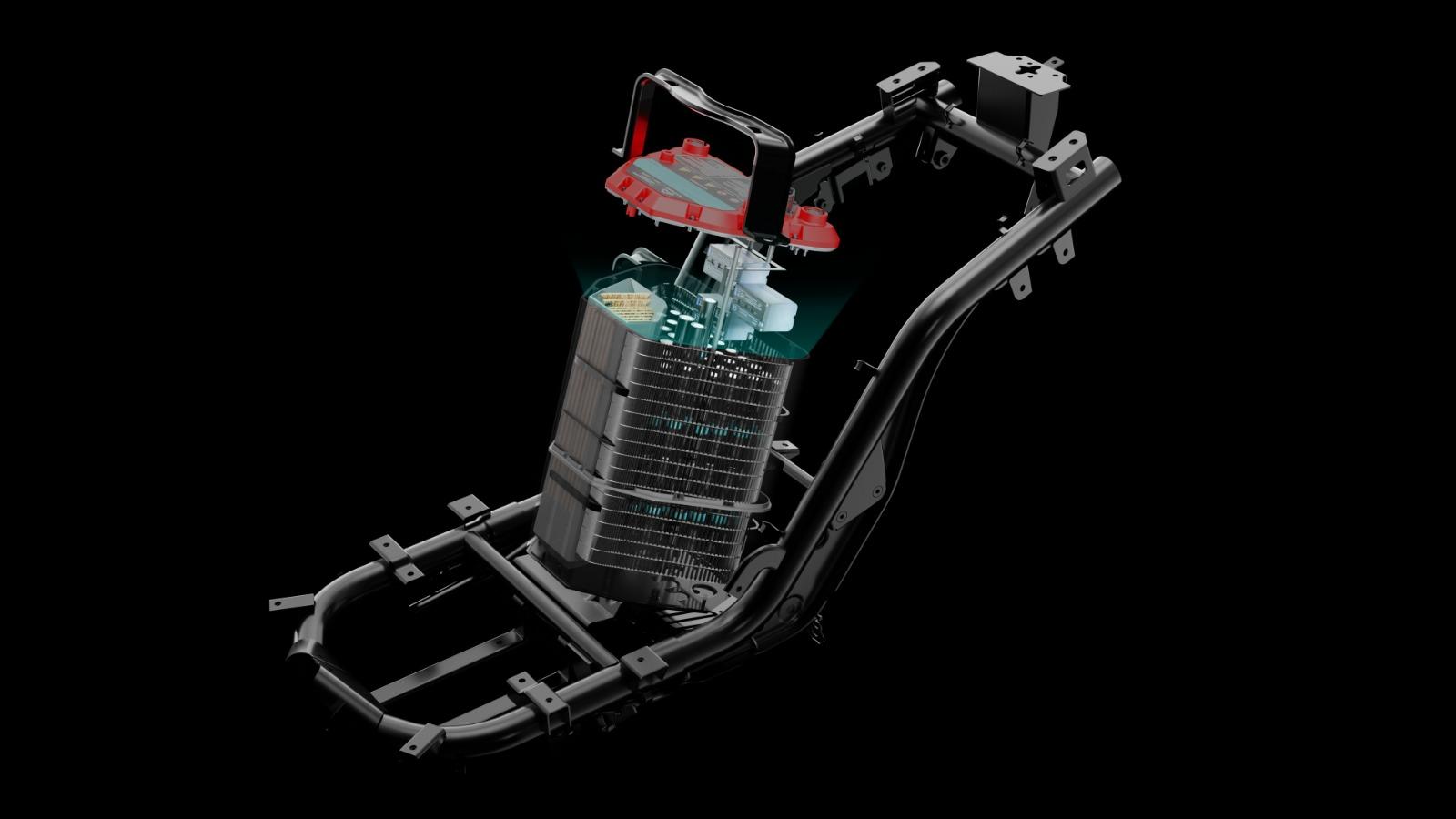
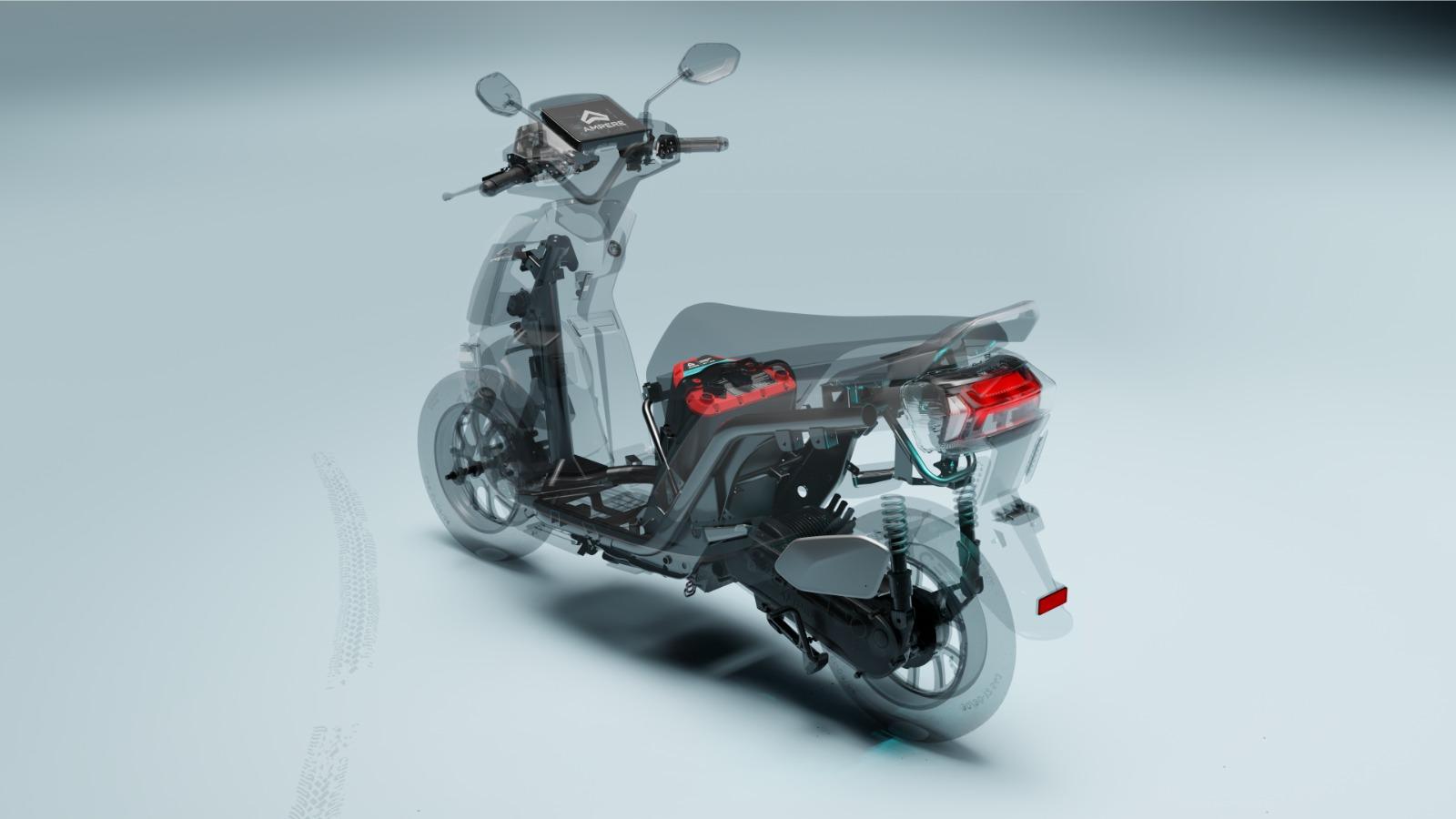
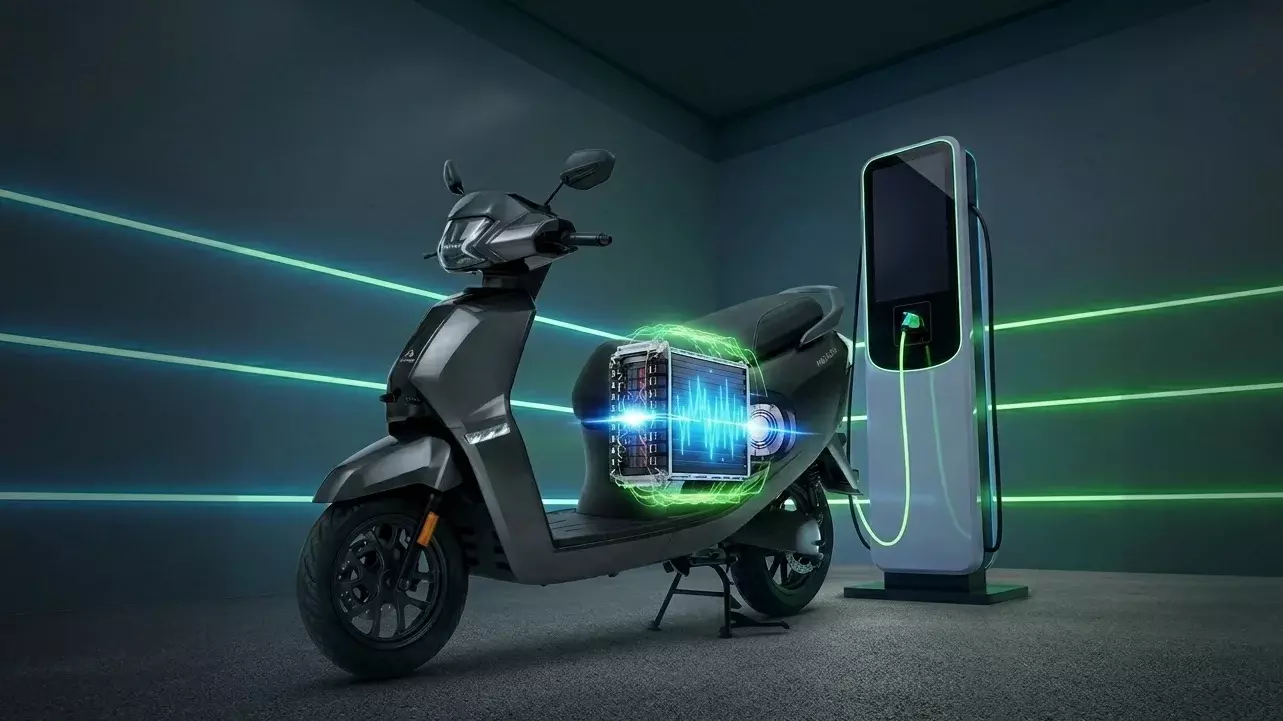
Not all electric scooters are equally sustainable. Battery chemistry matters. Ampere uses LFP (Lithium Iron Phosphate) across its entire lineup. LFP is cobalt-free, which avoids ethically fraught supply chains tied to Congo mining. It offers 2,000–4,000 charge cycles — significantly more than the 1,000–2,000 cycles typical of NMC batteries used by some competitors. Fewer replacements mean less waste. Longer battery life means a lower lifetime carbon footprint per kilometre.
The alternative NMC chemistry, used in some Ather and Ola products, offers higher energy density but carries greater thermal risks and shorter cycle life. For India's climate goals, an LFP battery that lasts 7–10 years is more sustainable than an NMC battery replaced after 4–5 years. Ampere's 5-year / 75,000 km battery warranty on Magnus Neo, Magnus Grand, Magnus G Max, and Nexus reflects this durability commitment.
Solar Charging and the Renewable Grid
India's electricity grid is becoming cleaner every year. Renewable energy — solar and wind — is growing as a share of national power generation. When you charge an Ampere scooter from a rooftop solar panel (as some housing societies in Karnataka already do), the lifecycle emissions drop to near zero. Even charging from the current grid is cleaner than burning petrol, and this advantage grows each year as India adds more renewable capacity.
| Charging Source | Sustainability Level | Availability for Ampere Riders |
|---|---|---|
| Standard home socket (grid) | Good — improving annually | Universal across all Ampere models |
| Rooftop solar panel | Excellent — near zero emissions | Growing in Karnataka, Gujarat, Maharashtra |
| Community solar hub | Excellent | Pilot projects in select cities |
| Workplace charging point | Good | Growing in IT parks and offices |
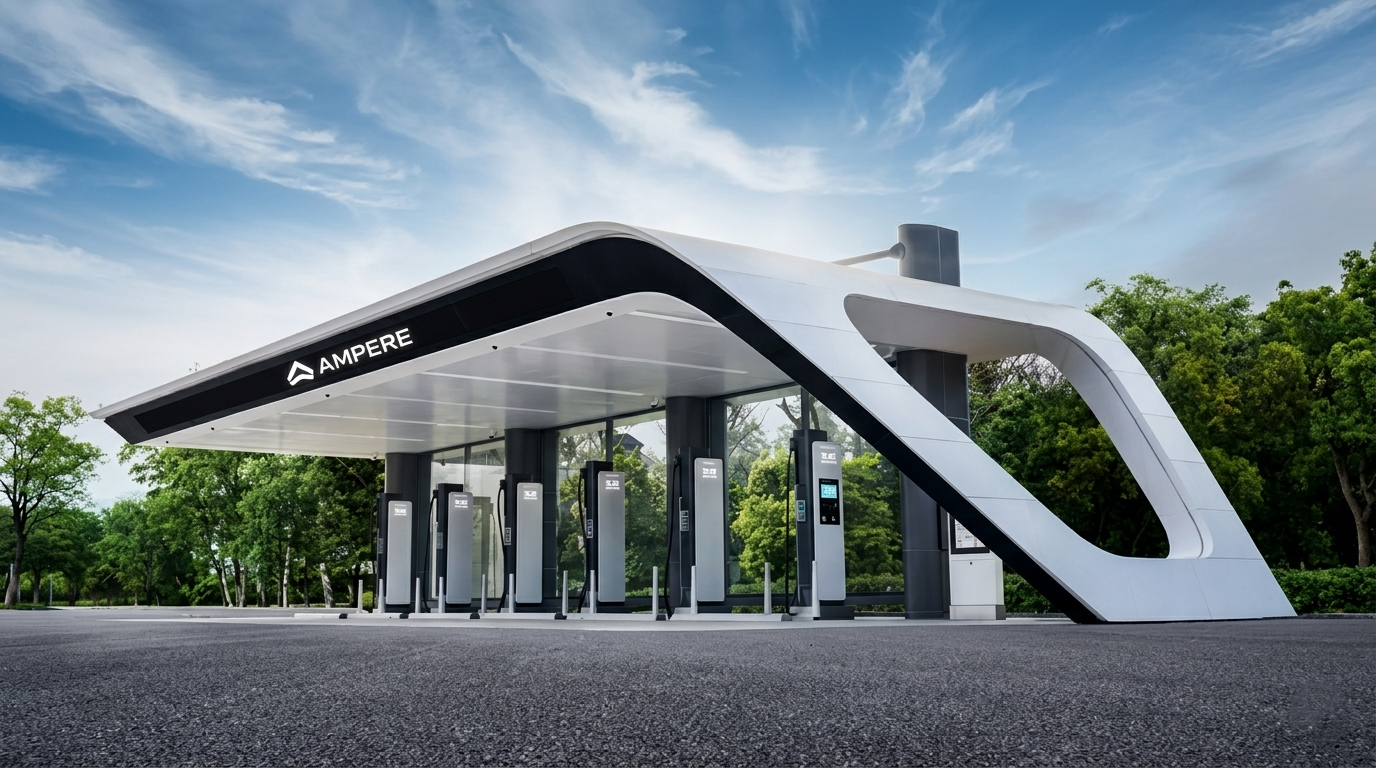
| Public charging station | Good | Available in 370+ cities |
Ampere's Role in Democratising Green Mobility
Sustainability should not be a privilege. Brands like Ather Energy (starting at ₹1.20 lakh) and Ola Electric target tech-enthusiast buyers. Bajaj Chetak (₹1,10,922) and TVS iQube (₹1,13,742) serve the mid-premium market. Hero Vida VX2 enters at ₹99,490. Ampere's Magnus Neo at ₹86,999 and Reo 80 at ₹59,900 bring electric mobility to a much larger income segment — the millions of Indian families for whom a ₹1.5 lakh scooter is not an option.
India cannot meet its 2030 EV targets or its 2070 net-zero goal if electric scooters remain aspirational products for the top 20% of the market. Ampere addresses this gap directly. A rider in Coimbatore switching from a petrol scooter to the Magnus Neo is not just saving ₹5,000 per month — they are participating in India's decarbonisation story at the grassroots level.
Frequently Asked Questions
How do electric scooters help India reach net-zero by 2070?
By eliminating tailpipe emissions from the country's largest vehicle segment. Two-wheelers account for a major share of urban air pollution. Electrifying even 50% of this fleet over the next decade would represent one of India's largest single sector emission reductions.
Are Ampere batteries environmentally responsible?
Yes. Ampere uses LFP (Lithium Iron Phosphate) chemistry — cobalt-free, thermally stable, and designed for 2,000–4,000 charge cycles. This extends battery life, reduces replacement waste, and avoids the supply chain ethics concerns associated with cobalt-heavy NMC batteries.
Is charging from the Indian grid actually cleaner than petrol?
Yes. Even at India's current grid mix, electric scooters emit fewer carbon grams per km than equivalent petrol scooters. As India adds more solar and wind capacity, this advantage grows year on year.
Does switching to Ampere count toward government EV targets?
Yes. Every Ampere scooter registered in India contributes to the PM e-Drive scheme targets and national EV penetration numbers that form the basis of India's NDC (Nationally Determined Contribution) reporting under the Paris Agreement.
India's path to net-zero runs through its two-wheelers. Ampere is not just selling electric scooters — it is enabling millions of Indian commuters to be part of the country's most important environmental shift. With LFP batteries, zero tailpipe emissions, and accessible pricing, every Ampere model is a small but meaningful contribution to a cleaner India.