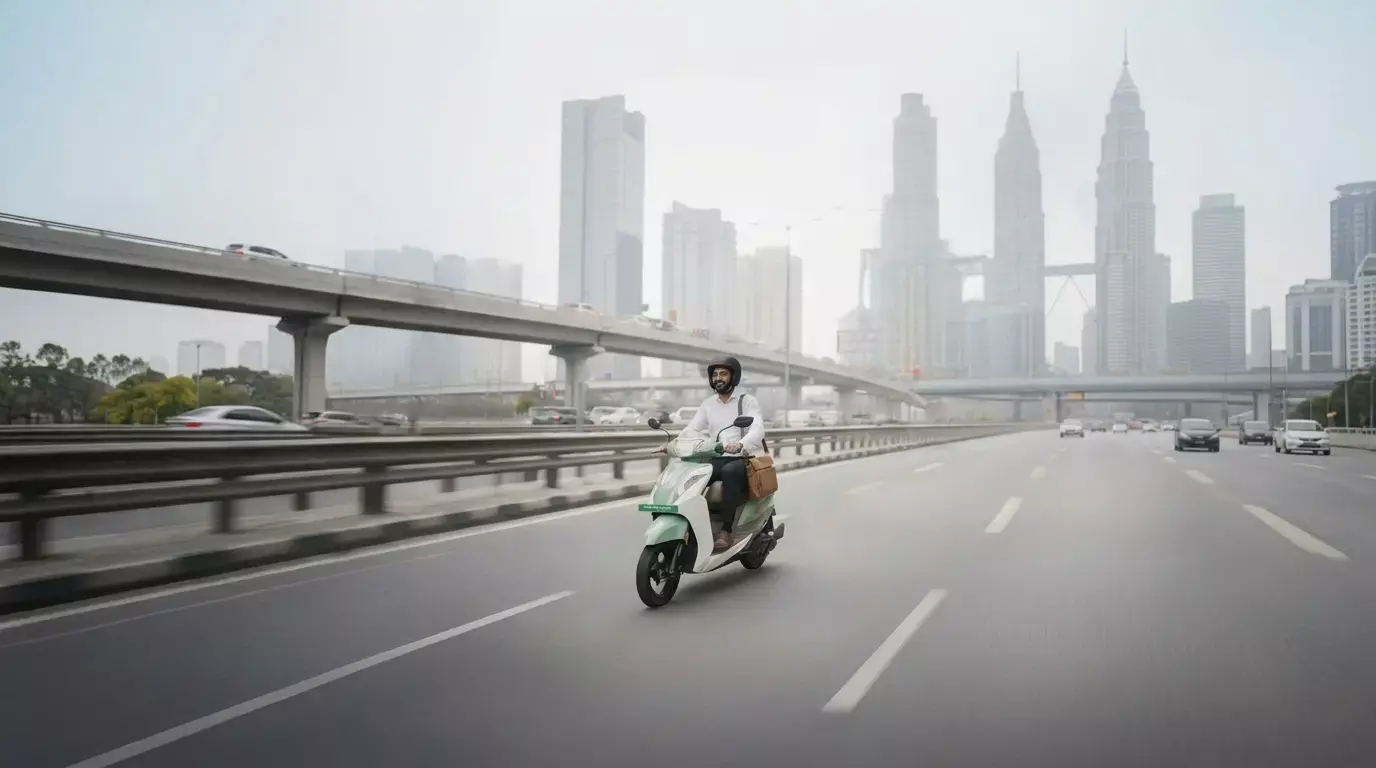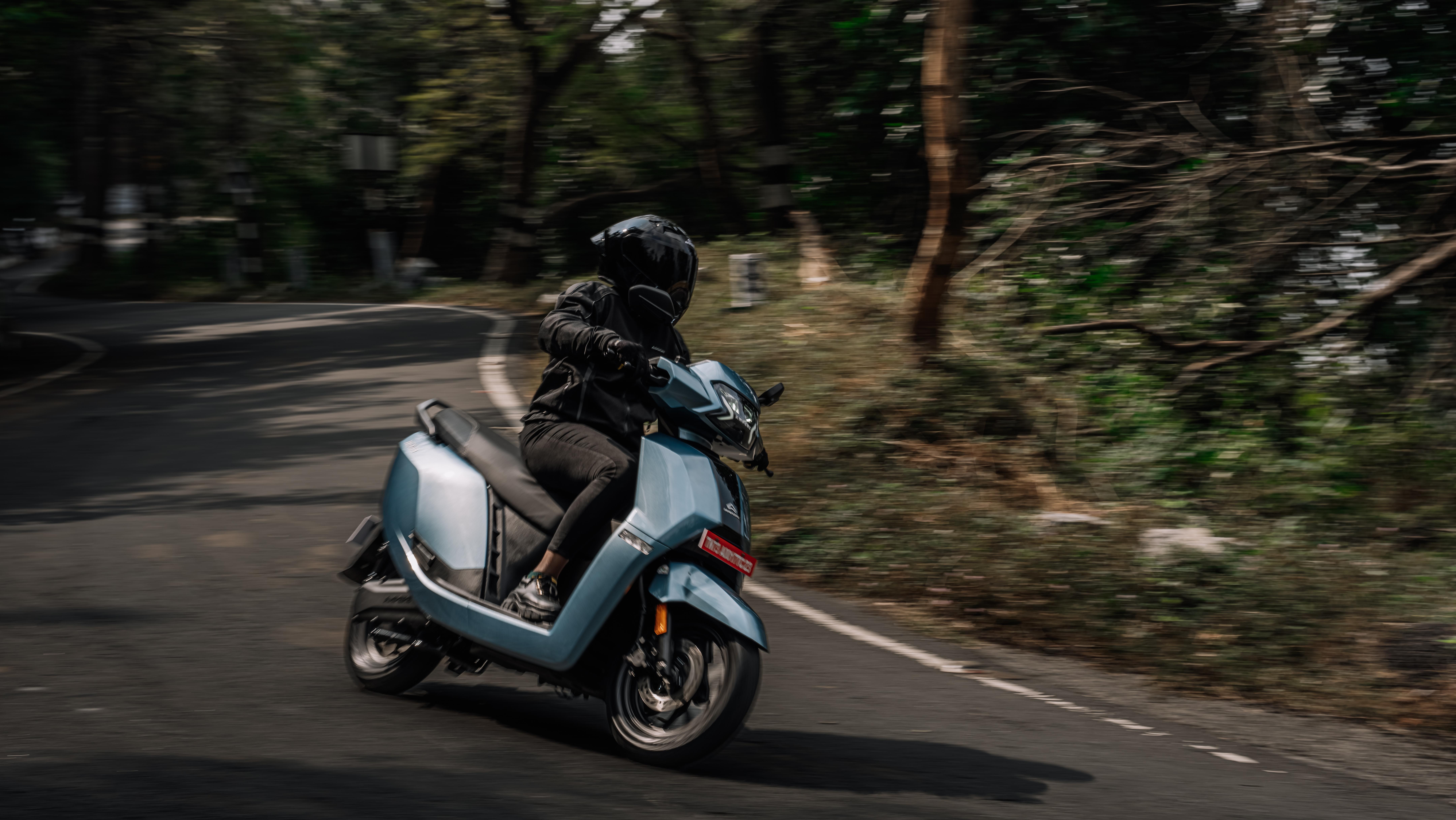
Fuel costs and city traffic are real worries for many Indian commuters in 2026. At the same time, interest in electric vehicles is growing steadily across the country. So it is entirely natural to ask: how do you pick the best electric scooter for your daily commute?
The key choice is simple on paper — low speed versus high speed electric scooter — but the right answer changes for office trips, college runs, neighbourhood errands, and gig work. It also depends on whether you ride in tier 1 cities, tier 2 towns, or semi-urban areas.
Ampere offers both low speed and high speed electric scooters designed for Indian roads. Whether you need a light, affordable scooter for short local trips or a more powerful model for long cross-city commutes, Ampere has a practical, value-driven option for you. This guide defines the difference, explains the real benefits of each, compares costs and licensing, and helps you choose the right Ampere model for your specific commute.
Low Speed vs High Speed Electric Scooter: What Is the Difference?
When you compare a low speed versus high speed electric scooter, the first difference is top speed. In India, government rules use speed and motor power to separate light low speed scooters from regular high speed models. This single difference changes legal requirements, daily comfort, and overall suitability for different commute types.
How Indian Rules Treat Low-Speed vs High-Speed Scooters
Under current Indian transport rules, low speed scooters are defined by limits on motor power and maximum speed. Many fall in a class closer to electric bicycles. Depending on the specific model and state rules, they may have simpler registration requirements, may not always require a full two-wheeler driving licence, but still require a good quality helmet for rider safety at all times.
High speed scooters are treated like regular two-wheelers under Indian law. They require full RTO registration, third-party insurance, a registered number plate, and a valid two-wheeler driving licence. Rules change periodically — always confirm the latest requirements with your local RTO before buying any model.
Typical Specs and Use Cases in 2026
Low speed electric scooter benefits include smaller, lighter motors, compact frames, often removable batteries, and designs optimised for short trips of 5 to 15 km per day within one locality. High speed scooters offer stronger motors, better brakes and suspension, and larger batteries suited to longer daily riding distances and mixed road conditions.
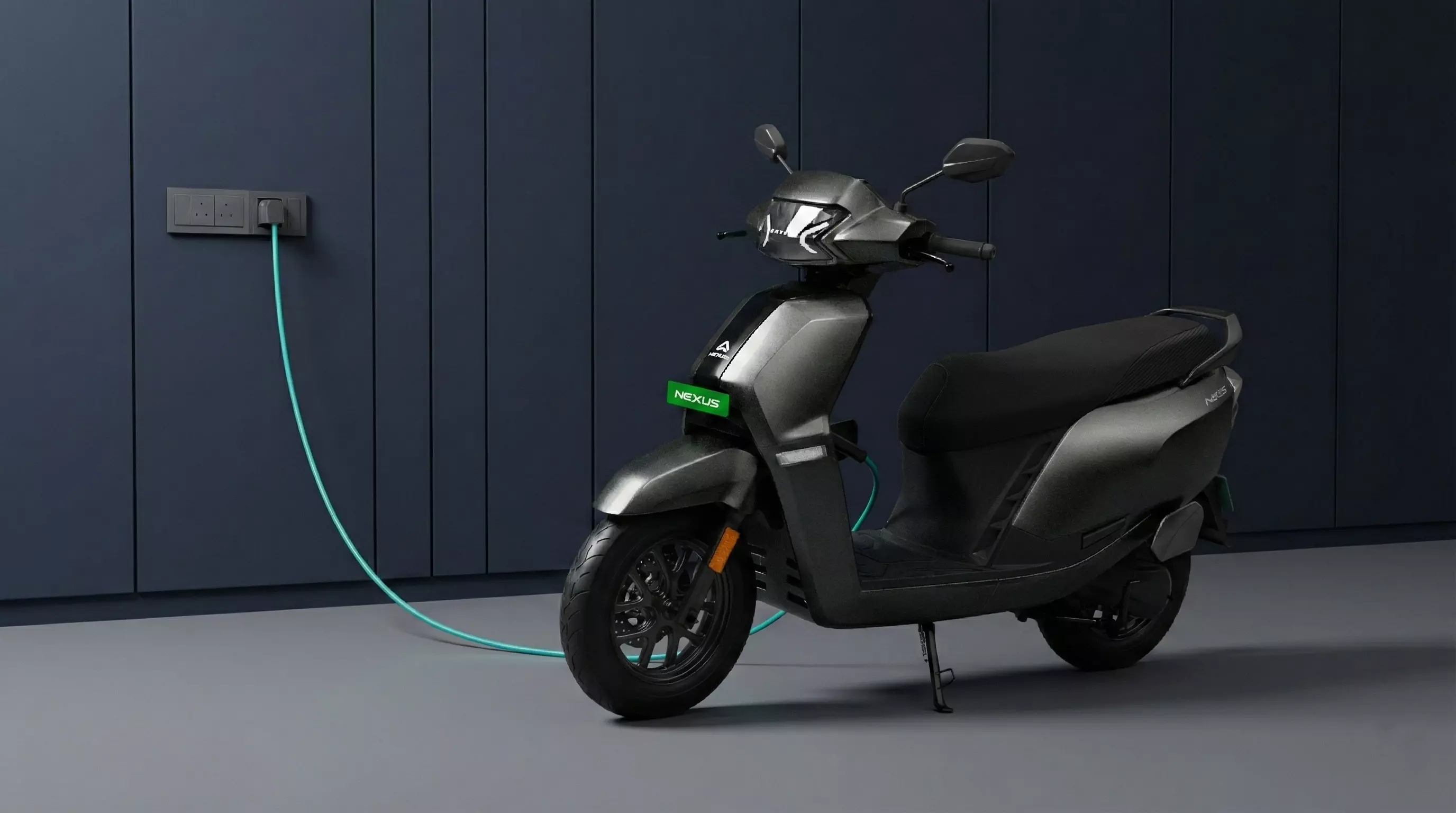
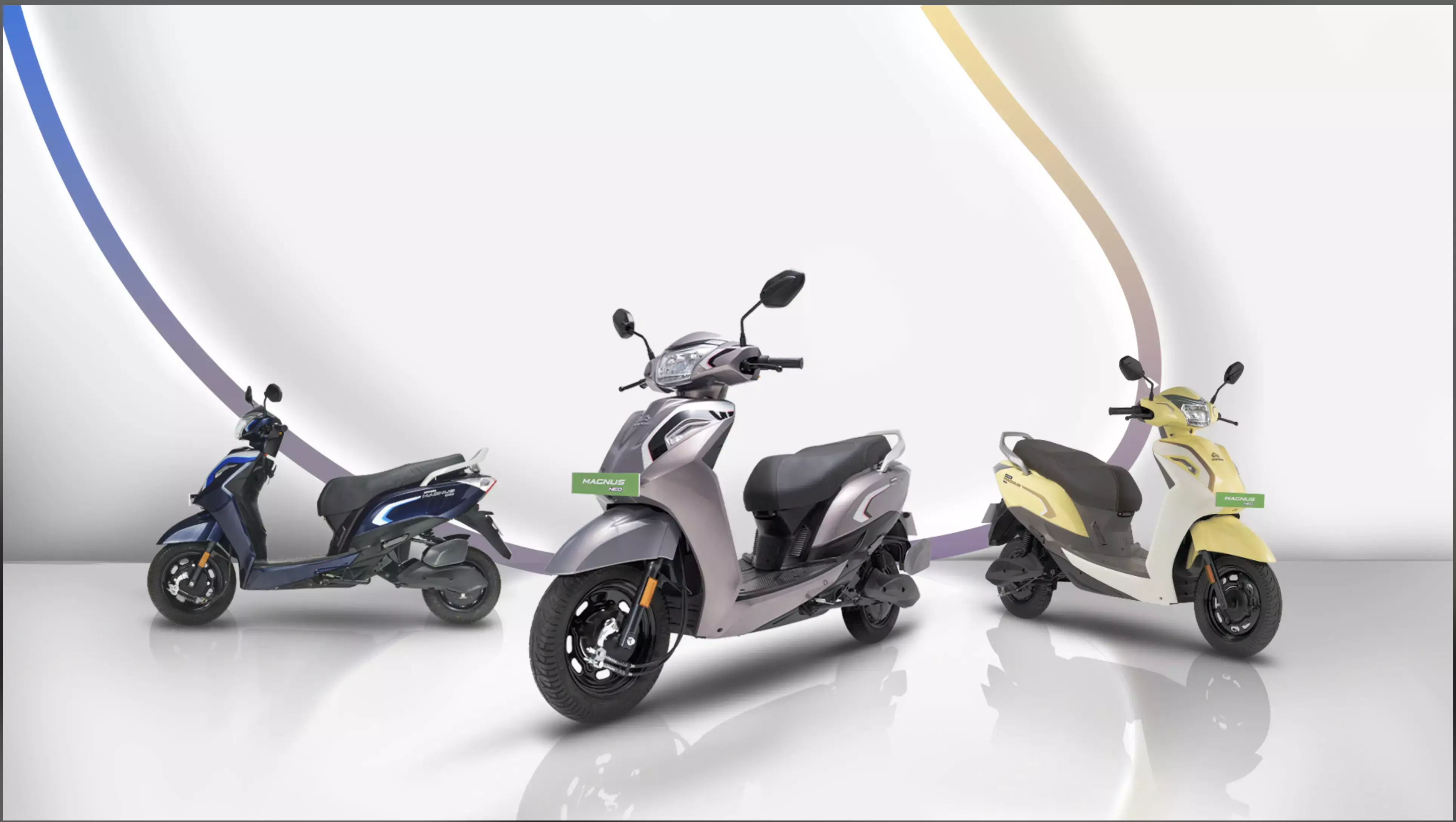
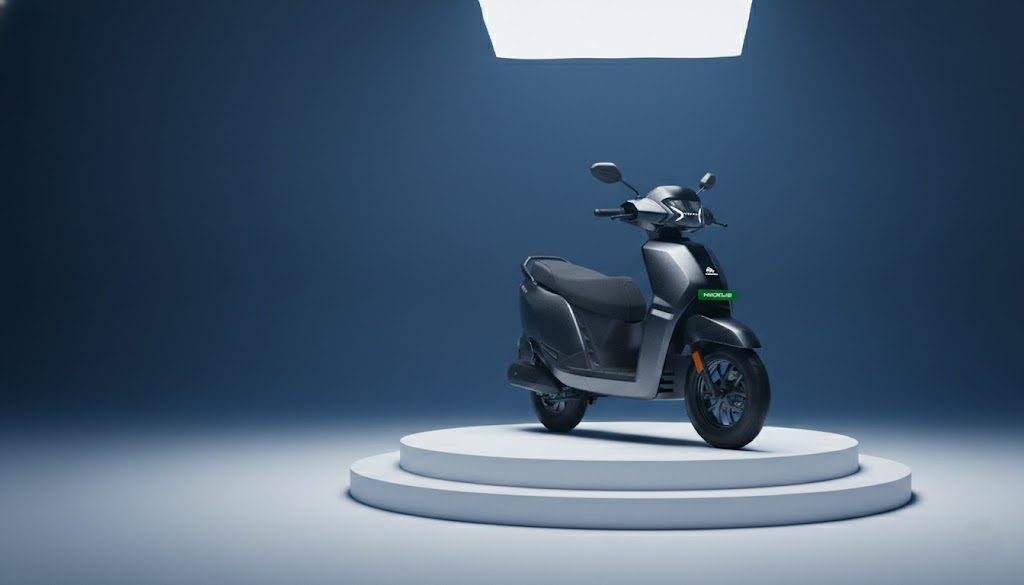
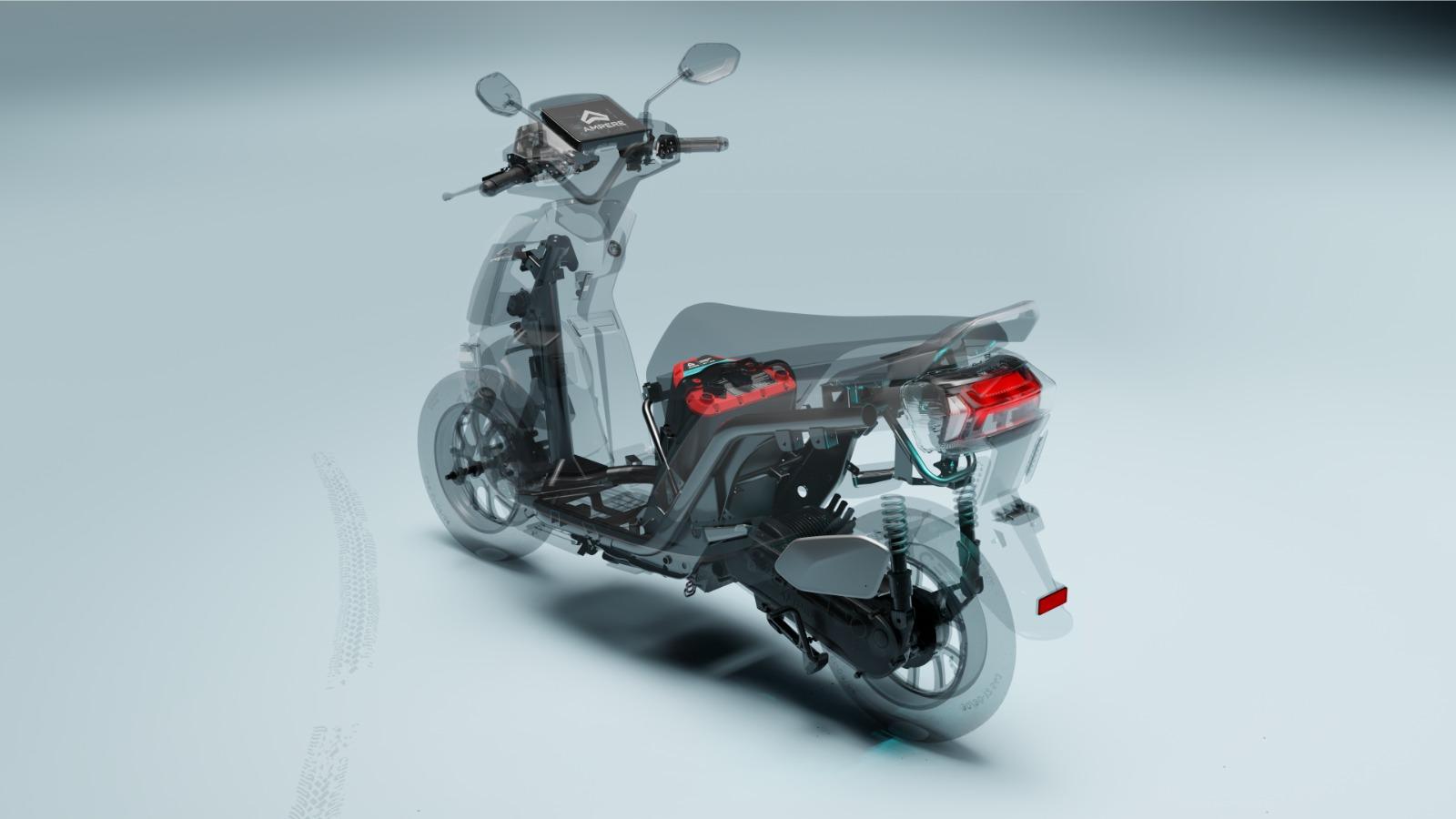
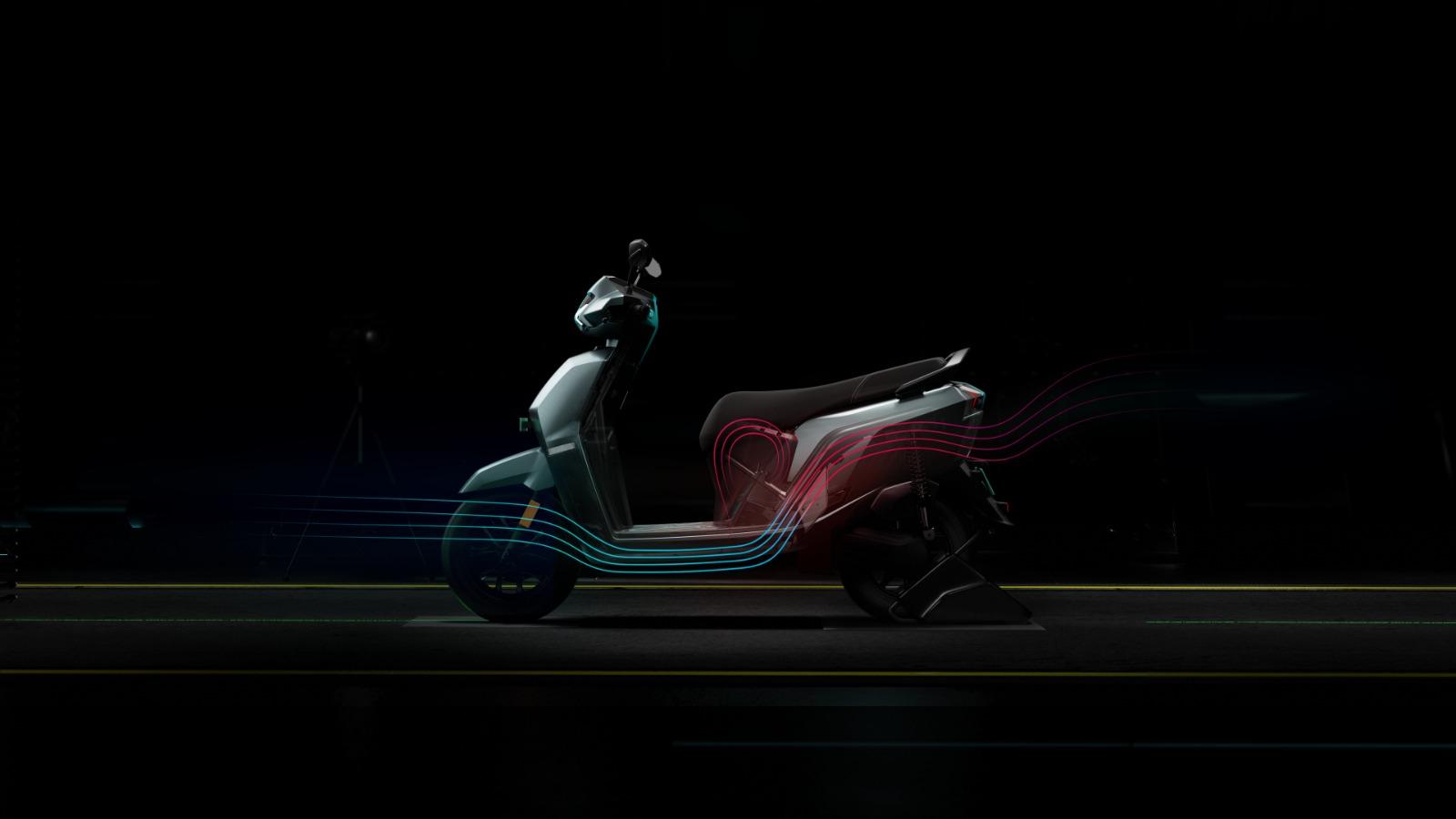

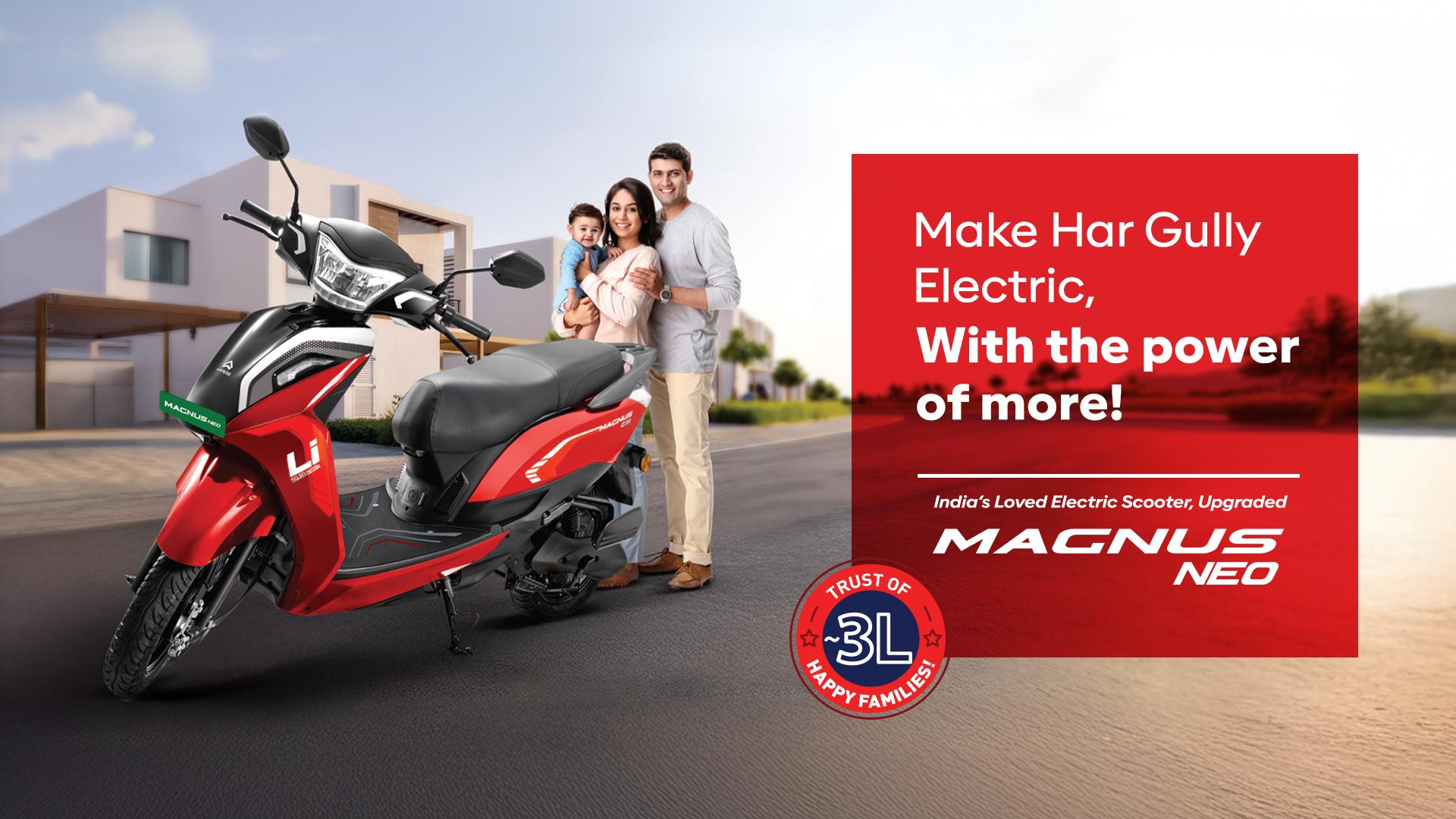
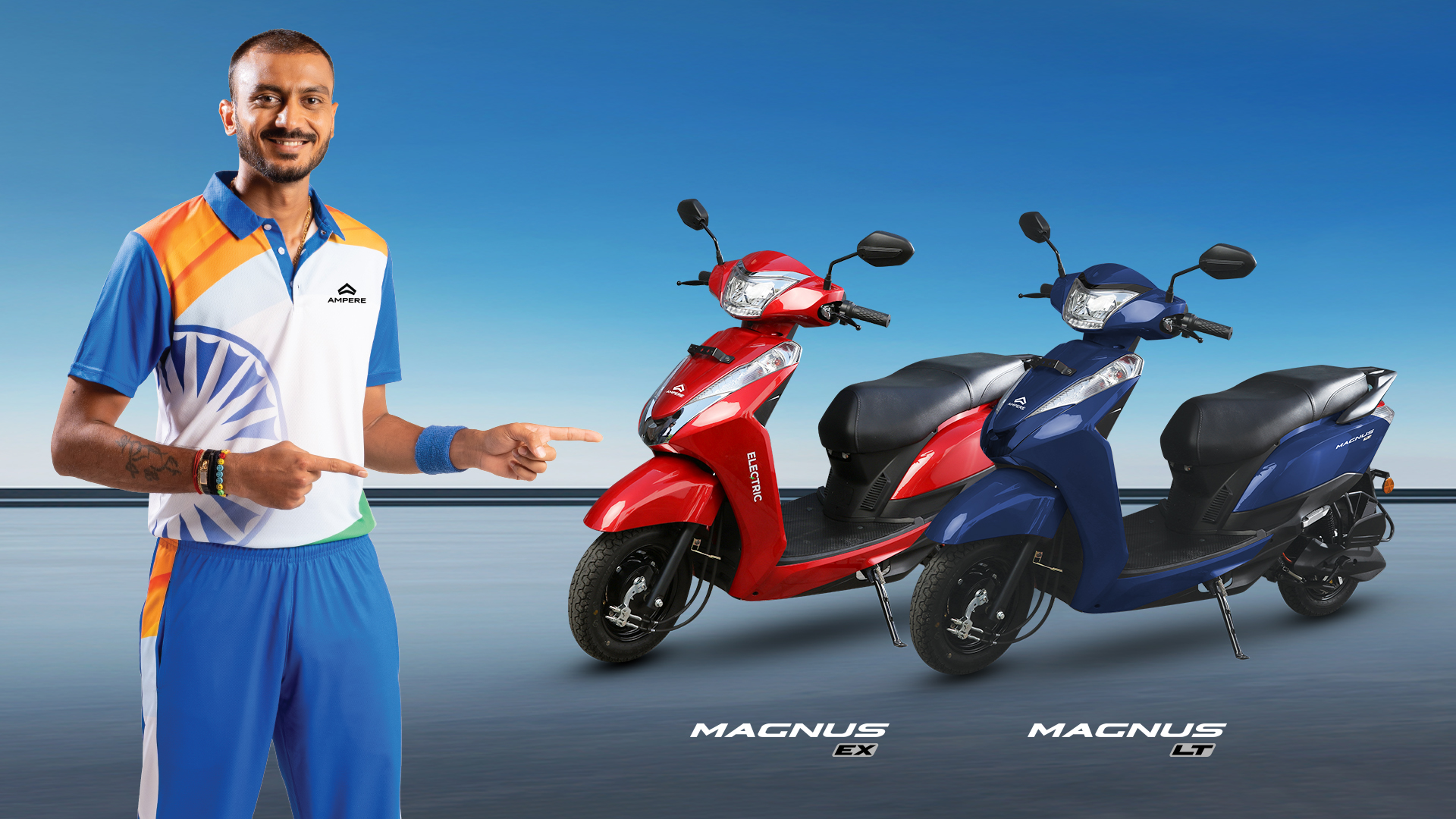
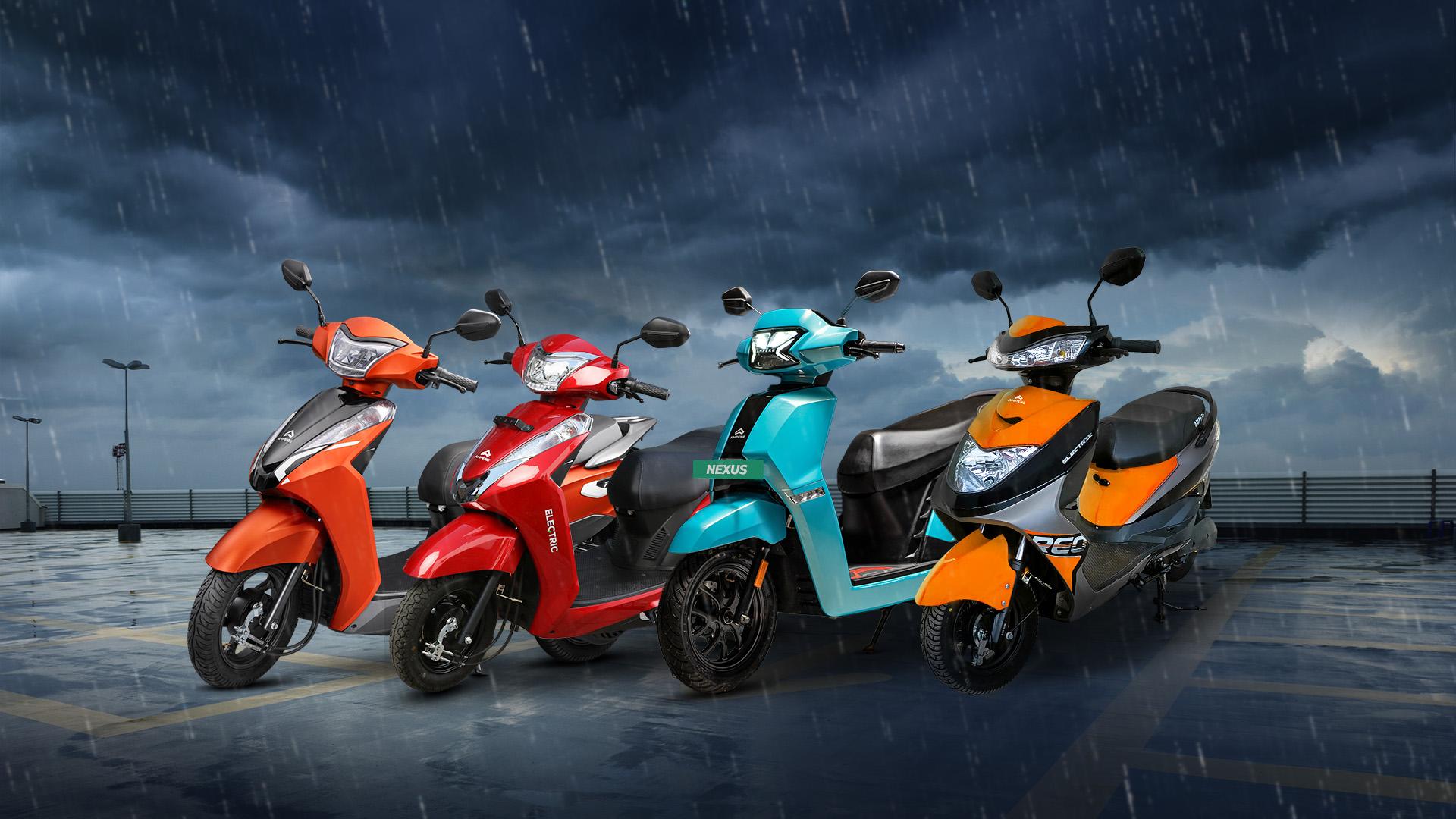
Ampere's range covers both ends clearly. Models like the Reo Plus address short-range everyday needs, while the Magnus EX suits riders who need more speed, range, and performance for longer routes across the city.
Quick Comparison: Low Speed vs High Speed Electric Scooters
| Feature | Low Speed Scooter | High Speed Scooter |
|---|---|---|
| Top Speed | Up to 25 km/h | 45–80+ km/h |
| Daily Range | 20–40 km | 50–80+ km |
| Motor Power | Below 250W typically | 250W to 3kW and above |
| Charging Time | 3–5 hours typically | 4–7 hours typically |
| Ideal For | Short local trips and neighbourhood errands | Cross-city commutes and longer daily routes |
Low Speed Electric Scooter Benefits for Short-Distance Commuting
In daily Indian traffic, the low speed versus high speed electric scooter question depends on your real use. On many busy city roads, average vehicle movement stays quite low for much of the day. For many riders, a low speed Ampere scooter is the most practical and affordable choice for short daily trips where maneuverability matters more than top speed.
Cost, Convenience, and Ownership Advantages
Key low speed electric scooter benefits — especially in Ampere's range — include:
- Simple mechanical parts and straightforward servicing with fewer components to maintain
- Very low running cost since electricity replaces petrol at a fraction of the per-km price
- Ampere's wide service network across India for easy, accessible maintenance
- In many states, sub-25 km/h scooters fall in a relaxed regulatory class — always confirm current rules with your local RTO
- Removable battery options for convenient charging at home or at a workplace without dedicated infrastructure
This combination makes Ampere's low speed models ideal for families sharing one scooter for nearby errands, students and homemakers riding within their neighbourhood, and senior citizens who want calm, predictable, easy-to-handle daily mobility.
Perfect for Electric Scooter Short Distance Commuting
Map your actual route before shortlisting any scooter. Think carefully about distance, road type, and your typical traffic conditions. Typical short-distance use cases well suited to Ampere's low speed range include:
- School drops and coaching centre runs within the same locality or neighbourhood
- Grocery and market visits a few kilometres from home
- Office or shop commutes within the same suburb or residential area
In many Indian cities, congestion limits real average speeds anyway. A lighter Ampere scooter is easier to handle in narrow lanes and crowded markets. In semi-urban areas with frequent power cuts, Ampere's removable battery option means you can charge at home without fixed charging points in the parking area.
High Speed Electric Scooter for City Commuting: When Is It Worth It?
Ideal Commute Profiles for High Speed Scooters
If your daily route is long and involves faster roads, the low speed versus high speed electric scooter debate shifts clearly in favour of high speed. A high speed Ampere electric scooter for city commuting makes strong sense when you have a one-way travel distance of 20 to 40 km or more, cross-city trips linking distant suburbs and business districts, or regular use of ring roads, flyovers, and wider arterial roads.
Here, the Ampere Magnus EX — with higher top speed and stronger torque — helps you merge smoothly, clear junctions confidently, and complete long daily rides with noticeably less fatigue. Gig workers and field staff who ride many kilometres each day will find Ampere's high speed models reliable, practical, and cost-effective compared to continuing with petrol alternatives.
Subsidies, Running Costs, and Long-Term Value
High speed Ampere models usually cost more at purchase and require full registration and insurance. However, government EV subsidies in several Indian states can meaningfully reduce the upfront price. Electricity keeps per-km running cost well below petrol — especially for heavy daily riders covering 40 km or more. This long-term energy saving often justifies the higher purchase cost for anyone with a serious daily commuting distance.
How to Decide: Which Ampere Electric Scooter Is Right for Me?
Match Your Commute Distance, Roads, and Riding Style
Start with your actual route and real daily use. Note your one-way distance, the return trip, and typical weekly extras like errands and detours. Ask yourself honestly:
- How many kilometres do I actually ride on my busiest day of the week?
- How often do I use flyovers, ring roads, or open road stretches?
- How bad is traffic on my route on most days?
If your daily use is under 15 to 20 km on crowded, slow-moving roads, an Ampere low speed scooter like the Reo Plus fits best. The low speed benefits genuinely stand out here. For longer rides with flyovers or wider roads, the Ampere Magnus EX delivers the extra speed, range, and performance your commute actually needs.
New riders, older family members, and teenagers often feel safer and more confident on calmer Ampere low speed models. In semi-urban areas with weak charging infrastructure, a removable battery low speed scooter is far easier to live with day to day. In large metros with wider roads and better charging access, Ampere's high speed models make excellent daily partners.
Which Ampere Scooter Fits Your Commute?
| Your Commute Profile | Recommended Speed | Ampere Model to Consider |
|---|---|---|
| Under 15 km per day, local lanes and neighbourhood roads | Low Speed | Ampere Reo |
| Student or homemaker, inner city short trips | Low Speed | Ampere Reo |
| Senior citizen, neighbourhood and colony riding | Low Speed | Ampere Reo |
| Semi-urban area with frequent power cuts | Low Speed with removable battery | Ampere Reo |
| 15–40 km per day on mixed city roads | High Speed | Ampere Magnus Grand/G Max |
| Gig worker or field staff with high daily mileage | High Speed | Ampere Magnus Grand/G Max |
| Cross-city routes with flyovers and ring roads | High Speed | Ampere Magnus Grand/G Max |
| Tier 1 metro with long daily commute distance | High Speed | Ampere Magnus Grand/G Max |
Budget, Features, and Brand Positioning
First set your full realistic budget, including registration, insurance, and basic accessories. Then match it to features you will genuinely use every day. Ampere covers both low speed and high speed commuter segments at practical, value-driven prices — without the heavy premium of feature-rich performance brands.
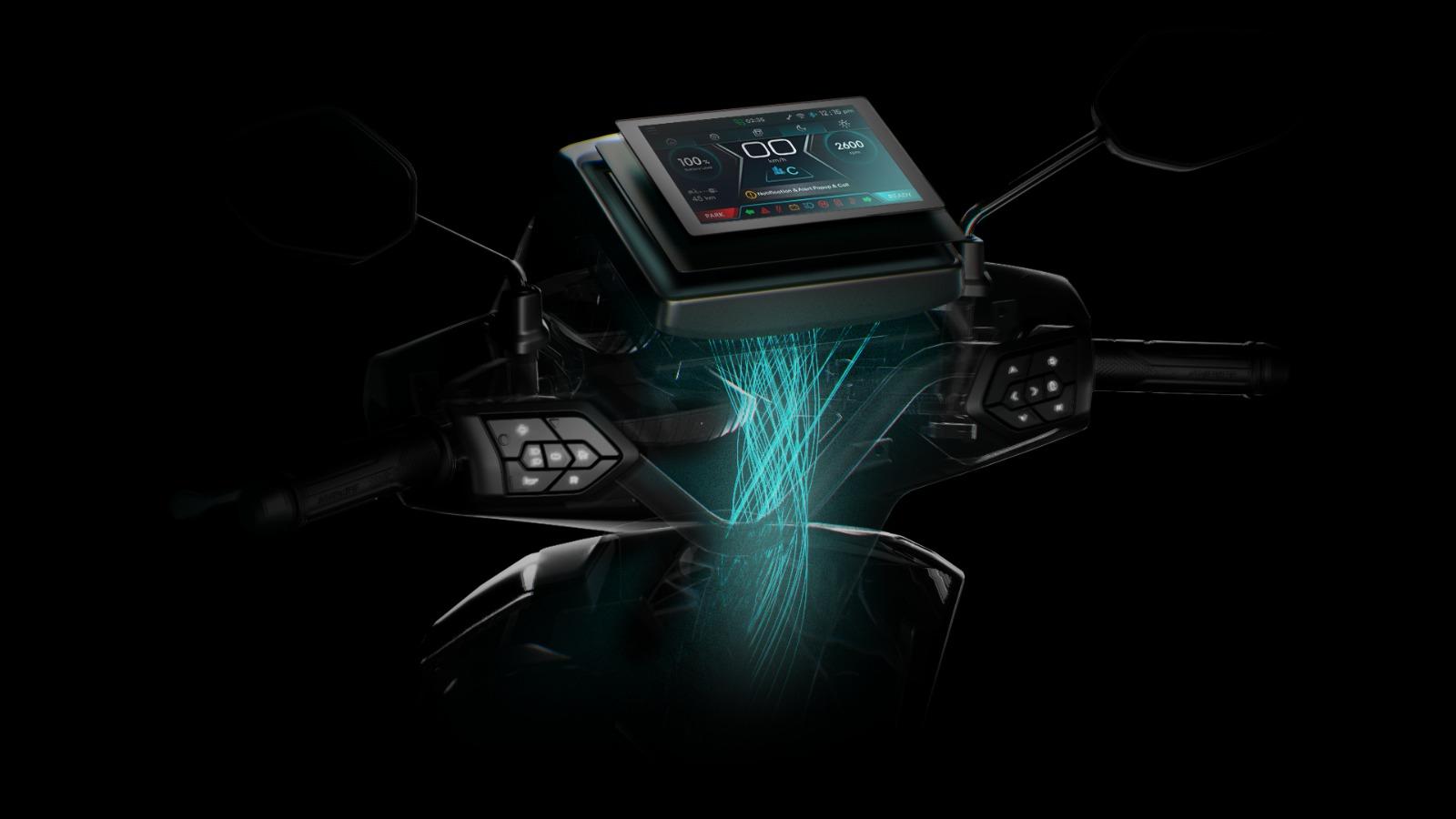
If you want large touchscreens and strong performance at a premium, brands like Ather, Ola Electric, TVS iQube, and Bajaj Chetak focus on high speed, feature-rich scooters at higher price points. Ampere's focus is different: reliable, practical, and affordable daily commuting — with a wide service network that genuinely matters when you need support outside a major metro. Always take a test ride of both types before making your final decision.
Frequently Asked Questions
Is a low-speed Ampere scooter enough for daily office commuting in Indian cities?
An Ampere low speed scooter works very well for short office commutes — dense traffic, inner city routes, and trips under about 10 to 15 km per day. In places like Bengaluru or Mumbai traffic, top speed often matters far less than manoeuvrability and running cost. For longer routes that include flyovers or arterial roads, a high speed Ampere scooter is usually safer and significantly less tiring.
Do I need a driving licence and registration for an Ampere low-speed electric scooter in India?
Many low speed electric scooters under 25 km/h often do not need a licence or registration under current Indian rules. However, requirements can differ by state and change over time as regulations evolve. Always check the latest position with your local RTO or visit an Ampere dealership to confirm the exact licence, number plate, and insurance requirements before you buy any specific model.
Which is cheaper in the long run — a low-speed or high-speed Ampere scooter?
Ampere's low speed models cost less to buy and insure, and suit riders with short daily distances and simple commuting needs. High speed Ampere models cost more upfront but can repay that investment over time if you ride 40 to 80 km daily and save significantly on petrol. State EV subsidies can also narrow the initial price gap meaningfully. Both options offer very low per-km running costs compared to any petrol scooter.
Can I use a high-speed Ampere scooter for short-distance commuting?
Yes — a high speed Ampere scooter can absolutely be used for short trips. It may feel like overkill if your routes are very short, but it gives you full flexibility for future longer rides as your needs change. The advantages include stronger pickup, better stability at varying speeds, and more range. The trade-offs are a higher purchase price, more documentation and insurance, and slightly higher insurance premiums. If your commute is likely to grow, starting with Ampere's high speed range is a sensible long-term investment.
How does Ampere compare with Ather, Ola Electric, TVS iQube, Bajaj Chetak, and Okaya EV for daily commuting?
Ampere focuses on practical, value-driven commuter scooters in both low speed and high speed segments, backed by a wide service network across India — making it especially strong for riders in tier 2 towns and semi-urban areas, not just large metros. Brands like Ather, Ola Electric, TVS iQube, and Bajaj Chetak typically highlight premium features and stronger performance at higher price points. Okaya EV is another commuter-focused option worth comparing. Riders should compare comfort, real-world range, local service reach, and total on-road budget carefully before deciding — and for everyday accessible value, Ampere consistently stands out.
Conclusion
Choosing between a low speed and high speed electric scooter depends entirely on your real commute, not just the specifications on paper. Short, local trips in heavy traffic favour Ampere's low speed models — with lower cost, simpler paperwork, easy handling, and removable battery convenience. Longer daily rides with flyovers, ring roads, or suburban corridors favour Ampere's high speed scooters — with extra range, stronger performance, and solid long-term reliability.
The most practical next step is simple. Map your daily and weekly routes accurately, note the distances and road types, then fix a clear total budget. After that, shortlist both low speed and high speed Ampere options and take a test ride of each type at your nearest Ampere dealership. The scooter where you feel safest, most comfortable, and most confident in your own riding conditions is always the best Ampere electric scooter for your daily commute.