EV Battery Technology Explained: LFP vs Lithium-Ion Battery Scooter and Why It Matters for Your Next Scooter
In 2026, most electric scooters in India use lithium-based batteries — but Li-ion covers a broad family of chemistries, not a single battery type. LFP (Lithium Iron Phosphate) and NMC (Nickel Manganese Cobalt) are the two most common in Indian two-wheelers today.
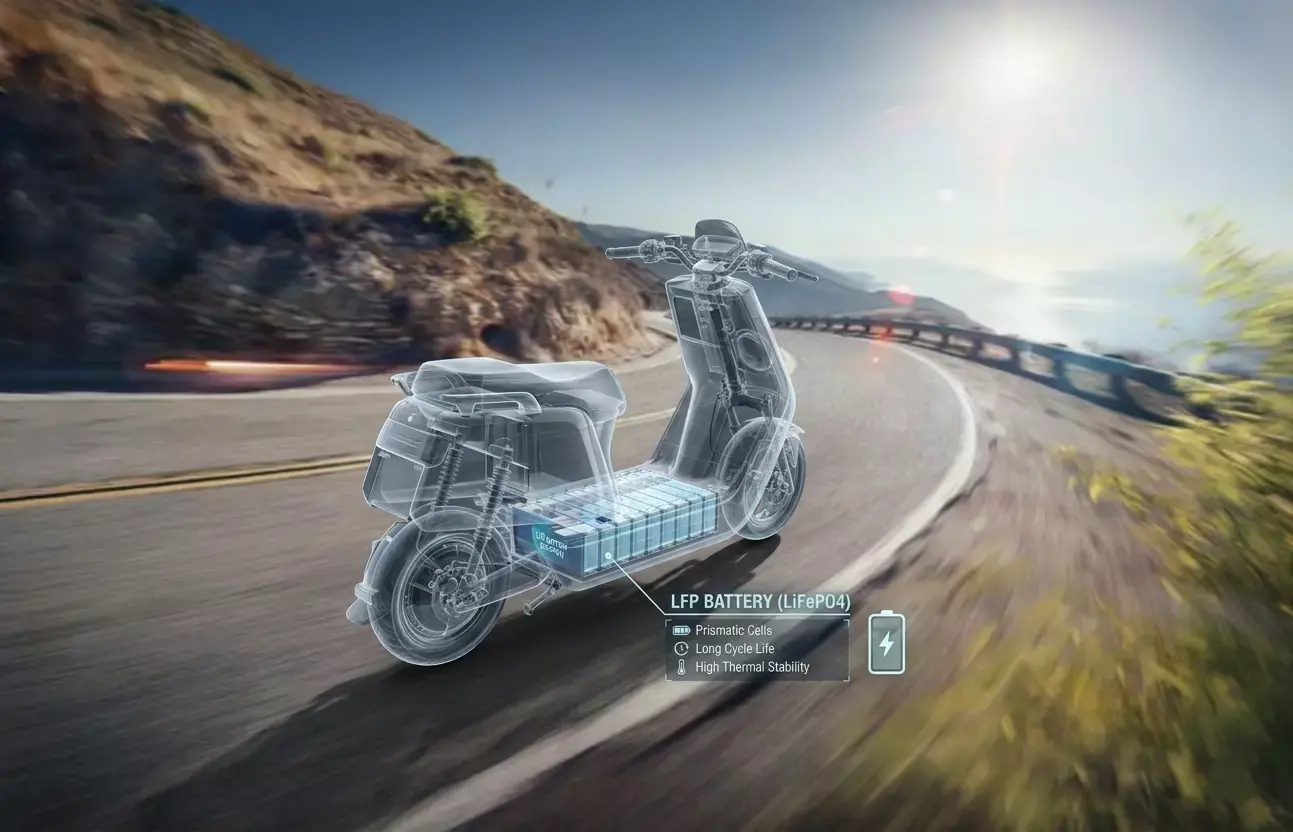
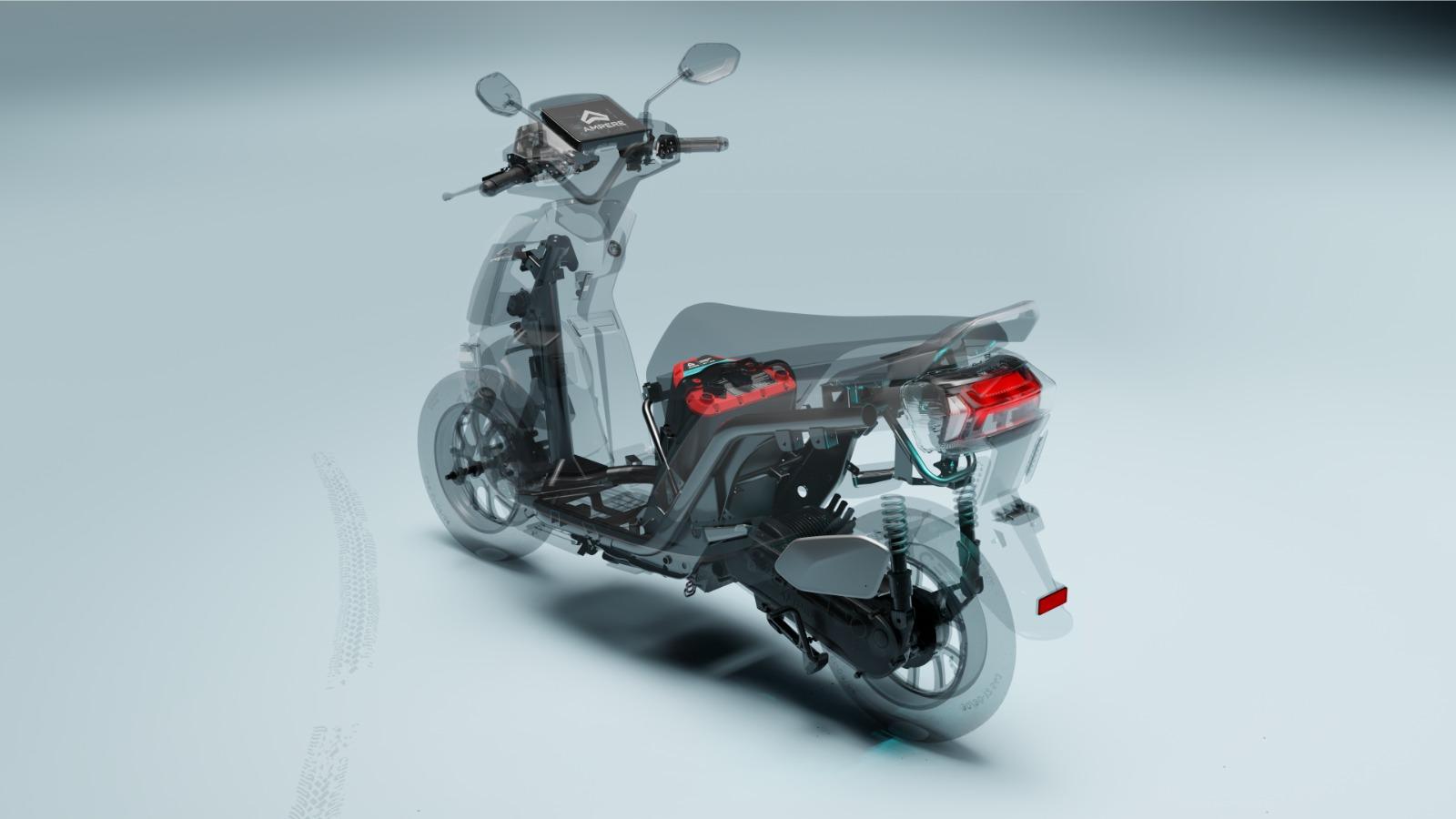
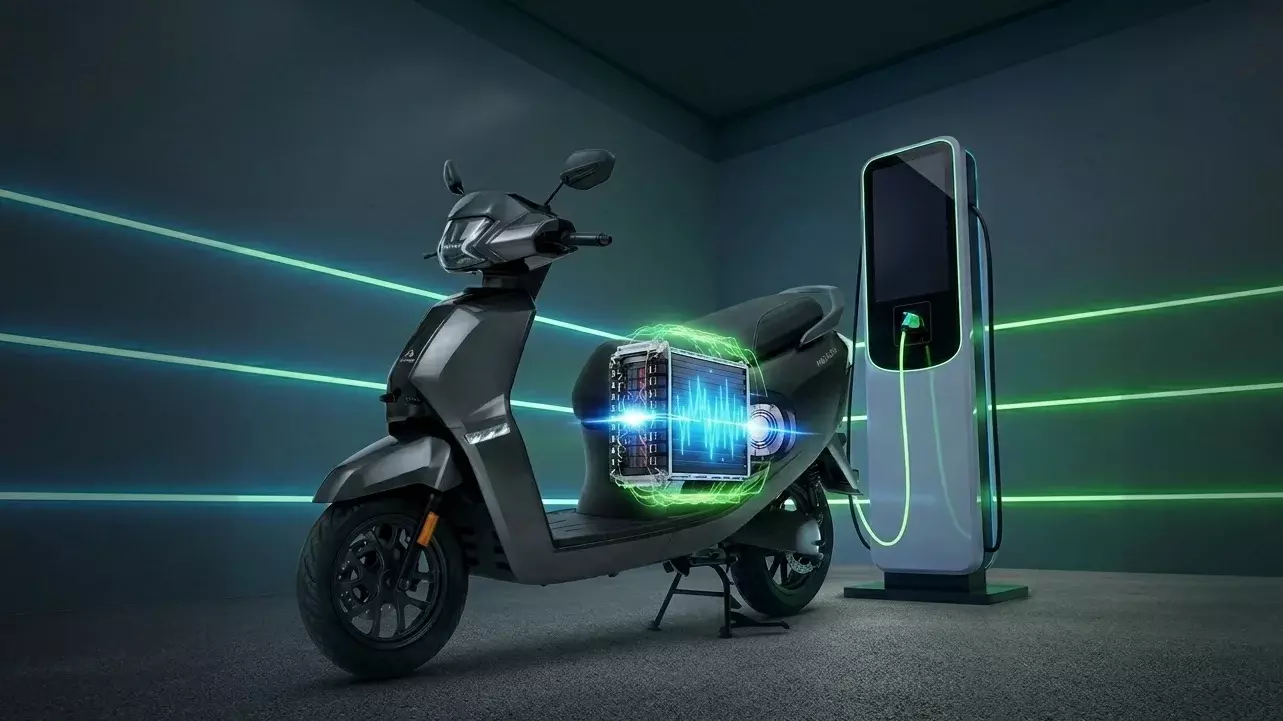
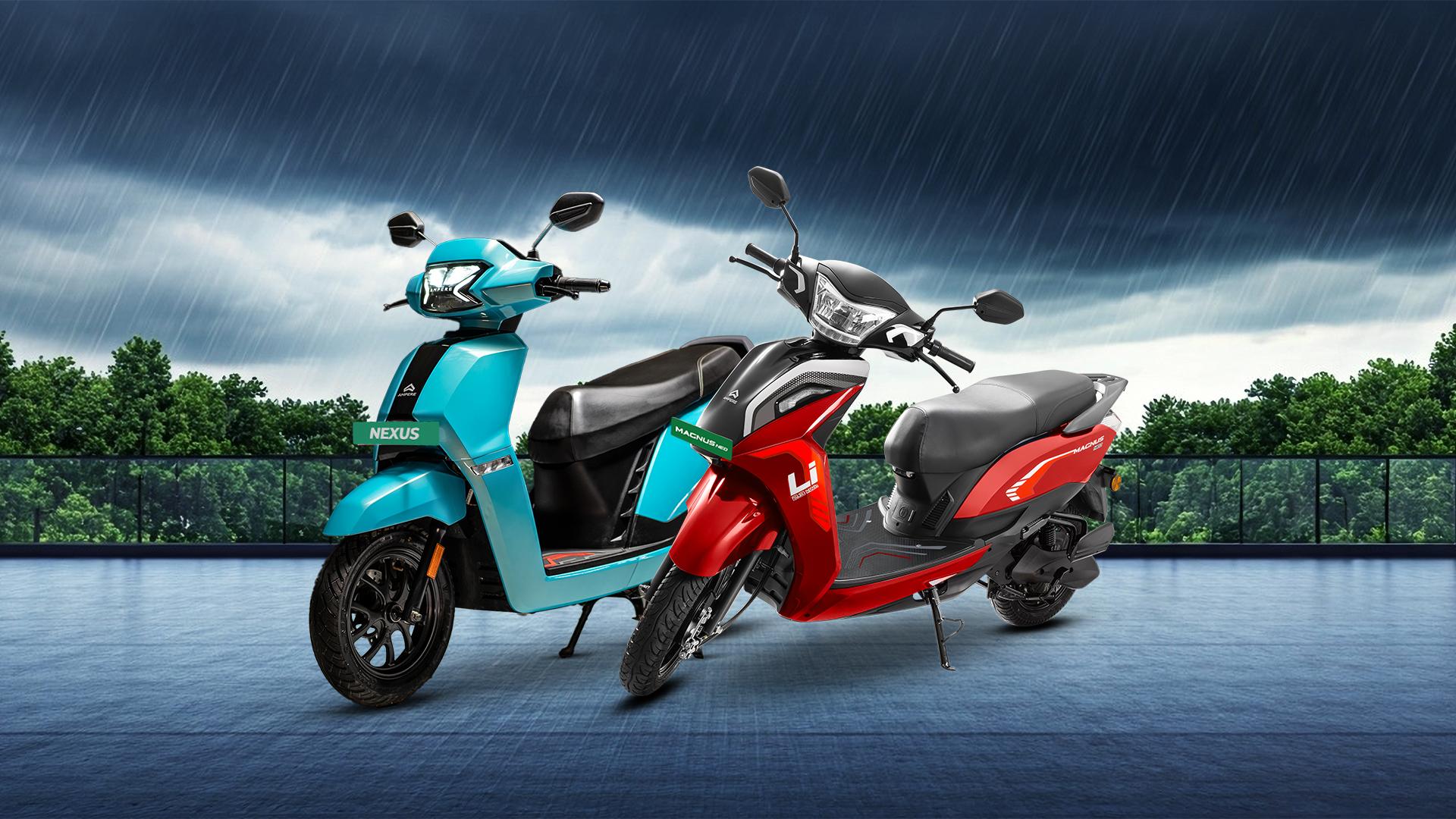
LFP offers superior thermal stability in India's heat and a longer useful cycle life. NMC typically offers higher energy density and more range from the same battery weight. Ampere uses LFP across its entire current lineup — from the Reo 80 to the Nexus — specifically for Indian weather conditions, stop-go traffic, and long-term ownership requirements.
EV Battery Technology Explained in Simple Terms
What Does Li-Ion Actually Mean?
When you see Li-ion on a scooter brochure, it means lithium-ion — a broad family of battery chemistries, not one specific type. The main subtypes relevant to Indian electric scooters are LFP (Lithium Iron Phosphate), NMC (Nickel Manganese Cobalt), and NCA (Nickel Cobalt Aluminium).
LFP is also a lithium-ion chemistry — it uses iron phosphate as the cathode material rather than nickel or cobalt compounds. This distinction in cathode chemistry is the core of LFP vs Li-ion comparisons in daily practical use. Ampere's consistent choice of LFP across its full model range reflects a deliberate engineering decision made specifically for Indian riding and ownership conditions.
LFP vs Li-Ion Batteries: Core Differences Riders Should Know
| Property | LFP (Lithium Iron Phosphate) | NMC (Nickel Manganese Cobalt Li-ion) |
|---|---|---|
| Thermal stability | Higher — more tolerant of heat and overcharge conditions | Lower — more sensitive to high ambient temperatures |
| Thermal runaway risk | Lower — less prone to chain reaction in Indian summer heat | Higher — requires tighter active thermal management |
| Energy density | Lower — slightly heavier pack for the same stored range | Higher — more range or a lighter pack for the same energy |
| Cycle life | Higher — typically 2,000 to 3,000 or more full cycles | Moderate — typically 500 to 1,500 full cycles |
| Long-term range fade | Slower — capacity holds better over many years of daily use | Faster — more noticeable capacity drop after 2 to 3 years |
| Best for Indian summers | Yes — stable in 40 to 45°C ambient conditions without special cooling | Needs better thermal management in extreme heat conditions |
| Running cost impact | Lower long-term cost due to fewer early replacements needed | Potentially higher if the pack needs earlier replacement |
General comparison between LFP and NMC Li-ion battery chemistries. Actual performance depends on individual battery design, BMS quality, and real-world operating conditions.
How Ampere's LFP Approach Plays Out Across Its Model Range
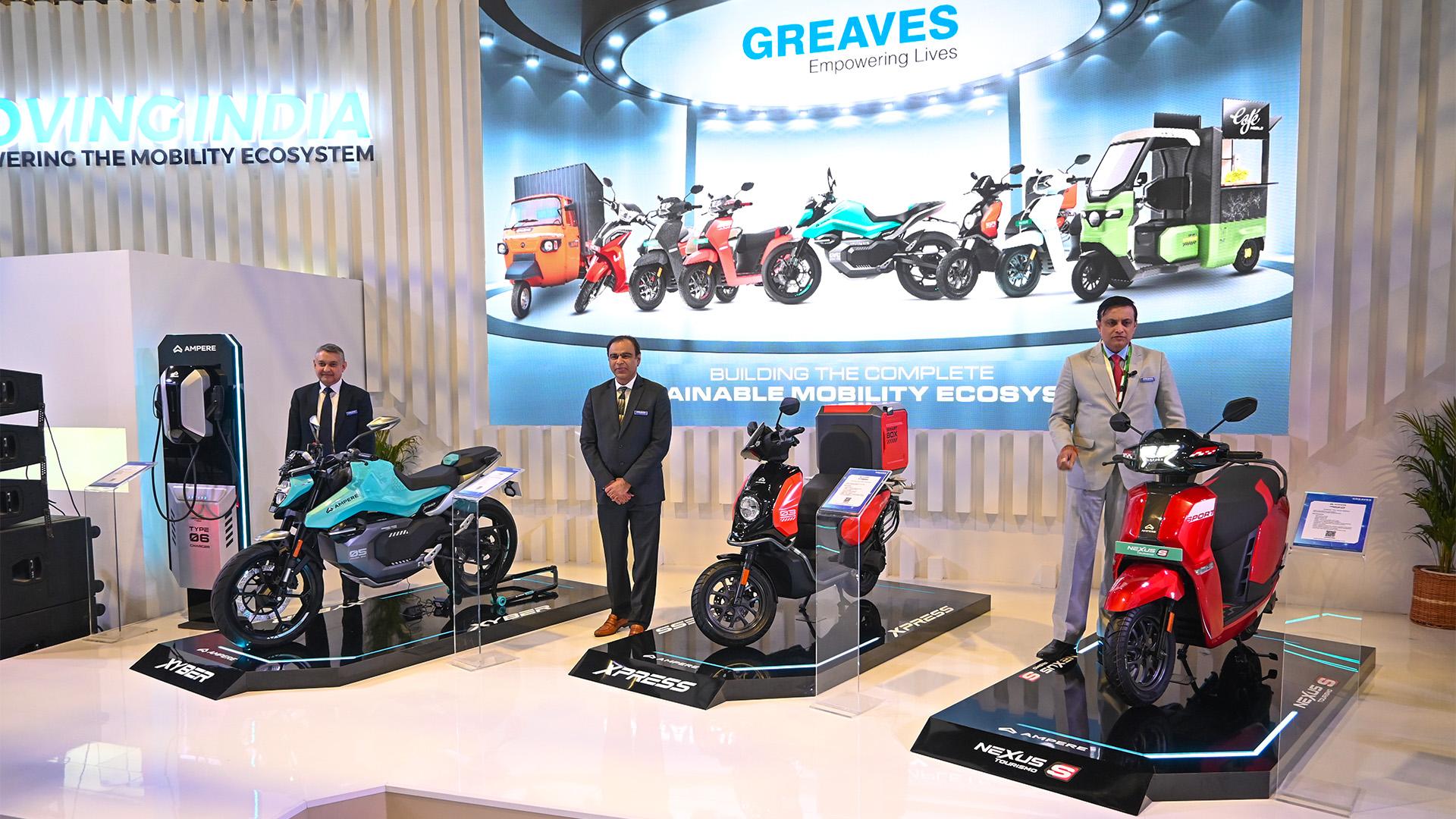
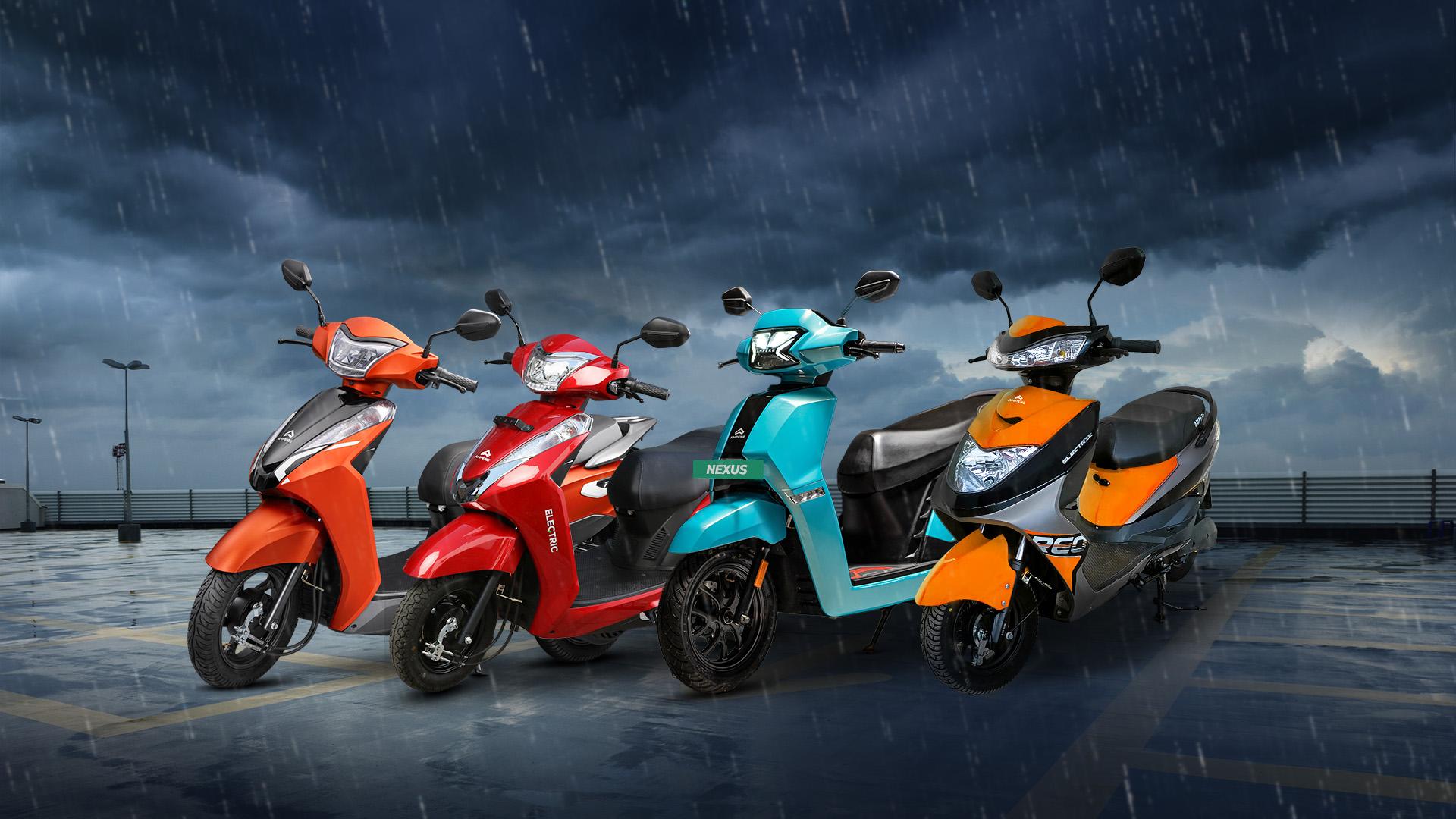
Ampere uses LFP batteries consistently across its entire current lineup — a deliberate choice made for Indian heat, stop-go urban traffic, and long battery service life requirements. Here is how the LFP implementation differs in capacity and warranty terms across models:
| Ampere Model | Battery Capacity | Battery Type | Battery Warranty | Removable |
|---|---|---|---|---|
| Reo 80 | 1.44 kWh | LFP | 3 years / 30,000 km | Yes |
| Magnus Neo | 2.3 kWh | LFP | 5 years / 75,000 km | No |
| Magnus Grand | 2.3 kWh | LFP | 5 years / 75,000 km | No |
| Magnus G Max | 3.0 kWh | LFP | 5 years / 75,000 km | No |
| Nexus | 3.0 kWh | LFP | 5 years / 75,000 km | No |
Source: ampere.greaveselectricmobility.com
Choosing the Best Battery for Your Electric Scooter: A Simple Decision Guide
| If You Prioritise | Best Battery Choice and What to Check |
|---|---|
| Safety, thermal stability, and long cycle life for Indian heat and open parking | LFP — Check warranty years and km cap, claimed cycle life, and cooling and enclosure design. Ampere's full lineup uses LFP for exactly these reasons. |
| Maximum range, strongest pickup, or lighter pack weight | NMC-type Li-ion — Ask about BMS quality, real-world range, thermal management in 40°C+ conditions, and full warranty and likely replacement cost. |
| First-time EV buyer wanting simple, low-stress ownership | LFP — Forgiving of varied charging habits, stable in different conditions, and Ampere backs it with a clear warranty structure across all five models. |
| Delivery rider or fleet operator with high daily kilometre needs | LFP — Higher cycle life means longer before meaningful capacity drop. Magnus Grand (5yr/75k) or Magnus G Max (5yr/75k, 142 km IDC range) suit heavy daily use. |
| Budget-conscious rider doing short city trips | LFP — Ampere Reo 80 at ₹59,900 with 1.44 kWh removable LFP and ₹0.12/km running cost. The only removable battery model in the current Ampere lineup. |
Decision guide based on LFP battery characteristics and Ampere's official model specifications at ampere.greaveselectricmobility.com
Questions to Ask in the Showroom
Before finalising any electric scooter purchase, make sure you get clear answers to these specific battery questions from the dealer:
- What is the exact battery chemistry — LFP, NMC, or NCA — used in this specific model?
- What is the expected cycle life and how long before noticeable range decline in real use?
- What is the full battery warranty covering — years and the kilometre limit that applies?
- What is the likely out-of-warranty battery replacement cost for this model?
- What are the recommended fast charging and home charging rules to protect long-term health?
- If the battery is not removable, how does the BMS protect it during extreme heat and open parking?
Frequently Asked Questions
Are LFP batteries safer than other Li-ion batteries for Indian conditions?
LFP batteries are generally more thermally stable than NMC Li-ion packs under the same conditions. They handle high ambient temperatures more reliably, which matters significantly in hot Indian cities and open outdoor parking situations. This characteristic lowers thermal runaway risk compared to NMC alternatives. Ampere's decision to use LFP across its entire lineup directly reflects this safety priority for Indian riders and ownership conditions.
Which lasts longer in years: LFP or typical NMC Li-ion scooter batteries?
In most real-world comparisons, LFP batteries offer higher total cycle life and slower capacity degradation over time. They cope particularly well with daily top-up charging and frequent partial charge sessions — which is exactly how most Indian apartment and office-based riders actually use their scooters. Ampere backs its LFP packs with a 5-year or 75,000 km warranty on all models except the Reo 80, which carries a 3-year or 30,000 km battery warranty.
Will choosing LFP reduce my scooter's range or performance too much for daily use?
LFP does have lower energy density than many NMC Li-ion cells, which can mean slightly less range for the same pack weight. However, Ampere balances this through motor tuning and software optimisation across its models. The Magnus G Max with its 3.0 kWh LFP pack delivers 142 km IDC range — comfortably covering most Indian daily commutes with meaningful headroom to spare.
How do I know what battery chemistry a scooter brand is actually using?
Start by checking the official spec sheet and product brochure for specific terms like LFP, NMC, or NCA. If these terms are not clearly stated, ask the showroom staff directly to confirm the exact chemistry and if possible the cell supplier. For all Ampere models, the LFP chemistry is officially listed and confirmed on ampere.greaveselectricmobility.com for every model in the current lineup.
What charging habits help any EV scooter battery last longer?
Avoid leaving the scooter parked in strong direct sunlight for extended periods. Do not keep the battery sitting at 0 percent or 100 percent charge for multiple consecutive days. Regular partial top-up charges are perfectly fine for both LFP and NMC packs in normal use. Always follow the brand's specific charging guidelines and use only approved chargers. Install any BMS software updates promptly when they are offered by the manufacturer.
Conclusion
Choosing between LFP and other Li-ion batteries is about finding the right fit for your specific riding life, not following specifications hype. LFP leans toward thermal safety, long cycle life, and lower long-term running cost — making it ideal for Indian heat, open parking conditions, and apartment-based charging routines. NMC-type Li-ion leans toward higher energy density and lighter pack weight — better suited when maximum claimed range is the absolute top priority.
Ampere's consistent decision to use LFP across its full five-model lineup directly reflects the realities of Indian roads, summer temperatures, and typical ownership patterns across metros and smaller cities alike. List your top priorities honestly, ask clear battery questions at every showroom you visit, confirm the chemistry, expected cycle life, full warranty terms, and likely replacement cost — then choose the battery that genuinely fits your daily rides and long-term ownership expectations.