Battery anxiety is the single most common reason Indian riders hesitate before buying their first electric scooter. Questions like whether the battery will die in three years, or what a replacement actually costs, are completely reasonable — and yet most brand marketing skates past them with vague reassurances.
This guide gives you the real data, honest caveats, and a direct competitor comparison so you can decide with genuine confidence.
What Actually Determines EV Battery Life?
Every lithium battery has a finite number of charge cycles before its usable capacity starts declining. A cycle means one full charge from 0 to 100 percent, though in real daily use most riders do partial charges — which extend cycle life considerably compared to worst-case lab projections.
Three chemistry-level factors shape longevity more than anything else:
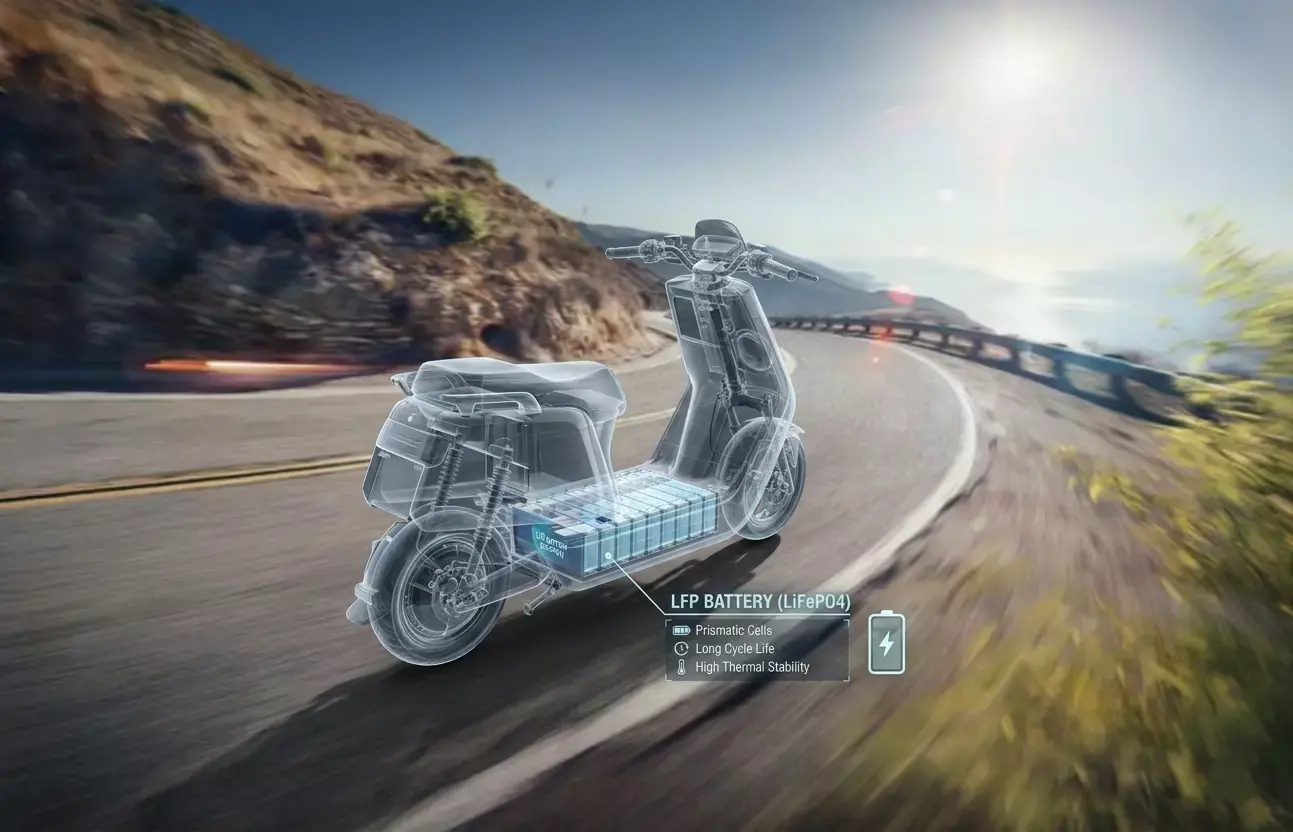
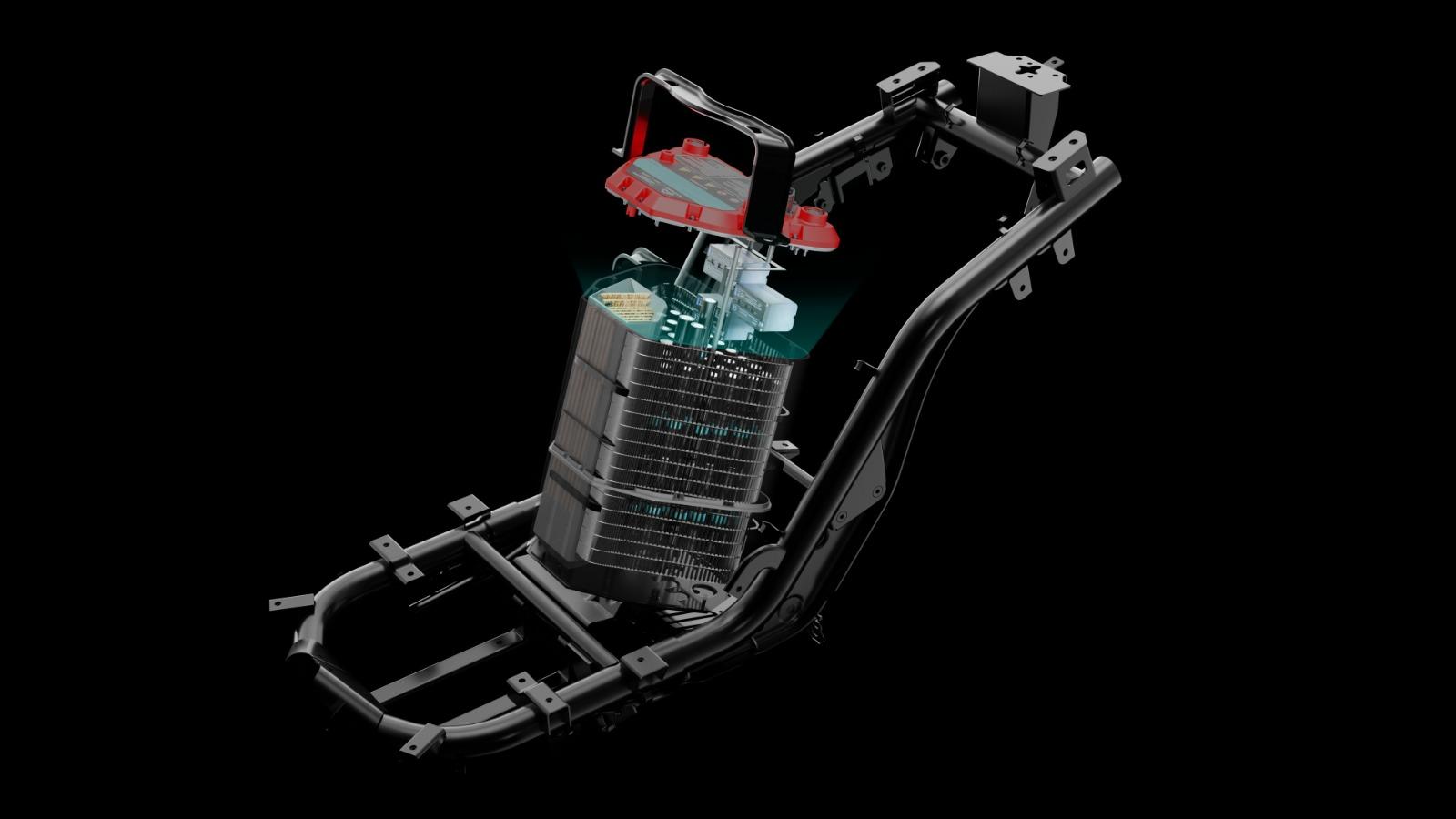
- Battery chemistry — LFP (Lithium Iron Phosphate) versus NMC (Nickel Manganese Cobalt). LFP is inherently more thermally stable and supports significantly more charge cycles before degradation begins.
- Thermal management — how well the battery handles India's heat, especially summer peak temperatures above 42°C in cities like Ahmedabad, Nagpur, and Delhi.
- Depth of discharge — regularly draining to zero and charging to 100 percent accelerates ageing far faster than keeping the battery between 20 and 80 percent in daily use.
In everyday Indian city commuting — short hops, partial charges, overnight top-ups — most modern EV batteries degrade far more slowly than worst-case lab projections suggest when treated with basic care.
LFP vs NMC: Why Battery Chemistry Is the Most Important Choice You Make
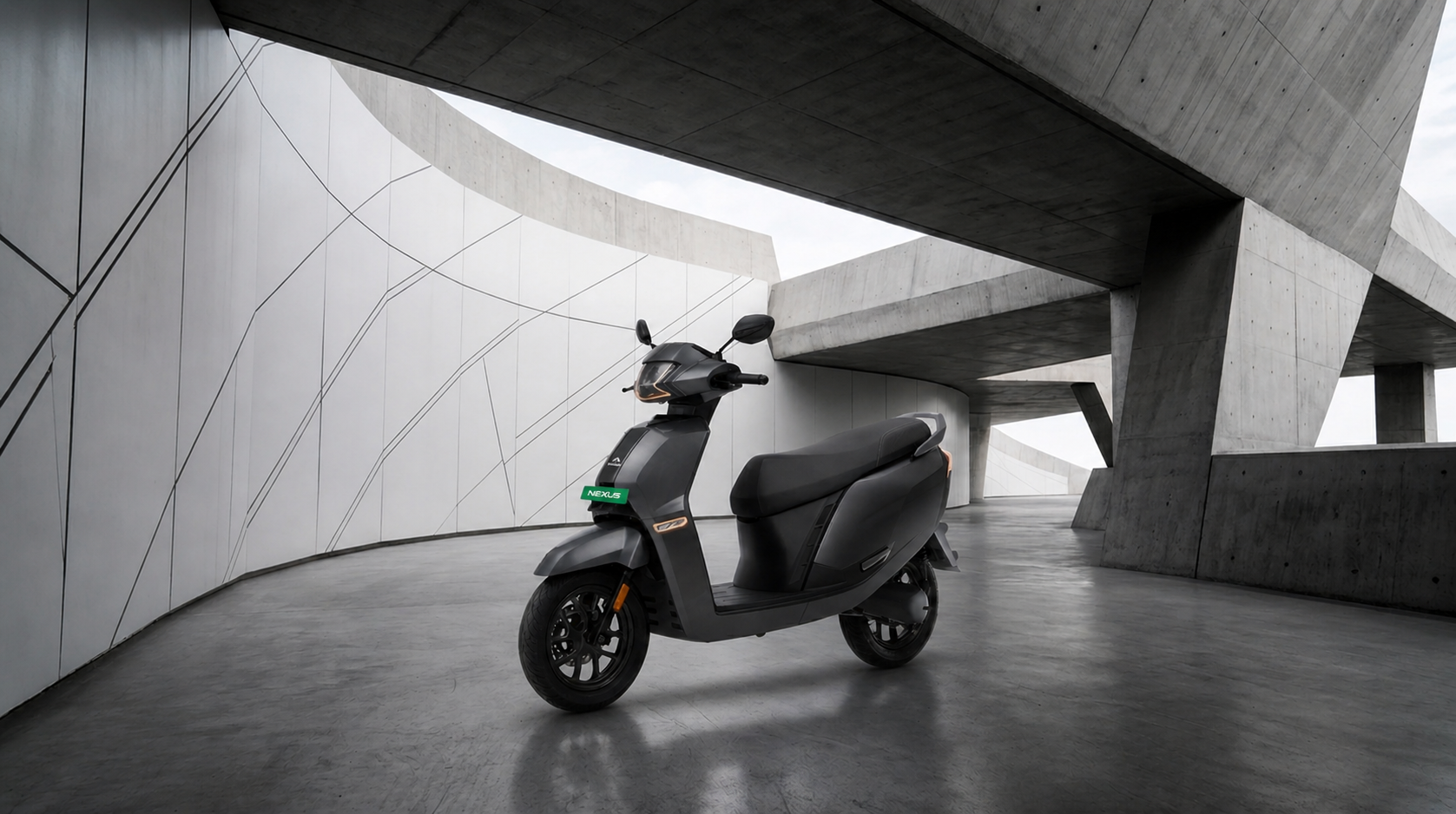
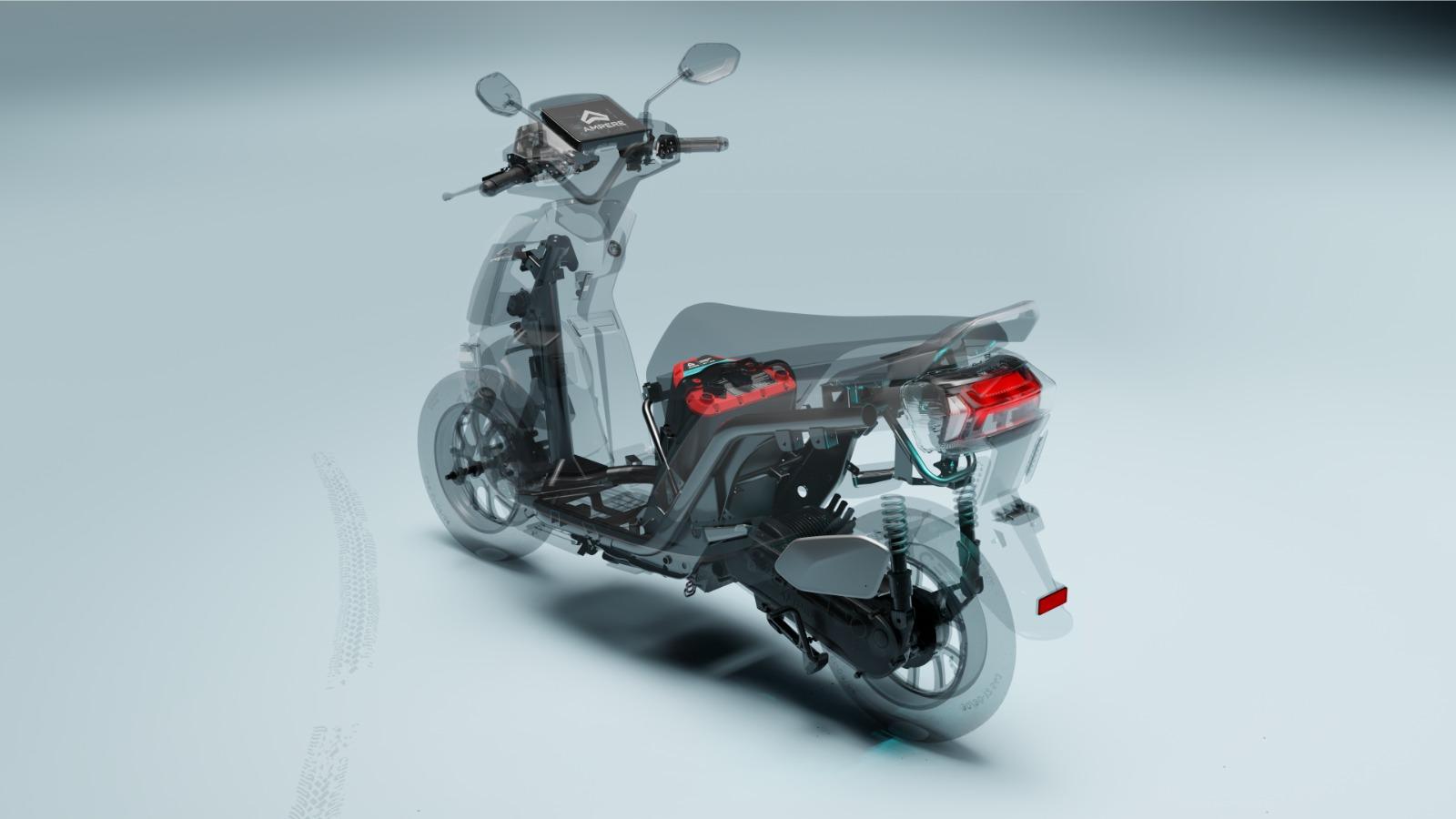
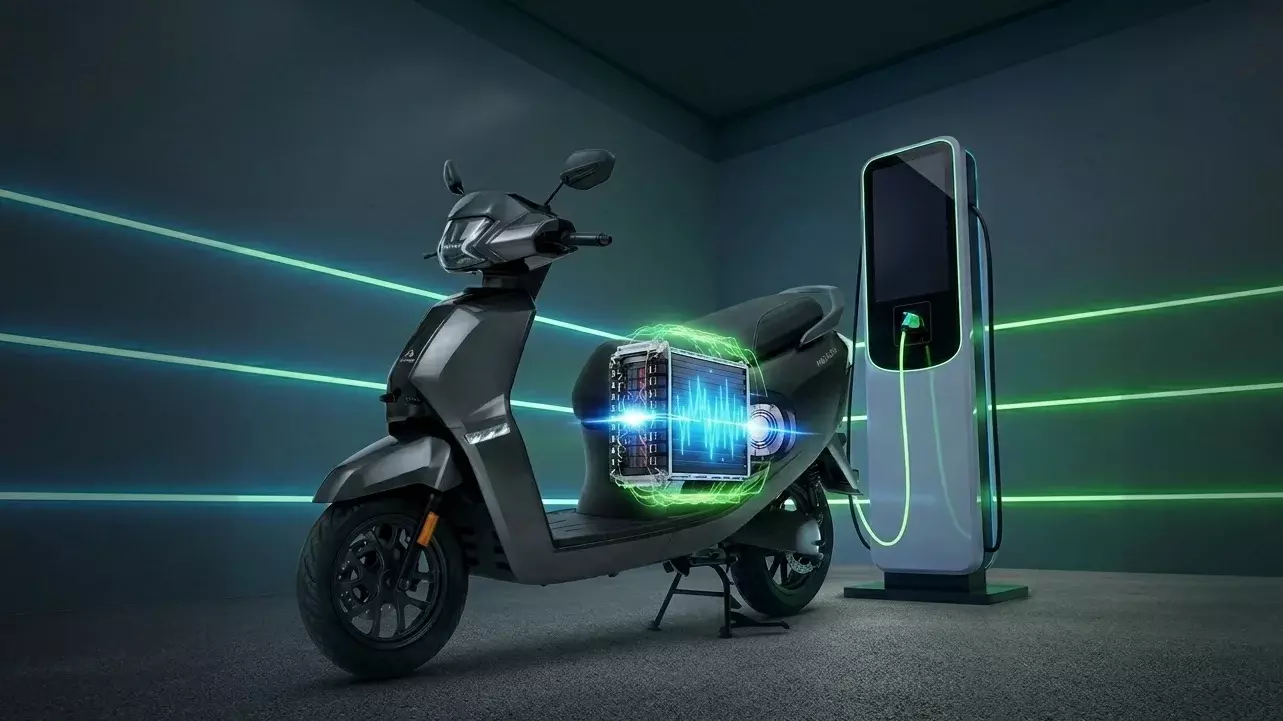
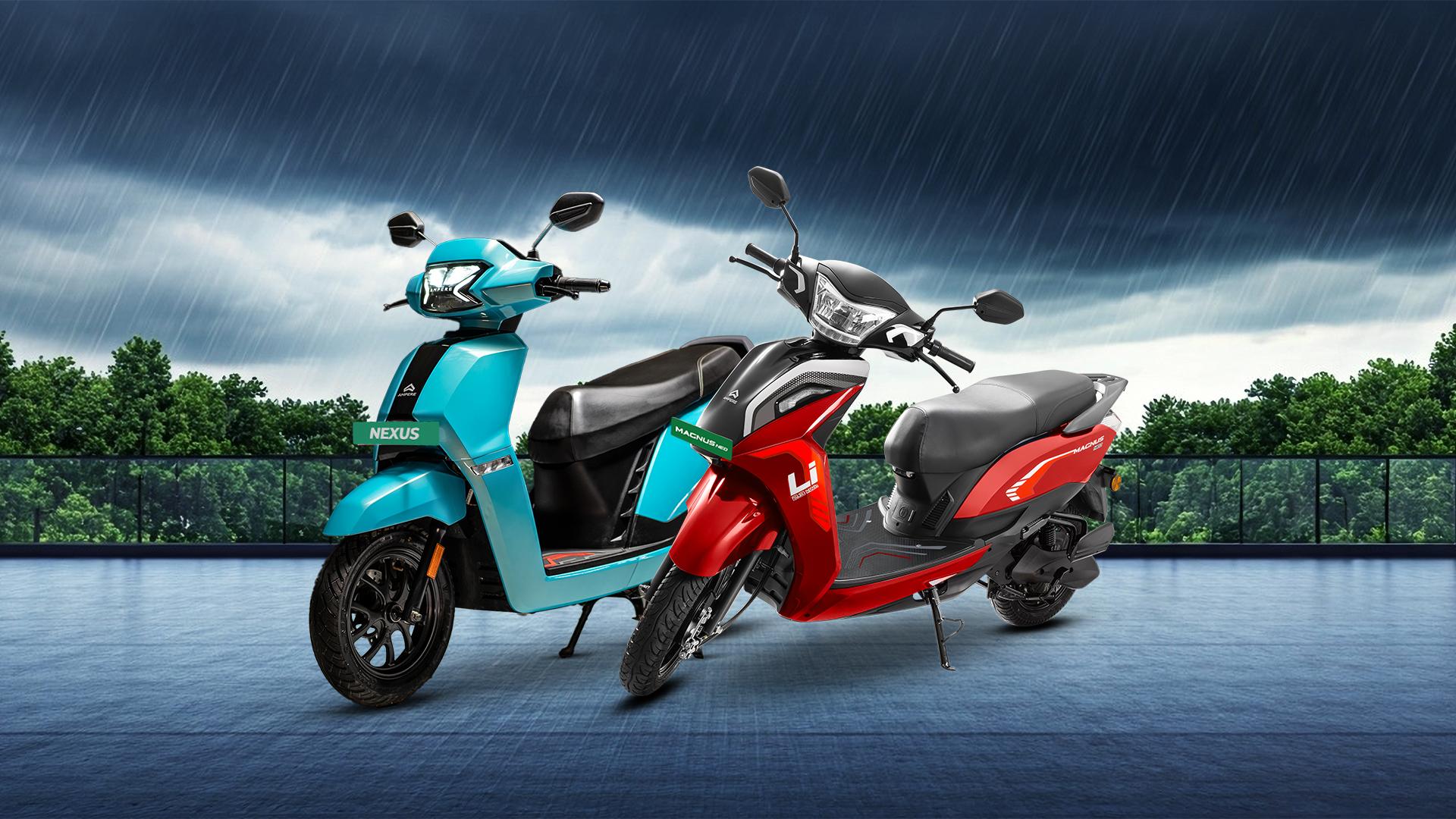
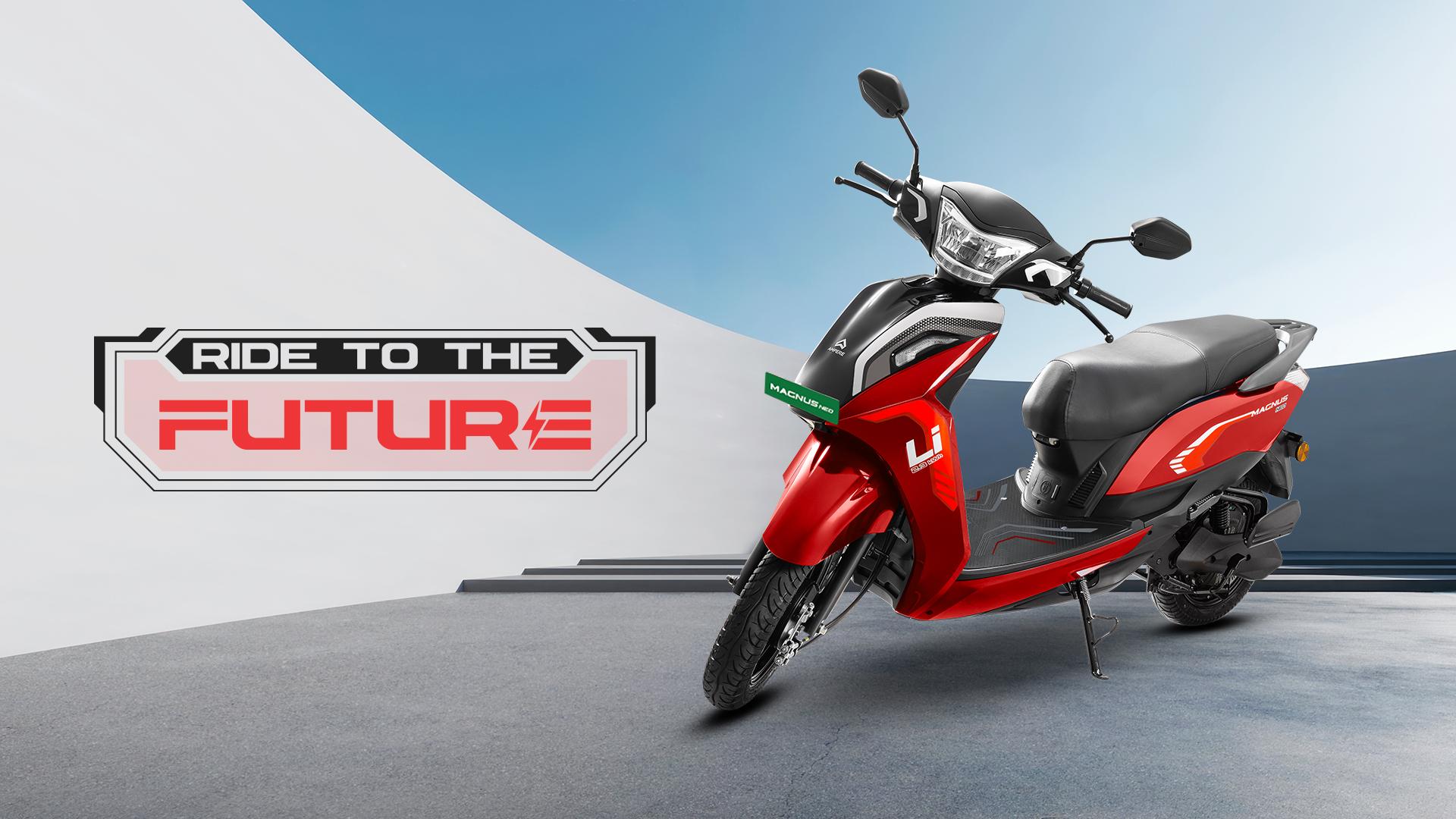
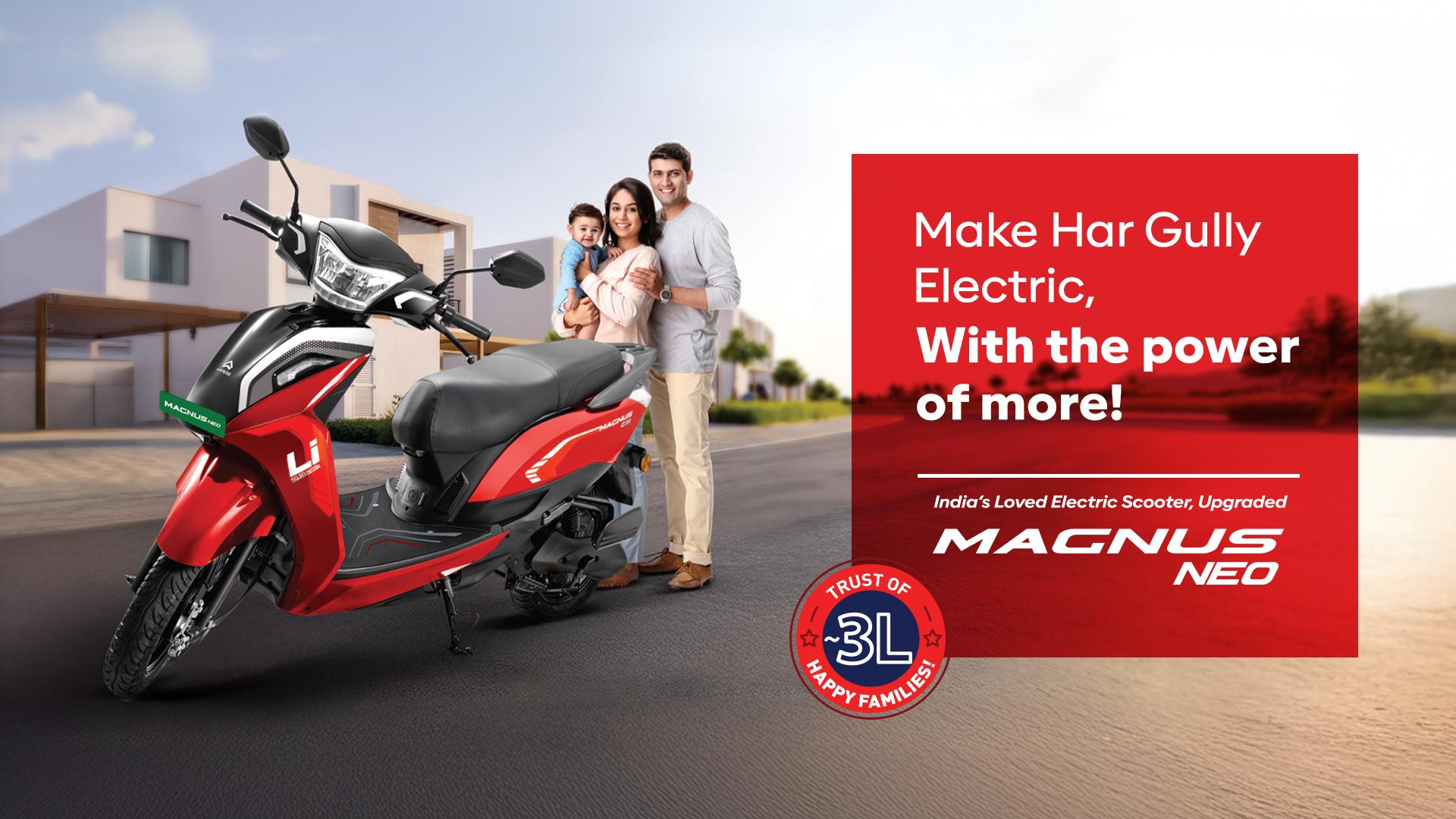
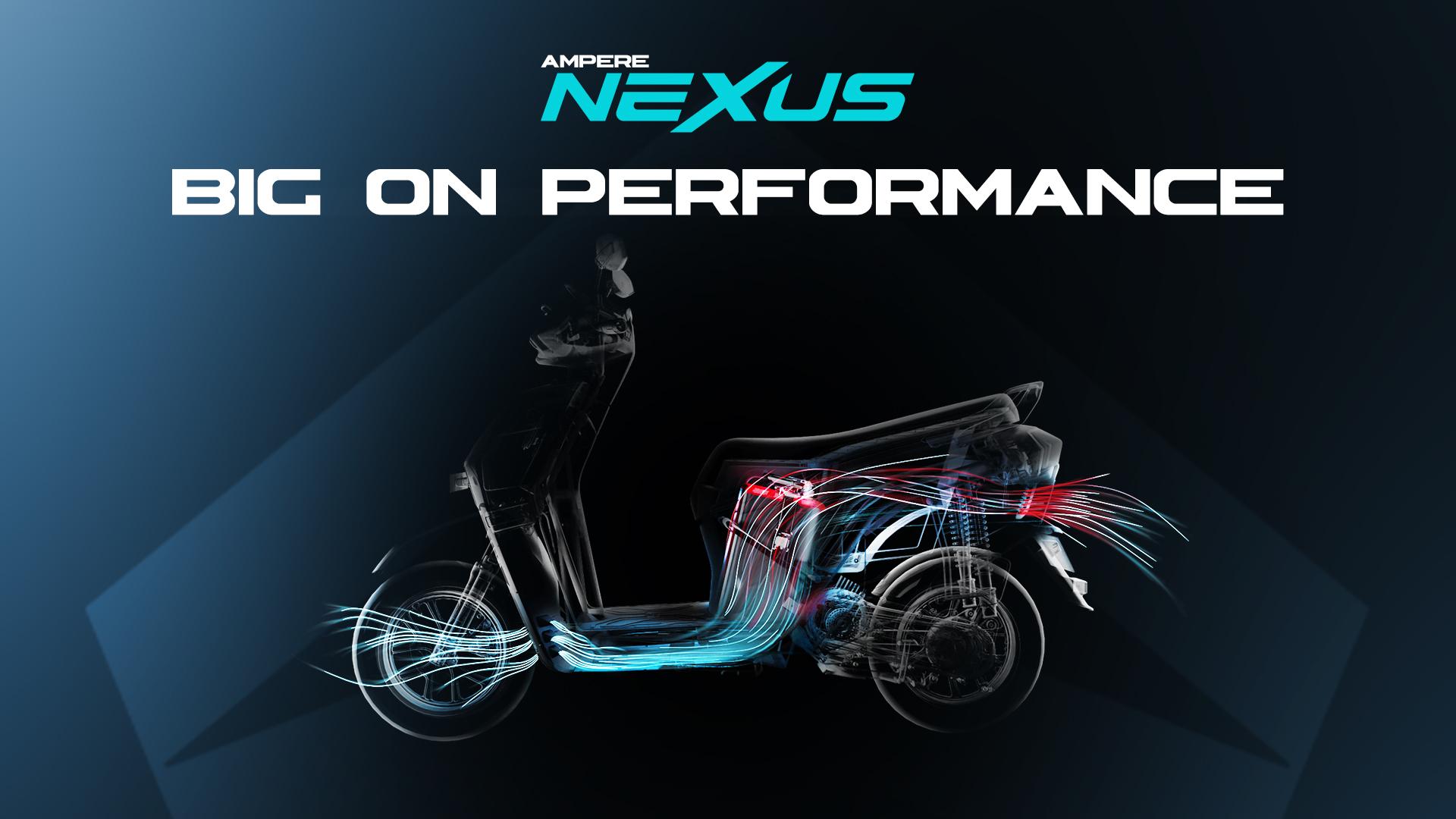
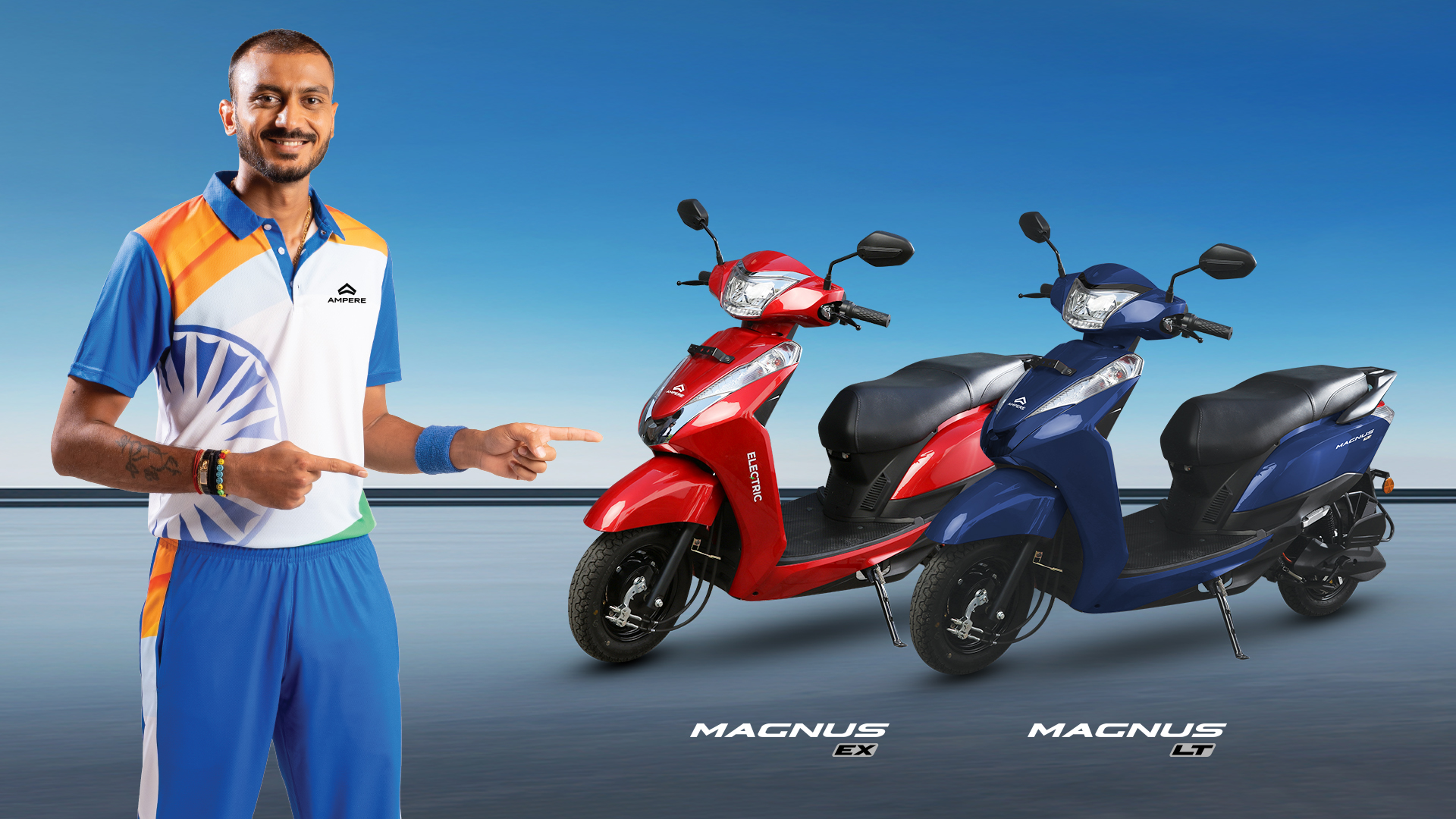
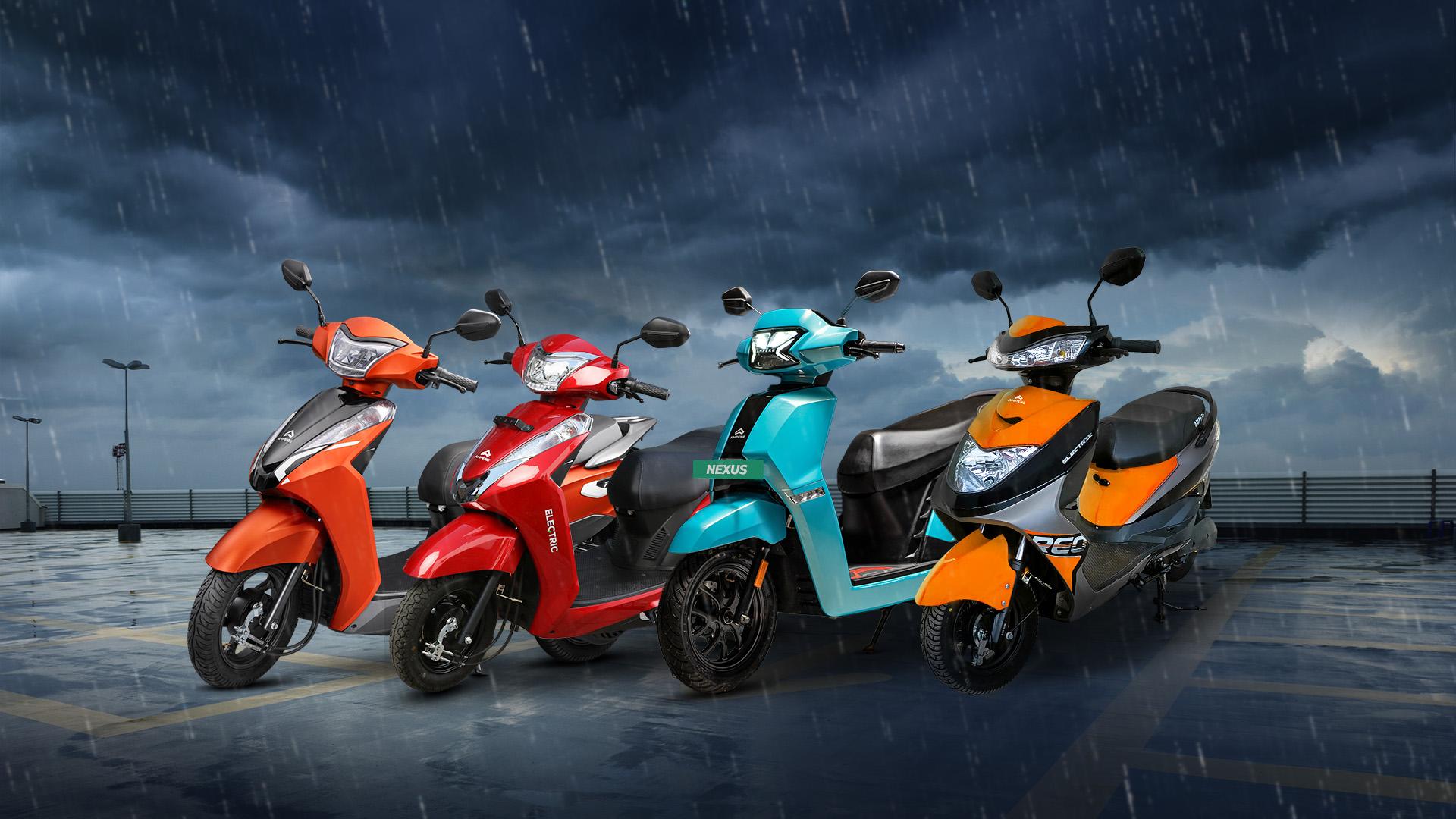
Ampere's entire current lineup — Reo 80, Magnus Neo, Magnus Grand, Magnus G Max, Nexus EX, and Nexus ST — uses LFP chemistry exclusively. This is a deliberate engineering choice made for Indian conditions, not a cost-cutting measure.
| Factor | LFP (Ampere Full Lineup) | NMC (Used by Some Competitors) |
|---|---|---|
| Charge cycles before 80% capacity | 3,000–4,000 cycles | 500–1,500 cycles |
| Thermal stability in heat | Excellent — no thermal runaway below 200°C | Moderate — risk increases above 60°C |
| Safety in crash or puncture | Very high — no oxygen release on failure | Lower — can vent flammable gases under stress |
| Performance in Indian summer | Minimal capacity loss at 35–45°C ambient | Measurable capacity loss above 35°C |
| Effective lifespan at daily 40 km | 8–12 years typical | 4–7 years typical |
| Energy density (range per kg) | Slightly lower | Higher |
Source: Ampere official website; IIT Delhi battery research publications; real-world owner data
The trade-off is energy density — NMC packs more range per kilogram of battery weight. That is why some performance-focused competitors choose NMC. Ampere's stated engineering philosophy, consistent with Greaves Electric Mobility's position, is that longevity and safety in Indian conditions matter more for everyday commuters than peak range figures on a brochure.
An LFP battery in daily city use can complete 3,000 or more charge cycles — equivalent to over 8 to 10 years of charging every single day — before dropping to 80 percent of original capacity. NMC packs often reach that same threshold in 4 to 6 years under similar Indian riding conditions.
Ampere's Battery Warranty: What It Covers
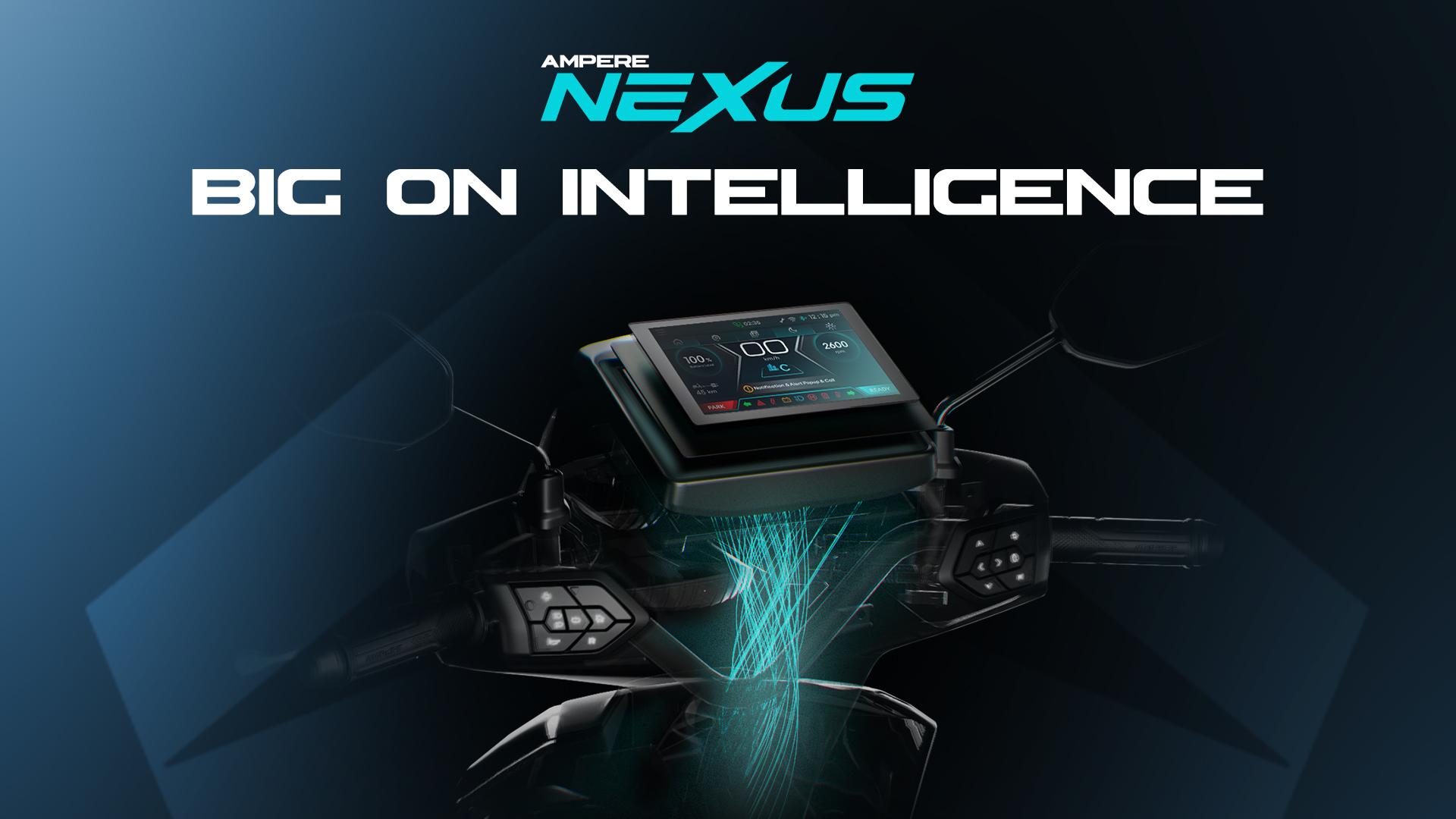
Ampere's battery warranty varies by model. The Magnus Grand, G Max, and Nexus carry a 5-year or 75,000 km warranty — among the strongest in the Indian mass-market EV scooter segment. The Reo 80 and Magnus Neo come with a 3-year or 30,000 km battery warranty. Here is the full current lineup with pricing and warranty details:
| Ampere Model | Ex-Showroom Price | Battery Capacity | Battery Warranty | IDC Range |
|---|---|---|---|---|
| Reo 80 | ₹59,900 | 1.44 kWh LFP (removable) | 3 yr / 30,000 km | ~65 km |
| Magnus Neo | ₹86,999 | 2.3 kWh LFP | 3 yr / 30,000 km | ~100 km |
| Magnus Grand | ₹89,999 | 2.3 kWh LFP | 5 yr / 75,000 km | 118 km |
| Magnus G Max | ₹94,999 | 3.0 kWh LFP | 5 yr / 75,000 km | 142 km |
| Nexus EX | ₹1,10,000 | 3.0 kWh LFP | 5 yr / 75,000 km | 136 km |
| Nexus ST | ₹1,20,000 | 3.0 kWh LFP | 5 yr / 75,000 km | 136 km |
Prices ex-showroom Delhi, April 2026 | Source: ampere.greaveselectricmobility.com
The warranty covers battery capacity falling below the manufacturer-specified threshold — typically 70 to 80 percent of original capacity — within the warranty period. It does not cover physical damage from accidents, water ingress beyond the scooter's rated protection level, or misuse with unauthorised third-party chargers.
How Ampere's Warranty Compares to Competitors
| Brand and Model | Battery Chemistry | Battery Warranty | Approx. Price (₹ lakh) | Notable Condition |
|---|---|---|---|---|
| Ampere Nexus ST | LFP | 5 yr / 75,000 km | 1.20 | Applies to Nexus, Grand, and G Max |
| Ampere Magnus Grand | LFP | 5 yr / 75,000 km | 0.90 | 5-year warranty under ₹1 lakh |
| Ampere Magnus Neo and Reo 80 | LFP | 3 yr / 30,000 km | 0.60–0.87 | Entry-level models |
| Ather Rizta Z | Li-ion (NMC) | 3 yr / 30,000 km (ext. available) | 1.45+ | Extended plan available separately |
| Bajaj Chetak 3501 | Li-ion | 3 yr / 50,000 km | 1.20 | IP67 battery rating |
| TVS iQube ST | Li-ion | 3 yr / 50,000 km | 1.85+ | Vehicle and battery warranty bundled |
| Ola S1 Pro | NMC Li-ion | 3 yr / warranty terms | 1.45+ | Extended options vary by plan |
| Hero Vida V2 Pro | Li-ion | 3 yr (OEM standard) | 1.20+ | Dual removable battery design |
Warranty terms as publicly stated by respective manufacturers, April 2026. Always verify current terms with the dealer at the time of purchase.
Real-World Battery Life: What Owners Report
Independent user data from platforms like BikeDekho and 91Wheels shows consistent patterns across Ampere's fleet in real Indian riding conditions:
- Magnus owners riding 40 to 60 km daily report minimal range loss over the first two to three years of ownership
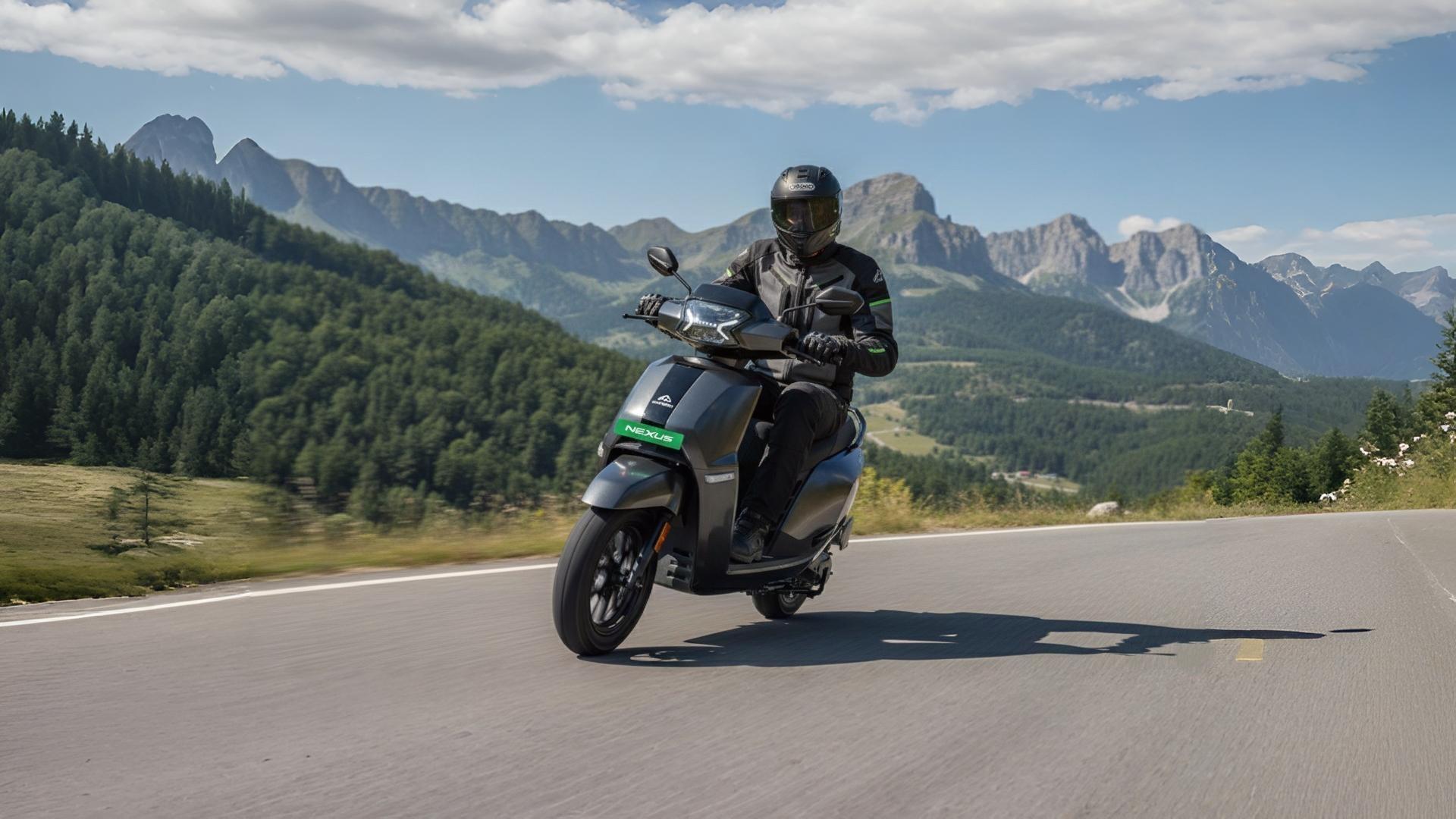
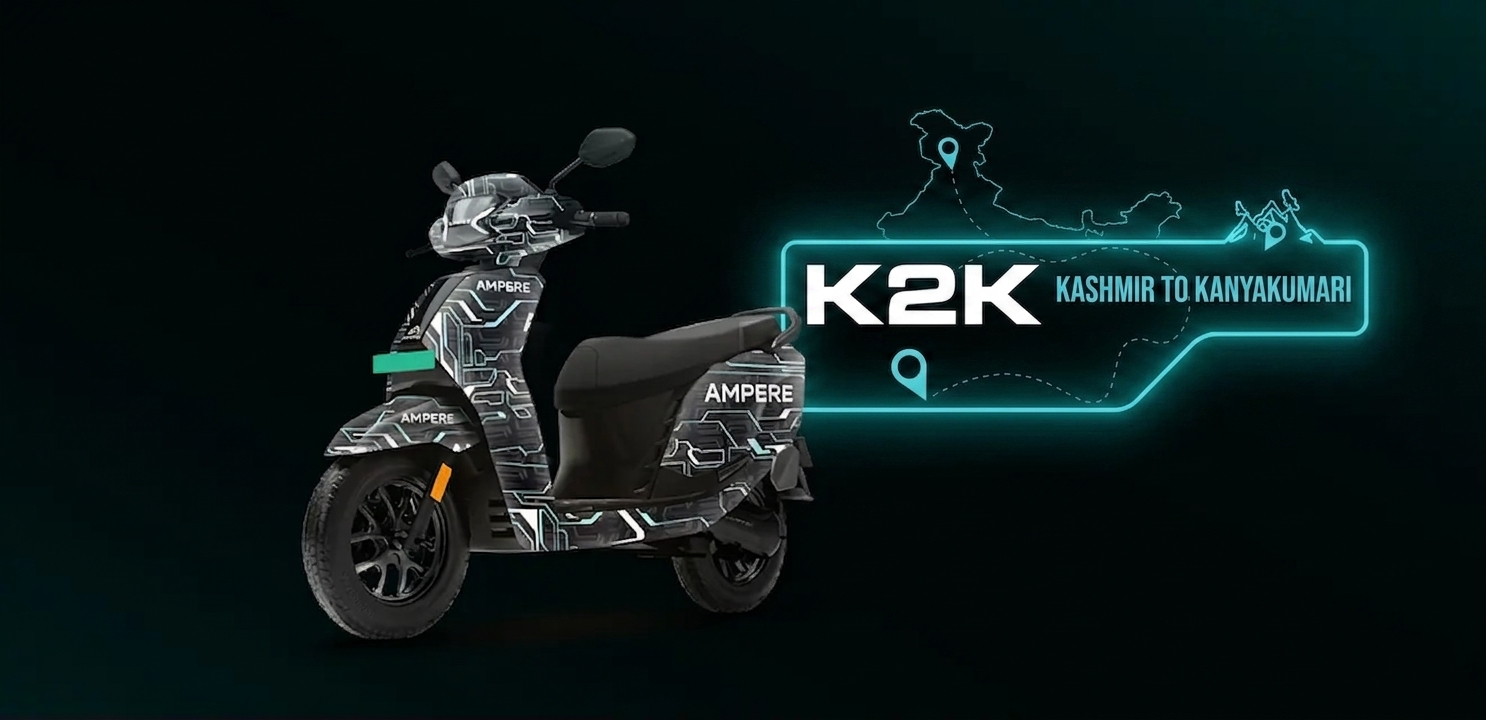
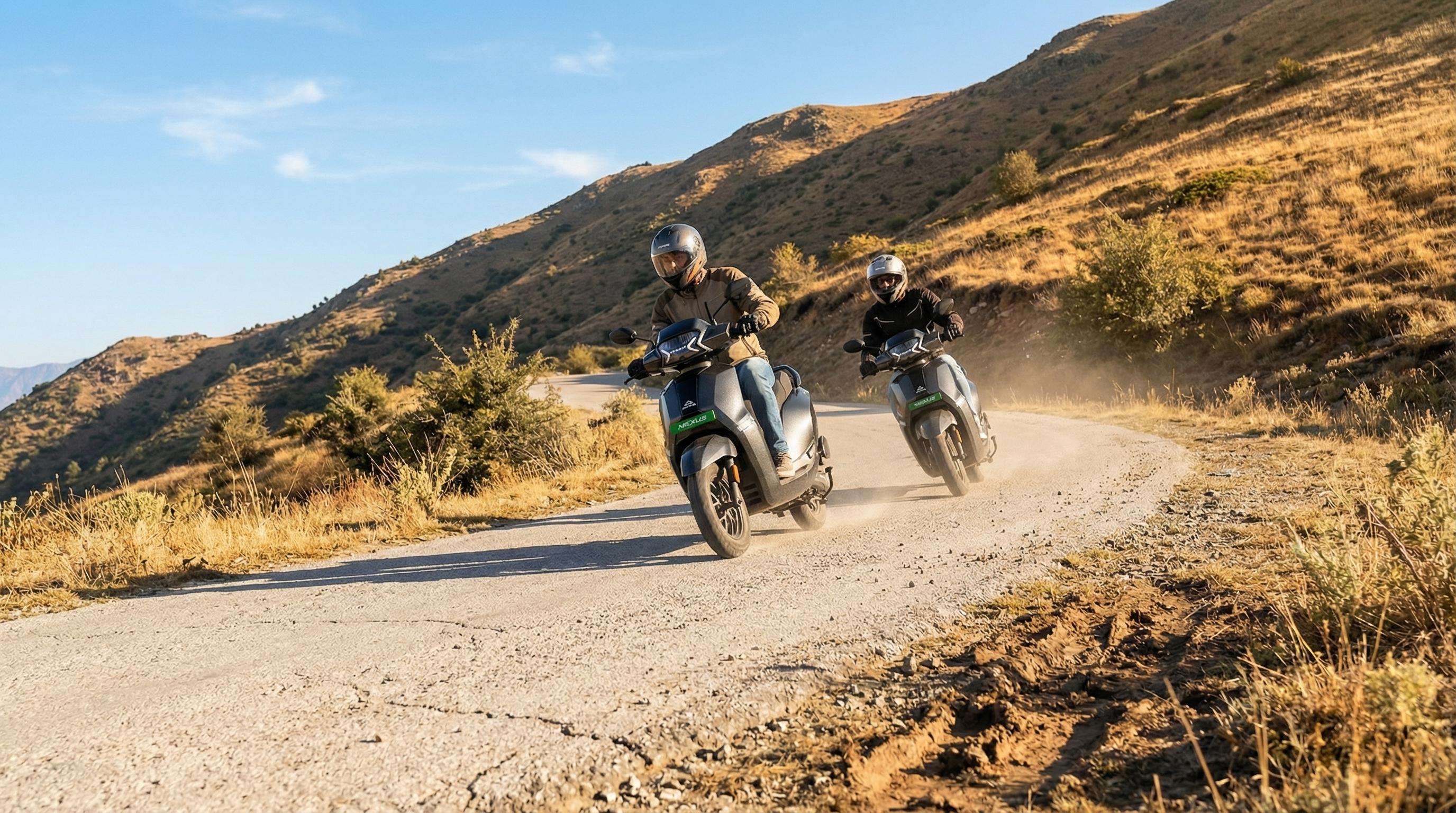
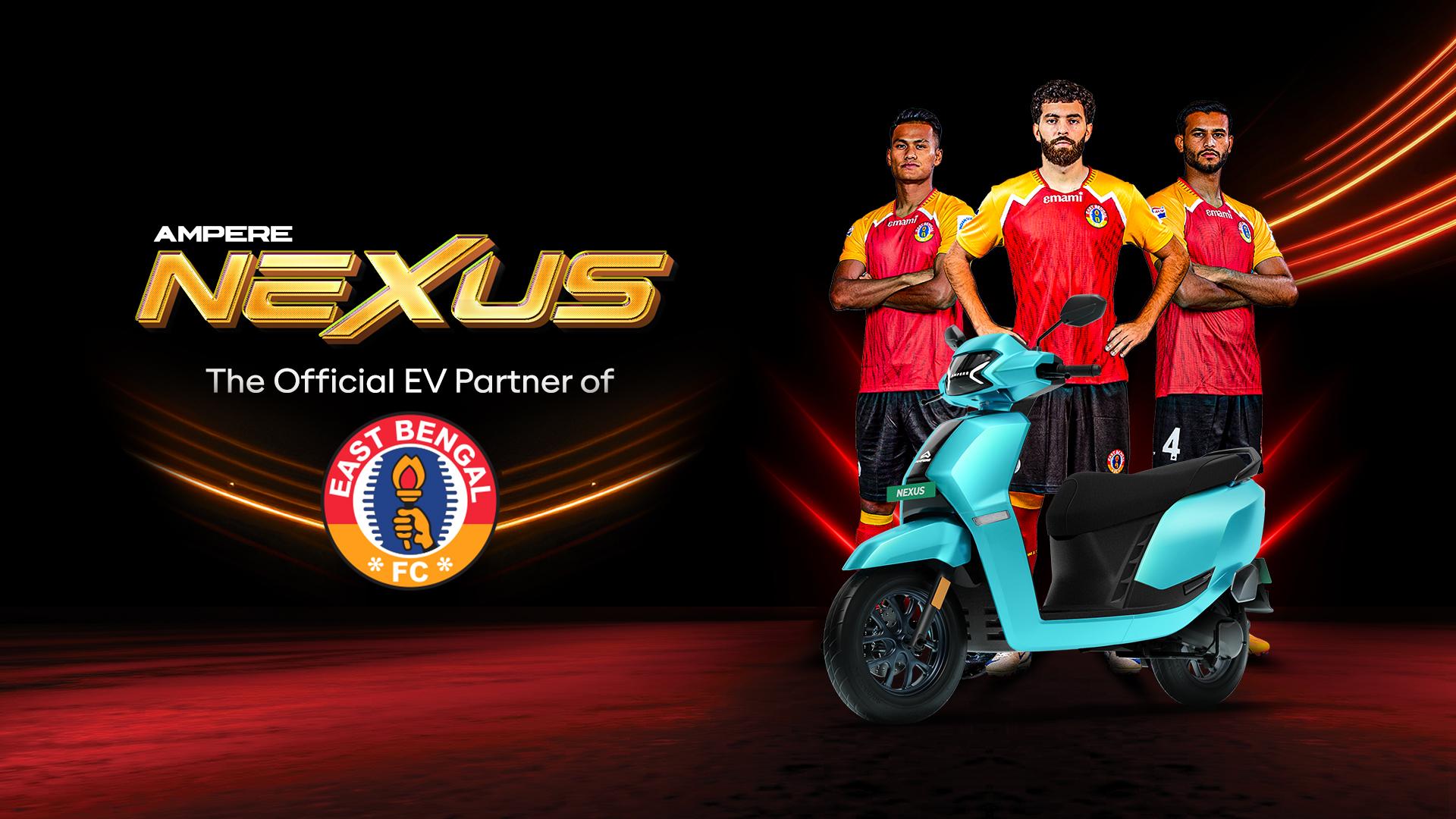
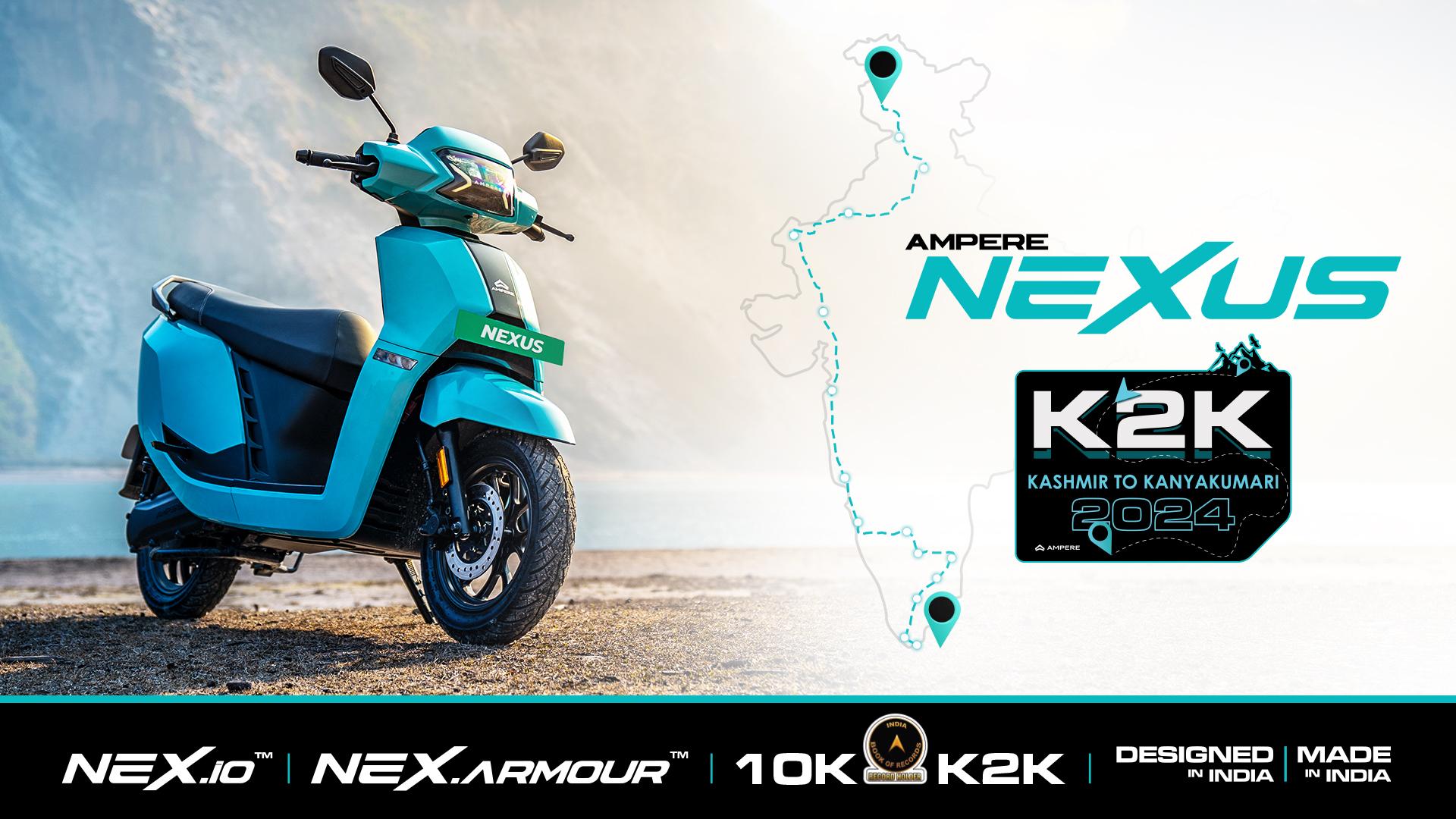
- Nexus owners completing the documented 10,000 km Kashmir-to-Kanyakumari journey reported consistent performance across extreme temperature gradients from north to south
- On Independence Day 2025, the Ampere Nexus reached 13,200 feet at Shipki La Pass — the highest altitude achieved by an electric scooter in India, certified by the India Book of Records — demonstrating LFP battery stability under extreme cold and altitude conditions simultaneously
Here is how usable battery capacity typically degrades over years of normal daily use for an LFP pack:
| Year of Ownership | Expected Usable Capacity (Normal Use) | Real-World Range Impact |
|---|---|---|
| Year 1 | 97–100% of original | Negligible — no noticeable change |
| Year 2 | 94–98% | Barely noticeable in daily riding |
| Year 3 | 90–95% | 5–8 km reduction possible |
| Year 5 | 82–90% | 10–15 km reduction likely |
| Year 8 | 75–85% | 15–25 km reduction — still usable daily |
Illustrative ranges based on IIT-published LFP cycle data normalised to Indian daily-use patterns. Actual figures vary by charging habits, load, and ambient temperature.
What Happens After the Warranty? Battery Replacement Costs
Knowing the likely replacement cost after the warranty period gives you a complete picture of true long-term ownership cost. Here is how Ampere compares to key competitors on estimated battery replacement pricing:
| Brand | Approx. Battery Replacement Cost (2025–26) | Pack Size |
|---|---|---|
| Ampere Reo and Magnus (2.3–2.4 kWh) | ~₹35,000–₹45,000 (estimated) | 2.3 kWh LFP |
| Ampere Nexus and G Max (3.0 kWh) | ~₹50,000–₹60,000 (estimated) | 3.0 kWh LFP |
| Ola Electric | ₹55,000–₹1,00,000 | Various |
| Ather Energy | ₹60,000–₹80,000 | Various |
| Hero Vida | ₹75,000–₹85,000 | 3.4–3.9 kWh |
| Bajaj Chetak | ₹65,000–₹75,000 | 2.9–3.5 kWh |
| TVS iQube | ₹60,000–₹1,00,000 | 2.2–5.1 kWh |
Replacement cost estimates from industry sources including EVINDIA.online, 2025. Ampere figures are estimates — verify with the Greaves service network before making any purchase decision.
How to Maximise Your Ampere Battery's Life
Simple daily habits make a measurable difference to how long your LFP battery serves you well. The most impactful ones are:
- Charge to 80 to 90 percent for daily use and save 100 percent charging for days when you genuinely need the full range
- Avoid letting the battery drop below 10 percent regularly — partial discharge extends cycle life meaningfully over years of use
- Use only the original Ampere charger — third-party chargers may not match the battery management system's charge curve and can cause cumulative damage
- Park in shade or indoors during peak summer afternoons when ambient temperatures are highest
- Use Eco mode for regular daily commuting on the Magnus Neo, Grand, and Nexus — it reduces both energy consumption and battery stress per kilometre
- On the Reo 80 with its removable battery, bring the pack indoors in extreme heat rather than leaving it in a parked scooter under direct afternoon sun
Summary: Is Ampere's Battery Genuinely Built to Last?
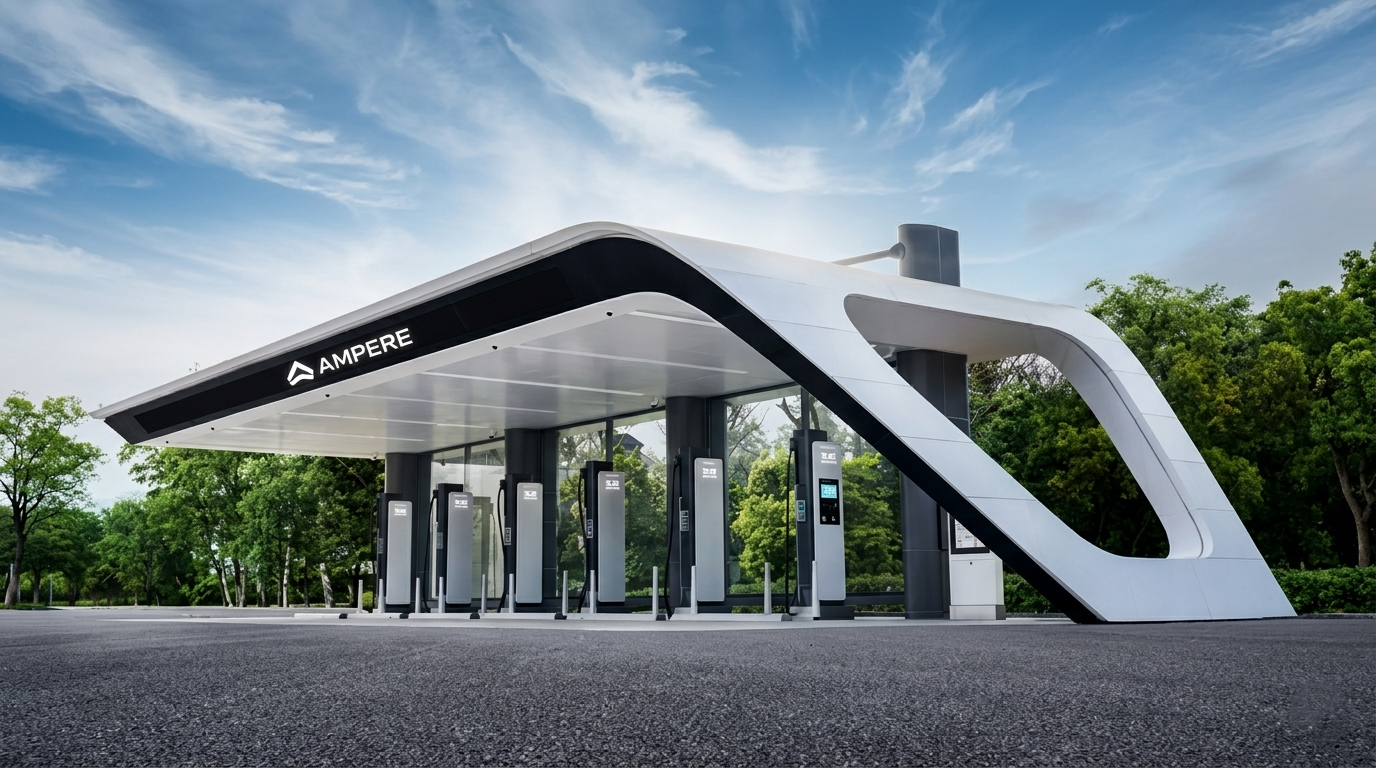
The combination of LFP chemistry, meaningful warranty coverage, and Greaves Electric Mobility's 420-plus dealership service network across 309 or more cities gives Ampere a credible and transparent position on battery longevity — backed by real data rather than marketing language.
The Nexus, Magnus Grand, and G Max earn their 5-year or 75,000 km warranty commitment, supported by LFP chemistry that genuinely has the cycle life to back it up across years of Indian city riding. The Reo 80 and Magnus Neo, with 3-year or 30,000 km coverage, remain among the best warranty offers at their respective price points in the current Indian market.
For daily city riders, Ampere's LFP lineup is realistically expected to serve you well past the warranty period — with gradual, predictable range reduction rather than sudden failure. That is the honest answer to the battery anxiety question most brands avoid answering directly.