As fuel prices rise and urban congestion worsens, car commutes feel less sustainable every year. Finding a reliable electric scooter for long commutes is now a smart financial move — not just an environmental one. Switching to a well-built scooter can cut fuel costs by 70–80% and dramatically improve daily efficiency for office-goers in metros like Mumbai, Bangalore, Delhi, Pune, and Chennai.
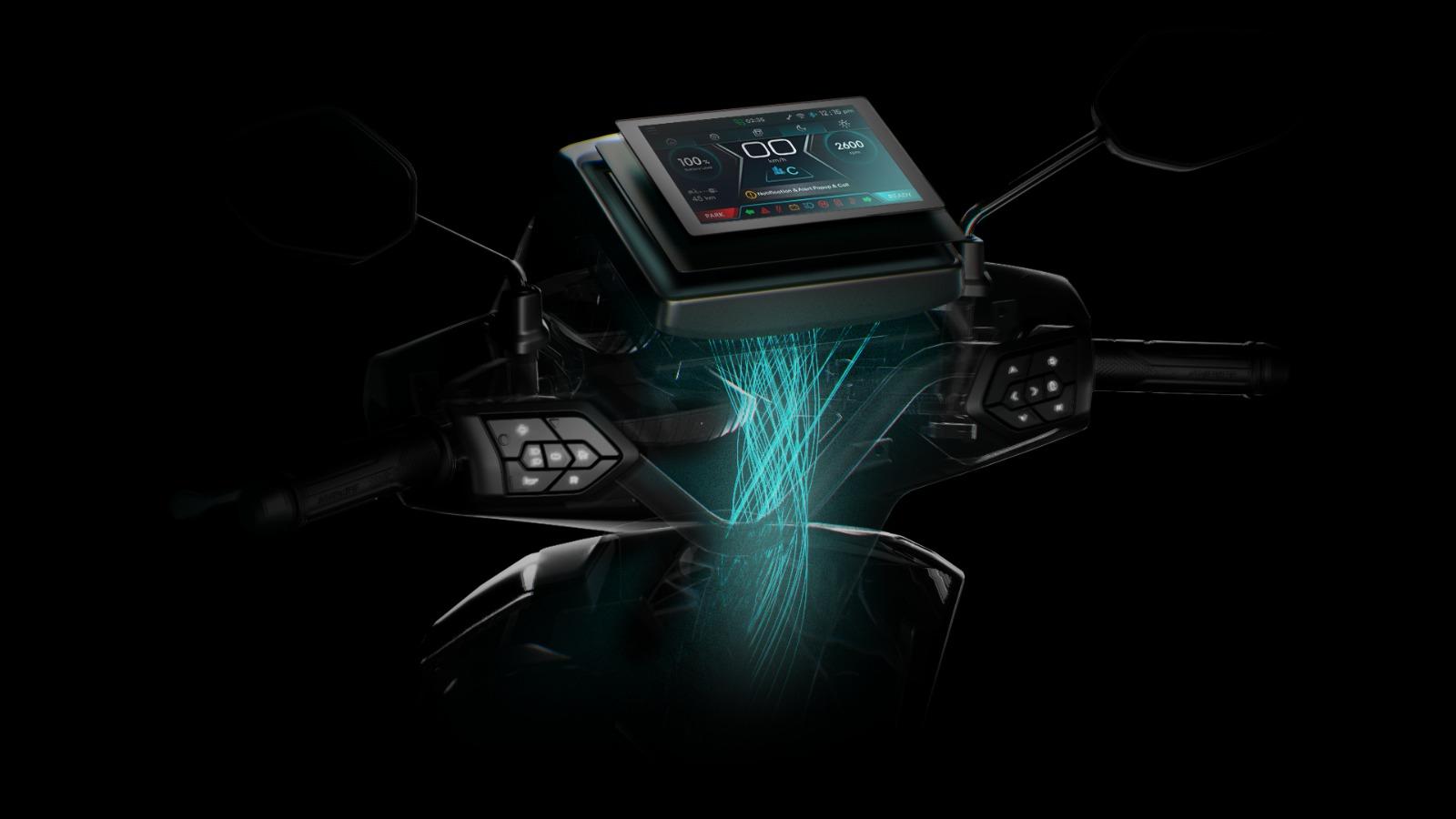
Many electric two-wheelers today come with connected dashboards, app integration, and multiple ride modes — but these advanced features often raise upfront prices. Some models highlight style, branding, or niche performance instead of pure cost value, making them better suited to short city hops than long daily rides. In contrast, Ampere — a brand under Greaves Electric Mobility — focuses on practical, value-driven options for real-world Indian roads. This guide explains how an electric scooter vs car for office commute can reshape your routine, and how to choose the right long range electric scooter for adults who travel 30–60 km a day.
Step 1: Electric Scooter vs Car for Office Commute — The Financial Breakdown
Choosing the best electric scooter for daily commute slashes monthly transport expenses. In 2026, running a petrol car in an Indian city costs roughly ₹7 to ₹10 per kilometre once fuel, maintenance, and depreciation are added in. By contrast, an electric scooter costs just ₹0.18 to ₹1.5 per kilometre to run.
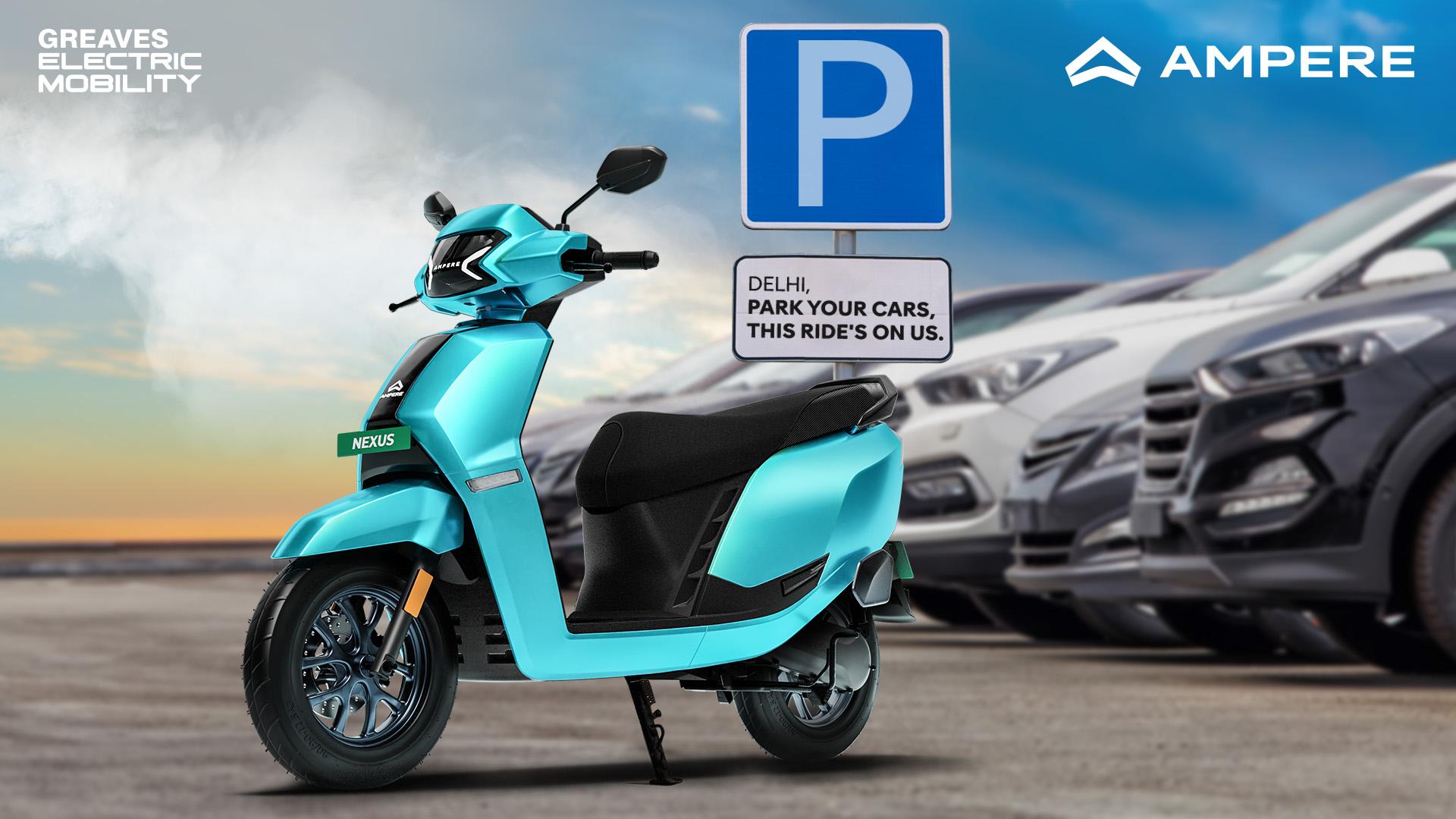
Commuters in major hubs face hidden car costs that rarely show up on the sticker. Monthly parking fees in business districts in Bandra-Kurla, MG Road, Connaught Place, or HITEC City often cross ₹3,000–5,000. Internal combustion engines also need oil changes, filter replacements, and service visits that EVs simply don’t.
| Expense Category | Petrol Car | Electric Scooter | Monthly Difference* |
|---|---|---|---|
| Running Cost Per KM | ₹7–₹10 | ₹0.18–₹1.5 | ~₹6,500–9,500 savings |
| Parking (Office Area) | ₹3,000–5,000 | Minimal or free | ~₹3,000–5,000 savings |
| Maintenance | Frequent & expensive | Lower — fewer moving parts | ~₹1,000–1,500 savings |
| Fuel / Electricity | High — ₹105+/litre | ₹8–9/unit | Major saving |
| Traffic Convenience | Limited — stuck in jams | Easier filtering & parking | Time saved |
*Estimates based on 40 km/day, 25 days/month. Actual savings vary by city, fuel rate, and electricity tariff.
Total Cost of Ownership (TCO) Over 3 Years
The break-even point for Indian commuters typically arrives within 18 to 24 months of switching. Several 2026 EV-friendly policies — including state subsidies, lower road tax, and employer EV-lease tax benefits — further accelerate the savings. Over a three-year ownership period, a typical office commuter saves between ₹3.5 lakh and ₹5 lakh by switching from a small petrol car to an electric scooter for daily use.
Step 2: Evaluating the Best Electric Scooter for Daily Commute Needs
In many Indian cities, daily commutes can stretch across 30–60 km. Riders looking for an electric scooter for long commutes need stability, predictable range, and comfort — not just headline specs. Real-world performance matters far more than brochure numbers, which usually come from controlled test cycles. Range varies with speed, rider weight, traffic density, and even ambient temperature.
When comparing options, focus on overall value rather than just brand names. Some models highlight smart connected features and large touchscreens. Others keep things simple and focus on ride comfort, dependability, and ease of service. Most long range electric scooter for adults models in 2026 now balance performance with efficiency, helping daily riders who depend on commuting to work by electric scooter.
| Factor | Why It Matters | Recommended Benchmark |
|---|---|---|
| Real-World Range | Ensures commute reliability | 90–110 km mixed traffic |
| Charging Accessibility | Supports daily convenience | Home + office charging |
| Ride Comfort | Reduces fatigue on long trips | Telescopic + dual rear shocks |
| Service Network | Faster maintenance & repairs | Pan-India presence |
| Running Cost | Improves long-term savings | Under ₹0.20 per km |
| Top Speed & Torque | Handles flyovers & highways | 80+ km/h, 50+ Nm |
Battery Capacity and Charging Logistics
Actual battery life changes with how and where you ride. Smooth acceleration, moderate speeds, and correct tyre pressure all help extend range. Many scooters offer Eco / City / Sport / Power riding modes that support efficient use — reducing the risk of running low during an office trip.
| What to Evaluate | Why It Matters | Practical Tip |
|---|---|---|
| Real-World Range | Compare claims with user reviews | Expect 75–80% of brochure figure |
| Home Charging | Daily reliability | 15A socket recommended |
| Office Charging | Doubles your daily range | Check with facility manager |
| Public Charging | Useful for emergencies | Use route-planning apps |
Step 3: Ampere vs The Competition — Choosing Value Over Hype
Picking the best electric scooter for daily commute means weighing cost, range, and after-sales support. Many makers highlight smart features and app ecosystems, while Ampere is known for focusing on everyday practicality and total cost of ownership.
| Brand | Primary Focus | Best Suited For |
|---|---|---|
| Ather Energy | Feature-rich connected scooters | Tech-first metro users |
| Ola Electric | Software-driven ownership | App-savvy young riders |
| TVS Motor | Mainstream urban EV market | Brand-conscious buyers |
| Ampere | Practical range & commuter-focused ownership | Daily long-distance commuters |
Key Factors for Long Trips
For an electric scooter for long commutes, real-world range matters most. Most adults feel safe with 60 to 80 km between charges — enough to support commuting to work by electric scooter without mid-day charging. A reliable long range electric scooter for adults also reduces fuel and parking costs, making the electric scooter vs car for office commute comparison a genuinely realistic switch.
| Requirement | Recommended Benchmark | Why It Helps |
|---|---|---|
| Daily Commute Range | 60–80 km real-world | No mid-day charging needed |
| Charging Access | Home or office | Predictable daily routine |
| Suspension Comfort | Telescopic + dual rear shocks | Less fatigue on long rides |
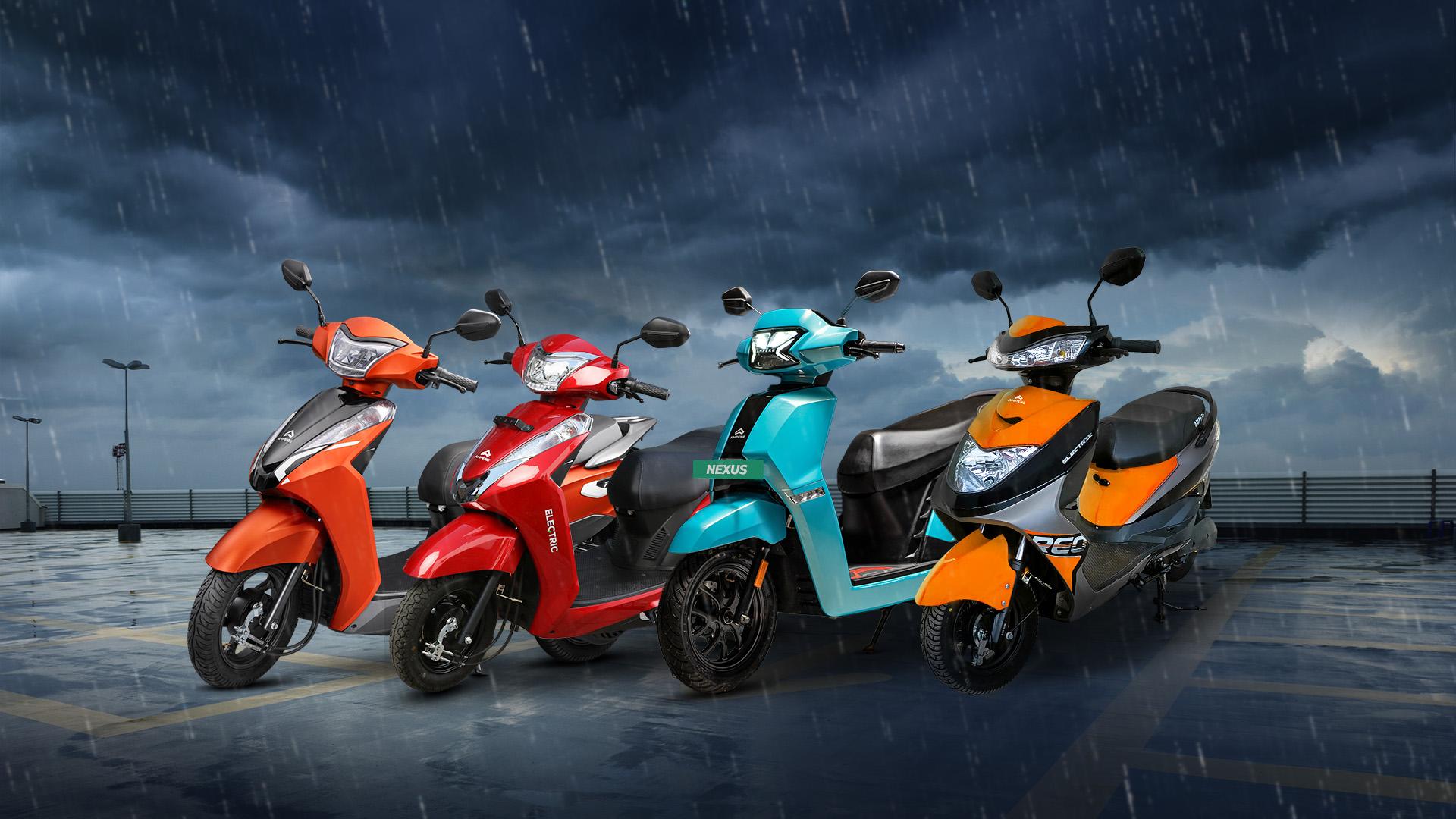
| Water Resistance | IP65 / IP67 rated | Monsoon-ready |
| Ground Clearance | 165–170 mm | Clears speed breakers |
Step 4: Performance and Comfort for Long-Distance Travel
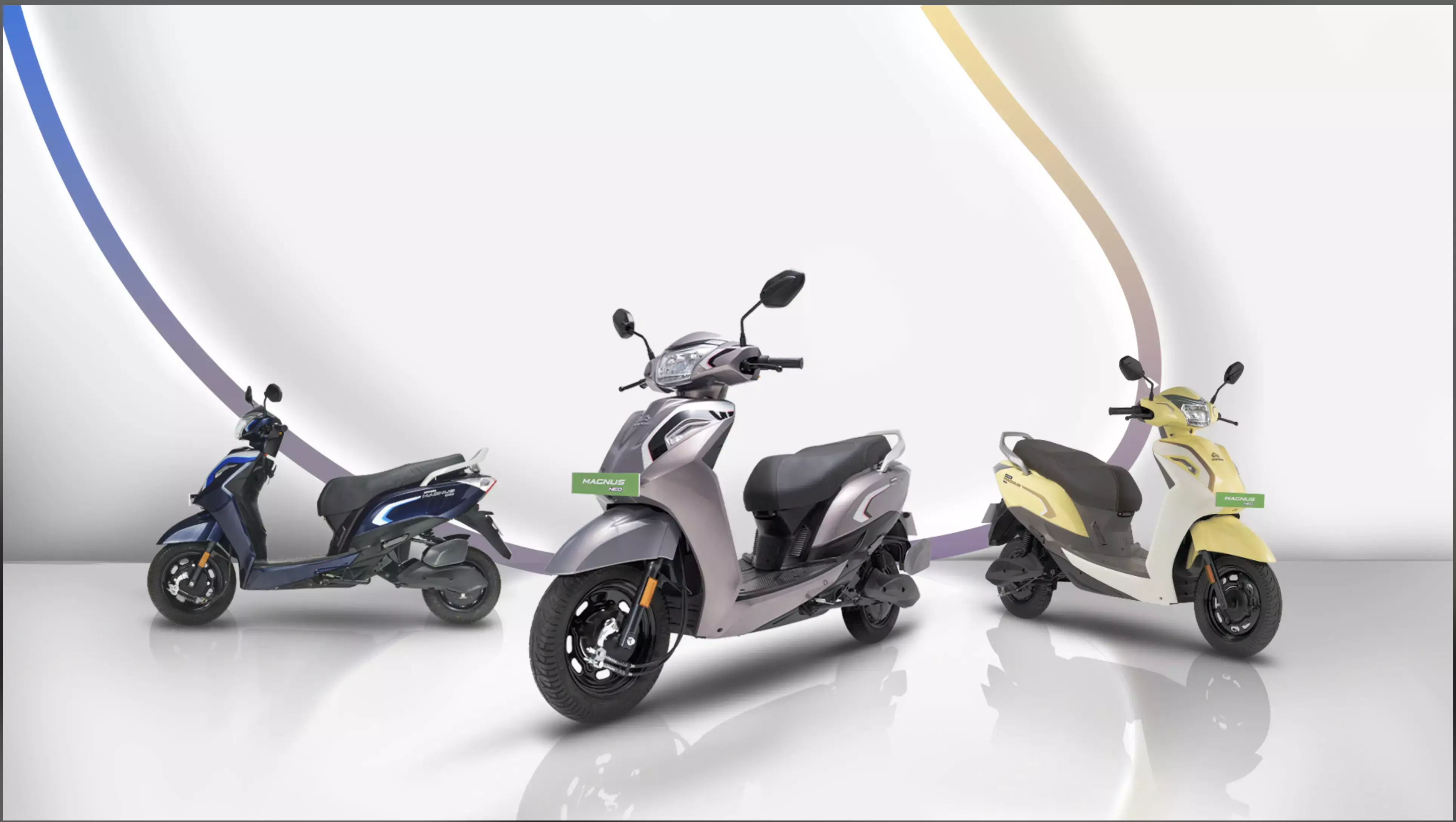
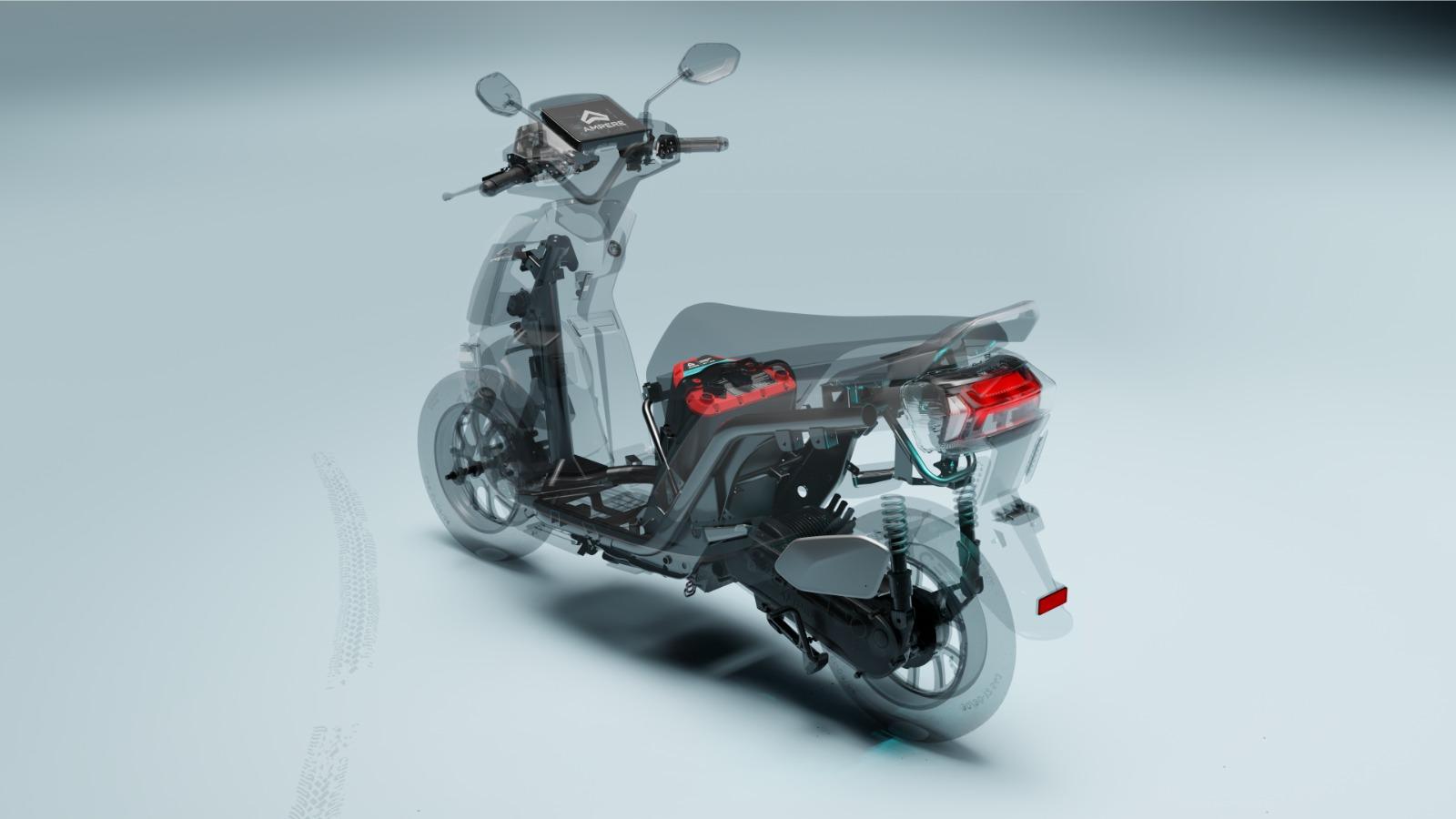
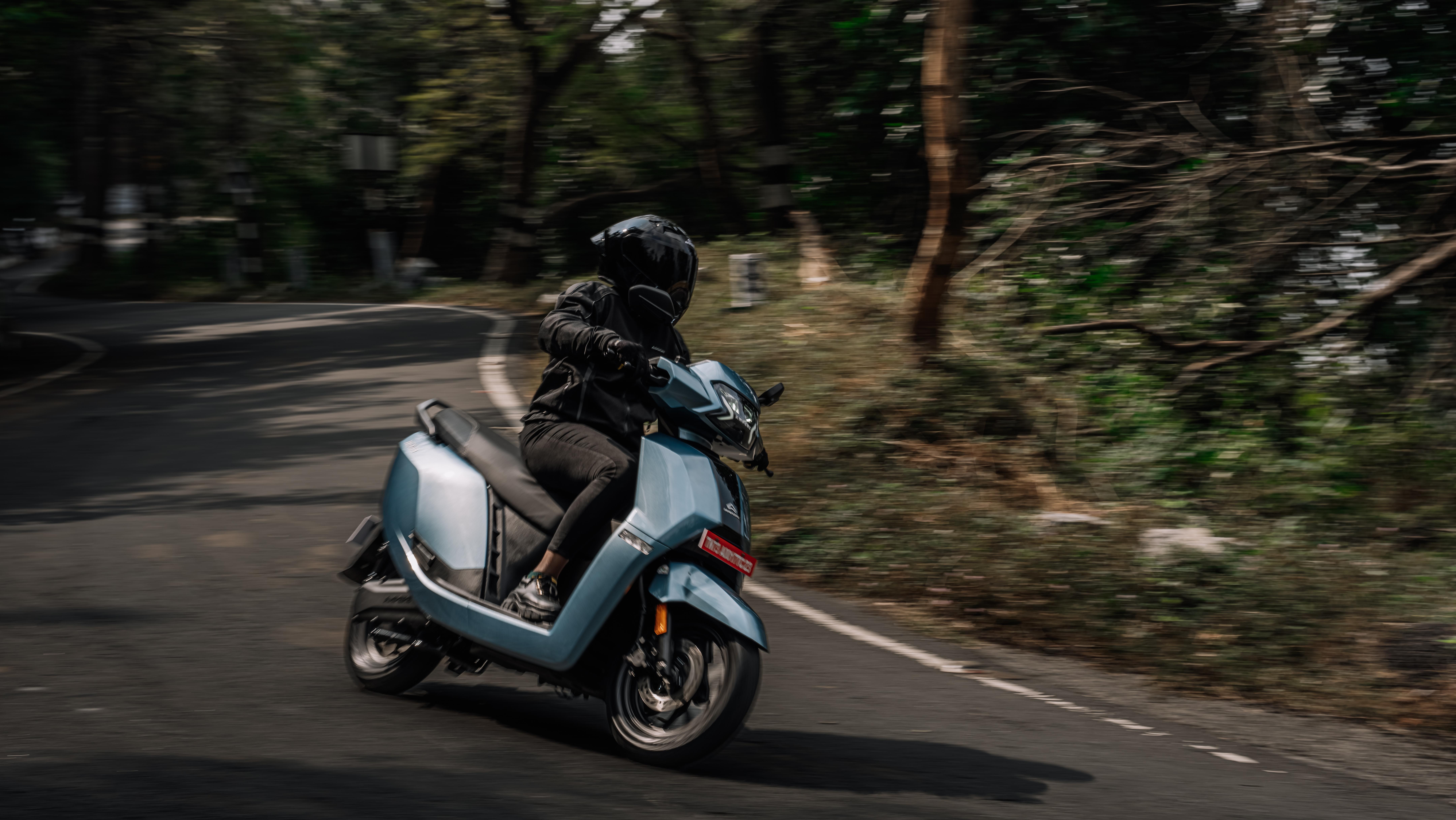

Choosing the best electric scooter for daily commute requires balancing speed, range, and rider comfort. An e-scooter built for long-distance travel must handle fatigue during 30–60 km round trips without leaving you sore. Compared to tech-heavy brands, Ampere focuses on practical comfort — with telescopic suspension, dual rear shocks, and 12-inch wheels across the Magnus and Nexus range for confident pothole absorption.
| Feature | Benefit | Ampere Lineup |
|---|---|---|
| Dual Suspension | Absorbs potholes and rough roads | All Magnus + Nexus models |
| 12-inch Tubeless Tyres | Better grip & cushioning | Magnus & Nexus |
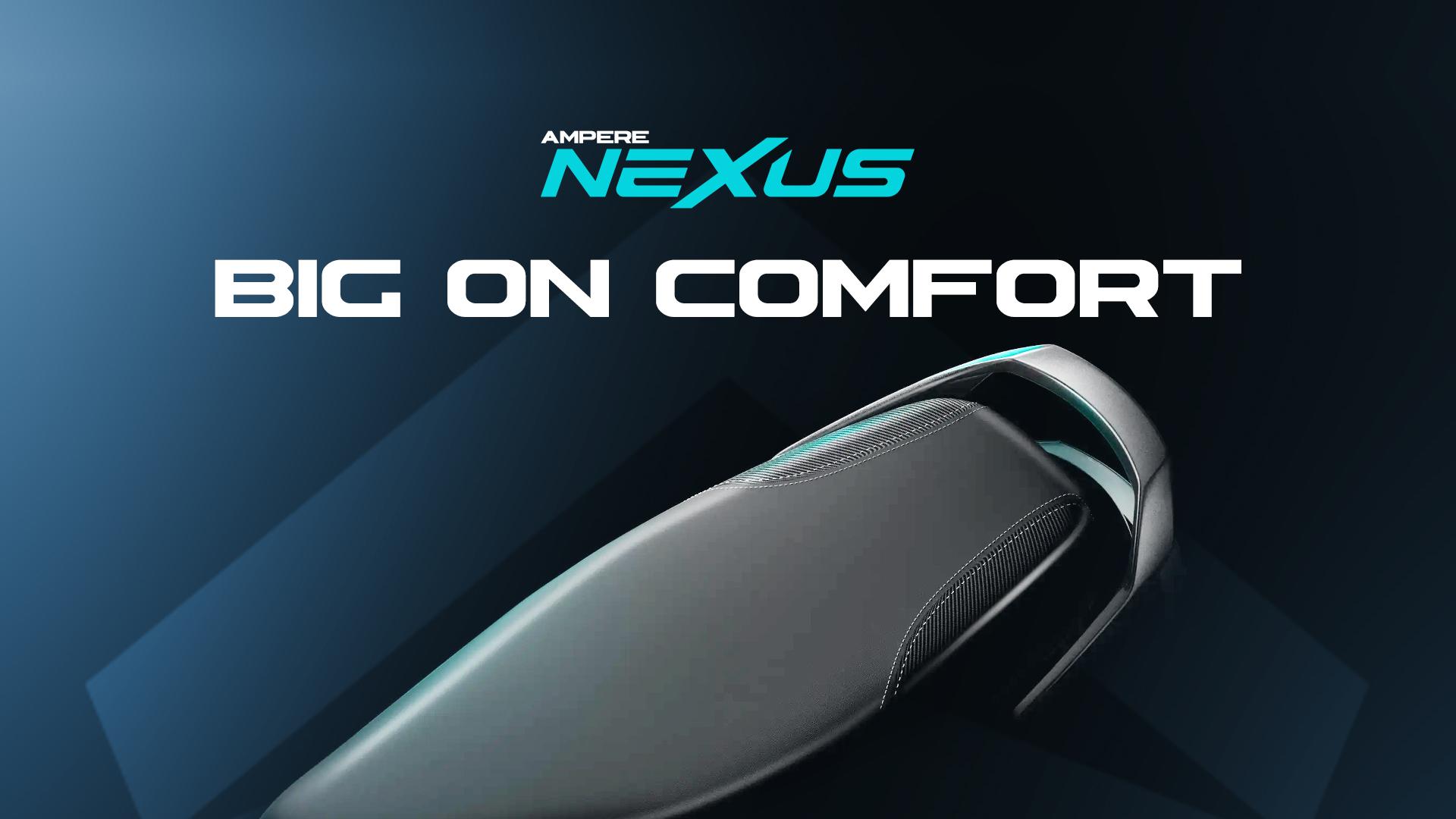
| Ergonomic Seating | Reduces rider fatigue | Nexus (longest, padded seat) |
| Combined Braking (CBS) | Reliable stopping in traffic | All models |
| Front Disc Brake | Stronger high-speed braking | Reo 80 & Nexus |
Navigating Urban Infrastructure
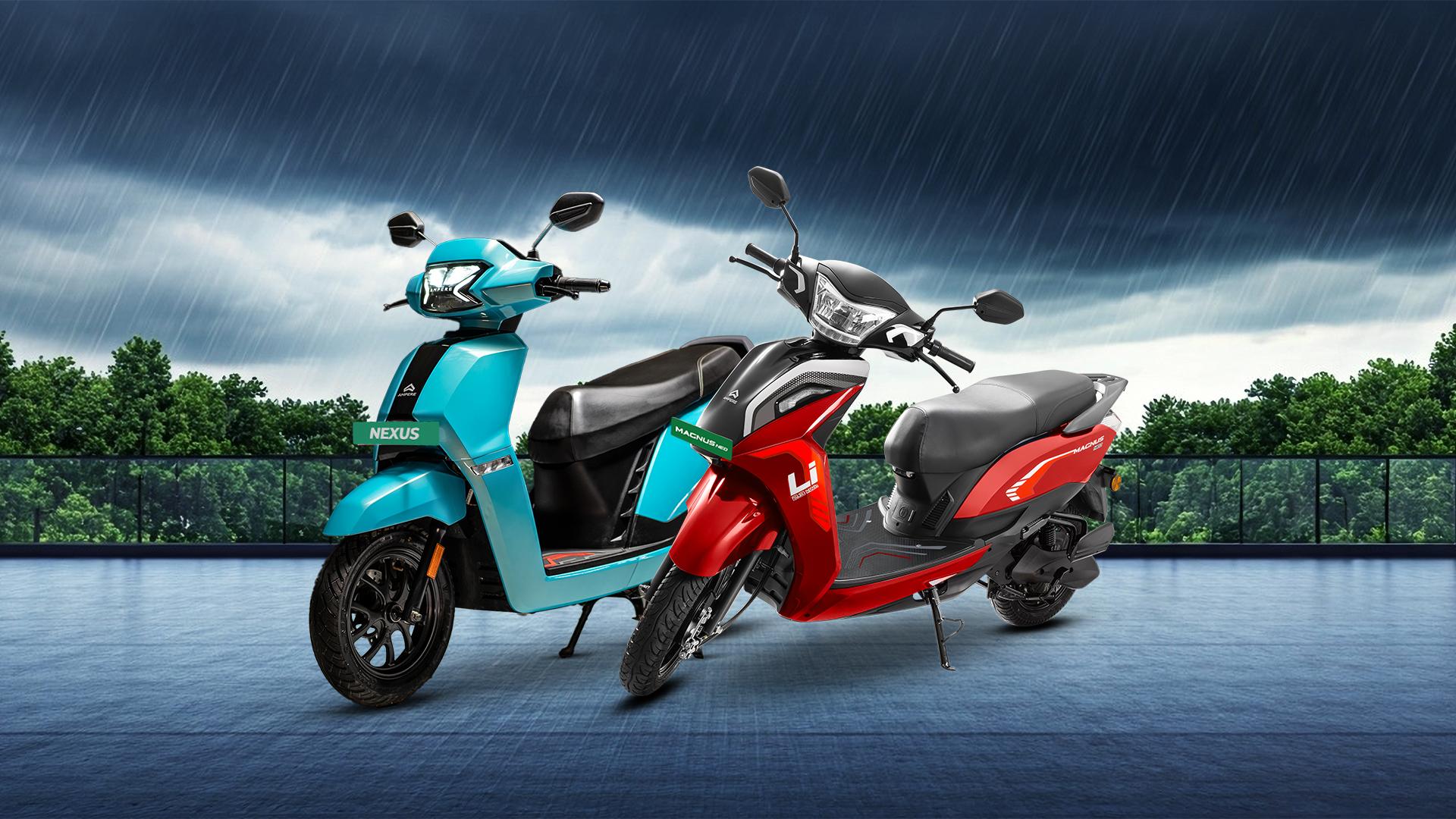
An electric scooter for commuting must tackle diverse Indian terrains. Riders in Chennai, Kolkata, or Mumbai often face waterlogged streets and steep flyovers during the monsoon. High IP ratings are essential for monsoon safety, and Ampere models offer robust ground clearance of 135–170 mm — comfortably handling speed breakers and broken patches that trip up metro-centric designs.
Reliable battery capacity also ensures you maintain steady speeds on gradients like Hebbal flyover in Bangalore or Sion-Panvel in Mumbai. Unlike cars, electric scooters bypass gridlock easily — making them genuinely faster for time-sensitive office schedules.
| Urban Riding Challenge | Required Feature | What to Look For |
|---|---|---|
| Waterlogged Roads | High IP Rating | IP65 minimum, IP67 ideal |
| Broken Roads & Potholes | Strong Suspension | Telescopic + dual shocks |
| Steep Flyovers | High torque & gradeability | 50+ Nm, 12°+ climb |
| Heavy Traffic | Lightweight & agile body | Under 130 kg kerb weight |
| Night Riding | Bright LED headlamps | Full LED setup standard |
Step 5: The Reality Check — Electric Scooter Commuting Pros and Cons
Choosing an electric scooter involves weighing efficiency against local conditions. Commuting to work by electric scooter often saves significant time — you can slip past traffic that traps cars on the Outer Ring Road, Eastern Express Highway, or DND Flyway. But there are honest trade-offs to consider.
| Advantage | Benefit | Trade-Off to Plan For |
|---|---|---|
| Zero Tailpipe Emissions | Cleaner city air | None — pure positive |
| Lower Maintenance | Fewer moving parts | Battery replacement after 5+ years |
| Lower Fuel & Parking Costs | Major monthly savings | Higher upfront cost vs petrol scooters |
| Easier Traffic Filtering | Faster office commute | Less weather protection vs car |
| Quiet Operation | Less commute stress | Need to plan charging |
Weather dependency remains a real consideration. Heavy monsoons in Kochi, Mumbai, or Chennai demand good water protection — so look for IP65/IP67 ratings. You’ll also need to plan regular home or office charging to avoid range anxiety, especially on routes over 50 km round-trip.
Recommended Ampere Models for Long-Commute Riders
Based on the factors above, here are the Ampere models best suited for daily long-commute professionals:
| Model | IDC Range | Top Speed | Best For Office Commutes Of… |
|---|---|---|---|
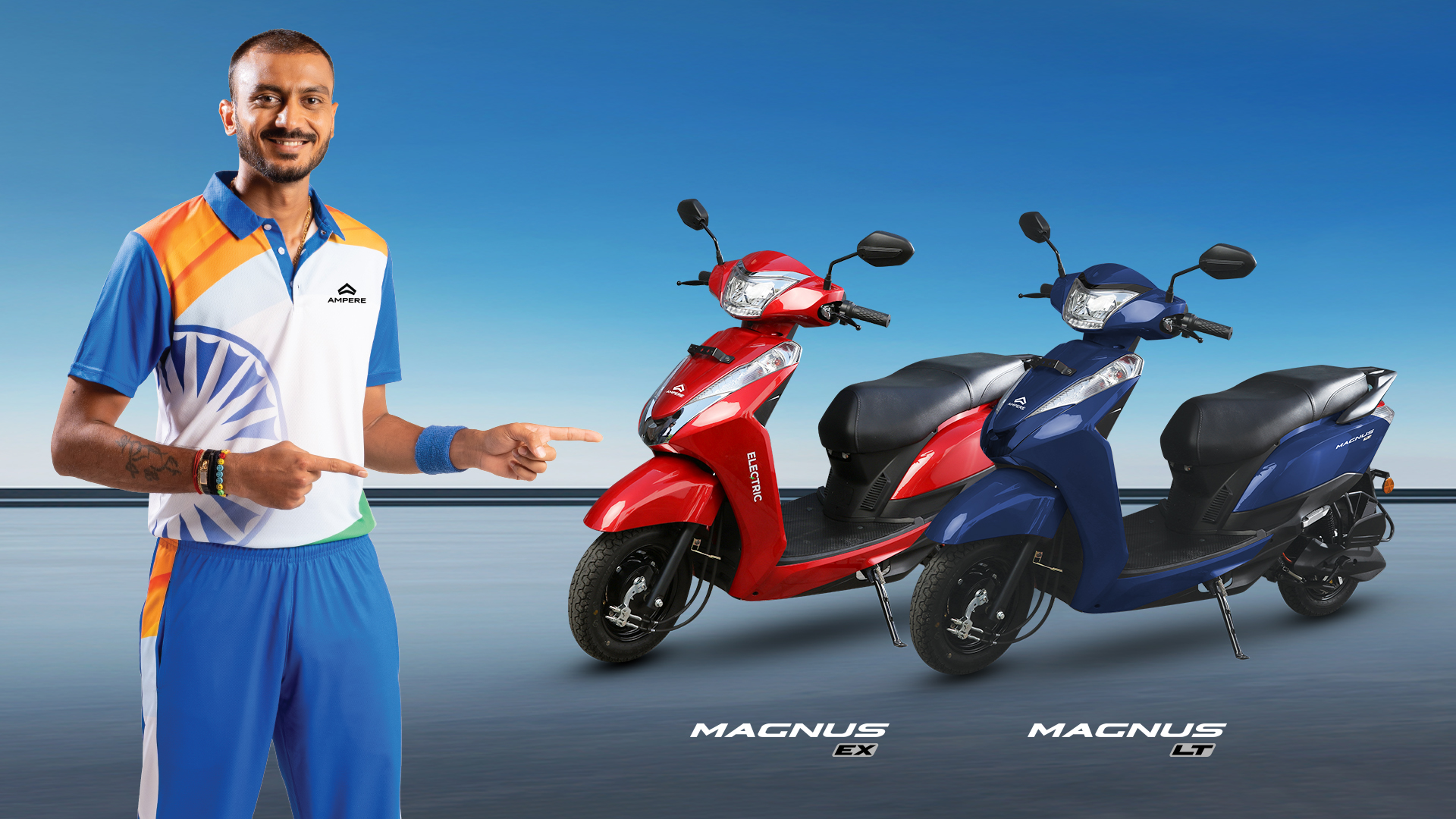
| Magnus Grand | 118 km | 65 km/h | 30–40 km round-trip routes |
| Magnus G Max | 142 km | 65 km/h | Up to 50 km one-way commutes |
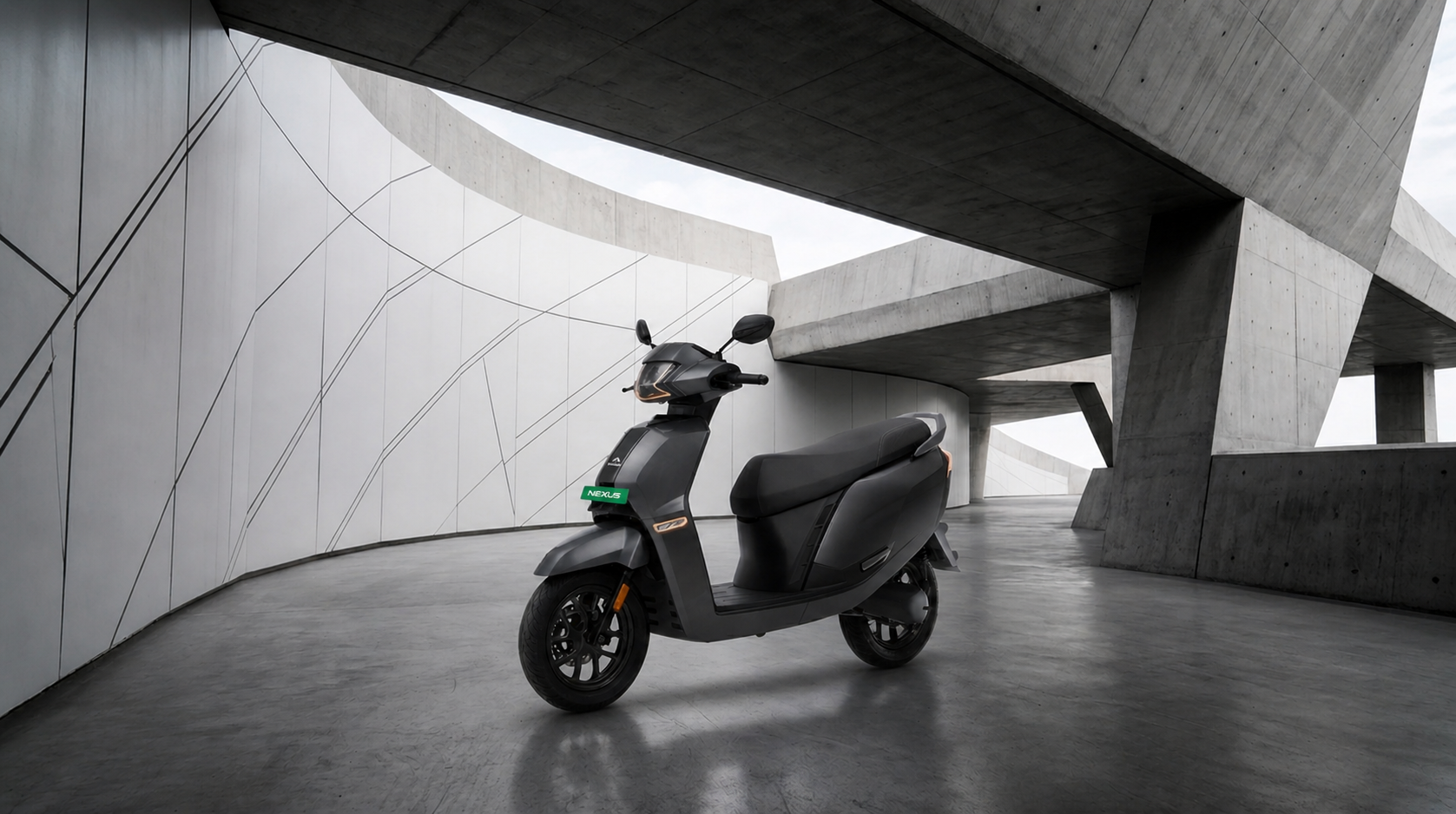
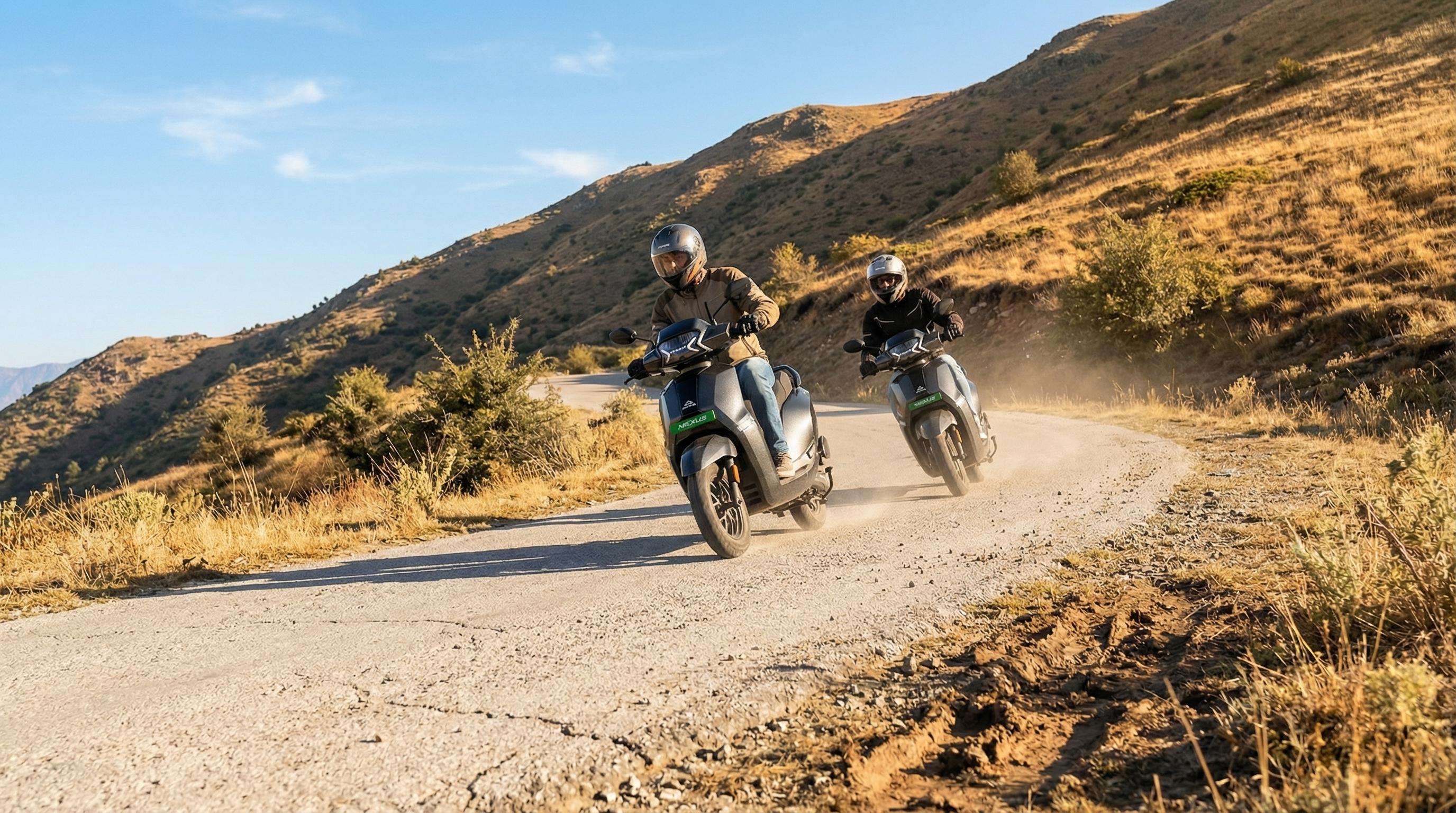
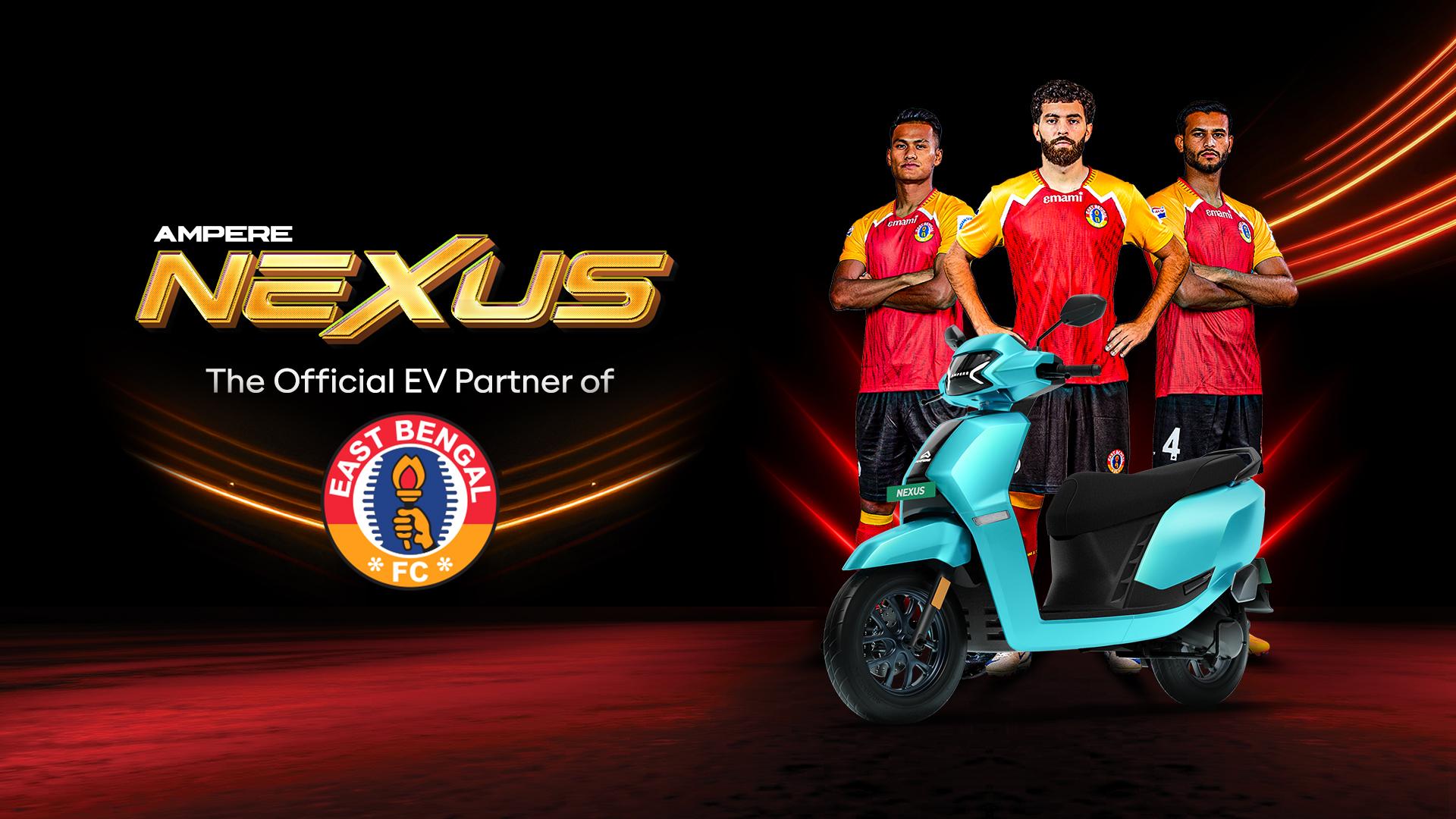
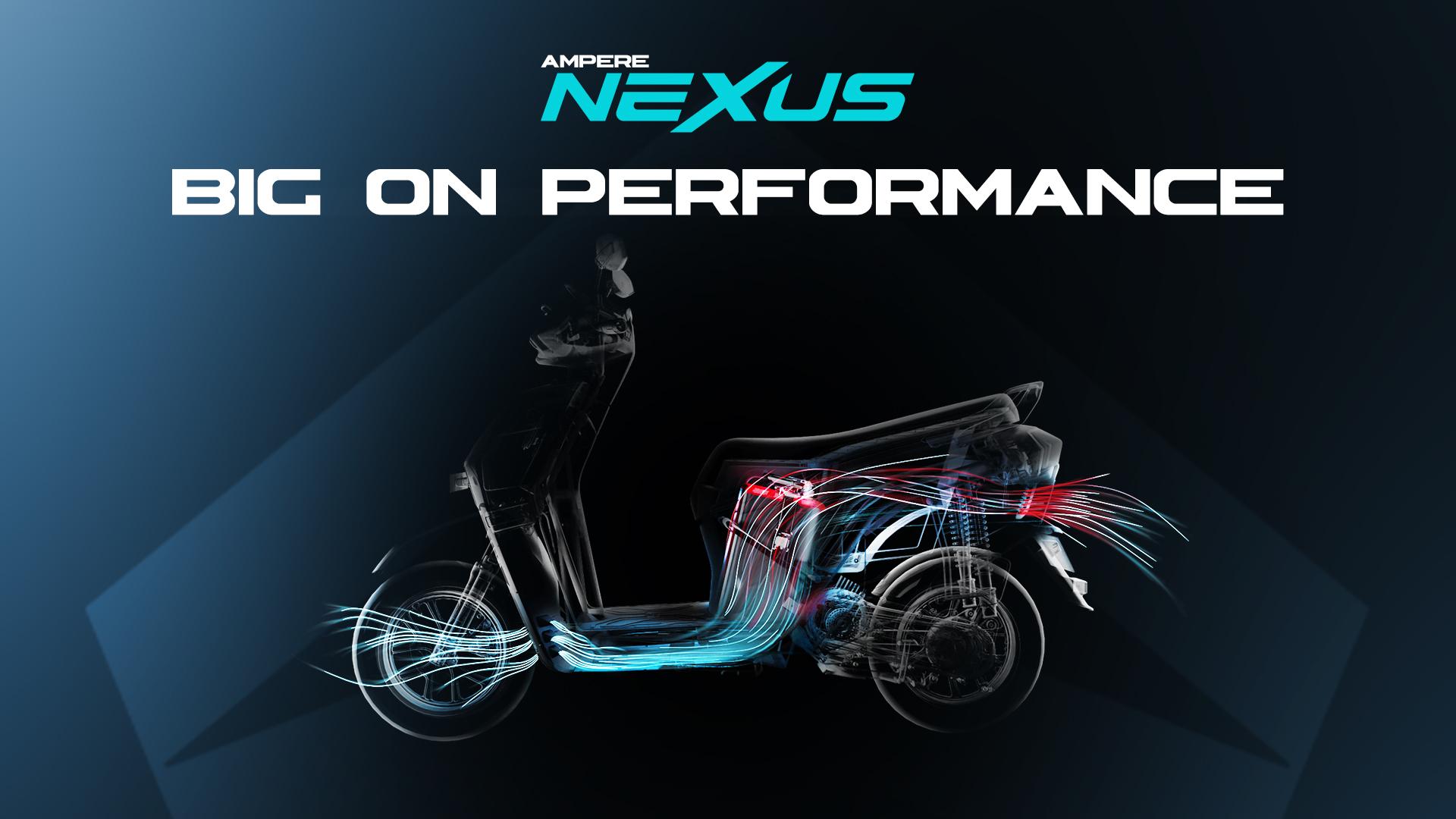
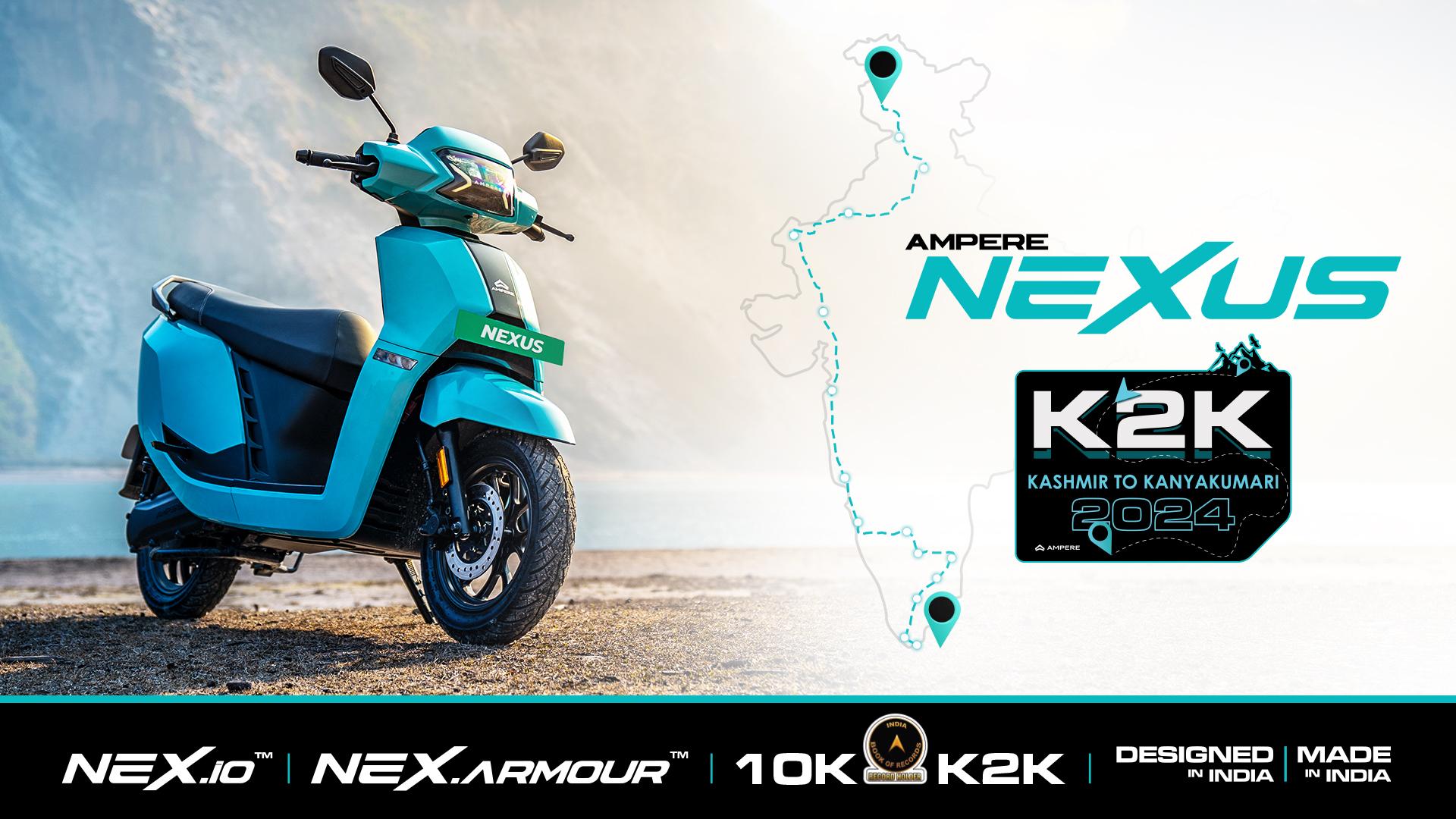
| Nexus | 136 km | 93 km/h | 40–60 km commutes + occasional intercity |
Frequently Asked Questions
What is the real-world range of a long-range electric scooter in traffic?
Real-world range typically drops to around 75–85% of official claims. Heavy traffic, frequent stops, rider weight, and air-conditioning-free summer rides all cause this decline. Ampere focuses on practical efficiency — the Magnus G Max and Nexus offer 95–110 km of real-world range, with plenty of buffer for daily commutes. Always plan with a 20–30% safety margin.
How much can I save monthly by switching from a car?
Most Indian office commuters save between ₹8,000 and ₹12,000 per month after switching from a small petrol car to an electric scooter. The savings come from lower fuel costs (₹3,000–8,000), reduced parking fees (₹1,000–3,000), and lower maintenance (₹1,000+). Over three years, this typically adds up to ₹3.5–5 lakh in net savings.
How does an electric scooter handle heavy Indian monsoons?
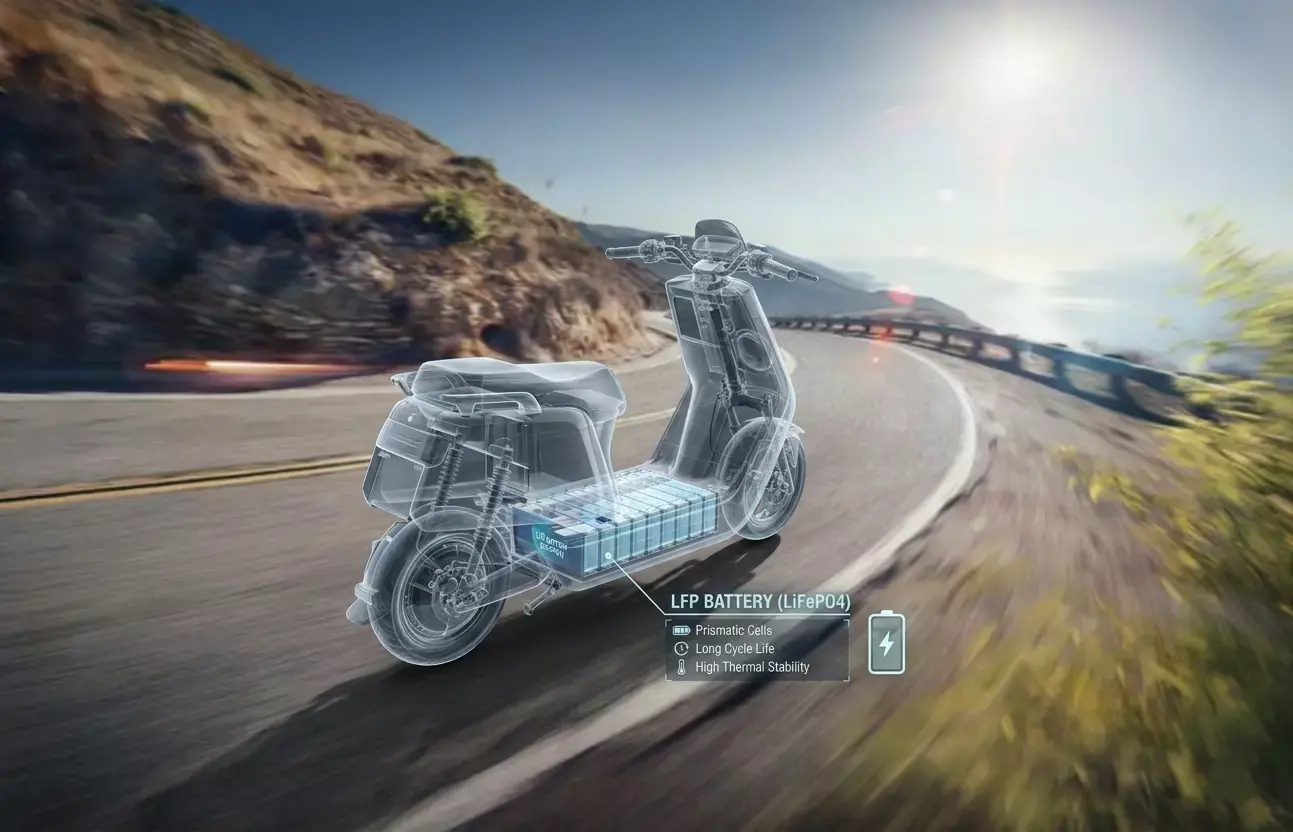
Check for IP65 or IP67 ratings on the motor and battery pack — these protect against waterlogging and heavy rain. Ampere’s LFP-based scooters are designed for Indian conditions, with high ground clearance (135–170 mm) and sealed components. Still, avoid riding through deep waterlogged stretches and let the scooter dry before charging after heavy showers.
Will I need to charge at the office too?
It depends on your daily distance. For round-trip commutes under 60 km, overnight home charging is enough. For 60–100 km daily routes, office charging or a top-up during the workday gives extra peace of mind. Many tech parks and corporate campuses now offer free or paid EV charging.
How long do Ampere LFP batteries last?
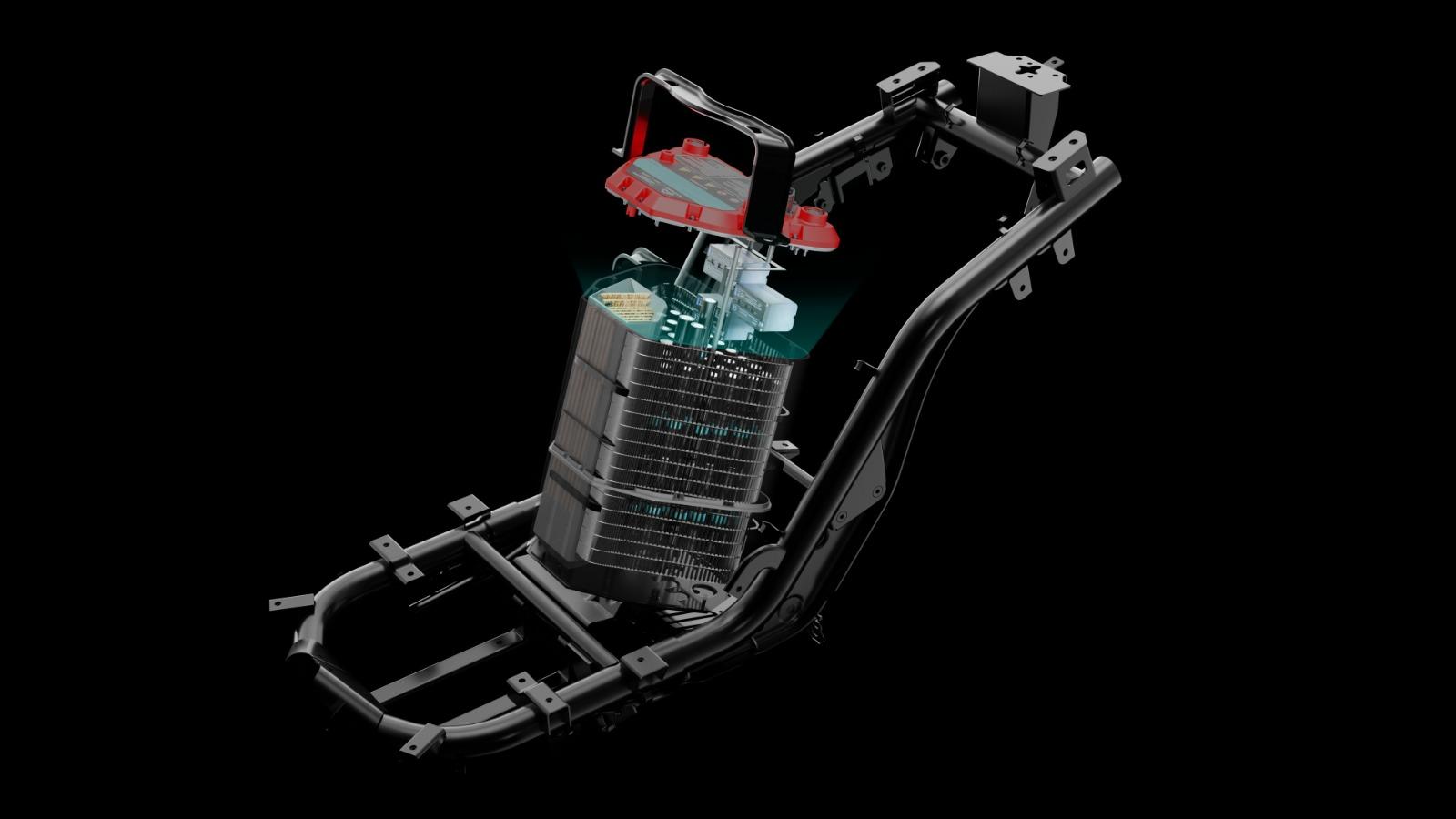
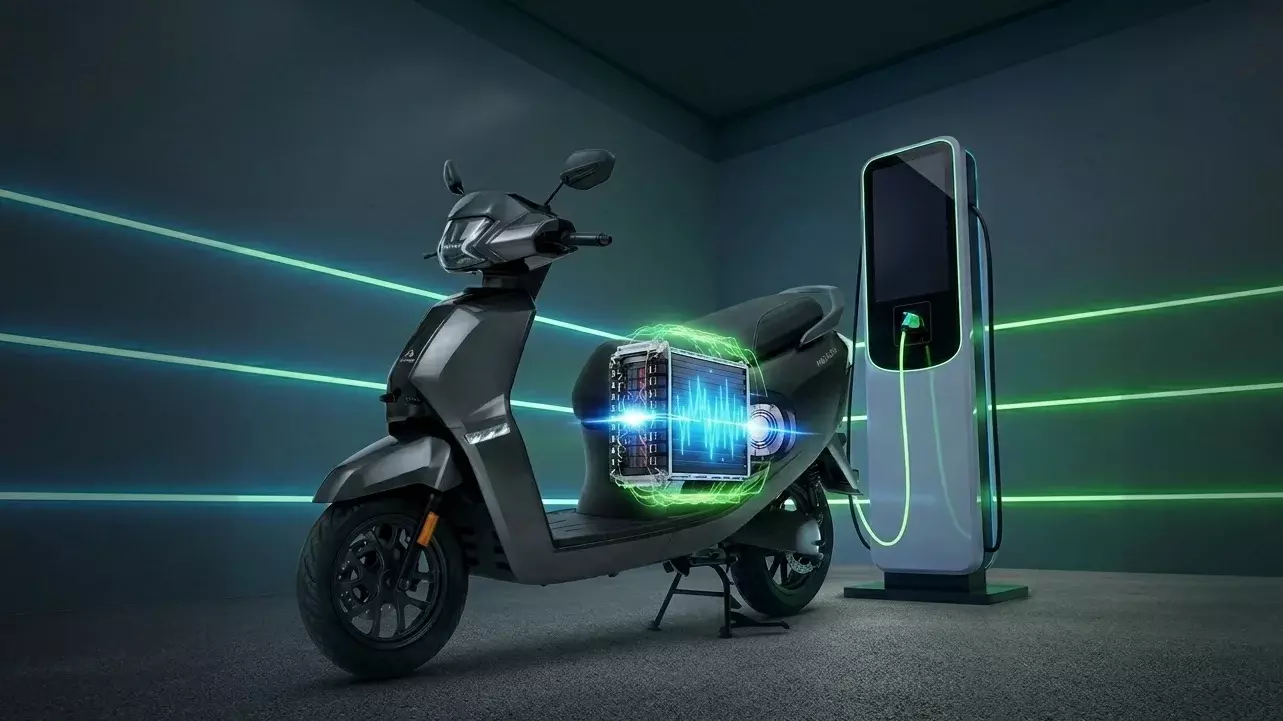
Ampere’s Lithium Iron Phosphate (LFP) batteries are designed for 5+ years of regular use, with the Magnus Grand, G Max, and Nexus carrying a 5-year / 75,000 km battery warranty — one of the best in the segment. LFP chemistry handles Indian summer heat better than standard Li-ion, giving longer real-world life.
Is an electric scooter safe for highway-speed sections of my commute?
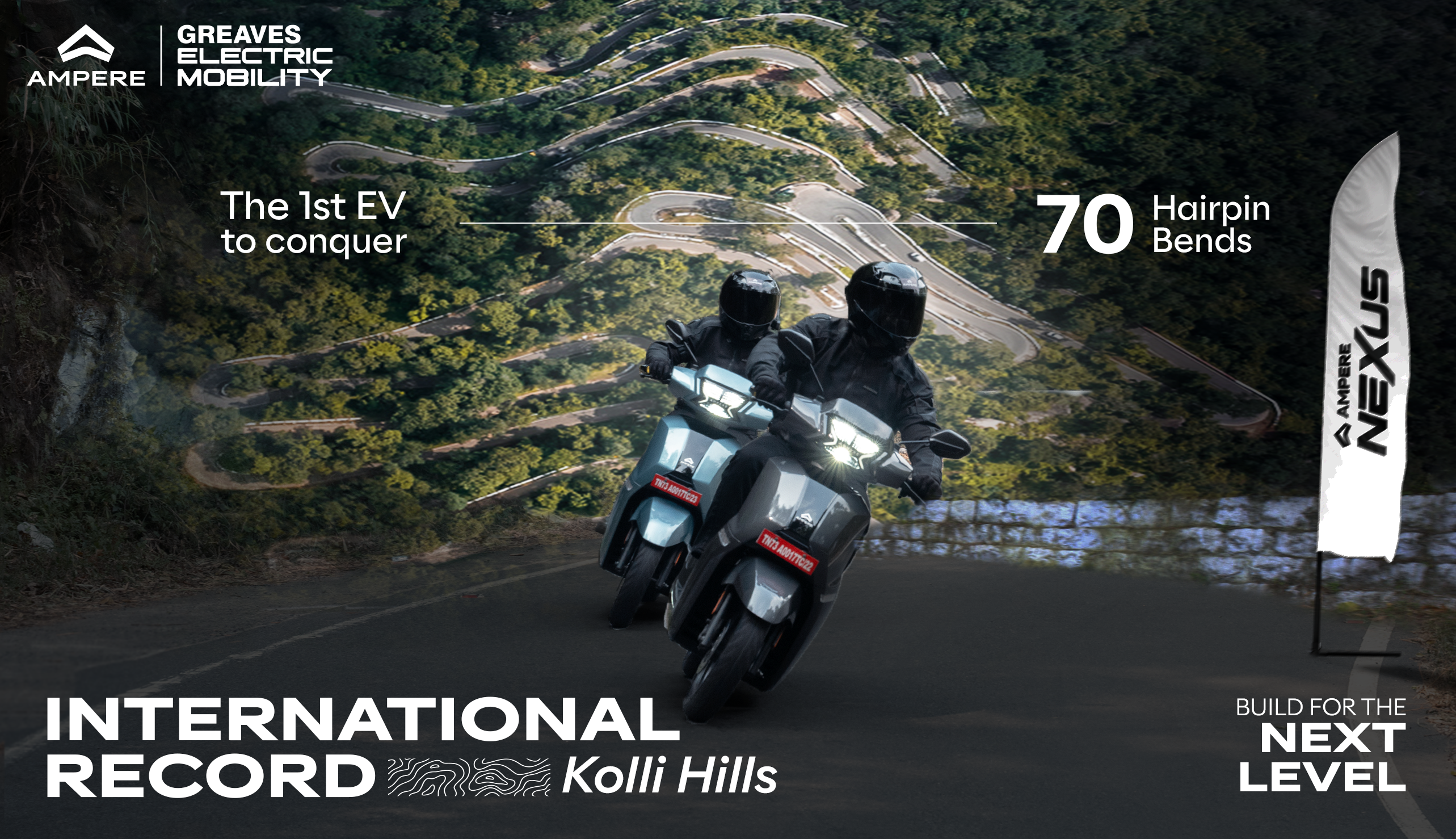
For commutes that include short highway sections, the Ampere Nexus is the best choice — with a 93 km/h top speed, ~125 Nm torque, front disc brake, and ~15° gradeability. The Magnus range tops out at 65 km/h, which is adequate for city arterial roads but not ideal for long highway stretches.
Conclusion: Is an E-Scooter Right for Your 2026 Commute?
Choosing the best electric scooter for daily commute needs depends on your priorities. While Ather Energy and Ola Electric offer premium tech-first ownership, Ampere focuses on practical value — delivering significant savings over cars through lower fuel, maintenance, and parking costs. For long daily office commutes of 30–60 km, the Ampere Magnus G Max and Nexus deliver a strong return on investment, with reliable range, monsoon-ready hardware, and an accessible 420+ service network across 309 Indian cities.
The electric scooter vs car for office commute equation has shifted decisively in favour of EVs in 2026. You can save ₹8,000–12,000 every month on fuel and parking alone, while cutting your daily commute time by 20–40% during rush hour. Your next step is simple: evaluate your specific office route, confirm home or office charging access, then test ride two or three shortlisted models before deciding.
Start your journey toward cheaper, faster, and cleaner office travel today — visit your nearest Ampere dealership to compare models and book a test ride that matches your real-world commute.
Cost and savings estimates are based on 2026 fuel prices, average urban electricity tariffs, and typical office commutes of 40 km/day. Actual figures vary by city, individual usage, and applicable state EV incentives. Always verify current pricing with your nearest Ampere dealership.