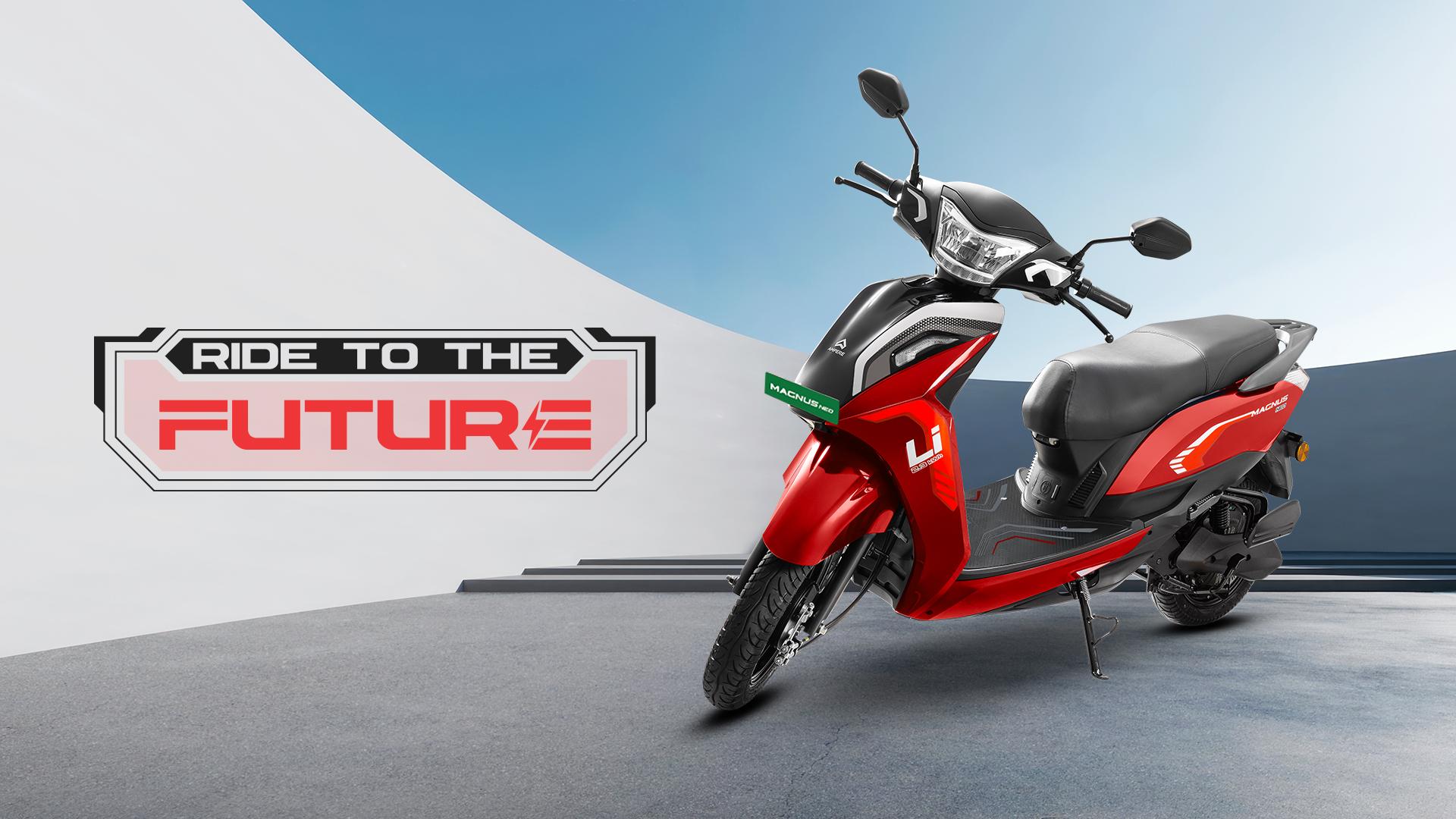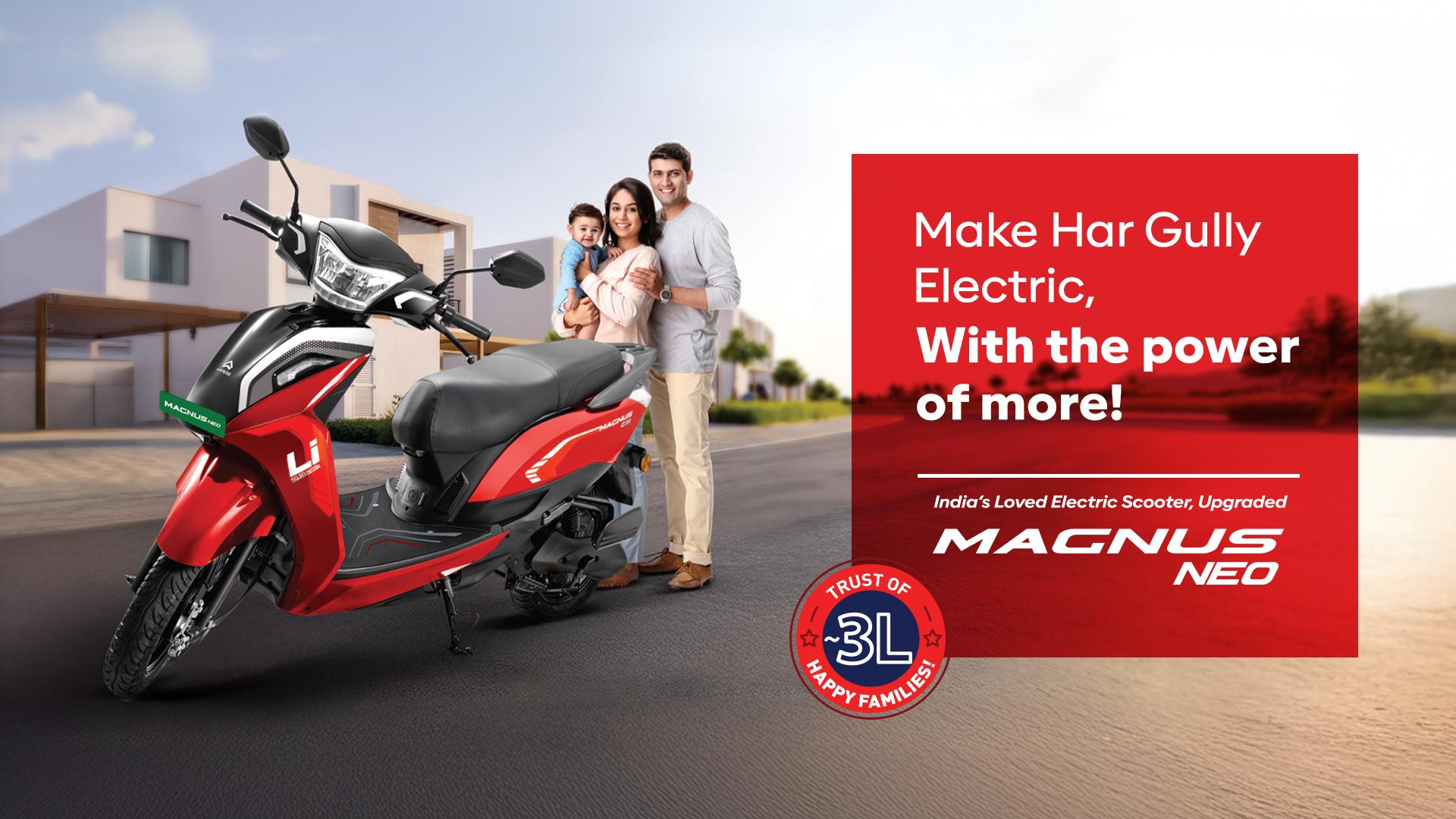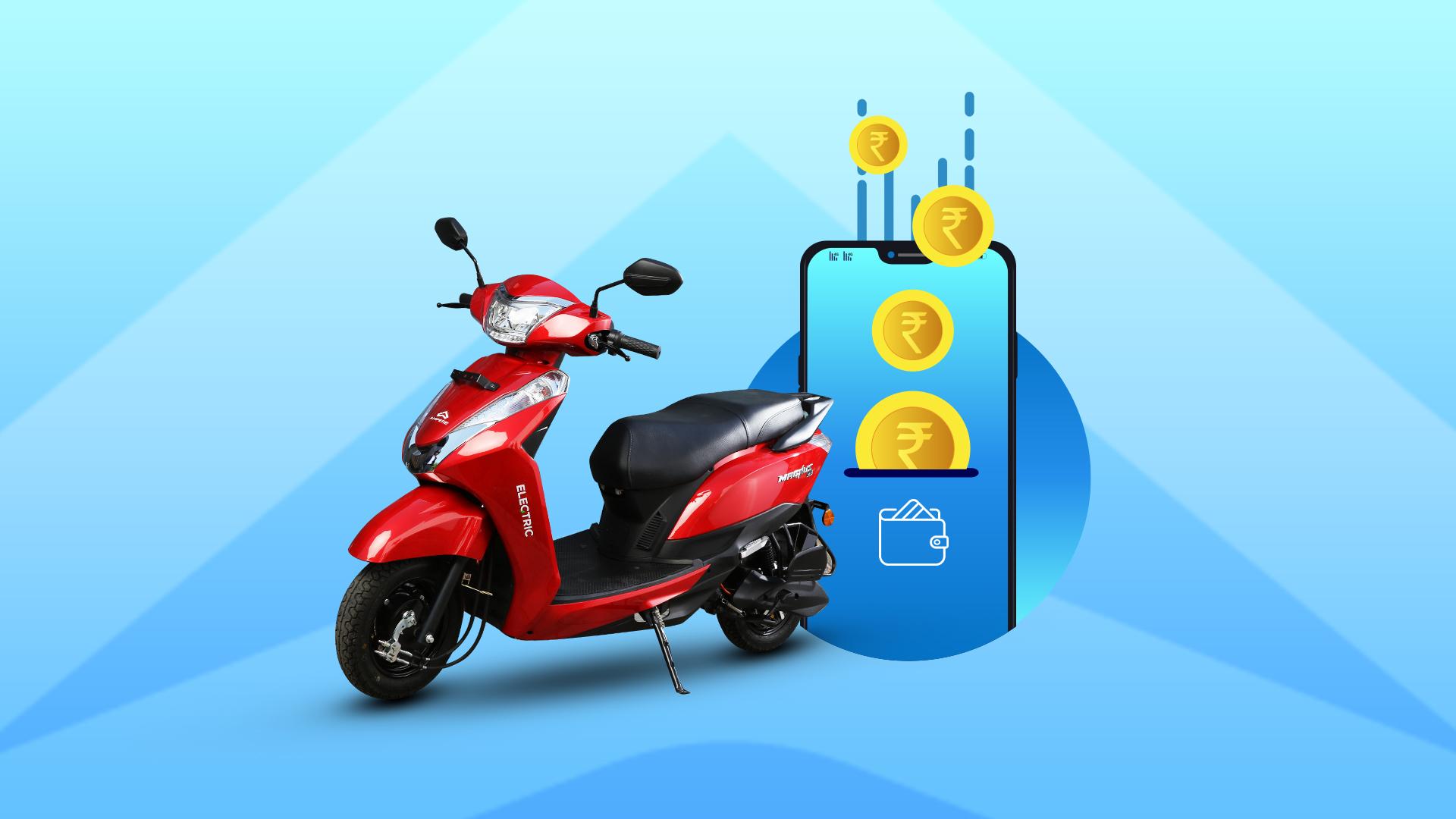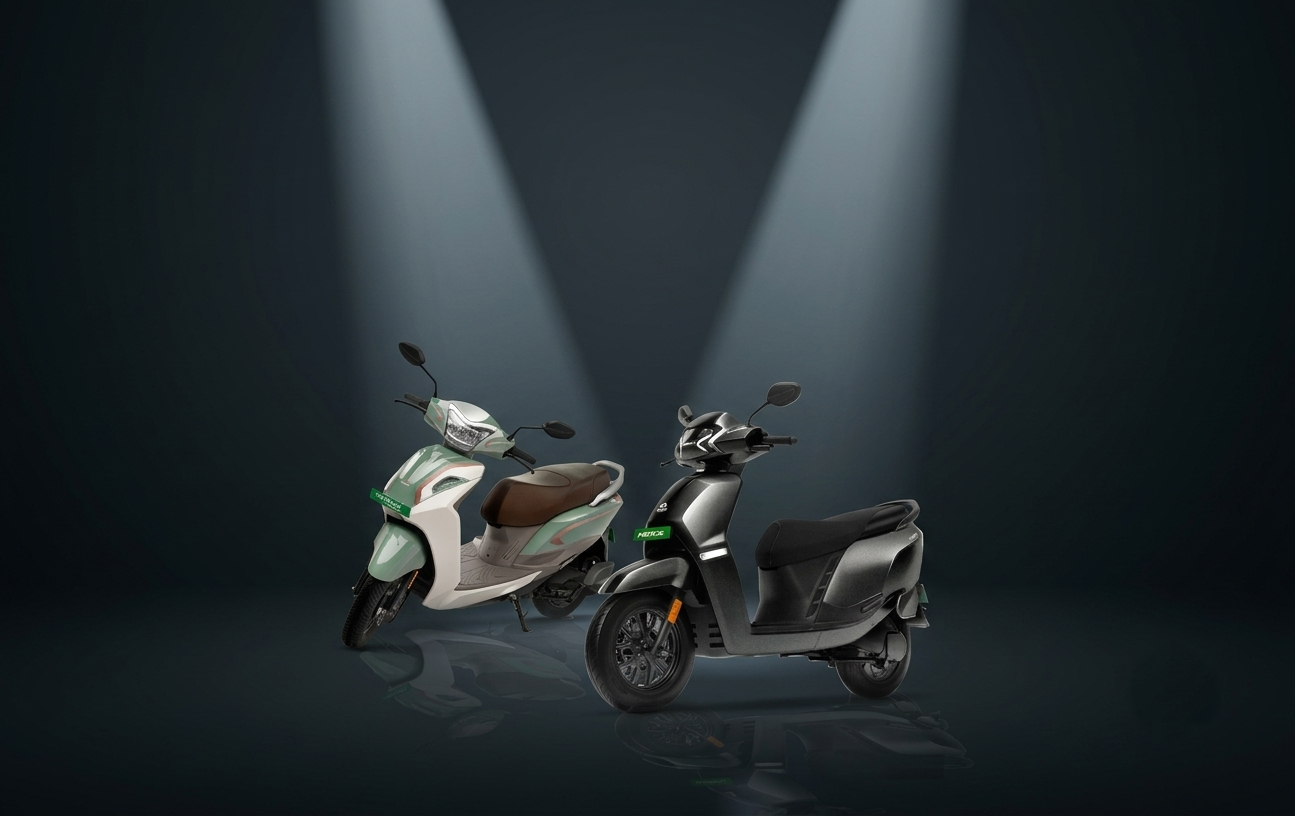
A Honda Activa retains 55–60% of its value after 5 years — one of the strongest resale track records in Indian two-wheelers. Established electric scooters from Ampere, Ather, Bajaj Chetak, and TVS iQube are currently retaining 30–45% at Year 5, with the gap narrowing as the used EV market matures. Buyers calculating total ownership cost must factor depreciation — but even accounting for it, the EV's running cost advantage typically outweighs the resale gap.
Depreciation is the silent cost of vehicle ownership. Most buyers focus on purchase price, fuel cost, and maintenance — but the vehicle's residual value at Year 3 or Year 5 is a real financial consideration, particularly if you plan to trade in or sell before the full ownership cycle. In 2026, the depreciation story for ICE versus electric scooters in India is nuanced: ICE vehicles have a mature, well-understood resale market. Electric scooters are building theirs — and the trajectory is upward.
How ICE Scooter Depreciation Works
The Indian used two-wheeler market is enormous — estimated at over 3x the size of the new vehicle market in value terms. Honda Activa commands premium resale values because buyers trust the brand, parts are universally available, and any mechanic in any town can assess and service it. A 2021 Activa in good condition fetches ₹42,000–₹50,000 against an original price of ₹70,000–₹75,000 — a 55–67% retention rate. TVS Jupiter 125 and Suzuki Access 125 achieve similar retention.
For premium 125cc scooters, depreciation follows a predictable curve: steepest in Year 1 (approximately 15–20% value drop), moderating to 10–12% per year through Years 2–4, and stabilising at 8–10% per year in Years 4–5. Engines, if maintained, run reliably for 150,000–200,000 km — giving buyers confidence that a 4-year-old petrol scooter has plenty of life remaining.
| Year | Honda Activa 6G (₹76,000 ex-showroom) | TVS Jupiter 125 (₹79,000 ex-showroom) |
|---|---|---|
| End Year 1 | ~₹62,000 (82% retained) | ~₹64,000 (81% retained) |
| End Year 2 | ~₹54,000 (71% retained) | ~₹55,000 (70% retained) |
| End Year 3 | ~₹47,000 (62% retained) | ~₹47,000 (59% retained) |
| End Year 4 | ~₹41,000 (54% retained) | ~₹40,000 (51% retained) |
| End Year 5 | ~₹36,000 (47% retained) | ~₹34,000 (43% retained) |
How Electric Scooter Depreciation Works in 2026
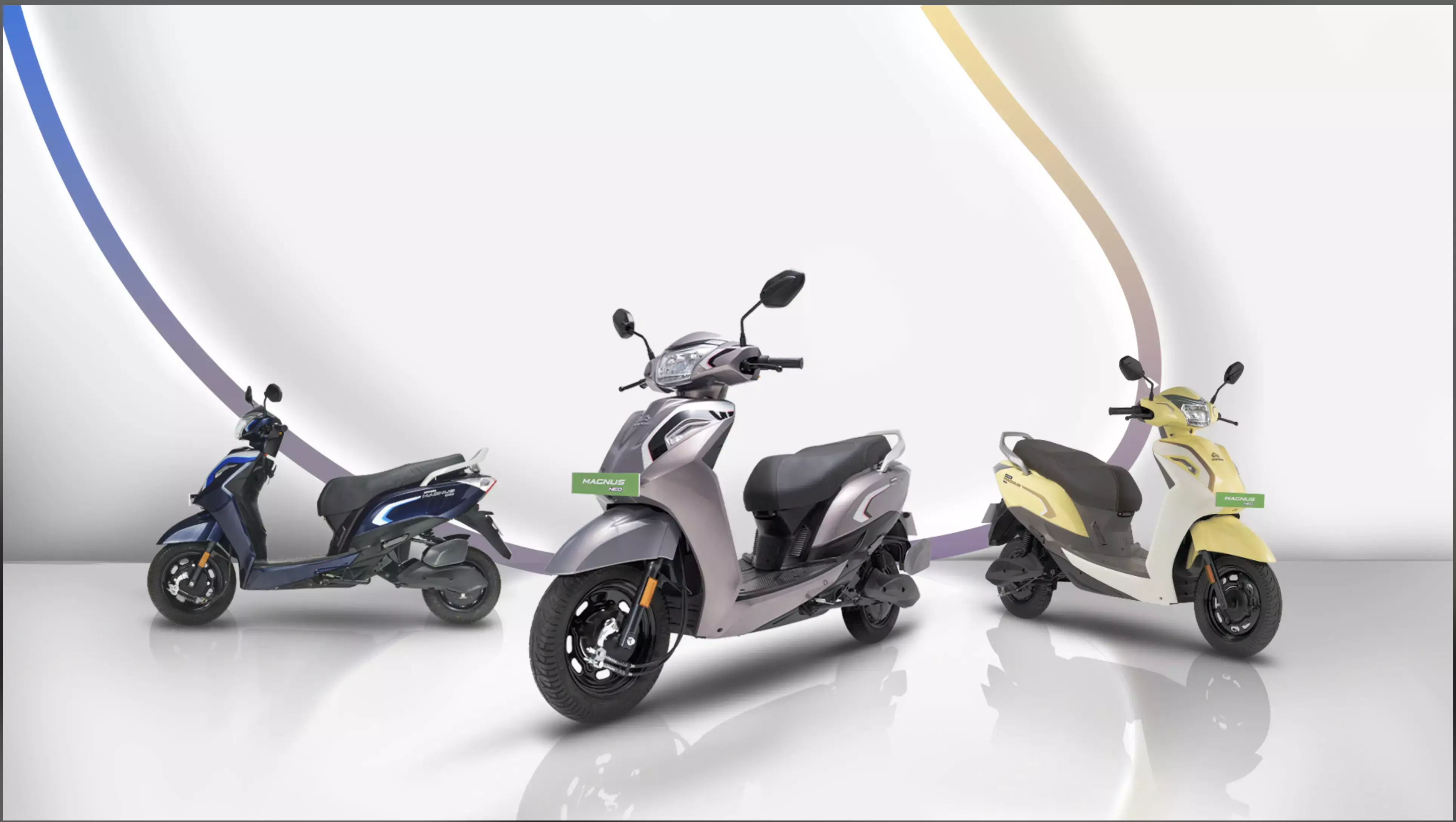
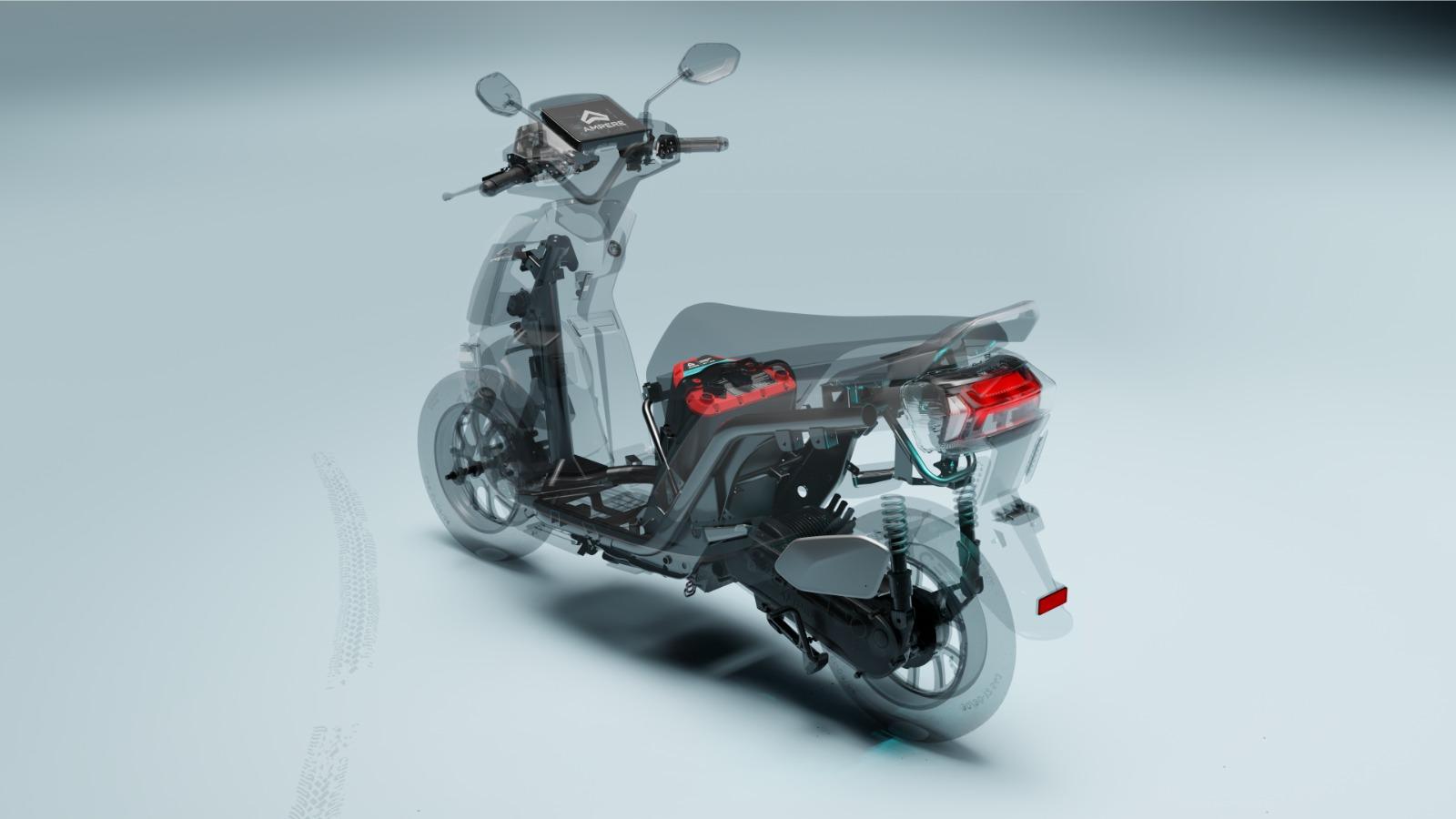
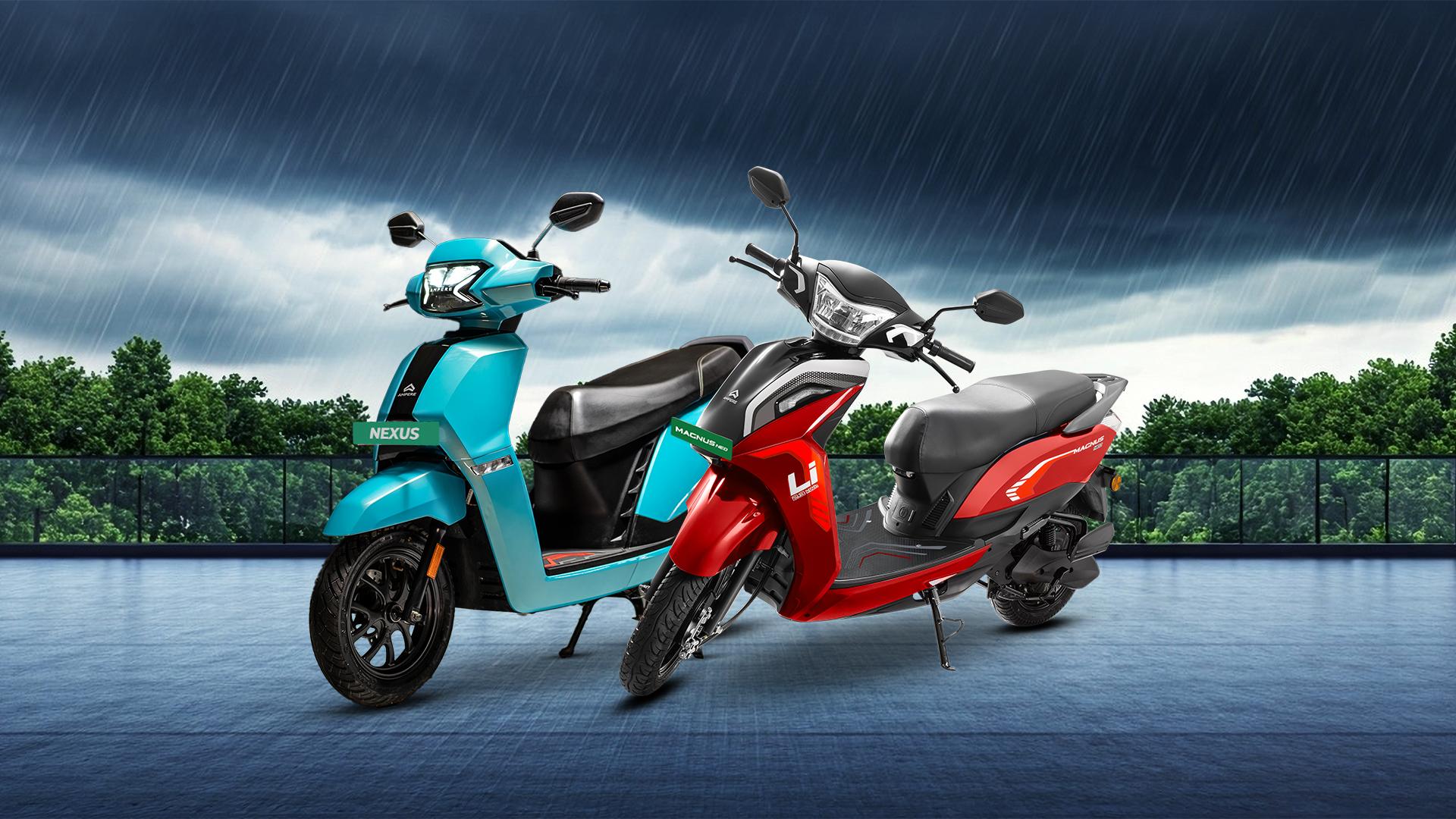
Electric scooter resale is a newer market and depreciation trends are less settled. Early EV models (2019–2021 era) from now-defunct or struggling brands depreciated sharply — some to near-zero values. This damaged confidence in EV resale broadly. However, established brand EVs — Bajaj Chetak, Ather 450X, TVS iQube, and Ampere Magnus models — are building stronger resale track records as the used EV market matures.
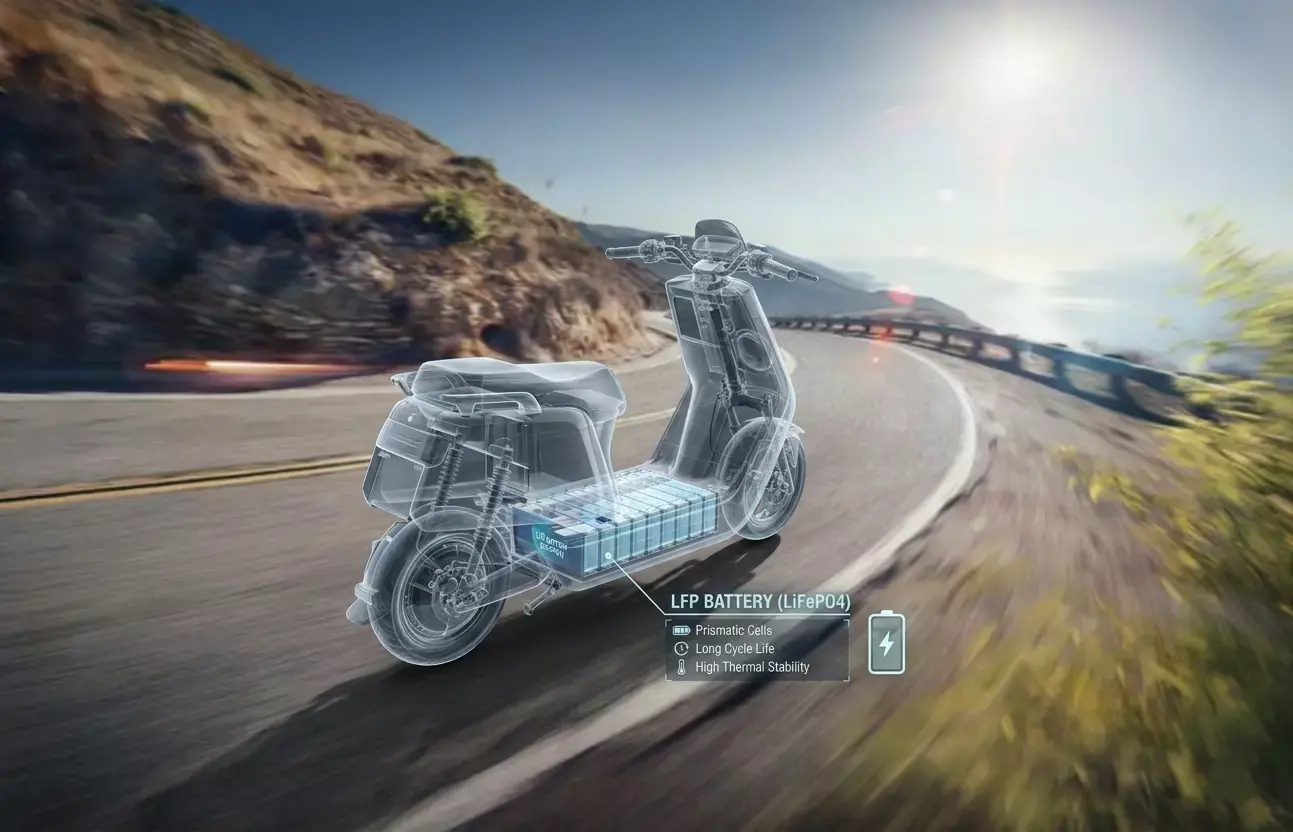
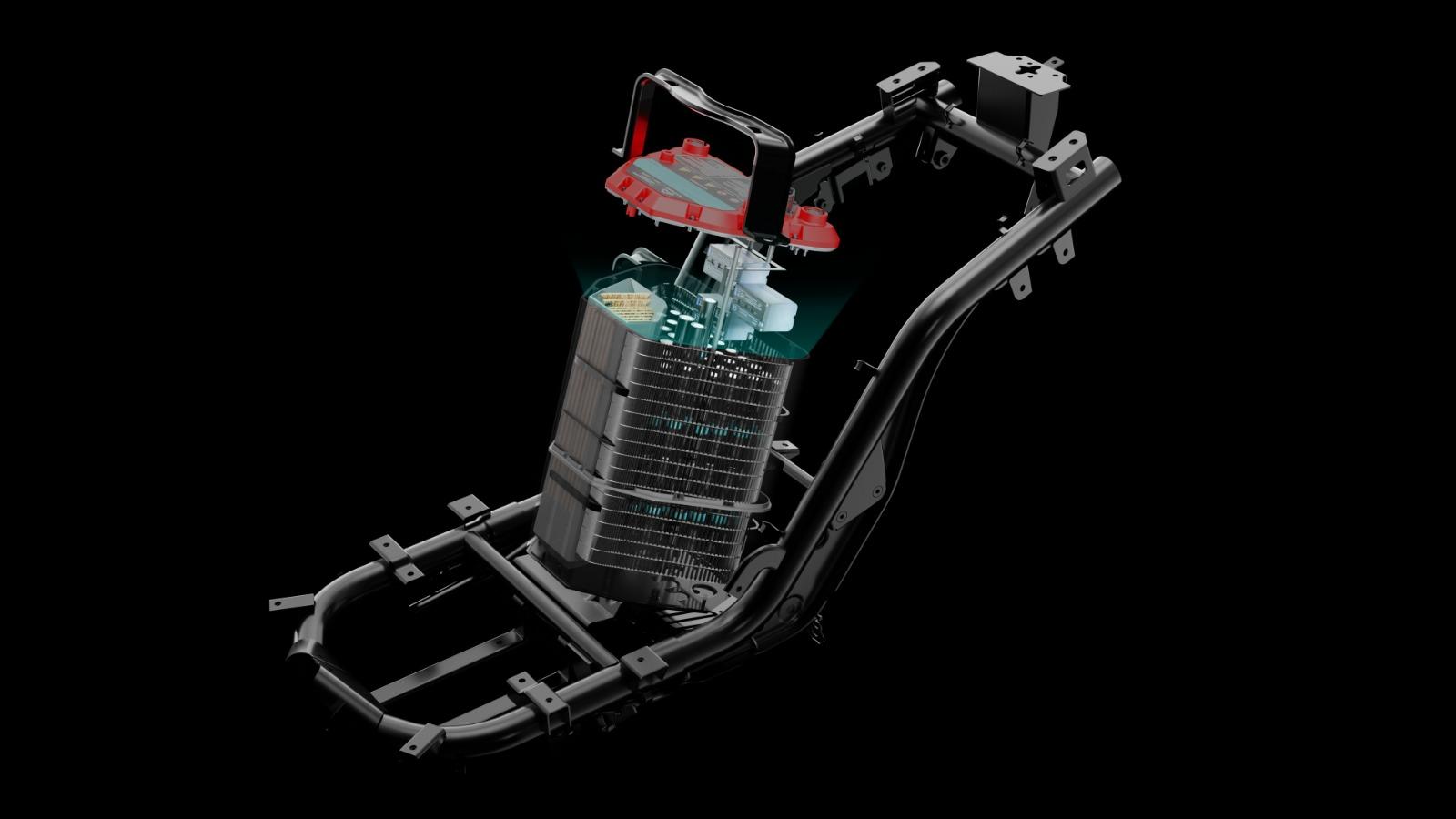
The key variable for EV resale is battery state of health. A 3-year-old electric scooter with strong battery health (80%+ capacity retained) commands meaningfully better resale than one with a degraded battery. This is why battery warranty documentation, charging history, and brand reliability matter enormously for EV resale — and why Ampere's 5-year / 75,000 km battery warranty on Magnus Neo, Grand, G Max, and Nexus is a genuine resale asset: it signals confidence in the battery's longevity to prospective used buyers.
| EV Model | Ex-Showroom Price | Est. Year 3 Resale | Est. Year 5 Resale | Key Resale Factor |
|---|---|---|---|---|
| Ampere Magnus Neo | ₹86,999 | ₹45,000–₹52,000 (52–60%) | ₹30,000–₹38,000 (35–44%) | 5-yr battery warranty, LFP longevity |
| Bajaj Chetak 3501 | ₹1,10,922 | ₹60,000–₹70,000 (54–63%) | ₹42,000–₹52,000 (38–47%) | Brand heritage, Bajaj service network |
| TVS iQube | ₹1,13,742 | ₹60,000–₹70,000 (53–62%) | ₹40,000–₹50,000 (35–44%) | TVS service reach, strong brand |
| Ather 450X | ₹1,47,999 | ₹75,000–₹90,000 (51–61%) | ₹52,000–₹65,000 (35–44%) | Tech reputation, OTA updates |
| Ola S1 Pro | ₹1,29,863 | More variable — service concerns impact resale | Under-established | Service history matters significantly |
When Running Cost Savings Outweigh the Resale Gap
A realistic buyer concern: if the Activa retains ₹36,000 at Year 5 but the Magnus Neo retains only ₹32,000 — does that ₹4,000 resale gap change the decision? When viewed alongside the running cost advantage, the answer is no. Over 5 years at 30 km/day, the Magnus Neo saves approximately ₹95,000 in fuel and ₹25,000 in maintenance versus a 125cc petrol scooter — a combined ₹1,20,000 operational saving. A ₹4,000–₹8,000 resale gap does not materially change the ownership economics. The EV advantage holds even with an honest depreciation adjustment.
| 5-Year Ownership Factor | Petrol Scooter (125cc) | Ampere Magnus Neo |
|---|---|---|
| Purchase price | ₹80,000 | ₹86,999 |
| 5-year fuel + electricity cost | ~₹1,03,500 | ~₹8,100 |
| 5-year maintenance cost | ~₹45,000 | ~₹15,000 |
| Year 5 resale value (est.) | ₹34,000–₹38,000 | ₹30,000–₹35,000 |
| 5-year net ownership cost | ~₹1,86,500 | ~₹79,099 |
| Total advantage in favour of EV | — | ~₹1,07,401 |
What Improves EV Resale Value: A Practical Guide
Battery health documentation is the single most important factor. Keeping service records showing regular Ampere-authorised servicing, maintaining charging habits within the recommended 20–80% daily range, and having the battery health check completed at each service visit creates a documented ownership history that directly supports resale price. Cosmetic condition and low odometer readings matter as with petrol scooters. A clean, well-maintained Magnus Neo with battery warranty still active is a significantly more attractive used buy than one with no documentation.
Frequently Asked Questions
Does the remaining battery warranty transfer to the next owner on resale?
Typically yes, for Ampere's Magnus series with 5-year / 75,000 km battery warranty — warranty terms are generally tied to the vehicle, not the original owner. Confirm this with your dealer at purchase and note it explicitly in your sale documentation when reselling.
Are there used EV platforms in India where I can sell or buy secondhand electric scooters?
Yes. Platforms like OLX, Cars24, Droom, and brand-specific certified pre-owned programmes (Ather has launched a CPO initiative) are building used EV markets. Bajaj Chetak's resale is strong on OLX given the brand trust. Ampere models in good condition are being listed and transacted. The market is less liquid than petrol scooters but is growing.
Should I factor depreciation into my EV buying decision?
Yes, but holistically. Depreciation at Year 5 is one line item in a total ownership cost calculation. For riders covering 25–40 km daily in urban areas, the 5-year running cost savings from an Ampere Magnus Neo typically outweigh the resale gap by 10–15x. Depreciation matters more for occasional riders who cover less distance and thus accumulate fewer fuel savings.
India's used EV market is young but directionally clear: as electric scooters become mainstream, used EV liquidity will improve. Battery warranty documentation will increasingly serve as the EV equivalent of a service history book. And the established brands — including Ampere — that build strong first-owner satisfaction are building the future resale value of their products with every satisfied daily commuter.