High ambient temperatures in Indian summers — often 40 to 45°C and above — can reduce EV battery range by 10 to 20 percent, stress lithium ion cells, and make every ride noticeably more demanding than the cooler months.
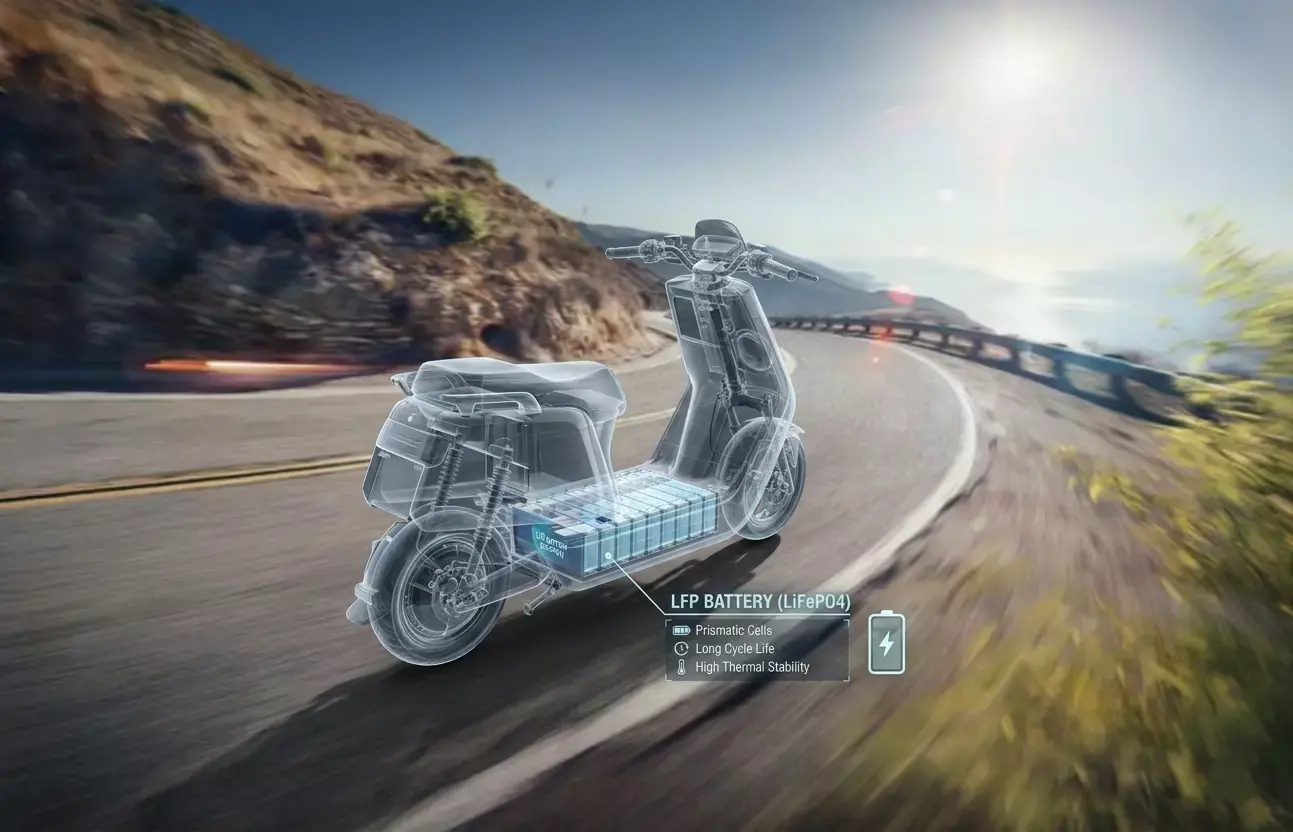
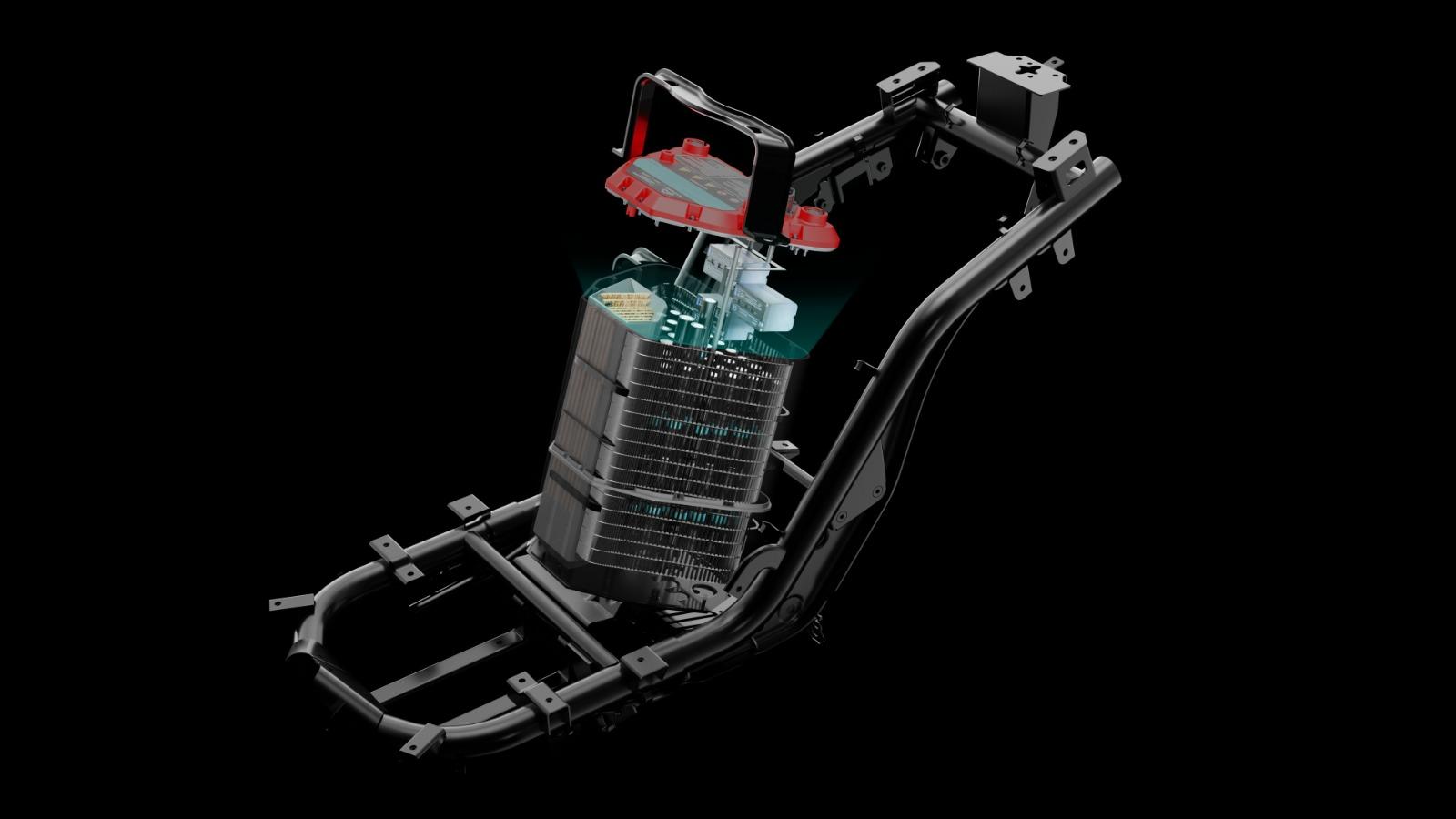
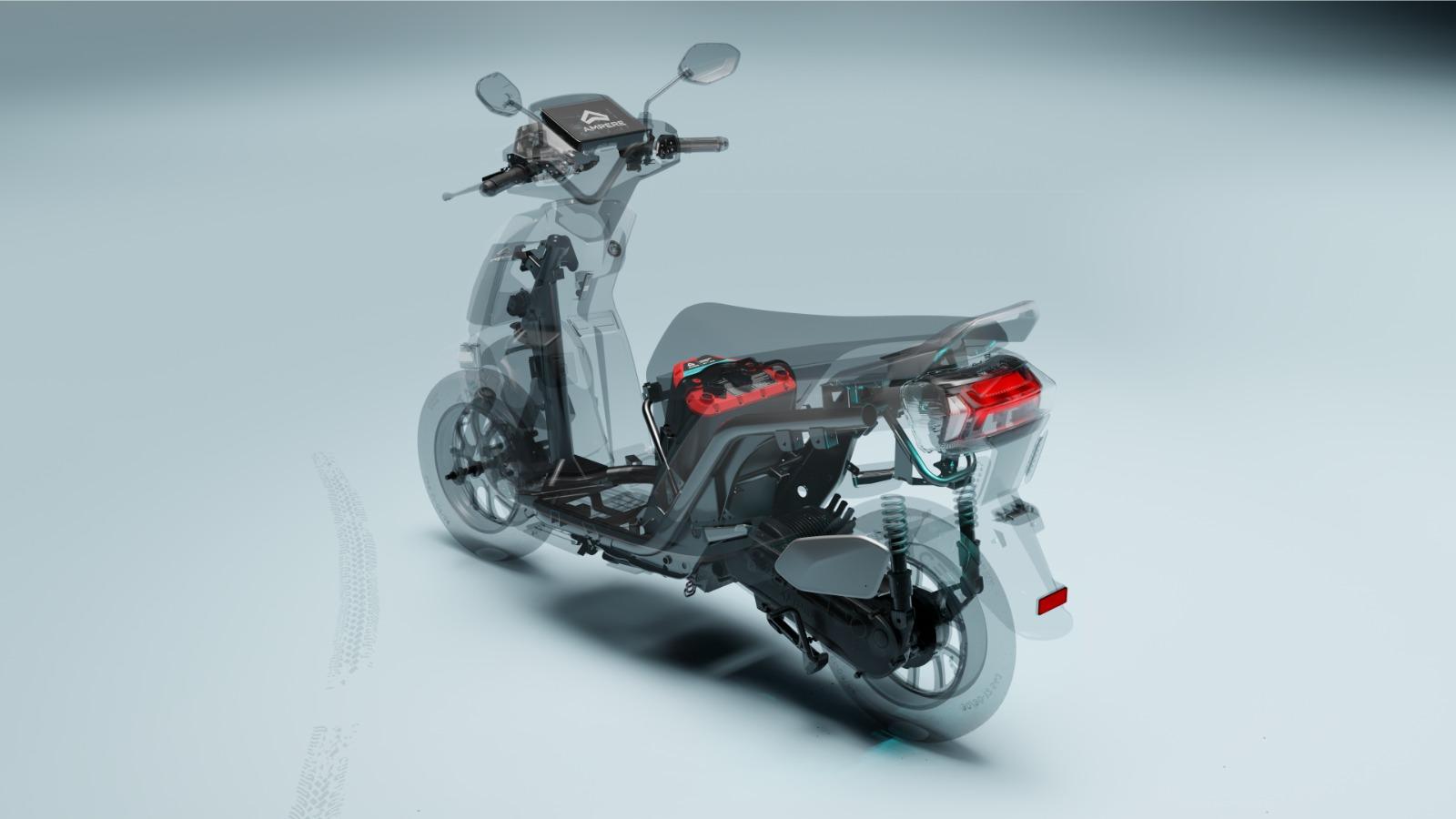
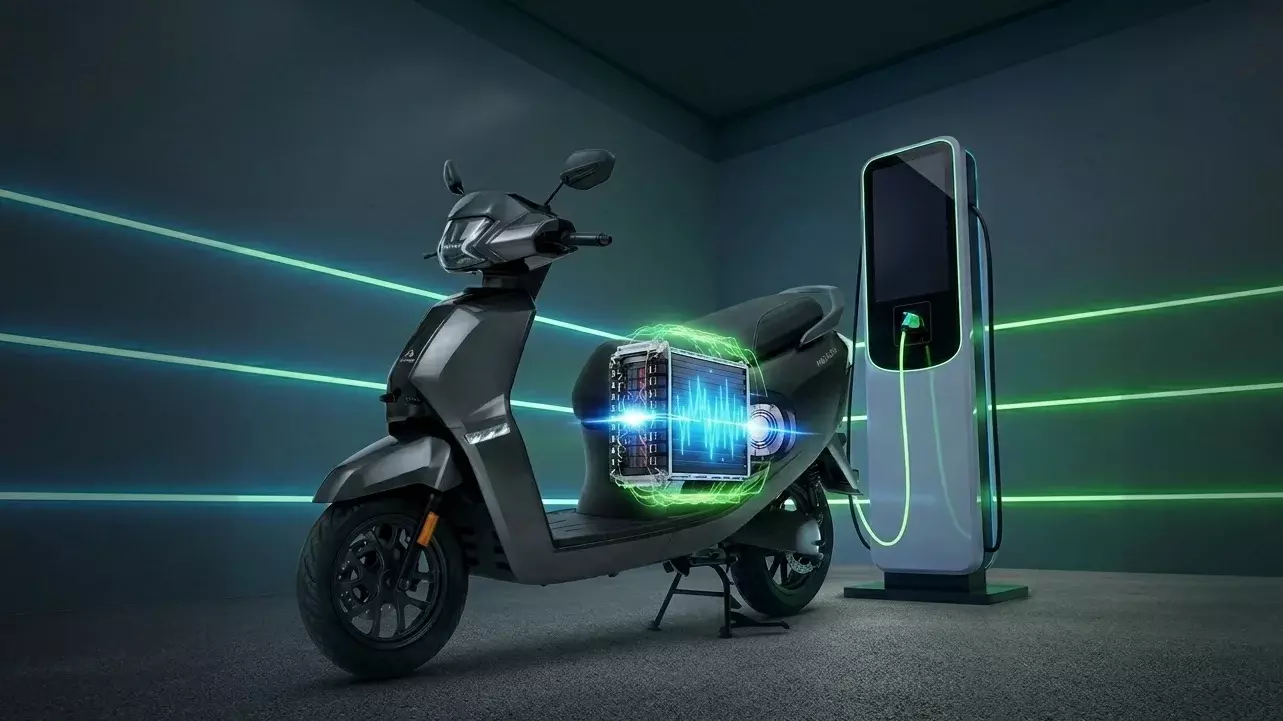
The best electric scooters for Indian summers use LFP battery chemistry for superior thermal stability, a robust Battery Management System to limit charging stress during peak heat, and enough range buffer to comfortably absorb the summer drop. Ampere's full current lineup uses LFP batteries across every model — the most thermally stable chemistry available for hot Indian riding conditions.
How Indian Summers Affect Electric Scooter Batteries and Range
Lithium ion batteries work by shuttling ions between two electrodes — a process that is most efficient at moderate temperatures. In extreme heat, internal reactions become stressed, and you experience the effects directly as reduced available power, slower safe charging rates, and a noticeable dip in both usable range and long-term battery life.
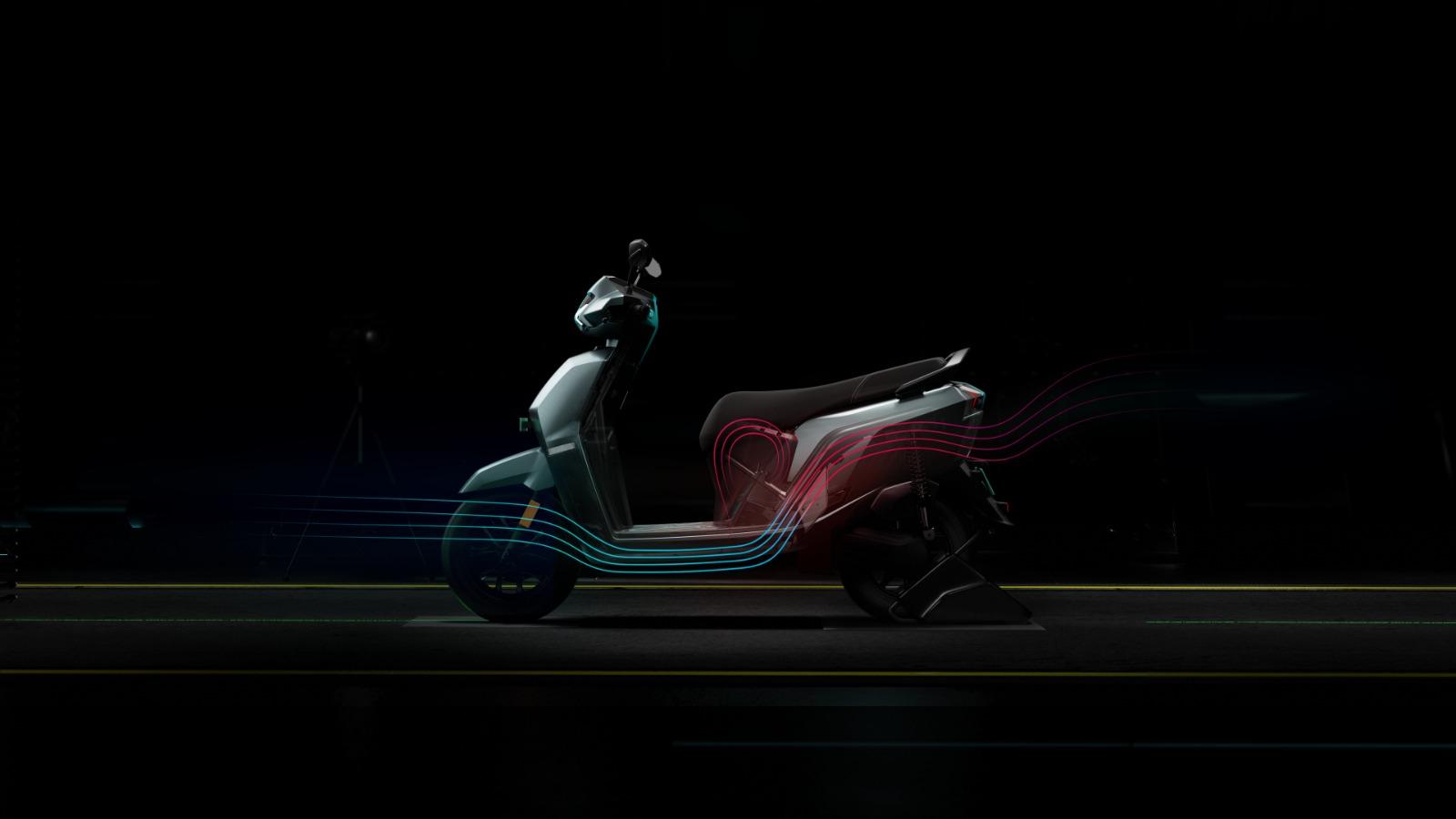
In Indian summers, 40 to 45°C ambient heat pushes cell temperatures significantly higher during both riding and charging. As packs warm up, internal resistance rises and the scooter's software may automatically limit power delivery to protect the cells from accelerated heat damage. Understanding this helps you make smarter daily riding and charging choices throughout the season.
Key Features to Prioritise for Indian Summer Riding
When comparing electric scooters for Indian summers, look well beyond headline performance figures. Focus specifically on how each scooter handles sustained high temperatures, battery stability under heat stress, and practical daily usability for your city or town conditions.
| Feature to Check | Why It Matters in Indian Summers | Ampere Approach |
|---|---|---|
| Battery Chemistry | LFP is more thermally stable than NMC — lower thermal runaway risk in 40°C+ heat | All Ampere models use LFP batteries across the full lineup |
| Battery Management System (BMS) | Monitors temperature and limits power when pack overheats to protect cells | Integrated BMS across the full Ampere lineup |
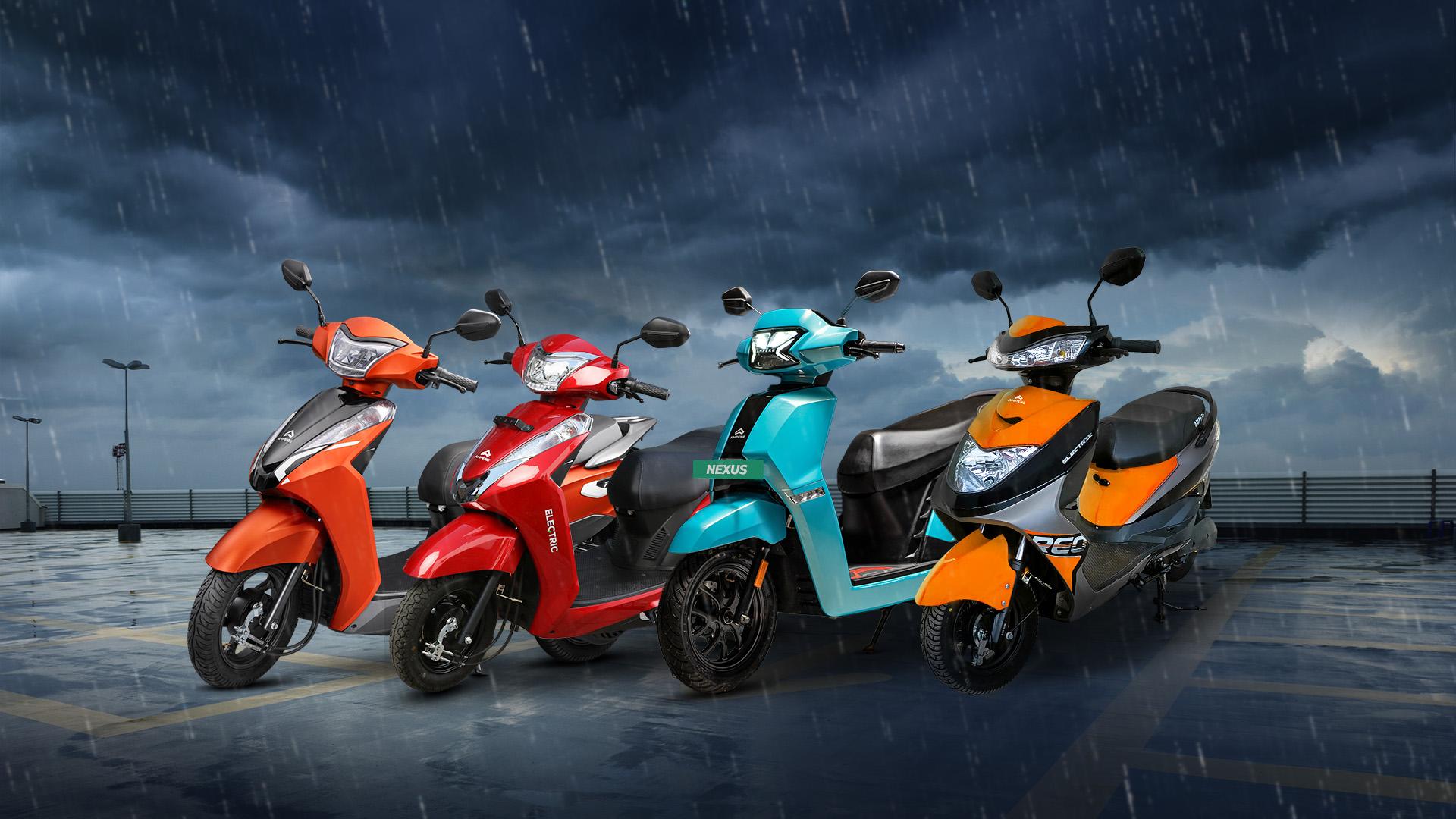
| IDC Range Buffer | Heat reduces real-world range — always buy 20–30% more than your actual daily need | Range from 80 km on the Reo 80 to 142 km on the G Max |
| Removable Battery | Take the battery indoors during power cuts and peak afternoon heat | Reo 80 has a removable battery in the current lineup |
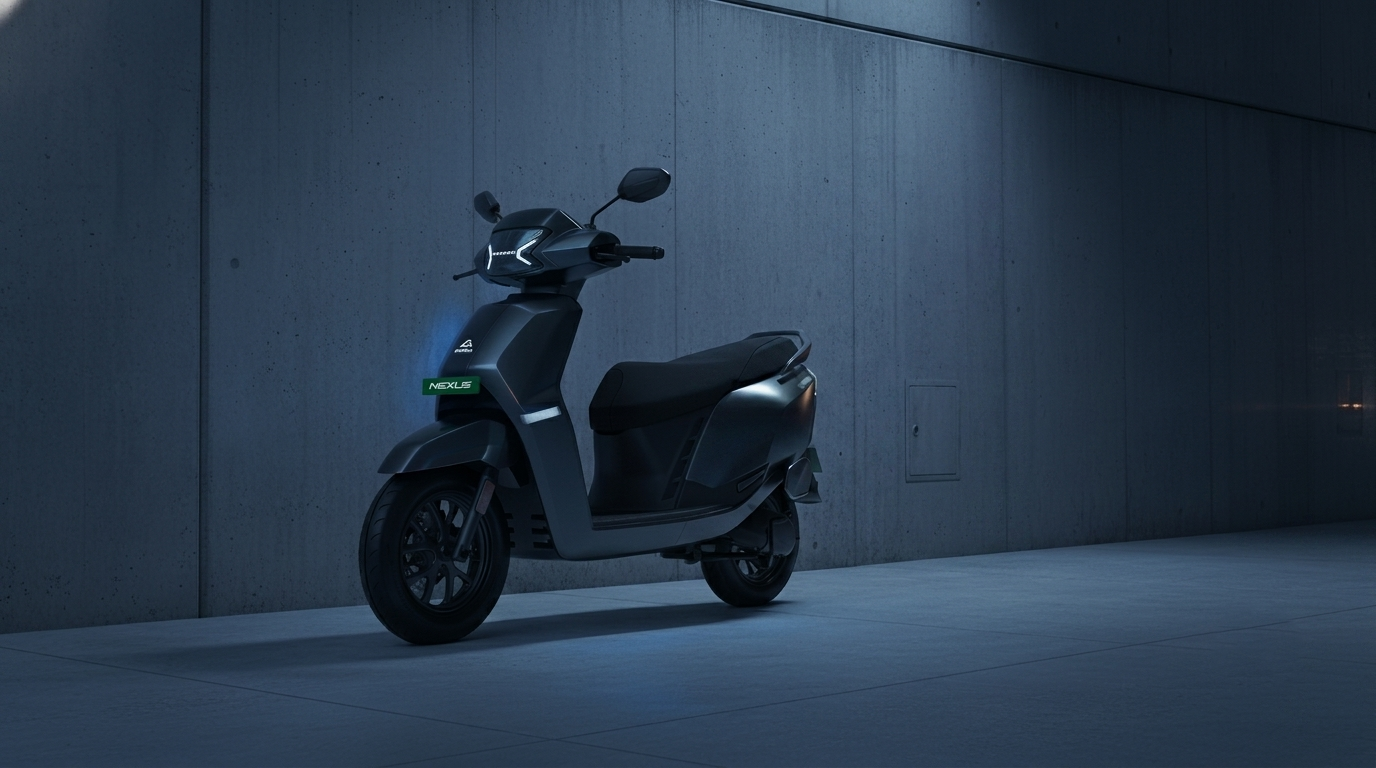
| Battery Warranty | A long warranty signals the brand's confidence in heat endurance over years of use | 5 years / 75,000 km on Magnus Neo, Grand, G Max, and Nexus |
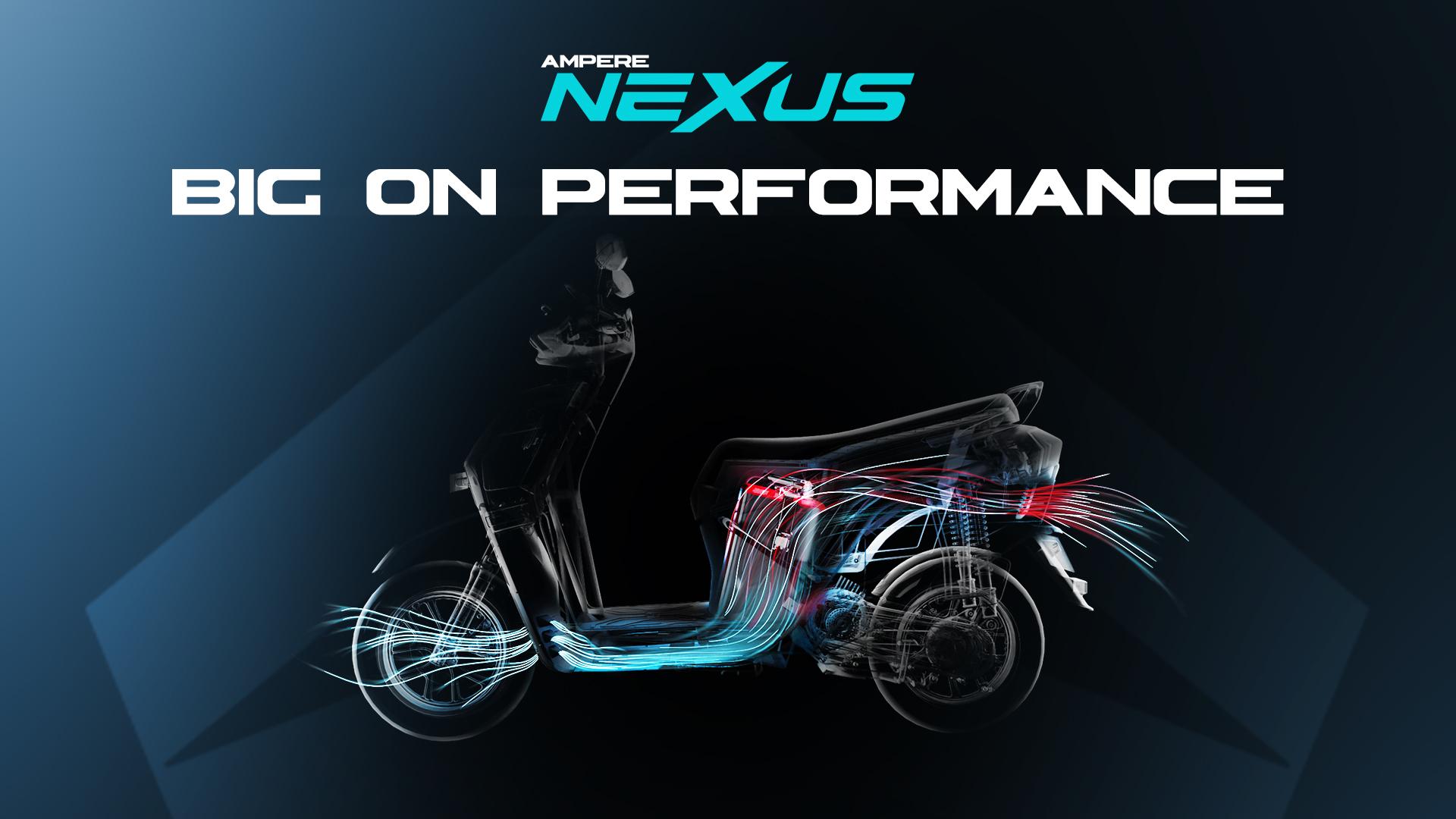
| Ground Clearance | Hot tarmac and speed breakers — more clearance reduces belly heat exposure on long rides | 135 mm on the Reo 80 to approximately 170 mm on the Nexus |
Source: ampere.greaveselectricmobility.com
Choosing the Right Ampere Model for Indian Summer Conditions
As a practical rule of thumb, always target at least 40 to 45 km of IDC range for every 30 km you actually commute daily. Add a 20 to 30 percent buffer to account for heat-related range reduction, unplanned detours, pillion weight, and gradual battery ageing across the ownership period.
| Daily Commute | Summer Range Buffer Needed | Recommended Ampere Model | IDC Range | Battery Warranty |
|---|---|---|---|---|
| Up to 20 km | 30–35 km buffer | Reo 80 | 80 km | 3 years / 30,000 km |
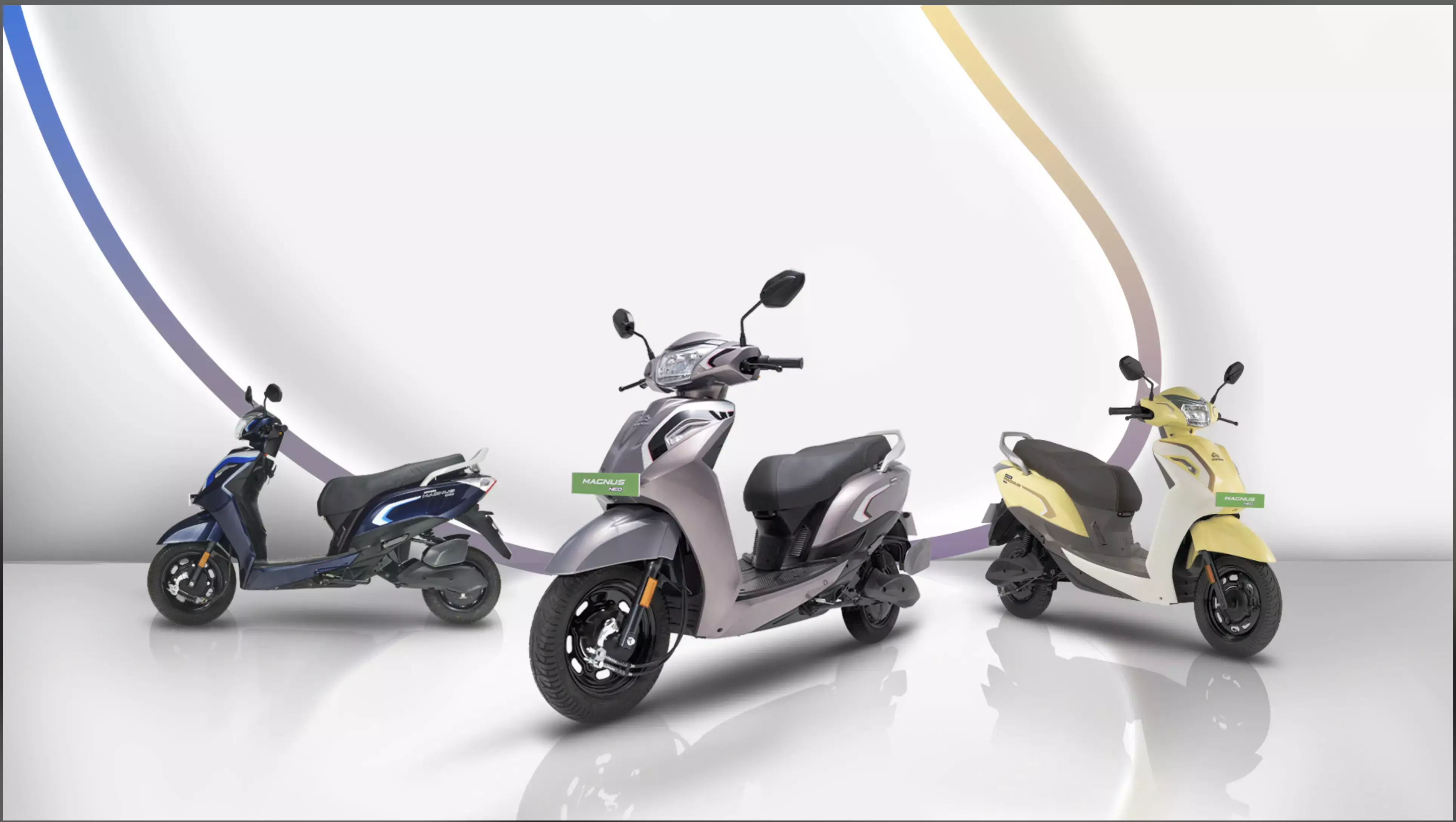
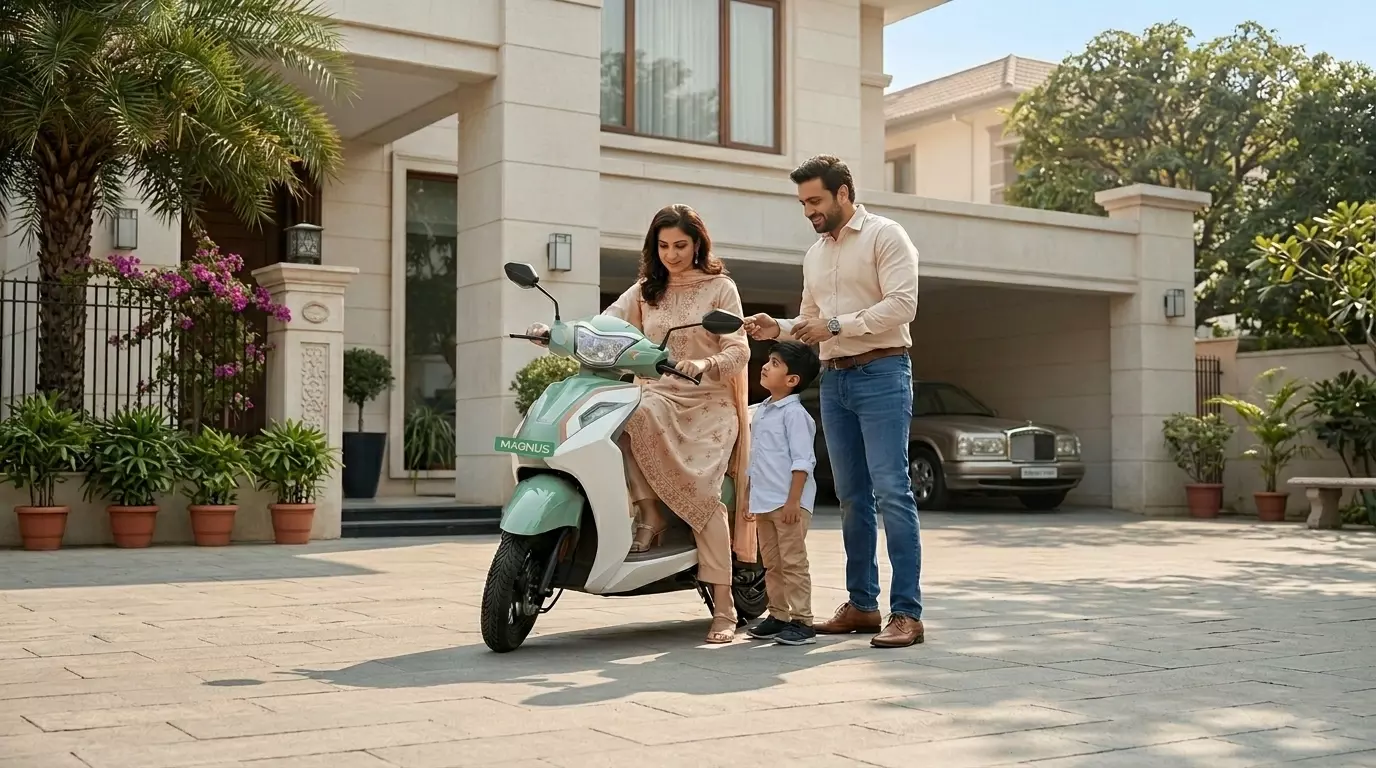
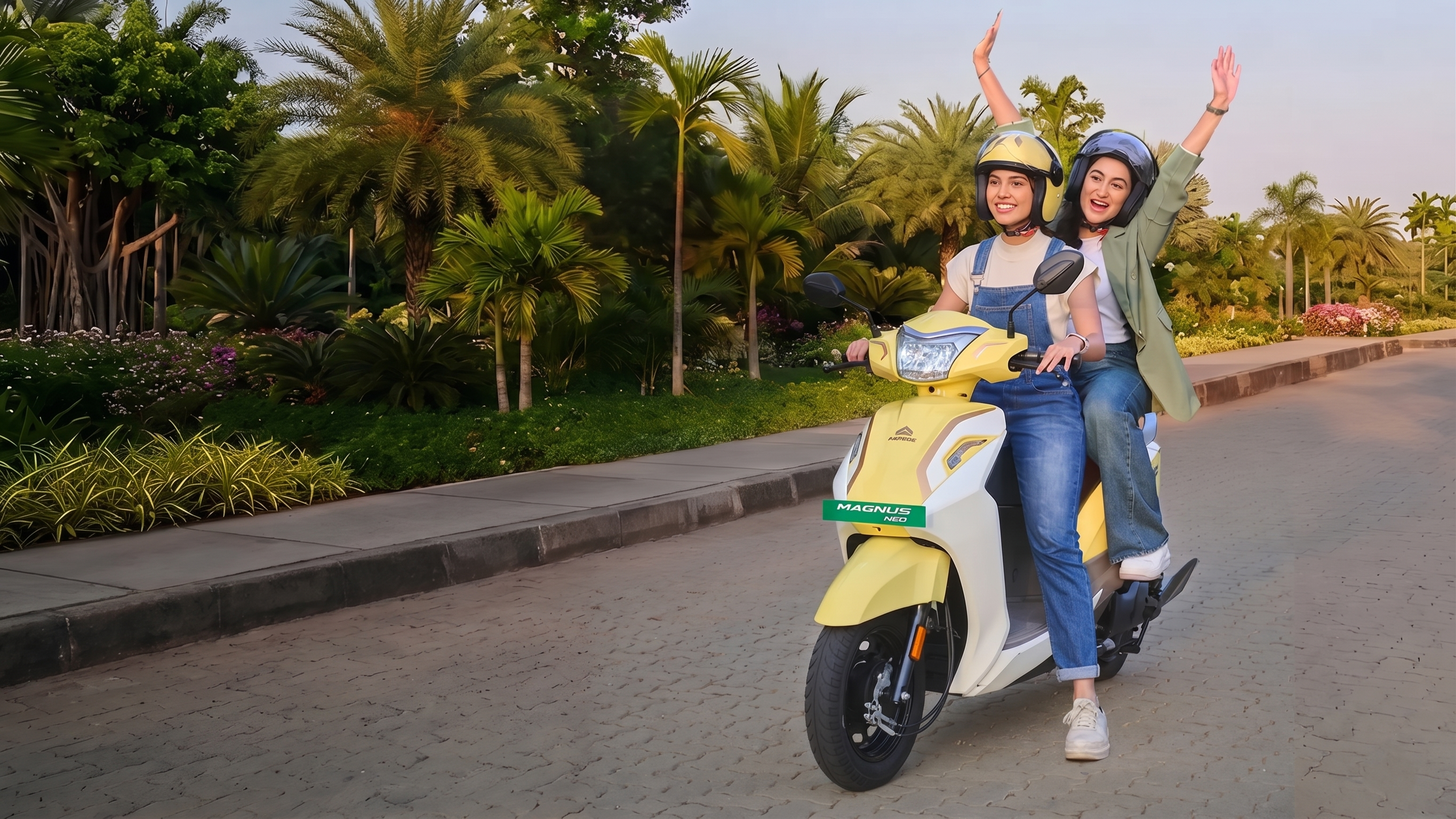
| 20–35 km | 40–55 km buffer | Magnus Neo | 118 km | 5 years / 75,000 km |
| 30–50 km | 50–75 km buffer | Magnus Grand | 118 km | 5 years / 75,000 km |
| 50–65 km | 75–100 km buffer | Magnus G Max | 142 km | 5 years / 75,000 km |
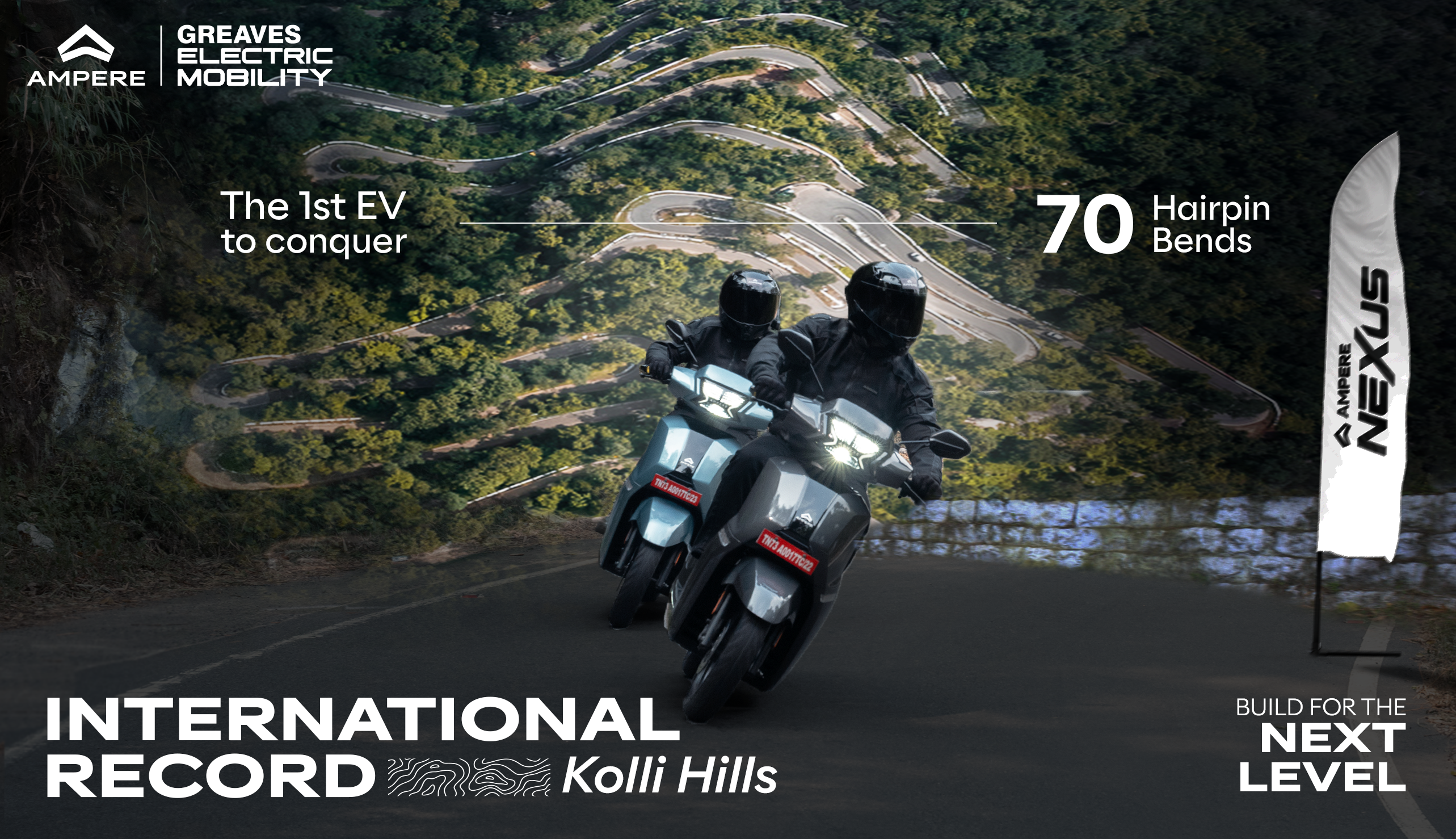
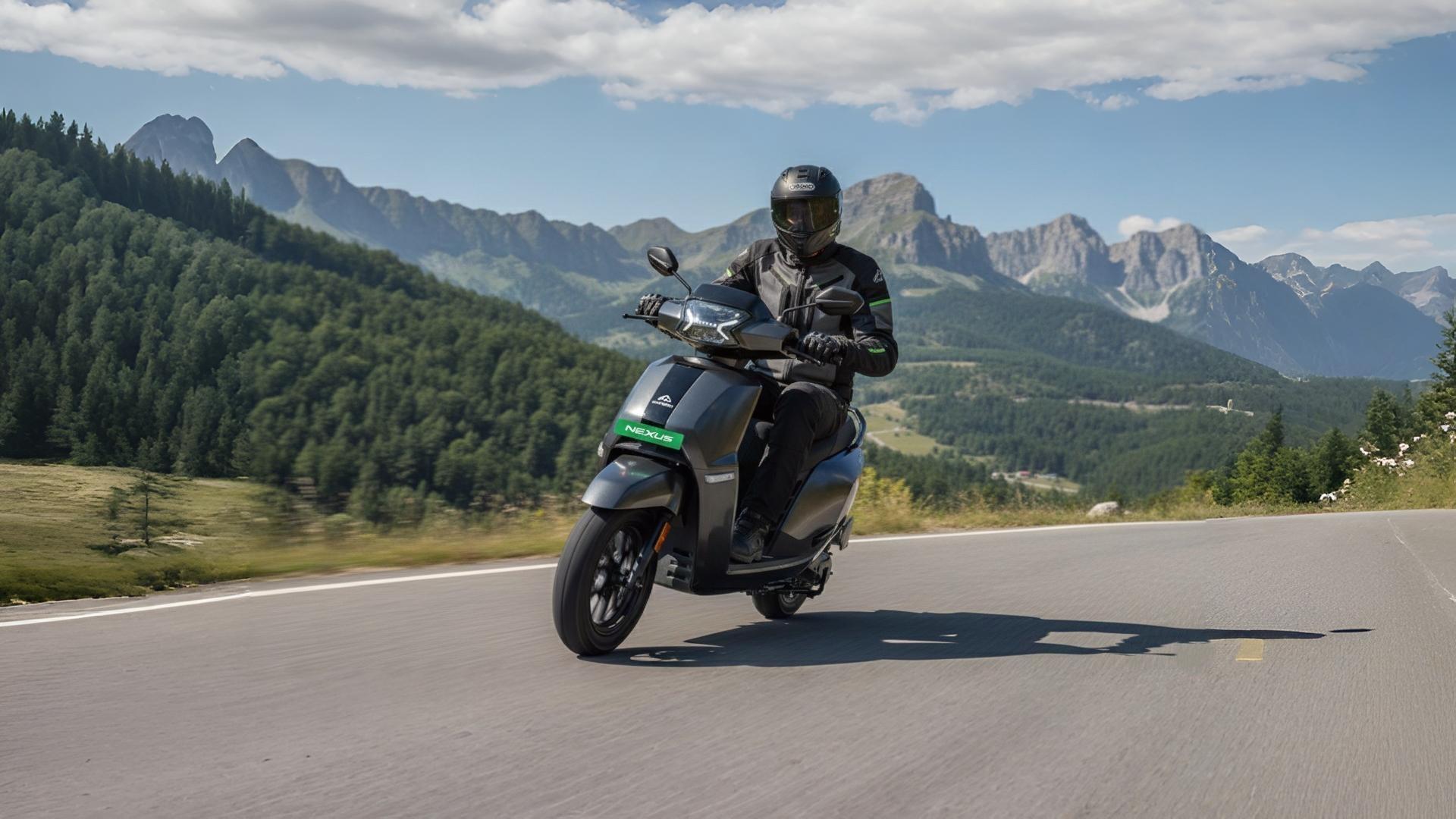
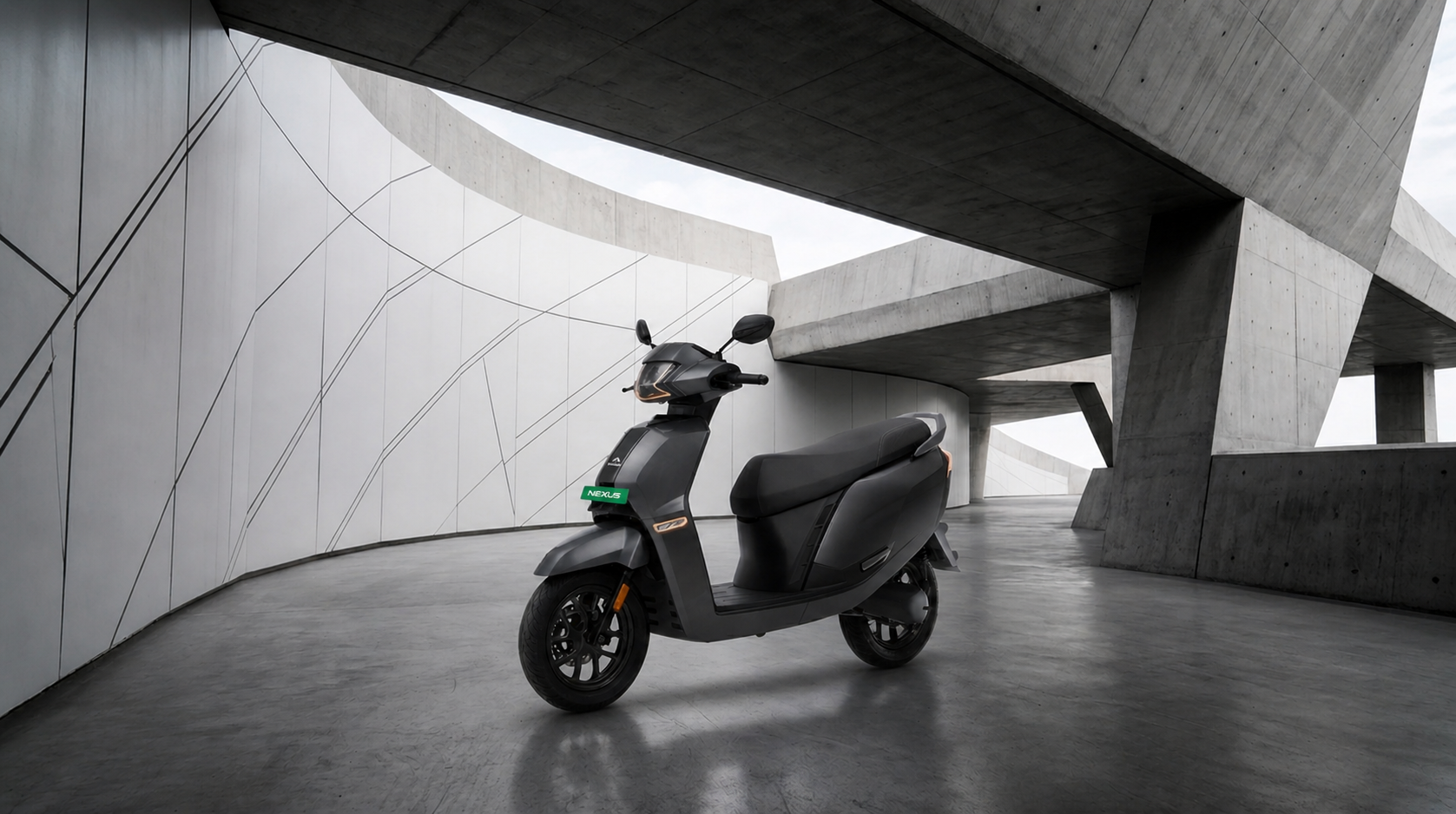
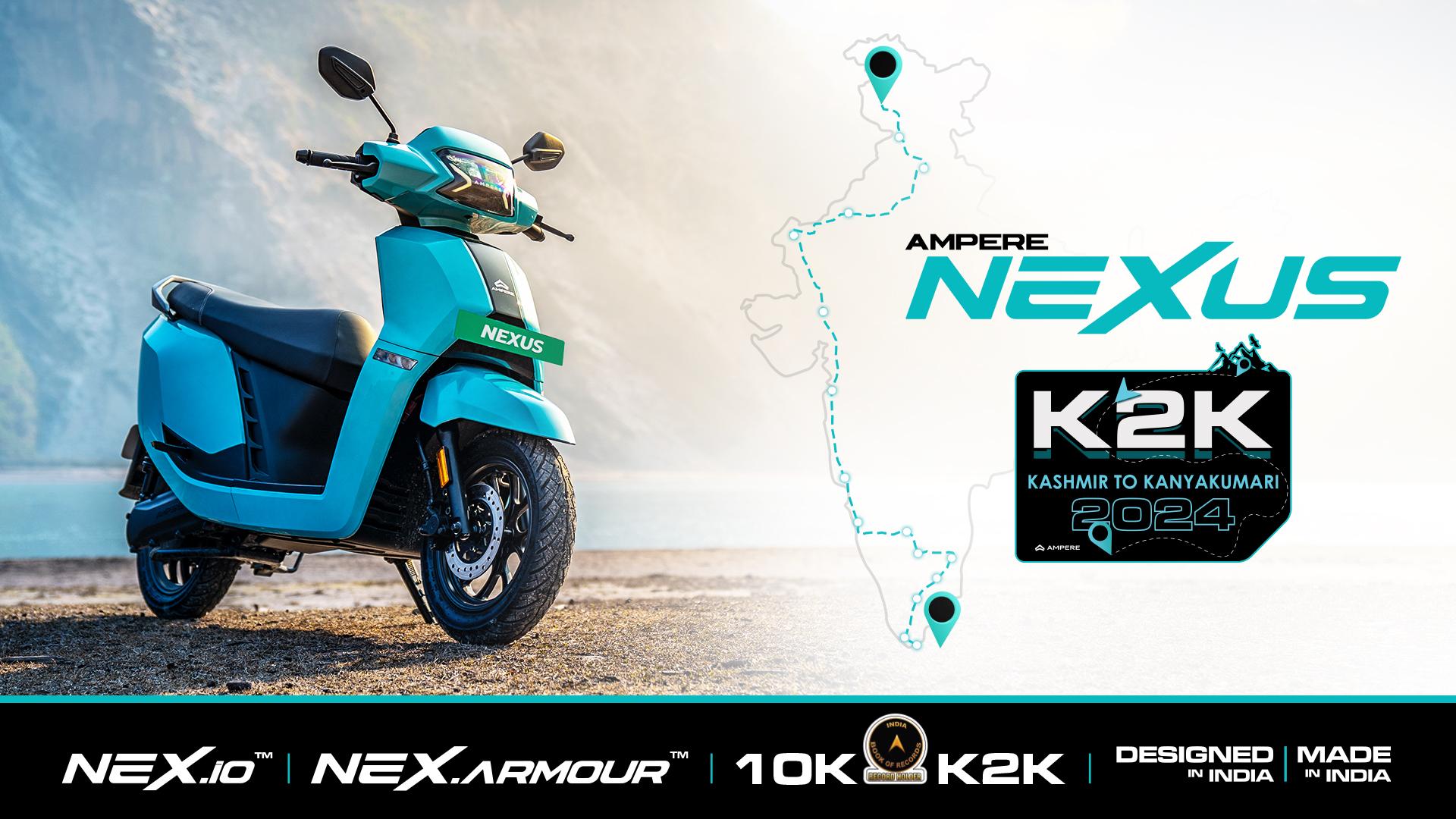
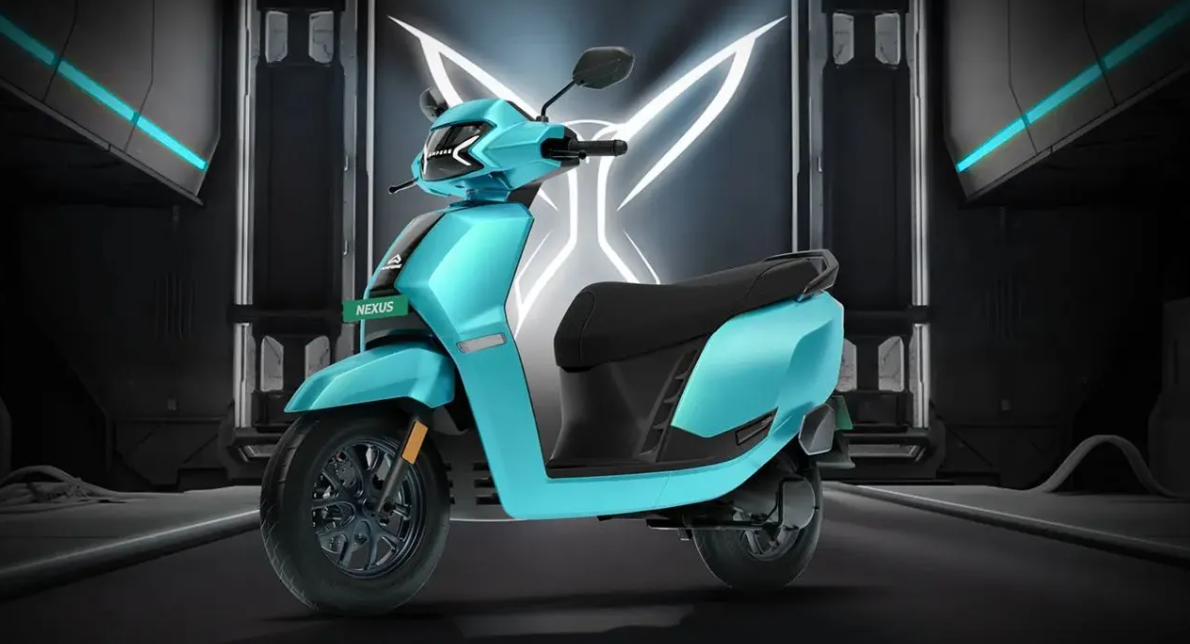
| 60 km and above | 90+ km buffer | Nexus | 136 km (3.3 hr charge) | 5 years / 75,000 km |
Source: ampere.greaveselectricmobility.com | Add 20–30% to your daily commute distance to find the minimum summer range buffer you should target when shortlisting models
Protecting EV Battery Life During Indian Heatwaves: Practical Ownership Tips
Smart Parking and Charging Habits in Peak Summer
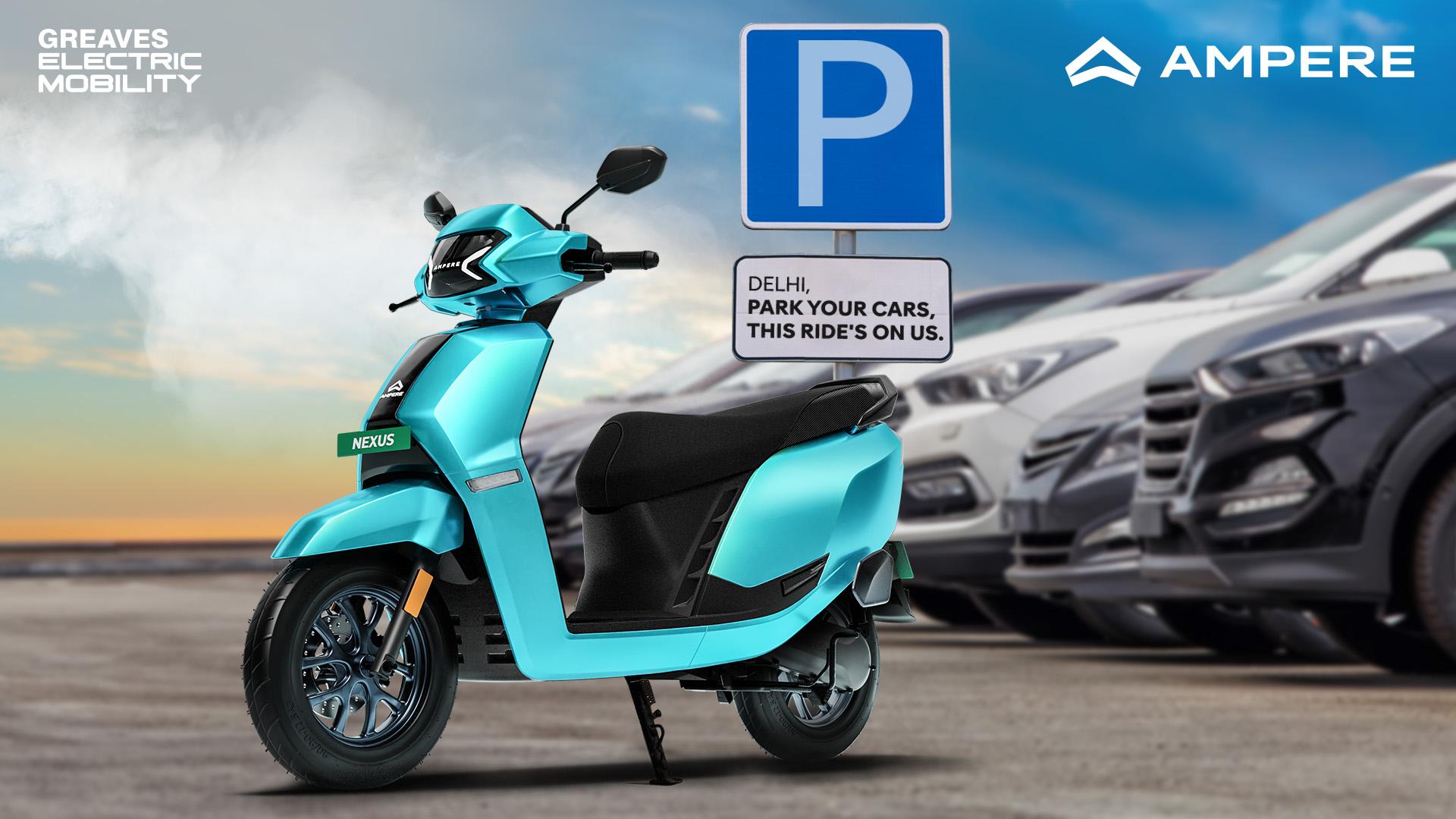
Whenever possible, park your scooter in cooler, shaded areas to limit direct sun exposure on the seat, body panels, and battery compartment throughout the day. Plan your charging for relatively cooler parts of the day — late evenings or early mornings work best across most Indian cities during summer. Avoid plugging in immediately after a hard ride when the battery pack may still be warm from both riding effort and high ambient heat.
Dos and Don'ts for Summer Battery Care
| Summer Battery Do's | Summer Battery Don'ts |
|---|---|
| Park in shade or covered parking whenever it is available | Do not charge immediately after a hard ride in 40°C+ heat |
| Charge during cooler evening or night hours when temperatures drop | Do not leave the scooter fully charged and parked in direct sun all day |
| Use Eco mode in heavy stop-go city traffic to reduce heat generation | Do not run the battery down to near-empty in peak summer heat |
| For the Reo 80, bring the removable battery indoors during load-shedding | Do not use DIY or unapproved chargers or damaged sockets in summer |
| Follow scheduled software updates — these may include thermal tuning improvements | Do not cover the scooter with a dark cover while it is hot and in direct sun |
General battery care guidance applicable to all Ampere LFP models across the current lineup
Cost, Charging, and Power-Cut Realities in Indian Summers
When air conditioners, coolers, and refrigerators run around the clock during summer, home electricity bills feel elevated. Even then, the per-kilometre cost of Ampere scooters at ₹0.12 to ₹0.18 per km stays well below petrol costs for daily commuters. The electric two-wheeler advantage over petrol actually becomes most visible in summer, when fuel prices tend to rise alongside the heat.
In states with frequent power cuts during summer months, plan charging carefully around predictable supply windows. The Reo 80's removable battery is particularly valuable here — you can charge the pack indoors when power returns and keep it away from direct heat and sun, which is central to protecting battery life during heatwave conditions in cities like Delhi, Jaipur, and Nagpur.
Frequently Asked Questions
Does EV scooter battery range always drop in summer heat compared to winter?
Some reduction is common because batteries self-protect under heat stress and stop-go traffic slows average speeds further. The practical answer is to choose an Ampere model with a range buffer of at least 20 to 30 percent above your actual daily commute distance. The Magnus G Max at 142 km IDC range and the Nexus at 136 km IDC range provide the most comfortable headroom for longer summer commutes in hot Indian cities.
How can I protect EV battery life during heatwave conditions if I have to park outdoors?
Park in shade wherever available, use a light-coloured breathable cover rather than a dark one, avoid peak afternoon charging sessions, and prefer overnight charging when ambient temperatures are lower. Keep tyres properly inflated for more efficient and cooler running. For the Reo 80, bring the removable battery indoors whenever the scooter has to remain outside in strong heat for extended periods.
What minimum IDC range should I look for if my daily commute is 30 km?
Target at least 40 to 45 km of IDC range as a minimum — a 20 to 30 percent buffer absorbs the combined effect of traffic, summer heat load, detours, and gradual battery ageing across the ownership period. The Ampere Magnus Neo at 85 km IDC range comfortably covers a 30 km daily commute with meaningful room to spare even on the hottest riding days.
Is fast charging bad for my scooter battery in Indian summers?
Occasional fast charging is generally acceptable and will not cause immediate damage. However, frequent fast charging during peak afternoon heat can add cumulative stress to cells over many months of regular use. Prefer standard overnight charging wherever your routine allows it. Within the Ampere lineup, the Nexus offers the fastest standard charging at 3.3 hours — a practical middle ground between charging speed and daily cell care.
Is the removable battery on the Reo 80 better for areas with power cuts and high heat?
Yes, significantly so. The Reo 80 has a removable battery pack that you can charge indoors during available power supply windows, keep in a ventilated shaded space away from direct heat, and handle according to the manufacturer's temperature storage guidance. This practical flexibility is especially valuable for riders in tier 2 and tier 3 cities where load-shedding during summer months remains a regular daily reality.
Conclusion
Indian summers are demanding, but the right scooter and the right daily habits make them very manageable. Choose the best electric scooter for Indian summers by matching real LFP battery range to your actual daily routes, then adding a healthy 20 to 30 percent buffer for heat-intensive cities like Delhi, Jaipur, and Nagpur, or for coastal humidity and heavy monsoon days.
Ampere's value-focused, LFP-equipped lineup — from the removable-battery Reo 80 for short local trips to the premium fast-charging Nexus for longer cross-city commutes — gives riders clear, practical options at every distance and budget level. Pair the right model with smart shaded parking, overnight charging, and Eco mode in traffic, and you will ride prepared, charge smart, and enjoy dependable daily commutes through even the harshest Indian summer months.