What Is a Lithium Ion Battery Scooter? Full Guide 2026

Copied to your Clipboard!

What Is a Lithium Ion Battery Scooter? Full Guide 2026

Everyday commuting in India is getting harder. Petrol prices keep rising, traffic crawls, and more people are looking for cleaner, cheaper ways to get around every day.

So what is a lithium ion battery scooter, and why do you hear about it so often? In simple terms, it is an electric scooter that uses lithium ion cells instead of older lead acid batteries. This battery type is now standard in most modern electric two-wheelers sold in India.

In this guide, you will find electric scooter battery types explained clearly, including a direct lithium battery scooter vs lead acid comparison, safety basics, general lifespan factors, and broad cost points. You will also get a practical lithium ion electric scooter buying guide covering what to look for and how to match a model to your daily commute.

What Is a Lithium Ion Battery Scooter?

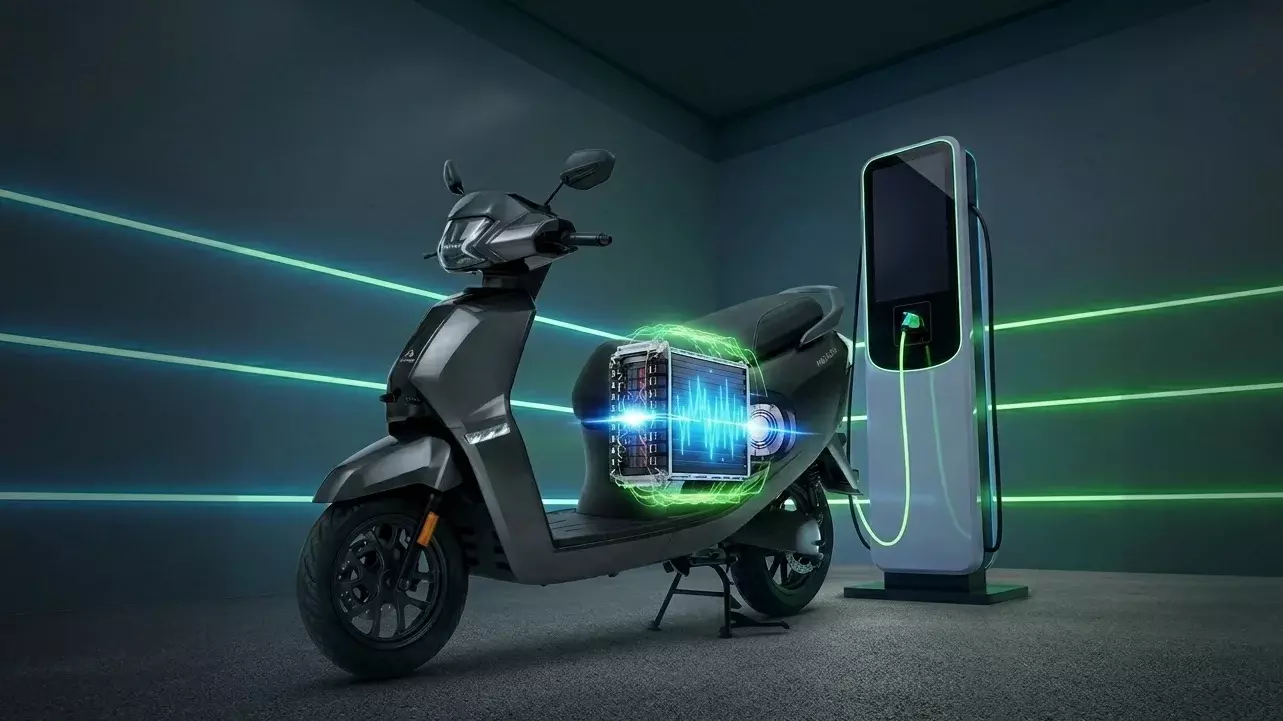
A lithium ion battery scooter is an electric two-wheeler powered by rechargeable lithium cells. It replaces petrol and older battery technologies with a lighter, more compact energy pack that charges from a standard power socket.

Compared with petrol scooters, it typically offers:

  • Lower energy cost per kilometre for daily city riding
  • Zero exhaust emissions from the vehicle while you ride
  • Fewer engine-related parts to service or replace over time

In the lithium battery scooter vs lead acid comparison, lithium packs are known for significantly lower weight and a longer useful service life. They are the preferred choice for daily city rides and short to medium distance commutes across India.

Lithium Ion Battery Basics

Lithium ion packs store energy inside the cell materials and deliver it as electrical power to the motor on demand. Capacity, shown in Ah or Wh, indicates how much energy the pack can supply before it needs recharging.

Voltage determines how strongly the motor can be driven at any given moment. In everyday terms, higher usable capacity means longer riding between charges and more flexibility for varied daily routes.

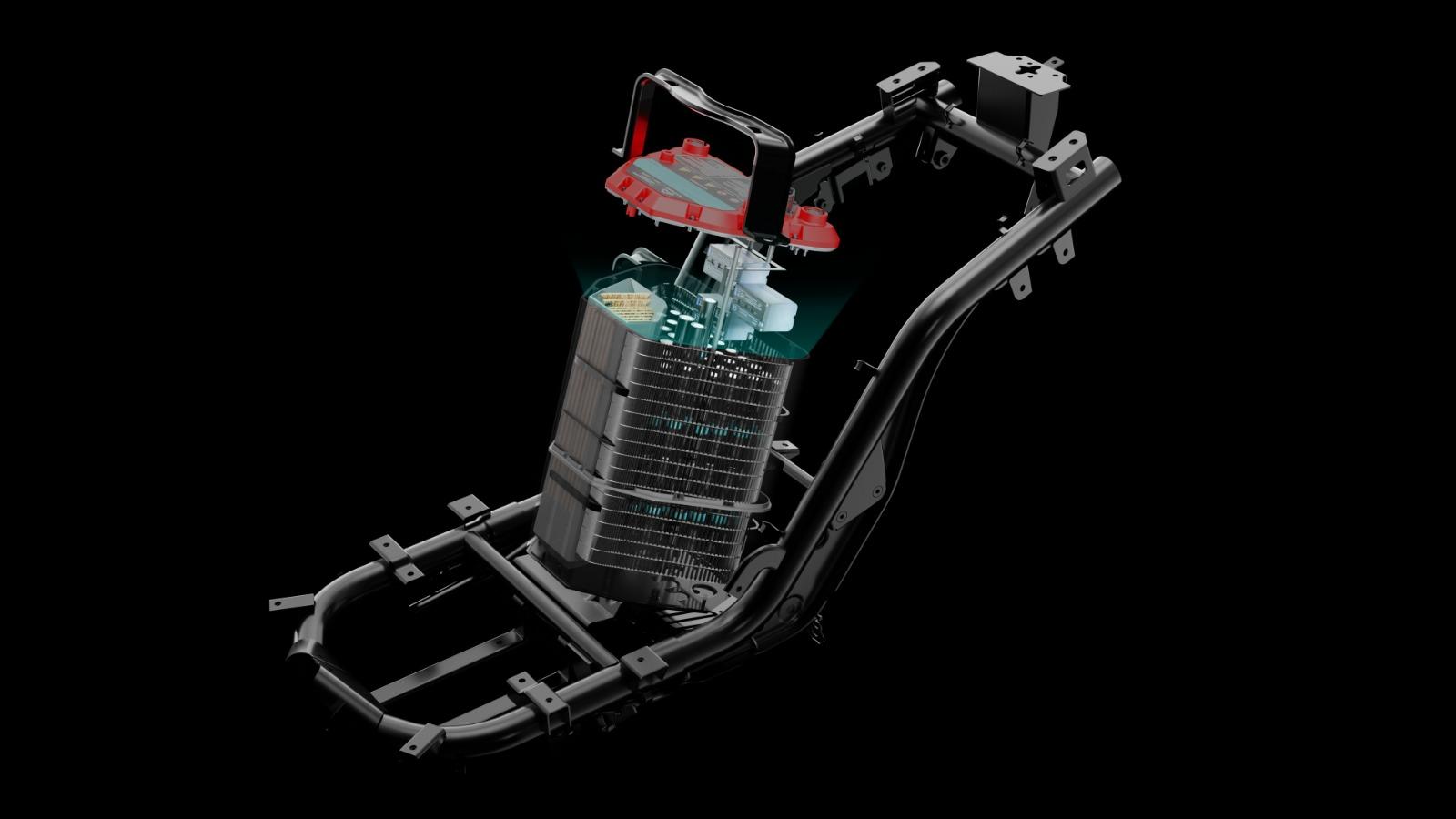
Key Parts of a Lithium Ion Scooter

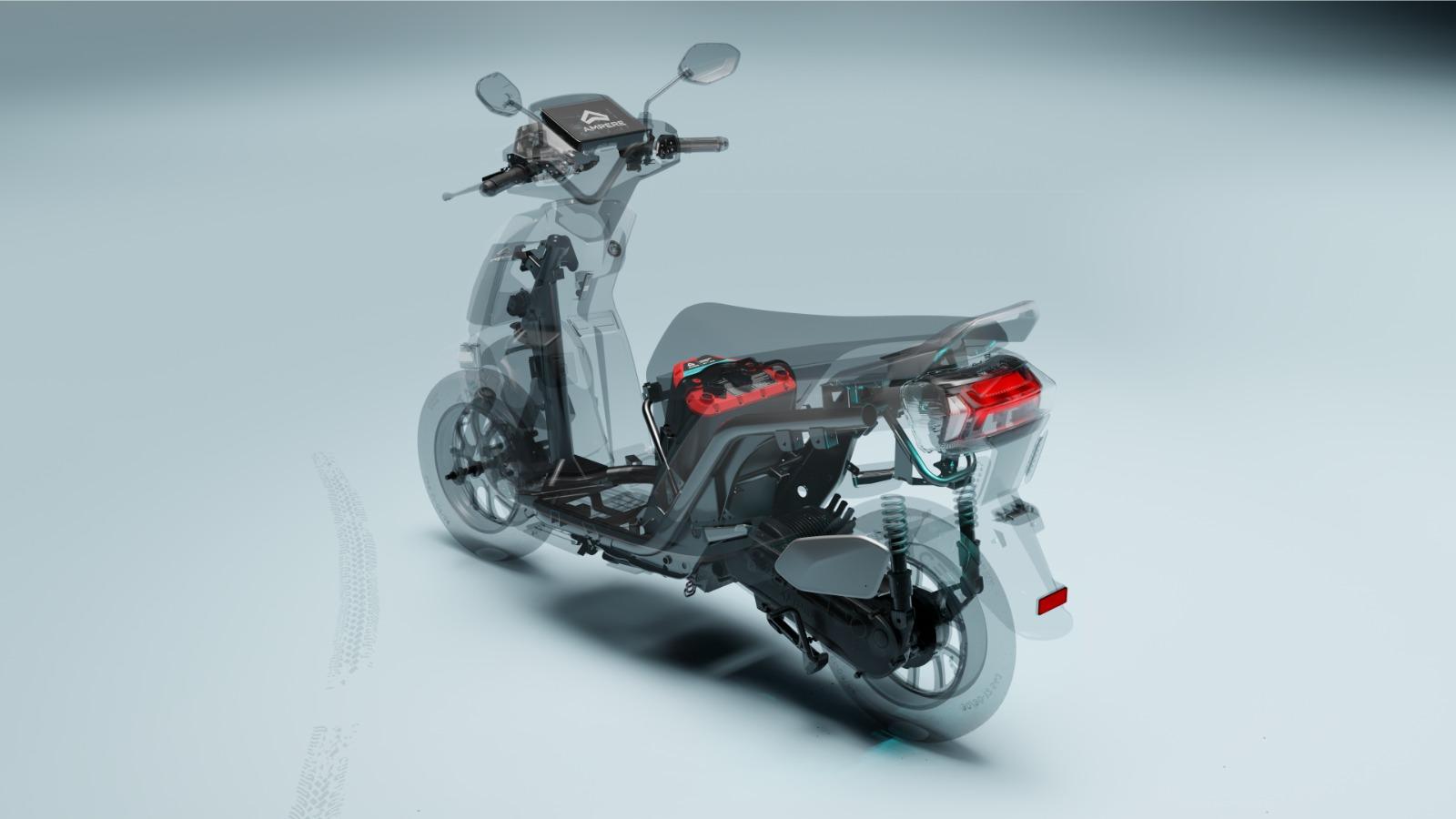
Several main components work together in any lithium ion electric scooter:

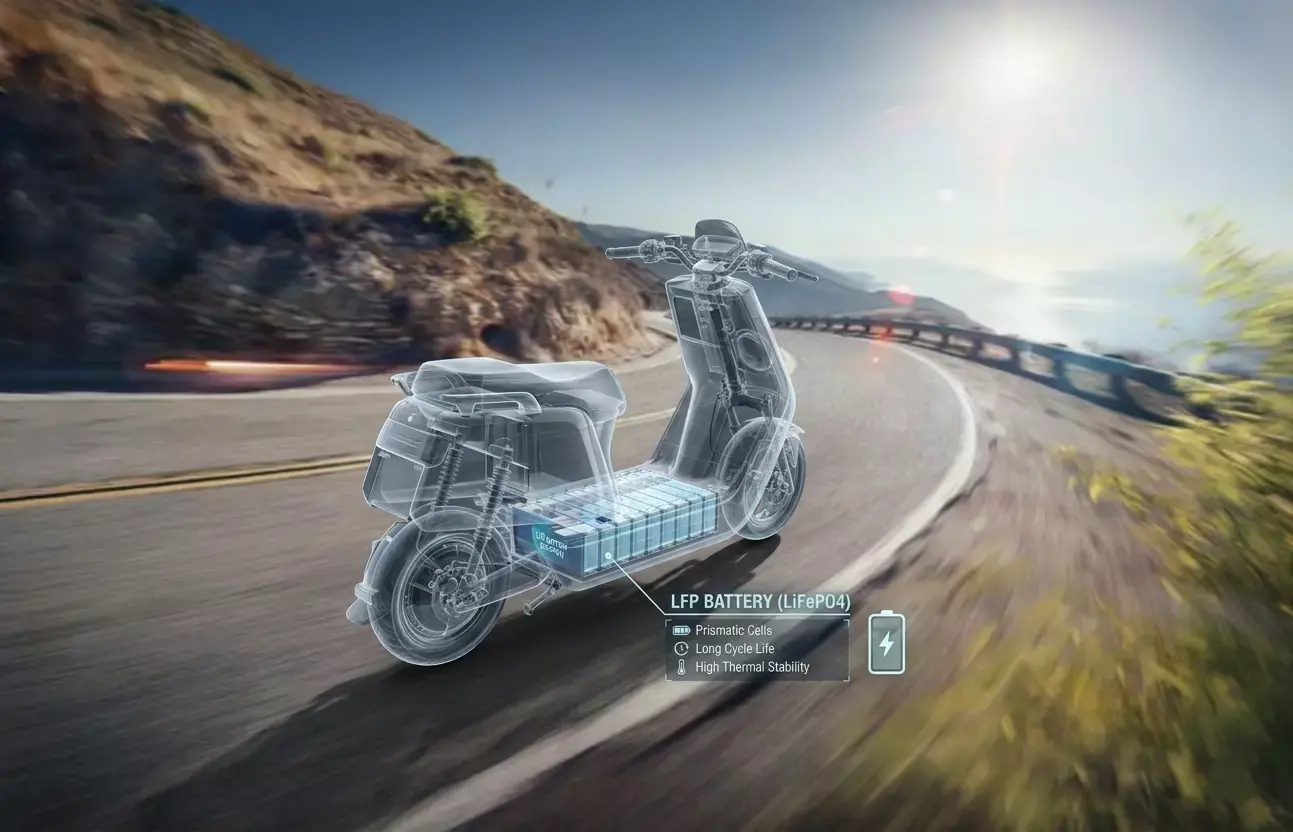
  • A removable or fixed battery pack with a built-in management system
  • An electric motor with an electronic controller that manages power delivery
  • A charger that connects directly to a standard household power source

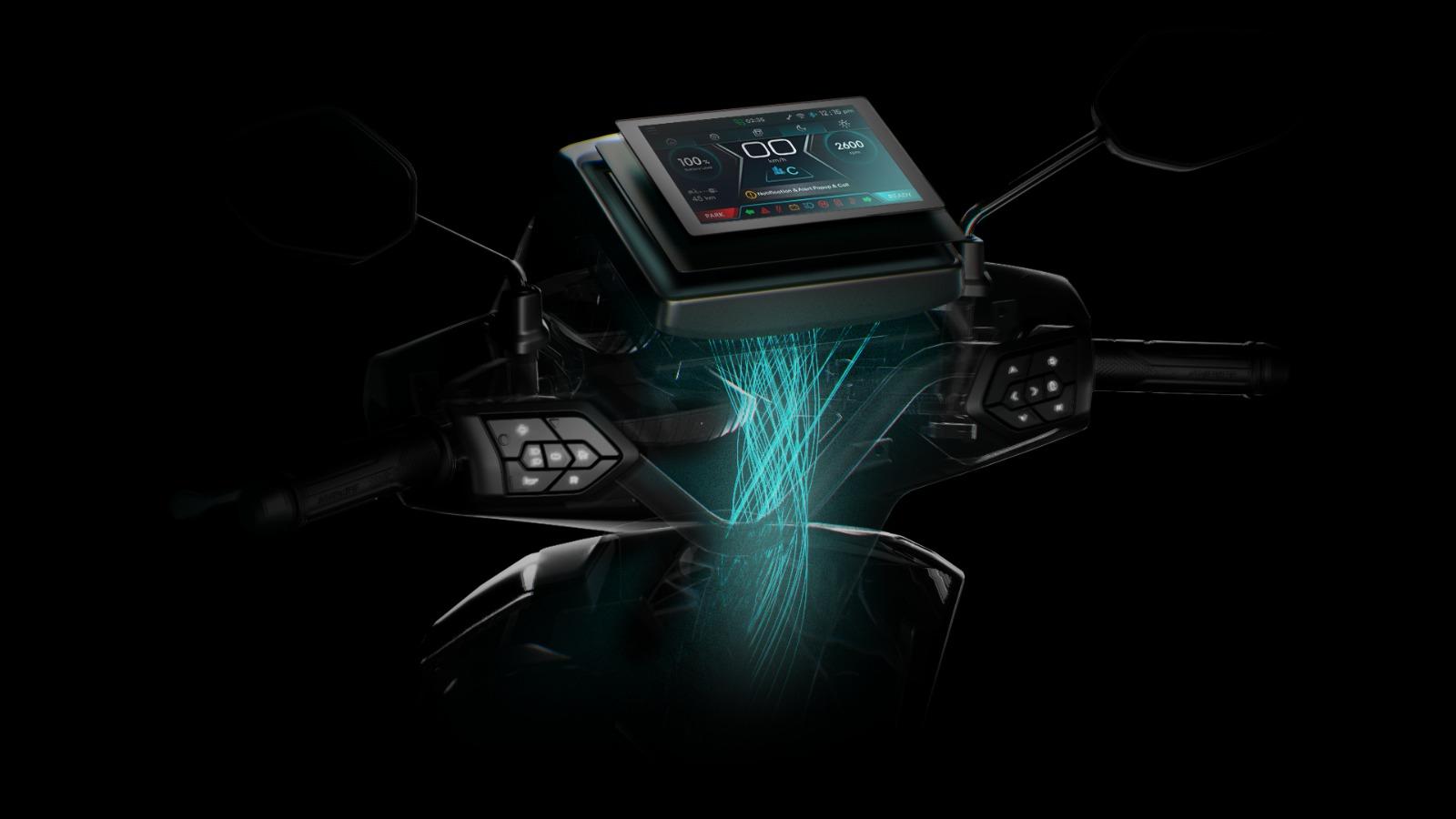
Modern models often also offer digital displays, multiple riding modes, and regenerative braking. These features support a smoother daily ride and help riders manage their available range more effectively.

Electric Scooter Battery Types Explained: Lithium Battery Scooter vs Lead Acid

Lead Acid vs Lithium Ion: What Really Changes for You

When you ask what is a lithium ion battery scooter, you are really asking how it will feel to ride every day. Compared with lead acid, the practical difference on Indian roads is significant and immediate.

Lead acid packs are heavy, charge slowly, and lose capacity faster in the heat common across Indian cities. Lithium packs are lighter, charge more quickly, and maintain usable range better in cities like Delhi or Chennai over years of use.

Key practical differences for everyday riding:

  • Weight: lithium scooters feel more agile and nimble in dense traffic
  • Range: better real-world distance for typical 20 to 40 km daily commutes
  • Lifespan: fewer battery replacements needed over the years of ownership

Lead acid scooters can feel noticeably sluggish with two adults, especially on flyovers and inclines. Frequent battery replacements can also quietly raise the total cost of ownership over time.

Cost, Savings, and Government Incentives

In any lithium ion electric scooter buying guide, upfront price is one of the first questions. Lithium scooters usually cost more to buy than lead acid models at the same power level.

However, running costs per kilometre are substantially lower, and fewer battery replacements over the life of the scooter offset much of that initial gap. FAME II and various state subsidies in Delhi, Gujarat, Maharashtra, and other states reduce the upfront price difference further.

To claim available subsidies:

  • Choose an eligible lithium ion battery scooter from an approved dealer on the scheme list
  • Provide ID, address proof, and vehicle registration details as required
  • Allow the showroom or state portal to handle the subsidy application paperwork

Benefits of Lithium Ion Scooters for Indian Commuters

Lower Running Costs vs Petrol and Lead Acid

For daily Indian commutes, electricity per kilometre costs far less than petrol at current fuel prices. Over several years, this gap in running cost can be very substantial for regular riders.

Key savings areas compared to petrol scooters include:

  • Lower rupee per km energy cost across years of daily use
  • No engine oil, clutch adjustments, or complex gearbox servicing
  • Fewer workshop visits than both petrol and many lead acid electric models

In the lithium battery scooter vs lead acid discussion, pack lifespan is a major factor. Lithium batteries typically last longer and need fewer replacements, which benefits delivery riders and office commuters who put in high daily mileage. Government FAME II and state subsidies can also meaningfully reduce the gap in purchase price.

Performance, Comfort, and Everyday Practicality

Lithium ion battery scooters feel lighter and respond faster to throttle input in traffic. They maintain consistent performance even when carrying a pillion, school bags, or a delivery load.

Typical Indian use cases that suit lithium scooters well include:

  • Office and college trips of 20 to 40 km daily in city traffic
  • School drop-offs involving many speed breakers, sharp turns, and U-turns
  • Delivery work for Swiggy, Zomato, or courier services in tight residential lanes

Lithium batteries handle stop-go riding with less range loss than lead acid alternatives. In very hot cities like Delhi or Chennai, parking in shade whenever possible helps protect battery performance throughout the day.

Battery Life, Safety, and Maintenance: Getting the Most from Your Lithium Ion Scooter

How Long Do Lithium Ion Scooter Batteries Last in India?

For daily 20 to 40 km city use, a lithium ion scooter battery can last several years of regular riding when treated with basic care. Most packs are built for many hundreds of charge cycles under normal conditions.

Key factors that affect battery life over time include:

  • Frequent fast charging, which can add cumulative stress to cells over months
  • Regular deep discharges down to 0 percent, which reduce long-term pack health
  • Sustained high ambient heat in cities like Delhi or Chennai, which speeds cell ageing

In real traffic use, you typically see a gradual, slow drop in range over time — not sudden failure. Compared with lead acid, lithium needs fewer replacements across the same ownership period, which is one of its biggest practical advantages for Indian riders.

Are Lithium Ion Scooters Safe?

Modern lithium ion packs include a Battery Management System that continuously monitors temperature, voltage, and current. This provides multiple layers of built-in protection during both riding and charging.

For safe daily use, follow these basic steps:

  • Charge only with the original or brand-approved charger supplied with the scooter
  • Avoid loose, damaged, or burnt sockets at home or at the office
  • Do not cover the scooter with a cloth or tarpaulin while it is actively charging
  • Park in shaded, well-ventilated spots rather than in direct afternoon sun

Simple Lithium Ion Scooter Maintenance Tips

Basic day-to-day care is straightforward, even for first-time riders. Key habits to build include:

  • Keeping charge between 20 and 80 percent for routine daily use rather than always charging to full
  • Avoiding storing the scooter at 0 percent charge for multiple days at a stretch
  • Checking tyre pressure regularly to protect both range and riding comfort
  • Visiting authorised service centres as recommended for battery health checks and software updates

For removable battery models, handle the pack gently and store it indoors away from extreme heat when not in use for extended periods.

Lithium Ion Electric Scooter Buying Guide for 2026

Deciding Your Range, Speed, and Budget

Start by listing your daily and weekly travel in kilometres across all trip types. Think carefully about office commutes, school runs, errands, and typical weekend use.

Then note your usual routes, traffic density, and how often you carry a pillion. Use this simple method to check if any scooter's range suits you:

  • Take the claimed range figure from the official brochure or website
  • Apply a practical safety buffer for traffic, summer heat, and pillion weight
  • Check whether the result comfortably covers your longest typical riding day

For most city riders, a value-focused lithium ion scooter that balances purchase cost, daily comfort, and low running expenses will offer the best overall ownership experience.

Charging, Parking, and Apartment Living

For most homes, a standard household socket is sufficient for overnight charging. Before buying, check your home wiring quality and get written approval from your landlord or housing society if needed.

Build these charging habits from day one:

  • Top up overnight whenever possible rather than waiting for the battery to run very low
  • Avoid leaving the battery sitting at 0 percent charge for long periods
  • In hot cities, park and charge in a shaded or indoor spot wherever available

Models with removable batteries offer a significant advantage if you park on the street or in a society without a dedicated charging point. Public charging or battery swapping can also support high mileage riders and daily gig workers.

Brand, Service Network, and After-Sales Support

Service reach matters just as much as features when choosing any lithium ion electric scooter. These scooters generally need less routine maintenance than petrol models, but when service is needed, nearby authorised support makes a big difference.

When comparing options:

  • Review electric scooter battery types explained by each brand and what chemistry they use
  • Understand the lithium battery scooter vs lead acid difference in terms of weight, life, and charging speed
  • Compare service centre reach, spare parts availability, and full vehicle warranty terms carefully

Premium brands often add connected features and higher performance. Value-focused brands can offer simpler, lower-cost daily commuting with easier ownership for first-time EV buyers.

Real-World Ownership: Costs, Charging Habits, and Using Your Scooter Daily

Total Cost of Ownership Over 3 to 5 Years

Daily life with a lithium ion battery scooter in India typically means low and predictable running costs. Typical spends across ownership include the purchase price, home electricity for charging, basic periodic servicing, and wear parts like tyres and brake pads.

Electricity per km is generally far cheaper than petrol for most city riders. You also avoid engine oil changes and the many engine-related parts that petrol scooters require. A lithium battery scooter vs lead acid model weighs less, charges faster, and typically delivers lower total running cost across years of use — though actual savings always depend on local power tariffs, fuel prices, and your personal riding patterns.

Smart Charging Habits for Indian Conditions

Think of charging your scooter somewhat like a smartphone, but with more attention to heat and depth of discharge. Most owners charge at home overnight where they can monitor the socket and cable conditions easily.

Avoid pushing the battery from completely empty to completely full every single day. In hot cities, park in shade and avoid leaving the scooter in direct afternoon sun for extended periods. Short top-up charges during the day are generally fine when needed and the charger is in good condition.

Using Your Scooter for Work, College, and Family

Real-world range depends on traffic density, ambient temperature, riding speed, and load. Plan your daily routes to sit comfortably within your scooter's practical range rather than pushing to the limit. Short to medium city trips suit most lithium ion electric scooter models very well.

When studying electric scooter battery types explained across different models, also check your weekend and occasional longer-trip needs. If you live in an apartment without dedicated parking power, look specifically for models with removable battery packs. A good lithium ion electric scooter buying guide will also help you think through pillion comfort and typical luggage requirements before finalising your choice.

Frequently Asked Questions

What is a lithium ion battery scooter and how is it different from older electric scooters?

A lithium ion battery scooter uses lighter, energy-dense rechargeable cells rather than the heavier lead acid batteries found in older Indian electric scooters. Lithium ion gives noticeably better real-world range, faster charging, and lower overall weight. Riders typically feel quicker pickup and easier handling in traffic, with less voltage drop during demanding riding conditions. Most new electric scooters in India now use lithium ion as standard, making the practical question one of lithium battery scooter vs lead acid — and lithium almost always wins for daily city commuting.

How long do lithium ion scooter batteries last in Indian conditions?

With normal city use and sensible charging habits, lithium ion batteries can last several years of daily riding. Heat, frequent fast charging, and regular deep discharges to 0 percent can shorten that lifespan. Simple habits like parking in shade, using the original charger, and avoiding full discharge cycles help significantly. In practice, you will see a slow, gradual range reduction over time rather than any sudden failure.

Are lithium ion scooters safe from fire and battery-related risks?

Reputable lithium ion scooters include a battery management system and tested, approved chargers that control temperature, voltage, and current automatically. Following basic safety habits keeps risks very low: use only the approved charger, avoid damaged or loose sockets, do not charge in hot closed spaces, and do not cover the scooter while charging. If you notice any burning smell or visible swelling of the battery, stop charging immediately and contact your brand's service centre.

How much does it cost to charge a lithium ion scooter compared to petrol?

Electricity for a lithium ion battery scooter usually costs only a small fraction of what petrol costs per km. To estimate your own figure, multiply your battery capacity in kWh by your home electricity tariff per kWh, then divide by your real-world range. Most Indian city riders find charging costs per km come to only a fraction of equivalent petrol scooter running costs.

How do I choose the best lithium ion battery scooter for my commute?

Start with your real daily distance and add a buffer for errands, traffic, and summer range reduction. Check whether you can charge easily at home or in your apartment parking area. If not, prioritise models with removable battery packs or nearby public charging options. Compare total cost of ownership rather than just purchase price, factoring in service access, battery warranty length, and likely monthly running cost savings. Value-focused brands can be an excellent fit for first-time buyers who want simple, affordable, low-maintenance daily commuting.

Conclusion

So what is a lithium ion battery scooter in 2026 India? It is a lighter, faster-charging, and cheaper-to-run upgrade over both old lead acid electric scooters and petrol two-wheelers. You have now seen electric scooter battery types explained clearly, along with the practical lithium battery scooter vs lead acid comparison that matters most for daily Indian riding.

Use this lithium ion electric scooter buying guide to match range, warranty, and charging convenience to your own commute needs. Test ride models from different brands, compare after-sales support and service reach in your city, and claim FAME II or state subsidies where they apply to reduce your upfront cost. Choose the right scooter for your routes, ride it daily, and enjoy cleaner, significantly cheaper mobility through 2026 and beyond.

Recommended read

...
Why Electric
Ampere Electric Scooter vs Ola, Uber & Metro: Monthly Cost Comparison for 2026

With Ola and Uber fares climbing in 2026 and surge pricing biting into monthly budgets, more Indian commuters are doing the math on personal EV ownership. This guide breaks down a complete Ampere electric scooter monthly cost comparison — covering ride-hailing apps, metro + last-mile combinations, petrol scooters, and EMI scenarios. See exactly how much you can save on a 20–30 km daily commute, what the realistic break-even period looks like, and why Ampere stands out for budget-conscious urban riders.

...
Why Electric
Why LFP Batteries Are Becoming Popular in Indian EV Scooters

As India's electric scooter market matures in 2026, the conversation has shifted from "which scooter is fastest" to "which battery is safest and lasts longest". This guide breaks down the LFP vs NMC battery debate for Indian riders — explaining the chemistry, thermal stability, fire safety, cycle life, and total cost of ownership behind each option. Find out why Indian EV makers are increasingly switching to Lithium Iron Phosphate (LFP) chemistry, and what it means for your daily commute in 2026.

...
Why Electric
Ampere Nexus: First Ever EV to Conquer 70 Hairpin Bends of Kolli Hills

On January 7, 2026, the Ampere Nexus became the first electric two-wheeler to successfully ascend all 70 hairpin bends of Kolli Hills, Tamil Nadu — completing the climb in just 22 minutes and 10 seconds and earning Greaves Electric Mobility a place in the Asia Book of Records. From the LFP battery's thermal stability to the 4 kW motor's instant torque and the 4x stronger chassis, here's the engineering story behind the climb — and why it matters for everyday riders in hilly cities like Pune, Shimla, and Shillong.

...
Technology
EV Battery Manufacturers in India: Why Ampere's In-House LFP Pack Is a Game Changer

Most Indian electric scooter brands still rely on NMC batteries — chosen for energy density, but vulnerable to thermal stress above 40°C. Ampere by Greaves Electric Mobility took a different path: an in-house LFP (Lithium Iron Phosphate) battery system engineered specifically for India's heat, monsoons, and long-term ownership. With 3,000+ charge cycles, IP67 protection, a 5-year/75,000 km warranty, and validation across the K2K, Shipki La, and Kolli Hills records, here's why LFP chemistry defines what your ownership experience looks like in year 5.

...
Technology
Ampere Nexus: First Electric Scooter to Complete 10,000+ km in a Single Journey

The Ampere Nexus is the first electric scooter in history to complete over 10,000 km in a single, unbroken journey — nearly three times the standard Kashmir-to-Kanyakumari highway distance. Set across 62 days and certified by the India Book of Records, the K2K expedition validated the Nexus's 3 kWh LFP battery, IP67 rating, and 4x stronger chassis in 44°C desert heat, monsoon river crossings, and Himalayan mountain passes. Here's the engineering story behind the record — and what it means for everyday Indian riders.

...
Technology
Electric Scooter Comparison 2026: Ampere Magnus Grand vs TVS iQube vs Bajaj Chetak

Three electric scooters dominate the ₹90,000–₹1.25 lakh segment in India in 2026: the Ampere Magnus Grand, TVS iQube, and Bajaj Chetak. The Magnus Grand undercuts both rivals on price at ₹89,999 with the only LFP battery in the segment and a 5-year warranty, while the iQube wins on app connectivity and the Chetak leads on premium build and top-end range. This complete head-to-head covers specs, real-world range, 5-year cost of ownership, and exactly which scooter fits which rider.

...
Technology
Electric Scooter Maintenance Guide: Keep Your Ampere Running Like New

Electric scooters cost 60–70% less to maintain than petrol scooters — no oil changes, no spark plugs, no air filters — but they aren't maintenance-free. This complete 2026 guide for Ampere Nexus and Magnus Grand owners covers battery care habits that extend LFP life past year 5, brake and tyre inspection intervals, monsoon preparation, software updates via Nex.IO, and exactly what to expect at every authorised Ampere Care service visit.

...
Technology
Ampere Nexus: Biggest Electric Scooter Brand Logo Drawn on White Sand

The Ampere Nexus etched its name into the India Book of Records by tracing the biggest e-scooter brand logo ever drawn on white sand — 179.8 ft × 95.2 ft, covering 17,100 sq. ft. near Kanyakumari. Created at the close of the 10,000+ km K2K expedition, the record is more than a marketing milestone: it is a real-world proof of the Nexus's chassis precision, slow-speed handling, and unwavering build quality after 62 days of riding across India.

...
Technology
Ampere Nexus: Maximum Towns and Cities (115) Covered by an Electric Scooter, from K2K

The Ampere Nexus holds the India Book of Records achievement for covering 115 towns and cities in a single electric scooter ride — set during the historic K2K expedition from Kashmir to Kanyakumari. Spanning 62 days and over 10,000 km across 15+ states, the journey passed through Himalayan mountain roads, Rajasthan's 45°C desert, Mumbai's dense traffic, and Tamil Nadu's coastal highways — proving that long-distance EV mobility in India is no longer limited to metro cities.

...
Technology
Fast Charging Stations for EV: Where to Charge Your Ampere Scooter Across India

Charging an electric scooter in India in 2026 is easier than ever. Over 90% of Ampere riders charge at home overnight on a standard household socket, while public networks like Tata Power EZ Charge (500+ stations) and 12,000+ public charging points across the country handle long trips. Here's the complete guide to home, dealership, and public charging — plus state-by-state coverage and a long-distance strategy proven across 10,000+ km of K2K riding.

...
Technology
Choosing the Right Electric Scooter: Factors to Consider in 2026

Buying an electric scooter in India in 2026? Don't get fooled by IDC range claims or sticker prices alone. This 6-factor buyer's guide breaks down what really matters — real-world range, LFP vs NMC battery chemistry, charging convenience, safety features, service network, and 5-year total cost of ownership — with clear benchmarks for every commute profile.

...
Technology
Best Mileage Scooty in India 2026: How Ampere Nexus and Magnus Grand Stack Up

With petrol prices steady above ₹100/litre, the best mileage scooty in India for 2026 is electric. The Ampere Nexus delivers 136 km IDC range (100–105 km real-world), while the Magnus Grand offers 118 km at just ₹89,999 — both backed by safe LFP batteries and a 5-year warranty. Here's how they stack up against petrol rivals like the Honda Activa 6G and TVS Jupiter 125, and which one fits your daily commute.

...
Sustainability
How Long Does an EV Battery Last? Ampere's Warranty and Real Battery Life Data

Battery anxiety stops many Indian riders from going electric. This guide cuts through the vague reassurances with real warranty data, LFP cycle life figures, competitor comparisons, and honest degradation timelines for every Ampere model.

...
Technology
Removable Battery Electric Scooter India: Does It Fix Charging Anxiety?

No EV charging point in your apartment basement? A removable battery scooter solves that problem completely — but it is not the right choice for every rider. Here is an honest breakdown of who benefits and who does not.

...
Why Electric
Electric Scooter Power Consumption Explained: How Much Does It Really Cost to Charge?

Every brand quotes a per-km running cost. But what does that number actually mean for your electricity bill? This guide does the real maths by state tariff, model, and monthly commute distance.

...
Technology
Electric Scooter Manufacturers in India: Ampere by Greaves' 17-Year Story Told Honestly

India's EV market is full of bold claims and new entrants. Ampere by Greaves has been building, selling, and servicing electric scooters since 2008 — this is that 17-year story told without the marketing gloss.

...
Technology
EV battery technology explained: LFP vs lithium ion battery scooter and why it matters for your next scooter

LFP, NMC, Li-ion — electric scooter battery terms can feel like pure jargon. This guide breaks down what each chemistry actually means for your daily commute, safety, and long-term running costs in India.

...
Technology
Electric scooter power consumption explained for Indian riders

Fuel prices are unpredictable, but your electric scooter's running cost does not have to be. Here is a simple, formula-based guide to understanding exactly what it costs to charge and ride an electric scooter in India.

...
Technology
Low Speed vs High Speed Electric Scooter: Which Is Right for Your Daily Commute in India?

Short local errands or long cross-city commutes — the right electric scooter depends entirely on your route, not the spec sheet. This guide breaks down the low speed versus high speed choice clearly for Indian riders in 2026.

...
Purchase
How to Choose the Best Electric Scooter for Women in India (2026 Guide)

Not every electric scooter suits every rider. For women commuters in India, comfort, safety, and practical storage matter just as much as range. Here is how to find the one that fits your daily life.

...
Sustainability
Do You Need a Licence for an Electric Scooter in India? The Complete Guide

Not every electric scooter in India needs a licence — but the rules depend on speed, power, and how you ride. This guide breaks it all down clearly, with the Ampere Reo as a real no-licence example.

...
Technology
City commuters guide: choosing the right Ampere electric scooter for Mumbai, Delhi, and Bangalore traffic

Mumbai jams, Delhi corridors, and Bangalore's IT traffic all demand different things from a scooter. This guide helps you match the right Ampere electric scooter to your city, your route, and your daily routine.

...
Sustainability
How Green Power Electric Scooters Cut Carbon by 60%

Petrol refills cost more and pollute more with every passing year. Ampere's green power electric scooters cut lifecycle CO₂ by up to 60% versus petrol scooters — cleaner, cheaper, and built for Indian roads.

...
Why Electric
Electric Scooter vs Petrol Scooter: Which Is Better for Daily Commute in India?

Fuel prices keep rising and EV options are growing. This guide compares electric and petrol scooters on cost, range, charging, and daily usability to help Indian riders make the right choice in 2026.

...
Magnus Grand
Ampere Magnus Grand: The Best Budget Electric Scooter Launches for the 2025 Festive Season

The Ampere Magnus Grand emerges as the best budget electric scooter since 2025’s festive season. Priced attractively under ₹1 lakh, it offers a strong 80-95 km range, durable dual-frame chassis, and an advanced LFP battery with a 5-year warranty. Available in stylish Ocean Blue and Matcha Green, it combines affordability and family-friendly features, making it the perfect everyday electric scooter for Indian families looking for quality and value.

...
Nexus
Watt a Climb: First EV to Conquer 13,200 ft Shipki La Pass

On Independence Day 2025, the Ampere Nexus scaled 13,200 ft at Shipki La Pass—just 200 meters from the Line of Control—becoming the first electric scooter to reach this frontier. This record-setting climb, certified by the India Book of Records, showcased the Nexus's LFP battery and 4 kW motor conquering extreme terrain. More than just a summit, it proved EVs can conquer India's toughest routes.

...
Why Electric
Why Ampere Electric Scooters are Built to Last - Your All-Season Ride or Die

Ampere Nexus and Ampere Magnus Neo - powered by the safest LFP battery for unmatched reliability. They're not just electric scooters; they’re your everyday, all-weather wingman. Built tough, tested harder, and styled smart, these machines are made to thrive when the weather - and the roads - turn hostile.

...
Technology
Ampere AI: India’s First EV AI Buddy

Ampere Electric Scooters is disrupting the industry with its new innovative creation, Ampere.AI -- India's first EV AI buddy

...
Technology
Greaves Electric Mobility Shines at Times Drive Green Conclave Awards

In a remarkable achievement for India's electric mobility sector, Greaves Electric Mobility (GEM) has secured two prestigious accolades at the Times Drive Green Conclave and Awards. The awards, presented by Honorable Minister Shri Nitin Gadkari, recognize GEM's outstanding contributions to India's electric vehicle revolution.

...
Technology
Bharat Mobility Global Expo 2025: Redefining Future of Mobility

The Bharat Mobility Global Expo 2025, held at Pragati Maidan in New Delhi, emerged as a groundbreaking platform showcasing India's electric mobility revolution. This landmark event brought together global manufacturers, innovative startups, and industry leaders to explore and demonstrate transformative transportation technologies.

...
Technology
Ride to the Future: Making History with Ampere Magnus Neo!

The newly launched Ampere Magnus Neo has etched its name in the India Book of Records by completing an epic journey from Bangalore to Auto Expo 2025, Delhi, covering an impressive distance of over 2,300 kilometers.

...
Purchase
Ampere Magnus Neo: Why It Has the Power of More!

In the ever-evolving landscape of electric mobility, one scooter stands out with its exceptional combination of power, style, and innovation. We are proud to introduce the Ampere Magnus Neo, the India’s loved electric scooter, upgraded.
...
Technology
Big on Intelligence: NEX.IO - Intelligence at Your Fingertips

The Ampere Nexus features Nex.io, the advanced system ever integrated into an electric scooter, ensuring unmatched efficiency by intuitively anticipating and delivering exactly what you need, precisely when you need it.

...
Nexus
Ampere Nexus x East Bengal Football Club: Driving Towards a Winning Future

East Bengal Football Club, a legendary name in Indian football, has joined hands with Ampere Nexus, the scooter that is redefining sustainable mobility. This collaboration is more than just a partnership—it’s a celebration of excellence, innovation, and the shared goal of building a better tomorrow. 

...
Technology
Nexus: The Electric Scooter That's Big on Performance 

The Nexus, being a high-performance family electric scooter, is rewriting expectations of what traditionally we consider an e-scooter should be.

...
Technology
Big on Style: The Stunning Design of The Ampere Nexus

The Ampere Nexus draws inspiration from both the Arctic Tern and Indian legacy, creating a look that's modern yet pleasingly familiar.

...
Technology
Ampere Magnus vs. Premium ICE Scooters: Which Offers Better Value Over Time?

Here, we'll break down the 5-year TCO for both the Ampere Magnus and a premium ICE scooter, taking into account the current costs and potential savings, especially if you're commuting daily. 

...
Why Electric
5 Compelling Reasons to Buy the Ampere Magnus Electric Scooter Today!

Ampere Magnus stands out as a top contender, out of the myriads of options in the market today.

...
Technology
Big on Safety: The Ampere Nexus Puts Your Well-being First 

This article explores how Nexus has integrated safety into every aspect of its construction.

...
Nexus
Big on Comfort: The Ampere Nexus Sets a New Standard

Explore how Nexus is setting new standards for comfort in the electric scooter market

...
Sustainability
Celebrating Freedom and Sustainability: GEM's Tribute to India's 78th Independence Day

As India marked its 78th Independence Day, Greaves Electric Mobility (GEM) led the charge towards a greener, more sustainable future. With our three innovative brands backed by Greaves’ 165-year legacy: Greaves 3-Wheelers, Ampere Electric Vehicles, and ELE we didn't just commemorate freedom; we redefined it for the modern era.

...
Technology
The Electric Revolution: How Ampere Outperforms ICE Scooters?

Ampere has been pivotal in taking charge and helping revolutionize electric mobility for the country. But how do the advantages of electric scooters translate to real-world use?

...
Technology
Park Your Car, Take Charge: How Delhi's Commuters Sparked a Green Revolution on World Environment Day

On this World Environment Day, Delhi witnessed a step towards an extraordinary transformation. The city, often shrouded in a haze of pollution, saw a glimmer of a cleaner, greener future with our #ParkYourCar campaign. This wasn't just another environmental initiative; it was a city-wide experiment that proved how individual actions can collectively create a monumental impact. 

...
Technology
Electrifying India: Our 10,000+ km Journey on the Ampere Nexus

We took the Ampere Nexus from the peaks of Kashmir to the shores of Kanyakumari, covering over 10,000 kilometers. It was an adventure of a lifetime, full of challenges, surprises, and unforgettable moments. Here's our story. 

...
Technology
What makes the Nexus an Innovative Design Solution?

Here is a quick insight into the inspiration for the design of the Ampere Nexus!

...
Technology
Ampere Care: Ensuring a Hassle-Free Scooter Ownership Experience, Rain or Shine

As we approach the monsoon season, it's essential to equip our customers with the right information to enjoy their rides safely and securely. In this blog, we’ll share crucial dos and don’ts for riding and maintaining your Ampere electric scooter during the rainy season.

...
Purchase
New EV Owners: A few Tips You Should Know

Posts this month

...
Why Electric
Why LFP Batteries Are Becoming Popular in Indian EV Scooters
...
Why Electric
Is an Electric Scooter Good for Long Daily Office Commutes?
chat with AI Talk to our AI Agent