As India embraces sustainable commuting in 2026, reliability has become the top priority for every rider. You need a dependable ride for daily office trips, school runs, or quick market errands. Understanding your electric scooter maintenance schedule is the first step toward a worry-free journey — and many owners wonder how often to service electric scooter models to ensure peak performance.
A proactive approach keeps running costs low and extends vehicle life. This matters especially for value-conscious Ampere riders who prioritise practical mobility over flashy features. Ampere focuses on affordable, owner-friendly upkeep, with regular checks that prevent small issues from becoming expensive repairs later. In India's diverse climate, heat and monsoon rains affect battery health and brake safety in ways that aren't always obvious. Staying ahead of these factors keeps your scooter efficient for years — let us explore the specific intervals and essential checks that keep things running smoothly.
The Layered Approach: Daily, Weekly, and Monthly Service Intervals
Effective maintenance relies on a layered routine. You must catch small issues before they turn into expensive repairs — a strategy that keeps your ride safe across India's varied terrains and road conditions.
| Interval | Key Checks | Why It Matters |
|---|---|---|
| Before Every Ride | Lights, throttle, folding mechanism | Prevents sudden failures and improves safety |
| Weekly / Every 50–100 km | Wheel nuts, suspension screws, brake hardware, cleaning | Reduces wear caused by vibrations and potholes |
| Monthly | Brakes, tyres, battery casing, cable tension | Supports long-term performance and reliability |
| Every 6–9 Months | Professional servicing | Detects hidden electrical and motor issues |
| Every 2–3 Years | Structural frame inspection | Ensures chassis integrity and riding safety |
The Pre-Ride Safety Check
Spend sixty seconds before every trip on a quick safety check. This simple habit prevents accidents and ensures basic functions work correctly. Focus on three critical areas:
- Lights — verify that headlamps, tail lamps, and indicators are bright and functional
- Throttle — ensure it rotates smoothly and returns to zero without delay
- Brakes — squeeze both levers once before moving to confirm firm response
Weekly Hardware Torque Check and Cleaning
Vibrations from potholes, speed breakers, and rough roads can loosen fasteners over time. Every 50 to 100 km, perform a quick tune-up at home. Ampere scooters feature practical designs that make this easy for owners to handle without specialised tools:
- Inspect wheel nuts and suspension screws for any movement or play
- Tighten brake hardware and mudguard bolts if they feel loose
- Wipe down the frame to remove abrasive dust, mud, and grime
- Check the kickstand spring and pivot for smooth operation
Monthly Performance Review
A deeper look every thirty days helps maintain your scooter for the long term. This matters even more in dusty cities or humid coastal regions where dirt and moisture accelerate wear. Check cable tension and look for signs of wear on moving parts:
- Brakes — look for pad thinning, cable fraying, or uneven wear on the rotor
- Tyres — check for glass shards, low tread depth, or sidewall cracks
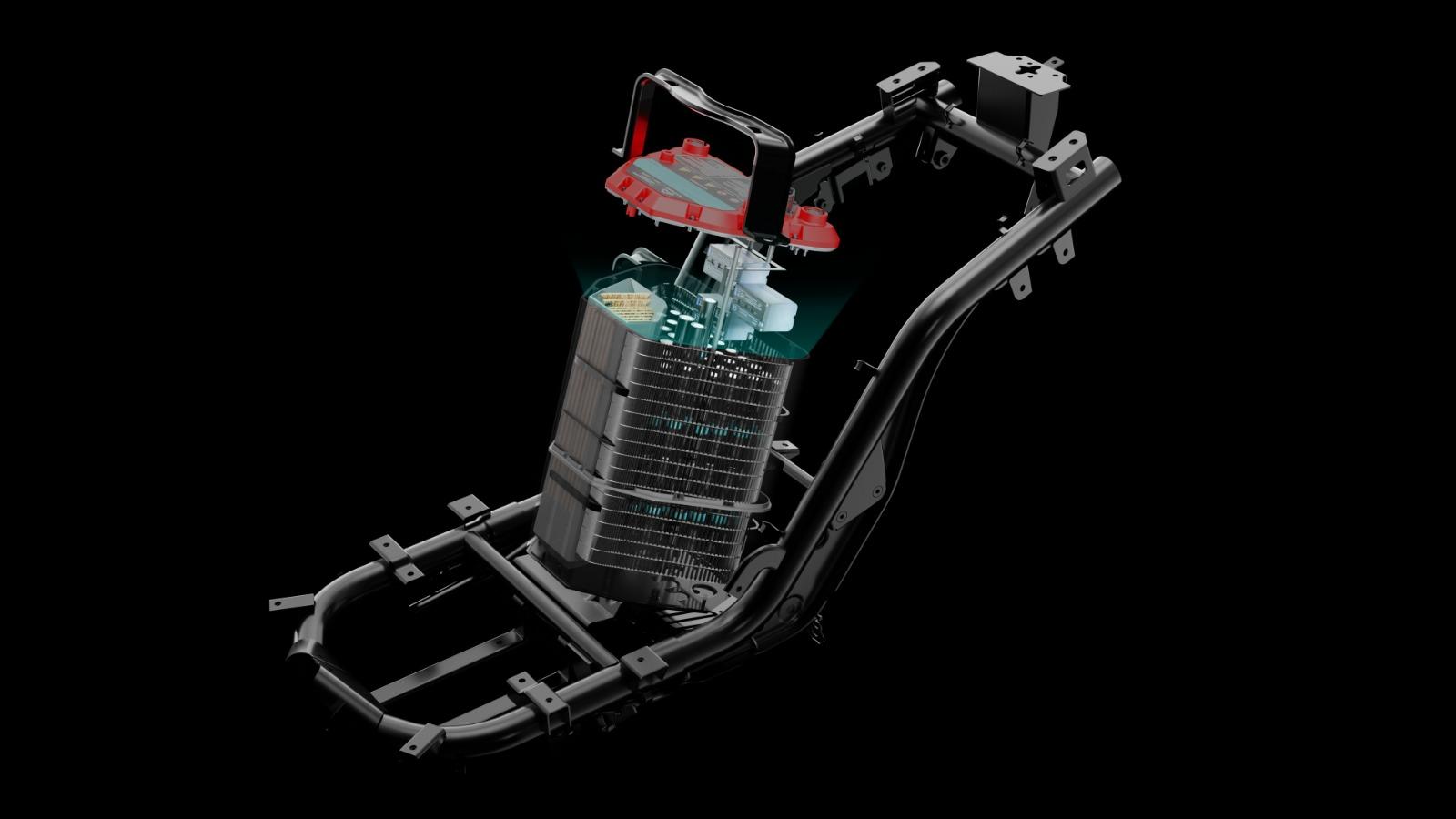
- Battery — inspect the casing for moisture, dust accumulation, or signs of impact
- Lights and switches — test all electricals for consistent response
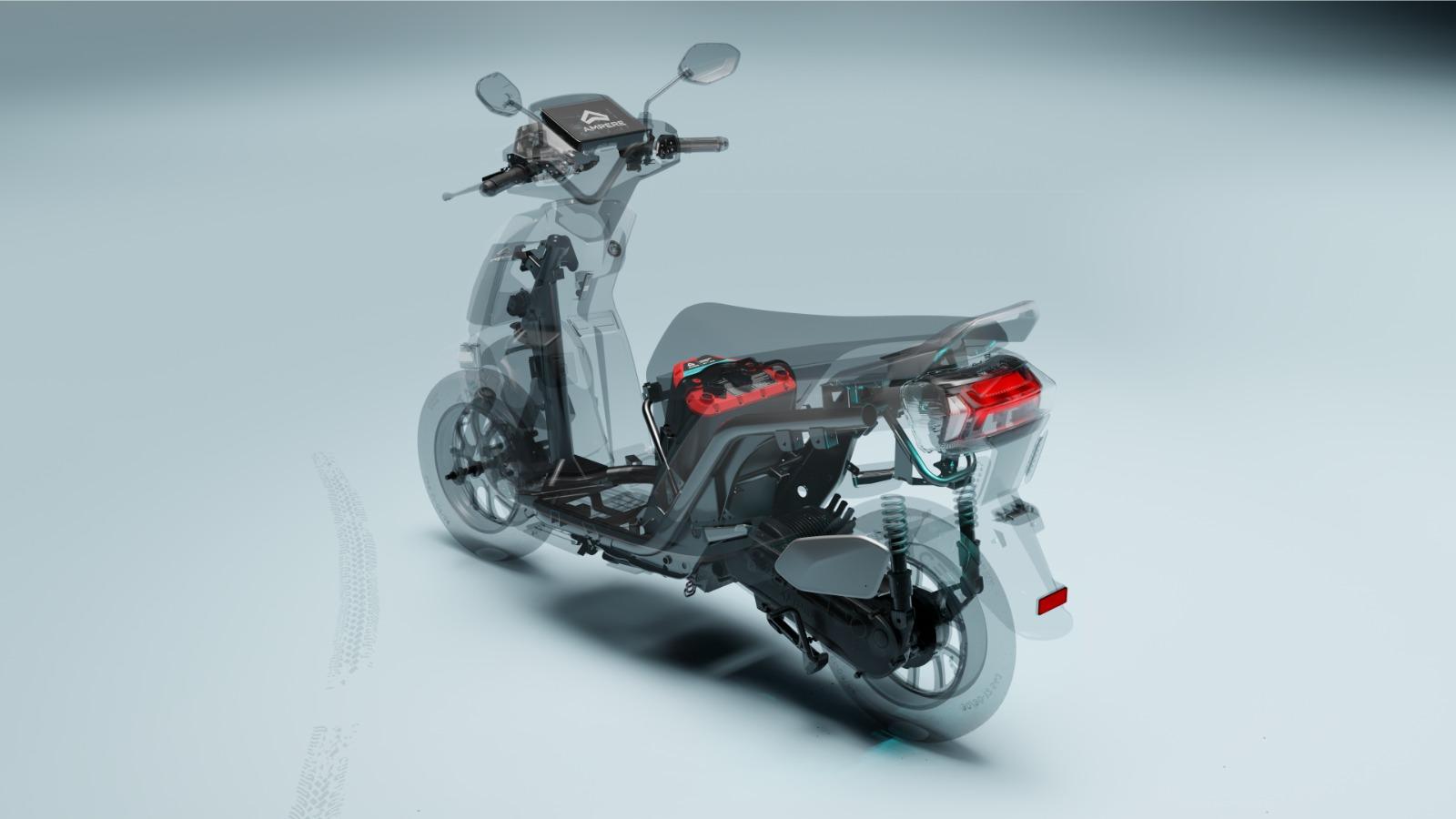
The robust engineering on Ampere scooters makes these checks simpler than on overly app-centric alternatives. This accessibility reduces downtime and keeps ownership costs predictable. By following this rhythm, you protect your investment throughout 2026.
Critical Component Care: Tyres, Brakes, and Suspension
Sticking to a clear electric scooter maintenance schedule supports both safety and comfort. Daily rides over potholes and speed breakers strain key parts — a simple e-scooter maintenance guide helps you avoid unpleasant surprises through the year.
Tyre Pressure Check and Tread Inspection
Correct tyre pressure supports range, grip, and stable handling. Always follow the pressure numbers printed on the tyre sidewall or in your scooter manual. Use a reliable gauge and check when the tyres are cool, not after a long ride. Check tread depth regularly to keep good traction in wet or dusty conditions — replace tyres when tread wear bars become visible or the rubber looks cracked. Heavy daily commuters may need new tyres sooner than casual riders.
Look for cuts, bulges, or embedded stones in the rubber. Remove small debris before it causes a puncture. If you are unsure, ask for a quick tyre check at your next electric scooter tune-up.
E-Scooter Brake Inspection and Alignment
| Brake Component | What to Check |
|---|---|
| Brake Pads | Check for thinning — replace below 1 mm thickness |
| Brake Sound | Listen for squealing or grinding noises |
| Brake Lever Feel | Verify firmness and immediate responsiveness |
| Brake Cable | Inspect for fraying, rust, or stretched length |
| Brake Disc / Drum | Check for warping, deep grooves, or excessive heat marks |
Safe riding depends on strong, predictable braking in traffic. Service guides suggest checking brakes at regular electric scooter service intervals, and more often if you ride on hills or in heavy stop-and-go traffic. Ampere designs focus on easy access to pads, cables, and rotors — helping technicians complete an electric scooter tune-up faster and with fewer parts removed.
Suspension and Alignment Check
Rough roads can slowly wear out suspension parts and steering bearings. Plan a professional suspension inspection about once a year, or as recommended in your manual. If your scooter pulls to one side or feels unstable in straight lines, seek service as soon as you can. Key checks include:
- Inspect suspension bolts for tightness and signs of play
- Check for oil leaks on shock absorbers
- Verify that the steering remains centred and responds smoothly
- Listen for clunks or creaks over speed breakers
Knowing how often to service electric scooter components keeps costs predictable and avoids the surprise of unexpected breakdowns.
Maximising Battery Life and Electrical Integrity
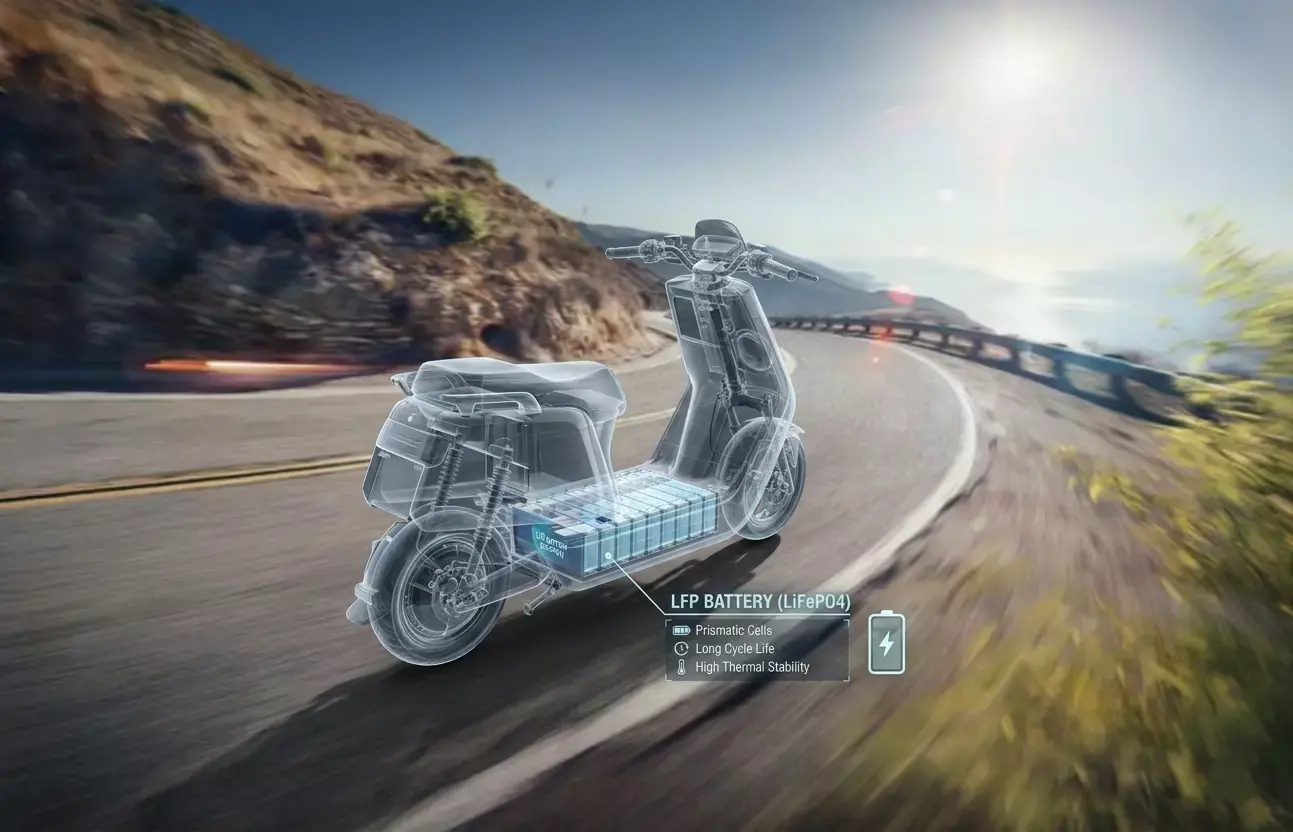
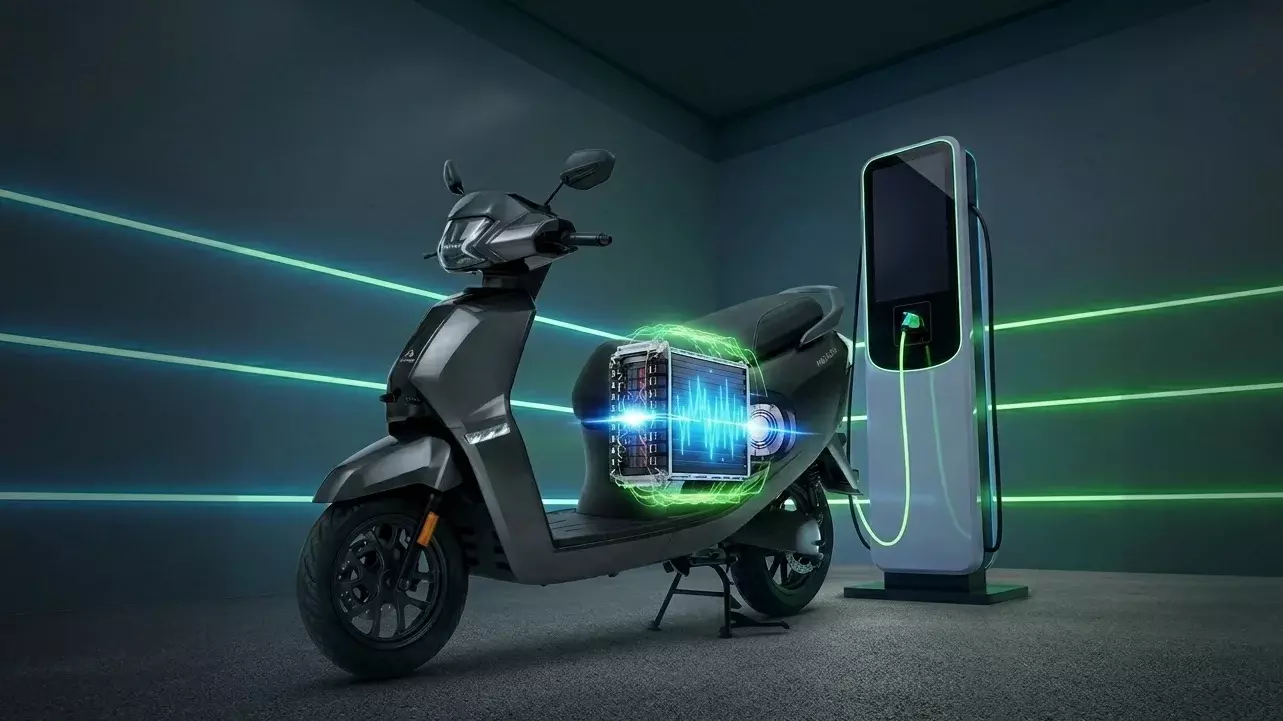
The battery is your most expensive component — proper care ensures a low total cost of ownership. Following a consistent schedule helps you avoid early replacements that can run into tens of thousands of rupees. Ampere focuses on transparent education for everyday riders so battery care never feels mysterious.
Electric Scooter Battery Maintenance Best Practices
Maximise your lithium-ion lifespan by using partial cycling — keep your charge between 20% and 80% for daily use, and avoid letting the battery drain completely. In hot regions like Rajasthan or Telangana, heat management becomes particularly important, since high temperatures accelerate battery degradation. Perform battery maintenance checks every three to four months in these areas to ensure cells remain balanced and healthy.
| Battery Care Habit | Benefit |
|---|---|
| Charge between 20–80% | Extends usable lifespan by hundreds of cycles |
| Avoid full 0% discharge | Prevents deep-cycle stress on cells |
| Use original charger only | Matches correct voltage and current |
| Park away from direct sunlight | Reduces thermal degradation |
| Cool down before charging | Lowers heat stress on the cells |
| Quarterly cell-balance check | Keeps battery pack healthy long-term |
Corrosion Inspection and Wiring
Moisture and dust can damage your electrical system over time. Conduct a quarterly corrosion inspection of all terminals and connectors. Look for oxidation, greenish deposits, or loose wires that could cause power loss or intermittent faults. Sticking to regular service intervals prevents minor shorts from becoming major repairs — especially important for riders in coastal or monsoon-heavy zones where humidity accelerates corrosion.
Firmware and App Updates
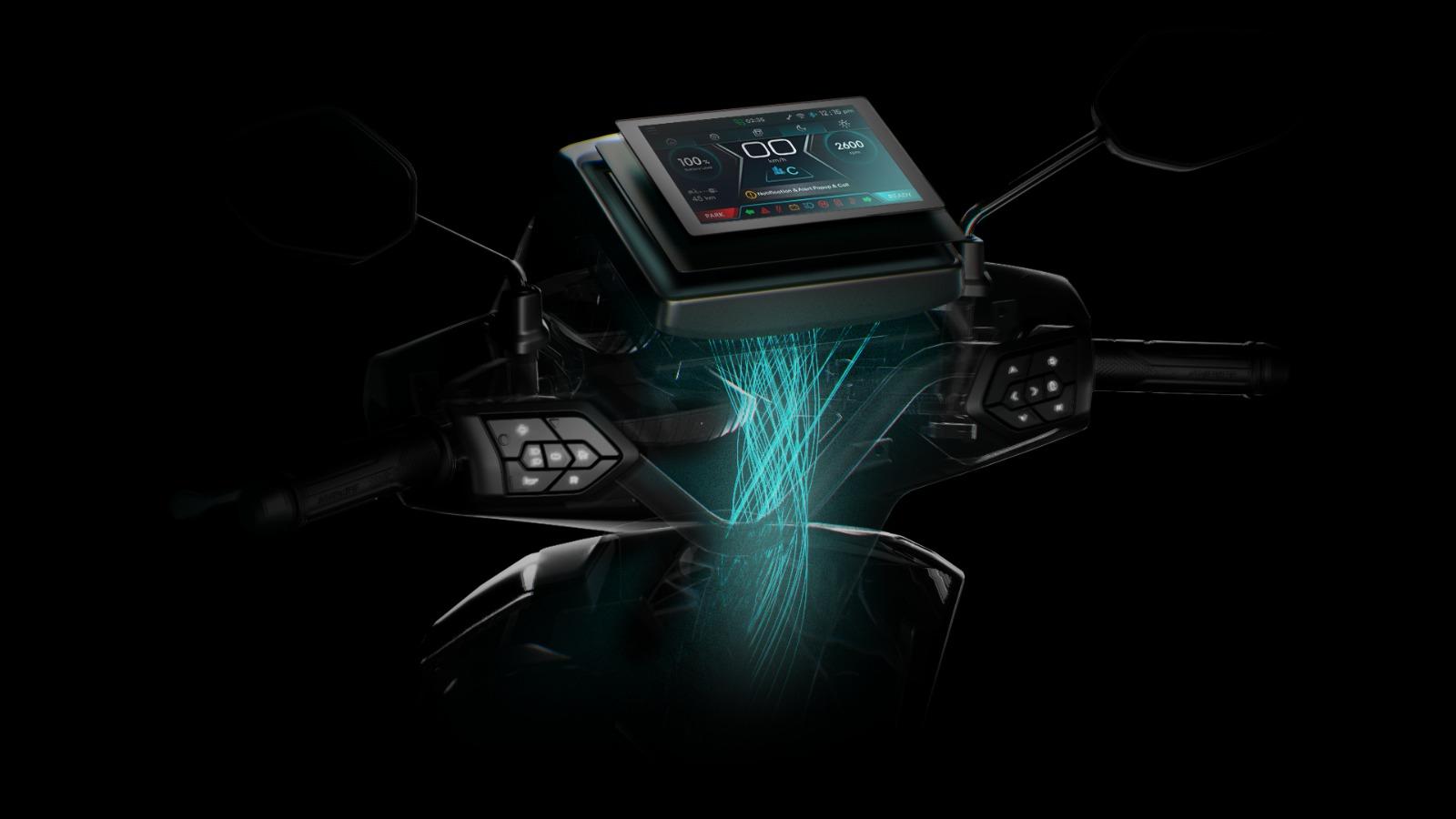
Modern scooters use software to manage power efficiently. Where supported, use your mobile app to monitor battery health and update the Battery Management System (BMS) software. This digital check-up is now a key part of routine repair and maintenance:
- Download updates only over stable Wi-Fi connections
- Check for error codes in the app and clear them through service if persistent
- Monitor real-time range data for any unusual changes
- Keep firmware current to benefit from manufacturer improvements
Seasonal and Long-Term Servicing in India
Understanding your maintenance schedule is essential for navigating India's diverse climates. In 2026, consistent care ensures your vehicle remains reliable through intense summer heat, heavy monsoon rains, and dusty winters across different regions.
Pre- and Post-Monsoon Tune-Ups
Indian monsoons demand a specialised seasonal tune-up. Before the rains start, check all water-resistance seals around the motor and display — ensure they are intact to prevent moisture from entering sensitive electronics. During the monsoon and immediately after, focus on these critical areas:
- Re-grease all exposed metal parts to prevent rust formation
- Inspect wiring and connectors for signs of oxidation or water ingress
- Verify that battery casing seals are tight and secure
- Clean the brake discs and pads of any rust or water deposits
- Check the floorboard drainage holes to ensure water doesn't pool inside
The 2–3 Year Structural Frame Inspection
High-mileage commuters should schedule a deep structural inspection every two to three years. Vibrations from potholes in cities like Bengaluru or Delhi can gradually loosen hardware. A professional teardown allows for a thorough check of all welds and stress points. Key fasteners to monitor include:
- Main folding mechanism bolts (if applicable to your model)
- Front and rear suspension mounting screws
- Wheel axle nuts and brake calliper mounts
- Frame welds at high-stress areas like the steering head and swingarm pivot
- Pillion footrest and rear grab-rail mounts
Professional vs DIY Maintenance
Knowing how often to service your scooter involves balancing home checks with expert help. Perform simple DIY tasks monthly — cleaning brake discs, checking tyre tread, tightening visible bolts, and wiping down the chassis. This keeps your daily commute safe and efficient between professional visits.
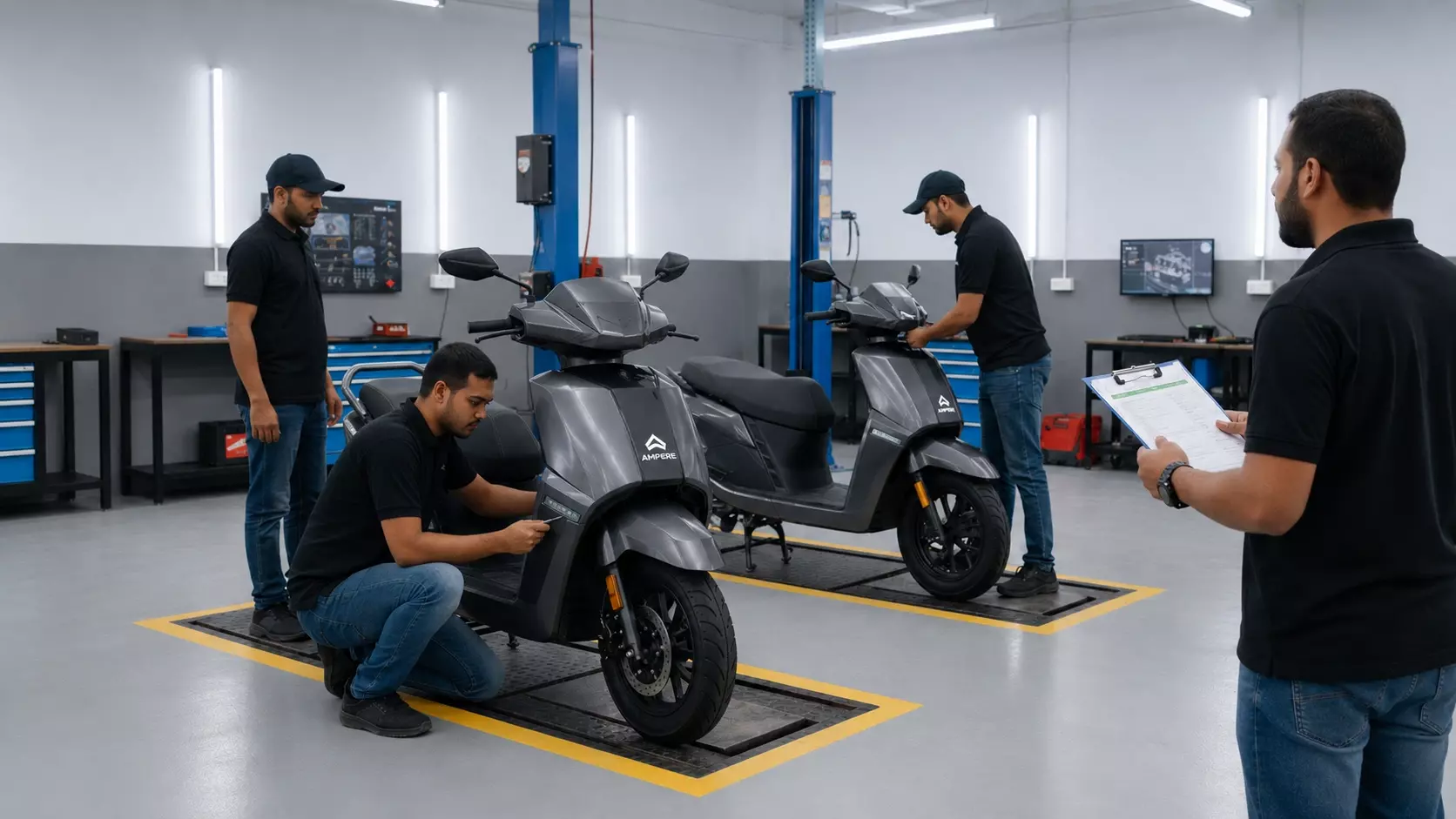
However, visit a service centre every 6 to 9 months for preventative maintenance. Professional tools can diagnose battery cell balancing, internal motor health, controller faults, and other issues invisible to the eye. Ampere provides accessible service across both metros and smaller towns, ensuring your scooter stays road-ready without high costs.
What Each Service Level Covers
| Service Type | Performed By | Typical Coverage |
|---|---|---|
| Pre-Ride Check | Owner | Lights, brakes, throttle, tyres at a glance |
| Weekly DIY | Owner | Bolts, cleaning, basic hardware torque |
| Monthly Review | Owner | Brake wear, tyre tread, battery casing |
| 6–9 Month Professional Service | Authorised technician | Battery diagnostics, controller, motor, firmware |
| Annual Inspection | Authorised service centre | Full suspension, electricals, wear-part audit |
| 2–3 Year Deep Check | Authorised service centre | Structural frame and weld inspection |
Frequently Asked Questions
How often should I check my e-scooter's tyre pressure?
Perform a tyre pressure check once a week or every 100 km. Maintaining the PSI printed on the tyre sidewall ensures the best range and grip. Proper inflation also prevents pinch flats and protects your rims from damage on potholes. Keeping tyres firm helps maintain low running costs over the long term.
Do electric scooters need servicing if they aren't being used?
Yes, idle scooters still require preventative maintenance. Check your lithium-ion battery state of charge monthly and keep it between 50–80% during long storage to extend its life. Rotate the tyres occasionally to avoid flat spots from prolonged static load. Ampere designs stay reliable during storage with minimal effort, but a quick monthly check goes a long way.
How long do electric scooter batteries typically last?
Modern lithium batteries usually last four to five years with good care — some last considerably longer. Practise partial cycling and avoid full discharge to maximise useful life. Older sealed lead acid batteries (found on entry-level models from various brands) typically require replacement every 18–24 months. Proper maintenance ensures your scooter remains a cost-effective solution throughout its life.
Can I wash my electric scooter with a high-pressure hose?
Never use a high-pressure hose on your scooter. Pressurised water can damage seals, displays, and sensitive electrical components. Use a damp cloth or a low-pressure garden hose at a safe distance instead. Avoiding direct high-pressure water contact protects the motor and wiring from corrosion damage.
When should I replace my brake pads?
Conduct a brake inspection every 500 km of riding. Replace the pads when the friction material drops below 1 mm thickness. If braking feels spongy, soft, or weak in stopping force, seek a professional tune-up immediately. Regular hardware torque checks on mounts also help ensure consistent safety on the road.
What if I hear strange noises from my electric scooter?
Any new or unusual noise — clicks, grinding, whining, or rattling — deserves attention. Squealing usually points to worn brake pads, while a low hum could indicate a controller or motor issue. Don't ignore these signs; book a service visit to diagnose the problem before it worsens.
How much does servicing an electric scooter typically cost?
Routine professional servicing on an Ampere scooter is significantly cheaper than petrol scooter maintenance. There are no oil changes, no spark plugs, no clutch wear, and no air filters to replace. Most service visits cost a fraction of comparable petrol scooter service bills — one of the everyday financial advantages of switching to electric.
Conclusion
Maintaining your electric scooter is the foundation of a safe and reliable ride. A consistent schedule prevents small issues from turning into costly repairs — and the habits required are remarkably simple. Focus on daily safety checks, weekly hardware inspections, monthly performance reviews, and a professional service every 6 to 9 months. These small habits protect your battery, keep your brakes sharp, and keep your scooter performing predictably.
Ampere designs make this upkeep easy and affordable for every rider, with no need for complex tools or specialised tech skills. Remember to visit an authorised service centre every 6 to 9 months — expert technicians can balance your battery, check internal health, and catch issues invisible at home. Staying proactive helps you navigate Indian roads with total confidence. Visit your nearest Ampere service centre today for a professional check-up and keep your daily commute worry-free.