What Makes a Fast Charging Electric Scooter Suitable for Daily Commute in India?
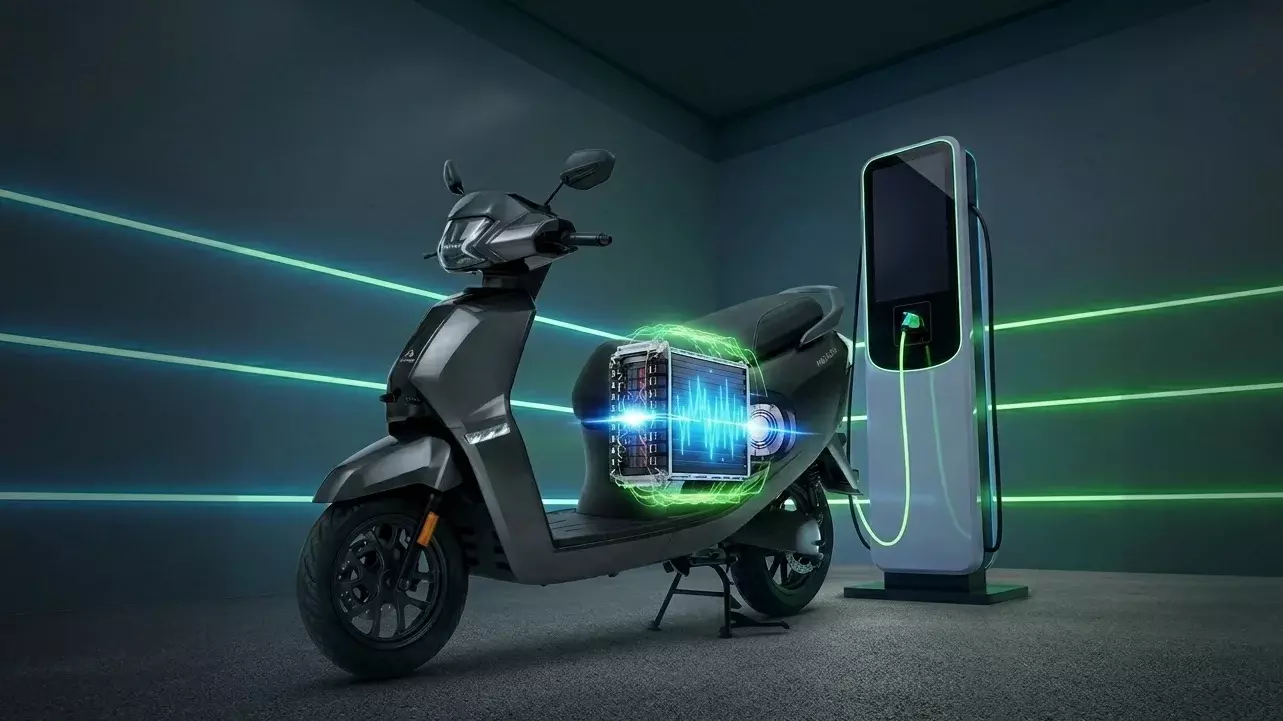
Fast charging for electric scooters generally means restoring useful range in significantly less time than overnight home charging. For Indian daily commuters, fast typically refers to scooters that can charge in under 3 to 4 hours versus the 5 to 7 hours needed for standard home charging.
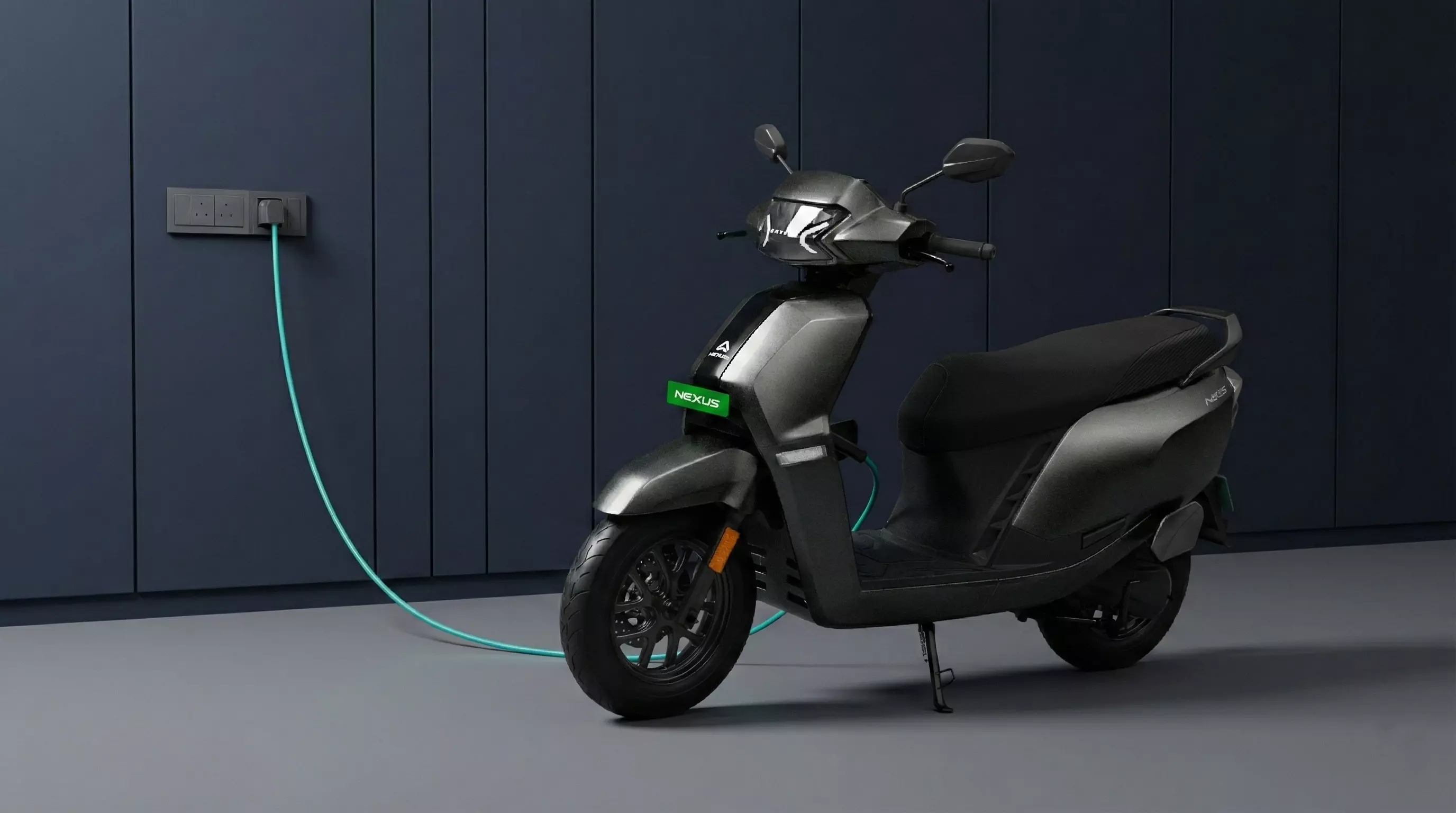
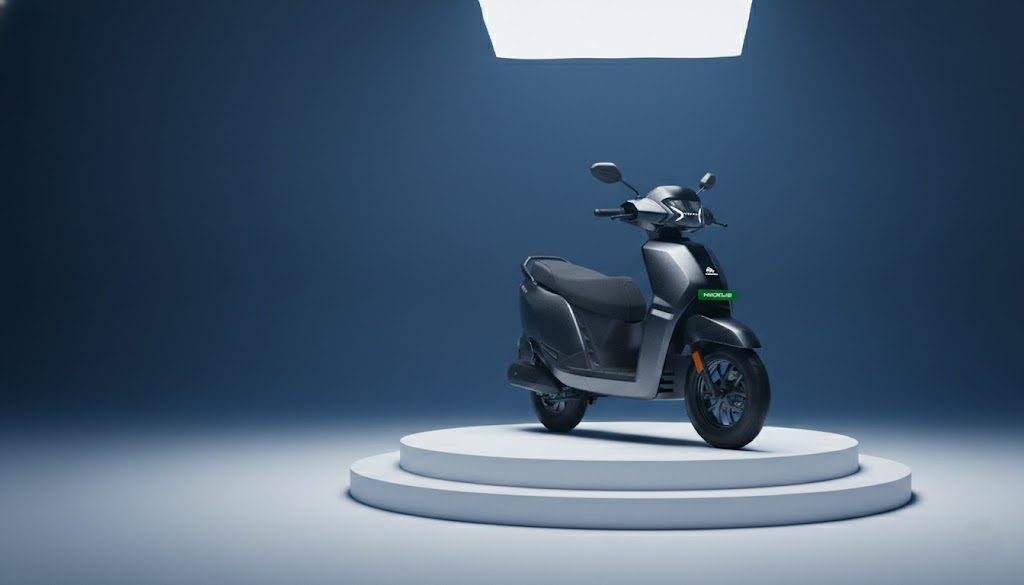
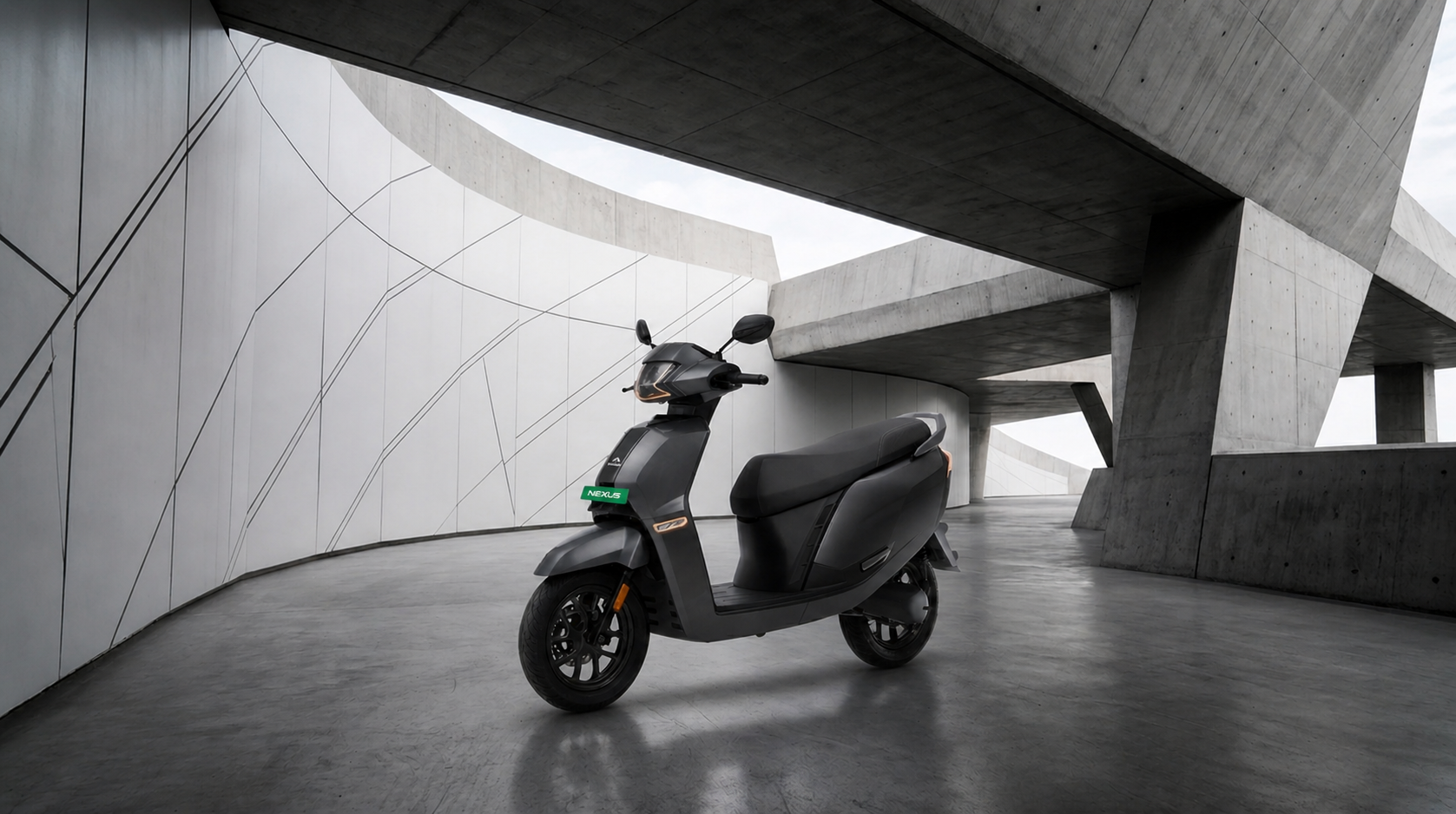

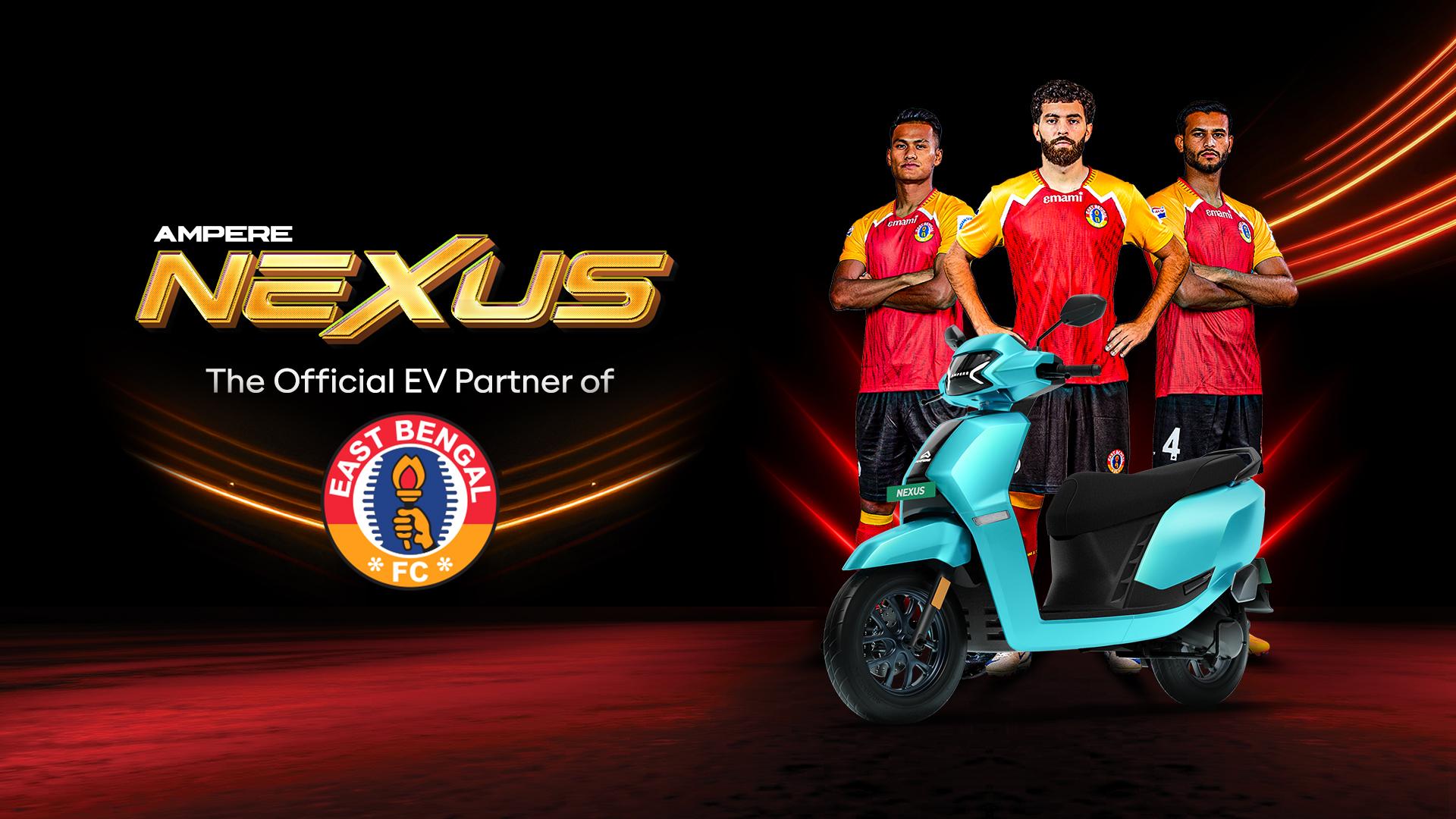
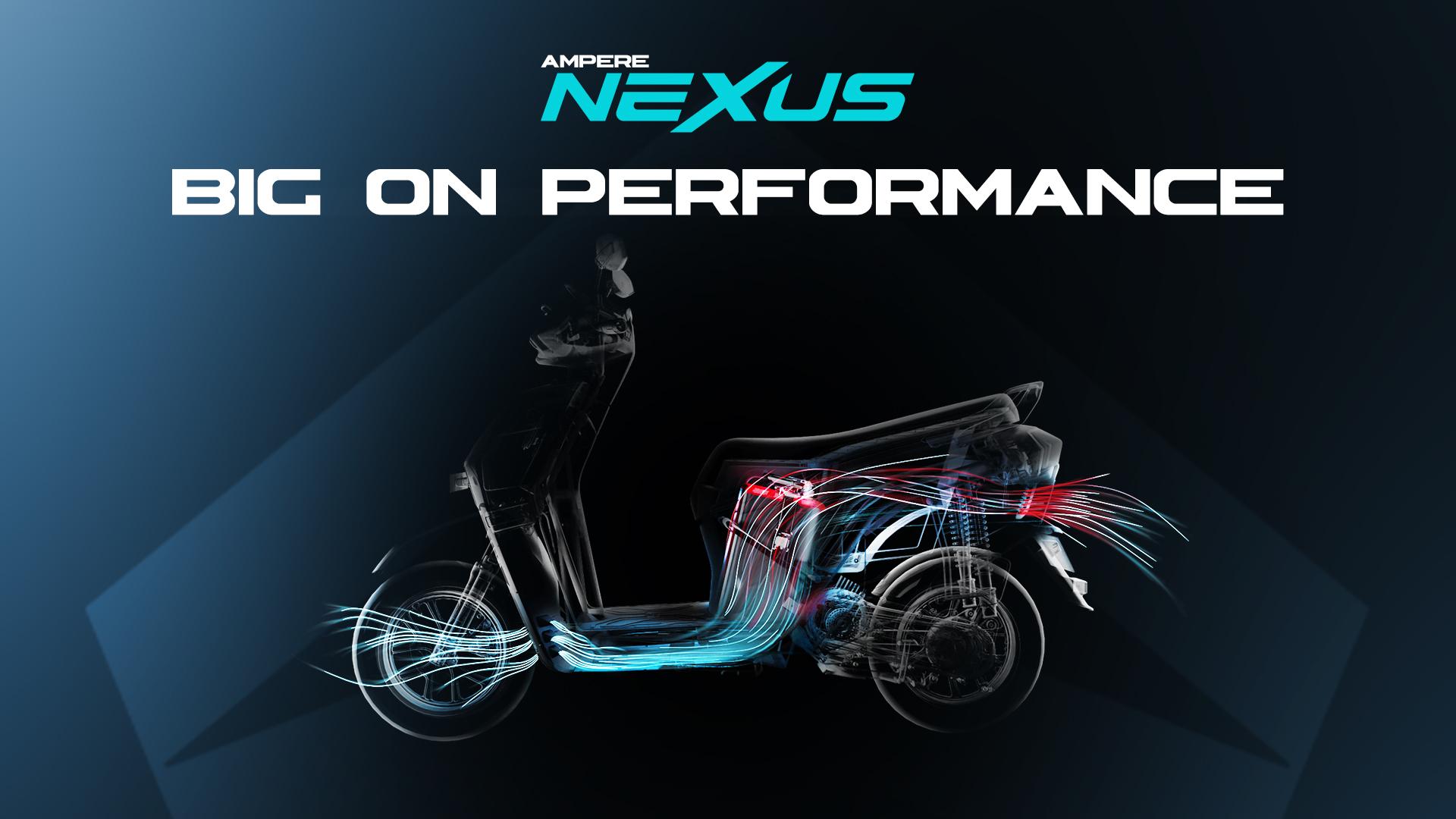
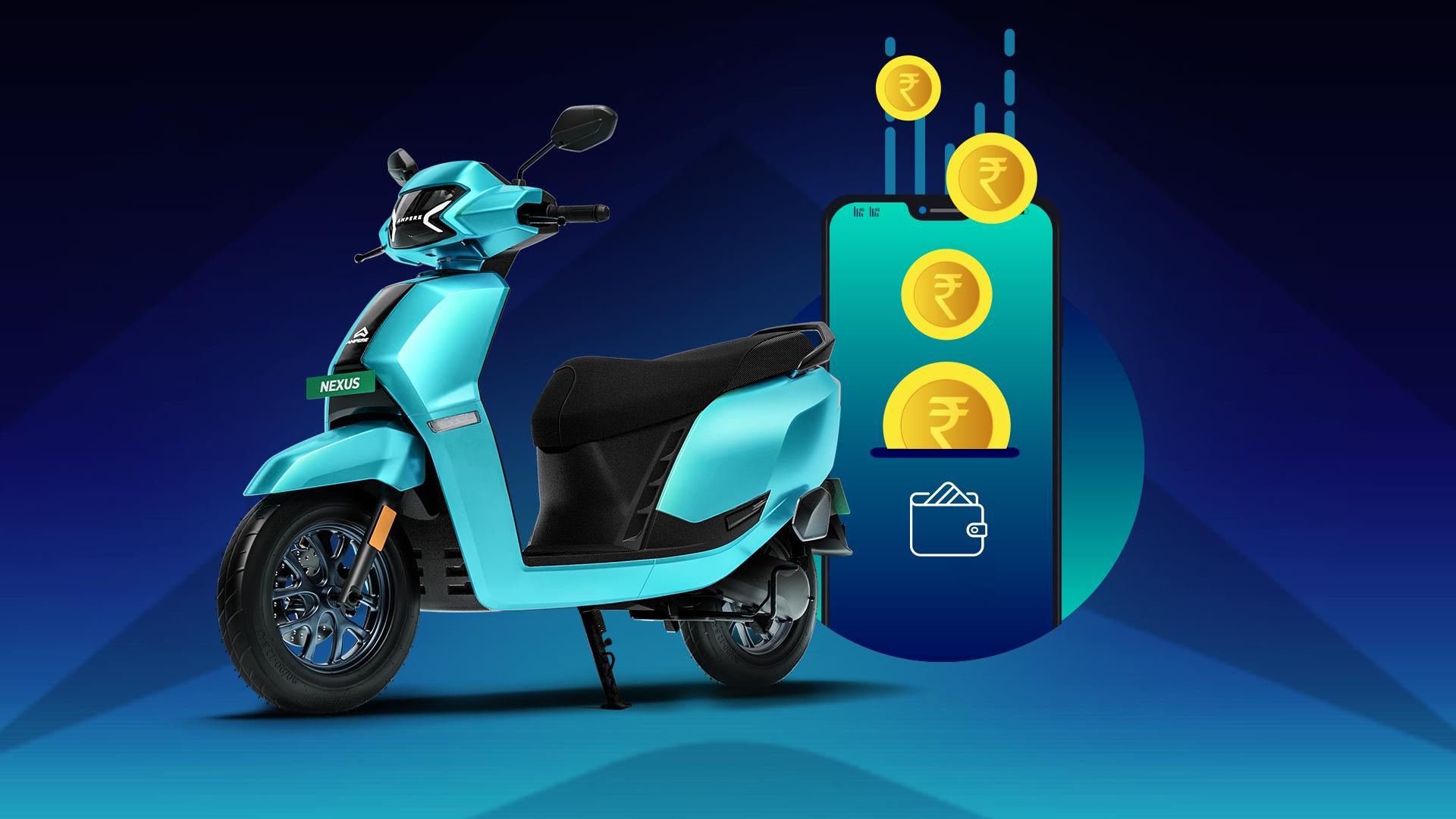
The Ampere Nexus, at 3.3 hours for a full charge, is the fastest-charging model in the current Ampere range. Whether you actually need fast charging depends on your commute pattern, your charging access at home or work, and your daily riding habits — not on the feature alone.
What Does Fast Charging Really Mean for EV Scooters in India?
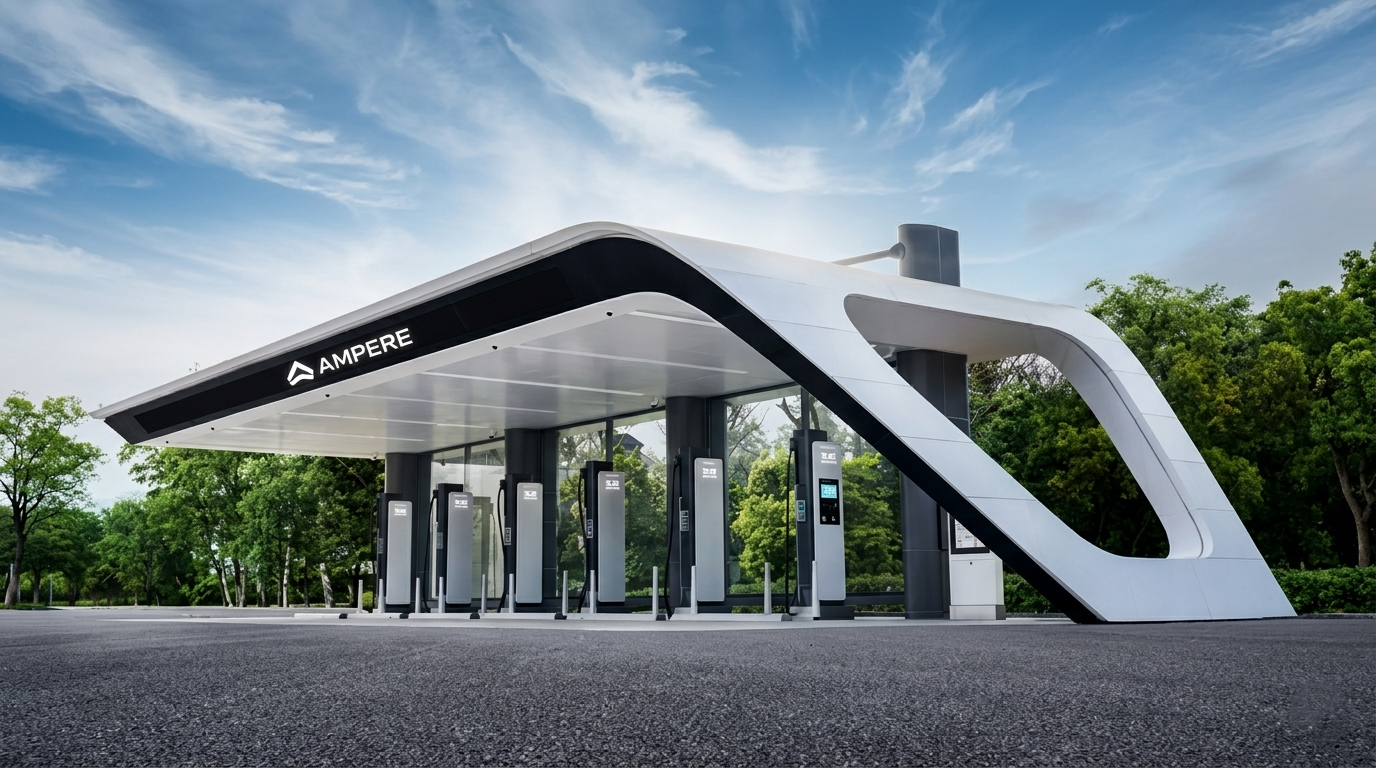
For EV scooters in India, fast charging refers to restoring useful range noticeably quicker than basic plug-in charging at a standard home socket. Most riders encounter two broad charging patterns in daily life. The first is slower home-style charging using 5A or 15A domestic connections for overnight charges. The second is faster charging through higher-power chargers at workplaces, commercial complexes, and selected public charging stations in larger metros.
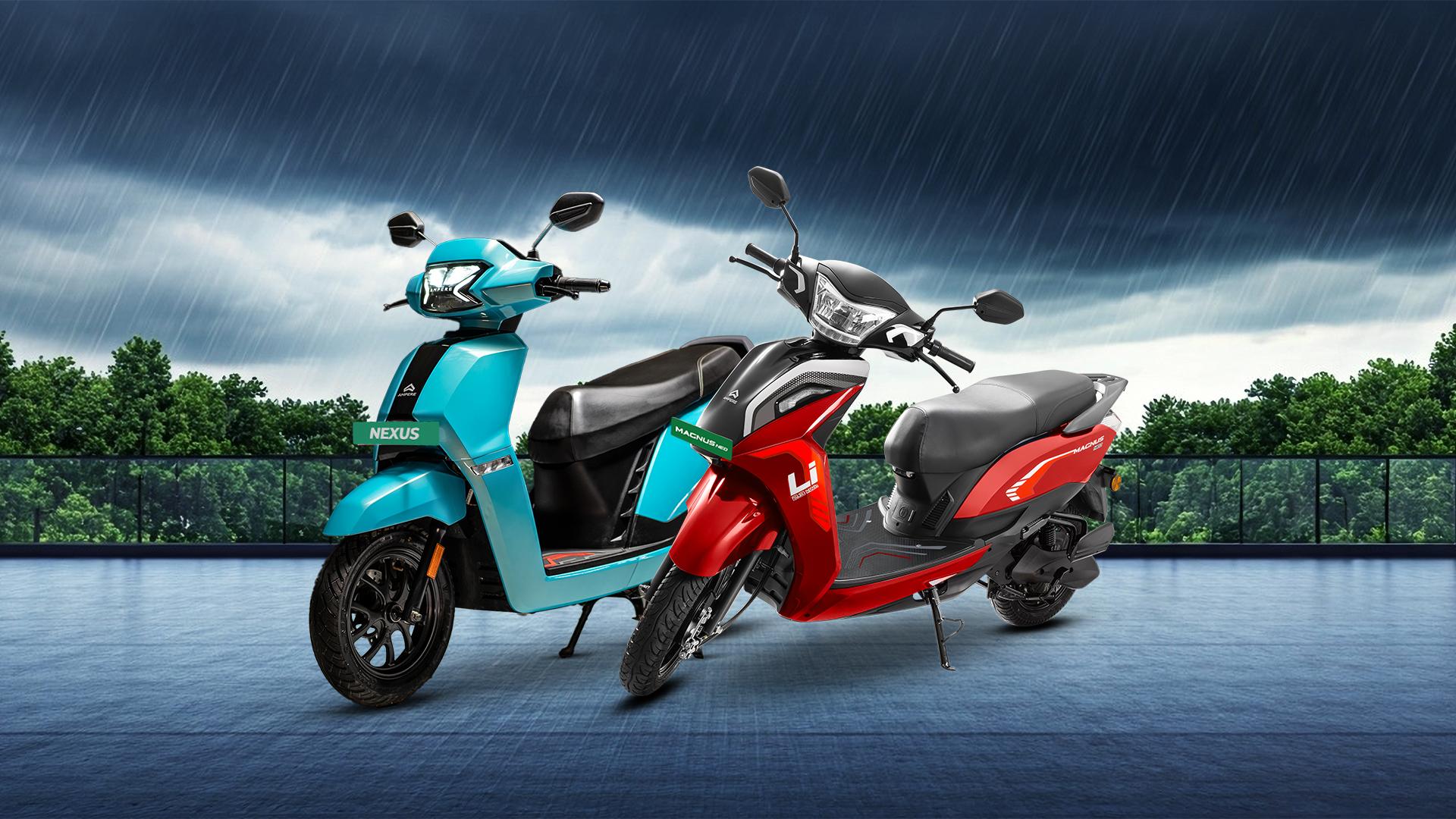
Ampere Charging Speed Comparison: Full Range
Charging time is one of the most practical decision factors alongside range when choosing any electric scooter. Here is how the full Ampere lineup currently compares on charging speed, battery size, and running cost:
| Ampere Model | Battery Capacity | Full Charge Time | Charging Socket | Running Cost/km |
|---|---|---|---|---|
| Reo 80 | 1.44 kWh LFP | ~5.5 hours | Standard 5A / 3-pin | ₹0.12 |
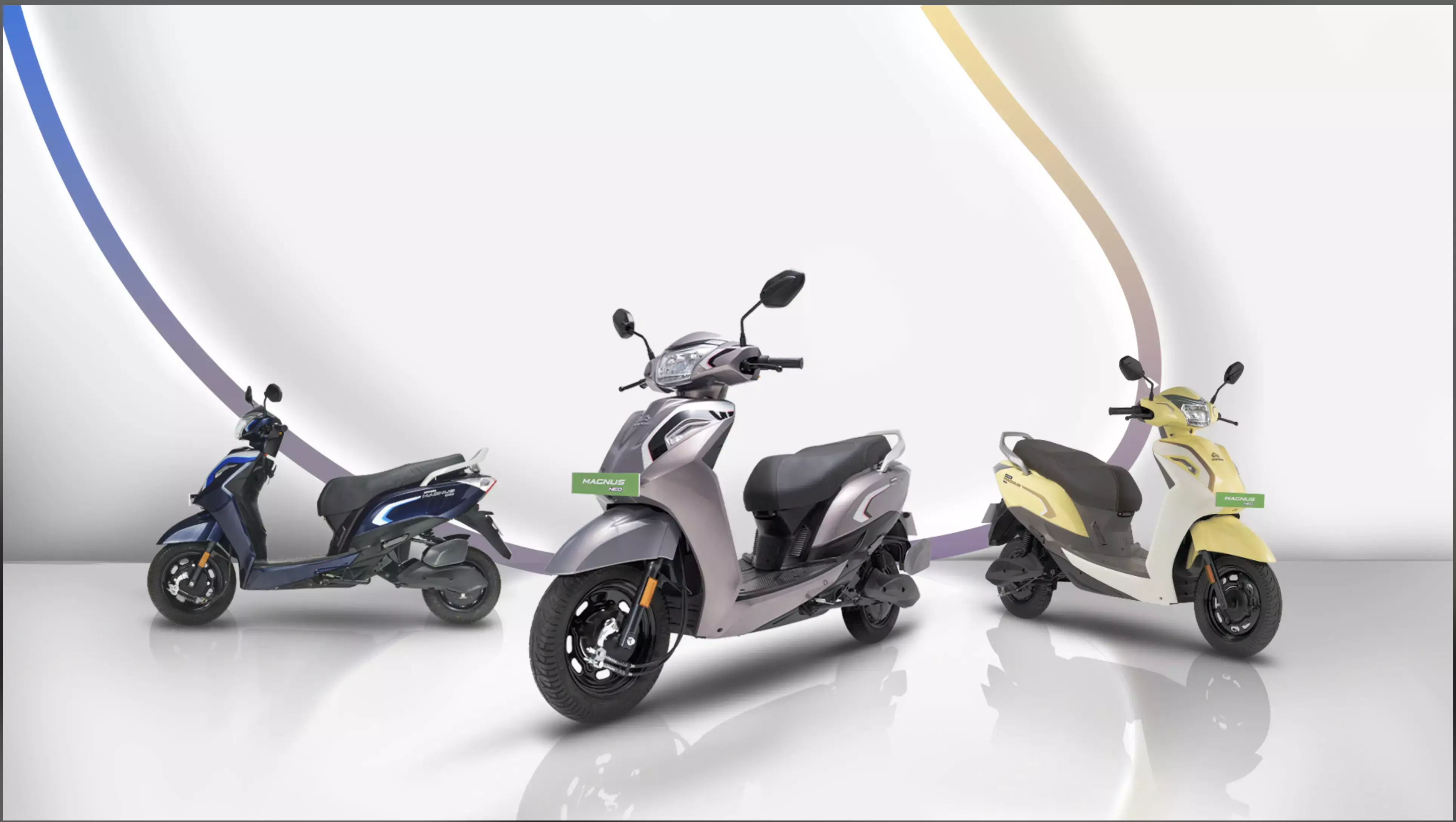
| Magnus Neo | 2.4 kWh LFP | ~5–6 hours | Standard 15A socket | ₹0.18 |
| Magnus Grand | 2.3 kWh LFP | ~5–6 hours | Standard 15A socket | ₹0.18 |
| Magnus G Max | 3.0 kWh LFP | ~7.5 hours | Standard 15A socket | ₹0.18 |
| Nexus | 3.0 kWh LFP | 3.3 hours (fastest) | Standard 15A socket | ₹0.18 |
Source: ampere.greaveselectricmobility.com
Who Actually Benefits Most from Fast Charging EV Scooters?
Fast charging matters most when your daily routine genuinely leaves little room for long plug-in times between rides. Here is how different rider profiles match to the right Ampere model based on their charging needs:
| Rider Type | Fast Charging Benefit | Recommended Model | Reason |
|---|---|---|---|
| Metro apartment dweller | High benefit | Nexus | 3.3 hr charge; can use workplace or public charger for quick top-up between rides |
| Office commuter with home parking | Low benefit | Magnus Neo or Grand | 5–6 hr overnight charge fits the daily routine without any stress |
| Gig worker or delivery rider covering 60+ km per day | High benefit | Nexus | Multiple charges per day needed; 3.3 hr fast charge meaningfully reduces costly downtime |
| Tier 2 or Tier 3 homeowner with ground-floor parking | Low benefit | Magnus Grand or G Max | Easy 15A socket access at home; no practical need for fast charging infrastructure |
| Long commuter covering 50–65 km one way | Moderate benefit | G Max or Nexus | G Max at 142 km IDC may not need a mid-day charge; Nexus for fast top-up flexibility |
Source: ampere.greaveselectricmobility.com | Rider profile recommendations based on official Ampere model capabilities and commute patterns
Key Trade-Offs: Cost, Battery Life, and Real-World Convenience
Battery Health in Indian Heat
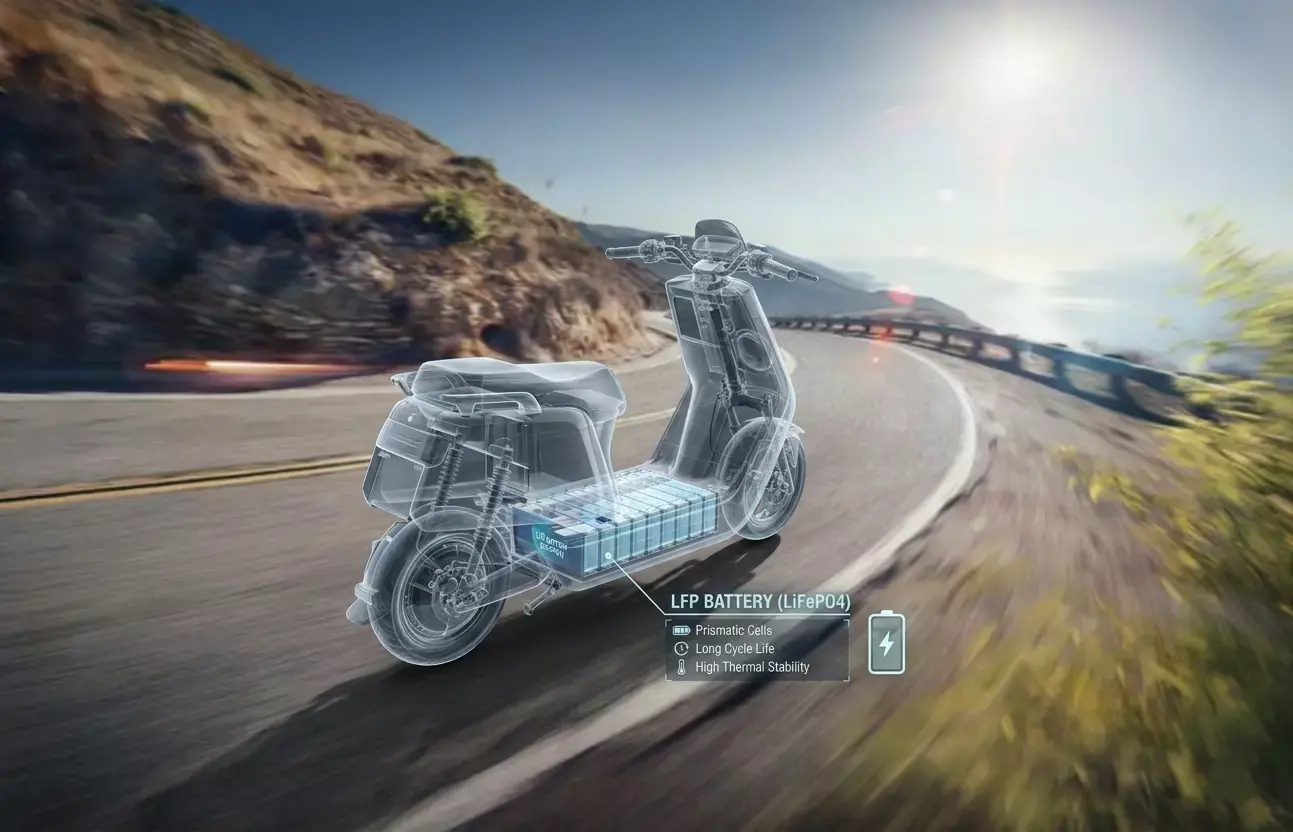
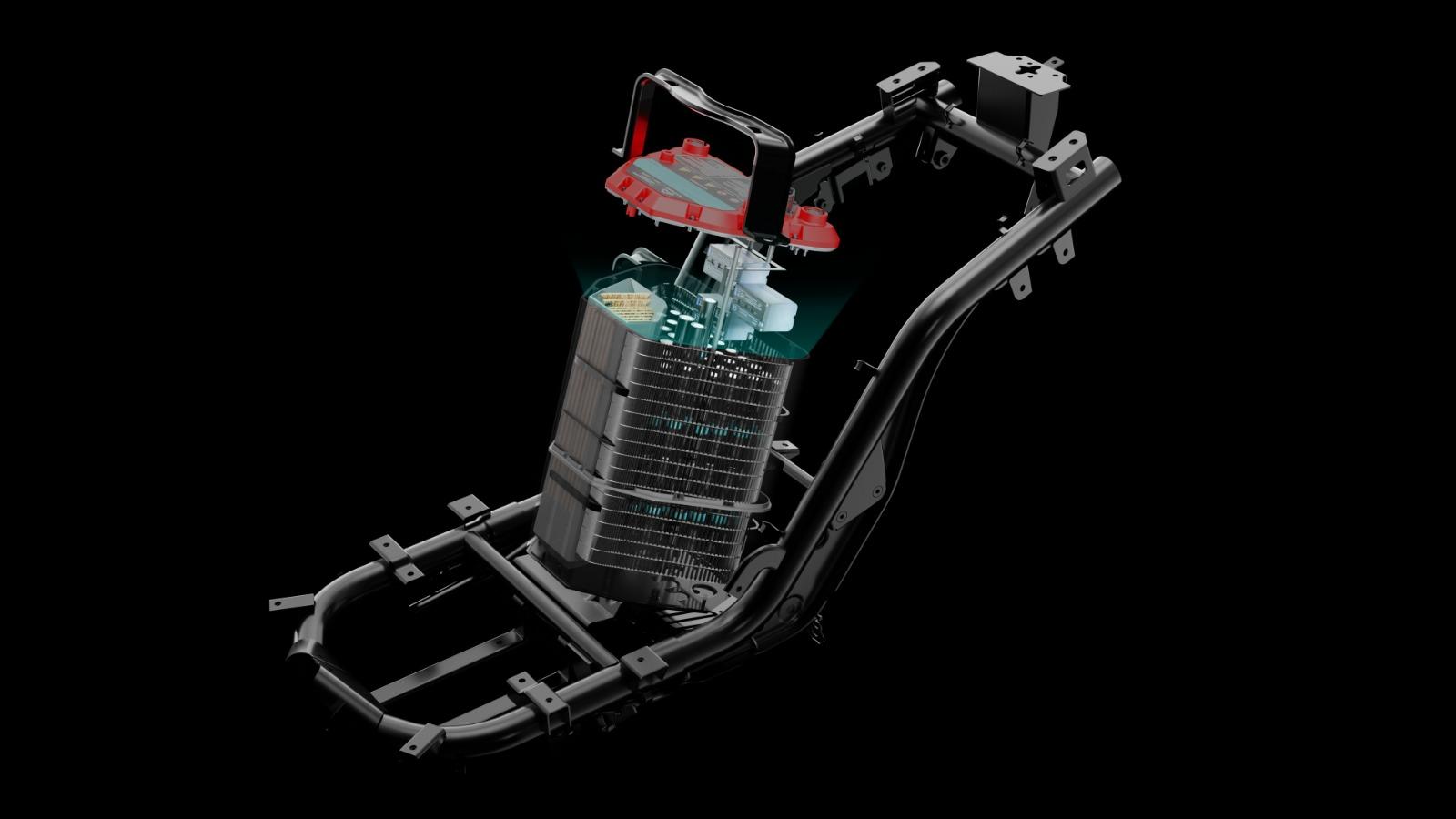
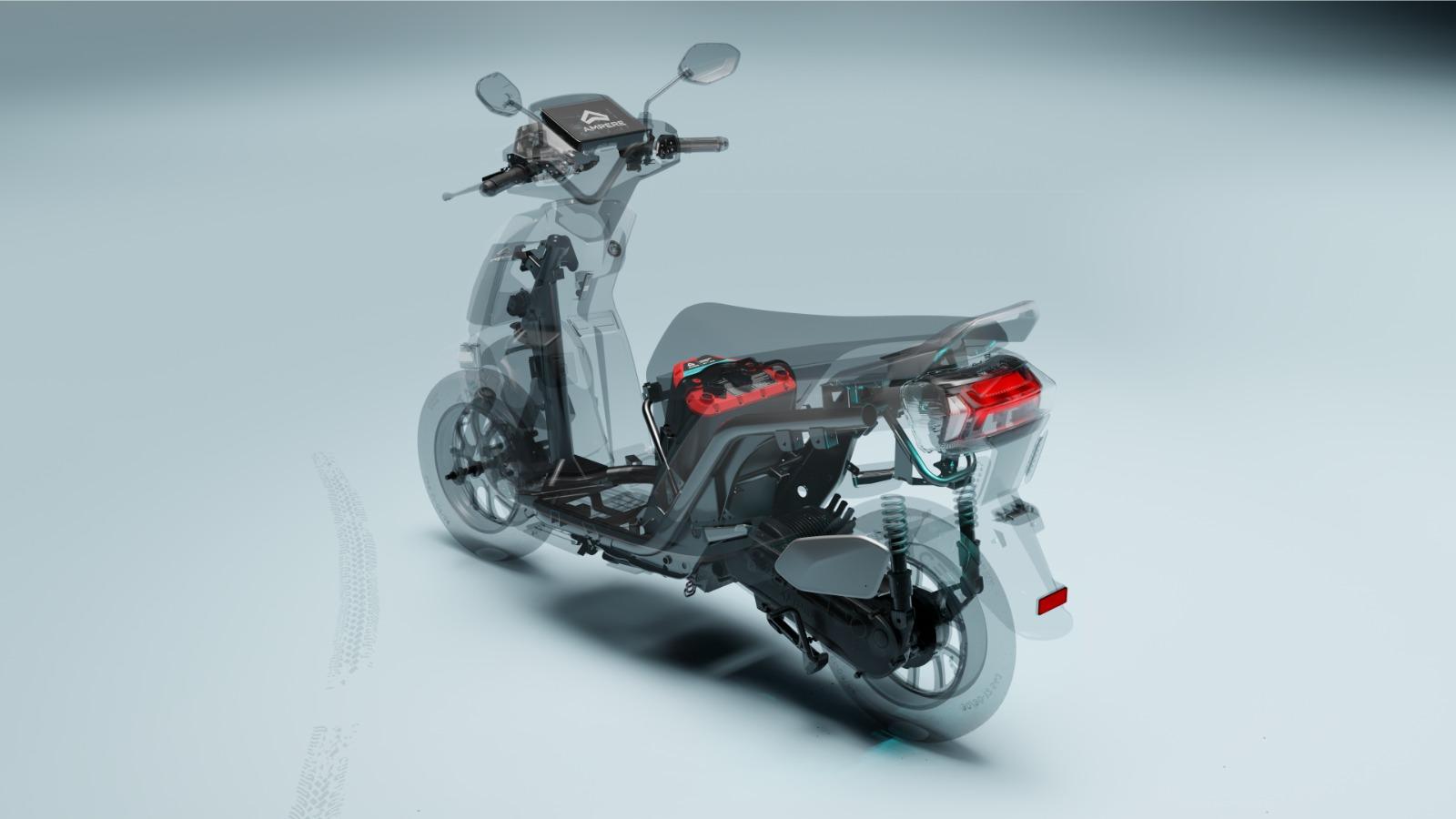
Faster is not always better for your battery, especially in Indian summers and in areas with unstable grid voltage. All Ampere models use LFP batteries — a chemistry known for significantly better thermal stability and tolerance to charging stress compared to standard NMC lithium ion. Even so, riders should treat standard overnight home charging as their primary daily method and reserve fast charging for backup use or genuinely necessary top-ups between long rides.
| Charging Scenario | Impact on Battery | Best Practice |
|---|---|---|
| Slow overnight home charging | Gentle — minimal thermal stress on cells | Primary charging method recommended for all Ampere models |
| Fast charging on the Nexus at 3.3 hrs | Moderate — LFP tolerates well if not charging in peak afternoon heat | Use occasionally; avoid repeated fast charging above 40°C ambient temperature |
| 0–100% charging every day | Increased long-term stress on cell chemistry over months | Try to stay within the 20–80% range for routine daily charging cycles |
| Charging immediately after a hard ride in peak heat | Higher thermal stress on already warm cells | Let the scooter cool for 10 to 15 minutes in shade before plugging in |
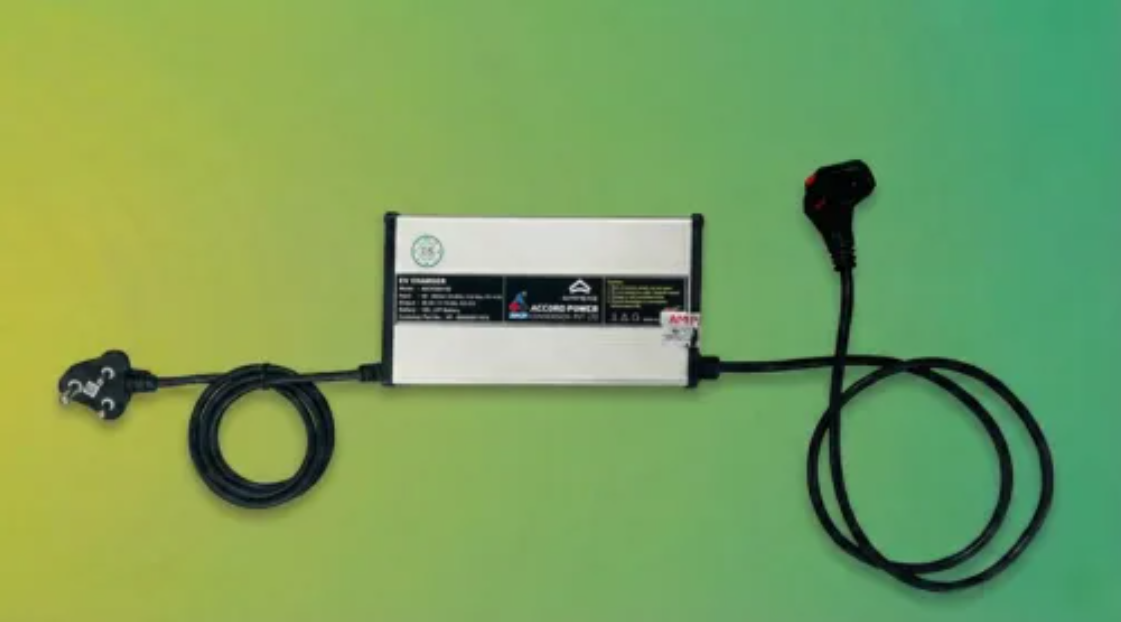
| Using unapproved chargers or adapters | Serious risk — voids warranty and can damage the BMS | Always use only Ampere-approved, BIS-certified chargers without exception |
Charging best practices for Ampere LFP batteries — applicable across all models in the current lineup
How to Decide If a Fast Charging EV Scooter Is Worth It for You
Start by mapping your daily commute distance and weekly usage patterns honestly. If your daily riding stays comfortably within a single overnight charge — which covers most city riders under 50 km per day — ultra-fast charging is a welcome bonus rather than a genuine daily necessity.
Next, audit your actual charging access and available time windows. List where you can realistically charge: home parking with a socket, office or campus charging points, or public chargers on your route. Apartment dwellers in metros typically depend more on public fast charging than homeowners in tier 2 and tier 3 cities who have easy ground-floor parking and socket access.
Finally, balance your budget against your real long-term ownership needs. The Nexus at ₹1,09,900 is the right choice for riders who genuinely need fast charging as part of their daily routine. For most office commuters and families with reliable home parking and a standard 15A socket, the Magnus Neo at ₹86,999 or Magnus Grand at ₹89,999 deliver excellent daily value with 5 to 6 hour overnight charging that fits easily into any normal evening and morning routine.
Frequently Asked Questions
Does fast charging every day damage an EV scooter battery in India?
Daily fast charging is not ideal for long-term battery life, particularly if you regularly charge from 0 to 100 percent in peak summer heat. Try to keep fast charging within the 20 to 80 percent window where possible and avoid repeated sessions during hot afternoons. Ampere's LFP batteries are significantly more thermally tolerant than NMC lithium ion alternatives, but building good daily habits extends pack life further regardless of chemistry. Mix in slower overnight home charging on most days as your standard routine.
Which Ampere model has the fastest charging?
The Ampere Nexus charges fully in 3.3 hours — the fastest in the current Ampere lineup by a meaningful margin. All other models, including the Magnus Neo, Grand, and G Max, use standard 5 to 7.5 hour home charging depending on battery size. The Reo 80 charges in approximately 5.5 hours from a standard 3-pin socket.
Is a fast charging EV scooter worth it if I can charge overnight at home?
If you have secure parking with socket access and a moderate daily commute under 50 km, overnight slow charging is almost always cheaper and gentler on the battery. The Nexus's fast charging then becomes a valuable backup for hectic days or unexpected longer trips rather than a daily necessity. For most office commuters, the Magnus Neo or Magnus Grand represents better overall value for money at their respective price points.
What should I look for when choosing a fast charging electric scooter in India?
Check real-world range alongside full charge time, battery warranty terms, and authorised service reach in your specific city. Confirm compatibility with normal home sockets and make sure the on-road price makes sense relative to your actual daily commuting distance and charging access. The Ampere Nexus addresses all these factors clearly for riders who genuinely need faster charging as part of their daily routine.
Are fast charging EV scooters practical in smaller towns or hilly regions?
They can be practical, but only if the scooter also supports dependable slow charging from commonly available household sockets. In hilly areas and smaller towns, prioritise range buffer for inclines and stable motor torque for gradients over charging speed. The Magnus Grand with 118 km IDC range or the G Max at 142 km are more practically suited to these conditions than depending on sparse or unreliable fast charging infrastructure.
Conclusion
Fast charging EV scooters in India are most worthwhile for riders who regularly push their daily range limits, lack easy home charging access, or need quick turnarounds for delivery and gig work. The Ampere Nexus, with its 3.3-hour full charge and 136 km IDC range, is the clear choice for this riding profile.
For most office commuters and families with ground-floor parking and a reliable 15A socket, overnight slow charging on the Magnus Neo, Grand, or G Max already covers every routine need — making ultra-fast charging a convenient extra rather than a daily requirement. Whichever model you choose, always use only Ampere-approved, BIS-certified chargers connected to safe, dedicated, properly earthed sockets for every charge session.