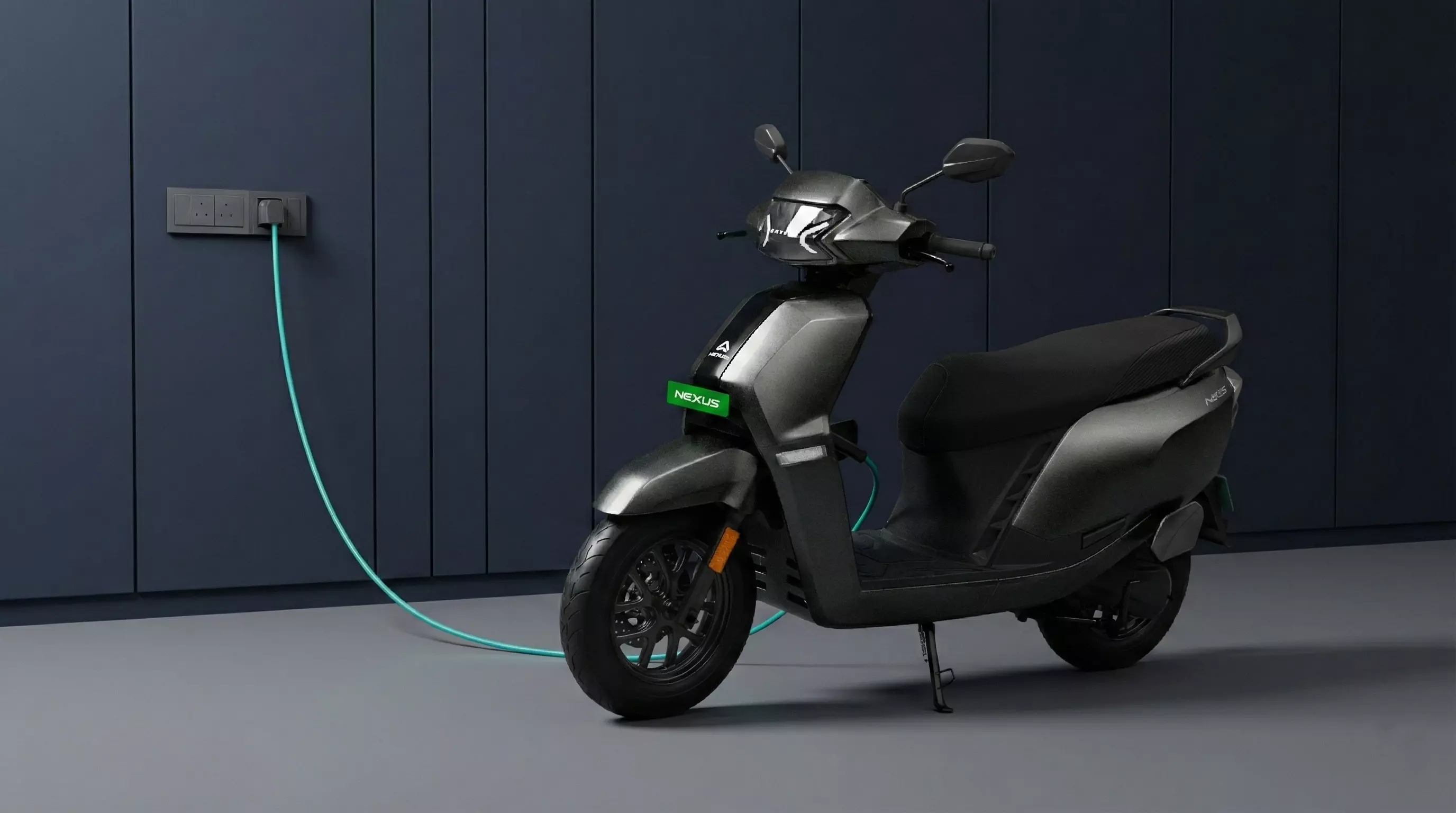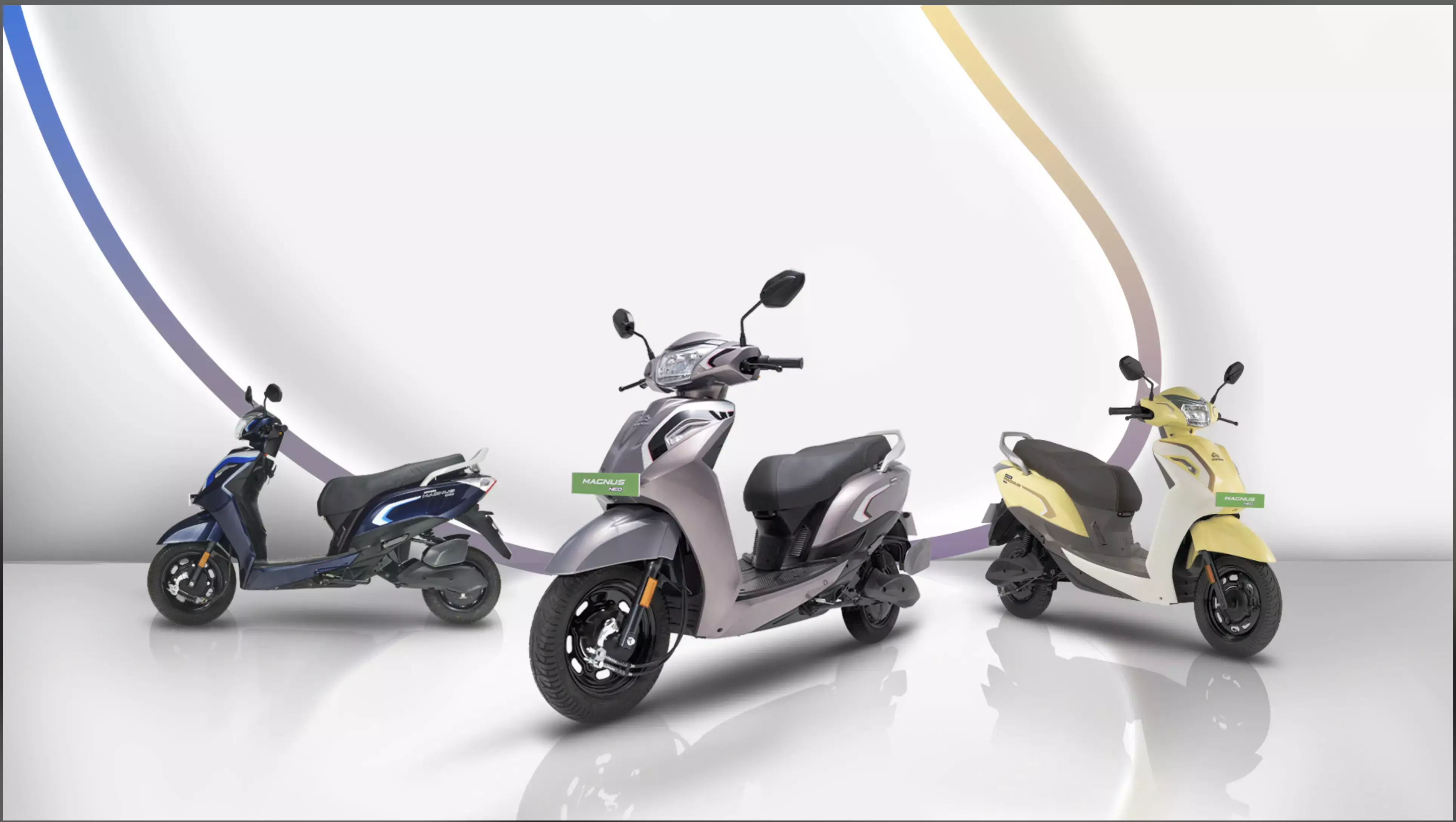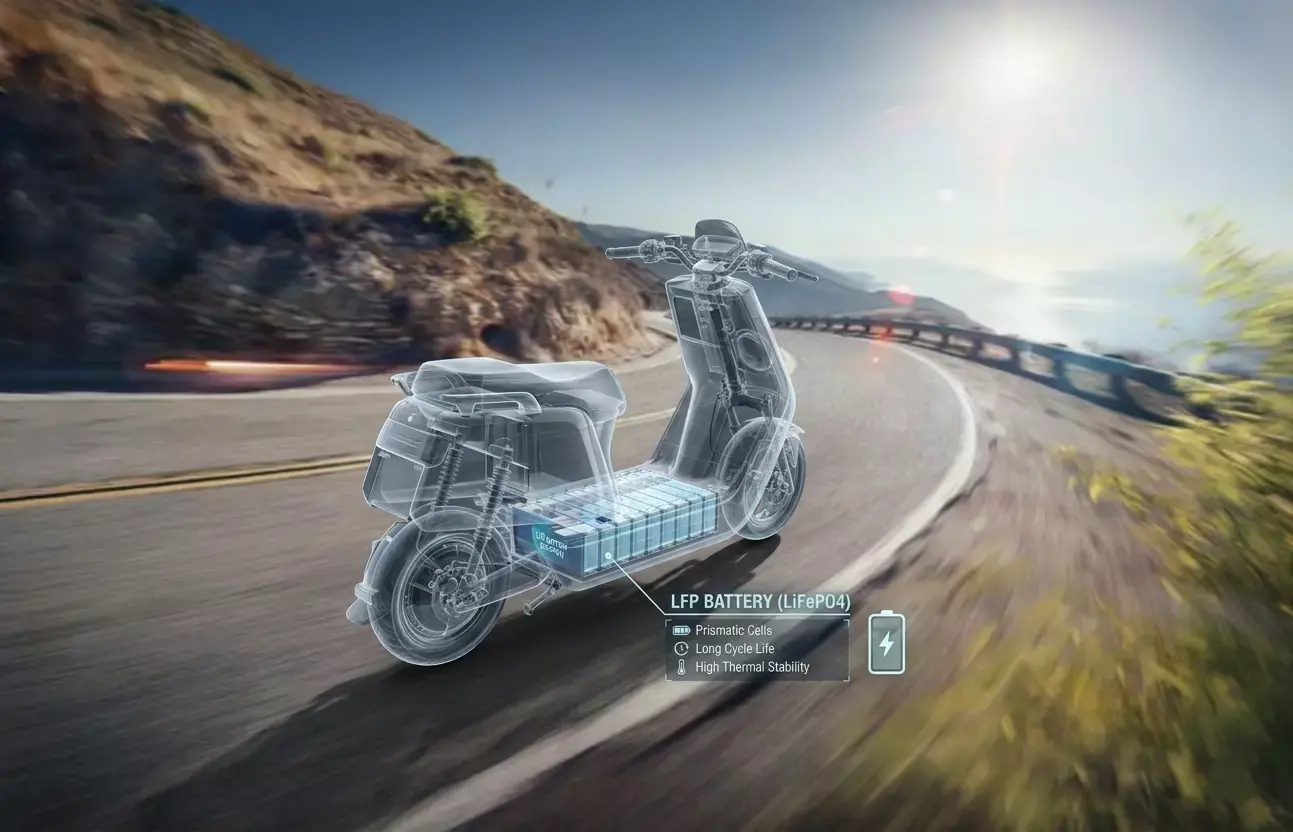
The biggest charging mistakes in fast charging EV scooters are daily 0 to 100 percent fast charges in peak summer heat, treating fast charging as the default instead of an occasional backup, and relying on unapproved jugaad chargers and adapters. These habits stress lithium ion cells, raise operating temperatures, and can measurably shorten battery capacity over months of daily use.
For Ampere LFP-battery scooters, switching to 20 to 80 percent partial charges and overnight slow charging as the primary method prevents most preventable battery degradation before it starts.
Why Fast Charging Is Tough on Lithium Ion EV Scooter Batteries
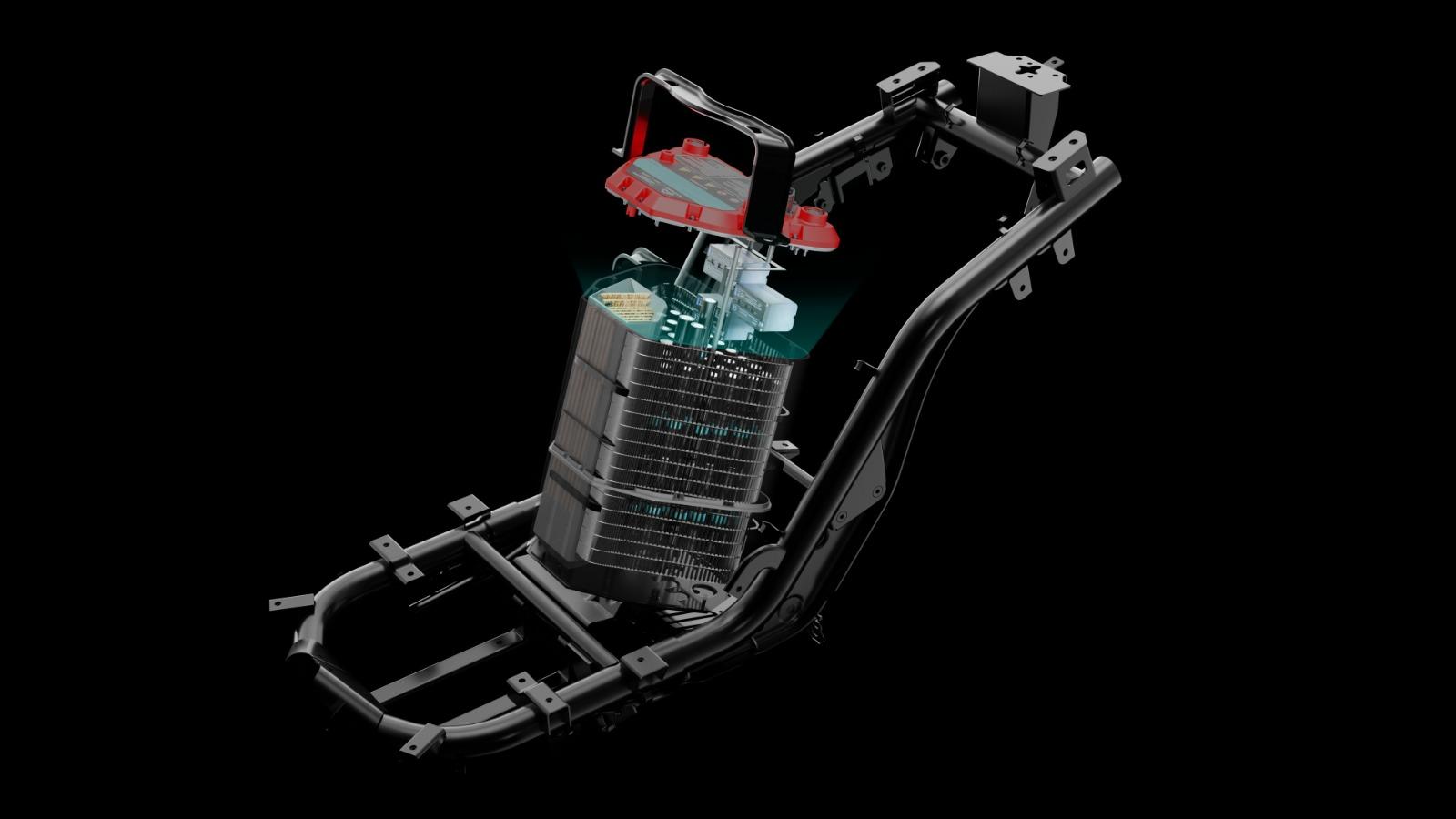
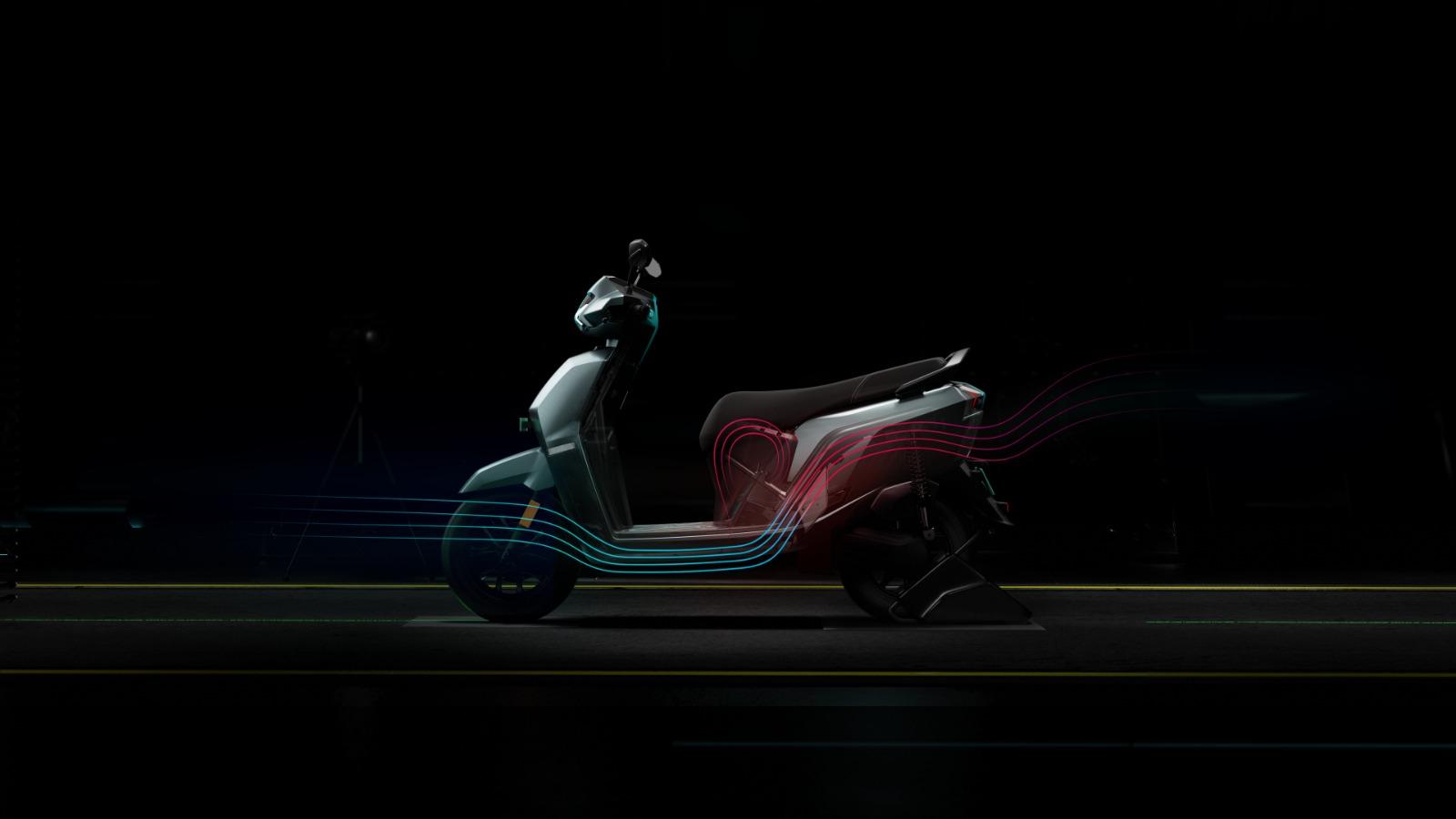
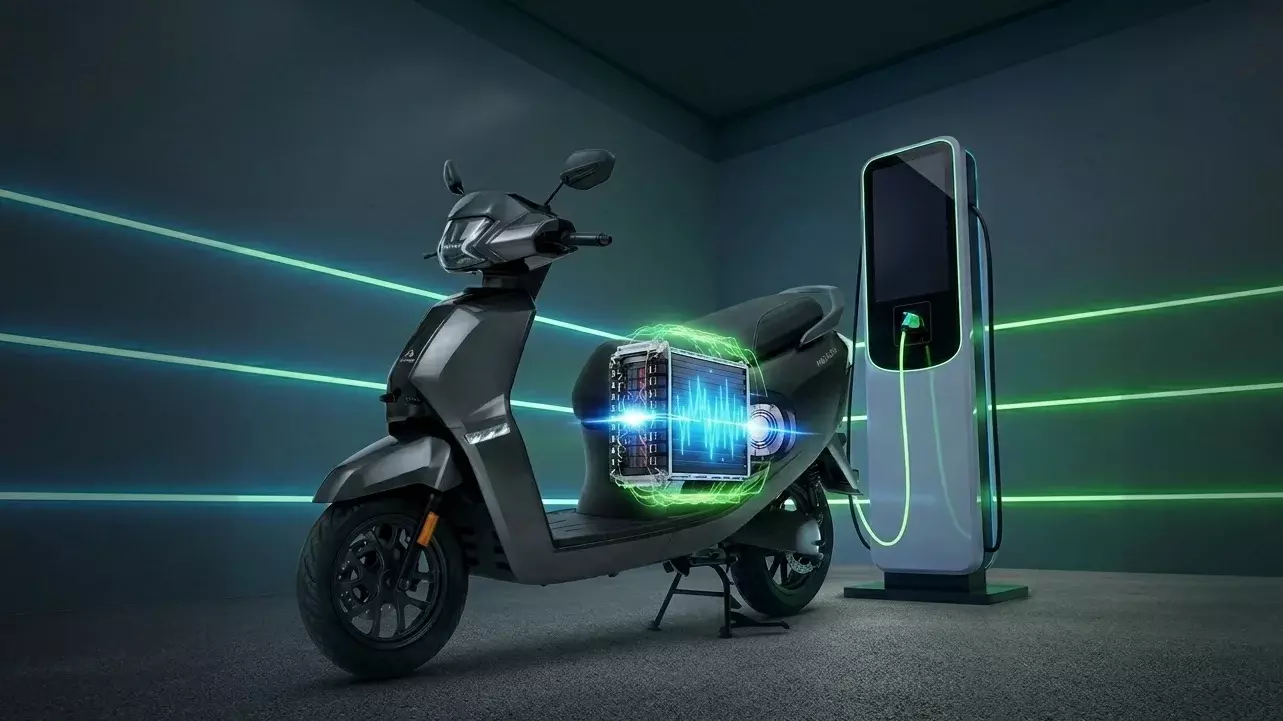
Fast charging pushes higher electrical power into the cells in a shorter time than standard home charging. This raises both cell temperature and internal electrochemical stress, particularly near very low or very high charge levels where cells are already under pressure.
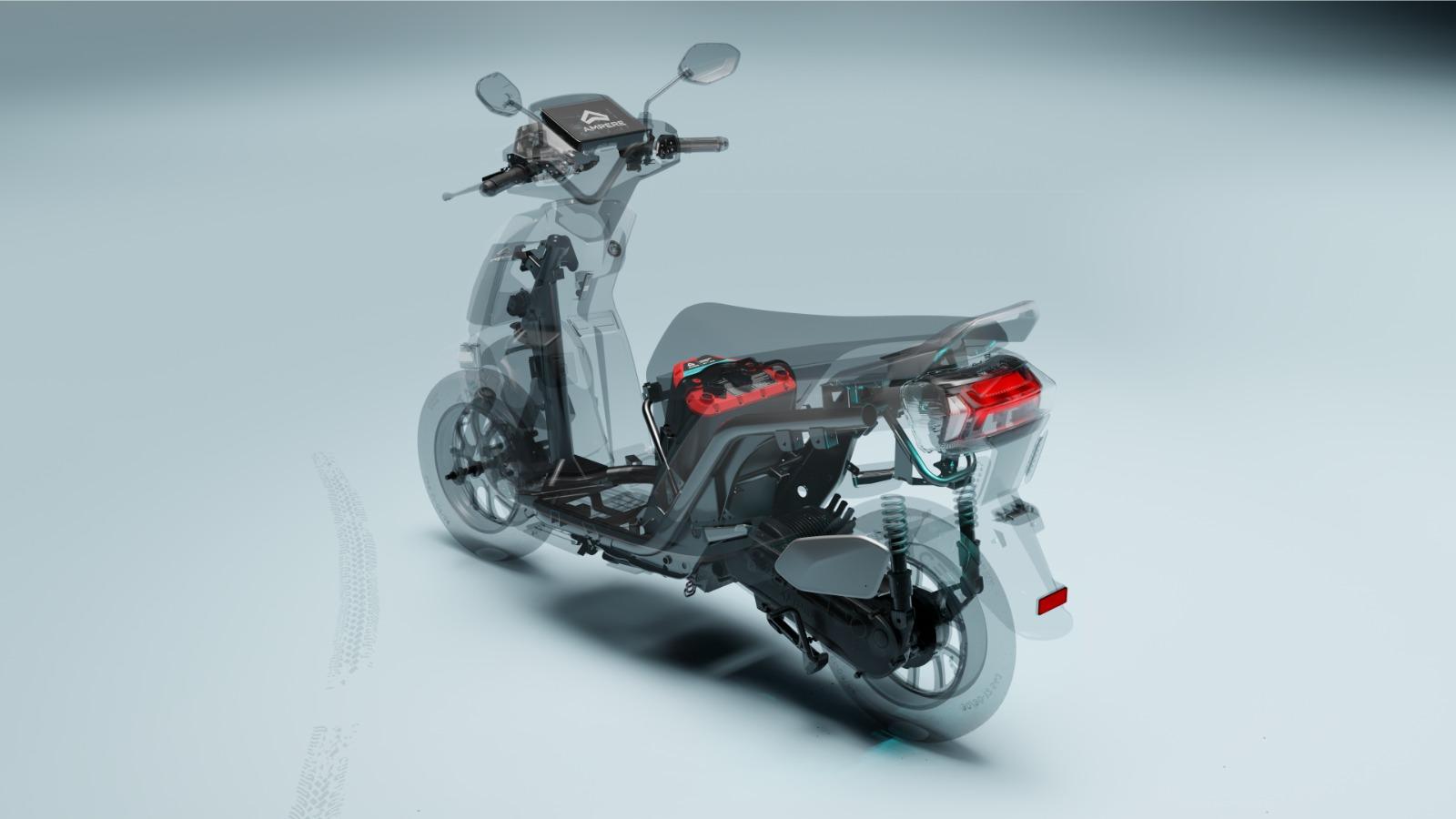
Modern scooters use a Battery Management System to monitor and manage these risks automatically. Even with BMS protection in place, frequent fast charging from near empty to completely full in strong Indian heat compounds cell wear over time in ways that gradually reduce your usable range month by month.
The Biggest EV Scooter Fast Charging Mistakes in India
Below are the most common charging mistakes Indian riders make, what each one actually does inside the battery, and the correct alternative habit to adopt instead:
| Charging Mistake | What It Does to the Battery | Correct Practice |
|---|---|---|
| Daily 0–100% fast charge in peak afternoon heat above 35°C | High current combined with high temperature accelerates cell degradation and speeds up capacity loss | Let the scooter cool in shade first; charge to 80–90% maximum; prefer evening or overnight charging |
| Treating fast charging as the default rather than a backup | Keeps the battery in a high-stress zone repeatedly; BMS thermal limits trigger more often and more severely over time | Use slow overnight home charging as the primary method; reserve fast charging only for genuinely urgent situations |
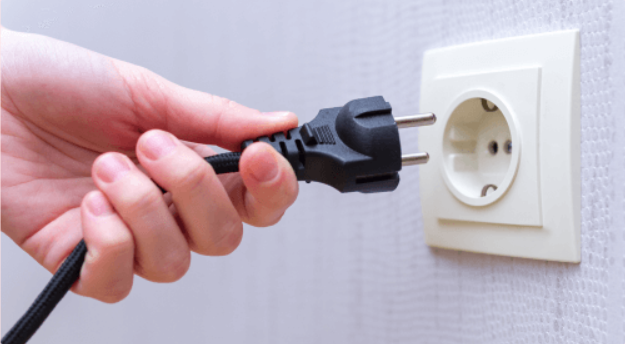
| Using unapproved adapters, jugaad plugs, or multi-pin extension boards | Unstable voltage and overloaded circuits raise fire risk and can void the manufacturer warranty entirely | Use only Ampere-approved, BIS-certified chargers and cables with a dedicated, properly earthed socket |
| Charging from 0% immediately after a hard ride in hot weather | Battery temperature is already elevated from riding; adding fast charge heat creates a harmful double-stress on cells | Wait 10 to 15 minutes for the scooter to cool in a shaded area before plugging in the charger |
| Leaving the scooter at 100% charge parked in direct sun for hours | High state-of-charge combined with high temperature is the worst sustained condition for LFP battery longevity | On normal days, target 80–90% charge; avoid long full-charge parking sessions in peak summer sun |
| Using loose wiring or shared inverter sockets in apartment basements | Voltage drops confuse the BMS; overloaded circuits risk tripping and result in incomplete or erratic charging sessions | Work with your RWA to install dedicated EV sockets with proper earthing and clearly labelled MCBs |
Charging guidance applicable to all Ampere LFP battery models | Source: ampere.greaveselectricmobility.com
How to Charge an Electric Scooter Correctly for Daily Indian Use
Healthy State-of-Charge Windows for Everyday Riders
For most riding days, avoid running the battery down very low or keeping it fully charged for long periods after charging completes. This single daily discipline has the most measurable positive impact on long-term battery longevity of any habit you can build:
| Charging Habit | Impact on Ampere LFP Battery Health |
|---|---|
| Daily charge target of 80–90% state-of-charge | Minimises electrochemical stress on cells — recommended for everyday use across all models |
| Avoid regular 0–100% full charge cycles | Repeated full cycles speed up gradual capacity decline noticeably over months |
| Avoid storing at 0% for multiple consecutive days | Deep discharge damages cell chemistry — store at 40–60% state-of-charge for longer periods |
| Charge during cooler evening or night hours | Lower ambient temperature means significantly less thermal stress during the charging process |
| Use 100% charge only before long trips | Infrequent full charges are perfectly fine — just avoid doing it as the nightly default routine |
| Short top-up sessions during the day when convenient | Partial charges are considerably easier on cells than repeated deep discharge and full recharge cycles |
State-of-charge guidelines for Ampere LFP batteries. All Ampere models include a BMS that monitors temperature and voltage automatically throughout every charging session.
Quick Daily Pre-Charge Checklist
| Check Before Every Charge | What to Look For |
|---|---|
| Battery temperature | Is the scooter still warm from a recent hard ride? If yes, let it cool in shade for 10 to 15 minutes first |
| Current state-of-charge | Is the battery already above 80%? If yes, there is no need to charge again yet |
| Charger cable and pins | Check for bent pins, fraying insulation, or visible heat damage — replace immediately if any damage is present |
| Socket condition | Is the socket dry, firmly mounted in the wall, and correctly earthed with no loose fitting? |
| Target charge level | Set a mental target of 80 to 90% for daily use; reserve 100% charges only for long trips or unusually heavy-use days |
This 30-second routine before every charge prevents the most common EV scooter charging mistakes. Applicable to all models in the current Ampere lineup.
Frequently Asked Questions
Is it okay to fast charge my EV scooter every single day?
Daily fast charging is not ideal for long-term battery life, particularly if you regularly charge from 0 to 100 percent in summer heat. Try to keep fast charging within the 20 to 80 percent window where possible, and mix in slower home charging on most nights. Always let the scooter cool in shade before and after any fast charge session in hot weather.
What is the best percentage to charge my electric scooter to for daily use?
For most riders on most days, 80 to 90 percent is the optimal daily charge target. Avoid keeping the scooter parked at 100 percent for many hours overnight, and avoid letting the battery drop near 0 percent regularly. This balance directly supports fast charging electric scooter battery life over the long term and applies to all Ampere LFP models in the current lineup.
Can I use any fast charger for my scooter, or only the brand-approved charger?
Use only BIS-certified, Ampere-approved chargers and connectors without exception. Random or unbranded fast chargers, jugaad adapters, and cheap multi-pin extension boards can cause serious fire risk, damage the battery management system, and void your entire vehicle warranty. The savings on a cheap charger are not worth the risk.
Does charging my scooter overnight damage the battery?
Overnight charging itself is generally fine when you use the correct approved charger connected to a safe, dedicated, properly earthed socket. The issue is specifically parking at 100 percent state-of-charge for many consecutive hours every single night. On regular days, stop around 80 to 90 percent if your daily range allows it. Save complete 100 percent charges for long trips or rare heavy-use days where the full range is genuinely needed.
How can I tell if fast charging has already harmed my battery?
Watch for a clear and unexplained drop in your real-world riding range, very slow or erratic charging behaviour, or the scooter shutting down unexpectedly even when the display shows a decent charge level remaining. If you notice any of these signs, visit an authorised Ampere service centre promptly for a battery health check and full software diagnostic scan before the issue develops further.
Conclusion
Fast charging does not have to shorten your EV scooter battery's life. The real damage comes from daily extremes and unsafe charging setups — repeated 0 to 100 percent charges in Indian heat, parking fully charged in direct afternoon sun for hours, and using jugaad adapters and unapproved extension boards that introduce unstable voltage into every session.
The core habits are straightforward to build and maintain: stay mostly within the 20 to 80 percent charge window for daily use, treat slow overnight home charging as your standard base routine, let the scooter cool in shade before plugging in after hard rides, and always use BIS-certified, Ampere-approved chargers connected to safe, dedicated, properly earthed sockets. These simple steps protect your battery, preserve your range, and keep your warranty intact across years of daily riding.