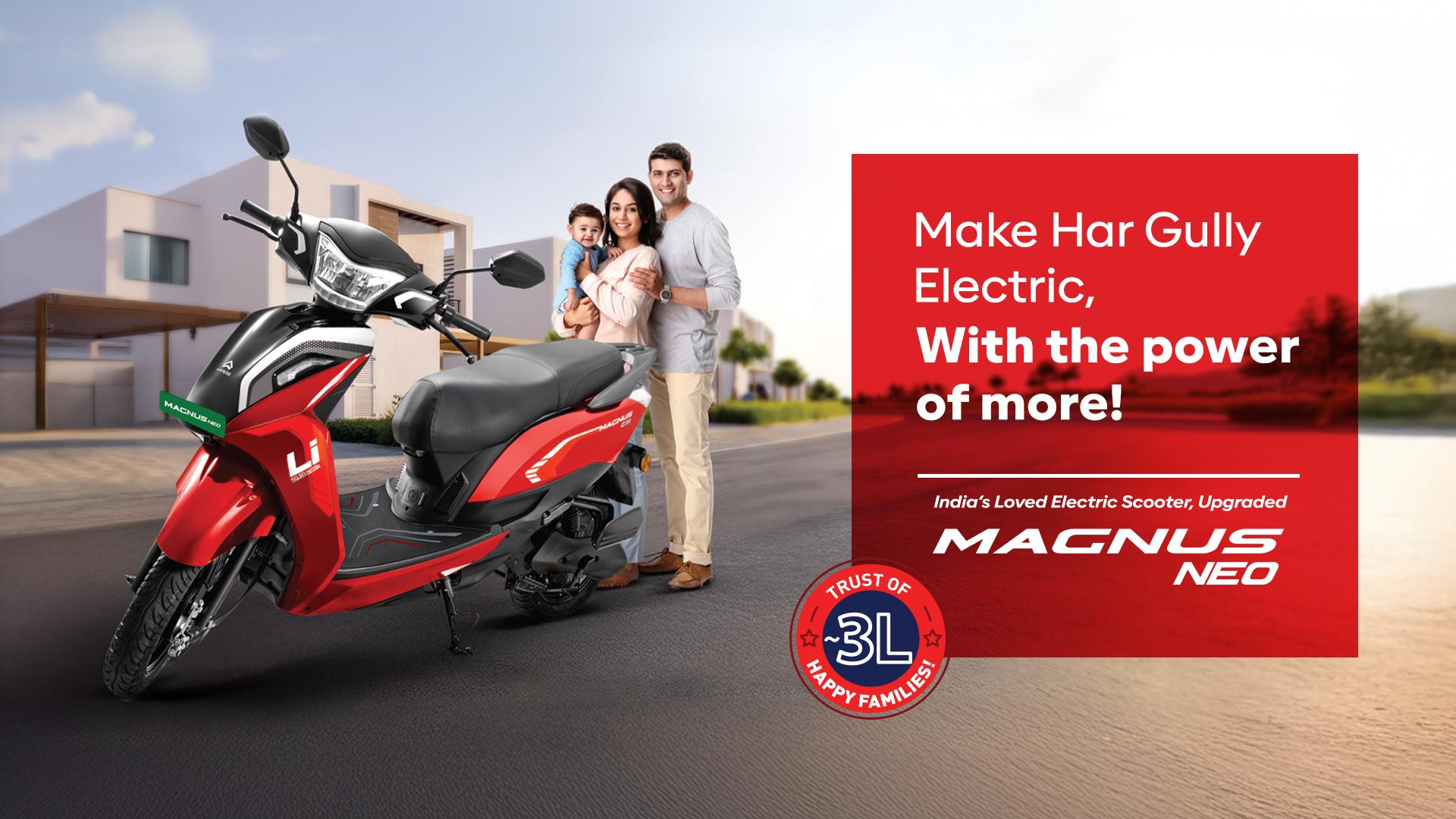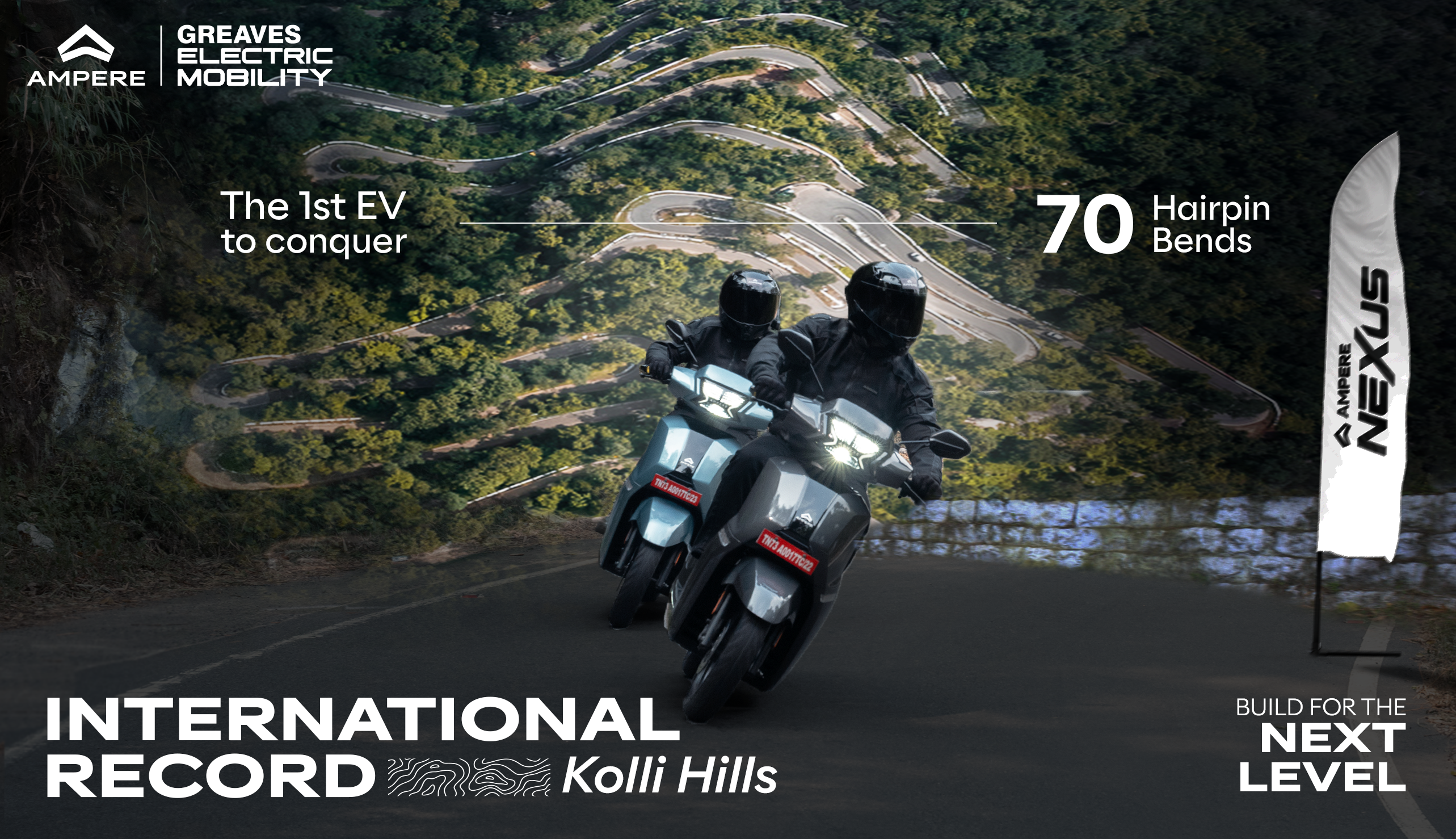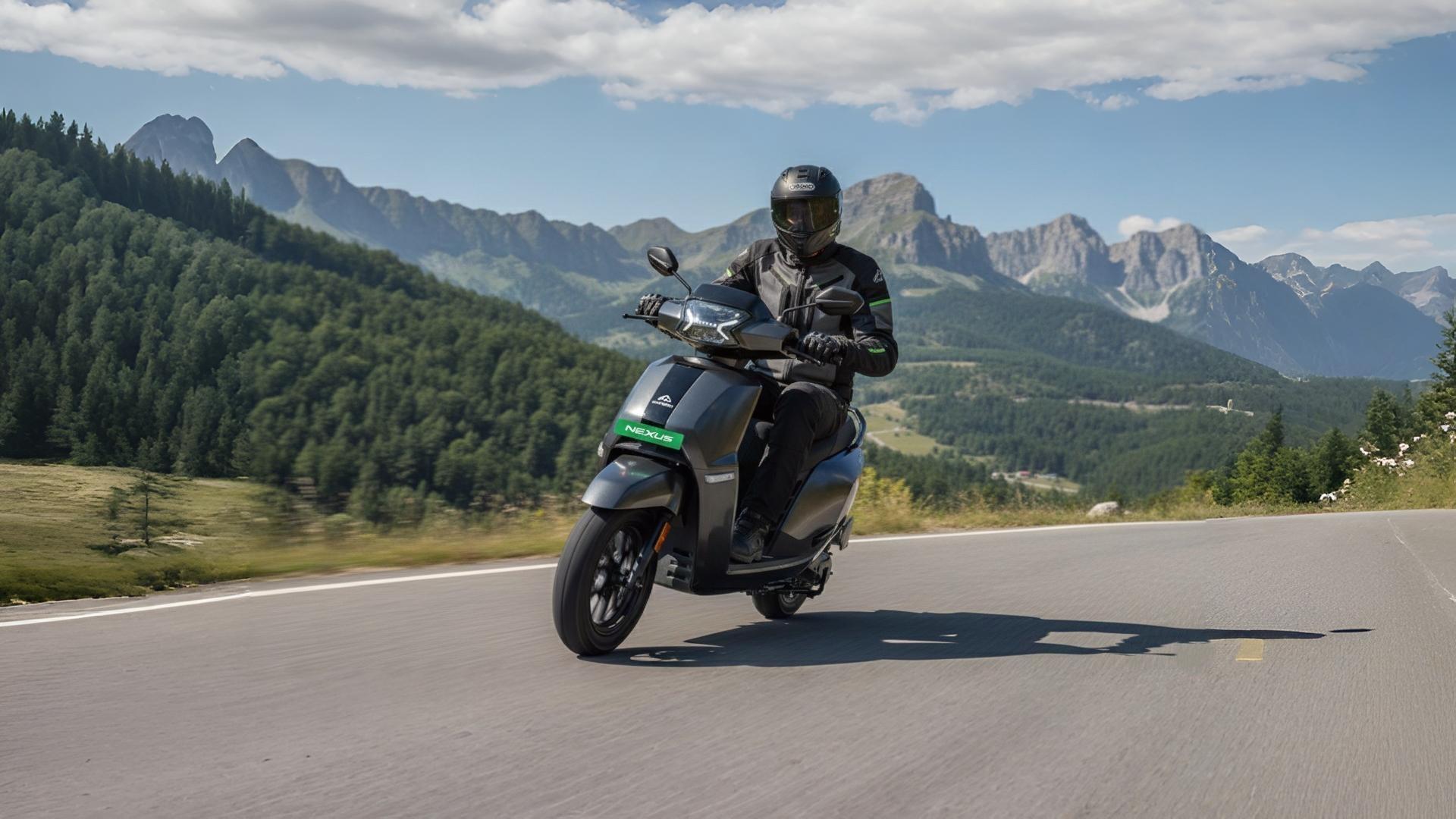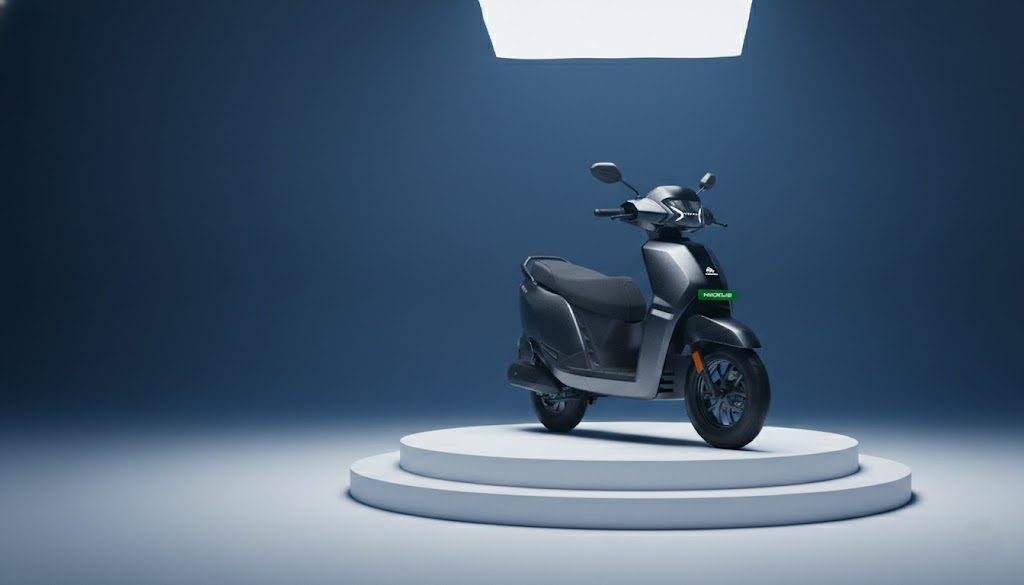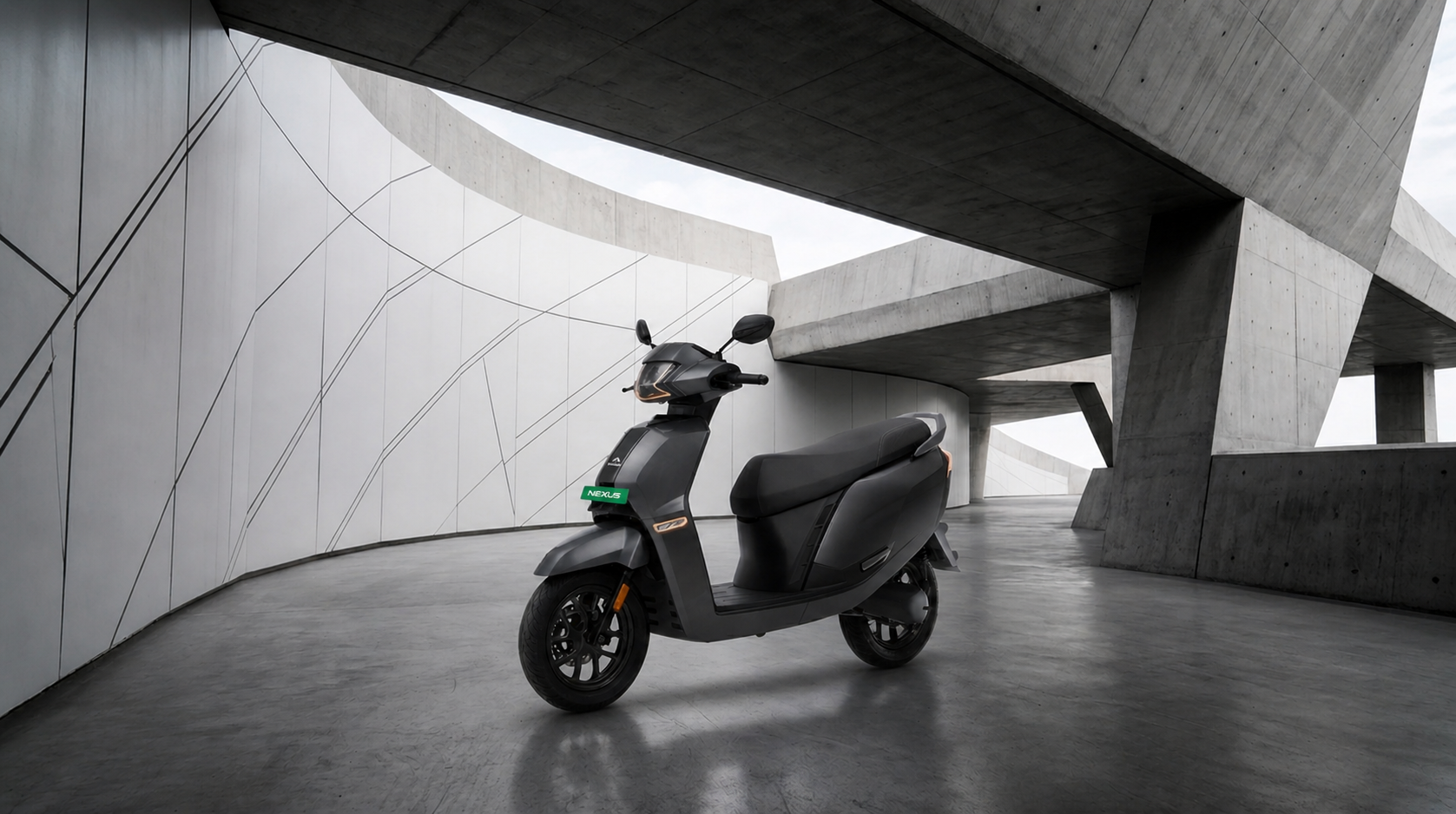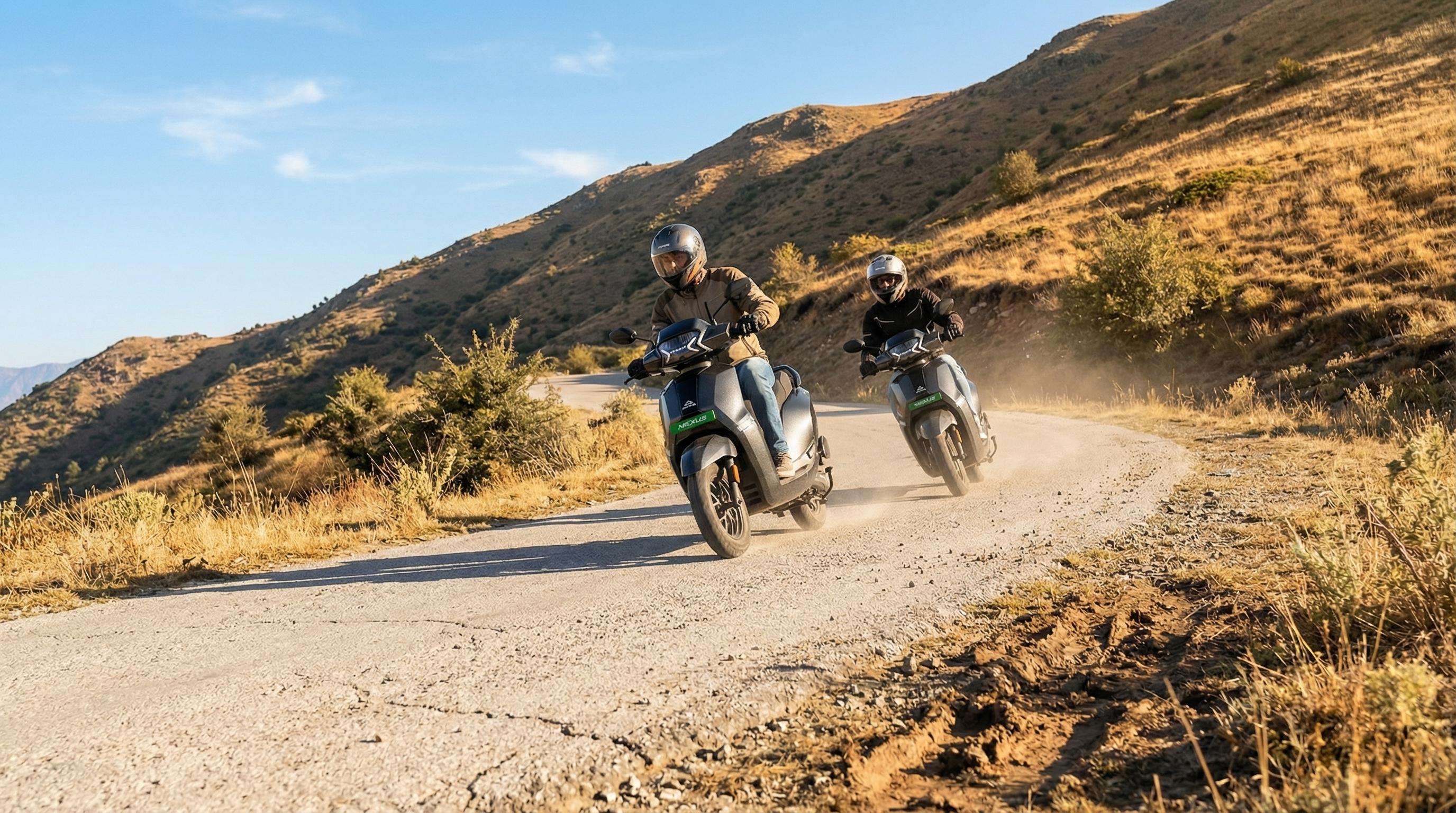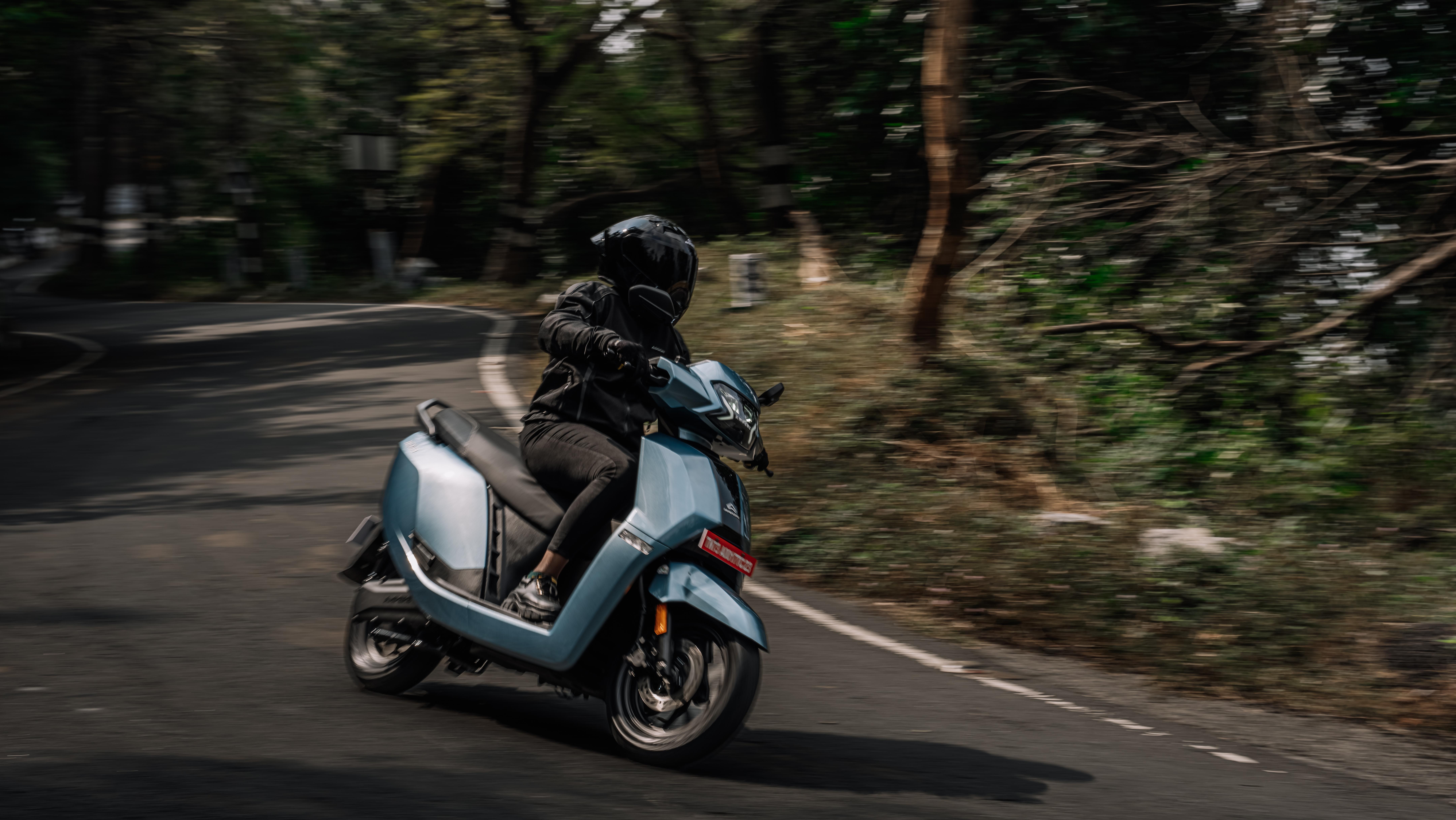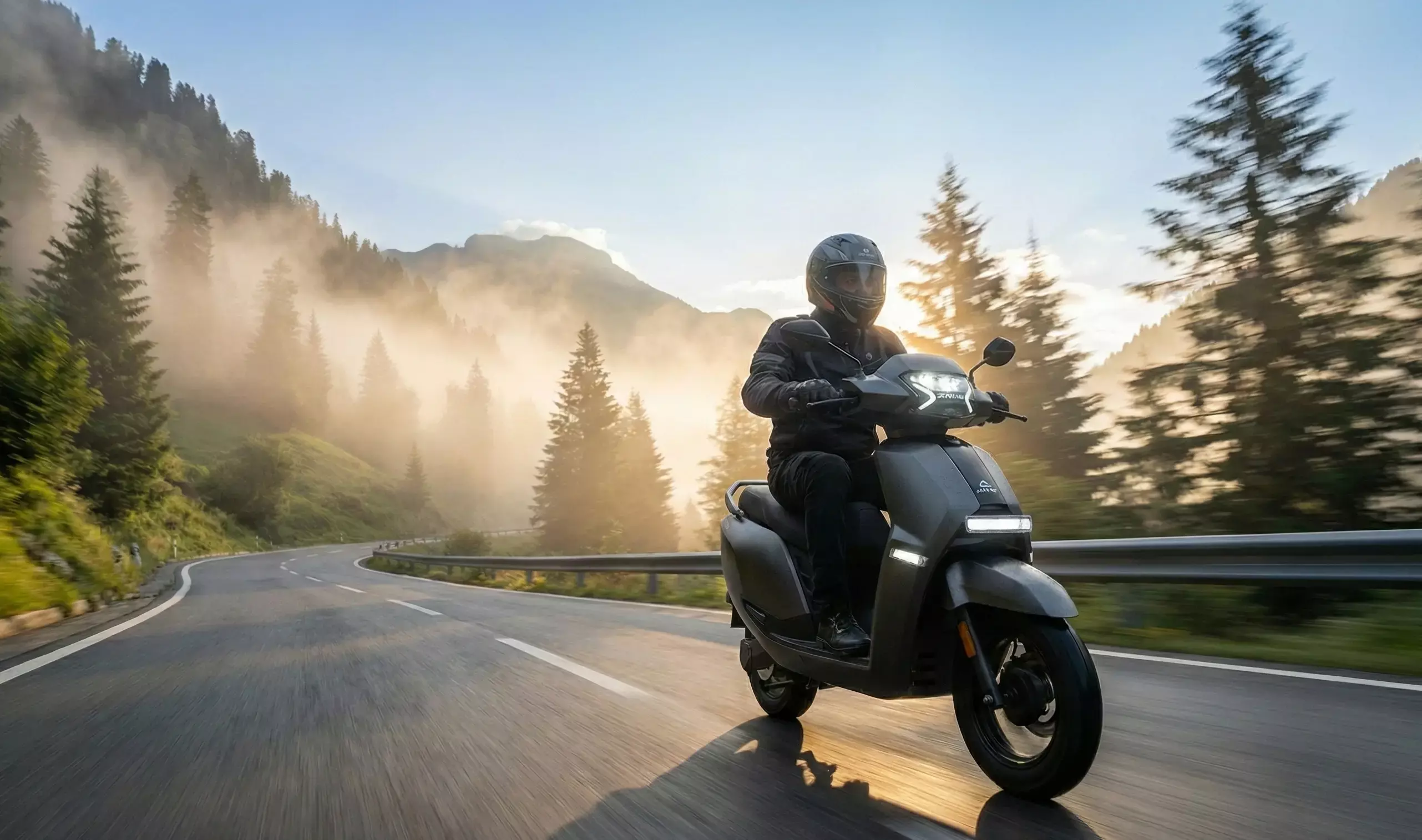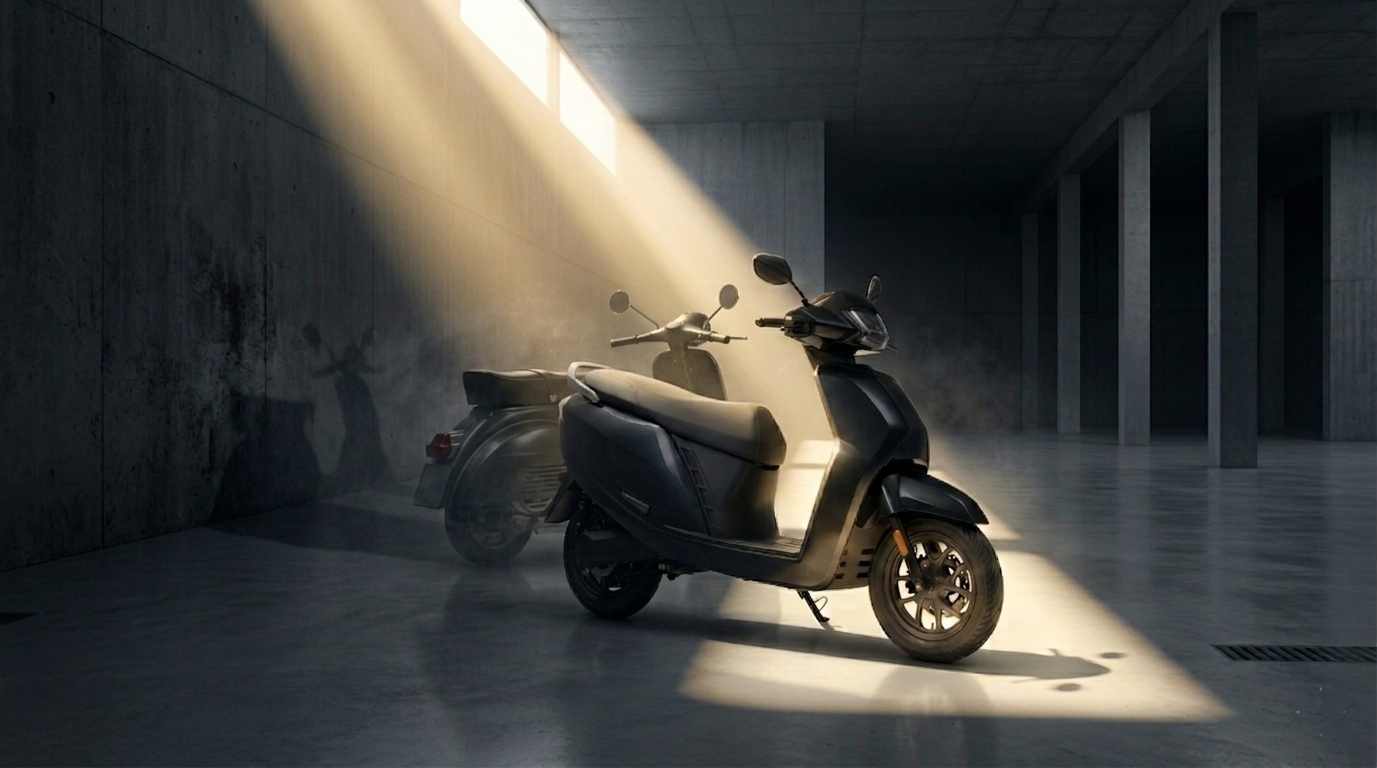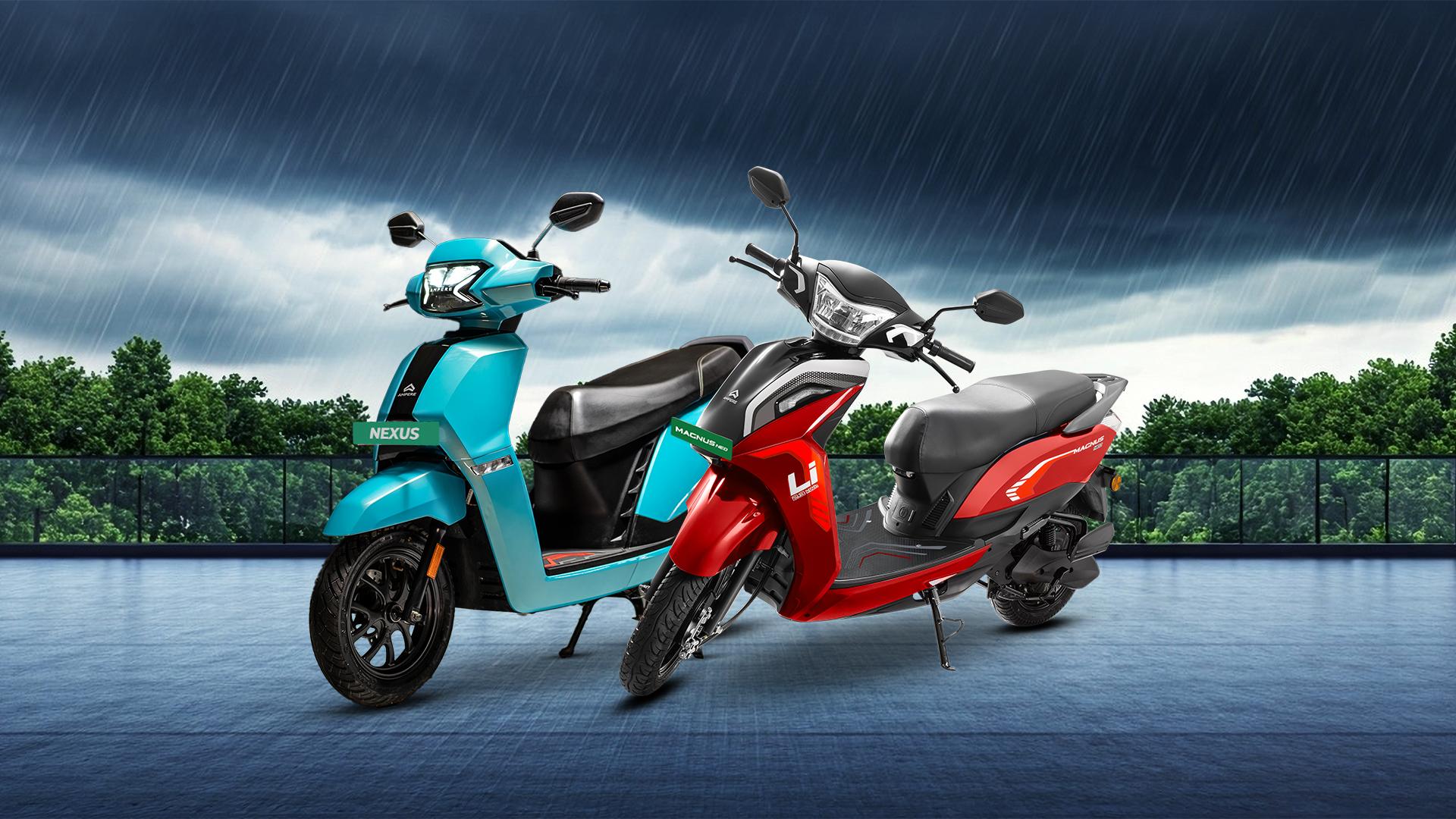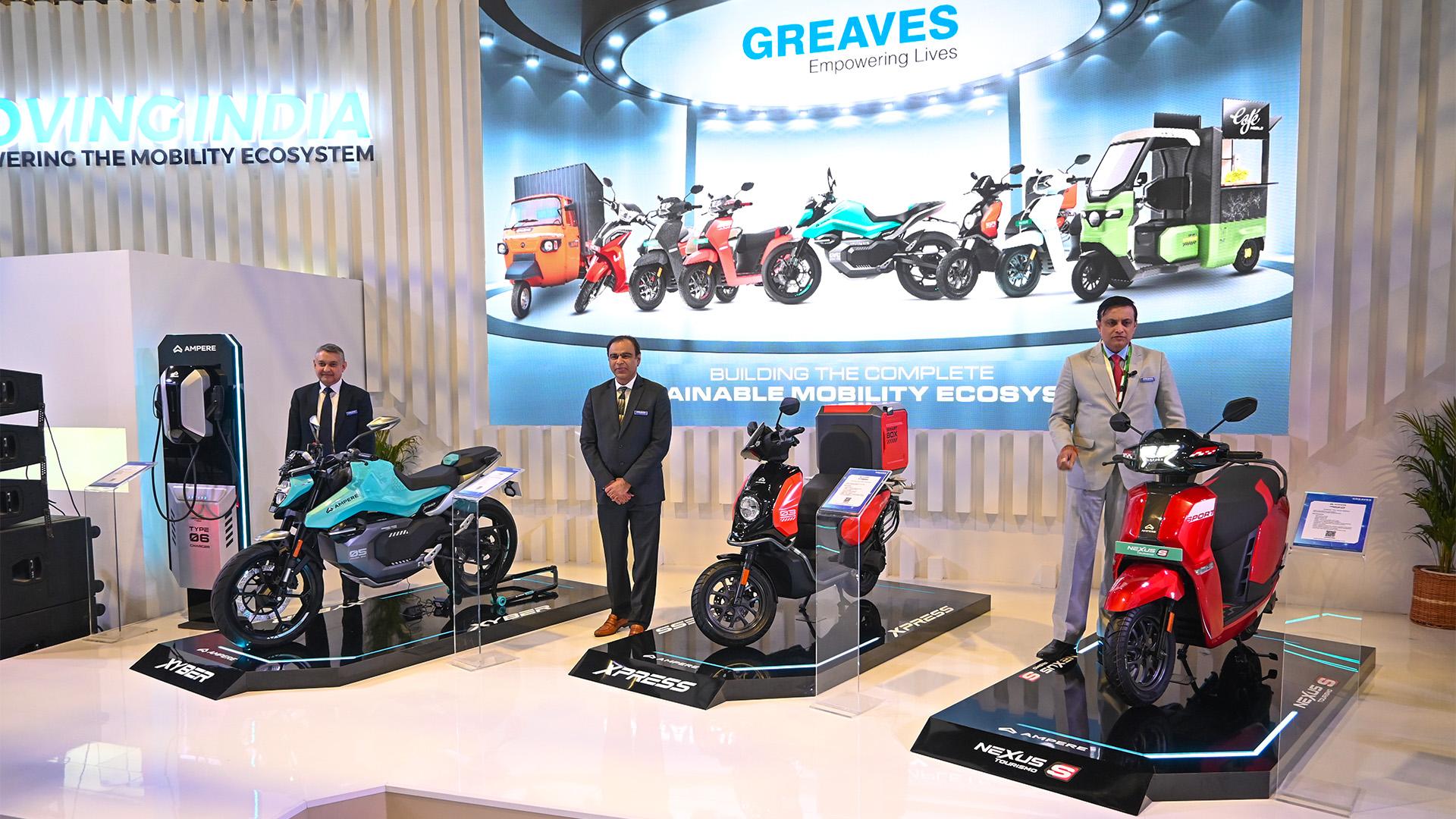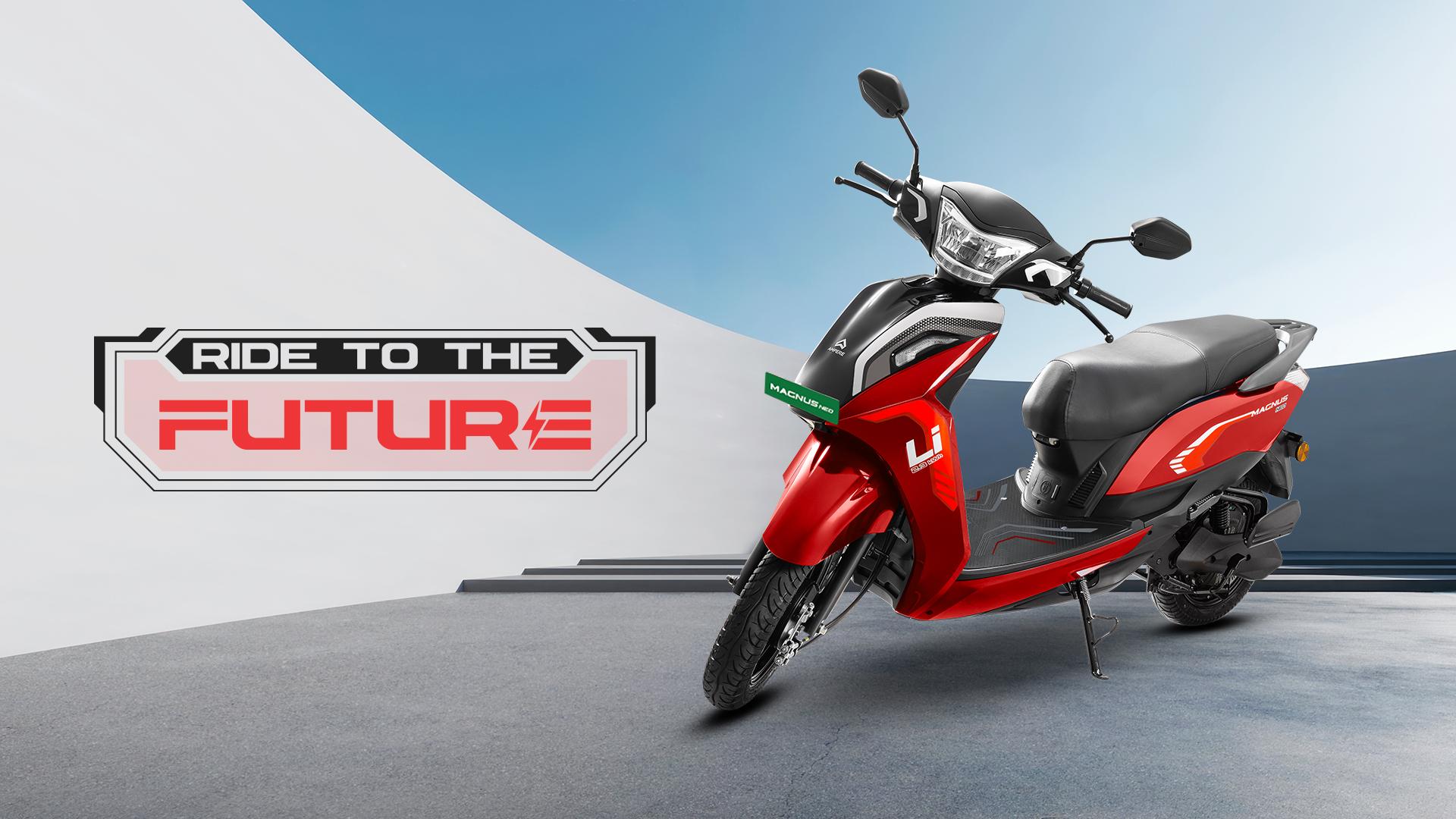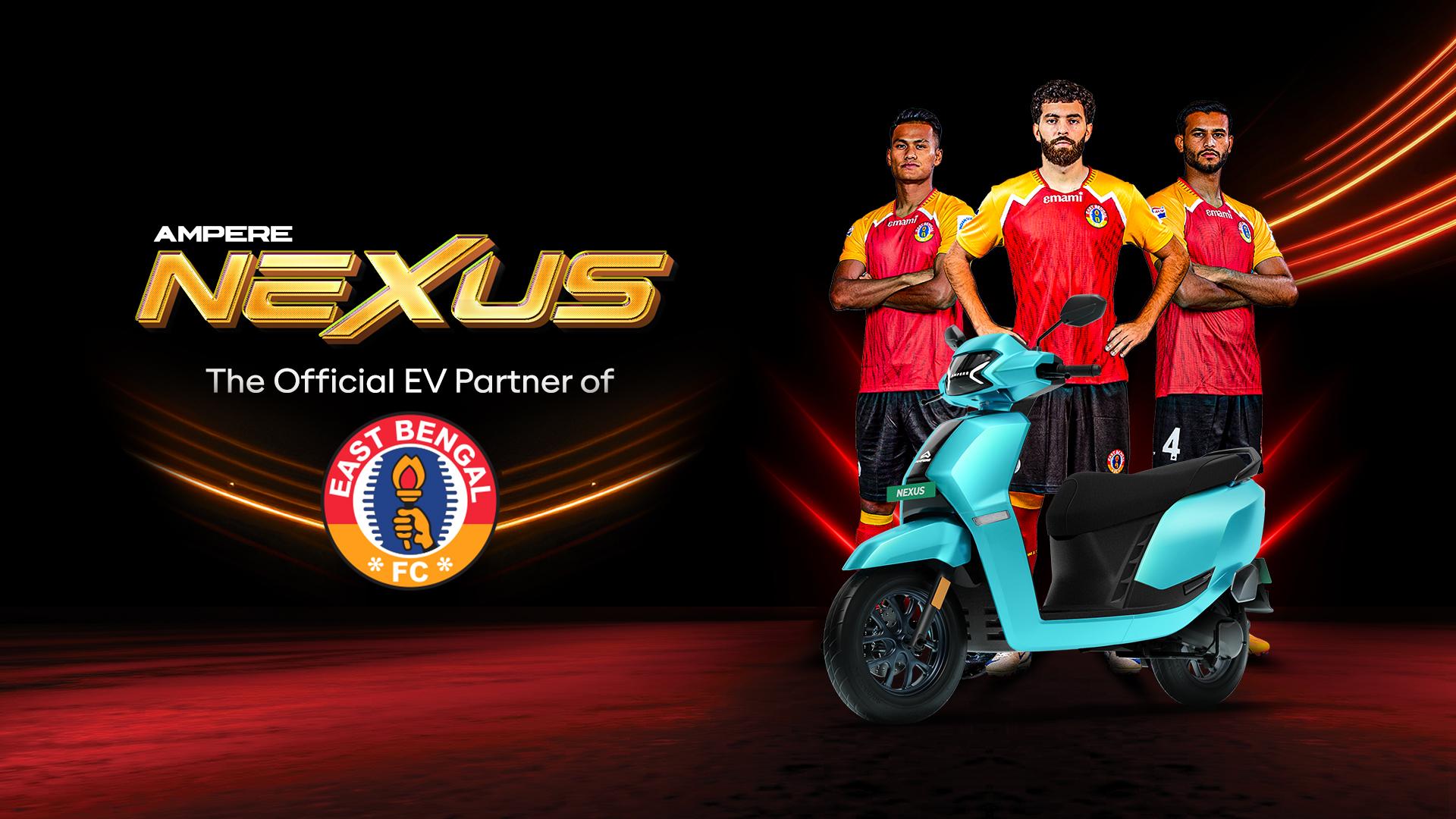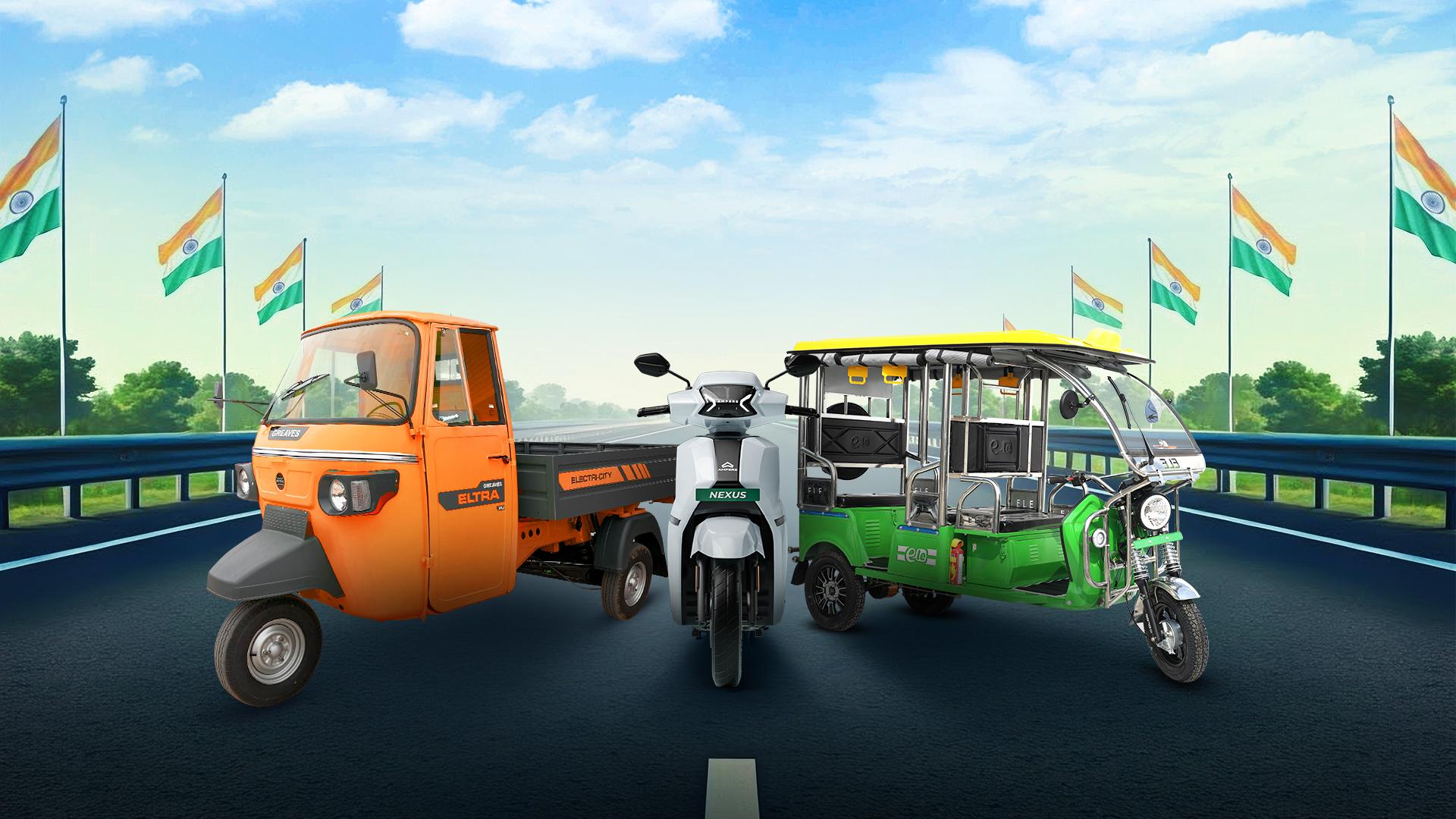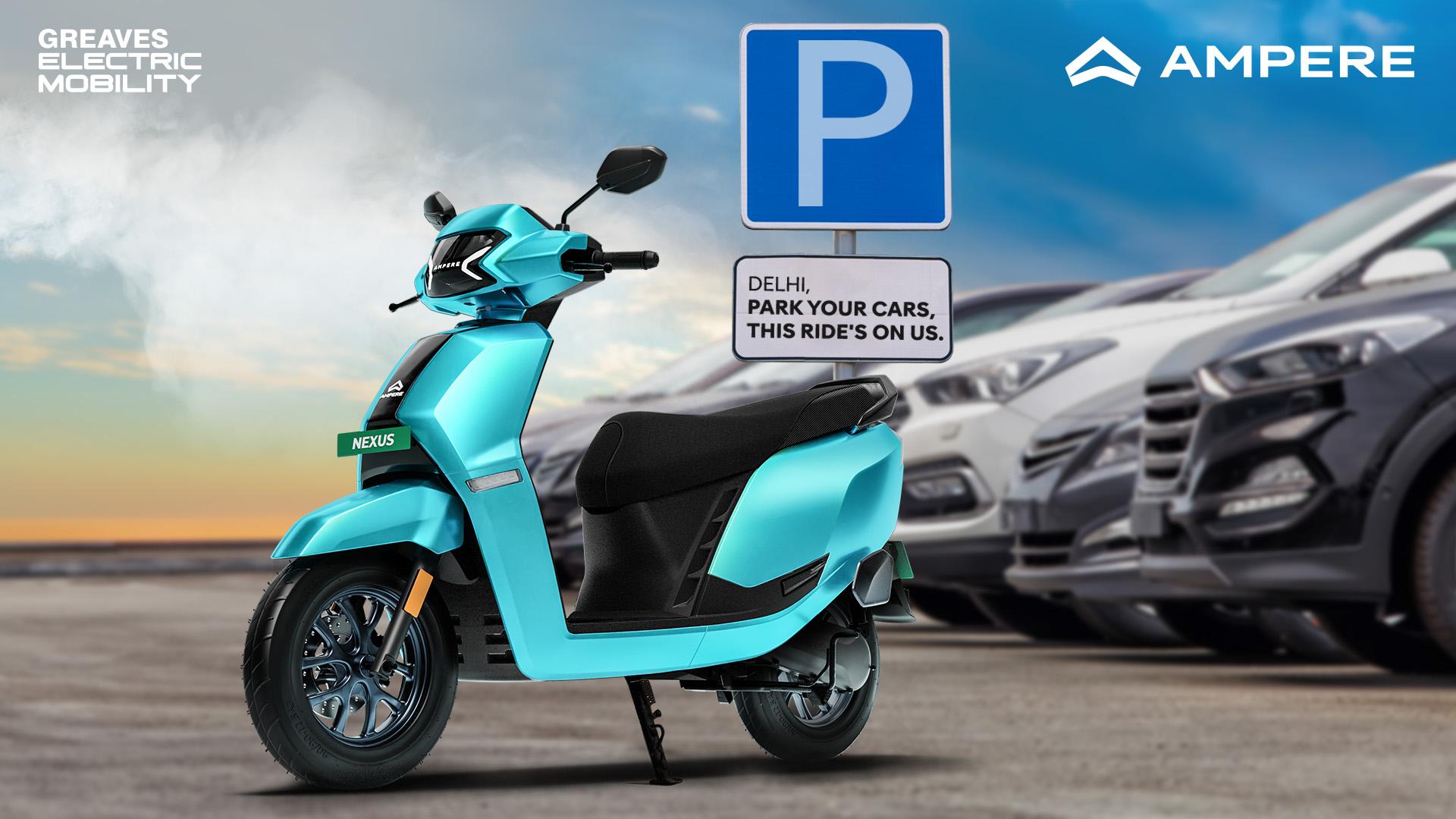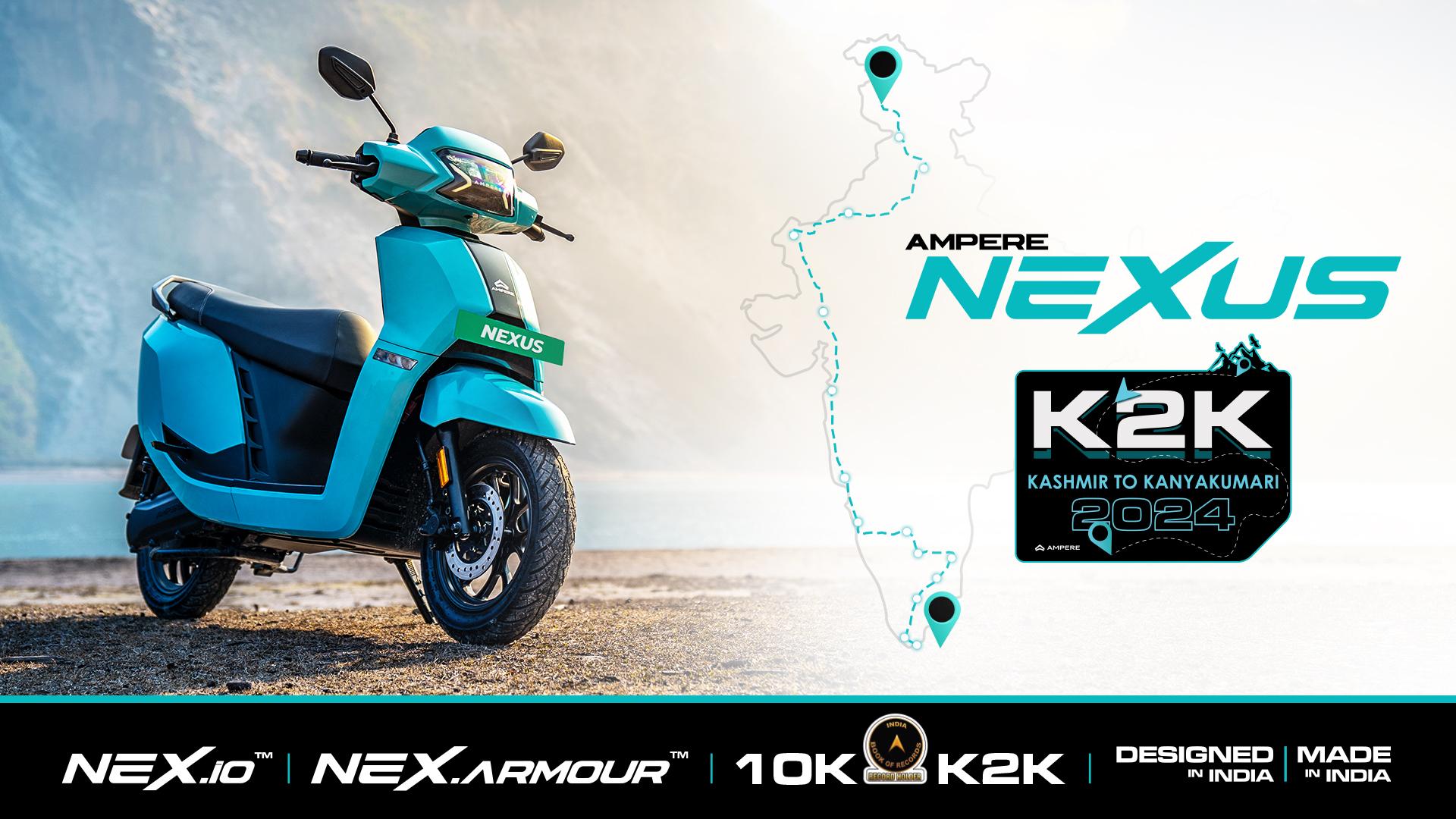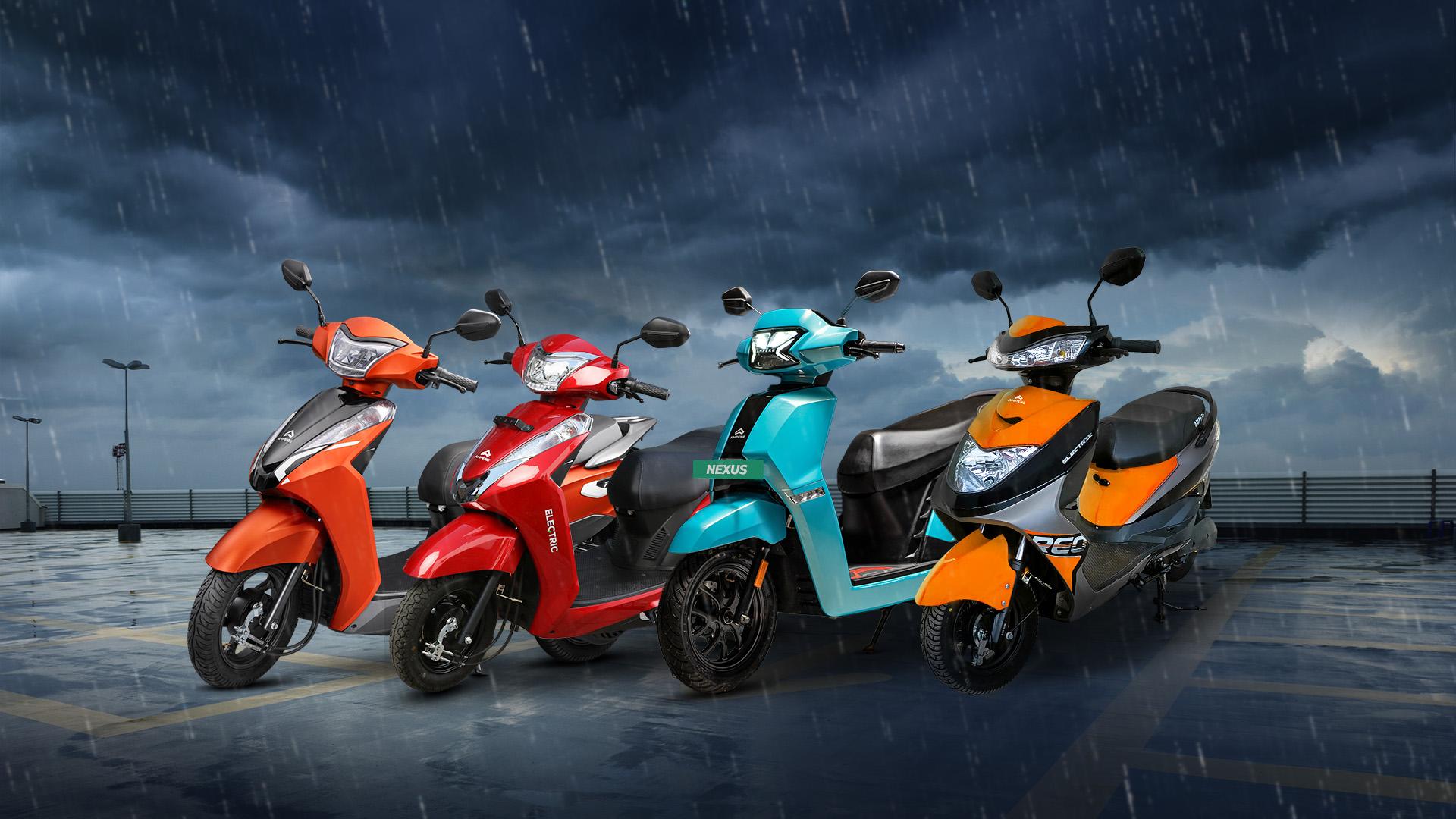
Daily commuting in Indian cities is getting costlier and slower every year. Traffic jams, rising fuel prices, and parking hassles are pushing many riders towards smarter mobility options. Ampere Electric — a brand under Greaves Electric Mobility — has been building practical, low-running-cost scooters for Indian roads since 2008. Today, Ampere operates across 400+ dealer touchpoints in 309 cities and has crossed over 3 lakh cumulative units sold.
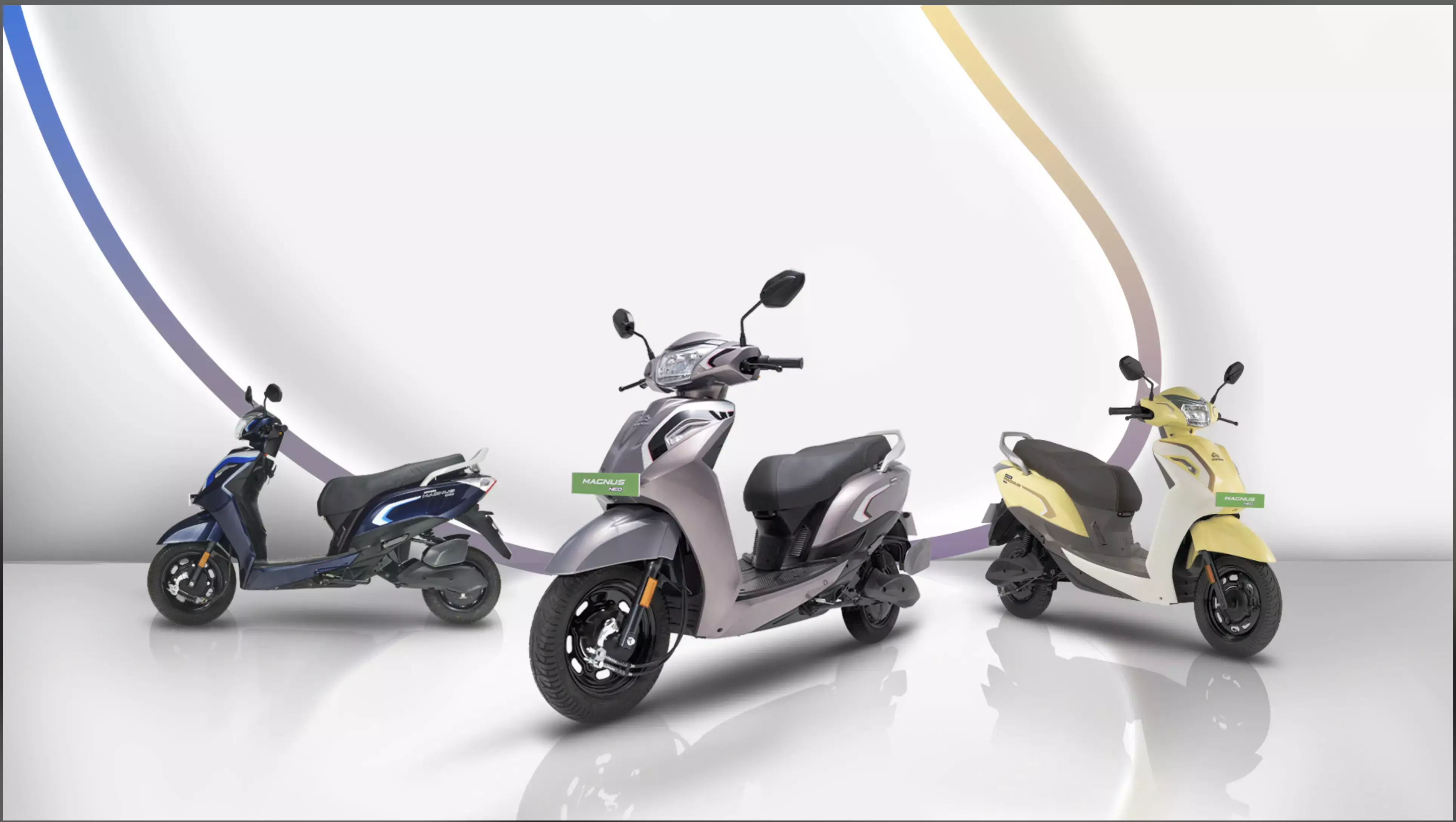
This guide explains how to choose the right Ampere electric scooter for daily commutes. It walks through the complete range — from the entry-level Reo 80 to the flagship Nexus — focusing on real-world range, comfort, safety, and total cost of ownership across Indian road conditions.
Step 1: Define Your Daily Commute and Usage Pattern
Start with your real commute before looking at any model. Ampere's lineup covers very different needs — a student in a residential colony has different requirements from a professional doing a 45 km highway commute each way.
Calculate Your Real Daily Range Requirement
Note your usual one-way distance, then the full round trip. Add extra for detours, school drops, and small errands — these factors increase battery stress and charging needs. Plan for at least 30 to 40 per cent extra range above your measured daily distance. This buffer covers traffic, battery ageing, and the occasional missed charge.
| Daily Round-Trip Distance | Recommended Buffer Range | Suitable Models | Notes |
|---|---|---|---|
| Up to 30 km | 40–45 km | Reo 80, Magnus Neo | Reo 80 suits slow urban pockets; Magnus Neo for normal traffic |
| 30–55 km | 45–75 km | Magnus Neo, Magnus Grand | Grand's reliable LFP pack helps with frequent commutes |
| 55–80 km | 75–110 km | Magnus Grand, Magnus G Max | G Max's 100+ km real-world range gives comfortable headroom |
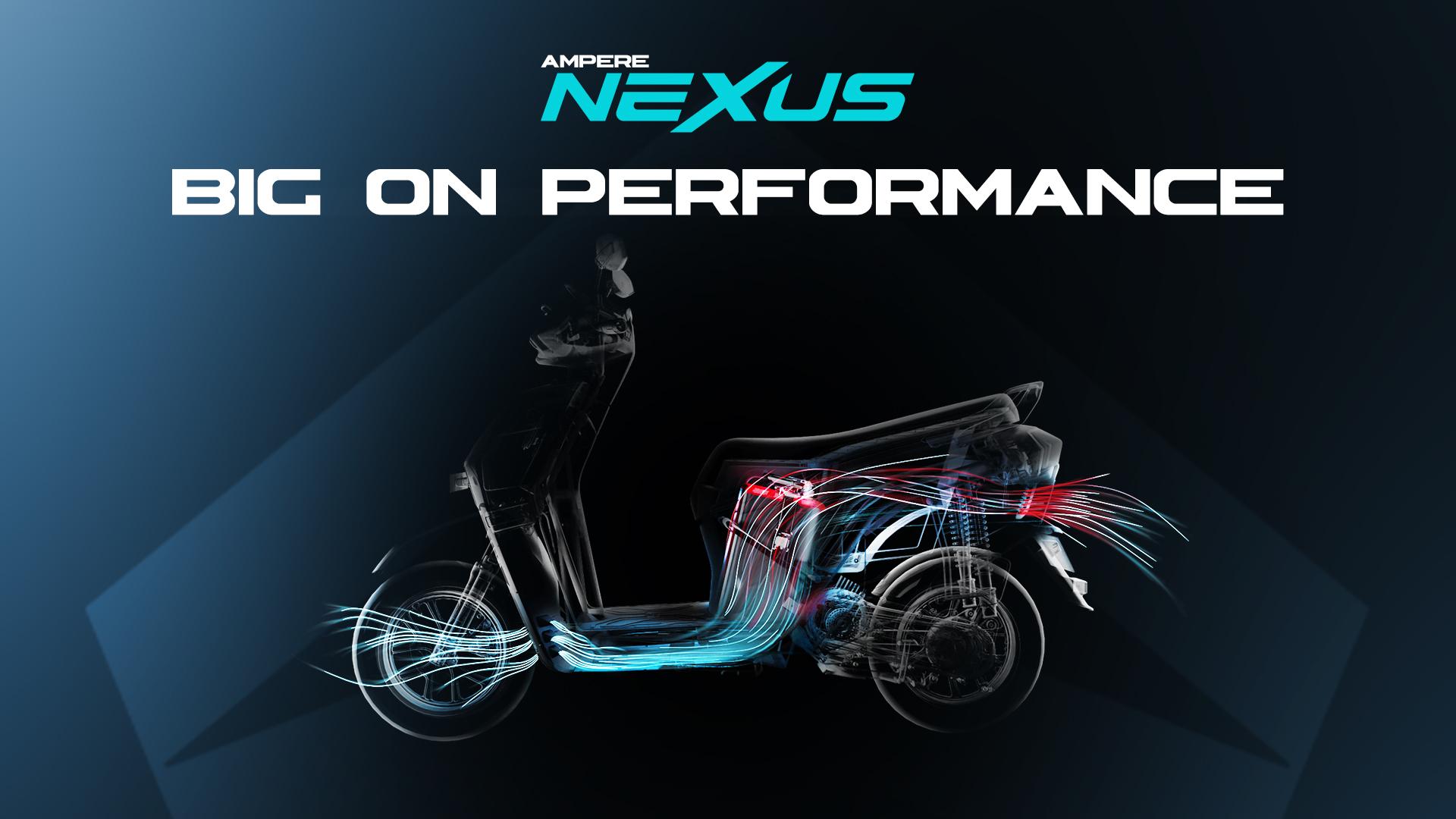
| 80–100 km+ | 110–140 km | Magnus G Max, Nexus | Nexus flagship for longest commutes; faster 3.3-hr charging |
*Real-world range varies with rider weight, traffic density, and ambient temperature. The figures above reflect average mixed-city conditions.
Map Your City's Roads and Traffic Conditions
Indian roads vary significantly between metro cities and smaller towns. Stop-go traffic, steep flyovers, and slopes demand stronger motors. Look at road quality, potholes, broken lanes, speed breakers, and waterlogging potential in your area. All five Ampere models offer 135–170 mm ground clearance, though the Reo 80 at 135 mm is the lowest — adequate for smooth roads but less suited to rough village lanes.
Consider Who Will Ride and How Often
Rider weight, pillion use, and family sharing all affect performance, comfort, seat height, and handling. First-time EV users may prefer the Reo 80 or Magnus Neo for their simple controls and modest speed. The Magnus G Max and Nexus suit experienced riders who need higher daily distances and more sophisticated riding modes.
Step 2: Understanding Range and Battery Life Across Ampere Models
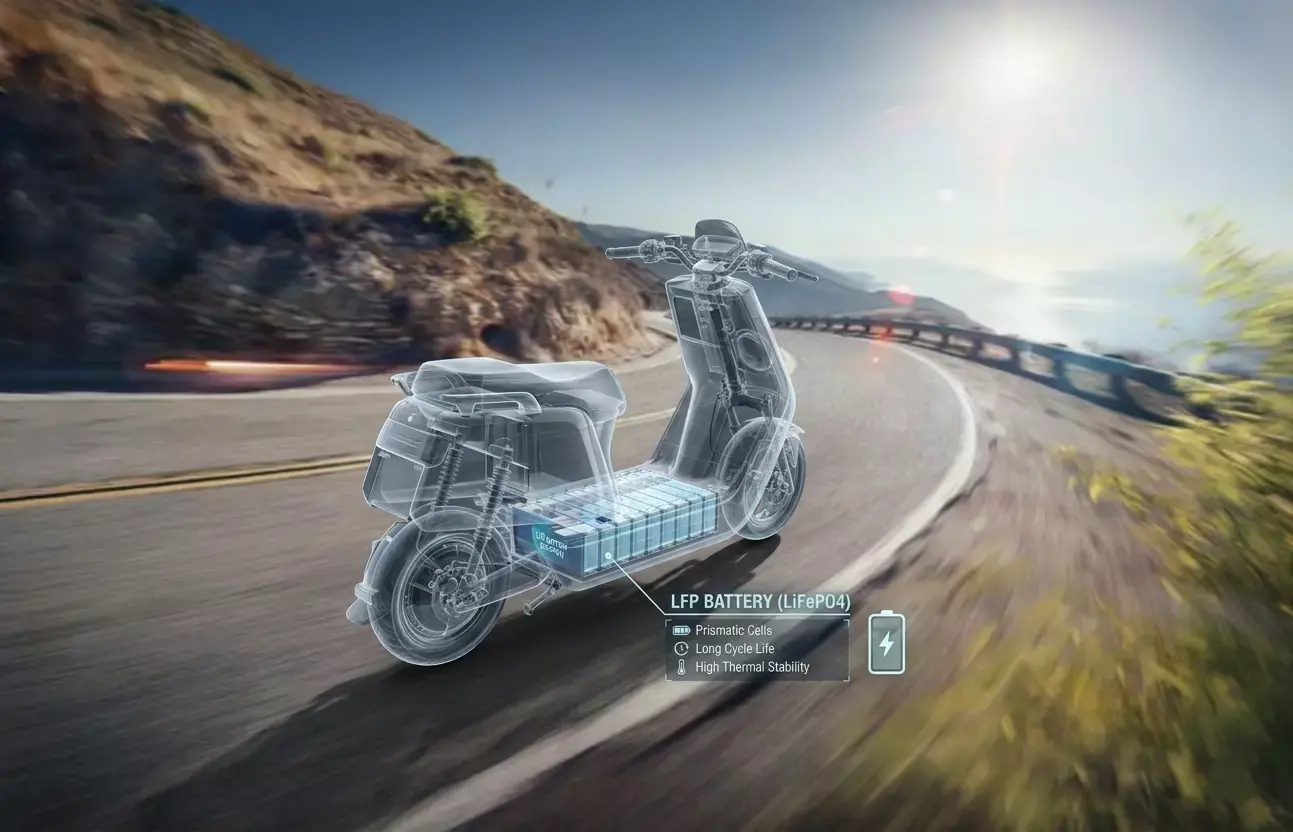
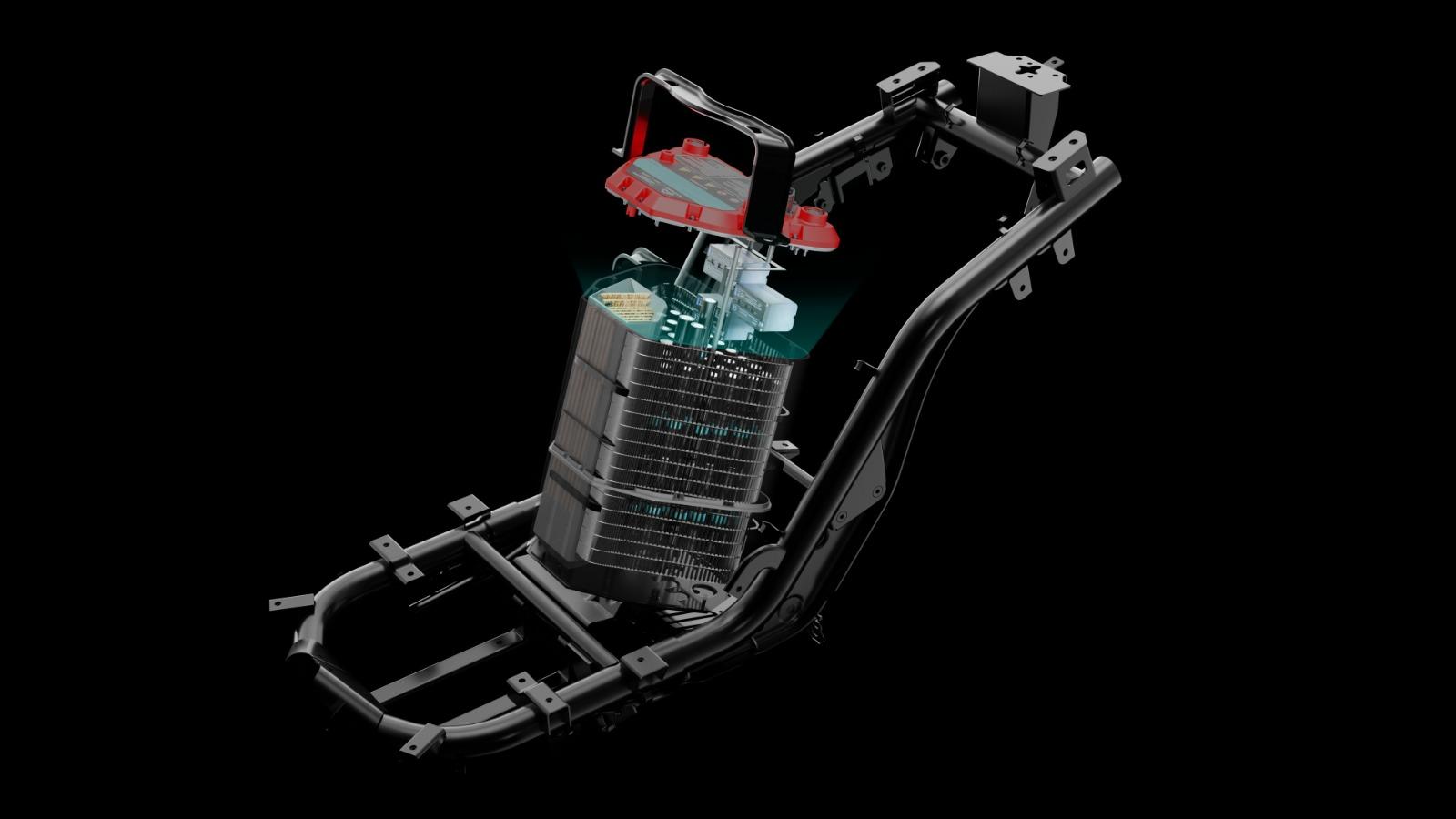
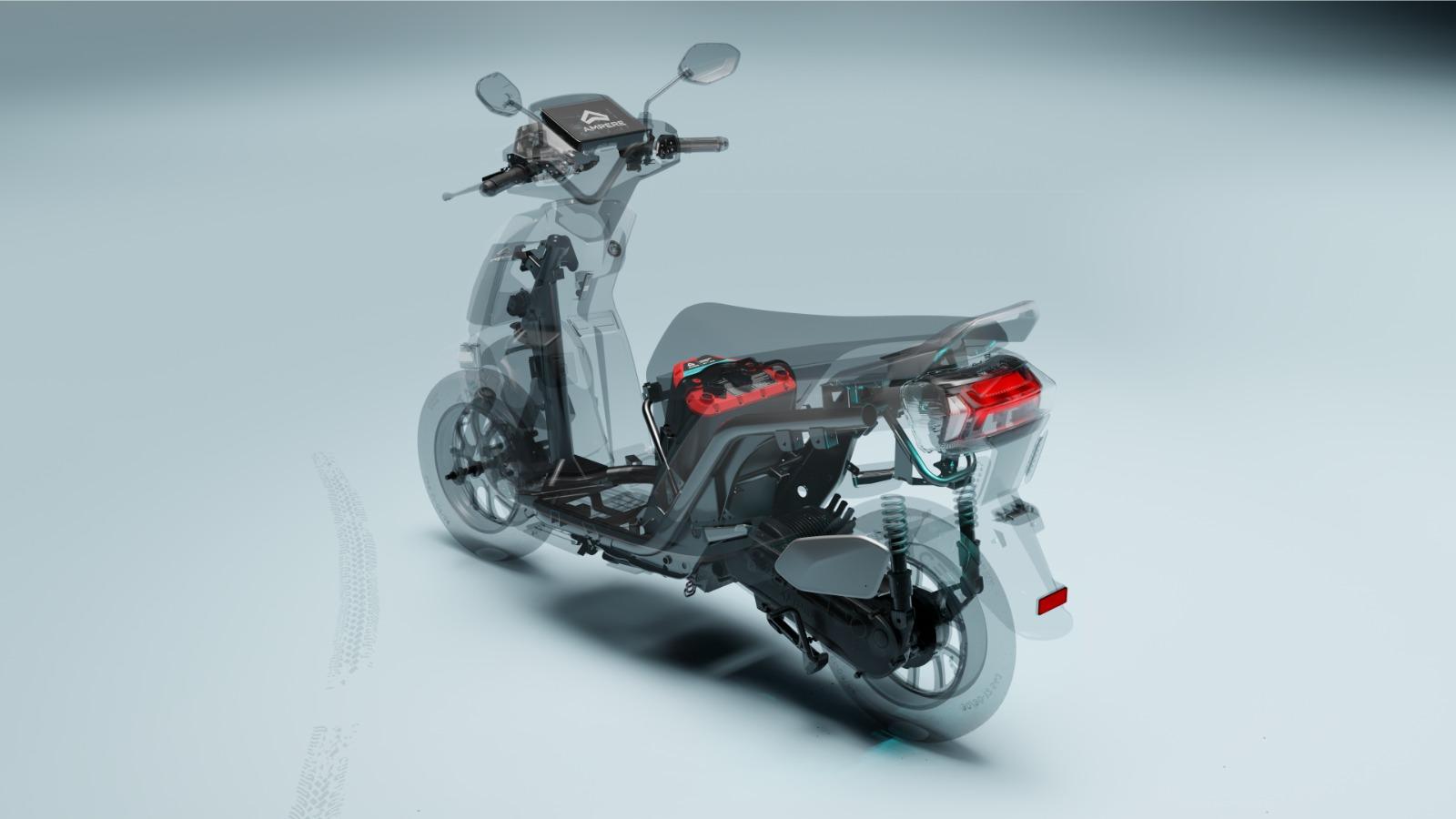
Range and battery life sit at the heart of any electric scooter buying decision. All Ampere models use Lithium Iron Phosphate (LFP) batteries — chosen for superior thermal stability in India's hot climate, longer cycle life, and a lower fire risk compared to standard Li-ion chemistries.
Claimed Range vs Real-World Range
Brand figures come from controlled test tracks with ideal conditions. Everyday roads, traffic, and slopes reduce that figure. Here is how the Ampere range compares in real-world city conditions:
| Model | Claimed Range | Eco Mode Real Range | Mixed Traffic Range | Factors That Reduce Range |
|---|---|---|---|---|
| Reo 80 | 80 km | ~70 km | ~60–65 km | Low speed limits impact from aggressive riding |
| Magnus Neo | 118 km | ~80–85 km | ~70–75 km | Stop-start city traffic, pillion load |
| Magnus Grand | 118 km | ~90–95 km | ~80 km | Stop-start city traffic and gradients reduce range |
| Magnus G Max | 142+ km | ~100–105 km | ~90–95 km | Longer charging time (7.5 hrs) — plan overnight |
| Nexus | 136 km | ~105–110 km | ~95–100 km | Power mode reduces range significantly |
Fixed vs Removable Battery
Battery type shapes your charging habits and daily convenience. Ampere offers both fixed and removable packs across its range.
| Feature | Fixed Battery (Magnus Neo, Grand, G Max, Nexus) | Removable Battery (Reo 80) |
|---|---|---|
| Charging Method | Plug-in at parking spot or wall socket | Carry indoors — any standard 5A / 15A socket |
| Best For | Dedicated parking with charging access | Apartment, hostel, or shared parking users |
| Typical Range | Higher per charge cycle | Slightly lower (smaller packs in some models) |
| Physical Hassle | None — charge in place | Carry 8–10 kg battery pack to charge |
| Security | Battery locked in scooter | Battery can be kept indoors overnight |
| Available On | Magnus Neo, Magnus Grand, Magnus G Max, Nexus | Reo 80 |
Battery Life, Warranty, and Care
LFP batteries are chosen by Ampere for their ability to withstand high temperatures and longer charge-discharge cycles. A few key care practices extend battery life across all models:
- Avoid frequent full 0–100% cycles where possible — try to charge between 20–80% regularly
- Park away from harsh sun and extreme heat exposure when not in use
- The Magnus Grand, G Max, and Nexus come with a class-leading 5-year / 75,000 km battery warranty
- The Reo 80 carries a 3-year / 30,000 km battery warranty
Step 3: Key Features to Consider for Indian Roads
A good buying guide goes beyond price and range. Indian roads, traffic, and climate demand comfort, safety, and solid build quality. Here is a detailed feature comparison across all five Ampere models.
Ride Comfort: Suspension, Tyres, and Ground Clearance
All Ampere models use telescopic front forks and dual rear shock absorbers — a dependable setup for city roads. The Magnus Grand, G Max, and Nexus offer 165 mm or more ground clearance, which comfortably clears most Indian speed breakers. The 12-inch wheels on the Magnus and Nexus models offer better pothole absorption than the Reo 80's 10-inch setup.
Safety and Braking Features
All five models come with Combined Braking System (CBS) as standard — a critical safety feature for crowded Indian roads. The Reo 80 features a front disc brake despite its budget positioning, and the Nexus also gets a front disc for stronger, more consistent stopping power. The Magnus range uses drum brakes at both ends, which perform adequately for city speeds when properly maintained.
| Safety / Ride Feature | Reo 80 | Magnus Neo | Magnus Grand | Magnus G Max | Nexus |
|---|---|---|---|---|---|
| Ground Clearance | 135 mm | ~160 mm | 165 mm | 165 mm | ~170 mm |
| Front Suspension | Telescopic | Telescopic | Telescopic | Telescopic | Telescopic |
| Rear Suspension | Dual shock | Dual shock | Dual shock | Dual shock | Twin shock |
| Front Brake | Disc | Drum | Drum | Drum | Disc |
| Rear Brake | Drum | Drum | Drum | Drum | Drum |
| CBS | Yes | Yes | Yes | Yes | Yes |
| LED Headlamp | Yes | Yes | Yes | Yes | Yes |
| Tyre Size (Front/Rear) | 90/90-10 | 90/90-12 | 90/90-12 | 90/90-12 | 90/90-12 |
| Max Load Capacity | 120 kg | 150 kg | 150 kg | 150 kg | 150 kg |
Storage, Seating, and Daily Usability
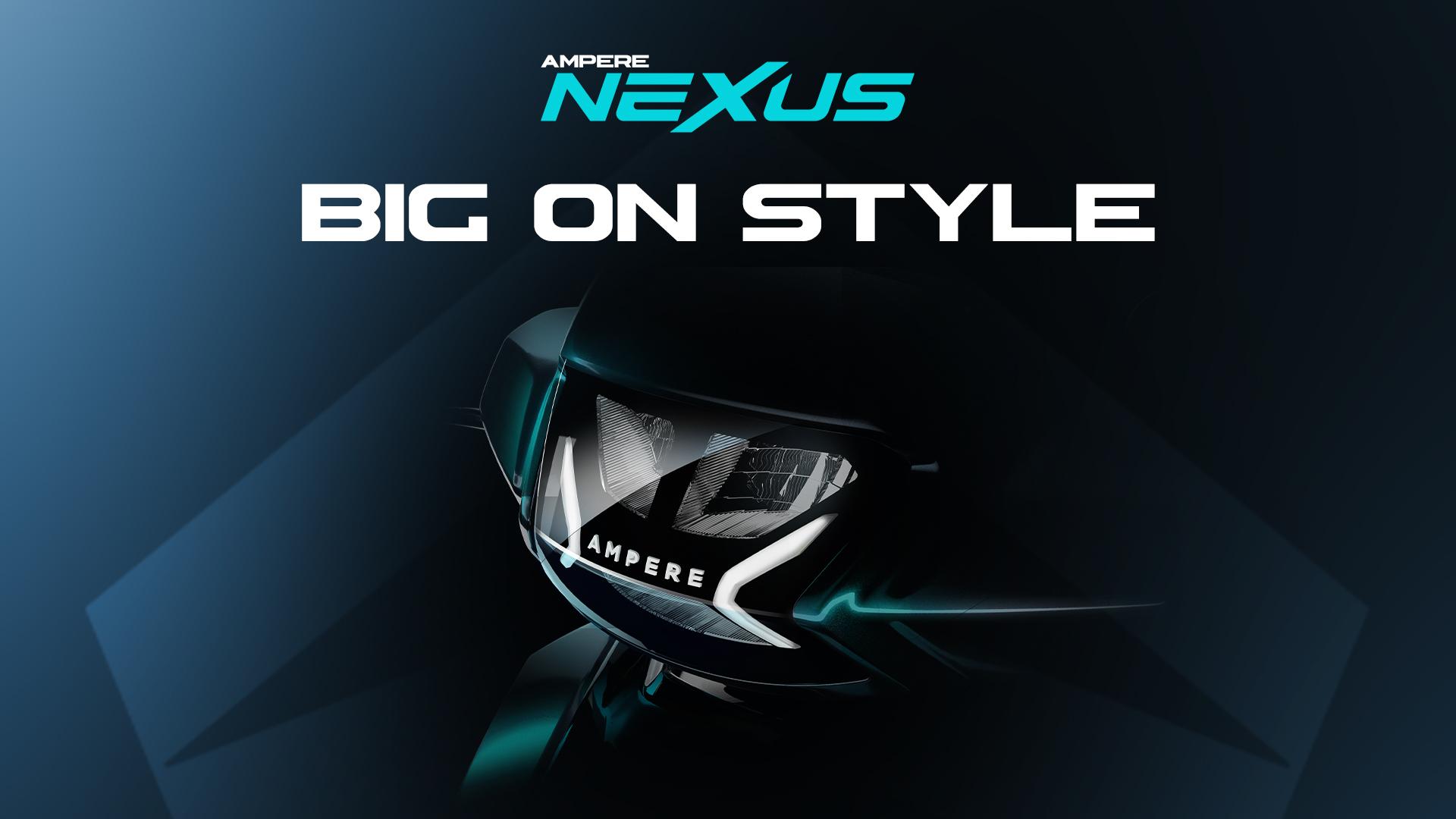
The Magnus G Max leads the lineup with a class-competitive 33-litre under-seat boot. The Magnus Neo and Grand offer around 22 litres — enough for a full-face helmet. All models come with a flat floorboard, bag hook, and pillion footrests for everyday errands. The Nexus adds a larger, well-padded seat suited to longer rides.
Step 4: Performance, Reliability, and Ampere's Service Network
Daily commuters should focus on predictable performance and dependable after-sales support. Ampere has been building electric two-wheelers in India since 2008 and operates through 420+ authorised service points nationwide.
Motor Power and Riding Modes Compared
Motor power and torque affect how quickly you accelerate from traffic lights and how confidently you handle flyovers or mild slopes. Here is how the Ampere range compares on performance:
| Performance Detail | Reo 80 | Magnus Neo | Magnus Grand | Magnus G Max | Nexus |
|---|---|---|---|---|---|
| Motor Power (Nominal) | 0.25 kW | 1.5 kW | 1.5 kW | 1.5 kW | 3.3–4 kW |
| Motor Power (Peak) | 0.25 kW | 2.4 kW | 2.4 kW | 2.4 kW | 4–5 kW |
| Torque | 35 Nm | ~50 Nm | ~50 Nm | ~50 Nm | ~125 Nm |
| Top Speed | 25 km/h | 65 km/h | 65 km/h | 65 km/h | 93 km/h |
| 0–40 km/h Time | N/A | ~7 sec | ~6.5 sec | ~6.5 sec | ~4.8 sec |
| Riding Modes | Single | Eco / City / Sport | Eco / City / Sport | Eco / City / Reverse | Eco / City / Power / Limp / Reverse |
| Hill Climb Ability | ~5% | ~10° | ~12° | ~12° | ~15° |
Reliability and Ampere's Service Network
Before booking any model, confirm service availability in your city. Ampere has 420+ authorised service points across 309 cities, making it one of the better-networked EV brands in India. All models share a common 3-year vehicle warranty, with longer battery warranties on the higher-spec models. Spares for the Magnus and Nexus range are available through authorised centres and the Greaves Electric Mobility parts network.
Step 5: Total Cost of Ownership and Incentives
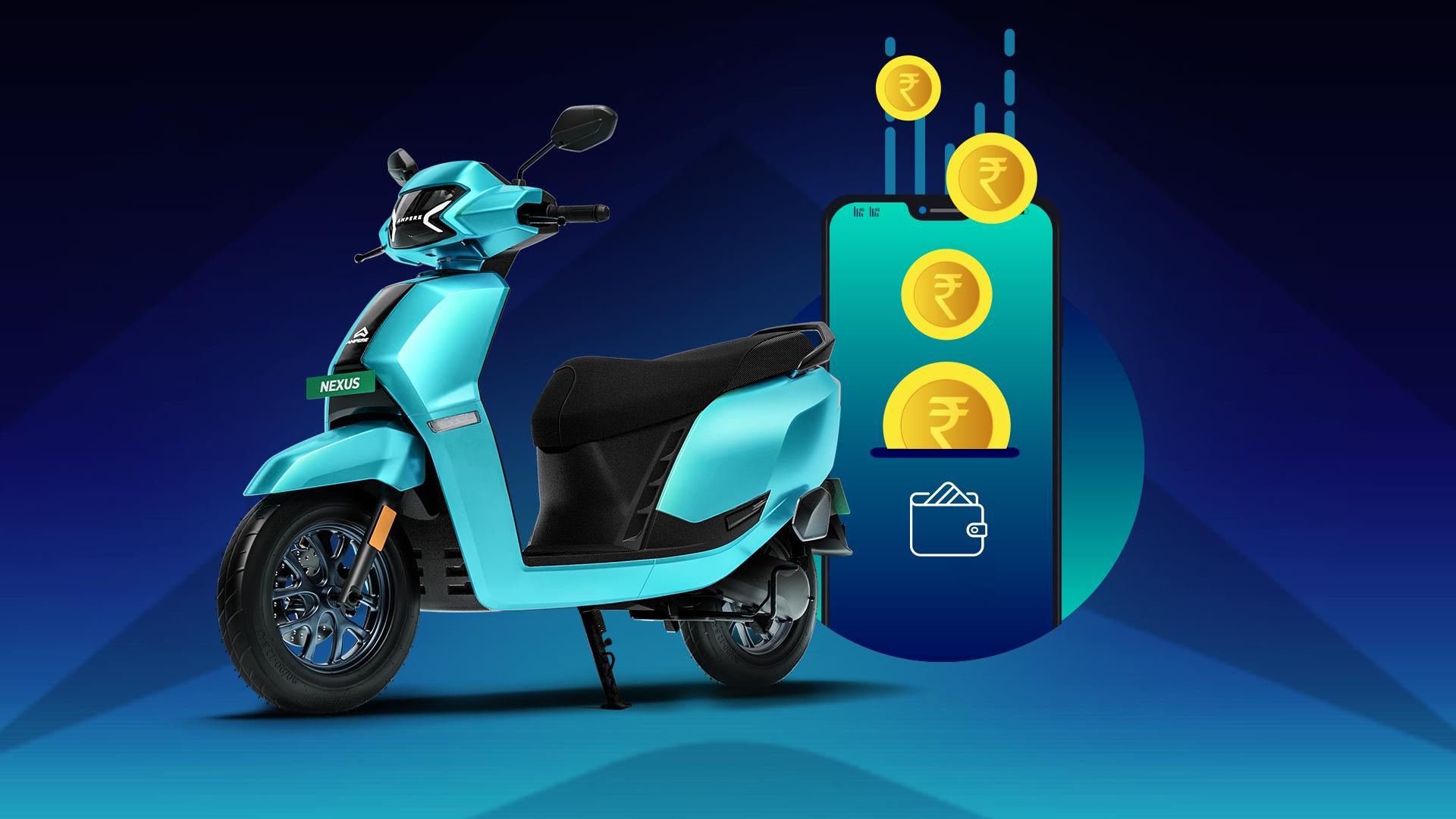
Upfront price is only one part of the story. Long-term running and maintenance costs often matter more for daily commuters who ride 30–60 km every day.
| Cost Factor | Reo 80 | Magnus Neo | Magnus Grand | Magnus G Max | Nexus |
|---|---|---|---|---|---|
| Ex-showroom Price | ₹59,900 | ₹86,999 | ₹89,999 | ₹94,999 | ₹1,09,900–1,19,900 |
| Est. On-road (Delhi) | ~₹65,000 | ~₹92,000 | ~₹95,000 | ~₹1,01,000 | ~₹1,20,000–1,30,000 |
| Approx. Running Cost/km | ~₹0.12 | ~₹0.18 | ~₹0.18 | ~₹0.18 | ~₹0.18 |
| Typical Charge Cost (full) | ~₹10–12 | ~₹18–20 | ~₹17–19 | ~₹22–25 | ~₹22–25 |
| Battery Warranty | 3 yr / 30k km | 5 yr / 75k km | 5 yr / 75k km | 5 yr / 75k km | 5 yr / 75k km |
| Petrol Savings / Month* | ~₹1,000–1,500 | ~₹1,500–2,000 | ~₹1,500–2,000 | ~₹2,000–2,500 | ~₹2,000–2,500 |
*Petrol savings estimate based on 40 km/day, 25 days/month, at ₹105/litre and 45 km/l petrol scooter average. Actual savings depend on local power tariffs and usage patterns.
State Subsidies and Registration Rules
When choosing your Ampere scooter, always check local rules and incentives. The Reo 80 is a low-speed vehicle (under 25 km/h) and does not require registration or a driving licence in most states — an important consideration for students and senior citizens. All other models (Magnus Neo, Grand, G Max, and Nexus) require standard registration and a valid driving licence. Several states offer FAME II or state EV subsidies that can reduce the on-road price further — check with your nearest Ampere dealership for the latest figures in your state.
Why a Test Ride is Non-Negotiable
The best electric scooter for your commute should match your actual roads and riding style. Visit an Ampere showroom and test ride each shortlisted model on roads similar to your daily route. Pay attention to:
- Seat comfort over 5–10 minutes of riding
- Suspension response over speed breakers and rough patches
- Braking feel and confidence at city speeds
- Throttle response in Eco mode vs Sport / Power mode
- Display readability in direct sunlight
Full Ampere Model Comparison at a Glance
Use this master table to compare all five models side by side across key specifications.
| Specification | Reo 80 | Magnus Neo | Magnus Grand | Magnus G Max | Nexus |
|---|---|---|---|---|---|
| Ex-showroom Price | ₹59,900 | ₹86,999 | ₹89,999 | ₹94,999 | ₹1,09,900–1,19,900 |
| Segment | Low-speed / Budget | Mid-range Family | Mid-range Family | Mid-range Premium | Premium Flagship |
| Battery Type | LFP (Li-Ion) | LFP | LFP | LFP | LFP |
| Battery Capacity | 1.44 kWh | 2.3 kWh | 2.3 kWh | 3.0 kWh | 3.0 kWh |
| Motor Power (Peak) | 250 W | 2.4 kW | 2.4 kW | 2.4 kW | 4.0 kW |
| Claimed Range | 80 km | 118 km | 118 km | 142+ km | 136 km |
| Real-world Range | ~65–70 km | ~75–85 km | ~80–95 km | ~95–105 km | ~100–110 km |
| Top Speed | 25 km/h | 65 km/h | 65 km/h | 65 km/h | 93 km/h |
| Charging Time | 5.5 hrs | 5–6 hrs | 5–6 hrs | 7.5 hrs | 3.3 hrs |
| Ground Clearance | 135 mm | ~160 mm | 165 mm | 165 mm | ~170 mm |
| Kerb Weight | ~71 kg | 108 kg | 108 kg | ~110 kg | ~130 kg |
| Wheel Size | 10 inch | 12 inch | 12 inch | 12 inch | 12 inch |
| Under-seat Storage | ~18 L | ~22 L | ~22 L | 33 L | ~25 L |
| Display | Colour LCD | Digital | Digital | Digital | 6.2"/7" TFT |
| Keyless Start | Yes | Yes | Yes | Yes | Yes |
| Reverse Mode | No | No | No | Yes | Yes |
| Battery Removable | Yes | No | No | No | No |
| Battery Warranty | 3 yrs / 30,000 km | 5 yrs / 75,000 km | 5 yrs / 75,000 km | 5 yrs / 75,000 km | 5 yrs / 75,000 km |
| Vehicle Warranty | 3 yrs | 3 yrs | 3 yrs | 3 yrs | 3 yrs |
| Registration Required | No | Yes | Yes | Yes | Yes |
| Driving Licence Required | No | Yes | Yes | Yes | Yes |
Which Ampere Model is Right for You?
This quick-reference table maps each model to the buyer profile it suits best. Use it alongside your daily distance and charging access to narrow down your choice.
| Model | Best Suited For |
|---|---|
| Ampere Reo 80 | Students, senior citizens, or first-time EV users with very short daily trips (up to 25–30 km one way) in slow city traffic. No licence or registration needed — ideal for apartment colonies, campus, or short errands. |
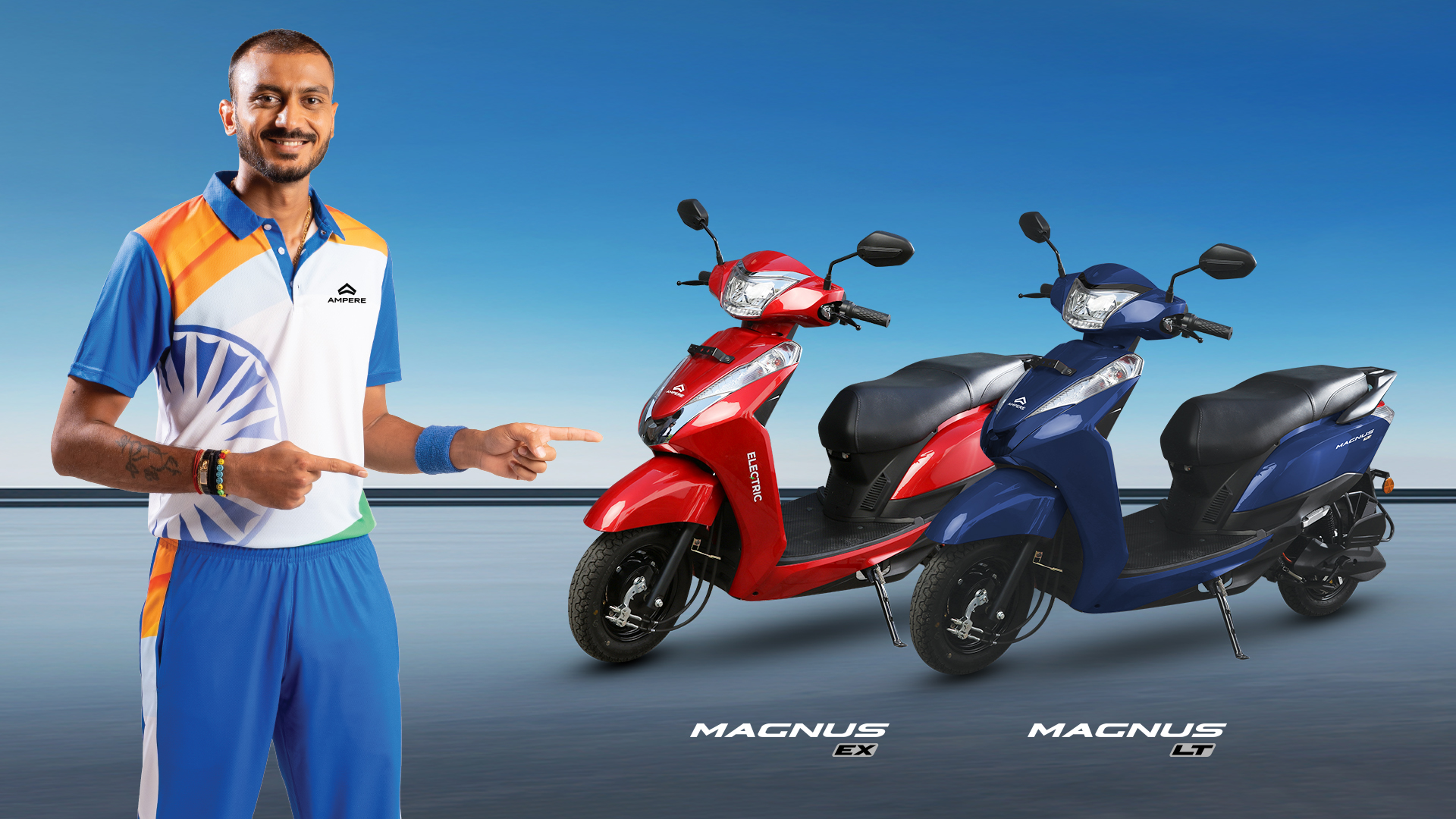
| Ampere Magnus Neo | Daily office-goers with a 15–35 km one-way commute who want a full-speed scooter at the lowest possible price. Simple ownership, and 12-inch wheels for city stability. |
| Ampere Magnus Grand | Families or solo riders wanting a slightly premium feel and a strong 80–95 km real-world range for typical city commutes. Excellent value for the LFP battery chemistry. |
| Ampere Magnus G Max | Commuters with longer daily routes (up to 50 km one way) who want peace of mind from a 100+ km real range, the largest boot in the Magnus series (33 L), and a 5-year battery warranty — all under ₹1 lakh. |
| Ampere Nexus | Riders needing the highest range and top speed in the Ampere lineup. Suits those with 40–60 km one-way commutes, or who occasionally take inter-city trips. TFT display, navigation, and fast charging add everyday convenience. |
Frequently Asked Questions
What is a good range for a daily office commute?
Calculate your round-trip distance and add 30–40% as a buffer for traffic, errands, and battery ageing. For a 30 km round trip, aim for 40–45 km of real-world range. The Magnus Neo or Grand comfortably covers this kind of daily use.
Should I choose a removable or fixed battery?
Choose a removable battery (Reo 80) if you live in an apartment or lack dedicated charging access. Fixed battery models — Magnus Neo, Magnus Grand, Magnus G Max, and Nexus — typically offer better range and support faster charging.
Which Ampere model is best for short slow-city commutes?
The Reo 80 needs no licence or registration and is ideal for campus, colony, or short-errand use. For full-speed commutes under 30 km, the Magnus Neo offers the best value entry point in the lineup.
Are premium models worth it for city rides?
The Nexus is best if you need a 90+ km/h top speed, longer daily range, or smart connectivity features. For typical 20–50 km city commutes, the Magnus Grand or G Max delivers excellent value without the premium price.
How much can I save by switching from a petrol scooter?
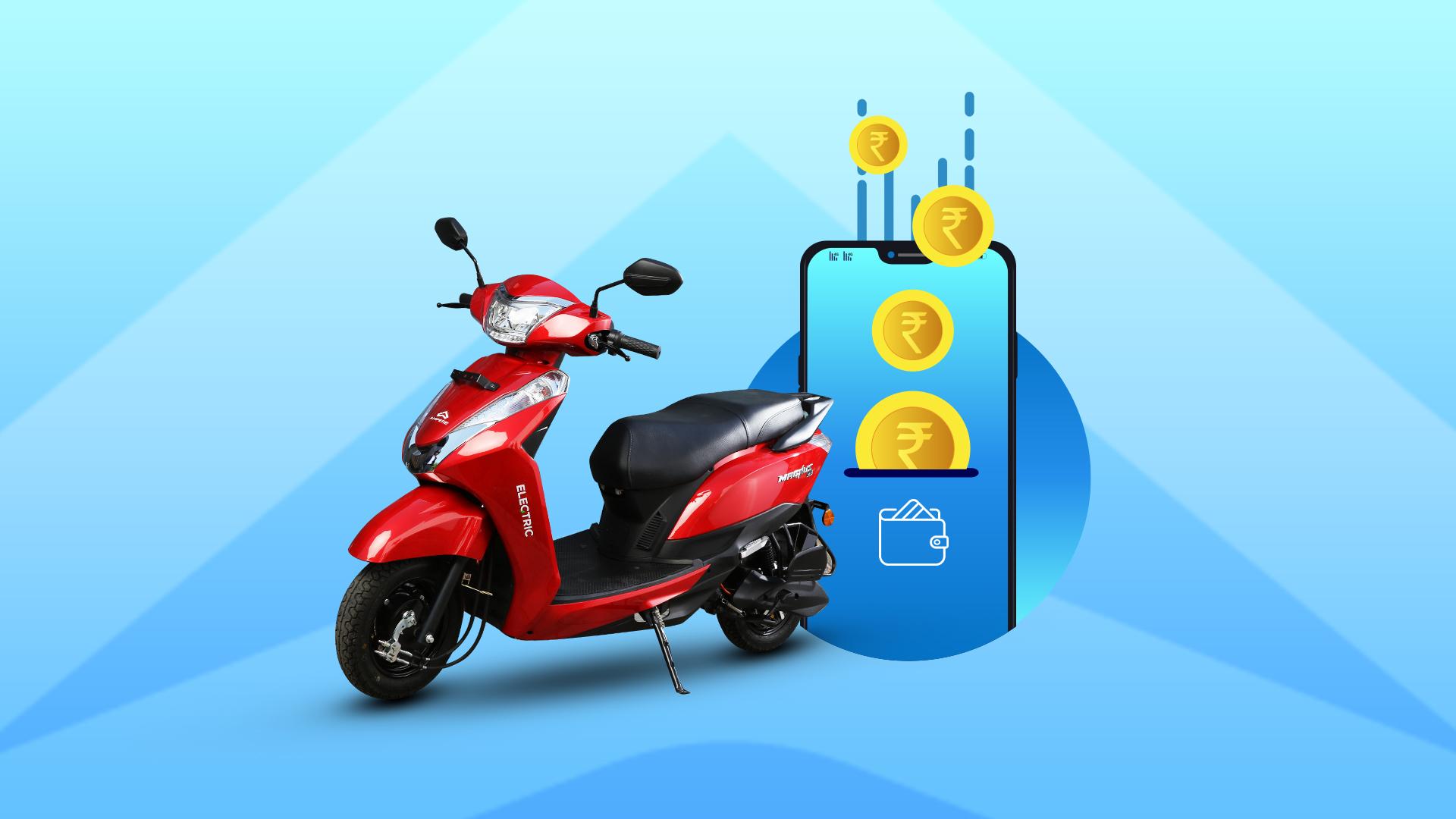
Running cost on Ampere scooters is roughly ₹0.12–0.18 per km vs ₹3–4 per km on petrol. Most riders save ₹1,500–2,500 per month on fuel alone, plus lower maintenance costs due to fewer moving parts.
What warranty does Ampere offer on batteries?
The Magnus Neo, Magnus Grand, Magnus G Max, and Nexus all carry a 5-year / 75,000 km battery warranty — among the best in the segment. The Reo 80 comes with a 3-year / 30,000 km battery warranty.
Conclusion
Ampere's five-model range — Reo 80, Magnus Neo, Magnus Grand, Magnus G Max, and Nexus — covers every segment from first-time EV buyers to high-range daily commuters. All models use LFP battery chemistry for safety and longevity in Indian conditions, and all are backed by Ampere's growing 420+ service network across 309 cities.
Shortlist two or three models that fit your daily distance, check state subsidies and service reach in your city, then test ride before you decide. The right Ampere scooter will deliver years of low-cost, low-stress daily commuting.
Prices shown are ex-showroom Delhi as of April 2026. On-road prices vary by state. Always verify current pricing and specifications with your nearest Ampere dealership before purchase.