
Home Charging vs Public Charging: What’s Better for EV Scooter Owners?
PRESS RELEASE
India, May 09, 2026
Copied to your Clipboard!
https://ampere.greaveselectricmobility.com/press-releases/home-charging-vs-public-charging-electric-scooter
The rapid expansion of India's electric mobility sector in 2026 makes choosing a charging strategy more important than ever. New owners must decide between home vs public charging for electric scooters to keep daily commutes efficient and affordable. While public infrastructure is growing fast, understanding the trade-offs is key to maximising both cost savings and long-term battery health.
This EV scooter charging guide walks through the evolving landscape of nationwide charging options — from standard household sockets to fast-charging corridors on highways. Ampere stays committed to providing accessible, value-driven commuting solutions for every Indian rider, prioritising compatibility with standard household sockets to keep running costs low. Whether you live in a metro or a smaller town, your charging choice has a direct impact on long-term savings, battery longevity, and daily convenience. Let us examine the benefits of setting up a dedicated charging point at home first.
Quick Comparison: Home vs Public Charging
| Factor | Home Charging | Public Charging |
|---|---|---|
| Cost per Unit | Residential tariff (lower) | Commercial tariff + service fees |
| Convenience | Overnight, at your own pace | On-demand for long trips |
| Charging Speed | Slower, gentler on battery | Faster, more heat stress |
| Battery Health Impact | Better long-term | Higher cycle wear |
| Setup Required | 5A / 15A wall socket | Compatible station + app |
| Best For | Daily commute (90% of riders) | Long trips and emergencies |
Home Charging: The Foundation of the EV Scooter Experience
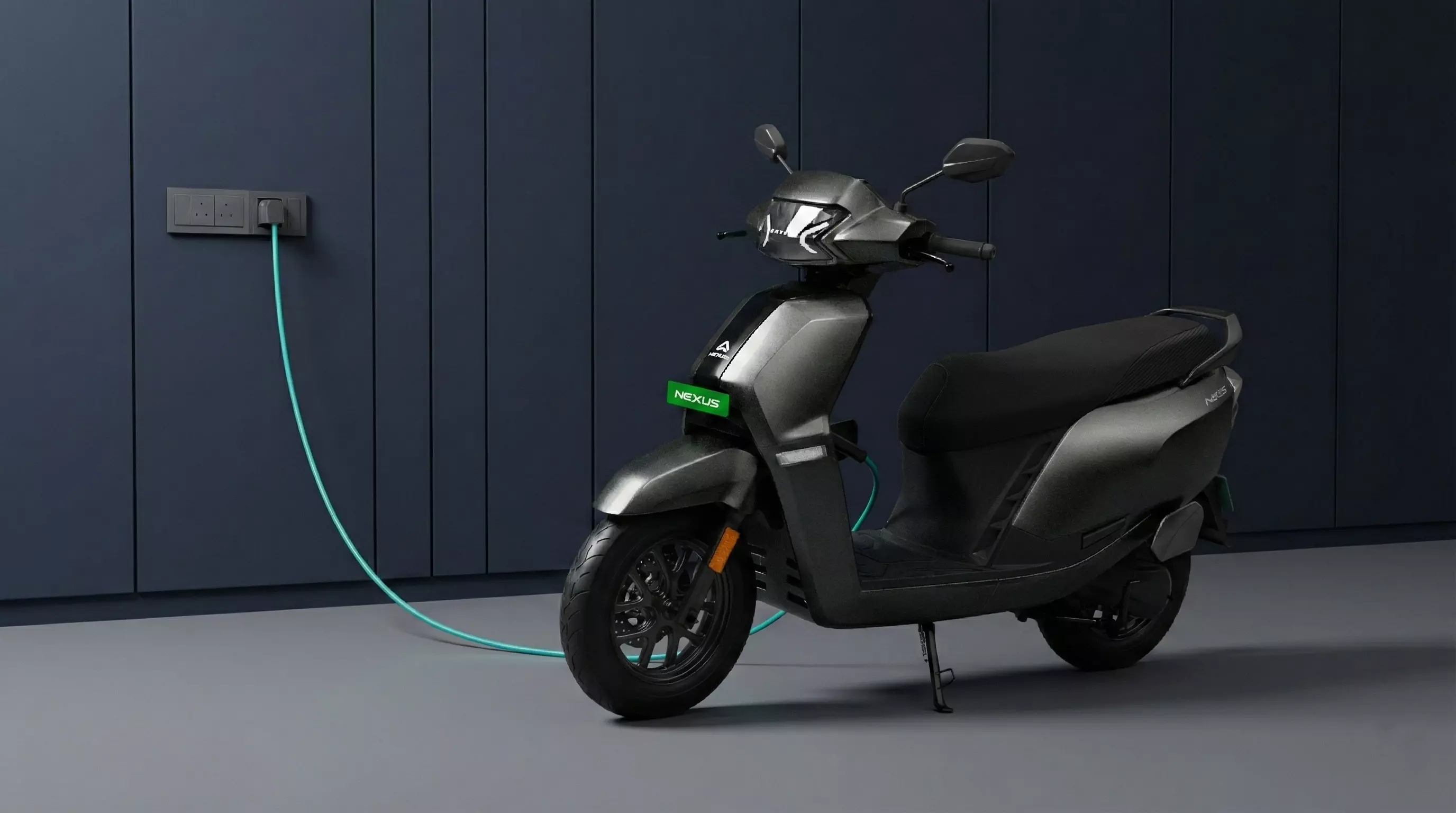
This EV scooter charging guide treats home charging as the base option for daily use. Many riders value the control it offers over time and cost. You can typically use standard wall-outlet charging (5A or 15A) found in most Indian homes — making it a simple, low-friction starting point when weighing home vs public charging for electric scooters.
Cost Efficiency and Residential Electricity Rates
Home charging is usually one of the most cost-effective options available to scooter owners. In most regions, residential electricity rates are significantly lower than commercial tariffs at public sites. This gap widens further once service fees at public charging stations for electric scooters are added on top of the unit rate.
- Residential rates — often billed per unit at regulated slabs, typically ₹6–9 per unit
- Public rates — can run ₹15–25 per unit due to added operating costs
- Time-of-day pricing — some areas offer cheaper units during off-peak hours, ideal for overnight charging
- No idle or session fees — you pay only for the electricity you consume
When you charge at home, you avoid extra parking or access fees in most cases. You also gain clearer control over how much energy you draw each day. Most Ampere electric scooters are designed to work with simple household sockets without requiring special home hardware — lowering setup costs and keeping total cost of ownership in check.
Battery Health and Long-Term Maintenance
Moderate-speed home charging is much easier on batteries than frequent high-power fast charging. Using the manufacturer-approved electric scooter charger ensures the right current and voltage, which reduces heat stress and supports long cell life. A few simple habits go a long way:
- Plug in around 20% charge level rather than waiting until near-empty every time
- Unplug or stop charging once the scooter reaches 80–100% — avoid overnight float charging where possible
- Use a dedicated socket with proper wiring and surge protection
- Avoid charging immediately after long, fast rides — let the battery cool for 15–20 minutes first
If you live in an apartment, a removable battery pack can be very handy — you can carry it indoors and use a safe, known outlet without needing parking-level wiring. Good charging habits and basic care help your scooter stay reliable for years.
Public Charging Infrastructure: When and Where to Use It
In 2026, public networks are increasingly essential for long journeys, intercity rides, and emergencies. Metro areas like Bengaluru, Delhi NCR, Mumbai, and Hyderabad now boast high charger density. However, Tier-2 cities still rely heavily on dealer points and select public locations. Most stations offer Level 2 charging or DC fast charging — but the catch is ensuring the connector matches your specific two-wheeler.
Compatibility and Connector Standards
Public stations often feature car-centric connectors like J1772, CCS, or Tesla NACS. These are generally not directly compatible with scooters without specialised adapters. Most riders rely on standardised fast-charging corridors on routes like Mumbai–Pune or Delhi–Jaipur, where 2W-specific charging is becoming more common.
- Check for 5A or 15A 3-pin sockets at public points — these match most scooter chargers
- Verify if the station explicitly supports dedicated 2W fast charging
- Use brand apps and aggregator apps to locate compatible hardware nearby
- Keep your bundled portable charger in the boot for emergencies
The True Cost of Public Convenience
Public charging is consistently more expensive than home setups. Home vs public charging for electric scooters involves fundamentally different tariff structures — public stations add session fees, idle fees, and per-kWh markups on top of the base electricity cost.
| Charge Cost Component | Home Charging | Public Charging |
|---|---|---|
| Per-Unit Energy Rate | ~₹6–9 | ~₹15–25 |
| Session / Access Fee | None | May apply per session |
| Idle Fees | None | Charged if you stay after full |
| App / Platform Fees | None | Sometimes on premium platforms |
| Typical Full Charge Cost | ~₹15–25 | ~₹45–75 + fees |
Ampere remains a budget-friendly choice by prioritising efficient home charging compatibility. This approach keeps total ownership costs noticeably lower than premium-tech brands that rely on proprietary charger networks. Understanding these infrastructure limits helps you plan better trips and avoid surprise costs on intercity rides.
Comparative Analysis: Ampere vs the Competition
Choosing the right ride involves more than just speed — it also needs a clear charging strategy for long-term value. In 2026, the debate over home vs public charging for electric scooters shapes many buying choices. Ampere focuses on mass-market access and practical daily use, while several competitors lean toward network-driven ownership models.
Network-Focused vs Practical-Charging Brands
| Brand Approach | Primary Focus | Charging Style |
|---|---|---|
| Network-Forward Brands | Connected tech, proprietary networks | Branded fast-charging hubs |
| Battery-Tech Focused Brands | Battery R&D, performance | Specialised charging hardware |
| Practical-Charging Brands (Ampere) | Mass-market, everyday usability | Standard household sockets |
| Legacy Two-Wheeler Brands | Service depth, brand trust | Mix of home + dealer points |
Many riders simply prefer to charge at home overnight — this reduces trips to public points and removes daily planning stress. Ampere's messaging leans toward easy setups and clear use guides, supporting riders who want predictable, low-effort charging habits. The scooters are tuned for typical Indian commutes and easy residential charging, which works equally well in large cities and smaller towns. Whether you have a basement parking slot or a ground-floor space, the aim is simple: less time searching for plugs, more time riding.
Strategic Charging: A Hybrid Approach for 2026
Planning when and where you charge is the key insight from any EV scooter charging guide. Most riders find that regular home charging works beautifully for daily use — home supply has stable tariffs, no service fees, and minimal battery stress. Public charging stations for electric scooters are growing steadily in Indian cities and serve a specific, valuable purpose: supporting longer rides or unexpectedly heavy travel days.
A balanced mix of home vs public charging for electric scooters covers most real-world needs comfortably. Home charging takes care of routine trips and overnight top-ups, while public points fill gaps on longer routes, intercity weekend trips, or busy delivery days. Treating public charging as a backup rather than a primary source keeps costs predictable and your battery healthy over the long term.
Recommended Charging Strategy by Rider Type
| Rider Profile | Recommended Strategy |
|---|---|
| Daily office commuter (20–40 km/day) | 100% home charging, overnight top-ups |
| Apartment dweller without parking power | Removable battery + indoor charging |
| Gig worker / delivery rider | Home charging primary + public for mid-day top-ups |
| Intercity / weekend traveller | Home for daily use + public corridors for long rides |
| Tier-2 / Tier-3 city resident | Home charging + dealer points as backup |
Frequently Asked Questions
Can I charge my electric scooter at a public car charging station?
Public charging stations for electric scooters are still evolving in many cities. Most large car chargers are built around connectors and power levels meant for electric cars — not two-wheelers. Many electric scooters instead ship with compact chargers that plug into standard power outlets. Always check your scooter manual and the charger label before using any public point. If a station offers a regular 5A or 15A socket that matches your plug, you may be able to use it. Follow local rules at each site, and avoid forcing adapters that are not approved by the manufacturer.
How much can I save by charging at home versus public stations?
Costs vary widely by region. Home vs public charging for electric scooters depends on local tariffs and any added service fees. Some public points charge only for energy, while others include time-based or session-based costs. Home charging typically costs ₹15–25 per full charge, while public stations can run ₹45–75 plus additional fees. Over a year, this difference adds up to several thousand rupees in savings for daily commuters.
What if my city has limited public charging infrastructure?
Electric scooter charging infrastructure is growing but can still feel patchy outside major metros. Public charging stations for electric scooters tend to cluster in busy commercial areas, while riders in smaller towns often rely more on home or workplace sockets. Check if your scooter supports charging from common outlets with its bundled charger — most Ampere models do. Many riders plan routes around known safe plugs at home, office, or trusted shops, and use community apps to track new charging points as they appear.
Is fast charging bad for my electric scooter's battery?
Occasional fast charging is generally fine, but relying on it daily can accelerate battery degradation due to repeated heat stress. Moderate-speed home charging keeps the battery cooler and extends its useful life by several hundred cycles. The best approach is to use home charging as your default and reserve fast charging for genuine long-trip needs.
Do I need to install special wiring at home for EV scooter charging?
Most electric scooters in India work with standard 5A or 15A household sockets — no special wiring needed. Make sure the socket has proper earthing and ideally a dedicated MCB on its circuit. For apartment owners without parking-level power, a removable battery pack lets you charge from any indoor outlet. Always use the original bundled charger to ensure correct voltage and current.
Conclusion
This EV scooter charging guide shows clearly that a hybrid approach works best in 2026. Home charging remains the most affordable and reliable base for daily use — keeping costs low while protecting battery health over the long term. While public charging stations for electric scooters offer welcome freedom for longer rides, they are typically more expensive and add heat stress to the battery.
Choosing between home vs public charging for electric scooters ultimately depends on your travel patterns. Ampere scooters simplify this choice by working seamlessly with standard household sockets, avoiding the high fees and lock-in of proprietary networks. For the best experience, set up a simple home charging point for your daily commute and use the public electric scooter charging infrastructure for intercity trips or emergencies. This strategy keeps your electric travel cost-effective, stress-free, and ready for years of reliable service.
Select product
Enter your mobile number
Enter OTP

All your personal data is secured within the Ampere by Greaves Ecosystem

Enter your name
Your details are safe with us
All your personal data is secured within the Ampere by Greaves Ecosystem
Enter pincode
Our nearest dealership will reach out to you
Almost done
Share your email to receive updates (Optional)
