
Ampere Electric Scooter vs Ola, Uber & Metro: Monthly Cost Comparison for 2026
PRESS RELEASE
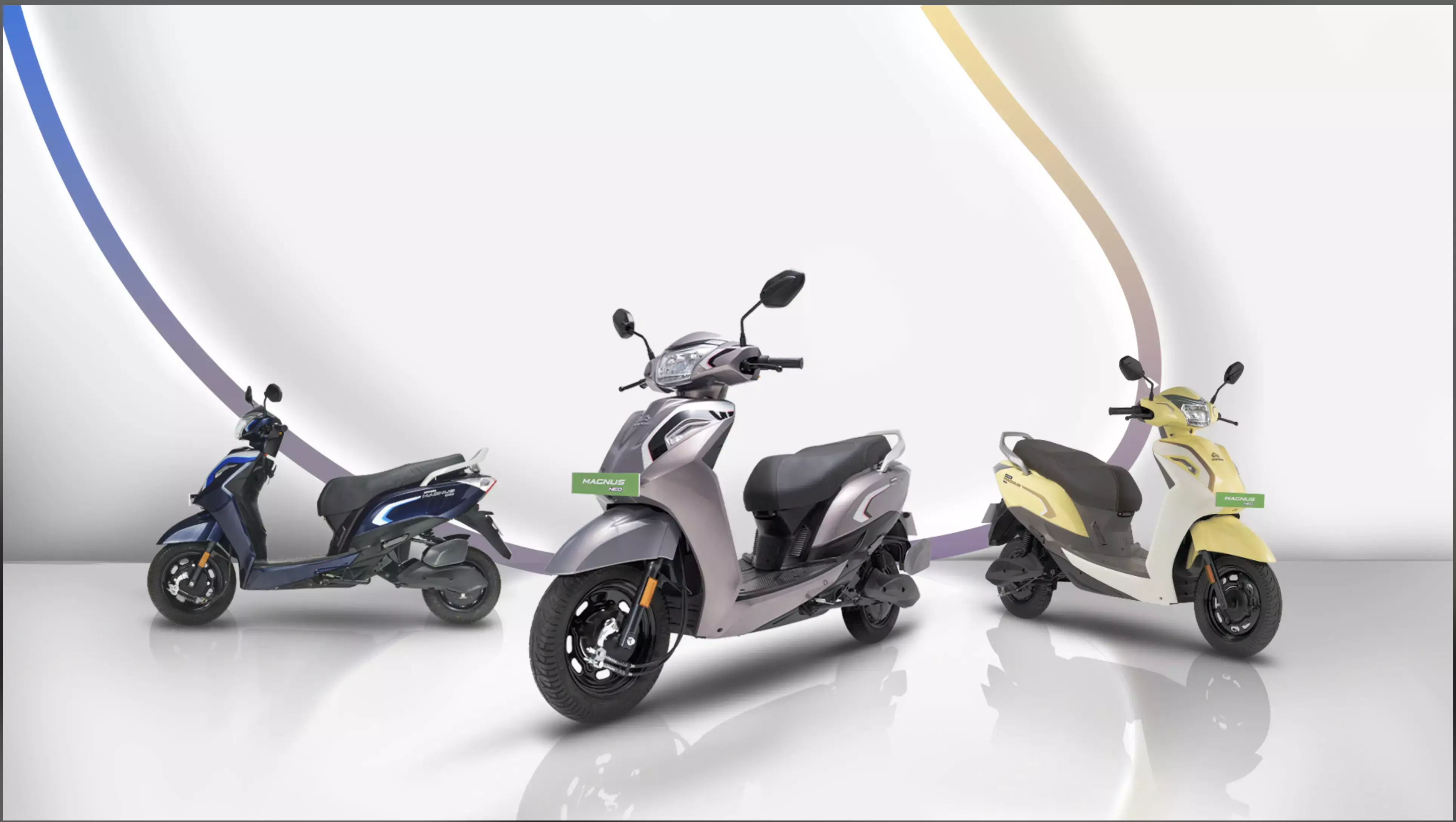
India, May 15, 2026
Copied to your Clipboard!
https://ampere.greaveselectricmobility.com/press-releases/ampere-electric-scooter-monthly-cost-comparison
Navigating busy Indian cities today often means dealing with stop-and-go traffic and steadily rising travel costs. Depending only on app-based cabs can lead to higher monthly spending and lost time waiting for rides. A clear Ampere electric scooter monthly cost comparison can show you a smarter way to plan your daily commute budget.
Many riders now compare the electric scooter vs Ola Uber cost per month to understand long-term savings. City metros and buses help reduce commute stress, but first and last-mile travel still creates friction. Owning a personal two-wheeler adds genuine flexibility — and in this space, Ampere, a brand under Greaves Electric Mobility, focuses on practical value and low ownership costs for everyday riders. This guide breaks down the cost of owning an electric scooter vs ride-sharing in 2026, compares Ampere electric scooter vs metro travel expenses, and helps you estimate Ampere EV vs public transport savings over several years.
Step 1: Breaking Down the Monthly Cost of Ola and Uber in 2026
In 2026, ride-hailing apps use dynamic pricing algorithms that charge a base fare plus distance, time, and surge fees. In large Indian cities like Mumbai, Bangalore, Delhi, and Hyderabad, fares climb sharply during peak demand — morning office hours, late evenings, monsoon spells, and weekend nights. The result is a monthly transport bill that rarely stays consistent from one month to the next.
An Ampere electric scooter monthly cost comparison with ride-hailing shows clear, repeatable differences. While ride-sharing feels easy on day one, the per-kilometre cost adds up quickly across 25–26 working days a month.
| Travel Mode | Estimated Monthly Cost | Key Expense Drivers | Predictability |
|---|---|---|---|
| Ola / Uber Cabs | ₹8,000–₹18,000+ | Surge pricing, traffic, wait time | Low — varies daily |
| Metro + Auto Combination | ₹3,000–₹7,000 | Last-mile auto fares | Medium |
| Petrol Scooter | ₹4,000–₹8,000 | Petrol + maintenance | Medium |
| Ampere Electric Scooter | ₹1,000–₹2,500 | Electricity + basic service | High — stable |
The Hidden Costs of Convenience
The cost of owning an electric scooter vs ride-sharing looks very different once you factor in hidden ride-hailing expenses. Cancellation fees, idle waiting time, surge multipliers, and longer detoured routes all eat into the monthly budget — and they rarely show up in user expectations.
Consider a 20 km daily round trip for office travel. Depending on the city and time of day, Ola or Uber rides can easily cost ₹10,000–15,000 per month. By contrast, the electricity cost per kilometre on an Ampere scooter is typically just a fraction of taxi fares — roughly ₹0.18 per km.
| Hidden Ride-Hailing Expense | Impact on Monthly Budget | How Often It Happens |
|---|---|---|
| Wait Times | Lost productivity, late to office | Daily during rush hour |
| Surge Pricing | 1.5–3x normal fare | Peak hours, monsoon, weekends |
| Cancellation Fees | ₹25–₹100 per cancellation | Several times a week |
| Route Detours | Higher distance-based fare | Traffic jams, road closures |
| No-Cab Windows | Forced auto / premium category | Late nights, holidays |
Step 2: The Ampere Advantage — Economics of Personal EV Ownership
Owning an Ampere electric scooter cuts daily travel costs significantly. The advantage becomes obvious when you compare the cost of owning an electric scooter vs ride-sharing over several years. Instead of paying per ride, you spread your total travel spend across the full ownership life of the scooter.
| Advantage | Benefit for Daily Riders | Why It Matters |
|---|---|---|
| Lower Entry Price | Smaller EMIs, easier ownership | First-time buyers can switch faster |
| Low Electricity Cost | ~₹0.18 per km | Far cheaper than petrol or cabs |
| Simple Maintenance | Fewer surprise repair bills | Fewer moving parts than petrol |
| Practical LFP Battery | 5-year warranty (Magnus & Nexus) | Lower long-term battery worry |
| Wide Service Reach | 420+ service points, 309 cities | Easier long-term ownership |
The upfront cost is available at multiple price points across the Ampere range. Once purchased, the per-kilometre running cost is consistently low — owners mainly pay for electricity and occasional service. For most city riders, this makes the Ampere electric scooter monthly cost comparison versus daily taxis or autos genuinely attractive. The longer your commute, the more the gap widens.
Electric Scooter vs Ola Uber Cost Per Month: A Real-World Example
When you compare an electric scooter vs Ola Uber cost per month, clear patterns emerge. Ride-sharing bills rise unpredictably with surge pricing, traffic, and longer routes. A personal scooter keeps costs more stable, because electricity tariffs change far less often than dynamic cab fares.
| Commute Option (30 km daily) | Approx Monthly Spend | Approx Annual Spend | 5-Year Total Spend |
|---|---|---|---|
| Ola / Uber Daily | ₹10,000–₹18,000 | ₹1.2–2.2 lakh | ₹6–11 lakh |
| Metro + Auto | ₹4,000–₹7,000 | ₹48,000–84,000 | ₹2.4–4.2 lakh |
| Petrol Scooter | ₹5,000–₹8,000 | ₹60,000–96,000 | ₹3–4.8 lakh |
| Ampere EV (running cost) | ₹1,500–₹2,500 | ₹18,000–30,000 | ₹90,000–1.5 lakh |
For most budget-conscious riders, Ampere offers one of the fastest break-even periods in the Indian EV market — typically 12–18 months when switching from daily Ola/Uber use.
Step 3: Range and Reliability for Daily Use
Reliability is vital for Indian commuters. Ampere publishes certified range figures for each model through official channels, but real-world range depends on speed, load, and road conditions. Most city users plan their trips with some buffer to avoid range anxiety.
| Feature | Daily Advantage | Cost Impact |
|---|---|---|
| Home Charging | Convenient overnight top-up | No cab fare needed at all |
| Stable Running Costs | Predictable monthly spend | Easier budget planning |
| Lower Maintenance | Fewer workshop visits | ~₹1,500–2,000/year |
| Lightweight Design | Easier traffic handling | No parking charges |
| 5-Year Battery Warranty | Peace of mind on Magnus/Nexus | Avoids mid-life pack swap |
Charging is straightforward for most owners — home or workplace charging using standard sockets or dedicated points feels much easier than waiting for cabs during peak hours. It also reduces dependence on public charging for daily city runs. Maintenance costs are typically lower than for petrol scooters too: electric motors have fewer moving parts and no engine oil, which cuts servicing frequency and reduces the risk of surprise repair bills.
Step 4: The Metro Factor — Last-Mile Connectivity and Savings
Public transport remains a backbone for Indian commuters in 2026. However, relying solely on the metro often involves hidden expenses around the first and last mile. An Ampere electric scooter vs metro travel expenses comparison reveals real advantages over the metro + auto-rickshaw routine.
Owning a personal EV eliminates the need for expensive feeder rides. In IT hubs like Whitefield (Bangalore), Manyata (Bangalore), HITEC City (Hyderabad), or Andheri (Mumbai), short last-mile trips often cost more than the metro ticket itself. Using an Ampere EV vs public transport savings approach becomes clear when you bypass surge pricing and crowded stations entirely.
| Travel Method | Common Issue | Typical Daily Cost | Time Penalty |
|---|---|---|---|
| Metro + Auto | Expensive feeder rides | ₹150–₹280 | Two transfers |
| Shared Mobility | Long wait times | ₹120–₹250 | 10–20 mins waiting |
| Shuttle Buses | Overcrowding, fixed routes | ₹60–₹150 | Inflexible timing |
| Ampere EV | Direct door-to-door | ~₹50–₹90 | None |
In Tier-2 cities like Jaipur, Indore, Coimbatore, or Lucknow, metro coverage is still expanding. Residents here often face a connectivity gap that ride-hailing services price aggressively. Ampere models like the Nexus, Magnus, or Reo bridge this distance at a fraction of the cost — giving riders 24/7 mobility without waiting for a cab.
Step 5: Ampere EMI vs Monthly Cab Bills
Even after factoring in EMI payments, personal Ampere ownership comfortably undercuts daily cab use. Here’s a realistic breakdown for the 2026 lineup:
| Ampere Model | Approx On-Road Price | Approx EMI (36 months) | EMI + Running Cost / Month |
|---|---|---|---|
| Reo 80 | ~₹65,000 | ~₹2,200–2,500 | ~₹3,500 |
| Magnus Neo | ~₹92,000 | ~₹3,100–3,500 | ~₹5,000 |
| Magnus Grand | ~₹95,000 | ~₹3,200–3,600 | ~₹5,100 |
| Magnus G Max | ~₹1,01,000 | ~₹3,400–3,800 | ~₹5,400 |
| Nexus | ~₹1,20,000–1,30,000 | ~₹4,000–4,500 | ~₹6,200 |
*EMI estimates are indicative, based on standard tenure and average interest rates. Actual EMI depends on down payment, loan tenure, and lender terms.
Even the all-in monthly cost of a Magnus or Nexus (EMI + electricity + service) lands well below typical Ola/Uber spending for a 25–30 km daily commute — while the scooter is yours to keep at the end of the loan.
Why Ampere Wins for Daily Commuters in 2026
An Ampere electric scooter monthly cost comparison reveals a clear winner for Indian commuters. While other brands focus heavily on premium tech and connected ecosystems, Ampere prioritises what matters most to daily riders — affordability, reliability, and predictable ownership costs.
| Ampere Strength | Benefit vs Cabs & Metro |
|---|---|
| Lower Running Costs | Save ₹5,000–₹10,000+ per month vs Ola/Uber |
| Affordable Pricing | Entry-level Reo 80 from ₹59,900 ex-showroom |
| Practical Features | Range, storage, and LED lighting for city use |
| Lower Maintenance | Fewer moving parts, no engine oil changes |
| Reliable Urban Mobility | Independence from surge pricing & queues |
| 5-Year Battery Warranty | LFP battery on Magnus & Nexus models |
Frequently Asked Questions
What is the monthly EMI for an Ampere electric scooter in 2026?
With on-road prices ranging from roughly ₹65,000 to ₹1,30,000, monthly EMIs typically fall between ₹2,200 and ₹4,500 over a 36-month tenure. Your exact payment depends on the loan term, down payment, and lender terms. Even the highest EMI is often lower than monthly Ola or Uber spending — and a budget model like the Reo 80 keeps your travel budget very low.
How much can I save monthly compared to Uber or Ola?
For a 30 km daily commute, most riders save ₹6,000–₹10,000 every month after switching from daily Ola/Uber rides to an Ampere scooter. Ampere’s electricity cost is roughly ₹0.18 per km, while ride-hailing tariffs include base fares, surge multipliers, and waiting charges that add up quickly. Even after paying your EMI, personal ownership comfortably beats daily cabs on cost.
Is Ampere better than premium EV scooters for cost savings?
Ampere focuses on low total cost of ownership and practical, accessible pricing. While premium EV brands offer richer tech and faster acceleration, Ampere targets value-conscious riders who care most about predictable monthly costs and dependable service. Ampere scooters typically deliver a faster payback period against metro fares and cab expenses.
Does the electricity cost per km vary by state?
Yes — electricity tariffs differ across states like Maharashtra, Karnataka, Tamil Nadu, and Delhi. However, the per-km cost stays significantly lower than petrol or cab fares everywhere in India. Even in higher-tariff states, running cost stays well under ₹0.25 per km — far better than ride-sharing or mixed public transport commutes.
How long is the break-even period vs daily cabs?
For someone currently spending ₹10,000+/month on Ola or Uber, the break-even period on an Ampere Magnus or Nexus is typically 12–18 months. After that, every month of ownership becomes pure savings — with the scooter still warranted for 3–5 more years on the battery and vehicle.
Can I really replace all my Ola / Uber trips with an Ampere scooter?
For solo office commutes and short errands, yes — especially within a 30–60 km daily range. For long airport trips, group travel, or heavy monsoon days, you may still occasionally use cabs. Even partial replacement (e.g., scooter for daily office + cabs only for weekends) saves most users ₹4,000–7,000 per month.
Conclusion: Take Control of Your Monthly Travel Budget
Choosing an Ampere electric scooter is one of the smartest financial moves for 2026 commuters. This Ampere electric scooter monthly cost comparison shows clear, repeatable savings over ride-sharing apps, metro + auto combinations, and even petrol scooters. While Ola and Uber prices keep rising with surge pricing and surcharges, your EV running costs stay low and predictable — helping you escape long waits, expensive last-mile rides, and unpredictable monthly bills.
The electric scooter vs Ola Uber cost per month equation favours personal ownership decisively for any daily city rider. The cost of owning an electric scooter vs ride-sharing drops sharply with each additional kilometre — and the Ampere EV vs public transport savings become especially clear when last-mile autos are factored in.
Stop relying on expensive taxis and unpredictable commute costs. Visit your nearest Ampere dealership, test ride a Reo, Magnus, or Nexus on your actual office route, and take control of your monthly travel budget today.
Monthly cost and EMI figures are indicative for 2026 and based on average 25–30 km daily commutes in major Indian cities. Actual savings depend on city, electricity tariff, riding patterns, and applicable state EV subsidies. Verify current pricing and finance options with your nearest Ampere dealership.
Select product
Enter your mobile number
Enter OTP

All your personal data is secured within the Ampere by Greaves Ecosystem

Enter your name
Your details are safe with us
All your personal data is secured within the Ampere by Greaves Ecosystem
Enter pincode
Our nearest dealership will reach out to you
Almost done
Share your email to receive updates (Optional)
